Search This Blog

Sunday, June 9, 2019

Abbott and Tandem in the spotlight at diabetes meeting

  • Leading medical device companies have arrived in San Francisco for the American Diabetes Association (ADA) meeting, setting the stage for updates that will shape the continuous glucose monitor (CGM) and insulin pump markets.
  • Companies including Dexcom and Roche released news ahead of the event. Roche partnered with diabetes care platform GlucoMe, while Dexcom entered into a diabetes data exchange with Companion Medical.
  • More significant updates are scheduled for the weekend, when Abbott will share details of its FreeStyle Libre 2 CGM system and Tandem Diabetes Care will present data from a pivotal trial of its automated insulin delivery system.

In a preview of the annual meeting, analysts at Cowen picked the Abbott and Tandem presentations as some of the most significant of the event. After a year of growth at its diabetes unit, Abbott will use the ADA meeting to share information on the second generation of FreeStyle Libre.
Libre 2 is under review at the FDA but Abbott CEO Miles White declined to predict when it will come to market in the U.S. when talking to investors in April. The Cowen analysts think the approval could be imminent but, even if Abbott is unable to launch the device at ADA, it is likely to share additional details of the device across multiple planned presentations.
Abbott filed for approval of Libre 2 as an interoperable continuous glucose monitoring (iCGM) system, meaning it will need to meet the special controls established by FDA when it authorized the Dexcom G6 last year. Libre 2 needs to exceed multiple performance standards to qualify as an iCGM but it is unclear whether Abbott will share detailed data at ADA.
“We may not get a comprehensive update on performance improvements vs. the current Libre system (which should be required to meet iCGM special controls), as headline mean absolute relative difference/outlier data may not tell the full story,” the Cowen analysts wrote.
The biggest news outside of the CGM space may come from Tandem, which is due to share data from a pivotal trial of its automated insulin delivery system, Control-IQ. Based on previous data, Cowen analysts expect patients using the system to achieve a time in range of over 75% and spend less than 2% of their time below the bottom end of the safe blood sugar range.
Tandem plans to submit a regulatory filing for Control-IQ to FDA next month and bring the device to market by the end of the year. The timeline for launch has slipped somewhat as it has taken Tandem longer than anticipated to access the study data.
Abbott and Tandem are both due to present information about their devices on Sunday. Some of their peers shared news ahead of the event.
Senseonics Holdings revealed FDA approved a dosing claim for Eversense that will enable patients who download an app to use the CGM system as a replacement for fingersticks.
T1D Exchange partnered with DreaMed Diabetes to provide its artificial intelligence-based decision support technology to six clinics. The technology, DreaMed Advisor Pro, is designed to help high-risk patients maintain balanced glucose levels.
Dexcom and Roche also shared their updates on the diabetes care platform GlucoMe and the diabetes data exchange with Companion Medical, respectively.
The Roche partnership with GlucoMe grew out of the startup hub it helped to set up last year and furthers its efforts to build a web of digital products around its diabetes devices.
The Dexcom agreement will enable users of Companion Medical’s smart insulin pen to display insulin data on Dexcom’s diabetes management software.

Blue State Seniors Like Private Medicare, Complicating Single Payer

Seniors in progressive U.S. states are choosing private Medicare Advantage plans more so than the national average even as the politicians who want to represent them talk about getting rid of the insurer’s role in health coverage.
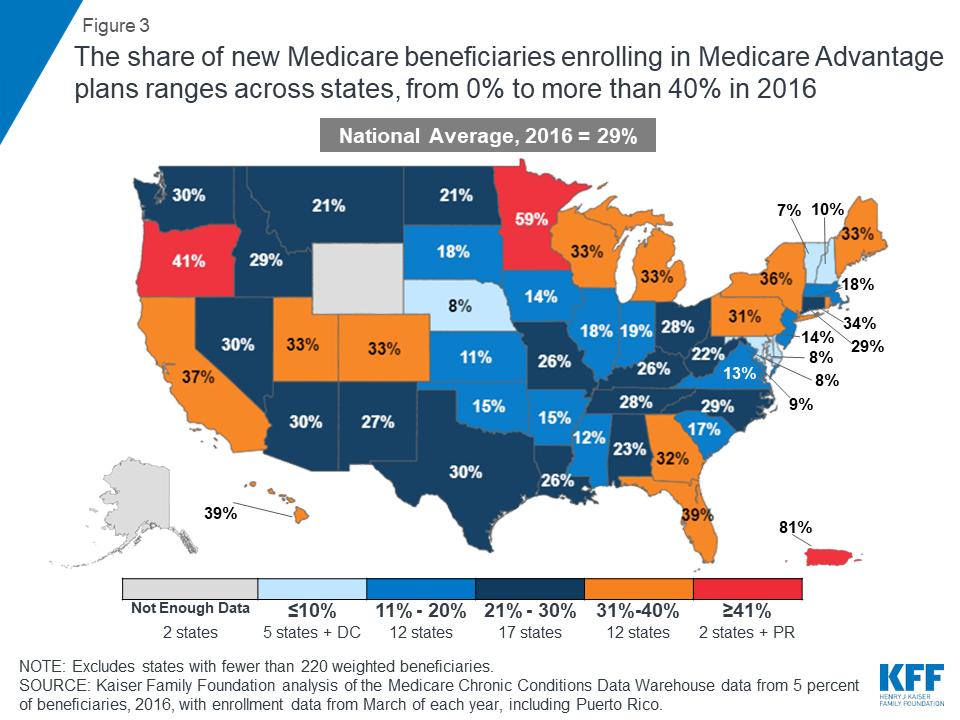
New data from the Kaiser Family Foundation shows more than 40% of new Medicare beneficiaries in Oregon and Minnesota chose Medicare Advantage plans in 2016. And more than 36% of new Medicare beneficiaries in New York and California chose Medicare Advantage plans in 2016.
The move toward privatized Medicare plans in Democratic-leaning states like these comes as many candidates for the party’s nomination for President are pushing a single payer version of “Medicare for All” that would bring an end to the private insurer’s role.
With two dozen Democrats running for President in 2020 to challenge Donald Trump should Republicans re-nominate him to run for re-election, the Democratic Party’s candidates are backing everything from a single payer approach to Medicare for All to efforts that allow Americans under the age of 65 to buy into Medicare coverage.
Democratic U.S. Sens. Cory Booker of New Jersey, Kirsten Gillibrand of New York, Kamala Harris of California, Bernie Sanders of Vermont and Elizabeth Warren of Massachusetts were among 17 Senators who introduced the Sanders-led Medicare for All Act of 2017. This legislation, which would expand Medicare more broadly to Americans of all ages, would have no premiums, limited cost-sharing and replaces all private insurance along with Medicaid and the Children’s Health Insurance Program.
Beyond those supporting single payer, others want to see coverage expanded to all through Medicare or a public option. Former U.S. Rep Beto O’Rourke of Texas has said in the past he would support Sanders’ Medicare for All proposal, but lately he’s talking about a more incremental approach to expanding health coverage as has former Vice President Joe Biden who has said he wants to preserve the private healthcare system. And Pete Buttigieg, the Mayor of South Bend, Indiana, is proposing a “Medicare for all who want it” solution that he says would put the U.S. on a path to universal coverage.
The Kaiser Family Foundation analysis seems to indicate those baby boomers who turn 65 and first become eligible for Medicare could be choosing private plans at a higher rate than they are given their experience with the private system.
“Twenty-nine percent of new beneficiaries chose to enroll in Medicare Advantage during their first year in Medicare in 2016,” the Kaiser analysis shows. “That level generally matches the overall share of beneficiaries who opted for Medicare Advantage that year, but does not support the view that the aging Baby Boom generation, having had more experience with HMOs and PPOs during their working years, would select the private plans over traditional Medicare at relatively high rates. In fact, the share of new beneficiaries choosing Medicare Advantage has increased only modestly over the years.”
But the numbers of total Medicare beneficiaries choosing Medicare Advantage is on the rise in the Kaiser study as well as other studies. Medicare Advantage plans provide extra benefits and services to seniors, such as disease management and nurse help hotlines, as well as some plans providing vision and dental care and wellness programs. The plans also are scored by a star-ratings system created under the Affordable Care Act.
Some industry analysts see Medicare Advantage penetration headed to 50% or more of the market in the next five years, particularly after the Trump administration changed regulation to allow Medicare Advantage plans to cover more supplemental benefits. Proponents of Medicare Advantage say enrollment among new beneficiaries if seniors had more education and better understood their options.
“The more educated older adults are about their choices, the more likely they are to make the best choice for themselves,” said Allyson Schwartz,President and CEO of the Better Medicare Alliance, which represents medical care providers and insurers including Humana, UnitedHealth Group, CVS Health and its Aetna health insurance business. “After one or two years in traditional Medicare, as people learn more about their options, they then enroll in Medicare Advantage. Enrollment in MA continues to grow as beneficiaries across the country regardless of political ideology seek lower cost, more benefits, and a coordinated system of care.”
Political battlegrounds like Florida, Georgia, Michigan, Pennsylvania and Wisconsin were states where the share of new Medicare beneficiaries was higher than the 29% national average outlined in the Kaiser study for 2016.
Backers of Medicare Advantage say insurers have attracted more than 22 million people to such plans because of the benefits the plans offer.
“About a third of people eligible for Medicare choose Medicare Advantage because it offers better service, care and value,” America’s Health Insurance Plans (AHIP) spokeswoman Kristine Grow said. AHIP represents several health insurers with Medicare Advantage business including Anthem, Cigna, Centene, Molina Healthcare and WellCare Health Plans.
“About 6 million of them are seniors who make less than $20,000 a year – many of whom might not be able to afford the out-of-pocket costs of traditional Medicare,” Grow added. “Medicare Advantage helps enrollees save money by capping out of pocket costs, offering additional benefits that traditional Medicare doesn’t cover, and for many plans including comprehensive drug coverage at no additional cost.”

Fractyl procedure shows Type 2 diabetics going insulin-free for 6 months

Early clinical data from Fractyl Laboratories showed that its 40-minute outpatient procedure aimed at the gut could help eliminate several months’ worth of daily insulin injections for people with Type 2 diabetes.
The former Fierce 15 winner’s endoscopic Revita DMR procedure—for “duodenal mucosal resurfacing”—uses water and heat to strip away the inner lining of a portion of the small intestine, allowing it to regrow naturally.
This rejuvenating process seeks to reset the constant production of hormones within that part of the organ, the lion’s share of which are linked to metabolism and related diseases.
Years of dietary fats, sugars and other foods can cause the mucosal lining of the duodenum to become too thick, the company says, leading to imbalances and feedback loops that can contribute to insulin resistance, diabetes and other metabolic syndromes—including non-alcoholic fatty liver disease and steatohepatitis, known as NAFLD and NASH.
The therapy was inspired by the surprising results of certain gastric bypass surgeries for weight loss, which showed an almost immediate reversal of Type 2 diabetes when food was routed around the duodenum.

“This reversal was also totally weight independent, which was really striking and goes against everything that we learned in medical school about why you develop Type 2 diabetes or other metabolic diseases,” Fractyl co-founder and CEO Harith Rajagopalan told FierceMedTech.
“Because the way that we were taught is that you gain weight, and you become obese, and then that obesity causes you to get Type 2 diabetes—but here is the surgery where the diabetes is going away before people have even lost any weight,” Rajagopalan said.
In the company’s interim study results, presented at the annual Scientific Sessions of the American Diabetes Association in San Francisco, 11 out of 13 patients—with an average history of Type 2 diabetes spanning 10 years—reported being insulin-free after at least six months. Three additional participants have not yet reached the six-month mark.
The participants continued therapy with a GLP-1 agonist, with some not needing insulin injections for as long as a year. Additionally, patients saw a nearly 45% reduction in liver fat on an MRI scan plus improvements in weight and blood pressure, the company said.
“Type 2 diabetes is complicated with many severe comorbidities, often managed with multiple daily medications. But with Revita DMR, we continue to see positive clinical effects on diabetes, fatty liver and cardiovascular disease after treatment,” said Juan Carlos Lopez-Talavera, Fractyl’s chief medical officer.
A healthy mucosal layer regrows within one to two months following the procedure, though the beneficial effects appear to be lasting much longer than that, Rajagopalan said.
“Time will tell whether this procedure needs be repeated and at what frequency, but so far, I think it’s reasonable to say that the effects continue to look very promising one year after the procedure,” he said—with one of the most profound improvements being seen in quality-of-life and management of the disease by moving patients from calculating daily injections onto a fixed set of medications.
A separate, sham-controlled study is being currently performed in more than 100 patients with poorly controlled diabetes despite a number of treatments but are not yet receiving insulin.
Data from that randomized trial are expected later this summer. Combined with the results from the smaller study, Fractyl aims to use the two trials to help commercialize its CE marked Revita procedure outside the U.S., while also filing for pivotal studies with the FDA.
Earlier this year, the company presented NAFLD and NASH-focused data at the International Liver Congress in Vienna. In that study, measurements of liver fat were reduced by 36%, with 88% of patients showing improvements in both liver fat and glucose levels within three months of treatment.
Fractyl describes NAFLD, NASH and Type 2 diabetes reaching epidemic levels in the U.S. and internationally, with about 18 million Americans estimated to have more than one of the conditions.

Chronic inflammation saps motivation by reducing dopamine in brain

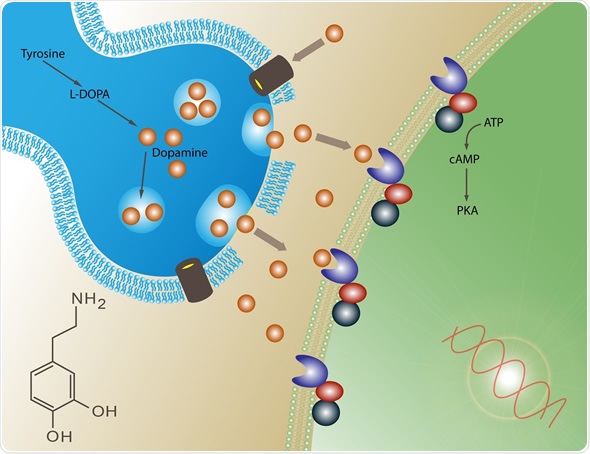
Why do we feel listless when we are recovering from an illness? The answer is, apparently, that low-grade chronic inflammation interferes with the dopaminergic signaling system in the brain that motivates us to do things.
This was reported in a new paper published in the journal Trends in Cognitive Sciences.
The research carried out at Emory University explains the links between the reduced release of dopamine in the brain, the motivation to do things, and the presence of an inflammatory reaction in the body. It also presents the possibility that this is part of the body’s effort to optimize its energy expenditure during such inflammatory episodes, citing evidence gathered during their study.
The authors also published an experimental framework based on computational tools, devised to test the theory.
The underlying hypothesis is that the body needs more energy to heal a wound or overcome an infection, for instance, both of which are associated with low-grade inflammation. To ensure that energy is available, the brain uses an adaptive technique to reduce the natural drive to perform other tasks which could potentially drain away the energy needed for healing. This is essentially a recalibration of the specialized reward neurons in the motivation center of the brain, so that ordinary tasks no longer feel like they’re worth doing.
According to the new study, the mechanism of this recalibration is immune-mediated disruption of the dopamine pathway, reducing dopamine release.
The computational technique published by the scientists is designed to allow experimental measurements of the extent to which low-grade inflammation affects the amount of energy available, and the decision to do something based on the effort needed. This could allow us to better understand why and how chronic inflammatory states cause a lack of motivation in other disease conditions as well, including schizophrenia and depression.
Andrew Miller, co-author of the study, says, “If our theory is correct, then it could have a tremendous impact on treating cases of depression and other behavioral disorders that may be driven by inflammation. It would open up opportunities for the development of therapies that target energy utilization by immune cells, which would be something completely new in our field.”
It is already known that immune cells release cellular signaling molecules called cytokines, which affect the functioning of the dopamine-releasing neurons in the area of the brain called the mesolimbic system. This area enhances our willingness to work hard for the sake of a reward.
Dopamine
Image Copyright: Meletios, Image ID: 71648629 via shutterstock.com
Recently, it was discovered that immune cells also enjoy a unique capability to shift between various metabolic states, unlike other cells. This could affect cytokine release patterns in such a way as to signal the brain to conserve available energy for the use of the immune system.
These facts were the foundation of the new hypothesis, which explains it in terms of evolutionary adaptation. In the hypothetical early environment, the immune system, faced with abundant microbial and predatory challenges, needed tremendous amounts of energy. It therefore had its own mechanism to signal other body systems, via the mesolimbic dopamine system, to control the use of energy resources during periods when the organism was undergoing severe or sudden stress.
Modern life is relatively soft and less challenging. With less physical activity, low-grade inflammation is chiefly due to factors such as obesity, chronic stress, metabolic syndrome, aging and other lifestyle illnesses. This could mistakenly cause the mesolimbic dopamine neurons to produce less dopamine. Lower dopamine levels in turn decrease the motivation for work, by reducing the perception of reward while increasing the perception of effort involved. This ultimately conserves energy for use by the immune system.
Previous studies by Miller as well as other scientists have shown that a high level of immune functioning in association with low levels of dopamine and reduced motivation characterizes some cases of schizophrenia, depression and certain other mental health conditions.
The scientists do not think these disorders are caused by the low-grade inflammation, but that some people who have these illnesses are hypersensitive to immune cytokines. This could in turn cause them to lose motivation for daily living.
The scientists are currently performing a clinical trial on people with depression, to test the theory using the computational framework.
Source:
Treadway M. T. et al., (2019). Can’t or Won’t? Immunometabolic Constraints on Dopaminergic Drive. Trends in Cognitive Sciences. https://doi.org/10.1016/j.tics.2019.03.003

Lower Insulin Demand Associated With Gluten-Free Diet in Recent-Onset T1D

A gluten-free diet was associated with lower insulin demand and lower glycated hemoglobin (HbA1c) in newly diagnosed nonceliac pediatric patients with type 1 diabetes(T1D), according to study results presented at the American Diabetes Association 79th Scientific Sessions, held June 7 to 11, 2019, in San Francisco, California.
Researchers aimed to test whether a gluten-free diet could decelerate the decline in beta-cell capacity in newly diagnosed nonceliac pediatric patients with T1D. The nonrandomized self-selected intervention trial enrolled 46 pediatric patients, age 10.2 ± 3.3 years. Of the total patients enrolled, 26 started with a gluten-free diet and 20 were kept on a standard diet.
Researchers looked for a decline in C-peptide area under the curve in mixed-meal tolerance tests, as well as the differences in insulin dose, insulin dose-adjusted A1c, and HbA1c over a 12-month period. Adherence to a gluten-free diet was tested by immunoreactive gluten in patient stool samples and further data was analyzed as intention-to-treat by linear regression models.

Results showed a mean decrease in C-peptide area under the curve, with 293 vs 484 pmol/L (P =.3) at 6 months and 567 vs 919 pmol/L (P =.10) at 12 months in the gluten-free diet and standard diet groups, respectively. The gluten-free diet group showed lower insulin dose by 0.22 U/kg/d (=.007), lower insulin dose-adjusted A1c by 1.5 (P =.003), and lower mean HbA1c by 7.5 mmol/mol (P =.01) at 12 months.
Immunoreactive gluten was found in the stool of 3 patients and there was no difference in daily carbohydrate intake between the gluten-free diet and standard diet groups (P =.40).

Reference
Neuman V, Pruhova S, Kulich M, et al. Gluten-free diet in children with recent-onset type 1 diabetes without coeliac disease: a 12-month intervention trial. Presented at: American Diabetes Association 79th Scientific Sessions; June 7-11, 2019; San Francisco, CA. Poster 1378-P.

Pfizer: The race to replace Viagra

Are we witnessing the end of an era for Viagra and Pfizer? Since the famous “little blue pill” exploded on to the market in 1998, becoming the fastest selling drug in history, the American pharmaceutical giant has made vast sums marketing it to erectile dysfunction sufferers all over the world. Within three months of its launch, Viagra had already earned Pfizer$400m, and over the past two decades, it has consistently generated annual sales to the tune of $1.8bn.
However, this will soon come to an end, as in 2020, Pfizer’s remaining patents on Viagra expire for good. A whole host of generic versions have emerged in the past six years, often in quirky forms such as mint strips or breath sprays, as Pfizer’s grip on the rights to the drug has slowly loosened. Soon, these are expected to flood the market, as manufacturers jostle for a slice of the pie.
This will make Viagra more accessible and cheaper, but for the millions of men worldwide with erectile dysfunction, it could also spell good news in the form of much needed treatment innovations. Since Viagra was launched, few genuinely novel therapies have been developed, and while Viagra and similar drugs like Cialis and Levitra – which all increase blood flow to the penis by blocking an enzyme known as PDE5 – are effective in around 70% of patients, they come with significant downsides.
To start with, there are often prominent side-effects ranging from headaches to stomach pain. In addition, with Viagra taking more than an hour to work, there’s the need to pre-plan intercourse, and in the case of older patients, the drugs can often be unsuitable due to potentially dangerous interactions with medications for high blood pressure, or hypertension. For patients with the most severe forms of erectile dysfunction, often resulting from nerve damage due to diabetes or prostate cancer surgery, Viagra typically doesn’t work at all.
The need for better treatments is particularly pressing as erectile dysfunction appears to be getting more common, with the global prevalence set to pass 300 million by the middle of the next decade. Scientists have long argued about whether this is simply due to men becoming more open in reporting their problems, or a by-product of other health problems. One thing is clear: the market is growing.
GTN could potentially be applied directly to the penis as a gel or cream, with near instantaneous results
“There’s a huge need for new treatments which work in the widest patient population possible while having a longer-acting effect to improve spontaneity and reduce the stress of having to take them on a planned basis,” says Dr Samit Soni, a urologist at the Baylor College of Medicine in Houston, Texas. “Many patients would like to be able to take something and then not have to worry about it for 30 days.”
But right now, there are few options. The only alternatives to Viagra consist of medications which need to be injected directly into the shaft of the penis in order to improve blood flow, or complex surgery to fit penis pumps or prosthetic implants. Neither are particularly palatable.
So why is this? While a handful of pharma companies have attempted and failed to get rival drugs into the clinic, the sheer scale of the Viagra profit machine created a monopoly, with most companies shying away from the challenge, perceiving it as too much of a risk. But experts believe this could be about to change.
“For many years after Viagra was developed, little changed in our understanding of erectile dysfunction and how to correct it,” says Soni. “But with the patent expiration there’s definitely a renewed interest in alternative pathways for treating erectile dysfunction, and using them to develop new ideas that can be patented, and provide a sustainable profit to the industry.”
Viagra 2.0
In the early 2000s, scientists at Futura Medical, a pharmaceutical company in Surrey, came across stories of a heart disease medication that appeared to accidentally induce erections.
“There were some anecdotal reports of people deliberately spraying this product on to their penises,” says Ken James, head of research and development at Futura. “These observations had been reported in the scientific literature, and the company thought there might be a commercial opportunity.”
The reported effects were due to a particular molecule known as glyceryl trinitrate or GTN, which causes the dilation of blood vessels in the penis, increasing blood flow. But the reason why Futura were so intrigued was because, while Viagra, Cialis and other drugs have to be taken orally – meaning they reach the target area via the bloodstream and so interact with other systems in the body – GTN could be rapidly absorbed into erectile tissue through the skin. This meant that it could potentially be applied directly as part of a gel or cream, with almost instantaneous results and none of the troublesome side effects associated with Viagra.
“Viagra and Cialis are quite effective drugs but 50% of people stop using them within a year,” says James. “60-70% of people have some degree of dissatisfaction with them. This shows there’s an opportunity if we can come to market with something that addresses many of those concerns.”
Over the past decade, Futura have developed a GTN-based gel called Eroxon which appears to be capable of inducing an erection in patients with mild to moderate erectile dysfunction in five to 10 minutes. Already dubbed the new Viagra by some, it seems to have the potential to be the first genuinely novel treatment for erectile dysfunction in two decades, and Futura have even tentatively placed its potential commercial value at $1bn.
After investors showed a renewed interest in backing novel treatments for erectile dysfunction, Futura completed a clinical trial of 232 patients last year, and have now embarked on a final phase III trial of 1,000 patients to be completed by the end of 2019. If this succeeds, Eroxon could become available clinically within the next couple of years, although urologists remain cautious.
“The biggest question from that phase III trial will be how they compare in clinical efficacy to Viagra,” says Soni. “In the past, we’ve seen that it’s difficult to get similar efficacy with topical administration, but at the same time, our understanding of how drugs can be absorbed through the skin into the bloodstream has massively improved.”
Tackling the most severe cases
But even Futura’s scientists admit that Eroxon is unlikely to help the severest cases of erectile dysfunction, which affect around 20-30% of patients, typically due to nerve damage in the lower abdomen.
In the past there have been few options for these people, but over the past five years, the renewed interest in erectile dysfunction has seen research programmes dedicating more time and money to clinical trials of a technology known as shockwave therapy. Unlike Viagra or Eroxon, this attempts to reverse the problems which cause the dysfunction by passing low-intensity sound waves through erectile tissue.
Desperation has pushed many into private clinics that offer shockwaves, stem cell infusions or injections of plasma
Scientists are still not entirely sure how or why it works, but so far they think it leads to a form of regeneration of the erectile tissue, promoting the growth of new blood vessels and clearing plaque from existing vessels. “Improving the function of these vessels leads to improved blood flow and erections in those patients,” explains Georgios Hatzichristodoulou, who researches shockwave therapy at the University of Würzburg in Germany.
However, because there is such a wide spectrum of causes of erectile dysfunction, shockwave therapy is currently only known to work in a subset of these patients, particularly those where the damage has resulted from diabetes or hypertension.
Hatzichristodoulou points out that there remains a need for further data, with a series of trials of shockwave therapy currently going on in Europe and the US. But compared to Viagra or Eroxon, one of the great promises of the treatment is that it would not be needed on a regular basis. Instead, patients could simply undergo maintenance therapy at half-yearly or annual intervals.
Most tantalisingly, in attempting to restore the natural function of the penis, it points towards an eventual cure, a hope which may yet be realised in years to come.
The search for an all-out cure
Even when Viagra works, one of the problems for people who need to take it indefinitely is that it becomes less effective over the course of months or years.
“This is quite common. Most patients will experience a worsening of their erections after they’ve been on Viagra for a while,” says Hatzichristodoulou. “They take Viagra for five, six, 10 years, and some days they feel that there is little improvement in function.”
Desperation has pushed many patients towards unscrupulous private clinics around the world, who promise an ultimate cure, offering treatments like shockwaves, stem cell infusions and injections of platelet-rich plasma on an unregulated basis. But all of these therapies are highly experimental – as an example, shockwave therapy is currently only approved by the US Food and Drug Administration to stimulate wound healing, as scientists are still working on establishing the best doses for efficacy and investigating long-term safety.
“There’s some particularly compelling data on shockwave therapy, especially in certain patients,” says Soni. “But it is still in an early phase.”
While scientists hope that shockwave therapy may be ready for primetime within the next five to 10 years, progress is also being made on longer-term treatments such as gene therapy which could offer a complete cure. At the Kaiser Permanente Division of Research in northern California, a group of scientists have identified a genetic switch which is thought to be unique to sexual function. They believe that this switch plays a crucial role in controlling the brain signals which initiate an erection, and new genome editing technologies such as Crispr-Cas9 could one day allow scientists to reactivate this switch in patients.
“This genetic location is part of a pathway which is involved in a number of different systems in the body, from pigmentation to weight to sexual function,” explains project leader Eric Jorgenson. “But what is exciting about this, is that it seems to be very specific to sexual function, which would make it possible to target this location and not disturb anything else in the body. But there’s a long way to get there. We need to understand the exact part of the brain where this switch is active, and then try targeting it in mice.”
Because genome editing is still such an experimental concept, Jorgenson says it will take time for regulators to become confident that it could be safe. “The first uses of Crispr-like technology will probably be in patients where there’s more of a direct medical need for experimental therapies,” he says. “You’d need to have a very safe treatment before people will allow it for erectile dysfunction.”
While gene therapy may be a little way off, there are still new treatments on the horizon for erectile dysfunction for the first time in decades. With the Viagra era coming to a close, and increasing amounts of research funding available, the field is in its healthiest state for years.
“There hasn’t been any real innovation in erectile dysfunction for many years now,” says Soni. “These new breakthroughs and treatments are offering excitement to an area of healthcare that has really been lulled for a long time.”

More Severe Complications in Young Adults with Youth-Onset Type 2 Diabetes

By continuing to follow the cohort from the Treatment Options for Type 2 Diabetes in Adolescents and Youth (TODAY) Study sponsored by the National Institutes of Health (NIH), researchers can now report on the extensive development of severe renal, cardiac, eye, nerve, and pregnancy complications in early adulthood in patients with youth-onset type 2 diabetes (Y-T2D). Results from this follow up study, TODAY2, presented today at the American Diabetes Association’s® (ADA’s) 79th Scientific Sessions® at the Moscone Convention Center in San Francisco, show an accelerating rate of serious complications within the last five years and point to the increased need for more aggressive management of the disease to minimize or prevent the development of serious complications in individuals with Y-T2D.
“Our findings indicate the development of diabetes-related complications in individuals with youth-onset disease is at least as rapid as it is in individuals who develop the disease later on in life. Since these individuals are battling the disease at a younger age, they are experiencing life-changing health consequences caused by type 2 diabetes at the earliest stages of adulthood. This means there will be a substantial burden of diabetes-related complications that will require even more intense management as they age,” said Philip S. Zeitler, MD, PhD, section head of pediatric endocrinology at the University of Colorado School of Medicine and the chair of the department of endocrinology at the Children’s Hospital Colorado.
TODAY was the first multi-ethnic, randomized trial examining individuals who had the onset of type 2 diabetes (T2D) before age 18 years (Y-T2D) and remains unique in this area. When the study began in 2004, it enrolled 699 participants between the ages of 10 and 17 years and sought to compare treatment using metformin (the only FDA-approved medication for T2D in youth), to using metformin combined with rosiglitazone (an oral drug that improves the action of the body’s own insulin), and to using metformin with a lifestyle-intervention program focused on weight loss through healthier eating and increased physical activity. The primary outcome was loss of glycemic control, defined as a glycated hemoglobin level of at least 8% for six months or sustained metabolic decompensation requiring insulin.
Results of the original TODAY study found monotherapy with metformin was associated with sustained glycemic control in approximately half (46.5%) of children and adolescents with T2D. The addition of rosiglitazone, but not an intensive lifestyle intervention, was superior to metformin alone. Detailed analysis of the data further showed non-Hispanic black participants had particularly poor outcomes, with more than 50% having higher than desirable A1C levels within 12 months of initial metformin treatment. Other major outcomes from TODAY include the demonstration that pancreatic insulin secretion decreased at a rate of 20-35% per year, exceeding that reported in adults. In addition, complications and comorbidities were found to be common in this population of individuals with Y-T2D at the time of diagnosis and increased steadily over the time.
At the conclusion of the study in 2011, all TODAY participants were invited to remain in TODAY2, an observational follow-up study. Since then, 517 participants, with a current average age of 25 years and average T2D duration of 12 years, have been seen annually in one of the 15 clinical centers, during which information was gathered using laboratory testing, echocardiograms, vessel function testing, and eye examinations. Researchers also collected the participant’s medical history at each visit to chart any diabetes-related events, such as amputation, heart disease, kidney problems, or vision issues.
Findings from TODAY2 illustrate the occurrence of major diabetes-related events in this young adult population, including heart attacks, chronic kidney disease, advanced diabetic retinal disease, early signs of diabetic nerve disease, and complications in the offspring of pregnancies. Additional results of TODAY2 indicate that more than 50% of the participants had abnormal lipids and more than 60% had high blood pressure. Kidney function assessments show about 40% of participants had evidence for early diabetic kidney disease, and retinal examinations indicate almost 50% of participants had evidence for diabetic retinal disease. Additionally, up to 33% of participants demonstrated early signs of diabetic nerve disease, which was more common in those with worse glucose control. Within the 306 pregnancies reported by participants in TODAY2, 25% of the 236 pregnancies with known outcomes resulted in miscarriage or fetal death, and 24% resulted in preterm births.
“Many of these risk factors and overt complications are not being as vigorously managed as these data suggest is needed,” said Dr. Zeitler. “For example, we found that, despite high blood pressure or abnormal lipids, fewer than half of the participants were on medications to treat these issues. The TODAY2 data suggest healthcare professionals need to overcome hesitancy – whether due to the young age of patients or lack of familiarity with the pharmacotherapy – to aggressively treat young patients battling youth-onset type 2 diabetes to minimize the damage from serious diabetes-related complications. This intensive management depends on coordinated care by teams of providers familiar with the unique aspects of management and the care guidelines for this population.”