Search This Blog

Sunday, February 9, 2020

Chinese Ambassador Hits Sen. Cotton on ‘Crazy’ Theory Virus Is Biological Weapon

Shortly after Zero Hedge asked in the last week of January if the nVoC-2019 Coronavirus pandemic was not, as some early reports claimed, the product of a Wuhan seafood market, where people were allegedly eating infected bats (which we now know never happened) but instead a Chinese biological weapon that had escaped from the Wuhan Institute of Virology (and one lab in particular), which in turn led to an immediate and permanent suspension of our account by the publisher also known as Twitter (and which should thus be subject to Section 230 of the Communications Decency Act), none other than Arkansas Senator Tom Cotton echoed our concerns, tweeting that “China claimed—for almost two months—that coronavirus had originated in a Wuhan seafood market. That is not the case. @TheLancet  published a study demonstrating that of the original 40 cases, 14 of them had no contact with the seafood market, including Patient Zero.”
Senator Cotton followed up this tweet with another, in which he effectively suggested that the coronavirus had in fact escaped from China’s only level four biohazard superlab (located conveniently in Wuhan), stating that “we still don’t know where coronavirus originated. Could have been a market, a farm, a food processing company.  I would note that Wuhan has China’s only biosafety level-four super laboratory that works with the world’s most deadly pathogens to include, yes, coronavirus.”

Tom Cotton @SenTomCotton
We still don’t know where coronavirus originated. Could have been a market, a farm, a food processing company.
I would note that Wuhan has China’s only biosafety level-four super laboratory that works with the world’s most deadly pathogens to include, yes, coronavirus.

Embedded video

And despite China’s best efforts to downplay this scary possibility with countless articles written in China’s state-owned press “disproving” that the virus was in fact an escaped Chinese bioweapon, such as this one from Caixin “Shi Zhengli responds to questioning experts agree that the new crown virus is not artificial“, while censoring any allegation across its social medias that the Wuhan Institute was the origin of the virus, last Friday the White House finally stepped in and with more than a month’s delay, and one week after Cotton’s controversial tweet, the Trump administration formally asked scientists if the virus was indeed a Chinese man-made bioweapon (needless to say, an affirmative answer would put whoever it is at twitter that suspended our account in a rather unpleasant position).
That did not prevent China from theatrically getting increasingly more angry at the mere suggestion that the virus which some claim has now infected over 1.5 million people, was a product of the Wuhan Institute of Virology – as if by simply feigning outrage it could convince the world’s population that it had nothing to do in the spread of nCoV despite clear and glaring evidence to the contrary – and on Sunday, the Chinese Ambassador to the U.S. Cui Tiankai slammed Senator Cotton for doing just what we did first, namely suggesting the coronavirus could have been created in a Chinese biological warfare lab.
“I think it’s true that a lot is still unknown and our scientists, Chinese scientists, American scientists, scientists of other countries, are doing their best to learn more about the virus, but it’s very harmful, it’s very dangerous, to stir up suspicion, rumors and spread them among the people,” he said.
It wasn’t clear if the “suspicion” would be more dangerous than the consequences of arresting your own Wuhan whistleblower doctor who tried to warn the world of the imminent danger from the Coronavirus (and who later died after a brief and unsuccessful battle with the virus)? Or maybe it was more dangerous than urging the world to ignore the fact that China has put 400 million of its own in people in over 60 cities on lockdown, and continue flying commercial to China, pretending nothing is happening and ignoring video clips from Wuhan showing local crematoria working 24/7 to dispose of bodies killed by the viral pandemic (without being add to the list of diseases casualties).

Face The Nation @FaceTheNation
NEW: @AmbCuiTiankai dismisses conspiracy theories pushed by @SenTomCotton that it’s being used as biological warfare as “absolutely crazy.” WATCH –>
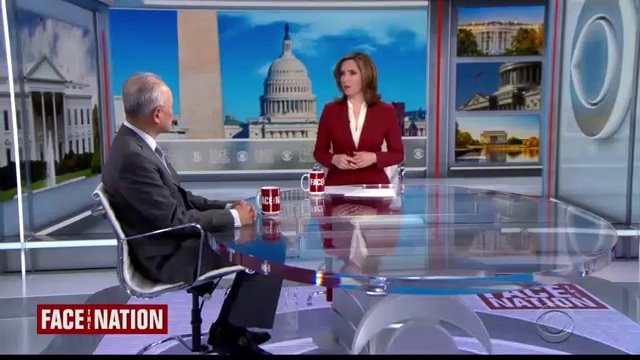
No, you see, what Tiankai was concerned about is that the possibility that China created a plague that is now killing its own population, could cause a panic: “For one thing, this will create panic,” Cui said, adding that it would also “fan up racial discrimination and xenophobia.”
Here one also wonders what will create a bigger panic: the fact that China is arresting “whistleblower doctors”, drags away and sequesters anyone who refuses to be put under forced quarantine, and appears to fabricate data involving the epidemic, or cracks down on anyone asking the most reasonable question – did China’s top bioweapon institute, located in Wuhan, spark the deadliest pandemic in decades, which started in… Wuhan?
But yes, we are delighted to see that China has now also stooped to using the oldest trick in the liberal playbook: “…but it’s racist.”
And just like that, anyone accusing China’s Level-4 lab, which as Nature wrote in 2017 was studying the “world’s most dangerous pathogens”, of sparking what may be the world’s worst pandemic in decades, is now a racist, and subject to immediate and permanent suspension by the free speech overlords at twitter such as the company’s associate General Counsel, Jeff Rich (his LinkedIn page is here) who one week ago urged his 1,400 followers to “cull” and “excise” the “cancerous” president Trump from the herd. One wonders, Rich, does this violate Twitter’s “Abuse and harassment” rules?
Jeff Rich @jeffrich
YES!! Again, this 👇 Excise the Trump cancer, then deliberate over policy differences. He is the single most destructive force against our system of government, way of life and American values EVER! He must be culled from the herd. ASAP! https://twitter.com/DevinCow/status/1223469280471265280 
Devin Nunes’ cow 🐮 @DevinCow
I’d like to avoid another four years of Trump, for starters. We have 276 days. We need to get people registered, choose two candidates who can beat Trump, and get them elected on Nov. 3rd. Come Thanksgiving we can fight with each other. Not now. https://twitter.com/Whispers_Doom/status/1223468340506779649 

Anyway, back to China’s rather sensitive ambassador who, instead of promising to look into whether any of the allegations that China created the Coronavirus, simply lashed out at anyone daring to ask the question: “There are all kinds of speculation and rumors,” he added, noting that there were also conspiracy theories about the virus originating in the United States. “How can we believe all these crazy things?”
Well, Cui, “we can believe all these crazy things”, because China has yet to reveal just what animal was responsible for the spread of the virus at the Huanan Seafood Market, as per the official Chinese narrative. Maybe the reason why it can’t is that as scientists have already observed, no animal was capable of actually spreading the virus in such a way as to put the blame on a meat market that had existed for decades and never sparked a deadly pandemic.
Or maybe China can finally allow members of the US CDC to go to Wuhan and inspect the Virology Institute and observe just what went on in there, and whether, as so many have now speculated, it wasn’t one of your public workers who accidentally (or not) spread the virus?
But that wasn’t all: Cui also defended how the Chinese government handled the case of Li Wenliang, the Chinese doctor who died last week after warning about the virus weeks before the government, with the government arresting him and forcing him to retract his warnings.
“He was a doctor, and a doctor could be alarmed by some individual cases, but as for the government, you have to base your decisions on more solid evidence and signs,” Cui said. “I don’t know who tried to silence him, but there was certainly disagreement…on what exactly the virus, is how it is affecting people.”

Face The Nation @FaceTheNation
“I don’t know who tried to silence him, but there was certainly disagreement…on what exactly the virus, is how it is affecting people,” @AmbCuiTiankai says in the wake of the death of Dr. Li Wenliang who first made public warnings of the weeks before the government

Here is a guess who “tried to silence” him – your government, the same government that was responsible for the disappearance of Chen Qiushi, a citizen journalist who has covered the outbreak in China and has since vanished. Asked about Cui responded “I have never heard of this guy, so I don’t have any information to share with you.”
Right.
We’ll conclude with what we said earlier today, namely that “there have been serious questions on whether this Wuhan coronavirus outbreak was due to a leak or mishandling of laboratory animals used in coronavirus studies. This is a reasonable public inquiry regarding the source of the outbreak and it warrants a transparent investigation from the Chinese authorities and foreign disease control and laboratory operation experts. This is not just about the accountability of medical ethics or laboratory safety operations, it is directly related to the current endeavors to contain the virus outbreak.
While the animal host of 2019-nCoV is yet to be identified, the data and information from possible animal hosts and potential zoonic infection is imperative for prevention and controlling disease on an international scale.
The Huanan seafood market has a high potential of harboring the animal host. Animal data and profiling results from the Huanan seafood market need to be disclosed immediately by Chinese authorities even if they are negative results. It is imperative for U.S. CDC and WHO officers to demand that Chinese authorities release the information about animal testing data.
If Chinese authorities refuse to disclose testing data for animal samples, it could imply an intentional cover-up of the true origin of the 2019-nCoV outbreak.
Sadly, we doubt we will ever get an answer to this question, because – as the Chinese ambassador made it clear – any line of inquiry into whether there was an “intentional cover-up of the true origin of the 2019-nCoV outbreak” is now, well… racist.
https://www.zerohedge.com/health/angry-chinese-ambassador-slams-us-senator-absolutely-crazy-theory-coronavirus-biological

China’s Shenzhen denies blocking Apple supplier Foxconn from resuming work

Local Chinese authorities have not blocked Apple supplier Foxconn from resuming production amid a coronavirus outbreak, they said in a statement on Sunday, denying an earlier report in the Nikkei Business Daily.

The Nikkei, citing four people familiar with the matter, said https://asia.nikkei.com/Spotlight/Coronavirus-outbreak/China-blocks-restart-of-Foxconn-plants-due-to-coronavirus-sources on Saturday that public health experts had carried out inspections at Foxconn’s factories and told the company that there was a “high risk of coronavirus infection” at the facilities, making them unsuitable for a production restart.
Shenzhen’s Longhua district, where Foxconn’s largest factory is located, said in a statement on its official WeChat account on Sunday that those reports were untrue and that it was still conducting checks, adding that the company would restart production once inspections were completed.
It said it had received proposals from three Foxconn subsidiaries on Feb. 6 detailing how the Taipei-headquartered firm, which makes smartphones for Apple and other brands, planned to put in place epidemic prevention and control measures.
The thousands of workers that work in Foxconn’s factories will need to wear masks, undergo temperature checks, and adhere to a dining system considered safe, it said in the statement.
“We will announce to the public the company’s production resumption situation in a timely manner,” it added.
A source familiar with the matter told Reuters that tens of thousands of workers had already returned from an extended new year holiday and were waiting to start work on Feb. 10, even though plants in Zhengzhou, Shenzhen and Kunshan had not received the go ahead to resume production.
Foxconn on Saturday said in an e-mailed statement to Reuters that operation schedules for its facilities in China would follow the recommendations of local governments, but declined to comment on specific production facilities.
“We have not received any requests from our customers on the need to resume production earlier (than the local governments’ recommendations),” it said.
The Chinese economy will sputter towards normal on Monday after the coronavirus outbreak forced authorities in much of the country to extend the week-long Lunar New Year holiday by 10 days amid mounting alarm over an epidemic that by Sunday had killed over 800 people.
Foxconn could see a “big” production impact and shipments to customers including Apple face disruption if the Chinese factory halt extends into a second week, a person with direct knowledge of the matter told Reuters earlier this week.

https://www.marketscreener.com/HON-HAI-PRECISION-INDUSTR-6492357/news/China-s-Shenzhen-denies-blocking-Apple-supplier-Foxconn-from-resuming-production-29967780/?countview=0

States Should Not Resurrect The Individual Mandate

Several states have resurrected the most-hated part of Obamacare—the individual mandate.
Residents of California, Rhode Island, and Vermont must secure health insurance or pay a fine as of the beginning of this year. New Jersey and the District of Columbia implemented their mandates in January 2019. And Massachusetts’s state-level mandate has been in force since 2006.
These mandates will fail to bring about universal coverage, just as Obamacare’s individual mandate failed to do so while it was in effect. If states want to work toward universal coverage, they must make insurance more affordable.
Obamacare’s individual mandate went into force in 2014. Those who chose not to buy coverage that year faced fines of $95 for each adult or 1% of household income, whichever was greater. By 2017, the penalty was the greater of $695 for each adult or 2.5% of household income.
The idea was to pressure young, healthy people that might normally forego insurance into buying a plan. Premiums from these low-risk customers were supposed to hold premiums for older customers more likely to need costly care in check.
The individual mandate was, unsurprisingly, enormously unpopular. Six in ten Americans had an unfavorable view of it from essentially the moment it was enshrined into law, according to polling from the Kaiser Family Foundation. The public saw it as an unprecedented intrusion into their personal lives. Never before had the federal government forced private citizens to purchase a particular good.
That public pushback fueled a lawsuit challenging the constitutionality of the mandate. The mandate survived, thanks to a neat bit of legal jiu-jitsu from U.S. Supreme Court Chief Justice John Roberts. He declared that the mandate wasn’t actually a requirement to purchase a private good; it was a tax on those who went without insurance. No one questions Congress’s power to tax, so the mandate could stand.
That is, until Republicans took back Congress and the presidency. As part of the Tax Cuts and Jobs Act of 2017, Congress reduced the penalty for running afoul of the individual mandate to zero in 2019.
That move prompted a lawsuit from 20 states challenging the constitutionality of the entirety of Obamacare. The plaintiffs argue that the zeroed-out mandate is no longer a tax, so the constitutional raison d’être for the law no longer applies. The U.S. Court of Appeals for the 5th Circuit agreed—and has remanded the case back to U.S. District Court for further adjudication.
But set aside the toxic politics of the mandate. Judged by its own logic, the individual mandate was a miserable failure.
It did not drive people to buy insurance. In 2015, about 6.7 million people paid the penalty for non-compliance. About 29 million people overall went without coverage that year, in spite of the mandate. According to the most recent Census data, 8.9% of the U.S. population remains uninsured.
A big reason why? Obamacare’s many rules and regulations have driven up plan prices dramatically.
For example, Obamacare required all plans to cover a long list of benefits, including maternity care, mental health care, and substance abuse treatment. These services certainly have merit. But mandating coverage of them drives up premiums.
Despite President Obama’s grand promise to “bend the cost curve” down, premiums in the state-level marketplaces actually more than doubled between 2013 and 2017. Benchmark mid-level “silver” plans in 2018 featured average annual premiums of almost $5,800 and deductibles of over $3,900.
The individual mandate offered many working families a tough choice—pay for pricey insurance or get hit with a penalty. That penalty was frequently the less expensive option.
The mandate also hit low-income and working-class Americans especially hard. More than one-third of those who paid the mandate penalty in 2015 had incomes below $25,000. And those with annual incomes between $25,000 and $50,000 accounted for the biggest share of people who paid the penalty that year.
Americans are hungry for low-cost insurance. Fortunately, the Trump administration has made some moves to expand access to low-cost coverage, most notably by relaxing the rules governing short-term, limited-duration health plans.
The Obama administration set the maximum duration for these plans at three months. The Trump administration raised that maximum term to 364 days—and allowed insurers to renew consumers’ short-term policies for up to three years.
Short-term plans are exempt from Obamacare’s many cost-inflating mandates, so they’re much cheaper than the policies for sale on the exchanges—about 80% cheaper, on average, according to an analysis conducted last year by eHealth. That’s among the reasons federal officials predicted that about 600,000 people would enroll in short-term plans in 2019.
Short-term plans have their enemies. House Speaker Nancy Pelosi has called them “disastrous junk plans.” Twenty-one states have imposed restrictions on the plans that are more stringent than the federal government’s. In 11 states, no short-term plans are available at all, whether because they’re banned outright or because the regulatory environment is so unfriendly that no insurers are willing to enter the market.
Market forces are the most effective way to expand access to affordable coverage—not mandates. Several of our nation’s bluest states are poised to learn that lesson the hard way.
https://www.forbes.com/sites/sallypipes/2020/02/03/states-should-not-resurrect-the-individual-mandate/#58ea3b206ced

Allergan Q4 2019 Earnings Preview

Allergan (NYSE:AGN) is scheduled to announce Q4 earnings results on Monday, February 10th, before market open.
The consensus EPS Estimate is $4.53 (+5.6% Y/Y) and the consensus Revenue Estimate is $4.09B (+0.2% Y/Y).
Over the last 2 years, AGN has beaten EPS estimates 100% of the time and has beaten revenue estimates 100% of the time.
Over the last 3 months, EPS estimates have seen 6 upward revisions and 2 downward. Revenue estimates have seen 7 upward revisions and 2 downward.
https://seekingalpha.com/news/3539881-allergan-q4-2019-earnings-preview

Biotech week ahead, Feb. 10

Biotech stocks recovered last week along with the broader markets, which bounced back from a China coronavirus-induced sell-off.
Big pharma earnings took the spotlight, with Merck & Co., Inc. MRK 0.66%, Bristol-Myers Squibb Co BMY 1.3%, Gilead Sciences, Inc. GILD 0.97% and AbbVie Inc ABBV 5.77% among the notable ones reporting in the week. Merck surprised the markets by announcing plans to spin-off its slow-growing Women’s Health, Legacy Brands and Biosimilars business.
Here’re the key biotech catalysts for the unfolding week.

Conferences

Bio CEO & Investor Conference: Feb. 10-11 in New York
16th Annual WORLDSymposium: Feb. 10-13 in Orlando, Florida
Guggenheim Healthcare Talks/Oncology Day: Feb. 13 in New York
ASCO 2020 Genitourinary Cancers Symposium: Feb. 13-15 in San Francisco, California

Adcom Meeting

FDA’s Tobacco Products Scientific Advisory Committee is scheduled to meet Friday to discuss the modified risk tobacco product applications submitted by 22nd Century Group Inc XXII 1.38% for VLN King and VLN Menthol King combusted, filtered cigarettes. The company projects these tobacco products to be “very low nicotine content” cigarettes.

Clinical Readouts

Avrobio Inc AVRO 2.45% will present at the 2020 WORLDSymposium updates for its investigational programs in Fabry disease and cystinosis as well as data from the first clinical use of its plato gene therapy platform. At an analyst and investor event scheduled for Monday, the company will present updates on Phase 1/2 clinical trial of AVR-RD-04, an investigational gene therapy for cystinosis, and Phase 2 study of AVR-RD-01 in Fabry disease.
Regenxbio Inc RGNX 1.45% will make poster presentation of interim data from the Phase 1/2 trial of its investigational gene therapy RGX-121 for the treatment of Mucopolysaccharidosis Type II. The presentation is scheduled for Wednesday.
ASCO 2020 Genitourinary Cancers Symposium Presentations
Exelixis, Inc. EXEL 2.09%: Phase 1b data for cabozantinib and Roche Holdings AG Basel ADR Common Stock’s RHHBY 0.26% Tecentriq in solid tumors (Thursday)
Advaxis, Inc. ADXS 6.59%: Phase 1/2 data for ADXS-PSA and Merck’s Keytruda from the KEYNOTE-046 study in castrate-resistant prostate cancer (Thursday)
TrovaGene Inc TROV 0.55%: new Phase 2 data for onvansertib and zytiga in prostate cancer (Thursday)
Corvus Pharmaceuticals Inc CRVS 6.7%: updated Phase 1b/2 data for CPI-444 in solid tumors

Earnings

Monday
  • Allergan plc AGN 2.27% (before the market open)
  • Aethlon Medical, Inc. AEMD (after the close)
Tuesday
  • EXACT Sciences Corporation EXAS 0.35% (after the close)
  • Wednesday
  • Kala Pharmaceuticals Inc KALA 4.51% (before the market open)
  • Veru Inc VERU 1.17% (before the market open)
Thursday
  • Alkermes Plc ALKS 0.89% (before the market open)
  • Agios Pharmaceuticals Inc AGIO 0.35% (before the market open)
  • Acorda Therapeutics Inc ACOR 3.35% (before the market open)
  • Blueprint Medicines Corp BPMC 0.5% (before the market open)
  • Evelo Biosciences Inc EVLO 4.57% (before the market open)
  • Genocea Biosciences Inc GNCA 3.64% (before the market open)
  • Incyte Corporation INCY 2.2% (before the market open)
  • Zoetis Inc ZTS 0.13% (before the market open)
  • West Pharmaceutical Services Inc. WST 0.84% (before the market open)
  • Karyopharm Therapeutics Inc KPTI 0.29% (before the market open)
  • Ironwood Pharmaceuticals, Inc. IRWD 2.36% (before the market open)
  • DexCom, Inc. DXCM 0.51% (after the close)
  • Urovant Sciences Ltd UROV 7.25% (after the close)
  • Shockwave Medical Inc SWAV 0.02% (after the close)
  • Ultragenyx Pharmaceutical Inc RARE 0.17% (after the close)
Friday
  • ImmunoGen, Inc. IMGN 5.11% (before the market open)
  • IPOs

Revolution Medicines, a biotech developing targeted cancer therapies using RAS pathway inhibitors, has filed to offer 10 million shares in an IPO, which is expected to be priced between $14 and $16. The company expects its shares to be listed on the Nasdaq under the ticker symbol “RVMD.”
IPO Quiet Period Expiry
I-Mab IMAB 0.46%
https://www.benzinga.com/general/biotech/20/02/15280585/the-week-ahead-in-biotech-smid-cap-earnings-in-the-spotlight

How Congress Can Make Real Progress on Drug Prices

Summary
The Lower Drug Costs Now Act (H.R. 3) would impose federal price controls on prescription medicines. The bill would limit Americans’ access to lifesaving therapies, impede the development of new treatments for deadly and debilitating diseases, and inflict harm that vastly exceeds the budgetary savings it promises. Congress should reject the policies of H.R. 3 and pursue drug-pricing reforms that encourage innovation. Specifically, Congress should reform Medicare prescription drug payment programs and practices that prevent affordable generic medicines from coming to market.

Key Takeaways

To combat rising prescription drug costs, Congress should address flawed government policies and provide relief for patients and taxpayers.

Congress can start by rejecting H.R. 3, which would limit access to life-saving medicines, impede development of new cures, and inflict harm on Americans.

Congress should reform Medicare prescription drug programs and ban anti-competitive practices that prevent affordable generic medicines from coming to market.
The House of Representatives is scheduled to vote this week on H.R. 3, the Lower Drug Costs Now Act, which would impose federal price controls on prescription medicines. The bill would limit Americans’ access to lifesaving therapies, impede the development of new treatments for deadly and debilitating diseases, and inflict harm that vastly exceeds the budgetary savings it promises.
Congress should reject the policies of H.R. 3 and pursue drug-pricing reforms that encourage innovation. Specifically, Congress should reform Medicare prescription drug payment programs and practices that prevent affordable generic medicines from coming to market. Such reforms include restructuring the Medicare Part D program to protect seniors from high out-of-pocket drug spending and refining federal laws that brand-name manufacturers are exploiting to prevent competition from generics.
These proposals enjoy overwhelming support among both parties in the House and Senate and could be signed into law by the President. All proposals are included in an alternative bill (H.R. 19) released by House Republicans on December 6.1
H.R. 19, The Lower Costs, More Cures Act, section-by-section summary released by House Republicans, December 6, 2019. H.R. 19, as outlined in this document, contains many proposals approved with bipartisan votes by the Senate HELP Committee (S. 1895, The Lower Health Care Costs Act) and the Senate Finance Committee (S. 2543, The Prescription Drug Pricing Reduction Act).
Acting on these reforms would provide relief from high prescription drug prices, while fostering continued medical innovation that will cure diseases, lengthen life expectancy, and improve quality of life. [MORE]
https://www.heritage.org/health-care-reform/report/how-congress-can-make-real-progress-drug-prices

Surprise Medical Bill Legislation Opens Door to Medicare for All

It sounds good, eliminating “surprise” medical bills that patients sometimes receive from hospitals and providers when their services aren’t covered by insurance. This happens sometimes when patients go to a hospital or emergency room and receive services from a doctor who is out of network.
But what if it’s the government stepping in to stop the surprise bills? Government usually messes things up when it gets involved. And even worse, this would open the door to Medicare for All. This is government price controls or rate-setting. One doctor fully admits Medicare for All is the way to fix surprise medical billing. Left-wing billionaire John Arnold, who established the Laura and John Arnold Foundation to support left-wing causes, is pushing this congressional fix.
Several conservative groups oppose the legislation, including FreedomWorks and Club for Growth. The Taxpayers Protection Alliance and the National Taxpayers Union are spending money on ads opposing the bill. Big insurance companies favor the bill.
Doctors oppose it too. Nearly 900 doctors and smaller practices said the proposal could have “devastating unintended consequences” on physicians. In a strongly worded letter to leaders in Congress, they warn that the heavy-handed solution would “severely impact small practices by eliminating what few incentives remain for insurers to negotiate fairly with us, therefore driving further consolidation within health care, and triggering ensuing cost increases.” If this consolidation happens, “health care costs could increase by as much as 30 percent.” It would allow insurers to shift more costs over to patients by using higher deductibles and other cost-sharing measures. CEO William Thorwarth of the American College of Radiology points out that the bill does not prevent insurers from simply keeping any monetary savings to themselves, rather than passing them along to patients. The Federation of American Hospitals says the bill takes two steps forward and three steps back.
According to Beau Rothschild, former outreach director for the Committee on House Administration, doctors and patients are the victims of surprise medical billing. “The insurance companies purposely draw narrow coverage plans and do everything they can to not pay out claims.” Additionally, “patients are given very confusing contracts about coverage that the insurers purposely make very difficult to get reimbursed for care out of coverage.” He says patients shouldn’t have to become experts in coverage in order to figure out what will be paid. Doctors are victims because they get blamed for insurance’s deliberately confusing language.
The legislation is offered by one of the most left-leaning members of the Senate, Patty Murray (D-Wash.). Other co-sponsors include Senate HELP Committee Chairman Lamar Alexander (R-Tenn.), Energy and Commerce Committee Chairman Frank Pallone Jr. (D-N.J.) and Rep. Greg Walden (R-Ore.).
Rep. Kevin Brady (Texas), the top Republican on the Ways and Means Committee, and Rep. Richard Neal (D-Mass.), the chairman of the Ways and Means Committee, released a competing bill favored by doctors and hospitals. It would ban surprise medical bills, but would let a neutral third party in an independent dispute resolution process determine how much the insurer should pay the doctor if an agreement can’t be made. Some of the conservative groups suppose this alternative legislation, as does the American College of Radiology.
Out of the Middle, a coalition of physicians, says the independent dispute resolution process is working in New York where it has been implemented. According to the New York State Department of Financial Services, IDR has successfully saved consumers $400 million and reduced out-of-network billing 34 percent.
Surprise medical bills are a problem. A study published in the journal Health Affairs found that anesthesiologists, pathologists, radiologists and assistant surgeons at in-network hospitals billed out of network in about 10% of cases. Another study found that over 1 in 5 patients who went to in-network emergency departments were treated by out-of-network emergency physicians.
Unfortunately, the media is not reporting the full picture. Articles like this don’t bother to mention that health care costs for consumers will increase if this type of legislation is passed. That patient who was forced to file bankruptcy due to a surprise medical bill? Now they’ll merely have to file bankruptcy due to costs being increased in other areas. The article explains how Washington state just passed a law ending surprise medical billing. Even if Congress doesn’t pass legislation, some individual states are implementing it. The bill is likely to make it to President Trump. With bipartisan support, there is a real concern that it will make it into law.

https://townhall.com/columnists/rachelalexander/2020/02/03/surprise-medical-bill-legislation-opens-door-to-medicare-for-all-n2560579