The Federal Trade Commission (FTC) should examine high egg prices for signs of price gouging from top egg companies, a farm group said, as Americans continue to pay more than ever for the household staple.
U.S. regulators, farmers, and industry have often argued in recent years about the power of top agriculture firms to set prices and drive up what consumers pay for groceries, such as when the price of beef skyrocketed in 2021.
The latest concern is eggs, the price of which was up 138% in December from a year prior, to $4.25 a dozen, according to the Bureau of Labor Statistics.
The U.S. Department of Agriculture (USDA) has pointed to a record outbreak of avian flu as a reason for the high prices. But the nation's antitrust regulator should also examine record-high profits at the top egg company, said Farm Action on Thursday in a letter to FTC chair Lina Khan.
Cal-Maine Foods, which controls 20% of the retail egg market, reported quarterly sales up 110% and gross profits up more than 600% over the same quarter in the prior fiscal year, according to a late December filing with the Securities and Exchange Commission.
The company pointed to decreased egg supply nationwide due to avian flu driving up prices as a reason for its record sales. The company has had no positive avian flu tests on any of its farms.
U.S. egg production was about 5% lower in October compared to last year, and egg inventories were down 29% in December compared to the beginning of the year, the latest USDA data shows - a significant drop, but one that may not explain record-high prices, said Basel Musharbash, an attorney with Farm Action.
"We want the FTC to dig in and see if consumers are being price gouged," Musharbash said.
The FTC declined to comment.
In a statement, Cal-Maine said that higher production costs, along with avian flu, were contributing to higher prices.
The American Egg Board, an egg marketing group, said in a statement that egg prices reflect a variety of factors and that wholesale egg prices are beginning to fall.
Nearly 58 million chickens and turkeys have been killed by avian flu or to control the spread of the virus since the beginning of 2022, mostly in March and April, according to USDA. The previous largest outbreak, in 2015, killed 50.5 million birds.
Cal-Maine shares have fallen in recent weeks after climbing almost 50% last year.
On Thursday, Eli Lilly said that one of its most closely watched medicines, an experimental treatment for Alzheimer’s disease, hadhit a setback, as the Food and Drug Administration decided not to grant it a so-called accelerated approval.
Typically, such a rejection would stoke concern from investors. But in the case of Lilly and its medicine, known as donanemab, the reaction on Wall Street has so far been relatively muted, with shares of the company down about 2% by Friday at noon.
According to analysts, that’s because the rejection, while somewhat surprising, won’t be what determines whether Lilly’s drug becomes a commercial success.
Rather, analysts are eagerly anticipating results from a large clinical trial of donanemab that should become available sometime between April and June. If positive, the trial would support a full FDA approval of the medicine, which would be the key to unlocking any significant sales.
“In the grand scheme of things, today’s [Lilly] news doesn’t change the fact that true opportunity for donanemab rests entirely on the upcoming [trial readout and full approval],” wrote Umer Raffat, of the investment firm Evercore ISI, in a Jan. 19 note to clients.
Lilly asked the FDA for accelerated approval based on data from a positive study in which about 130 participants with early Alzheimer’s were given donanemab. Compared to participants given a placebo, those on Lilly’s drug appeared to decline about 32% slower, as measured by a composite scale that evaluates both cognition and function.
Notably, the study’s design made it so that patients stopped receiving donanemab once they tested negative for amyloid — the protein the drug acts on, and which many researchers believe is integral to the development of Alzheimer’s.
Because of that design, a significant portion of the study participants given donanemab were on the drug for less than a year. And that, according to Lilly, proved to be an issue for the FDA, which has requested that the company provide data from at least 100 patients who received a minimum of 12 months of continued treatment with donanemab.
Analysts expect the FDA’s request could be met with safety data from that larger, ongoing trial of donanemab, which began in mid-2020 and has sought to enroll roughly 1,800 patients with early Alzheimer’s.
Some, though, don’t see much of a point to that. “We believe this will effectively eliminate donanemab’s prospects for accelerated approval,” Brian Skorney, an analyst at Baird, wrote in a note to clients, adding that “it would probably be in Lilly’s best interest to just focus on filing for full approval should the Phase 3 study be successful.”
Skorney also wrote that donanemab will need a “strong showing” in the larger study in order to be competitive against Leqembi, an Alzheimer’s drug from partners Eisai and Biogen.
Leqembi recently secured its own accelerated approval and is currently under review for full approval, supported by positive results from a Phase 3 trial.
Given the challenges faced by Biogen and Eisai’s earlier Alzheimer’s drug, Aduhelm, analysts see full approvals as essential for amyloid-targeting therapies like Leqembi and donanemab to be viable commercial products. Medicare, the government insurance program expected to cover these drugs for the bulk of eligible patients, has set up a highly restrictive policy around amyloid therapies approved via the accelerated pathway.
To Paul Matteis, an analyst at Stifel, the FDA’s decision against accelerated approval “comes in the backdrop of investors largely giving [Lilly the] benefit of the doubt, or even putting a halo effect around donanemab as potentially the best-in-class drug in the space.”
Matteis wrote, too, that the rejection could make some questions around donanemab’s safety, dosing and overall profile compared to Leqembi “more salient with the investor community.”
The United States carried out a strike inSomaliathat killed approximately 30 al-Shabaab fighters, US Africa Command said in a statement Saturday.
US forces on Friday “conducted a collective self-defense strike” in support of Somalia National Army forces who were “engaged in heavy fighting following a complex, extended, intense attack by more than 100 al-Shabaab fighters,” the statement said, referring to the terror group linked to al Qaeda.
There were no US military present on the ground when the airstrike occurred, a US defense official said.
The strike occurred about 260 kilometers northeast of the Somalian capital of Mogadishu, near Galcad. US Africa Command assessed that no civilians were injured or killed due to the remote location.
The US has provided ongoing support to the Somali government sincePresident Joe Bidenapproved a Pentagon requestto redeploy US troopsto the area in an attempt to counter the terrorist group in May 2022. The approval to send fewer than 500 troops was a reversal of formerPresident Donald Trump’s decisionto withdraw all US troopsfrom the country in 2020.
“Somalia remains central to stability and security in all of East Africa. U.S. Africa Command’s forces will continue training, advising, and equipping partner forces to help give them the tools they need to defeat al-Shabaab, the largest and most deadly al-Qaeda network in the world,” the US military said in Saturday’s statement.
In recent months, US forces have conducted numerous strikes in the region that have resulted in dozens of al-Shabaab casualties.
After becoming clear that the private Russian military firm Wager Group - whose founder has direct ties to President Putin - is helping to lead the major offensive in the Soledar and Bakhmut areas in eastern Ukraine, the Biden administration on Friday unveiled new sanctions against the group.
National Security Council spokesman John Kirby on Friday announced Wagner is now designated a "significant Transnational Criminal Organization" which allows the US to block its access to any US-produced items or technology. It further leaves open the potential for US Commerce to go after its foreign assets as a legally dubbed criminal enterprise. "It will broaden the network of nations and institutions that will be able to stop doing business with Wagner," Kirby said of the new action at a White House press briefing.
And in an interesting twist, the White House says it has evidence that Wagner is being directly supplied by North Korea. While the Russia-Pyongyang connection has been raised by the US since the summer, this is the first time the US administration has sought to present anything in the way of evidence.
Kirby presented to reporters what he said is photographic evidence of rail cars traveling from Russian to North Korea on November 18. He alleged that shipping containers were loaded with weaponry or ammo and were sent back to Russia the next day.
"We do expect that it will continue to receive North Korean weapon systems," Kirby asserted. "We obviously condemn North Korea’s actions and we urge North Korea to cease these deliveries to Wagner immediately and we are going further by taking action against Wagner itself."
The White House further said it will work with the UN Security Council to enforce violations against Wagner, and further took the information on Pyongyang's ties to Wagner to the UN Security Council Sanctions Committee. Kirby previewed that more sanctions are coming next week.
Russia and North Korea share a small sliver of border, a little over 10 miles long:
"There are around 50,000 Wagner Group fighters currently deployed to Ukraine, according to Kirby, including 10,000 contractors and 40,000 convicts," CNN reported after the briefing.
Kirby additionally pointed out that "Wagner is becoming a rival power center to the Russian military and other Russian ministries." He highlighted Russian defense officials' expressions of reservations about Wagner's tactics like recruiting from Russian prisons, and in return promising freedom based on months in action in Ukraine.
Former Defense Department Chief of Staff Kash Patel said he does not trust the special counsel to fairly investigate President Joe Biden’s mishandling of classified information.
“We’ve already seen how they’re handling it—they’re not,” Patel told The Epoch Times’ Jan Jekielek on an episode of his “Kash’s Corner” podcast, which premiered on Jan. 20 at 8:00 p.m. ET.
“The FBI, DOJ aren’t investigating this matter,” he added. “No, subpoenas have gone out, nothing. And so, I don’t have any faith in this new special counsel.”
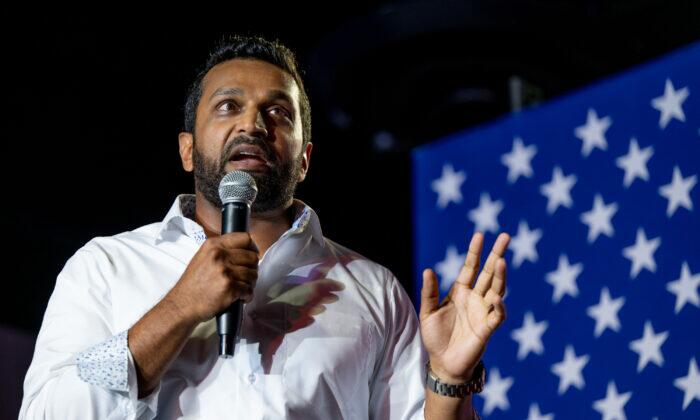
Kash Patel, former chief of staff for the Department of Defense, speaks during a campaign event for Republican election candidates at the Whiskey Roads Restaurant & Bar in Tucson, Ariz., on July 31, 2022. (Brandon Bell/Getty Images)
On Jan. 12, Attorney General Merrick Garland capped off a turbulent week for the Biden administration by appointing attorney Robert Hur as special counsel to probe Biden’s storage of classified documents in unsecured locations.
Hur, a Trump appointee, served as U.S. attorney for the District of Maryland from April 2018 to February 2021, when he left the Department of Justice (DOJ) for private practice.
Between 2003 and 2018, Hur served on and off at the DOJ in various roles, reporting to familiar figures like now-FBI Director Christopher Wray and former Deputy Attorney General Rod Rosenstein.
And that fact, according to Patel, is one of the reasons Hur cannot be trusted to remain impartial.
“In the Trump administration, when Jeff Sessions was recused from all the Russiagate stuff, Rod Rosenstein was the attorney general for all those matters,” Patel noted, adding that Rosenstein had “hand-picked” Hur to serve under him as the principal associate deputy attorney general.
“How they handled the Russiagate investigation is my problem,” Patel said.
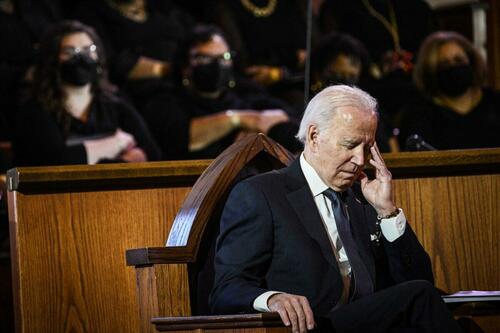
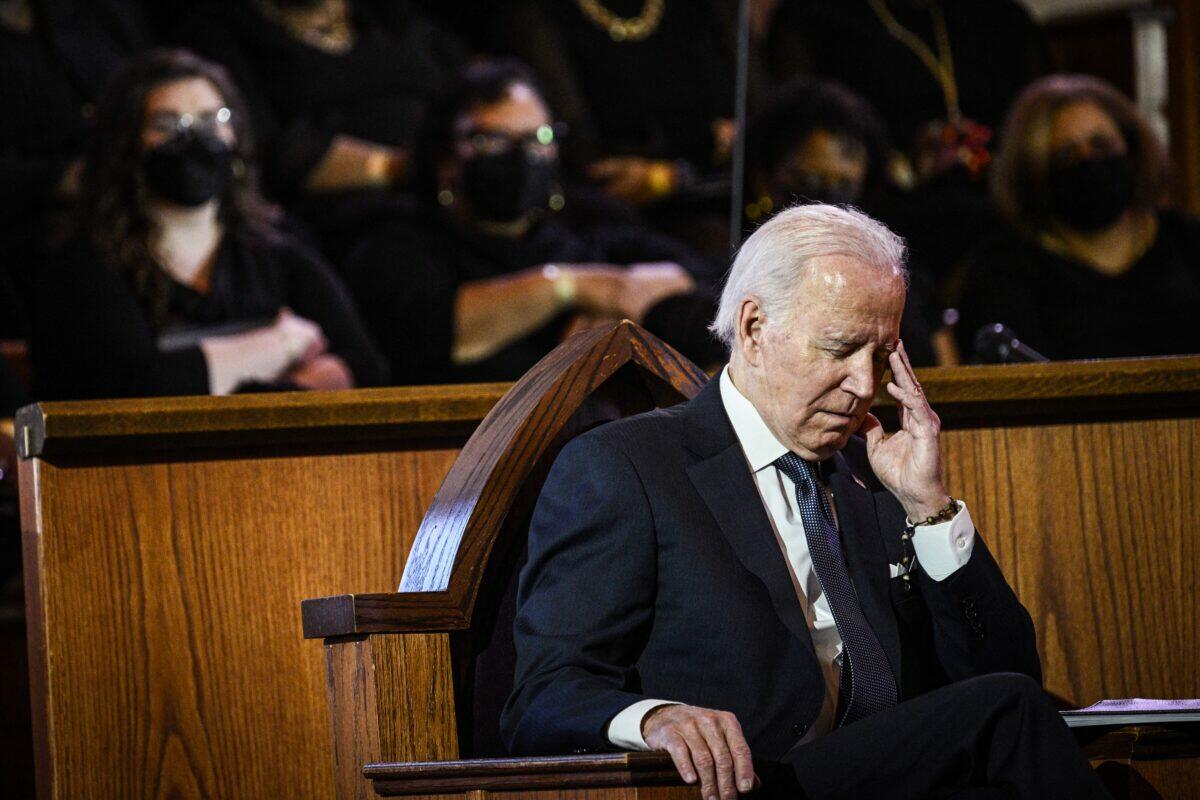
President Joe Biden attends a worship service at Ebenezer Baptist Church in Atlanta, Ga., on Jan. 15, 2023. (Brendan Smialowski/AFP via Getty Images)
A ‘Political Charade’
In 2017, with then-Attorney General Jeff Sessions unable to get involved, Rosenstein appointed Robert Mueller as special counsel in the Trump-Russia investigation. It was also Rosenstein who signed off on applications to spy on Carter Page, a former Trump campaign associate, based on false information.
Patel, who at that time was serving as senior counsel to the House Intelligence Committee, said that Rosenstein and Hur subpoenaed his records while he was working to expose “the corruption of Russiagate,” and that they had “blockaded” the committee’s attempts to obtain information on the probe.
“[Hur] doesn’t get a hall pass from me,” he said. “I think he’s just another one of these corrupt government gangsters who … was politically chosen by Merrick Garland because they’ll be able to say the following headline: ‘A Former Trump Appointee Is the Special Counsel Investigating Joe Biden.’”
Describing Hur’s appointment as a “political charade,” Patel added: “Just like in the Russiagate days, I think [the DOJ is] already setting the landscape for the cover-up that they need to have happen so their own problematic handling of prior investigations is not exposed. So, that’s why I have no faith in this new special counsel, and I just don’t see it becoming an actual investigation.”
In appointing Hur, the attorney general described the former U.S. attorney as having a “long and distinguished career as a prosecutor.”
“I am confident that Mr. Hur will carry out his responsibility in an even-handed and urgent manner, and in accordance with the highest traditions of this Department,” Garland added.
Although Hur was not present for Garland’s announcement, he pledged to conduct his duties as special counsel with “fair, impartial, and dispassionate judgment” in a statement released by the DOJ.
“I intend to follow the facts swiftly and thoroughly,” Hur added, “without fear or favor, and will honor the trust placed in me to perform this service.”
The Epoch Times has contacted Hur for comment.
A Questionable Timeline
According to the White House, the first cache of classified documents in Biden’s possession was discovered on Nov. 2 at the Penn Biden Center in Washington and reported immediately to the National Archives and Records Administration (NARA). The documents were then transferred to NARA the next day.
According to Attorney General Merrick Garland, the National Archives Office of the Inspector General notified the Justice Department of the documents’ discovery on Nov. 4 and the FBI opened an investigation into the matter on Nov. 9.
Patel, however, said he doubts the administration’s timeline of events, finding it unlikely that NARA was unaware that the documents were missing.
“Are we really to believe that our top librarians in the United States of America didn’t know for six years that these documents were missing?” he said, adding that the matter should be investigated by the House’s newly-formed Select Subcommittee on the Weaponization of the Federal Government.
Last week, House Republicans launched their own investigations into Biden’s possession of classified materials, requesting access to all the classified documents that had been discovered by the president’s attorneys “at any location,” in addition to the names of all involved in the search, the locations searched, and communications on the matter between the White House and NARA and the DOJ.
Reporters play frisbee outside Joe Biden’s home in Wilmington, Del., in 2008. (William Thomas Cain/Getty Images)
Other Concerns
Since the first stash of documents was located, additional documents have been found at Biden’s Wilmington, Delaware, residence, in searches conducted by his personal attorneys. And even as the White House has made disclosures about the fruits of those searches, many questions remain unanswered.
Noting that it is still unclear as to how the classified materials ended up in Biden’s possession and were moved to those different locations, Patel said it was important to find out whether there were more documents to be found in other locations and who had access to the materials.
As no visitor logs exist for Biden’s Wilmington home, Patel said Congress should question all the Secret Service agents who have protected Biden over the last six years to learn more about who might have had access to the documents.
“Did the Secret Service have knowledge back then that there were sensitive documents running around in the wild?” he added. “That’s another question that no one’s asking.”
The Secret Service, according to spokesman Anthony Guglielmi, screens all of the president’s visitors but does not keep records of who is vetted.
Other questions have arisen regarding the DOJ’s handling of the investigation thus far, like the department’s decision to allow Biden’s personal attorneys to carry out the document searches without any supervision from law enforcement.
“That’s like having someone commit the murder … and then you let the murderer go and collect the evidence and bring it back to the cops,” Patel noted. “That’s absurd.”
Patel also contrasted the situation against that of the DOJ’s investigation into former President Donald Trump’s storage of classified documents at Mar-a-Lago, alleging that the department’s political bias against Trump was now on full display.
“How is it that Merrick Garland can go to a podium and now say, ‘Well, it was justified that we went in with a full SWAT force into Mar-a-Lago, and it’s justified that we are letting President Biden’s attorneys conduct their own search of classified documents, who may or may not have the appropriate security clearances’?”
Implications for 2024
Prior to the White House’s public disclosure last week of the classified materials’ discovery, it was anticipated that Biden would announce his intention to seek reelection within the next couple of weeks.
However, as news of the investigation broke and prominent Democrats began calling for a special counsel, some began to wonder whether there wasn’t more to the timing of the announcement.
“I don’t think it’s a coincidence that this story broke the week or two before the world was to learn whether or not Joe Biden was going to run for reelection,” Patel noted.
Suggesting that the scandal was leaked to “sideline” Biden, he posited, “What I believe is happening is there are people in the Democratic Party and the establishment media who don’t want Joe Biden to run for reelection.”
Others have espoused the same theory, like Rep. Matt Gaetz (R-Fla.), who told Fox News on Wednesday, “There’s an element to this that feels like the Democrats are taking out Joe Biden.
“I don’t know that that’s the case, but I don’t know that it’s not,” Gaetz added. “But just as Joe Biden is hardening the cement around his decision to run for president again, they start looking for what classified documents might have been tucked away eight years ago.”
But whether a political smear tactic or not, Patel said he thought it unlikely that the DOJ would charge Biden in the case. Instead, he held that the department would do the bidding of the Democratic Party and, using the legal woes of Biden’s son Hunter as leverage, convince him not to run again.
“They’ll say, ‘Hey, look, we’ll probably walk your son Hunter into a really nice deep plea agreement where he’s not charged with anything serious and you as a sitting president can commute or pardon him,” he suggested. “And then you guys can leave and go live your lives, and we, the Democrats, will put up a candidate we think can defeat Donald Trump.”
The Epoch Times has contacted the White House, Justice Department, and Democratic National Committee for comment.
High levels ofhigh-density lipoprotein cholesterol(HDL-C) in older adults are associated with a higher risk of sustaining a fracture than those with lower HDL-C levels, a new study suggests.
"Two animal studies showing that HDL-C reduces bone mineral density by reducing osteoblast number and function provide a plausible explanation for why high HDL-C may increase the risk of fractures," Monira Hussain, MBBS, MPH, PhD of Monash University in Melbourne, Australia told theheart.org | Medscape Cardiology. "So, it was not surprising when our analyses provided evidence that amongst those in the highest quintile of HDL-C (>74 mg/dL) there was a [33%] increased risk of fractures."
After adjustment, one standard deviation increment in HDL-C level was associated with a 14% higher risk of fracture during a 4-year follow-up.
Based on this and other studies, Hussain said, "I believe that the finding of a very high HDL-C [should] alert clinicians to a higher risk of mortality, fractures, and possibly other threats to their patient's health."
ASPREE was a double-blind, randomized, placebo-controlled primary prevention trial of aspirin. Participants were 16,703 community-dwelling Australians and 2411 individuals from the US with a mean age of 75 and without evident cardiovascular disease, dementia, physical disability, or life-limiting chronic illness.
The ASPREE-Fracture substudy collected data on fractures reported post-randomization from the Australian participants. Fractures were confirmed by imaging and adjudicated by an expert panel and included both traumatic and minimal trauma fractures.
Of the 16,262 participants who had a plasma HDL-C measurement at baseline (55% women) 1659 (10.2%) experienced at least one fracture over a median of 4 years. This included 711 minimal trauma fractures (eg, falls from standing height) and 948 other trauma fractures, mainly falls on stairs, ladders, or stools.
Higher rates of fractures occurred in the highest quintile of HDL-C level where the mean level was 89 mg/dL. At baseline, participants in that quintile had a lower BMI, a high prevalence of current/former smoking and current alcohol use, 12 years or longer of school, more physical activity, and higher use of antiosteoporosis medication. They also had less chronic kidney disease, diabetes, prefrailty/frailty, or treatment with lipid-lowering drugs.
In a fully adjusted model, each standard deviation increment in HDL-C level was associated with a 14% higher risk of fractures (HR, 1.14). When analyzed in quintiles, compared with participants in Q1, those in Q5 had a 33% higher risk for fracture (HR, 1.33).
Prevalence rates were similar between the sexes. The increase in fracture risk appeared to be independent of traditional risk factors for fractures, including age, sex, physical activity, alcohol use, frailty, BMI, smoking status, diabetes, chronic kidney disease, use of lipid-lowering or anti-osteoporosis drugs, and education, the authors note.
The results persisted in sensitivity analyses in restricted subgroups of interest and in stratified analyses — including, for example, only minimal fractures; participants not taking anti-osteoporosis drugs or statins; never smokers; non-drinkers; and those engaging in minimal physical activity (walking less than 30 minutes per day).
No association was observed between non–HDL-C levels and fractures.
The authors conclude that the study, "provides robust evidence that higher levels of HDL-C are associated with incident fractures in both male and female individuals, independent of conventional risk factors."
Clinically Useful?
Commenting on the study for theheart.org | Medscape Cardiology, Marilyn Tan, MD, clinic chief of the Endocrine Clinic and clinical associate professor of medicine at Stanford University School of Medicine, said, "I certainly would not recommend anyone do anything to actively lower their HDL levels. HDL levels are largely determined by genetics, diet, and lifestyle, with some effects from certain medications/supplements. Studies have demonstrated that moderately higher HDL levels may be protective for atherosclerosis."
In the current study, she said, "Causation has not been proven, and importantly there is no evidence that reducing HDL levels reduces fracture risk. Also, this association between raised HDL levels and fracture risk has not been demonstrated consistently in other studies."
Furthermore, she noted, the preclinical trials on which the authors based their hypothesis — ie, an association between HDL and a reduction in the number and function of osteoblasts — "has not been demonstrated widely in human subjects."
"We have a large armamentarium of FDA-approved treatments for osteoporosis that have been clinically proven to reduce facture risk very significantly, and these are the tools [in addition to lifestyle changes] we should use to reduce fracture risk," Tan concluded.
John Wilkins, MD, of Northwestern University Feinberg School of Medicine in Chicago and Anand Rohatgi, MD, MSCS, of University of Texas Southwestern Medical Center in Dallas, also point out some limitations of the study in a related editorial.
They note the inclusion of predominantly healthy adults with a mean age of 75, a population that could yield different findings from middle-aged cohorts with chronic illnesses, as well as a lack of clarity regarding the possible role of alcohol intake among the study participants.
Furthermore, the editorialists write, although significant associations were shown in this study, "models were not adjusted for detailed measures of exercise/activity, triglycerides, or any other lipids, including other HDL compositional measures such as HDL-P or ApoA-I levels. There was no assessment of whether HDL-C improved discrimination, reclassification, or any other validated measures of risk prediction performance.
"Taken together," they conclude, "this study alone leaves several unanswered questions as to whether high HDL-C could be a useful biomarker to detect fracture risk."
No commercial funding was disclosed. The authors report no relevant financial relationships.
Jeremy Faust, MD, editor-in-chief of MedPage Today, discusses the impressive but concerning results after using OpenAI to create medical charts and obtain diagnoses for hypothetical patients.
OpenAI is an amazing platform, where you can sign up for free, which I did recently. It basically gives you a playground or a chat bot to play with, and you can ask it questions and have conversations. Essentially it's like Google, but it's got AI, and it can be more conversant and interactive. But I really wanted to see what it could do with medicine and medical charting, and I think you'll find the results are pretty astounding.
I actually asked OpenAI to write me an ER medical chart about a patient with a cough. I gave some demographic information, I said that the x-rays are negative, we did a COVID test but the results aren't back yet, vitals are normal; he's a smoker by the way, and he'll be safe for discharge: please write me that chart.
As you can see, it very quickly -- in about 8 seconds -- came up with this amazing medical chart that I think would pass muster. It's certainly better than a lot of medical students I've seen, because at some point you gotta go to med school. It looks like Dr. OpenAI, as I call it, has gone to medical school. So, a really lovely job. It comes up with an assessment and a plan based on what I told it. It even threw in a couple of little details like in addition to discharging the patient with further PCP [primary care physician] evaluation if needed, they should quit smoking and they should wear a mask until they get their COVID test back.
I just thought that was really great and amazing, and I was blown away.
I've messed around with this platform a lot now and I see some really impressive things about it and some concerning things. I want to walk you through what I did.
I wrote in medical jargon, as you can see, "35f no pmh, p/w cp which is pleuritic. She takes OCPs. What's the most likely diagnosis?"
Now of course, many of us who are in healthcare will know that means age 35, female, no past medical history, presents with chest pain which is pleuritic -- worse with breathing -- and she takes oral contraception pills. What's the most likely diagnosis? And OpenAI comes out with costochondritis, inflammation of the cartilage connecting the ribs to the breast bone. Then it says, and we'll come back to this: "Typically caused by trauma or overuse and is exacerbated by the use of oral contraceptive pills."
Now, this is impressive. First of all, everyone who read that prompt, 35, no past medical history with chest pain that's pleuritic, a lot of us are thinking, "Oh, a pulmonary embolism, a blood clot. That's what that is going to be." Because on the Boards, that's what that would be, right?
But in fact, OpenAI is correct. The most likely diagnosis is costochondritis -- because so many people have costochondritis, that the most common thing is that somebody has costochondritis with symptoms that happen to look a little bit like a classic pulmonary embolism. So OpenAI was quite literally correct, and I thought that was pretty neat.
But we'll come back to that oral contraceptive pill correlation, because that's not true. That's made up. And that's bothersome.
But I wanted to ask OpenAI a little more about this case. So I asked, "What's the ddx?" What's the differential diagnosis? It spit out the differential diagnosis, as you can see, led by costochondritis. It did include a rib fracture, pneumonia, but it also mentioned things like pulmonary embolism and pericarditis and other things. Pretty good differential diagnosis for the minimal information that I gave the computer.
Then I said to Dr. OpenAI, "What's the most important condition to rule out?" Which is different from what's the most likely diagnosis. What's the most dangerous condition I've got to worry about? And it very unequivocally said, pulmonary embolism. Because given this little mini clinical vignette, this is what we're thinking about, and it got it. I thought that was interesting.
I wanted to go back and ask OpenAI, what was that whole thing about costochondritis being made more likely by taking oral contraceptive pills? What's the evidence for that, please? Because I'd never heard of that. It's always possible there's something that I didn't see, or there's some bad study in the literature.
OpenAI came up with this study in the European Journal of Internal Medicine that was supposedly saying that. I went on Google and I couldn't find it. I went on PubMed and I couldn't find it. I asked OpenAI to give me a reference for that, and it spits out what looks like a reference. I look up that, and it's made up. That's not a real paper.
It took a real journal, the European Journal of Internal Medicine. It took the last names and first names, I think, of authors who have published in said journal. And it confabulated out of thin air a study that would apparently support this viewpoint.
It must have picked up the idea that if you look up pulmonary embolism on those webpages, whether it's a webpage on the CDC website or whether it's a webpage on the Mayo Clinic or whoever it might be, that OCPs, oral contraceptives, show up on the same page as chest pain causes. So it sort of started to figure out that maybe costochondritis and oral contraceptives are related, when in fact that's a red herring. It's really that people who are taking oral contraceptives have a higher risk of a pulmonary embolism, and those travel together on internet pages, and OpenAI got fooled.
But rather than admit that, I asked OpenAI for links and asked, are you sure you're not wrong? It stood its ground.
So, I was blown away by the accuracy of so much of what I did with the platform OpenAI, but I was also scared that it was willing to lie to me to make up something to support a contention that was not real.
So, we have to proceed with caution. This is an amazing tool, but it's also one that, as we all know, is going to set us up for some tricky situations.
I think you'll all enjoy playing around with the platform, and I'm curious what nooks and crannies you may find. I've been using it to teach my residents and students, and I've been using it to do shortcuts on things like running a few math problems, that kind of thing. There's great, huge potential and great, huge pitfalls.