Saturday, December 6, 2025

Friday, December 5, 2025
Out of Sight: Following the Money Trail of Missing Child Border Crossers
by James Varney
On the campaign trail, Vice President JD Vance repeatedly chastised the Biden administration for allegedly losing track of some 320,000 minors who had crossed the border unaccompanied. “Our government, under the policies of Kamala Harris, has lost thousands of innocent children to sex trafficking, to drug trafficking, to human trafficking,” Vance said.
One year later, the fate of most of those children remains unknown. While the Trump administration has all but stopped the crush of migrants that occurred during Biden’s term, neither the government nor the nonprofits that were largely responsible for resettling this vulnerable population of unaccompanied minors have been able to tell RealClearInvestigations where they are living.

Experts say it’s likely that the overwhelming majority of unaccompanied minors remain off the grid because their parents, guardians, and caregivers do not want to draw the attention of immigration authorities. But they also acknowledge the likelihood that some of the migrant minors have been picked up by human traffickers and forced into exploitative labor and sexual roles – a criminal trend that’s on the rise in the U.S.
This story has been forgotten as politicians and the media have turned their attention away from immigration after Trump virtually closed the southern border. But the recent shooting of two members of the National Guard in Washington, D.C., by an Afghan refugee who had collaborated with the U.S. special forces has brought the issue of a broken immigration system back to the forefront.
Nearly half a million unaccompanied minors under the age of 18 were apprehended at the border between 2021 and 2024, overwhelming the immigration system. Taxpayers spent more than $23 billion on a network of government agencies, construction companies, and nonprofits charged with finding them a safe place to live while sponsors were sought.
Now the entities that took the money are unwilling to address the whereabouts of the minors. Nor are they forthcoming about how they spent – or misspent – the funding that was supposed to avoid the very problem the nation faces of missing migrant children.
“They don’t want to talk about it,” said Mark Krikorian, the executive director of the conservative Center for Immigration Studies. “Those groups are the very ones that were pressing to release the unaccompanied kids faster.”
The Biden Migrant Surge
The problem of unaccompanied minors began when Joe Biden took office and embraced more lax policies at the border. During Trump’s first term, an average of 43,707 minors annually crossed the border alone; the figure dropped to 15,381 when the pandemic emerged in 2020. In 2021, however, that figure skyrocketed to 122,731, according to Immigration and Customs Enforcement (ICE). In 2022, the number hit an all-time high of 128,904 before tapering off to 98,356 in 2024. These numbers represent the unaccompanied minors that were encountered by U.S. officials and do not include “gotaways,” so the actual total is significantly higher.

All told, the average annual number of unaccompanied children coming to the U.S. under Biden was nearly double the highest single prior year of 2019, ICE figures show. More than half of those who came each year since 2019 were 16 years old or younger, with nearly a quarter aged 12 or younger.
This year, monthly data indicates the problem of newly arriving unaccompanied minors has virtually disappeared. In October, the average number of “children in care” was 2,244.
“Sealing the border had made a huge difference,” said Laura Lederer, a former senior advisor on trafficking in persons for the State Department. “Stopping illegal immigration is essentially a human trafficking prevention program.”
Rise in Human Trafficking
For undocumented minors already in the U.S., they are at risk of falling victim to predators who can take advantage of their separation from family and caregivers. Recent press accounts have described horror stories, with minors allegedly exploited from North Carolina to Los Angeles. Precise figures on victims of sexual trafficking or forced labor are impossible to find because the illegal operations are underground.
“For everyone we know about, there could be two, three, or even four times more,” said Lederer, a leading American researcher on human trafficking.
The process of illegal immigration, which has been a cash cow for smuggling organizations, also claims victims. Minors may fall prey to groomers or recruiters and be forced to function as lookouts, guides, or spies, according to the Department of Defense’s Combating Trafficking in Persons unit.
Even federal agencies involved in finding minors are tight-lipped about their operations. In recent weeks, a Memphis Safe Task Force, led by the U.S. Marshals Service and including teams from ICE and Customs and Border Protection, has rescued 116 juveniles. How many of those were unaccompanied minor border crossers is unclear. The U.S. Marshals Service did not respond to questions.
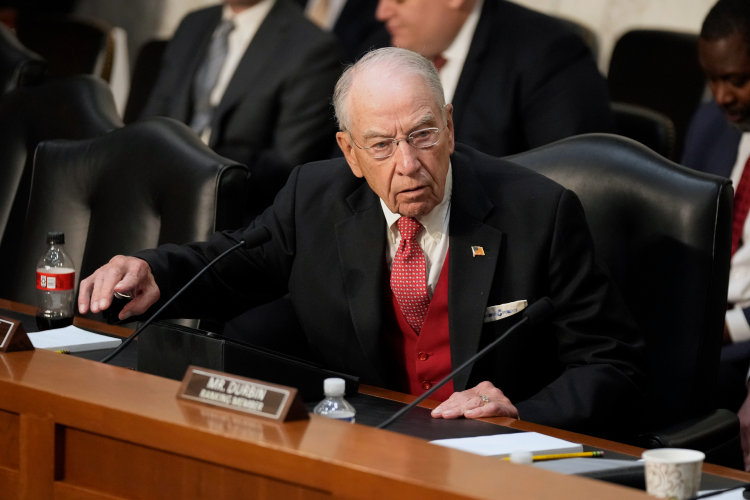
Iowa Republican Sen. Charles Grassley has been following the issue for years. Federal whistleblowers at his hearings have described a haphazard system for caring for unaccompanied minors, in which information is not shared among federal agencies, contractors, and law enforcement. Last year, Office of Refugee Resettlement (ORR) whistleblowers said that contractors would release minors to sketchy, unverified partners, suspicious strip-mall businesses, and, in one Michigan case, in an open field.
Prompted by those reports, Grassley sent referrals to the FBI and Department of Homeland Security (DHS) regarding potentially criminal behavior by more than “100 suspicious sponsors” last year. But the Biden-Harris administration failed to fully respond to two-thirds of the subpoenas issued by law enforcement. In the last four years, there were more than 65,000 reports of possible illegal acts ignored or dismissed, of which roughly 7,300, or 13%, involved human trafficking, according to an Inspector General’s report.
The Trump administration claims it has processed some 28% of the backlog, leading to 36 investigations accepted for prosecution, seven indictments, 25 arrest warrants, 11 arrests, and three convictions.
Blaming the Problem on Paperwork
When Vance spoke about the exploitation of unaccompanied minors in the October 2024 vice-presidential debate, he took his 300,000 figure from a recent report from the DHS’s Inspector General. Within hours, left-wing groups and press outlets sprang to the Biden administration’s defense, downplaying the severity of the situation and insisting the huge number “lacked context.”
Some pro-immigration groups said it was merely “a missing paperwork problem,” according to the Acacia Center for Justice’s Unaccompanied Children Program. It was a “premature” conclusion that they were lost, said the American Immigration Council, while the Young Center for Immigrant Children’s Rights said they were not “effectively lost.”
RCI reached out to all three of those groups repeatedly, asking how they assessed the current situation with unaccompanied minors and whether it has improved under Trump. Only the Acacia Center responded, and then only to repeat its point about paperwork.
“This figure stems from gaps in ICE paperwork, not actual disappearances,” the center’s Deputy Chief of Programs Michael Corradini said. “Many children were never issued Notices to Appear in immigration court, so their absence from court records does not mean they are missing.”
But Vance’s total was not inaccurate, according to the inspector general’s report. It found that, in addition to the 32,000 cases in which no address was given for where the minor went, there were another 43,000 cases where the minor failed to respond to a summons to immigration court, and 233,000 cases where neither addresses nor phone numbers received a response. In other words, more than 300,000.
The $23 Billion Network that Flopped
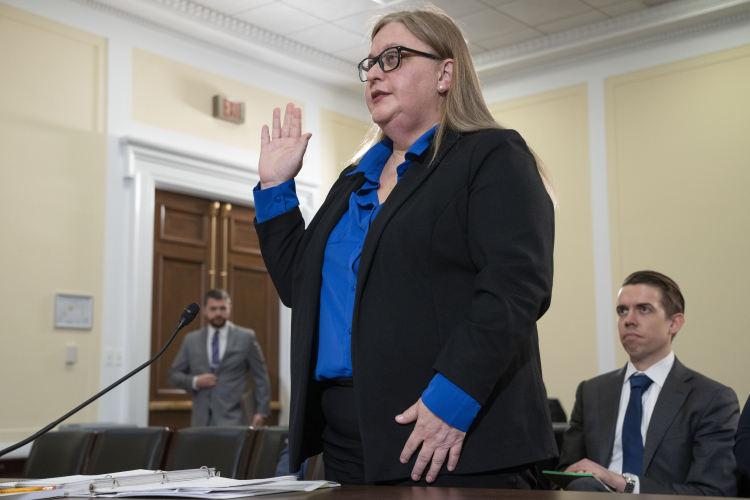
Since the DHS was created, most of the unaccompanied minors have been handled by the ORR. That agency, in turn, will release the minor to a sponsor, and it is at this point that the government often loses touch with the immigrant, several experts told RCI.
Neither ORR nor those agencies above it – the Administration for Children and Families and the Department of Health & Human Services – responded to multiple requests for comment.
Through ORR, taxpayers spent $23.1 billion on unaccompanied minor-related grants and contracts during Biden’s term, according to usaspending.gov. The office relies on a sprawling network to house the migrant minors and put them together with sponsors. Contracts and grants related to unaccompanied minors comprise the biggest chunk of the office’s spending each year, accounting for more than 91% in FY2021.
Construction companies like Rapid Deployment Inc., of Mobile, Ala., were paid at least $3.5 billion, and nearly $200 million went to the defense contractor General Dynamics of Connecticut. Much of the funding went to nonprofits, religious charities, and non-governmental organizations that operate foster homes and release the minors to sponsors. Consulting companies, lawyers, and universities also benefited.
Despite the big outlays of money, it seems no group of officials kept tabs on the minors.
Congress has identified some misspending in the program. North Carolina Republican Rep. Dan Bishop said last November that more than $100 million was obligated, and nearly $40 million spent, for an unaccompanied minor home in Greensboro, N.C., that never housed anyone.
At least one major vendor, Southwest Key Programs Inc. in Texas, has been sued for mistreatment of minors. As the largest housing provider for unaccompanied children, the group received at least $2 billion over just three years, from FY2021 to FY2023, according to government records. Last summer, the Justice Department sued Southwest Key, alleging that for years “multiple Southwest Key employees subjected unaccompanied children in their care to repeated and unwelcome sexual abuse, harassment, and misconduct and a hostile housing environment, including severe sexual abuse and rape.”
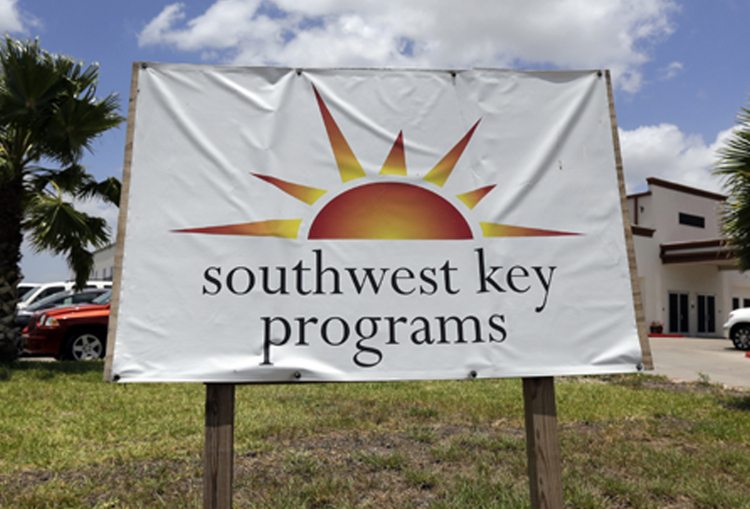
Federal tax returns for some of these nonprofits show that the ORR contracts and grants proved very lucrative. Southwest Key, for example, went from reporting revenues of $417.8 million in 2020 to more than $900 million in 2023 and 2024. In those last two years, the Austin-based nonprofit’s CEO, Anselmo Villarreal, was paid more than $1.1 million, while dozens of top executives received annual pay packages ranging from $250,000 to $700,000. In those same two years, Southwest Key spent 76% of its nearly $1 billion in revenue on “salaries, other compensation and benefits,” according to tax returns collected by ProPublica.
Endeavors, a San Antonio-based nonprofit, was paid more than $2 billion, including a $1.3 billion contract in FY2022, and at least $720 million in the other three years of Biden’s term. According to an audit, the nonprofit had minuscule revenues from 2011 to 2020. In 2020, when the nonprofit reported $52.5 million in revenue, it had 10 executives making six figures, topped by CEO Jon Allman at $317,301. In 2023, those in the Endeavors’ C-suite fared even better, with CEO Charles H. Fulghum pulling down $638,472 and three other executives making between $390,000 and $493,000, tax records show.
Another San Antonio nonprofit, Compass Connections, grew exponentially through unaccompanied minor-related government deals worth nearly $700 million. Compass reported less than $300,000 in revenue for the years 2019 to 2021. Then Compass caught fire, reporting $192 million in revenue in 2023 and $434 million the following year. In 2023, its Chairman Kevin Dinnin received more than $1.3 million in compensation from Compass and related organizations, tax records show.
Southwest Key, Endeavors, and Compass didn’t respond to requests for comment on the services they provided. Other groups that received much smaller sums, such as the Vera Institute for Justice and the Los Angeles County Fair Association, also declined to reveal anything about how they helped the undocumented minors.
This prodigious spending appears to have come to a halt in FY2025, which ended last month. In that year, the ORR spent $51.9 million.
Sen. Grassley has also been stonewalled by these same groups when he sought information on their services, according to his office. Concerned about possible waste and fraud, Grassley wrote to two dozen contractors twice in 2024, and while some did not respond at all, those that did “provided incomplete and obstructive responses.”
“It really is horrific, what’s been going on,” said Lederer, the former government advisor. “Unfortunately, we usually only learn about it when a child is rescued or is hurt badly. The people that facilitated all this have circled the wagons about what went very, very wrong.”
'We’re Stuck With Health Insurance—But We Can Improve It'
Over the past century, the proportion of health-care services purchased through insurance—as opposed to directly by patients—has surged, thanks to the exemption of employer-sponsored benefits from income and payroll taxes. This has encouraged a great increase in spending on treatment by insulating consumers from the cost of services being sold.
What if patients spent more of their own money on health insurance? As Congress recently debated extending federal subsidies for health insurance, President Trump recommended that “the Hundreds of Billions of Dollars currently being sent to money-sucking Insurance Companies in order to save the bad Health care provided by ObamaCare, BE SENT DIRECTLY TO THE PEOPLE SO THAT THEY CAN PURCHASE THEIR OWN, MUCH BETTER, HEALTH CARE, and have money left over.”
But making patients bear more of their costs out of pocket is a bad way to reduce wasteful health-care spending. It does more to inhibit access to care than to steer patients to cheaper sources of treatment. This is because health-care spending is highly concentrated among the seriously ill, for whom additional expenditures greatly exceed any realistic deductibles. Legislators should instead focus on letting Americans purchase more affordable insurance plans that are better focused on their health needs.
The proportion of health-care spending done out of pocket has declined steadily from 80 percent in 1929 to 11 percent in 2023. Most of the out-of-pocket expenditures that remain are deductibles and coinsurance payments required by insurance plans.
This has shifted control over the purchase of health care from patients to bureaucrats. Critics of this arrangement argue that it deprives individuals of access to their preferred doctors and drugs, while displacing a personalized patient–clinician relationship for “checkbox medicine” preoccupied with reimbursement and regulatory compliance. They suggest that insurers impose needless administrative costs and restrictions on access to care.
The American Hospital Association first established major medical health-insurance plans in the 1930s to make up for the collapse of patient revenues and charitable donations during the Great Depression. Over subsequent decades, policymakers enacted regulations and tax preferences to support the expansion of these plans, with the deliberate objective of increasing funding for medical providers. In 1965, Medicare and Medicaid established federal funding for the elderly and poor along similar lines.
These developments encouraged the rapid inflation of medical expenses. With public and private insurers funding 97 percent of hospital spending by 2023, patients have little incentive to shop around on price, while hospitals compete by boosting expenditure on equipment, amenities, and staffing. The price of a colonoscopy paid by private insurers, for example, varies fivefold across the United States.
Most insurers reimburse medical providers according to the costs they incur treating patients. That inflates the number of expensive services that yield minimal clinical benefits. Insurers lack the resources to scrutinize effectively the appropriateness of reimbursement claims given the availability of effective alternatives, and they face resentment from patients, medical practitioners, and lawmakers when they tentatively attempt to do so.
Advocates of “direct payment” for medical care propose cutting out the middleman. They argue that relying on cash payment for services would empower patients to seek out the best-priced medical care and forgo wasteful expenditures. Rather than inflating expenses, medical providers would work tirelessly to drive down costs and advertise potential savings. Innovative entrepreneurs could be directly rewarded for developing effective treatments at a fraction of the cost of the existing labor-intensive medical system.
Congress has taken some steps in this direction. The Medicare Modernization Act of 2003 sought to encourage direct payment for medical care by allowing employers to deposit pre-tax funds into Health Savings Accounts for workers enrolled in high-deductible health-care plans. From 2006 to 2023, average deductibles in employer-sponsored health insurance increased from $296 to $1,564.
This shifted some expenses from insurers to individuals, but established little incentive to shop for medical procedures. In 2023, less than 3 percent of U.S. health-care spending was done by people who spent under $1,564 on health care. Economists have found that higher deductibles did not lead consumers to switch to lower-priced medical providers but served instead to reduce the utilization of medical services—cost-effective as well as wasteful ones.
If the federal government attempts to finance health care by distributing cash uniformly to Americans, funds are likely to accumulate in the hands of those who need assistance least. In 2021, 5 percent of the population accounted for 51 percent of health-care spending. Though the heaviest health-care costs are not always incurred by the same households, “high utilizers” of medical care typically use more than average year after year. A diabetic is also more likely to be admitted to hospital for a heart attack or a stroke, and per capita health-care expenditures rise steadily over people’s lives.
As technological progress allows more to be done for the very ill, it becomes harder to pay for treatment out of pocket. In 2023, the median annual cost of newly launched cancer drugs was nearly $300,000.
Expenditure is also becoming increasingly concentrated. From 1996 to 2023, the share of U.S. health-care spending going to households that spend more than the median personal income on health care rose from 8 percent to 41 percent.
Some forms of insurance may facilitate the direct purchase of medical care by patients. Specifically, fixed indemnity health insurance provides predetermined cash payments to policyholders according to triggering medical events. These plans were popular in the early years of health insurance, before large tax and regulatory advantages were established for major medical insurance.
Fixed indemnity payments may amount to less, or more, than the cost of procedures at various medical facilities. For instance, UnitedHealthcare advertises that its fixed indemnity plan would give patients $12,320 for an emergency appendectomy, noting the average cost was about $16,000, but that 25 percent of procedures were performed for around $9,000. Cigna sells Lump Sum Cancer Insurance policies paying benefits ranging from $5,000 to $100,000, which enrollees can use to buy medical care directly from providers worldwide, pay for experimental therapies, or fund household expenses not covered by traditional health-insurance plans.
Yet the appeal of fixed indemnity insurance is likely to be limited. Plans may leave patients unable to pay for treatment, particularly if their cases involve costly complications. Enrollees who do not fully understand policies would find themselves on the hook for huge bills. Because of this, such plans are subject to income and payroll taxation, ineligible for federal subsidies, and often curtailed by state regulation.
Americans, meantime, typically want health insurers to cover more, not less. Eighty-three percent of adults aged 50 to 80 want insurance to pay for weight loss drugs, 77 percent of voters want insurers to pay for medical services without prior authorization, 89 percent of voters supported federal legislation to limit surprise medical bills uncovered by insurance, while 78 percent of Americans want to increase federal subsidies for health insurance sold on the individual market.
In other words, we’re stuck with health insurance. But we can greatly improve it.
Insurers are so unresponsive to patients’ concerns because it is employers, rather than enrollees, who usually control the purchase of policies. This arrangement forces plans to include costly benefits and features that are of little value to individual patients, such as coverage of expensive medical providers in other neighborhoods where they will never seek care.
Allowing employers to provide pretax funds for their employees to purchase their own insurance can allow individuals to opt for more cost-effective plans that better suit their own personal health needs and circumstances. This would actually reduce the largest hospital and drug expenses, rather than just shifting the burden of paying for them onto the seriously ill— which only cuts costs by leaving people without payment for care when they need it.
'Global vaccine alliance Gavi, World Bank to mobilize $2 b to strengthen primary healthcare'
The World bank Group said on Saturday it was working with the global vaccine alliance Gavi to strengthen financing for immunization and primary healthcare systems, planning to mobilize at least $2 billion over the next five years in joint financing.
The two organizations will also work together to advance vaccine manufacturing in Africa as a part of World Bank Group's goal to help countries reach 1.5 billion people with quality, affordable health services by 2030, the World Bank Group said.
https://ca.news.yahoo.com/global-vaccine-alliance-gavi-world-021834935.html
Vietnam's trade surplus with US hits record as exports surge despite tariffs
Vietnam's trade surplus with the United States, its main market, rose to $121.6 billion in the first 11 months of the year, official data showed on Saturday (Dec 6), as exports surged despite US tariffs imposed in August.
The Southeast Asian nation is still in talks for a trade deal with Washington but has so far largely shrugged off the US' 20 per cent duties on its goods, which the Trump administration imposed to cut its huge trade gap with the country.
Exports to the US rose year-on-year by 22.5 per cent in November, outpacing shipments to the rest of the world, which increased by 15.1 per cent, according to Vietnam's statistics agency.
The surge in exports to the US translated into a record trade surplus, which in the January-November period already far exceeds the reading for all of 2024, when it hit $104.5 billion, according to Vietnamese data that is usually more conservative than US figures.
However, month-on-month, Vietnam's November exports fell 7.1 per cent to $39.07 billion, and shipments to the US went down by 7.3 per cent after a decline of 2.2 per cent in October. November was the fourth consecutive month that month-on-month exports to the US have fallen.
Vietnam said last month it was working to sign a trade agreement with the US soon, after the two countries in October said they had agreed to a framework for the deal.
Vietnam in November recorded an overall trade surplus of $1.09 billion, down from $2.6 billion in October.
For the first 11 months of this year, exports rose 16.1 per cent to $430.14 billion, while imports were up 18.4 per cent to $409.61 billion.
That resulted in a trade surplus of $20.53 billion, driven by a positive balance with the United States, the European Union and Japan, which more than offset deficits with China and South Korea.
The trade deficit with China in the January-November period rose 38.1 per cent year-on-year to $104.3 billion.
Separately, consumer prices in November rose 3.58 per cent from a year earlier, the data showed, while industrial production climbed 10.8 per cent.
Trump signs memo to align US child vaccines with certain other countries
ALIGNING THE CHILDHOOD VACCINE SCHEDULE WITH INTERNATIONAL BEST PRACTICES: Today, President Donald J. Trump signed a Presidential Memorandum to begin the process to align U.S. core childhood vaccine recommendations with best practices from peer, developed countries.
- The Memorandum directs the Secretary of Health and Human Services (HHS Secretary) and the Acting Director of the Centers for Disease Control and Prevention (CDC Director) to review best practices from peer, developed countries for core childhood vaccination recommendations — vaccines recommended for all children — and the scientific evidence that informs those best practices.
- If the HHS Secretary and the CDC Director determine that those best practices are superior to current domestic recommendations, they are directed to update the United States core childhood vaccine schedule to align with such scientific evidence and best practices from peer, developed countries while preserving access to vaccines currently available to Americans.
ENSURING AMERICANS ARE RECEIVING THE BEST MEDICAL ADVICE IN THE WORLD: Among peer nations, the United States is a high outlier in the number of vaccinations recommended for all children.
- When President Trump returned to office in January 2025, the United States recommended vaccinating all children for 18 diseases, including COVID-19.
- By comparison, Denmark recommends vaccinations for just 10 diseases with serious morbidity or mortality risks, Japan recommends vaccinations for 14 diseases, and Germany recommends vaccinations for 15 diseases. The timing and administration of the vaccines also varies by country.
- The United States currently recommends yearly influenza vaccines starting at six months, while many peer countries do not recommend yearly influenza vaccination as a core vaccination for all children.
- Practices like the hepatitis B vaccination at birth are standard in the United States, but uncommon in most developed countries, where it is typically only recommended for newborns of mothers who test positive for the infection.
MAKING OUR CHILDREN HEALTHY AGAIN: President Trump is committed to building a healthier future for America, starting with our youngest generation.
- In February, President Trump signed an Executive Order establishing the President’s MAHA Commission, tasking the Commission with investigating and addressing the root causes of America’s escalating health crisis—with an initial focus on childhood chronic diseases.
- The Trump Administration ended the blanket recommendation for all children to get the COVID-19 vaccine, updating its recommendation to be based on shared clinical decision-making between patients and clinicians.
In September, the MAHA Commission released the Make Our Children Healthy Again Strategy, a sweeping plan with more than 120 initiatives to reverse the failed policies that fueled America’s childhood chronic disease epidemic. The strategy prioritized development of a vaccine framework that ensures America has the best childhood vaccine schedule.
In May, the MAHA Commission released the Make Our Children Healthy Again Assessment, summarizing what is known and what questions remain regarding the childhood chronic disease crisis.
The Average Wait For A Doctor's Appointment Is 31 Days - How To Get Seen Sooner
by Sheramy Tsai via The Epoch Times (emphasis ours),
It starts with a call. A sore knee, a lingering cough, a changing mole - nothing urgent - but not quite ignorable. The receptionist is polite, but the first available appointment is three weeks away.

For millions of Americans, health care begins with a wait. For many, walk-in clinics have replaced family medicine.
“People have started to accept that,” Dr. Dorothy Serna, a primary care physician who left traditional practice for a concierge model, told The Epoch Times. “They think, ‘I can’t get my doctor, so I won’t even try. I’ll just go to urgent care. I’ll wait. I’ll Google it.’”
Such scenarios have become the norm rather than the exception. What was once a simple task—seeing your doctor when you need care—has evolved into a complex navigation challenge that requires strategy, persistence, and insider knowledge to overcome.
A Month, If You’re Lucky
More than 100 million people lack a regular primary care provider, a figure that continues to climb each year. New patients wait an average of 23.5 days to see a primary care doctor, often longer in cities. Even existing patients face significant waits, although generally shorter than those of new patients.
The problem continues to grow. A 2025 survey by AMN Healthcare found the average wait for a physician appointment in major metro areas has stretched to 31 days—up 19 percent since 2022 and nearly 50 percent since 2004. In Boston, patients wait more than two months, the longest wait time in the nation.

If this is the situation in cities with the most doctors, rural patients can expect even worse outcomes. Only 9 percent of U.S. physicians practice in those communities, leaving patients to travel farther, wait longer, and often go without care altogether.
The problem is reshaping how Americans access health care. Primary care, traditionally the system’s front door, has become its biggest bottleneck. Routine problems escalate into emergencies, and preventive care gets delayed.
The shortage is structural. Nearly half of primary care doctors are older than 55, and few younger physicians are choosing the field. Only 15 percent remain in primary care five years after completing their training. The United States has 67 primary care doctors per 100,000 people—about half the rate of Canada. While many other wealthy nations devote 7 percent to 14 percent of their health budgets to primary care, the United States spends less than 5 percent.
Preventive medicine is collapsing into fragmented, reactive care, and patients are left waiting while disease advances.
The Specialist Referral Maze
Seeing a specialist presents its own set of challenges. Even after securing a coveted primary care appointment and obtaining a referral, patients face another round of lengthy delays.
Specialist wait times vary dramatically by field and location. New patients wait about two weeks for orthopedic surgery, a month for cardiology and dermatology, and six weeks for obstetrics and gynecology—and often longer in big cities.

The referral process itself creates additional friction. Insurance authorizations can add weeks to the timeline. Paperwork gets lost between offices. Some specialists require specific diagnostic tests before scheduling, adding another layer of delay.
Online patient forums overflow with stories of months-long waits for neurology consultations and gastroenterology appointments that stretch nearly a year.

Strategies for Gaining Access to Care
Whether it’s finding a new doctor, landing a specialist appointment, or just breaking through your provider’s backlog, the challenge is access. Some patients manage access by knowing how the system works. The following tactics won’t fix the shortage, but they can shift the odds in our favor.
Step 1: Finding a Primary Care Doctor or Specialist
Start With People
The fastest way to find a doctor isn’t online—it’s through people. A 2022 study in Arthroscopy, Sports Medicine, and Rehabilitation found that most patients turn to family, friends, or trusted professionals.
Try these approaches:
- Ask for Specific Names, Not Just Practices: When you call, mention who referred you: “My friend Maria is a patient of Dr. Green and suggested I call.” Clinics often note these connections, which can move you up the callback list.
- Verify Fit Before Booking: Ask about insurance acceptance, after-hours options, and same-day visits. Research shows that these logistics often influence satisfaction more than credentials.
- Tap Professional Circles: Pharmacists, therapists, or other doctors often know who’s taking new patients or who communicates well.
- Combine Word-of-Mouth With Research: Once you have a few names, check online reviews for red flags rather than perfection. A consistent theme of poor communication is more telling than a few harsh comments.
- Keep a Running Short List: Save the contact info of doctors recommended by friends or professionals, even if you’re not looking right now. It can save weeks if you suddenly need care.
Go Digital
Hospital and insurer websites often have hidden scheduling tools—but you have to know where to look.
- Start With Your Insurance Portal: Log in and click “Find Care” or “Find a Doctor.” These directories usually show which providers are in-network and, increasingly, whether they’re accepting new patients. Some include direct links to schedule an appointment.
- Check Hospital or Health-System Pages: Look for a “Patient Portal,” “Book Online,” or “Schedule a Visit” tab. Large systems such as Mass General Brigham, Cleveland Clinic, or Mayo Clinic sometimes let patients view real-time openings and book directly, often without calling.
- Check Official Directories: State medical boards list every licensed provider, and state chapters of the American Academy of Family Physicians or internal-medicine societies often post searchable directories by region or availability. These sources verify credentials and can uncover clinicians not featured on commercial platforms.
- Use Third-Party Tools: Zocdoc, Healthgrades, and One Medical integrate with clinic calendars, allowing you to filter by specialty, insurance, and sometimes the soonest available appointment.
- Double-Check Listings: Online directories can lag by weeks. Once you find an opening, call or message the office through its portal to confirm.
Expand Your Definition of ‘Doctor’
When appointment backlogs stretch for weeks, the key may be to expand what “care” looks like.
- Look for Team-Based Clinics: Nurse practitioners and physician assistants can diagnose, prescribe, and manage most common conditions. They’re often easier to book than physicians, and Medical Group Management Association data show practices that rely more on team-based care are better able to keep wait times under control.
- Consider Direct Primary Care or Concierge Medicine: These membership models offer longer visits, direct messaging, and same-day scheduling in exchange for a monthly fee—usually $50 to $150.
- Explore Integrative or Naturopathic Care: In 26 states, licensed naturopaths can diagnose conditions, order labs, and prescribe medications. Functional-medicine doctors—typically medical doctors or doctors of osteopathic medicine—combine conventional care with nutrition and lifestyle approaches. These options can offer more time and continuity, though insurance coverage varies.
Be Flexible About How–and Where–You’re Seen
When options are limited, flexibility can make the difference between waiting weeks and getting care today.
- Try Virtual Visits: During the COVID-19 pandemic, telehealth use by primary care doctors jumped to nearly 50 percent from 5 percent, and many patients plan to keep using it. Virtual visits aren’t a substitute for hands-on exams, but they can bridge gaps until you’re seen in person.
- Widen Your Search: Appointment backlogs don’t move in sync from place to place. A 30-minute drive to a nearby town or a different hospital system can sometimes mean being seen weeks sooner.
Step 2: Getting Seen Sooner
Once you’ve identified the provider or practice that fits your needs, the next challenge is securing an appointment. That’s where persistence, flexibility, and a few behind-the-scenes strategies can make all the difference.
- Work the System–Nicely: Staff work within limits, but your tone matters. “Create a sense of urgency,” Serna said. “Say, ‘I’m worried and would like to be seen sooner if something opens up.’” A little empathy goes a long way—schedulers often remember polite persistence.
- Call Early: Most offices hold a few same-day or next-day slots for urgent needs, but they go fast. Call right when the office opens to improve your chances of landing one.
- Join the Cancellation List: Ask the office to add you to their cancellation list—a roster of patients willing to come in on short notice if someone else cancels. Patients who are flexible often get the first call, and a quick weekly check-in helps keep your name visible.
- Ask About Virtual Options: For non-urgent issues that don’t require a physical exam, virtual care can be a quicker route. “It saves time for everyone,” Serna said. Many systems offer virtual visits within days, particularly for follow-up appointments or initial consultations.
- Bring in Backup: When care stalls, someone has to move it along. “Most people don’t know how to get past the scheduler to the clinical team,” said Serna. She sometimes makes those calls herself, reaching out directly to a specialist when a patient’s referral has hit a wall.
Ask whether your doctor’s office can do the same by contacting the specialist or testing center on your behalf. If that doesn’t work, an outside advocate may help. A 2024 review found that patients with advocates began treatment sooner in 70 percent of cases. The National Association of Healthcare Advocacy and the Patient Advocate Foundation connect patients with professional or nonprofit advocates.
Navigating From Within
The U.S. health care system may be slow and fragmented, but it is not impenetrable. With preparation, patience, and the right questions, it is still possible to find a way through. That might mean asking for multiple referrals, using portals to spot cancellations, or simply knowing how to frame urgency without panic.
These recommendations aren’t shortcuts so much as survival skills—the small, persistent acts patients use to keep the system from shutting them out entirely. It’s about finding agency in a system that often rewards persistence over passivity.
What’s Next: Getting the appointment is only the first victory. Making it count is the next—something we’ll tackle in the following article.
https://www.zerohedge.com/political/average-wait-doctors-appointment-31-days-how-get-seen-sooner