Search This Blog

Wednesday, April 1, 2026

SpaceX said to have filed for IPO

 Space Exploration Technologies Corporation, better known as SpaceX, has confidentially filed for an initial public offering (IPO) with the United States Securities and Exchange Commission (SEC), The Wall Street Journal (WSJ) reported on Wednesday, citing people familiar with the matter.

Allegedly, SpaceX's shares would likely be listed by July. Given the IPO's reported confidentiality status, investors will have to wait until a date closer to the IPO to receive an update on SpaceX's financial performance.

In the second half of March, it was alleged that SpaceX could file to go public within next weeks. Meanwhile, The Wall Street Journal reported that the space exploration company of the world's richest man, Elon Musk, was aiming to raise between $40 billion and $80 billion on the occassion, which would make it one of the biggest IPOs in history.

https://breakingthenews.net/Article/SpaceX-said-to-have-filed-for-IPO/65999522

Agios mulls early FDA filing for sickle cell therapy

 Agios is planning to file its sickle cell disease (SCD) candidate mitapivat with the FDA under the accelerated pathway, based on feedback from the US regulator at a recent meeting.

The decision has come despite mixed results in the phase 3 RISE UP trial of the orally-active pyruvate kinase (PKR) activator, reported last November, which led to a big fall in the company's share price.

Agios said it has submitted the protocol for a proposed confirmatory trial of mitapivat for consideration by the FDA as it works towards an accelerated approval application "in the coming months."

Shares in the company rose around 20% to more than $34 after the announcement, regaining a sizeable chunk of the territory last after the RISE UP data reveal, when it was trading above $45.

In the phase 3 trial, mitapivat was shown to achieve a significant improvement compared to placebo on the haemoglobin response, a primary endpoint, but was unable to improve the annualised rate of sickle cell vaso-occlusive crises (VOCs) – the excruciatingly painful attacks that occur when red blood cells become misshapen and block blood vessels.

Agios presented the RISE UP results and data from its phase 3 programme for mitapivat at the FDA meeting, according to the company, adding that, "based on the discussion, the FDA recommended submission of a proposal for a confirmatory clinical trial to support US accelerated approval."

The US regulator has been talking a lot about exercising regulatory flexibility to make potentially clinically important new drugs available more quickly to patients, particularly for rare diseases, whilst still adhering to its obligation to approve drugs based on "substantial evidence" of effectiveness.

"Our engagements with the FDA continue to underscore both the unmet need in sickle cell disease and the importance of expeditiously advancing new treatment options for patients living with this complex, debilitating, and deadly disease," said Agios' chief medical officer, Sarah Gheuens.

The company said it has proposed a primary endpoint that is different from the one used in the RISE UP clinical programme, and it remains to be seen whether its suggestion will be accepted by the regulator.

Mitapivat has been approved in the US under the Pyrukynd trade name since 2022 as a treatment for haemolytic anaemia in adults with pyruvate kinase (PK) deficiency, and late last year claimed another approval – as Aqvesme – for anaemia associated with alpha- or beta-thalassaemia.

An approval in SCD would transform the sales potential for the drug, as around 100,000 people are living with SCD in the US, compared to around 4,000 with thalassaemia and an estimated 1,000 to 2,000 with PK deficiency.

Agios reported $54 million in revenues from Pyrukynd last year, up 48% on the prior year.

https://pharmaphorum.com/news/agios-mulls-early-fda-filing-sickle-cell-therapy

AAD 2026: Sanofi, Incyte, Roivant and Alumis Make Headway Into Skin Diseases


Presentations at the 2026 meeting of the American Academy of Dermatology not only demonstrate the therapeutic potential of next-generation skin drugs but also shed light on how they might fare on the market.

The 2026 annual conference of the American Academy of Dermatology is in full swing, with skin disease experts flocking to Orlando, Florida, to present the latest developments in the field.

Here, BioSpace reviews some of the most interesting and consequential readouts to come out of the meeting.

Sanofi’s Amlitelimab Bows to Dupixent in Atopic Dermatitis

Sanofi showed up at AAD 2026 with a trio of presentations on its anti-OX40L antibody amlitelimab, which it is developing for atopic dermatitis.

Across the late-stage COAST-1, COAST-2 and SHORE studies, the pharma on Saturday touted what it called the “progressively increasing efficacy” of amlitelimab, both alone and in combination with other topical treatments.

But analysts at Leerink Partners see it differently, writing in a Sunday note that amlitelimab’s efficacy in the “COAST-1 and COAST-2 trials were weaker compared with Dupixent.” This assessment was made cross-trial, the group noted, and in the absence of direct head-to-head studies, such comparisons will be inconclusive.

In COAST-1, 35.9% of patients treated with amlitelimab every four weeks saw a 75% reduction at 24 weeks in the Eczema Area and Severity Index, a validated tool to measure disease severity in atopic dermatitis. In COAST-2, 41.8% of patients achieved this endpoint. Meanwhile, Leerink pointed out that 33% to 36% of Dupixent-treated patients in a separate study hit this outcome at 16 weeks.

“We are reducing our amlitelimab sales projections by 50% following additional data disclosures,” Leerink said on Sunday. The firm now estimates 2032 sales will reach €650 million (around $745 million), down from its previous forecast of €1.3 billion (around $1.5 billion).

Incyte’s JAK1 Blocker Delivers ‘Robust’ Hidradenitis Suppurativa Data

Incyte’s oral drug candidate povorcitinib elicited and maintained response rates in patients with hidradenitis suppurativa (HS) through 54 weeks of follow-up—data that could help build the market’s confidence in the asset as it undergoes regulatory review.

The Phase 3 STOP-HS1 and STOP-HS2 studies have together enrolled around 600 patients with mild or moderate HS who were treated with povorocitinib or placebo. Results presented at AAD on Saturday showed that Incyte’s drug could maintain its therapeutic benefit through 54 weeks of follow-up, sustaining what the company called “clinically meaningful and durable responses.”

Up to 71.4% of patients showed at least a 50% reduction in total abscess and inflammatory nodule counts without an accompanying increase in abscesses or draining tunnel counts, according to the company’s news release. Povorocitinib also eased three key inflammatory lesion types throughout the follow-up, with 16.1% to 20.2% of patients achieving the full clearance of these lesions at 54 weeks.

Analysts at William Blair called these findings “robust” in a Monday note to investors, though they noted that some commercial questions remain, especially about how povorocitinib will square up against AbbVie’s Rinvoq.

Roivant Reinforces Brepocitinib’s ‘Compelling’ Profile in Dermatomyositis

Roivant, through one of its “Vant” spinouts Priovant, is advancing the TYK2/JAK1 dual inhibitor brepocitinib for dermatomyositis, a rare autoimmune disorder causing muscle weakness and rashes.

On Saturday at AAD, the company touted “rapid and statistically significant reductions in itch,” as measured by scores on the peak pruritus numerical rating scale. At week 4, 18.9% more patients on brepocitinib achieved itch remission than did placebo comparators. Roivant also reported improvements in patient-reported, skin-related quality of life through 52 weeks of follow-up.

Moreover, in patients who had moderate-to-severe disease at baseline and who were refractory to standard treatments, brepocitinib elicited a 26.6% greater rate of functional skin remission versus placebo.

These data for brepocitinib “reinforce its compelling profile and support our positive outlook on its commercial prospects,” analysts at Leerink told investors in a Sunday note.

Brepocitinib earlier this month announced that the FDA has accepted the approval application for brepocitinib in dermatomyositis, with a decision expected in the third quarter.

Alumis Plots Path Forward for Plaque Psoriasis Pill

Alumis on Saturday presented back-to-back readouts from its Phase 3 ONWARD1 and ONWARD2 studies testing the next-generation TYK2 inhibitor envudeucitinib for plaque psoriasis. The biotech is planning to file for the drug’s approval in the second half of 2026.

At 16 weeks, 53.1% to 59.9% of envudeucitinib-treated patients showed clinical response, as measured by a 90% reduction in Psoriasis Area and Severity Index (PASI-90) scores. By comparison, 4.3% to 4.8% of placebo counterparts hit this outcome. Clinical response benefits were apparent as early as four weeks, Alumis reported.

PASI-100, which indicates complete skin clearance, was documented in 27.7% to 29.4% of envudeucitinib-treated patients at 16 weeks, growing to 39.5% to 41% at 24 weeks. Envudeucitinib treatment also improved scalp psoriasis, dermatology-related quality of life and itch relief as compared with placebo.

As for safety, Alumis said that envudeucitinib was well tolerated over the 24 weeks of observation, with no clinically significant laboratory anomalies or episodes of tuberculosis.

https://www.biospace.com/drug-development/aad-2026-sanofi-incyte-roivant-and-alumis-make-headway-into-skin-diseases

PepGen Loses Half of Share Price on Mixed Data in Rare Muscle-Wasting Disease


PepGen’s lead candidate for myotonic dystrophy type 1 barely beat the placebo in a Phase 2 trial in terms of fixing incorrect gene splicing, but the biotech attributed the poor result to an outlier.

It’s a rough start to the week for PepGen—and patients with a rare muscle-wasting disease—as the company’s lead asset produced mixed data in a mid-stage trial. PepGen shares were down 59% after the opening bell on Tuesday.

In the 5 mg/kg multiple ascending dose cohort of the FREEDOM2 study, treatment with PGN-EDODM1 led to a mean 7.3% splicing correction in six patients with myotonic dystrophy type 1 (DM1) compared to 6.8% in the two-person placebo control group, according to the company’s Tuesday announcement. PepGen noted that when excluding one outlier who saw a 70.8% worsening in splicing correction, the mean splicing correction for the treated cohort was 22.9%.

In addition to there being “minimal separation from placebo” in patients receiving multiple ascending doses, that cohort also saw inferior splicing correction compared to the single ascending dose portion, in which PGN-EDODM1 elicited a 12.3% correction, William Blair wrote in a Tuesday note to investors. Both results likely contributed to PepGen’s falling shares, the analysts said.

The firm added that the “splicing response rate is 50% at 5 mg/kg, which leaves room for improvement.”

FREEDOM2 included eight patients who were given either PGN-EDODM1 or placebo every four weeks over a 12-week period. The study’s key endpoints included safety, splicing correction and functional outcome measures.

On the functional side, PepGen noted a “positive trend of improvement” on a hand-opening time test—delayed release of handgrip is a common symptom in DM1—compared to a worsening in placebo comparators. Both groups returned to baseline at 16 weeks. No meaningful improvements were observed in 10-meter walk/run test or handgrip strength with the 5 mg/kg dose, according to PepGen.

The company is also testing PGN-EDODM1 in the multiple ascending dose cohort of the FREEDOM2 study, in which five of eight patients have been given up to three 10 mg/kg doses of PGN-EDODM1. PepGen plans to report data from this cohort in the second half of this year.

DM1 is caused by a mutation in the dystrophia myotonica protein kinase (DMPK) gene that effectively traps the RNA-binding protein MBNL1, preventing it from doing its job. With PGN-EDODM1, PepGen is hoping to address the negative effects of this mutation by delivering a therapeutic oligonucleotide designed to restore the normal splicing function of MBNL1.

Other players tackling DM1 include Dyne Therapeutics and Avidity Biosciences, which was snapped up by Novartis in October 2025 for around $12 billion. Sarepta Therapeutics is also working with Arrowhead on a treatment for DM1, SRP-1003. In a cruel twist of fate, the biotech’s longtime CEO Doug Ingram stepped down in February after two members of his immediate family were diagnosed with the disease.

William Blair said in its Tuesday note that, like PepGen, Dyne and Avidity have seen high variability in splicing data in small cohorts of DM1 patients.

https://www.biospace.com/drug-development/pepgen-loses-half-of-share-price-on-mixed-data-in-rare-muscle-wasting-disease

Eli Lilly’s Oral Obesity Pill Approved, Kicking Off Renewed Novo Rivalry


The FDA approved Eli Lilly’s orforglipron—to be known as Foundayo—on Wednesday, officially igniting what analysts believe will be a fierce rivalry with Novo Nordisk’s oral Wegovy.

Look out, Novo Nordisk, the competition has arrived. Wednesday, the FDA signed off on one of the most anticipated new drugs of 2026: Eli Lilly’s obesity pill orforglipron, now to be known as Foundayo.

Lilly, which has already amassed $1.5 billion worth of Foundayo, plans to launch the product quickly. In its announcement on Wednesday, the company said Foundayo will be available via LillyDirect®, with prescriptions accepted immediately and shipping beginning on April 6. The drug will be available for $25 per month with commercial coverage, and $149 per month for those who choose the self-pay option.

Notably, Foundayo is also the fifth drug to be approved under the FDA’s new Commissioner’s National Priority Voucher Program. Introduced in June 2025, the CNPV program is intended to expedite the usual 10–12 month review time to 1–2 months for products that align with certain national priorities. By this timeline, Foundayo should have been approved by March 28, according to reporting from Reuters in January.

In its announcement, the FDA noted that Foundayo was approved 50 days after filing, and 294 days before the PDUFA date of January 20, 2027.

The approval of Foundayo is expected to be a pillar of Lilly’s weight loss and diabetes franchise, which consists of the diabetes drug Mounjaro, the weight management brand Zepbound and now Foundayo. The trio could net Lilly $101 billion in peak worldwide revenue, Truist Securities said in November 2025. This estimate is based on 17.6 million people around the world eligible for one of the therapies and assumes a price of $200 per month.

The firm’s estimate followed a deal with the White House struck by Lilly and Novo in November, part of which would see initial doses of Foundayo sold at $150. That price was also meant to be applied to Novo’s oral Wegovy, which won approval the following month and entered the U.S. market in January.

The pricing scheme appeared to be effective for Novo as oral Wegovy got off to a strong start, with nearly 3,100 patients reached in its first week of sales. Despite the strong launch, analysts warned upon the product’s approval that oral Wegovy would soon see competition in the form of Lilly’s forthcoming product and other oral candidates.

Recent clinical results suggest Foundayo could ultimately overtake Novo’s oral offering. In the Phase 3 ACHIEVE-3 study, reported in February, Foundayo elicited greater weight loss and better glycemic control than oral semaglutide—marketed as Rybelsus for diabetes—in patients with type 2 diabetes whose condition is inadequately controlled by metformin.

Foundayo also holds a manufacturing advantage over its key competitor. As a small molecule, Foundayo is easier to manufacture than oral Wegovy, which is a peptide. A small molecule “could be potentially influential in the fight for the oral obesity market,” Evan Seigerman told BioSpace in August 2025.”

The approval of Foundayo was supported by data from the Phase 3 ATTAIN-1 trial, in which the highest 36 mg dose produced an average weight loss of 27.3 lbs at 72 weeks. The drug also led to “significant improvements across key cardiometabolic risk factors,” according to a September 16 press release issued by Lilly. In comparison, 25 mg of oral Wegovy elicited 16.6% mean weight loss in the OASIS 4 trial, according to Novo’s approval announcement. in which the highest 36 mg dose of Foundayo produced an average weight loss of 27.3 lbs at 72 weeks. The drug also led to “significant improvements across key cardiometabolic risk factors,” according to a September 16 press release issued by Lilly. In comparison, 25 mg of oral Wegovy elicited 16.6% mean weight loss in the OASIS 4 trial, according to Novo’s approval announcement.

The drug’s label includes a boxed warning for thyroid C-cell tumors, according to the FDA’s announcement, which also said Foundayo should not be used in patients with a personal or family history of medullary thyroid cancer or in those with Multiple Endocrine Neoplasia syndrome type 2.

Foundayo’s approval is the latest factor in a tight market battle between Novo and Lilly. It’s a race Lilly is currently winning, as Mounjaro earned $22.965 billion in sales last year, compared to Ozempic’s $20.1 billion.

https://www.biospace.com/fda/eli-lillys-oral-obesity-pill-approved-kicking-off-renewed-novo-rivalry

Trump May Pull Out Of 'Paper Tiger' NATO After Starmer Stiffs Strait Support

 In a blistering exclusive interview with The Telegraph, President Trump has declared he is "strongly considering" pulling the United States out of NATO, branding the 77-year-old alliance a "paper tiger" after European allies - including the UK under Prime Minister Sir Keir Starmer - refused to join America’s military campaign against Iran or help reopen the Strait of Hormuz.

Trump told the newspaper the decision was now “beyond reconsideration,” adding: “I was never swayed by Nato. I always knew they were a paper tiger, and Putin knows that too, by the way.” He singled out Britain, mocking its naval capabilities and Starmer’s green-energy focus: “You don’t even have a navy. You’re too old and had aircraft carriers that didn’t work… All Starmer wants is costly windmills that are driving your energy prices through the roof.”

The row erupted after Iran effectively closed the Strait of Hormuz - through which 20 per cent of the world’s oil flows - in response to US-Israeli strikes launched on February 28. Allies have been reluctant to deploy warships, prompting Trump to accuse NATO of operating a “one-way street.”

Secretary of State Marco Rubio echoed the president on Fox News, warning that America would have to “re-examine” its NATO membership once the Iran conflict ends. “If Nato is just about us defending Europe if they’re attacked, but them denying us basing rights when we need them, that’s not a very good arrangement,” Rubio said. Trump later told The Telegraph he was “glad” Rubio had spoken out.

Starmer Fires Back: “This Is Not Our War”

Starmer moved quickly to reaffirm Britain’s commitment to NATO while drawing a firm line on the Iran conflict. “This is not our war, and we’re not going to get dragged into it,” he told The Telegraph, describing the alliance as “the single most effective military alliance the world has ever seen.” He signalled a pivot toward closer European cooperation “whatever the noise” from Washington.

The UK’s military vulnerabilities have only added fuel to the fire. On Tuesday, the First Sea Lord admitted the Royal Navy was not ready for war. Four of Britain’s six destroyers were out of service at the conflict’s start, forcing London to borrow a German warship to meet NATO obligations in the North Atlantic.

Any formal US withdrawal would require Congressional approval under 2023 legislation co-sponsored by Rubio himself. However, experts note Trump could still gut American participation by pulling troops, bases, and command support - effectively hollowing out the alliance without a full exit.

Trump is expected to deliver a national address on Wednesday evening outlining the Iran war’s status and, according to Reuters sources, to voice further disgust at NATO’s lack of reciprocity.

As oil prices spiral and recession fears mount, the standoff over the Strait of Hormuz has exposed raw fractures in the Western alliance. Whether Trump’s latest broadside is negotiation theatre or the beginning of America’s strategic retreat from Europe remains to be seen — but the “paper tiger” label has already left its mark.

https://www.zerohedge.com/markets/trump-may-pull-out-paper-tiger-nato-after-starmer-stiffs-strait-support

"No One Knows What Will Happen Now": Justice Jackson Warns Against Unbridled Free Speech

 by Jonathan Turley,

Justice Ketanji Brown Jackson is again warning of a growing threat to the nation. In her lone dissent in Chiles v. Salazar, Jackson observed that “to be completely frank, no one knows what will happen now.” The ominous tone stemmed from the fact that free speech had prevailed over state-imposed orthodoxy in a Colorado case.

Eight justices, including her two liberal colleagues, ruled that Colorado could not prevent licensed counselors from “any practice or treatment” that “attempts or purports to change” a minor’s sexual orientation or gender identity.
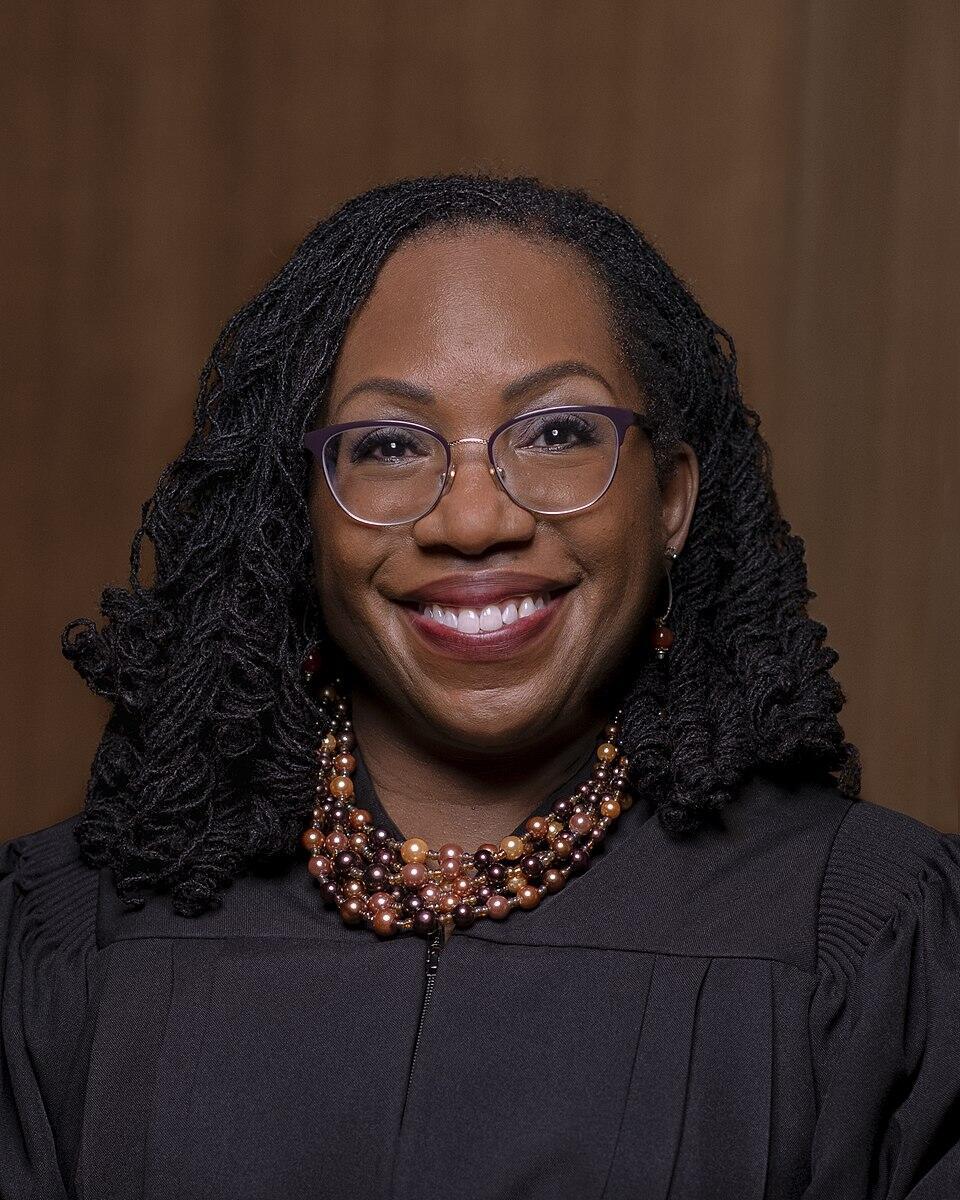
The win for free speech was catastrophic for Jackson and many on the left. Allowing counselors to discuss the causes and basis for sexual orientation changes, Jackson maintained, would “open a can of worms.” It would be far better for the majority to simply silence such dissenting voices in the name of science.

The dissent in Chiles is only the latest example of the chilling jurisprudence of Justice Jackson, including a pronounced dismissal of free speech values. Consider the holding of her colleagues that Jackson finds so horrific.

Justice Neil Gorsuch wrote that the First Amendment “reflects … a judgment that every American possesses an inalienable right to think and speak freely, and a faith in the free marketplace of ideas as the best means for discovering truth … any law that suppresses speech based on viewpoint represents an ‘egregious’ assault on both of those commitments.”

What a nightmare.

Instead, Jackson would have declared the ban on anything deemed “conversion therapy” to be “conduct,” not speech.

It is that easy.

You simply impose an orthodoxy and then treat any dissenters as being regulated for their conduct, not their viewpoints.

Justice Elena Kagan could not withhold her frustration with her colleague, noting that “[b]ecause the State has suppressed one side of a debate, while aiding the other, the constitutional issue is straightforward.” She added that Jackson’s view “rests on reimagining—and in that way collapsing—the well-settled distinction between viewpoint-based and other content-based speech restrictions.”

Other countries have embraced Jackson’s permissive approach to speech curtailment.

Recently, Malta failed to convict a man who was facing five months in prison for merely discussing his own abandonment of homosexuality due to a religious conversion.

Of course, we just went through a pandemic when censorship and orthodoxy were dressed up as science.

Leading scientific figures were canceled and harassed. That was the case with Jay Bhattacharya, who co-authored the Great Barrington Declaration and was a vocal critic of COVID-19 policies. Bhattacharya was targeted due to his dissenting views on health policy, including opposing wholesale shutdowns of schools and businesses.

He and other scientists were later vindicated. European allies that did not shut down their schools fared far better than we did, including avoiding a national mental health and learning crisis. We simply never had that debate.

He was recently honored with the prestigious “Intellectual Freedom” award from the American Academy of Sciences and Letters. He is also now the 18th director of the National Institutes of Health.

Yet, years ago, the courts, the media, and politicians joined in treating dissenting views as “conspiracy theories.”

Some argued that the virus’s origin was likely the Chinese research lab in Wuhan. That position was denounced by the Washington Post as a “debunked” coronavirus “conspiracy theory.” The New York Times Science and Health reporter Apoorva Mandavilli called any mention of the lab theory “racist.”

Federal agencies now support the lab theory as the most likely based on the scientific evidence.

Likewise, many questioned the efficacy of those blue surgical masks and supported natural immunity to the virus — the government later recognized both positions.

Others questioned the six-foot rule, which shut down many businesses, as unsupported by science. In congressional testimony, Dr. Anthony Fauci later admitted that the rule “sort of just appeared” and “wasn’t based on data.” Yet not only did it result in heavily enforced rules (and meltdowns) in public areas, but the media further ostracized dissenting critics.

For years, pundits portrayed those who questioned gender reassignment surgeries and treatments as bigots. Now, leading medical associations and European nations have decided that such procedures should not be generally allowed.

All of it was orthodoxy masquerading as science.

Yet, Jackson sees the protection of dissenting scientific and professional views as a “can of worms” that the courts should avoid in favor of state and assocational imposed truths.  She wrote that allowing such opposing views “ultimately risks grave harm to Americans’ health and wellbeing.”

Keep in mind that counselors can still be sued for any harm that they cause due to malpractice or negligence. Indeed, recently in New York, a jury awarded $2 million to Fox Varian, 22, over the double mastectomy performed on her while she was a minor.

State associations can also publish positions on such therapy and seek to convince both professionals and the public on the best practices for children.

None of that was sufficient for Justice Jackson or Colorado. Ironically, Colorado has now succeeded in dramatically strengthening free speech in its repeated failures to curtail it. The Democratic legislators have made the state arguably the most hostile to free speech in the nation.

Colorado’s Supreme Court sought to bar President Donald Trump from the ballot. Notably, while many of us viewed Trump’s views on the 2020 election to be protected speech, Colorado treated it as conduct and advocacy of insurrection.

It was Colorado that sought to force bakers, photographers, and web designers to produce work in favor of same-sex marriages despite their religious objections.  Each effort was supported by the Tenth Circuit and each failed in spectacular fashion before the Supreme Court.

As many of us celebrate this victory for free speech, these advocates are denouncing the ruling in apocalyptic terms.

What is most chilling is that Jackson is now routinely called the model for new nominees, including the push to pack the Supreme Court with an instant liberal majority.

If so, Jackson’s radical views on constitutional interpretation could be replicated on a new packed Court. To paraphrase this decision, “to be completely frank, we know exactly what will happen then.”

Jonathan Turley is a law professor and the best-selling author of “Rage and the Republic: The Unfinished Story of the American Revolution.”

https://www.zerohedge.com/markets/no-one-knows-what-will-happen-now-justice-jackson-warns-against-unbridled-free-speech