Search This Blog

Thursday, February 18, 2021

Ozone effective in disinfecting coronavirus

 Studies have shown that SARS-CoV-2 remains active on aerosols and surfaces for between several hours and several days, depending on the nature of the surface and environmental conditions. Presently, researchers from Tel Aviv University have demonstrated that ozone, which has already long been used as an antibacterial and antiviral agent in water treatment, effectively sanitizes surfaces against Coronavirus after short exposure to low concentrations of ozone. The research team was led by Dr. Ines Zucker from the School of Mechanical Engineering at the Ivy and Eldar Fleischman Faculty of Engineering and the Porter School of the Environment and Earth Sciences at the Tel Aviv University. Dr. Zucker collaborated with Dr. Moshe Dessau from the Azrieli Faculty of Medicine at Bar Ilan University in the Galilee and Dr. Yaal Lester from the Azrieli College in Jerusalem in order to investigate the feasibility of ozone for indoor inactivation of SARS-CoV-2.

The preliminary findings of the study were published in the Journal: Environmental Chemistry Letters.

Most people recognize  as a thin layer of the Earth's atmosphere that guards us against the harmful effects of UV radiation. However, ozone is also known as a strong oxidant and disinfectant employed in water and wastewater treatment schemes. Within the study framework, the research team decided to adapt the mechanisms whereby they use ozone to break down organic pollutants from contaminated waters and demonstrate the expected efficacy of the ozone in neutralizing Coronavirus.

Ozone gas is generated by  (the breakdown of chemical compounds into their elements using ), in the course of which oxygen molecules are reconstructed in the form of ozone molecules. In the course of their study, the researchers demonstrated the inactivation from various infected surfaces, even in hard-to-reach locations. They demonstrated a high level of disinfection within minutes, even on surfaces not typically disinfected with manually-applied liquid disinfectants with a statistical success rate of above 90%. According to Dr. Ines Zucker, the method involves inexpensive and readily available technology, which can be utilized to disinfect hospitals, schools, hotels, and even aircraft and entertainment halls.

Researchers have proved that that ozone is effective in disinfecting Coronavirus
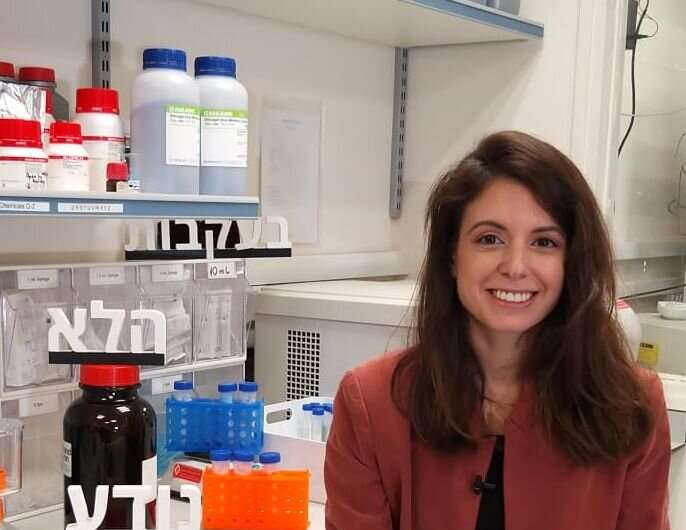
Dr. Ines Zucker. Credit: Tel Aviv University.

"Gaseous ozone is generated from oxygen gas by electrical discharge. Now, for the first time, we have managed to prove that it is highly efficient in combating Coronavirus as well," stresses Dr. Zucker. "Its advantage over common disinfectants (such as alcohol and bleach) is its ability to disinfect objects and aerosols within a room, and not just exposed surfaces, rapidly and with no danger to public health." Dr. Zucker estimates that, since the gas can be produced relatively cheaply and easily, it should be possible to introduce ozone disinfecting systems on an industrial scale to combat the COVID-19 outbreak.


Explore further

Measuring ozone chemistry in an occupied residence

More information: Ines Zucker et al, Pseudoviruses for the assessment of coronavirus disinfection by ozone, Environmental Chemistry Letters (2021). DOI: 10.1007/s10311-020-01160-0
https://phys.org/news/2021-02-ozone-effective-disinfecting-coronavirus.html

'Stronger rules needed' to reduce workplace transmission of COVID-19​

 Immediate action is needed to reduce the airborne transmission of the new coronavirus in high-risk workplaces such as hospitals, schools, meatpacking plants, and prisons, a group of 13 experts say in a letter to the Biden administration.

The authors said that the U.S. Centers for Disease Control and Prevention should mandate a combination of masks and environmental measures—including better ventilation—in such locations to reduce the risk FOR infection, The New York Times reported.

"It's time to stop pussyfooting around the fact that the virus is transmitted mostly through the air," said Linsey Marr, an expert on aerosols at Virginia Tech, The Times reported. "If we properly acknowledge this, and get the right recommendations and guidance into place, this is our chance to end the pandemic in the next six months. If we don't do this, it could very well drag on."

It has been nearly a year since scientists showed that the new  can be inhaled in tiny droplets that hang in stagnant indoor air. The World Health Organization said in July that the new coronavirus can linger in the air in crowded indoor spaces, and the CDC said in October that the virus can be airborne, The Times reported.

https://medicalxpress.com/news/2021-02-stronger-workplace-transmission-covid-.html

1 in 2 S. Africans infected by Covid: study and estimates

 Around half of South Africa's population may have already been infected by coronavirus, a figure far higher than the documented tally, a study and analysis of death figures suggest.

Samples taken from almost 5,000 blood donors across four South African provinces in January showed that between 32 and 63 percent had antibodies to the coronavirus.

The figure compares with clinically confirmed case rates of just two to three percent, according to South African research that was released online last week, but has not yet completed peer review.

The numbers could be understated, said lead investigator Marion Vermeulen of the South African National Blood Service.

People with confirmed or suspected COVID-19 are unable to donate blood for 14 days, and therefore less likely to be sampled, she explained.

Antibodies are a telltale of an individual's exposure to the virus, but not a confirmation that the person has fallen sick from it.

Most antibodies were detected in the Eastern Cape and KwaZulu-Natal provinces.

Both were epicentres of South Africa's second infection wave when it started in December.

Officially, South Africa has recorded close to 1.5 million coronavirus cases, of which just under 48,500 have been fatal—the highest toll in Africa.

But emerging data suggests this figure is under-estimated, a statistician says.

According to the South African Medical Research Council (SAMRC), more than 140,000 excess natural deaths have occurred since May last year.

The SAMRC does not give details as to the cause of these extra deaths.

But the chief statistician with leading private medical insurer Discovery said that, based on his observations, around 90 percent of those extra fatalities are attributable to COVID-19.

If so, the real death toll from coronavirus in South Africa would exceed 120,000, chief actuary Emile Steep told AFP.

Steep estimates that South Africa's COVID-19 mortality stands around 0.4 percent—a figure derived from an Infection Fatality Rate published by London's Imperial College for modelling.

"COVID deaths are under-reported in almost every single country in the world," Steep said in a phone interview on Wednesday.

"Many people who are vulnerable to COVID have a lot of other conditions... so the cause is always hard to define."

It is also easy to misrecord deaths at the height of a pandemic, when "medical staff (are) running around trying to save lives", he added.

The South African variant of the coronavirus, which is more transmissible and more resistant to existing vaccines than its original form, accounts for some 90 percent of the country's second wave of cases, scientists say.

The country kicked off its long-awaited inoculation campaign on Wednesday with jabs developed by US pharmaceutical giant Johnson & Johnson.

https://medicalxpress.com/news/2021-02-south-africans-covid-.html

Heart damage found in over half of COVID-19 patients discharged from hospital

 Around 50% of patients who have been hospitalised with severe COVID-19 and who show raised levels of a protein called troponin have damage to their hearts. The injury was detected by magnetic resonance imaging (MRI) scans at least a month after discharge, according to new findings published today in the European Heart Journal.

Damage includes inflammation of the  muscle (myocarditis), scarring or death of heart tissue (infarction), restricted  to the heart (ischaemia) and combinations of all three.

The study of 148  from six acute hospitals in London is the largest study to date to investigate convalescing COVID-19 patients who had raised troponin levels indicating a possible problem with the heart.

Troponin is released into the blood when the heart muscle is injured. Raised levels can occur when an artery becomes blocked or there is inflammation of the heart. Many patients who are hospitalised with COVID-19 have raised troponin levels during the critical illness phase, when the body mounts an exaggerated immune response to the infection. Troponin levels were elevated in all the patients in this study who were then followed up with MRI scans of the heart after discharge in order to understand the causes and extent of the damage.

Professor Marianna Fontana, professor of cardiology at University College London (UK), who led the research together with Dr. Graham Cole, a consultant cardiologist at Imperial College London, said: "Raised troponin levels are associated with worse outcomes in COVID-19 patients. Patients with severe COVID-19 disease often have pre-existing heart-related health problems including diabetes, raised blood pressure and obesity. During severe COVID-19 infection, however, the heart may also be directly affected. Unpicking how the heart can become damaged is difficult, but MRI scans of the heart can identify different patterns of , which may enable us to make more accurate diagnoses and to target treatments more effectively."

The researchers investigated COVID-19 patients discharged up until June 2020 from six hospitals across three NHS London trusts: Royal Free London NHS Foundation Trust, Imperial College Healthcare NHS Trust and University College London Hospital NHS Foundation Trust. Patients who had abnormal troponin levels were offered an MRI scan of the heart after discharge and were compared with those from a control group of patients who had not had COVID-19, as well as from 40 healthy volunteers.

"The recovering COVID-19 patients had been very ill; all required hospitalisation and all had troponin elevation, with around one in three having been on a ventilator in the intensive care unit," said Prof. Fontana.

"We found evidence of high rates of heart muscle injury that could be seen on the scans a month or two after discharge. Whilst some of this may have been pre-existing, MRI scanning shows that some were new, and likely caused by COVID-19. Importantly, the pattern of damage to the heart was variable, suggesting that the heart is at risk of different types of injury. While we detected only a small amount of ongoing injury, we saw injury to the heart that was present even when the heart's pumping function was not impaired and might not have been picked up by other techniques. In the most severe cases, there are concerns that this injury may increase the risks of heart failure in the future, but more work is needed to investigate this further."

The function of the heart's left ventricle, the chamber that is responsible for pumping oxygenated blood to all parts of the body, was normal in 89% of the 148 patients but scarring or injury to the heart muscle was present in 80 patients (54%). The pattern of tissue scarring or injury originated from inflammation in 39 patients (26%), ischaemic heart disease, which includes infarction or ischaemia, in 32 patients (22%), or both in nine patients (6%). Twelve patients (8%) appeared to have ongoing heart inflammation.

Prof. Fontana said: "Injury relating to inflammation and scarring of the heart is common in COVID-19 patients with troponin elevation discharged from hospital, but is of limited extent and has little consequence for the heart's function.

"These findings give us two opportunities: firstly, to find ways of preventing the injury in the first place, and from some of the patterns we have seen, blood clotting may be playing a role, for which we have potential treatments. Secondly, detecting the consequences of injury during convalescence may identify subjects who would benefit from specific supporting drug treatments to protect heart function over time."

The findings of the study are limited by the nature of patient selection and included only those who survived a coronavirus infection that required hospital admission.

"The convalescent patients in this study had severe COVID-19 disease and our results say nothing about what happens to people who are not hospitalised with COVID, or those who are hospitalised but without elevated troponin. The findings indicate potential ways to identify patients at higher or lower risk and suggest potential strategies that may improve outcomes. More work is needed, and MRI scans of the heart have shown how useful it is in investigating patients with  elevation," concluded Prof. Fontana.

The study is also the subject of a discussion between Prof. Fontana and Prof. Eike Nagel, at the Society for Cardiovascular Magnetic Resonance annual meeting on Friday 19 February, where it will be presented for the first time. Prof. Nagel, director of the Centre for Cardiovascular Imaging at Deutsches Zentrum Für Herz-Kreislauf-Forschung (DZHK), Frankfurt, Germany, is the senior author on an earlier paper that found ongoing heart problems in up to 78% of COVID-19 patients who were less sick and most of whom did not require admission to hospital.


Explore further

How does the coronavirus affect the heart?

More information: "Patterns of myocardial injury in recovered troponin-positive COVID-19 patients assessed by cardiovascular magnetic resonance", European Heart Journal (2021). DOI: 10.1093/eurheartj/ehab075

Valentina O. Puntmann et al. Outcomes of Cardiovascular Magnetic Resonance Imaging in Patients Recently Recovered From Coronavirus Disease 2019 (COVID-19), JAMA Cardiology (2020). DOI: 10.1001/jamacardio.2020.3557


https://medicalxpress.com/news/2021-02-heart-covid-patients-discharged-hospital.html
New data on COVID-19 patients with diabetes: 1 in 5 die within 28 days

 Updated results from the CORONADO study, analysing the outcomes of patients with diabetes admitted to hospital with COVID-19, shows that one in five patients die within 28 days while around half are discharged. The study is published in Diabetologia (the journal of the European Association for the Study of Diabetes [EASD]), and is by Professor Bertrand Cariou and Professor Samy Hadjadj, diabetologists at l'institut du thorax, University Hospital Nantes, INSERM, CNRS, and University of Nantes, France, and colleagues.

In May 2020, preliminary results from CORONADO (Coronavirus SARS-CoV-2 and Diabetes Outcomes), with a smaller sample size, showed that 10% of patients with  and COVID-19 died within 7 days of  admission.

This updated analysis included 2796 participants from 68 centres across France: almost two thirds (64%) were men, mean age 70 years, with median body mass index of 28 kg/m² (falling into the overweight range). Microvascular and macrovascular diabetic complications were found in 44% and 39% of participants, respectively.

Within 28 days, 1404 (50%) of the patients were discharged from hospital with a median duration of hospital stay of 9 days, while 577 participants died (21%). Of the remaining patients, 12% remained hospitalised at day 28, while 17% had been transferred to facilities different from their initial hospital.

Computer modelling revealed various factors such as younger age, routine diabetes therapy with the drug metformin, and longer symptom duration on admission were associated with a higher chance of discharge from hospital.

History of microvascular complications, routine anticoagulant therapy (to prevent ), shortness of breath on admission, abnormal levels of liver enzymes, higher white blood cell counts and higher levels of the systemic inflammatory marker C-reactive protein were all associated with a lower chance of discharge and a higher risk of . Patients whose diabetes was regularly treated with insulin (possibly indicating a more advanced state of diabetes) were at a 44% increased risk of death compared with those not treated with insulin.

An unusual finding from this study was a 42% increased risk of death for patients with diabetes receiving statin treatment for high cholesterol—however, the authors make clear since this is an observational study, it is difficult to make definite conclusions about any relationship with statins, or any other treatment.

The study also found that long term blood sugar control assessed with pre-admission or admission glycated haemoglobin (HbA1c) did not impact on the fate of COVID-19 patients, with no significant association with death or with discharge within 28 days. In contrast, an increased level of plasma glucose on admission was a strong predictor of death and, consistently, of a lower chance of discharge.

The authors conclude: "The identification of favourable variables associated with hospital discharge and unfavourable variables associated with death can lead to patient reclassification and help to use resources adequately according to individual patient profile."

More information: Diabetologia (2021). doi.org/10.1007/s00125-020-05351-w

https://medicalxpress.com/news/2021-02-covid-patients-diabetes-die.html

Piper Sandler Initiates Coverage On Infinity Pharmaceuticals at Overweight

 Target $7

https://www.benzinga.com/news/21/02/19722492/piper-sandler-initiates-coverage-on-infinity-pharmaceuticals-with-overweight-rating-announces-price

Novavax, covid shot data in hand, strikes supply deal with global vaccine consortium

 COVID-19 vaccine maker Novavax has at times flown under the radar as some of the world's leading drugmakers dominated headlines and raced toward rollouts. But an eye-popping new supply deal with international players is sure to turn heads.

Novavax on Thursday unveiled a memorandum of understanding with Gavi, the Vaccine Alliance, to provide 1.1 billion doses of its coronavirus vaccine candidate to COVAX, a global effort to ensure equitable vaccine distribution. The Serum Institute of India will help produce doses under a prior deal between that company and Gavi.

The deal will support work by Gavi, the Coalition for Epidemic Preparedness Innovations and the World Health Organization to distribute doses in every country worldwide.

Gavi and Novavax are working to finalize an advance purchase agreement. Seth Berkley, Gavi's CEO, said in a statement the deal "brings the COVAX Facility one step closer to its goal of supplying vaccines globally and ending the acute phase of the pandemic." Gavi aims to deliver 2 billion doses of coronavirus vaccines this year, he added.

As part of its effort to make the vaccine available worldwide, Novavax licensed its tech to the Serum Institute "with no upfront, milestone or technology transfer payments." 

Under the COVAX agreement, Novavax expects to provide doses for high-income markets, while Serum Institute will manufacture doses for other countries.


While Novavax hasn't yet scored emergency authorizations for its vaccine, some market watchers have touted the vaccine's data against other prominent players. After the company posted phase 3 data last month, Evercore ISI analyst Josh Schimmer wrote to clients that he sees Novavax as the "vaccine to beat." The shot features "strong potency and unique tolerability," he added.

In a phase 3 trial, the vaccine posted efficacy of 89.3%, just shy of the mRNA programs from Pfizer and Moderna. But protection was lower against an aggressive variant first identified in South Africa.

Along its development path, the shot has scored backing from CEPI and the U.S. government. Novavax also has a $1.6 billion deal with the U.S. government to provide 100 million doses.

https://www.fiercepharma.com/pharma/novavax-heels-coronavirus-shot-data-enters-massive-supply-deal-global-vaccine-consortium