Search This Blog

Saturday, October 23, 2021

Cholesterol drug helps sensory neurons regrow in mouse central nervous system

 A spinal cord injury damages the lines of communication between the body and brain, impeding the signals that drive movement and sensation. Injured motor and sensory neurons in the central nervous system -- the brain and spinal cord -- have limited ability to heal, so people who survive such injuries can be left with chronic paralysis, numbness and pain.

Researchers at Washington University School of Medicine in St. Louis have identified a drug that helps sensory neurons in the central nervous system heal. Neurons are surrounded by support cells that protect and nurture them. In this study, the researchers gave mice with injured sensory neurons a drug called fenofibrate that is approved by the Food and Drug Administration to treat high cholesterol. The drug activated the support cells surrounding sensory neurons and helped them regrow about twice as fast as sensory neurons in mice that received a placebo. The study is available online in eLife.

"When people think of spinal cord injury, they tend to think of paralysis, but there are a lot of problems with sensory processing and pain after spinal cord injury as well," said senior author Valeria Cavalli, PhD, the Robert E. and Louise F. Dunn Professor of Biomedical Research and a professor of neuroscience. "Addressing those sensory issues could go a long way toward improving quality of life for survivors. Our data indicate that fenofibrate has the potential to activate these support cells and improve recovery, which means we could potentially repurpose this FDA-approved compound to help restore sensory function after nerve injuries."

Unlike neurons in the brain or spinal cord, sensory nerves in the periphery of the body heal after injury, which is why a gash on your leg doesn't leave part of your leg permanently numb. To understand why regeneration occurs in the peripheral but not the central nervous system, Cavalli studies a unique cell type that spans both systems: sensory neurons of the dorsal root ganglia. The cell bodies of such neurons bundle together into a structure known as a ganglion that sits just outside the spinal cord. A long, thin arm called an axon branches out from each cell body in opposite directions, with one branch heading into the central nervous system via the spinal cord and the other becoming part of the peripheral nervous system as it descends into the body. Despite being two parts of the same cell, the peripheral and central axonal branches do not respond identically after injury. The peripheral parts regrow and recover much faster and more completely than the central ones.

Cavalli and first author Oshri Avraham, PhD, a staff scientist, suspected that the differences in regeneration between the two branches may come down to differences between the behavior of support cells in response to injury to the central versus peripheral axon branches.

To investigate that possibility, the researchers compared gene expression in five kinds of support cells in the ganglion, after injury to the peripheral and central branches of the sensory neuron. They found that the patterns of gene expression in the support cells differed depending on which part of the neuron they injured. Most notably, so-called satellite glial cells ramped up expression of a set of genes known as the PPAR-alpha pathway -- famous for its role in fat metabolism -- only after injury in the peripheral axon branch. The pathway was not turned up after injury to central axonal branches, and was actually dialed down after spinal cord injury in the central nervous system.

To Cavalli and Avraham, this observation suggested that the PPAR-alpha pathway may promote regeneration. To find out, they fed mice fenofibrate -- a drug that activates PPAR alpha -- for two weeks before injuring the mice's sensory axon branch heading into the central nervous system. Three days after the injury, the central branches of the sensory neuron axons had regrown about twice as much in the mice that had received fenofibrate than in those that had received a placebo.

"PPAR alpha is only expressed in satellite glial cells, not in neurons, so these results tell us that targeting these support cells can improve regeneration and potentially relieve sensory symptoms like pain," Cavalli said. "It gives us an additional tool to design therapies to restore function after nerve injuries. We haven't fixed spinal cord injury, but we're one step closer to figuring out how to do it."

Cavalli and colleagues are now planning experiments to combine fenofibrate with other experimental regeneration-promoting therapies targeting neurons or other aspects of the central nervous system to further enhance regeneration.


Story Source:

Materials provided by Washington University School of Medicine. Original written by Tamara Bhandari. Note: Content may be edited for style and length.


Journal Reference:

  1. Oshri Avraham, Rui Feng, Eric Edward Ewan, Justin Rustenhoven, Guoyan Zhao, Valeria Cavalli. Profiling sensory neuron microenvironment after peripheral and central axon injury reveals key pathways for neural repaireLife, 2021; 10 DOI: 10.7554/eLife.68457

Evidence that COVID-19 is a seasonal infection

 A new study led by the Barcelona Institute for Global Health (ISGlobal) provides robust evidence that COVID-19 is a seasonal infection linked to low temperatures and humidity, much like seasonal influenza. The results, published in Nature Computational Science, also support the considerable contribution of airborne SARS-CoV-2 transmission and the need to shift to measures that promote "air hygiene."

A key question regarding SARS-CoV-2 is whether it is behaving, or will behave, as a seasonal virus like influenza, or whether it will be equally transmitted during any time of the year. A first theoretical modeling study suggested that climate was not a driver in COVID-19 transmission, given the high number of susceptible individuals with no immunity to the virus. However, some observations suggested that the initial propagation of COVID-19 in China occurred in a latitude between 30 and 50 degrees N, with low  levels and  (between 5 degrees and 11 degrees C).

"The question of whether COVID-19 is a genuine seasonal disease becomes increasingly central, with implications for determining effective intervention measures," explains Xavier Rodó, director of the Climate and Health program at ISGlobal and coordinator of the study. To answer this question, Rodó and his team first analyzed the association of temperature and humidity in the initial phase of SARS-CoV-2 spread in 162 countries across five continents, before changes in human behavior and public health policies were put into place. The results show a  between the transmission rate (R0) and both temperature and humidity at the global scale: higher transmission rates were associated with lower temperatures and humidity.

The team then analyzed how this association between climate and disease evolved over time, and whether it was consistent at different geographical scales. For this, they used a statistical method that was specifically developed to identify similar patterns of variation (i.e. a pattern-recognition tool) at different windows of time. Again, they found a strong negative association for short time windows between disease (number of cases) and climate (temperature and humidity), with consistent patterns during the first, second and third waves of the pandemic at different spatial scales: worldwide, countries, down to individual regions within highly affected countries (Lombardy, Thüringen and Catalonia) and even to the city level (Barcelona).

The first epidemic waves waned as temperature and humidity rose, and the second wave rose as temperatures and humidity fell. However, this pattern was broken during summertime in all continents. "This could be explained by several factors, including mass gatherings of young people, tourism, and air conditioning, among others," explains Alejandro Fontal, researcher at ISGlobal and first author of the study.

When adapting the model to analyze transient correlations at all scales in countries in the Southern Hemisphere, where the virus arrived later, the same negative correlation was observed. The climate effects were most evident at temperatures between 12 degrees and 18 degrees C and humidity levels between 4 and 12 g/m3, although the authors warn that these ranges are still indicative, given the short records available.

Finally, using an epidemiological model, the research team showed that incorporating temperature into the transmission rate works better for predicting the rise and fall of the different waves, particularly the first and third ones in Europe. "Altogether, our findings support the view of COVID-19 as a true seasonal low- infection, similar to influenza and to the more benign circulating coronaviruses," says Rodó.

This seasonality could contribute importantly to the transmission of SARS-CoV-2, since low humidity conditions have been shown to reduce the size of aerosols, and thereby increase airborne  of seasonal viruses such as influenza. "This link warrants an emphasis on 'air hygiene' through improved indoor ventilation as aerosols are capable to persist suspended for longer times," says Rodó, and highlights the need to include meteorological parameters in the evaluation and planning of control measures.


Explore further

Seasonality of COVID-19 confirmed

More information: Xavier Rodó, Climatic signatures in the different COVID-19 pandemic waves across both hemispheres, Nature Computational Science (2021). DOI: 10.1038/s43588-021-00136-6www.nature.com/articles/s43588-021-00136-6
https://medicalxpress.com/news/2021-10-robust-evidence-covid-seasonal-infection.html

Adobe will put U.S. employees on unpaid leave if they’re not vaccinated by Dec. 8

 Software company Adobe told U.S. employees Friday that they have to be vaccinated against Covid-19 by Dec. 8 or they will be placed on unpaid leave.

In an email to employees viewed by CNBC, Adobe said the policy was due to President Biden’s executive order for federal contractors to have all employees vaccinated.

The email, which was sent by Adobe’s Chief People Officer Gloria Chen, also said that 93.5% of U.S. employees who responded to an internal company survey already said they were fully vaccinated or going through their series of vaccines.

Chen said Adobe would consider religious and medical exemptions for employees who can’t get the vaccine.

An Adobe spokesperson confirmed the contents of Chen’s email to CNBC.

The policy echoes that of IBM, which also told U.S. employees this month that they’d have to be vaccinated or go on unpaid leave due to Biden’s executive order.

https://www.cnbc.com/2021/10/22/adobe-mandates-vaccines-for-us-employees-by-december-8.html

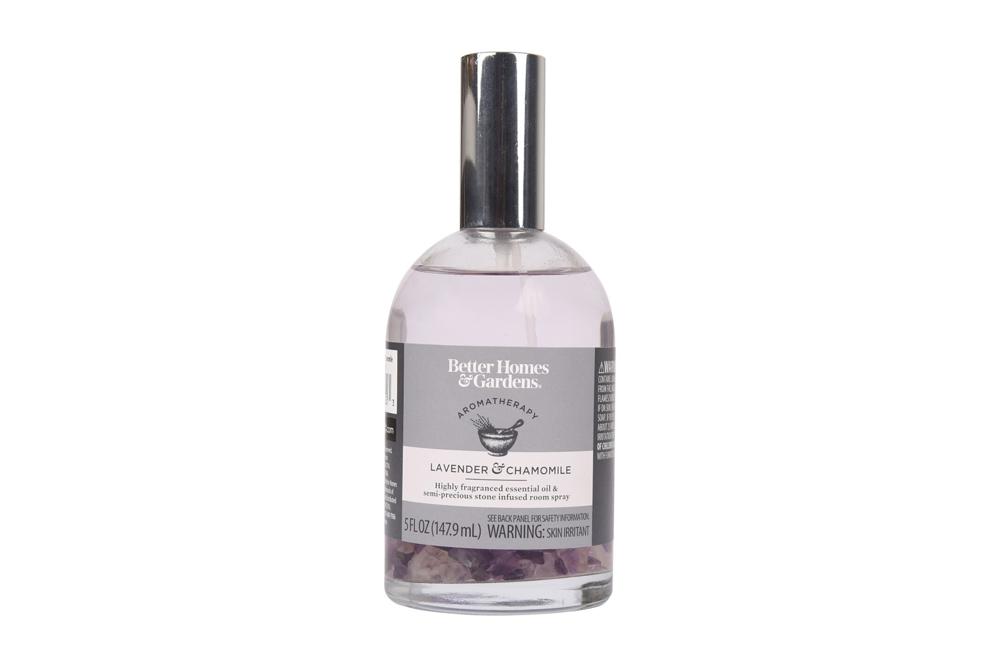
Aromatherapy spray linked to US deaths faces recall


This undated photo provided by Walmart and the U.S. Centers for Disease Control and Prevention shows a bottle of Better Homes & Gardens aromatherapy lavender & chamomile essential oil and semiprecious stone-infused room spray. The Consumer Product Safety Commission and Walmart issued a recall Friday, Oct. 22. 2021, for 3,900 bottles of the spray. (Walmart/CDC via AP)


U.S. health officials may have solved the mystery of how four people in different states came down with a serious tropical disease even though none had traveled internationally: an aromatherapy spray imported from India.

The Centers for Disease Control and Prevention said Friday that investigators found the same type of bacteria that causes the disease, melioidosis, in a spray bottle found in one of the patients’ homes.

The four people were from Georgia, Kansas, Minnesota and Texas. Two of them, one a child in Georgia, died.

The agency said it was testing to confirm the bacteria in the bottle is the same strain as that seen in the four patients. It previously said lab analyses showed all four infections were closely related.

The spray found in the Georgia patient’s home was made in India. The genetic profile of the bacteria in the bottle is similar to that of strains usually found in South Asia, the agency said.

https://apnews.com/article/science-business-health-india-georgia-f4912f9cf0264b2723c7752ae3cf08f4

Potential new strategy to combat urinary tract infections

 Identifying the dynamic events occurring during urinary tract infections (UTI) has revealed a new potential strategy to combat this condition, considered the most common type of infection. Researchers at Baylor College of Medicine and Washington University School of Medicine have discovered that the sequence of events taking place during UTI sustains a delicate balance between the responses directed at eliminating the bacteria and those minimizing tissue damage that may occur in the process.

The NRF2 pathway stood out as a key contributor to this balance, by regulating both the potential damage to tissues and the elimination of bacteria. Treating an animal model of UTI with the FDA-approved, anti-inflammatory drug dimethyl fumarate (DMF), a known NRF2 activator, reduced tissue damage and bacterial burden, opening the possibility that DMF could be used to manage this condition in the future. The study appears in the journal Cell Reports.

"Urinary tract infections are not only common, but typically recurrent and tend to give rise to antibiotic-resistant bacteria, a serious medical concern," said corresponding author Dr. Indira Mysorekar, E. L. Wagner Endowed Professor of Medicine- infectious diseases at Baylor, previously at Washington University School of Medicine.

"More than 85% of UTI are caused by uropathogenic E. coli (UPEC), bacteria that can attach to the surface of the epithelial cells lining the inside of the bladder, called urothelial cells," said first author Dr. Chetanchandra S. Joshi, a postdoctoral associate in the Mysorekar lab. "Attached UPEC can then enter the urothelial cells, where they reproduce. In the current study, we looked at how urothelial cells fight back UPEC invasion and proliferation while preserving their integrity, which is essential for proper bladder function."

A dynamic balance of responses

Working with urothelial cells grown in the lab, Mysorekar, Joshi and their colleagues discovered that a precise sequence of events followed UPEC invasion of urothelial cells. First, in the early hours after their infection, urothelial cells defended themselves by producing reactive oxygen species (ROS), highly active compounds that kill bacteria. However, if sustained, ROS also can damage urothelial cells, which would be detrimental for the bladder.

"We found that accumulation of ROS activated an anti-ROS response in urothelial cells, called the NRF2 pathway, that minimized the damage excess ROS could cause to the urothelial cells," Joshi said.

The NRF2 protein is located in the cytoplasm of the cells bound to another protein called KEAP1. "When ROS reaches a certain level, NRF2 separates from KEAP1 and goes into the nucleus of the cell, where it activates a series of genes. Some of these genes produce proteins that block ROS, and some that limit inflammation," Joshi said.

"Interestingly, one of the genes NRF2 activates is Rab27b, which promotes the elimination of UPEC from urothelial cells," Joshi said. "Together, these coordinated events mediate the elimination of UPEC while preserving the integrity of the cells attacked by the bacteria."

A potential new way to combat UPEC

Understanding the process that follows a UPEC infection revealed a potential new strategy to combat the condition. "We learned that active NRF2 was involved in both neutralizing ROS, which helped protect urothelial cells, and eliminating UPEC," Joshi said. "These findings suggested that a drug that activated NRF2, such as DMF, might help clear UPEC infections."

DMF is FDA-approved to treat inflammatory conditions such as multiple sclerosis by dampening the inflammatory response.

"Working with an animal model of UTI, we showed that treatment with DMF activated NRF2, dampened the immune response, limited the level of damage the bacteria caused to urothelial cells, and promoted activation of RAB27B, which removed bacteria from the bladder," Mysorekar said. "Our findings support further exploration of this approach as a potential treatment for UTI."

Women tend to have recurrent UTI, which can lead to chronic inflammation, extensive bladder mucosal damage and chronic infection. Continued antibiotic treatment also negatively affects the microbiome, the 'good bacteria' of the body, and promotes the development of antibiotic-resistant bacteria.

"The most exciting part about this work was identifying a non-antibiotic-based therapy that contained the infection and reduced inflammation," said Mysorekar, who also is professor of molecular virology and microbiology at Baylor. "Although much work is needed before it reaches the clinic, treatment with DMF has the potential of helping millions of women affected by this condition."

Other contributors to this work include Amy Mora and Paul A. Felder, formerly at Washington University School of Medicine.

This work was supported in part by NIH grants R01AG052494, R01DK100644 and P20 DK119840.


Story Source:

Materials provided by Baylor College of MedicineNote: Content may be edited for style and length.


Journal Reference:

  1. Chetanchandra S. Joshi, Amy Mora, Paul A. Felder, Indira U. Mysorekar. NRF2 promotes urothelial cell response to bacterial infection by regulating reactive oxygen species and RAB27B expressionCell Reports, 2021; 37 (3): 109856 DOI: 10.1016/j.celrep.2021.109856

CDC Now Reports COVID Cases and Deaths by Vax Status

The CDC has begun to provide weekly data on COVID-19 cases and deaths by vaccination status, illustrating the stark differences between those who have received the shots and those who haven't -- and even revealing some differences between vaccines.

Users can parse the data by vaccine product, and while the unvaccinated have the highest rates of cases and deaths, there's a numeric divergence for the three vaccines as well.

Deaths among the unvaccinated peaked the week starting August 8, at 13.23 per 100,000 population, while deaths among those who had been vaccinated with one of the three products remained under four per 100,000 that week. For the vaccinated, deaths were numerically highest among Johnson & Johnson recipients, at 3.14 per 100,000, followed by Pfizer at 1.43, and Moderna at 0.73.

Cases were similarly highest among the unvaccinated, peaking at about 736 per 100,000 for the week starting August 15. Again, there were numeric differences between vaccine groups, with Johnson & Johnson being the highest (172), followed by Pfizer (135), and Moderna (86).

Despite those differences, the overall message is clear: the unvaccinated were at far higher risk of being infected with and dying from COVID-19.

The latest data from August 29-September 4 show that less than one vaccinated person per 100,000 had died the previous week compared with more than nine unvaccinated people per 100,000. Overall, in August, according to the tool, unvaccinated people were 6.1 times more likely than fully vaccinated people to test positive for COVID-19 and 11.3 times more likely to die from it.

"The vaccines are extremely effective, and showing the data are key," said Leana Wen, MD, MSc, an emergency physician and professor of health policy and management at George Washington University. "This tool continues to emphasize the key point that vaccines prevent infections and, critically, dramatically reduce hospitalizations and deaths from COVID-19."

Users can also search by age group, and differences among those between the vaccinated and unvaccinated.

A CDC press officer told MedPage Today in an email that the "purpose of the new page is to provide information to the public on rates of cases and deaths among fully vaccinated and unvaccinated people." The data "show that more people who are unvaccinated have severe outcomes due to COVID-19 versus people who are fully vaccinated." Similar data had appeared in the CDC's Morbidity and Mortality Weekly Report from September 17, the press officer added.

The numbers are not, so far, being updated in real time. "A reporting lag of at least one month is needed to allow sufficient time for accurate reporting of COVID-associated deaths," the press officer wrote. However, the CDC has case, death, and vaccination data as current as 1 day ago on various pages under their data tracker.

The data come from 16 state health departments, representing 30% of the U.S. population. The CDC will update the numbers as more jurisdictions participate.

The CDC's extra efforts to encourage vaccination come at a particularly trying time for public health officials, as they battle vaccination rates that were lower than expected, and the lowest of the G7 nations.

But will the new official stats make a big impact? Not likely, said Paul Offit, MD, director of the Vaccine Education Center at Children's Hospital of Philadelphia. While he agreed that it's a useful tool, "at this point, quite frankly, I don't know how much more information people need that the vaccine is a way to keep you from being hospitalized or dying."

"I'd like to know what percentage of people in the United States have heard of the CDC," Offit said, "much less what their recommendations are regarding masking and vaccinating."

The tool appeared on the CDC website the week of October 15, and a link to it can be found via the CDC's COVID Data Tracker.

https://www.medpagetoday.com/special-reports/exclusives/95119

Oncopeptides Myeloma Drug Pulled From Market Just Months After Approval

Just months after FDA granted accelerated approval of its myeloma drug, Oncopeptides has pulled melphalan flufenamide (melflufen, Pepaxto) from the market.

The decision followed an FDA hold on clinical trials of the drug after data from a confirmatory trial showed an increased mortality risk in patients treated with melflufen. The phase III OCEAN study compared melflufen plus dexamethasone and pomalidomide (Pomalyst) plus dexamethasone in patients with triple-refractory multiple myeloma. The trial met the primary endpoint of progression-free survival, but an analysis of overall survival (a secondary endpoint) showed melflufen on the wrong end of a hazard ratio of 1.104.

"During our dialog with FDA, it has become evident that the FDA does not consider that the phase III OCEAN study meets the criteria of a confirmatory study," according to a statement from the company. "Oncopeptides believes that the OCEAN data are scientifically meaningful and that the findings warrant further evaluation."

Oncopeptides will refocus R&D resources on its proprietary peptide drug conjugate platform and existing next-generation drug candidates already in the pipeline. According to the statement, Oncopeptides business units in the United States and Europe will close, and the company will become Sweden based. An application for conditional marketing of melflufen in the European Union (based on results of a phase II HORIZON trial that supported FDA accelerated approval) is still pending.

"The company now needs to refocus its resources and energy on R&D and remain true to its mission of bringing hope to patients through science," said Oncopeptides CEO Marty J. Duvall. "We believe that this is the only viable path forward to accomplish this goal."

The company will work with the FDA to make the melflufen available to patients currently treated with the drug.

Melflufen received accelerated approval in late February as fifth-line treatment for relapsed/refractory myeloma, including failure of three classes of myeloma drugs (immunomodulator, proteasome inhibitor, and anti-CD38 antibody). The single-arm HORIZON trial involved 157 patients with relapsed/refractory disease, who received melflufen until disease progression or unacceptable toxicity. The therapy produced objective responses in about a fourth of a subgroup of 97 patients with triple-refractory disease and four prior regimens.

https://www.medpagetoday.com/hematologyoncology/myeloma/95223