Search This Blog

Monday, January 31, 2022

Should We Prioritize the Development of Omicron-Specific Boosters?

 The identification of the Omicron variant (B.1.1.529) in South Africa in November 2021 -- featuring an extensive set of 30 mutations in the spike protein alone, including 15 in the neutralizing antibody targeting receptor binding domain (RBD) -- raises the question of whether Omicron merits its own variant-specific spike vaccine. While data are accumulating, early indications suggest we may not need one to weather the current Omicron wave. However, given the breadth of genetic changes and divergence from prior strains, it could be a useful variant to include as part of a next generation SARS-CoV-2 vaccine.

Are Current Boosters Protective Against the Variants?

Fortunately, while extremely infectious, the Omicron variant appears to be less pathogenic than Alpha, Beta, or Delta. While multiple clinical reports from South Africa support this, it isn't yet clear whether the reduced clinical severity is due to a high background rate of pre-existing immunity (with over 73% prior infection rate and a 31% vaccination rate) or reduced virulence. On a positive front, preclinical studies suggest less lower respiratory tropism, and potentially lower risk for characteristic COVID-19 lung injury. At this time, however, given the extremely high force of infection and the number of unvaccinated people in the U.S., we believe an aggressive boosting approach is warranted.

It is important to note that so far, the boosters in clinical use have the same SARS-CoV-2 spike protein sequence as the original strain from the beginning of the pandemic. Early indications suggest these boosters induce Omicron-specific neutralizing antibodies at levels that appear to be protective. Nevertheless, as with Beta and Delta, both Moderna and Pfizer/BioNTech are pursuing development of and clinical trials for an Omicron-specific spike vaccine. While earlier variant vaccines look safe and immunogenic, they are only marginally more potent against their targeted variants than an ancestral strain boost, thus raising the possibility that any marginal improvement from an Omicron vaccine may not be necessary.

How Have the Ancestral Strain Boosts Fared Against Omicron?

press release from Moderna provided an update with respect to titers against Omicron specifically. Participants who had already received two doses of the Moderna vaccine were given a third dose of the original vaccine at either 50 µg (as currently deployed) or 100 µg; their titers against Omicron increased an average of 37-fold or 83-fold versus pre-boost levels. Participants who received a vaccine that consisted of a 1:1 mix of original and Beta (at either 50 µg or 100 µg) or a vaccine consisting of Beta + Delta (100 µg only) had a similar increase in Omicron-specific neutralization.

This suggests variant-specific boosters may have an advantage in eliciting variant-specific antibodies, but this advantage may not translate into meaningful clinical differences with current circulating variants and is likely to be offset by other factors.

Are Variant-Specific Boosters Worth the Investment?

To test, develop, and deploy variant-specific boosters would mean redirecting current vaccine manufacturing capacity, as well as complicating the logistics of shipping and administering vaccines on a global scale. Additional support from federal funding agencies and philanthropic organizations to continue to build vaccine infrastructure, including pilot lot manufacturing for rapid clinical trials, should be considered a public health priority. As the events of the last 2 years have shown, vaccine infrastructure should be considered an investment for the future.

It is also important to note that other arms of the immune system, particularly T cell-mediated elimination of infected cells, are likely to play a role in blunting the severity of disease in people who do have breakthrough infections. Unfortunately, numerous studies have shown that antibody levels decline relatively quickly after infection with SARS-CoV-2, which reinforces recommendations that people who have recovered from COVID-19 should also be vaccinated and boosted. Cytotoxic T cells responsive to a broad spectrum of strains may be important in filling this gap by quickly attenuating early infection when the neutralizing antibody response has waned.

Other Considerations

As SARS-CoV-2 is likely to continue to evolve, even if current vaccines provide adequate protection against emerging variants, future variants could be more challenging. Another concern is the emergence of an unrelated coronavirus with pandemic potential. To counter this, the NIH is supporting research and development of pan-coronavirus vaccines. Several different approaches are being assessed, including targeting conserved regions of the spike protein (receptor binding domain (RBD), N-terminal domain (NTD), and S2 region) and conserved cytotoxic T-cell epitopes. These immune targets are being tested as mosaic antigens, in multivalent configurations, and with novel delivery systems (e.g., protein nanoparticles or in virus like particles) that present the antigens to the immune system in ways that may improve cross-recognition. While some of these appear promising in animal models, clinical trials need to be conducted, and expediting these studies, as well as extending the correlates of protection analyses to serve as a benchmark for future COVID-19 vaccines, should be high priorities.

In summary, given the degree of genetic variance, we believe it is important to generate Omicron-specific vaccines for early phase testing. However, with the rapid spread of this strain throughout the world and the apparent benefit from current boosts, an Omicron-specific vaccine is unlikely to be necessary (or ready) for widespread use during this wave. The good news is boosted titers appear adequate to protect most individuals from severe disease within several months of their dose. So, public health efforts should continue to focus on boosting high-risk individuals with current vaccines now. Meanwhile, promising pan-sarbecovirus approaches that can induce both high levels of cross-neutralizing antibody and broad T-cell responses need robust support. Whether generation of an Omicron variant vaccine pays off in the future -- perhaps as part of a multivalent (flu-like) vaccine -- is unclear, but continuing vaccine development is wise given that it is the most successfully spreading and most divergent variant to date.

Troy Martin, MD, MPH, is Chief of Staff of the HIV Vaccine Trials Network (HVTN) and COVID-19 Prevention Trials Network (CoVPN) at Fred Hutchinson Cancer Research Center. Stephen R. Walsh, MDCM, is an Assistant Professor at Harvard Medical School and Brigham & Women's Hospital.

Disclosures

Martin disclosed NIAID funding for CoVPN activities. Walsh disclosed funding from NIAID and BARDA for CoVPN activities. He is also a co-investigator on Moderna CoVPN 3001/P301/COVE; co-investigator on Janssen/J&J CoVPN 3003/COV3001/ENSEMBLE; site PI for Sanofi VAT0002; site PI for Moderna P205; and Protocol Co-Chair for Sanofi CoVPN 3005/VAT0008.

https://www.medpagetoday.com/opinion/second-opinions/96925

COVID Self-Testers May Get Quarantine Wrong With 'Authorized' Instructions

 Users of at-home tests for COVID-19 may be less likely to follow CDC quarantine guidelines when using their testing kit instructions than with no instructions at all, a randomized trial found.

In a hypothetical involving a negative test result but a high risk of COVID exposure, 33% of participants who received the test's FDA-authorized instructions were likely to quarantine appropriately per CDC recommendations, as compared to 24% for a control group receiving no instructions (P=0.02) and 14% for an intervention group that received instructions based on "decision science principles" (P=0.004), reported Steven Woloshin, MD, of Dartmouth Institute for Health Policy and Clinical Practice in Lebanon, New Hampshire, and colleagues.

"These findings suggest that many at-home COVID-19 self-test users will draw false reassurance from a negative result, ignoring conditions that pose a high pretest probability of infection -- and were perhaps the reason for testing," they wrote in JAMA Internal Medicine.

For a scenario with a low risk of COVID exposure, 31% of those using authorized instructions were likely to quarantine unnecessarily following a negative test versus 10% with no instructions and 22% for the intervention (both non significant).

In all groups in all scenarios, "the proportion of incorrect responses was highest with the authorized instructions, even higher than with no instructions," the authors wrote.

"The results of this study show how important it is to design and pilot-test instructions to ensure that they can be understood by as many users as possible," they stated. "These findings also indicate that public health policies need to reflect both the limited sensitivity of rapid antigen tests and the possibility and probability of improper use."

Woloshin's group even suggested that authorized instructions were worse than no instructions at all, as they overrode "intuitive common sense -- performance was poorer among this group than in the group with no instructions."

The authors devised a survey to examine how people with varying COVID risks would respond to the results of a home test.

Participants were recruited in April 2021 for an online survey, and were paid $5. They were randomized to hypothetical scenarios involving an at-home rapid antigen COVID test, where they were asked to examine:

They were then further randomized to one of four hypothetical scenarios where they asked about a healthy unvaccinated individual, age 45, who had:

  • COVID symptoms and recent close contact with someone who has COVID ("high pretest probability of infection")
  • No COVID symptoms and recent close contact
  • COVID symptoms and no recent close contact
  • No COVID symptoms and no recent close contact ("low pretest probability")

The primary outcome was the proportion of participants "who failed to state" that the patient "should quarantine when appropriate, per CDC recommendations."

Overall, 338 participants were included with a mean age of 38, and 54% were men. About two-thirds had a college degree; race/ethnicity information was not collected.

Not surprisingly, 95% of participants (95% CI 0.92-0.97) said they would quarantine appropriately given a positive test, regardless of which instruction group they were in.

Interestingly, 81%-82% of participants in both the authorized and intervention groups rated the instructions they were given as "easy or very easy to read," while 94%-96% of both groups described the instructions as "useful or extremely useful" for interpreting home test results.

Limitations to the data include that it was based on hypothetical decisions in an online setting, and the self-selected sample that may limit generalizability of the findings.

"The potential benefits of at-home self-test kits will only be realized if users know how to interpret their results," the authors wrote.


Disclosures

The study was supported by the Swedish Foundation for Social Sciences and Humanities , the Agency for Healthcare Research and Quality Comparative Health System Performance Initiative, and the S&R Foundation's Kuno Award for Applied Science for the Social Good.

Woloshin disclosed serving on editorial boards for the Cochrane Collaboration and JAMA Internal Medicine, as well as support from the National Cancer Institute and the State of New Mexico as an expert witness for a testosterone manufacturer for deceptive marketing.

Shionogi Aims to Begin Global Phase 3 Trial of Covid-19 Pill Late-February

 Japanese drugmaker Shionogi & Co. said Monday that it plans to start a global Phase 3 trial of its Covid-19 pill as soon as late February and is in discussions with U.S. and European regulators over the trial.

Shionogi said a Phase 2a trial showed that the virus was eliminated more quickly on average in a group of patients who took the pill compared with a group that took a placebo. The company didn't release data on whether the pill prevented complications of Covid-19 or deaths from the disease.

Currently, Shionogi is conducting what it calls a Phase 2b/3 trial in Japan and some other countries but not in the U.S. That trial is expected to end by late July this year, it said. Separately, it said it is talking to the Food and Drug Administration and the European Medicines Agency about a global Phase 3 trial that it targets to begin in late February.

Shionogi said it plans to manufacture enough pills for a million patients by March. It said it is still in discussions with global pharmaceutical companies about a partnership deal.

Pfizer Inc. is already marketing a Covid-19 pill called Paxlovid that has a similar mechanism to Shionogi's pill, which is code-named S-217622.

https://www.marketscreener.com/quote/stock/SHIONOGI-CO-LTD-6493659/news/Shionogi-Aims-to-Begin-Global-Phase-3-Trial-of-Covid-19-Pill-Late-February-37693625/

Eagle Pharmaceuticals on Track to Support Submission of NDA for Landiolol

 Eagle Pharmaceuticals Inc. said Monday that AOP Orphan Pharmaceuticals GmbH, a member of AOP Health, has begun discussions with the U.S. Food and Drug Administration to obtain alignment on the content and format of the pre-clinical and clinical data required to support a new drug application seeking approval of Landiolol.

Landiolol is a novel therapeutic for the short-term reduction of ventricular rate in patients with supraventricular tachycardia, including atrial fibrillation and atrial flutter.

In August 2021, Eagle entered into a licensing agreement with AOP Health, a privately owned Austrian company devoted to the treatment of rare and special diseases, for the commercial rights to Landiolol in the U.S.

Eagle said Landiolol has never been marketed in the U.S., and it expects five years of new chemical entity exclusivity upon approval. Based on the FDA's responses to AOP Health's communications, the company remains on track to support the NDA next quarter.

Landiolol is already commercially available in Japan and several European markets.

https://www.marketscreener.com/quote/stock/EAGLE-PHARMACEUTICALS-IN-15758349/news/Eagle-Pharmaceuticals-on-Track-to-Support-Submission-of-NDA-for-Landiolol-37697055/

Elusys Therapeutics Finalizes Contract With U.S. HHS Department

 Elusys Therapeutics Inc., which is being bought by Heat Biologics Inc., said it has finalized a contract with the Office of the Assistant Secretary for Preparedness and Response in the U.S. Department of Health and Human Services for the continued supply of an anthrax antitoxin for use in the event of a possible attack.

The company said the contract for the procurement of the antitoxin, Anthim obiltoxaximab, consists of a base period of performance, valued at $50 million, which has been fulfilled.

The contract includes options valued up to $31 million. If all options are exercised, the total contract value will be $80.98 million with completion of the contract expected by the first half of 2023, the company said.

Elusys is merging into a wholly owned subsidiary of Heat Biologics, and the acquisition is expected to close during the first quarter of 2022.

Cartels Have Operational Control Of US Border, 'Terrorizing' US: Rep. Chip Roy

Submitted by Charlotte Cuthbertson and Steve Lance of The Epoch Times

Mexican cartels are making billions of dollars from drug trafficking, human smuggling, and exploiting the U.S. border, said Rep. Chip Roy (R-Texas).

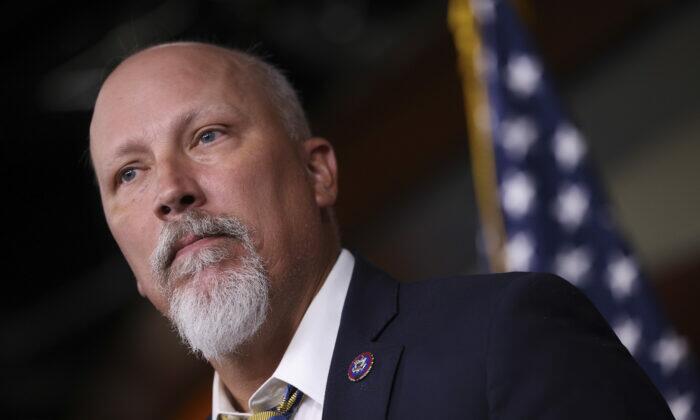
Rep. Chip Roy (R-Texas) speaks at a news conference at the U.S. Capitol in Washington on September 22, 2021.
Border Patrol agents apprehended more than 1.3 million illegal immigrants crossing into Texas from Mexico in 2021. Hundreds of thousands more weren’t captured. Seizures of the deadly synthetic opioid, fentanyl, have sharply increased, as have overdose deaths in the United States.

“We have 100,000 Americans die from opioid poisonings. They’re not really overdoses—they’re poisonings,” Roy told NTD’s Capitol Report on Jan. 28.

“China is moving it through Mexico, cartels are making money, China is getting empowered, America’s getting hammered—all because this administration refuses to do its job of securing the border.”

The chemicals to make fentanyl are produced in China and shipped to Mexico, where counterfeit pills are manufactured, heroin is spiked, and other products are laced before being sent across the southern border.

U.S. Customs and Border Protection reported a 1,066 percent increase in fentanyl seized at south Texas ports of entry during fiscal year 2021.

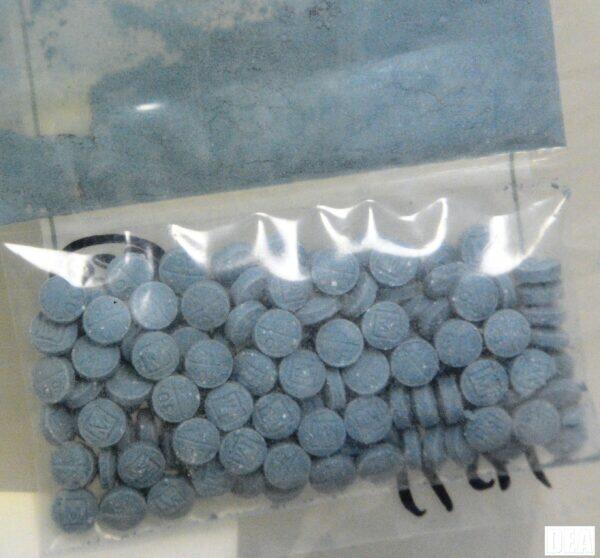
Heroin and fentanyl pressed into pill form. (DEA)

The cartels, which fight over the lucrative territory that abuts the United States, have expanded their reach, profits, and power through a massive increase in human smuggling and trafficking over the past year.

They often send large groups through in one area of the border to tie up Border Patrol resources, which leaves nearby areas unpatrolled and open for illicit transport, said Rodney Scott, former U.S. Border Patrol Chief.

“They simply overwhelm agents with those massive numbers, and that creates other areas where there’s no law enforcement at all,” Scott told Capitol Report on Dec. 16.

“That’s where they’re bringing the narcotics, the criminal aliens, the people that want to avoid arrest, for whatever reason, and they’re just pouring across at will. This is a crisis and it is real.”

Border Patrol agents apprehend and transport illegal immigrants who have just crossed the river into La Joya, Texas, on Nov. 17, 2021.

Illegal immigrants have to pay a cartel to cross into the United States, and the amount varies on the country of origin and the destination in the United States. Often, the illegal immigrant doesn’t have the money and will enter the United States indebted to the cartel.

“These are human beings. They are put into the labor or sex trafficking trade and they’re basically held as slaves to enrich the worst elements of our society—cartels, but also just illegal illicit organizations that are perfectly happy to use the cartel network to get the people that they’re going to abuse. It’s absolutely horrific,” Roy said.

“One boy thought he was paying $4,000 to go pick grapes in California. Instead he was going to be held for ransom in a stash house in Houston.”

Recently, eight illegal immigrants were discovered in a vehicle in Boerne, Texas, just north of San Antonio.

“The driver of the car was an American citizen employee of one of those cartels, moving those eight people—two of whom were bound in the trunk—heading to a stash house in Houston,” Roy said.

“How is the most powerful nation in the history of the world allowing our borders to be operationally controlled by cartels, while Democrats pat themselves on the back for compassion, using asylum as an excuse for wide open borders that do nothing good for the American people?”

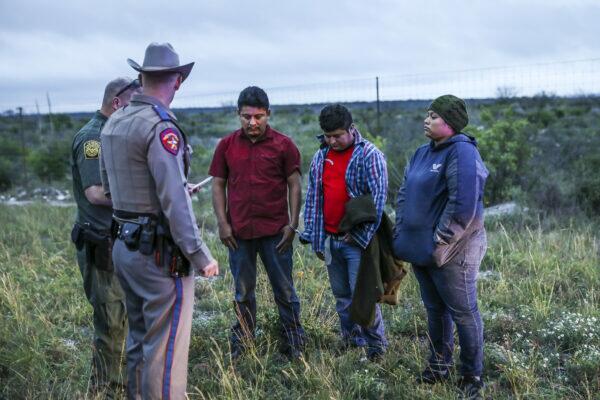
A Border Patrol agent picks up three illegal aliens after Texas state troopers arrested two U.S. citizen smugglers who were transporting them to San Antonio, in Kinney County, Texas, on Oct. 20, 2021.

Roy has introduced a bill that seeks to designate two cartels as terrorist organizations in the last two congressional legislative sessions.

The bill directs the State Department to designate the Reynosa/Los Metros faction of the Gulf Cartel and the Cartel Del Noreste faction of Los Zetas as foreign terrorist organizations. It also requires the state department to produce a report on those cartels, as well as any others that meet the criteria.

The bill has the support of 45 co-sponsors, all Republicans. But he’s not confident it will get passed during Biden’s administration.

“They don’t give a rat’s rear end about securing the border or trying to go after cartels,” Roy said. But the bill also faces opposition from some Republicans.

“You have some Republicans who hand-wring and go, ‘Well, you can’t call them cartels, because you elevate them to something that’s the same as the Taliban, or Al-Qaeda, or ISIS,” Roy said.

“But to me, they are terrorizing the United States, they’re terrorizing people in Mexico. They’re doing it purposely, they’re doing it for political power, they’re doing it to enrich themselves.

“They hang people, they bury people alive. They kill people and send videos to their families, so that they can terrorize people.”

Roy said the United States needs to go after the cartels and reclaim operational control of the southern border.

Meanwhile, he’s preparing to impeach Department of Homeland Security Secretary Alejandro Mayorkas for dereliction of duty.

Seagen upped to Overweight from Equal Weight by Morgan Stanley

 Target to $175 from $178

https://finviz.com/quote.ashx?t=SGEN