Search This Blog

Friday, February 10, 2023

What's At Stake In The Fresh Battle For Search Dominance

 The release of OpenAI’s conversational chatbot ChatGPT late last year set off the alarm bells at Google’s headquarters in Mountain View, California, as the company’s management viewed the nascent technology as a serious threat to its core search business. To make things worse, OpenAI, the company behind ChatGPT, is working closely with Microsoft, one of Google’s last remaining competitors in the search market (if you can even call it competition).

And sure enough, as Statista's Felix Richter reports, Google’s worst fears with respect to ChatGPT became reality on Tuesday, when Microsoft announced a new Bing running on a next-generation OpenAI model that is “more powerful than ChatGPT” and customized specifically for search.

“AI will fundamentally change every software category, starting with the largest category of all – search,” Satya Nadella, Microsoft’s chairman and CEO, said in a statement, calling the AI-powered versions of Bing search and Edge browser “an AI copilot for the web.”

That announcement was arguably the most obvious attack on Google and its search business since the launch of Bing in 2009. And while one could argue that Bing’s arrival hardly made a dent in Google’s dominance, this time things feel differently, as technological shifts have often coincided with shifts in the balance of power – just ask Nokia. But even if Google successfully manages to defend its dominant position in the search market, losing just a couple of percentage points in market share would translate into billions of dollars in lost advertising revenue.

Infographic: What's at Stake in the Fresh Battle for Search Dominance | Statista


According to estimates from Statista’s Digital Market Insightsglobal search advertising revenue amounted to $260 billion last year and could climb to $400 billion by 2026.

https://www.zerohedge.com/technology/whats-stake-fresh-battle-search-dominance

Substantial Decline in Disability Among Older US Adults

 The prevalence of functional limitations (FLs) and of limitations in activities of daily living (ADL) among US adults aged 65 years and older was much lower in 2017 than it was a decade earlier, a new study suggests.

The proportion of older adults who reported FLs decreased from 27.3% in 2008 to 23.5% in 2017. The proportion of this population that reported ADL limitations declined from 12.1% to 9.6%.

Dr Esme Fuller-Thomson

"There has never been a healthier time to be an older adult, and clinicians play an important role in supporting older adults to age in their homes and communities," study author Esme Fuller-Thomson, PhD, director of the University of Toronto's Institute for Life Course and Aging, told Medscape Medical News.

Her team was "surprised and delighted" by the findings, she said. "To put this into perspective, if the prevalence of disabilities had remained at the 2008 levels, an additional 1.27 million older Americans would have had trouble bathing or dressing themselves in 2017, and an additional 1.89 million older Americans would have had serious difficulty walking or climbing stairs."

Furthermore, contrary to stereotypes of older adults as frail and unable to live independently, "our findings indicate that 70% of Americans aged 85 and older can bathe and feed themselves without assistance." Therefore, she said, "Clinicians need to consider how best to support older adults to remain in their homes into their 80s and 90s."

The study was published online February 2 in the International Journal of Environmental Research and Public Health.

Education Is Key

The researchers conducted a secondary analysis of 10 consecutive waves (2008–2017) of the annual American Community Survey (ACS). They included data from approximately 5.4 million community-dwelling and institutionalized adults ages 65 years and older.

The survey question on ADLs was "Does this person have difficulty dressing or bathing?" The question on FLs was "Does this person have serious difficulty walking or climbing stairs?"

After adjustment for age, race, and sex, there was an 18% decline in risk for ADL limitations over the decade in the overall population. This percentage decline was similar for those aged 85 years and older (19%) and those aged 75-84 years (20%), with a more modest decline of 15% for those aged 65-74 years.

An analysis with additional adjustment for education, however, indicated that the decline in risk was 10% for the population overall. The decline in the 65- to 74-year-old age group in this analysis was 1% across the decade — a difference that was not statistically significant.

There was also a substantial and significant decline in the prevalence of FLs among the participants, from 27.3% in 2008 to 23.5% in 2017. After adjustment for sex, race, and age, the decline in FLs was 13% over the decade.

As was the case for ADLs, adjustments for education substantially decreased the decline in the odds of FLs to 4% per decade for the total older adult population, including a 2% increase in the odds of FLs for those aged 65-74 years, a 7% decline for those aged 75-84 years, and an 8% decline among those age 85 and older.

The improvements in disabilities were greater for women than for men. After adjustment for age and race, women's odds of experiencing ADL limitations decreased by 20% during the study period, compared with a 13% decrease for men. The odds of experiencing FLs decreased by 16% among women, compared with an 8% decrease among men.

Speculating on the role of education in attenuating the findings, the researchers noted that greater educational attainment is correlated with higher health literacy, and higher health literacy is associated with an increased level of participation in health-promoting behaviors and lower levels of disability.

Conversely, lower educational attainment is associated with smoking, hypertensionstroke, and diabetes, all of which are predictors of later-life disabilities.

One limitation of the study is that the ACS does not have data on the prevalence of lifetime exposure to various environmental factors, or on health behaviors and health conditions, all of which might influence the prevalence of FLs and ADL limitations.

Fuller-Thomson noted that her team recently published research on similar improvements in hearing problemsvision problems, and serious cognitive problems among older adults. Their current work includes investigations into the role of improvements in the prevalence of smoking and air pollutant levels and the phaseout of leaded gasoline in the 1970s.

Living Healthier, Longer

Dr Alan Cohen

Commenting on the findings for Medscape, Alan Cohen, PhD, associate professor in the Columbia Butler Aging Center and associate professor of environmental health sciences at Columbia University Mailman School of Public Health in New York City, said, "Many findings are pointing toward people living healthier [for] longer. What's encouraging is that there seems to be a compression of morbidity: it's not just that people are living longer, it's that they are not sicker during that lifetime. This isn't the proper analysis for it, but it's what the paper implies."

However, the idea is controversial, he noted, as an earlier analysis did not find a compression of morbidity. 

He also noted that "the sample sizes are huge, and, paradoxically, this means that small effects due to slight biases in sampling, etc. can get magnified and seem highly significant."

Nevertheless, Cohen concluded, "Age doesn't mean what it used to mean, and we shouldn't be using age as a proxy for health status anyway. We need to treat patients as individuals, not as typical for their group, [and] start seeing older adults as fully functioning people, not writing them off as a collection of diseases and disabilities."

The research was conducted without external funding. Fuller-Thomson and Cohen reported no relevant financial relationships.

Int J Environ Res Public Health. Published online February 2, 2023. Full text

https://www.medscape.com/viewarticle/988115

Listen to Me: Your Patients' Hearing and Brain Health Depend on It

 As a hearing-focused brain scientist who co-invented the cochlear implant decades ago, which has restored the hearing of literally hundreds of thousands of profoundly deaf people, and as someone who has a deep concern about the negative effects of acquired hearing loss on the quality of life and brain health of older individuals, I'd like you to listen to me.

Michael Merzenich, PhD

I was heartened by the US Food and Drug Administration (FDA) October ruling that hearing aids are now available over the counter (OTC), without a prescription, at an affordable price.

Although I'm not a great prognosticator, I can confidently predict that 2023 will allow many more patients in the United States to finally acquire that first, often long-delayed, hearing aid.

The National Council on Aging (NCOA) estimates that the new OTC hearing aids will save Americans an average of up to $3000 per pair compared with prescription devices.

Although the NCOA estimates a pair of OTC hearing aids will cost about $1600, it recommends hearing aids in six categories, including one pair that costs just $249. That kind of price reduction will allow many more people to benefit from hearing aids.

Of course, the OTC market also means that more people will acquire hearing aids without any assistance from a hearing expert — an audiologist or other hearing professional. Without that professional guidance, what is important for a consumer to understand about such products?

First, the FDA has limited approval of OTC hearing aid use for patients with "mild to moderate" hearing loss. If patients have difficulty following a conversation even in a quiet room, they should be assessed by an audiologist.

Second, hearing loss can signal underlying medical conditions that may not be helped by hearing aid use alone, so a visit to an otolaryngologist or other specialist may be indicated. For example, if a patient experiences hearing loss after an injury; if fluid is coming from one or both ears; or if hearing loss is sudden, fluctuates over time, or is associated with tinnitus, dizziness, or pain, a medical examination is called for before a hearing aid purchase.

If none of those apply, it is likely that mild to moderate hearing loss can be at least substantially addressed, to the benefit of patients' everyday life and brain health, by acquiring a hearing aid from an audiologist or an OTC device.

A 'Double Whammy'

The inner ear contains a spiral-shaped cavity called the cochlea. Within the cochlea are vibration-sensitive "hair cells" that sit atop a thin membrane that naturally vibrates at different sound frequencies. The highest sound frequencies vibrate the membrane to stimulate location-specific hair cells most strongly near the bottom of the spiral. Lower sound frequencies, most important for human speech and music, generate larger vibrations near the top of the spiral.

Like the strings of a piano, all frequencies in our human range of hearing are detected by this continuous array of frequency-specific hair cells. The hair cells translate their specific vibrations into electrical signals that are delivered to the brain, which "maps" those sound frequencies in a highly ordered low to high frequency manner in the brain's very complex central auditory system. The brain's job is to read those electric pulses and make sense of it all — which it accomplishes in a nearly miraculous manner when all is well.

Alas, two major problems commonly arise in older age.

First, those sensory hair cells in the inner ear are fragile. Historic or current exposure to loud sounds, some genetic factors, and a rich variety of other vicissitudes in life can result in their progressive loss. It is an extremely rare 75-year-old who has not endured a considerable loss of hair cells.

These losses most commonly result in progressive loss of hearing of higher frequency sounds, which eventually begin to degrade the accurate reception of speech — but hair cell losses can occur in a variety of different patterns. Hearing aids are designed to increase the loudness of the sounds that have been attenuated in the inner ear because of this degradation of hearing organ function.

Second, as we age, typically beginning in our late 20s and independent of any problems that might be arising in the ears, the brain's processing speed and accuracy begin to deteriorate. These changes occur slowly and are not usually noticeable at a younger age, but the degradation accumulates over the passing decades and in most people is ultimately substantial.

By age 75, the average individual is resolving what they hear at a rate of about eight sound events per second. By contrast, the average 20-year-old accurately resolves more than 20 sound events per second. This greater than twofold decrease in sound resolution has a significant impact on a person's listening ability and is a significant contributor to — and an index of — deteriorating brain health.

Age-related hearing loss, then, is not just a matter of the inner ear hair cells slowly going to blazes. The brain's processing speed and accuracy also contribute to our age-related listening and associated cognitive struggles.

Of course, many of us, including yours truly, are challenged by the burden of this double whammy. I have a moderate to severe hearing loss and have had to work hard at exercises in the brain gym to keep my brain operating up to speed, and with high accuracy.

Tips and Tricks

It's important for any hearing aid user to understand that because the brain has slowed in the face of a now more limited hearing range (to make sense of the impoverished information delivered from the ears to the brain), when a patient first puts those hearing aids on, the brain isn't ready for them.

It's doing the best it can, using machinery that had adjusted to processing the old, more limited pattern of sound information. The brain must now readjust to using hearing aids so it can take full advantage of the now-restored sound inputs.

Picture an older man (like me) hectored by his family — who have been just a little bit exhausted by having to repeat themselves because they are not being heard — to finally get hearing aids. On the basis of my experience with glasses, which instantly corrected my vision, I might be led to expect similar instant results from my shiny new hearing aids — just as I experienced instant correction when I got my glasses at an earlier age. However, hearing and vision are not the same.

Hearing restoration requires both amplification of missing sounds and brain retraining to correctly interpret new sound reception and sort out what is said and where the sound is coming from. As a result, there can be a lot of disappointment for new users and a strong feeling that "these damn things just don't make much of a difference." Instead of being worn in the ear, those hearing aids often end up being worn in a pocket.

Here are a few tips to pass along to new hearing aid users (and those who do their laundry):

First, patients should be advised to check all pockets before putting anything in the wash. You might also want to suggest they consider purchasing insurance that covers washing machine accidents and hearing aid loss because they just forgot where they put the damn things.

Second, patients should be advised not to think of their new hearing aids as being equivalent to "glasses for the ears." It takes time and practice to get used to them and they need to persevere and be patient (and not wear their hearing aids in their pocket).

Third, patients should be encouraged to engage the brain's remarkable plastic ability to advance its sound processing abilities so that it can rapidly put their now-recovered hearing to good use. This can be accomplished via a combination of listening-heavy environmental experiences, and by training the brain to restore higher-fidelity listening abilities.

For example, in the auditory experiential realm, patients can be encouraged to develop a habit of sharply focused listening in normal conversation. Beyond conversation, learning a new language or a musical instrument, focusing on listening to music and other hearing-heavy hobbies can help augment the effect of new hearing aids.

The most direct approach to training the brain to be faster and more accurate, regardless of whether a patient is or is not a candidate for hearing aids, is through brain training exercises. Over the past several decades, my team and I have developed computerized brain training exercises to rapidly improve listening abilities.

In independent studies (here and here), these auditory exercises have been shown to improve hearing and have been recommended by many hearing professionals to help accelerate the brain's adjustment to restored hearing.

Finally, as many clinicians are aware, there is a strong correlation between hearing loss and serious cognitive decline, including dementia. In the face of a hearing loss, patients can, and should, take action. Thanks to the FDA, they are now able to do that at lower cost than ever before and, as a result, have an opportunity to substantially slow cognitive decline.

Michael Merzenich, PhD, is often credited with discovering lifelong plasticity, with being the first to harness plasticity for human benefit (in his co-invention of the cochlear implant), and for pioneering the field of plasticity-based computerized brain exercise. He is professor emeritus at UCSF and a Kavli Laureate in Neuroscience, and he has been honored by each of the US National Academies of Sciences, Engineering, and Medicine. He may be most widely known for a series of specials on the brain on public television.

https://www.medscape.com/viewarticle/988010
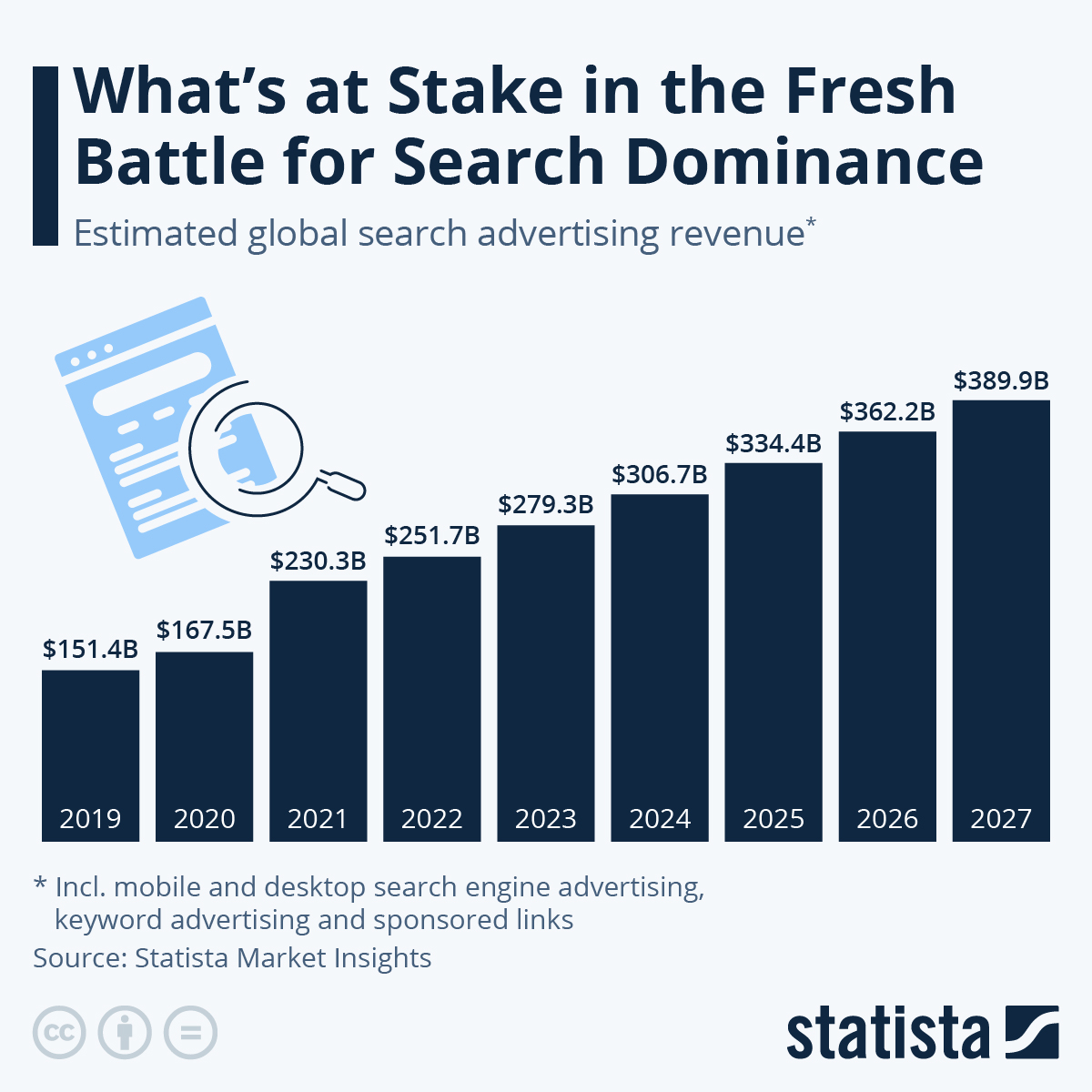
Table scraps actually better than many dog foods: study

 Dogs won’t have a bone to pick with this news.

A new study suggests that feeding young dogs and pups leftovers from dinner might boost their stomach health as they age, according to researchers from the University of Helsinki.

Specifically, non-processed meats and raw bones could stray the dogs away from developing gastrointestinal issues such as chronic enteropathy (CE) whereas processed dog foods may actually have the opposite effect.

“Proactive owners can provide a variety of whole foods and species-appropriate leftovers for the puppies and young dogs, even as an addition to a kibble-based diet,” study author Anna Hielm‑Björkman told USA Today.

After the team analyzed data spanning back to 2009 from nearly 9,000 dogs — both puppies and adolescent — dogs who ate non-processed meats, organs, fish, eggs, raw bones, vegetables and berries, were found to be 22% less likely to have CE or a related illness as adults. (Dogs should never be fed cooked bones.)

New research shows that feeding your dog under the table might be good for their health.

New research shows that feeding your dog under the table might be good for their health.
Getty Images/iStockphoto
Puppies and adolescent dogs who regularly enjoyed table scraps from their owners were 23% and 24% less likely to contract CE in their adolescent years. Berries fed to puppies — particularly blueberry and wild blueberries — lowered their CE risk as adults by 29%. (Certain seemingly healthy foods, such as avocados and grapes, should never be fed to dogs.)

Meanwhile, puppies on a steady feed of highly processed, dried kibble were seen to be 29% more prone to CE. Young and adolescent dogs on the same diet saw a 15% chance increase as they aged, according to the data.

The most alarming piece of data was that rawhide chews — usually made from dried animal skins — were associated with a 117% increase risk of CE in adult dogs.

Still, Hielm‑Björkman said the study comes short of proving causality that feeding dogs leftovers are a streamline to avoid intestinal problems in Fido.

But the numbers make sense as dogs, “used to be hunters before they were domesticated,” according to veterinarian and researcher Athena Gaffud.

A study examined if dogs eating certain kind of leftovers might boost their health.
Getty Images

She warned that giving raw meat to highly domesticated dogs comes with its own risks as well.

“Modern dog breeds are more sensitive and are predisposed to bacterial diseases if fed uncooked food, especially puppies because their immune system is not yet well developed,” Gaffud said. “While this study looks promising, more studies are needed to outweigh the risks of feeding non-processed food.”

Gaffud says it’s best to check with a vet first to ensure dogs are getting their proper nutritional balance.

“Nonetheless, to reap the benefits of this discovery, a gradual introduction of non-processed meat, dinner table leftovers, and raw bones during the early life of dogs can be tried by owners interested in doing so.”

The news comes in the wake of Nestlé Purina PetCare Company recalling its prescription dog food Purina Pro Plan Veterinary Diets EL Elemental. The dry dog food was voluntarily pulled upon the news that two dogs showed symptoms of vitamin D toxicity.

The 2020 book “Big Kibble: The Hidden Dangers of the Pet Food Industry and How To Do Better By Our Dogs” (St. Martin’s Press) looked at how such instances have become increasingly common.

https://nypost.com/2023/02/09/dogs-can-benefit-from-table-scraps-new-study/

Instant noodles are sending kids to the hospital

 A piping hot grocery store staple is scalding pint-sized eaters. 

Instant noodles — the low-cost dish heated up on the stove or in the microwave — are a leading cause of burns among kids, according to a new study conducted by researchers at the University of Chicago Medicine and published in the journal “Burns.”

Researchers looked at 790 cases in which children suffered burn injuries between 2010 and 2020. They found 31% (245 patients) involved instant noodles. What’s more, kids left to play chef without supervision were at a higher risk for getting burned, with 40% of noodle burns happening when little ones were left unattended, according to the study.

“Anecdotally, it felt like every other child we were consulted on for a burn was injured by instant noodles, so we wanted to dive into the data to see what the trend really was,” senior author Sebastian Vrouwe, assistant professor of surgery at UChicago Medicine, said in a statement. 

Cup of noodles.
Instant noodles, the low-cost cup sold in a pre-cooked dried block with flavor powder that heats up, is causing an alarming number of burns among children, new research suggests.
Getty Images/iStockphoto
Child eating cup of noodles.
Researchers found that the scald from instant noodles could cause second and third degree burns.
Getty Images

Vrouwe explained that the amount of heat generated by heating up the noodles can cause second and third degree burns in anyone, especially kids. 

“Young children are particularly vulnerable due to their relatively smaller bodies and thinner skin,” he said, urging caregivers to monitor little ones whenever preparing the noodles at home. 

The study also found that black children in low income areas were more likely to suffer from burns compared with their peers, though the study did not specify how much more. 

A cup of instant noodles
The study found that the burns from instant noodles can be so severe as to require surgery such as skin grafting.
Getty Images/iStockphoto
Researchers said the starchy liquid that forms when instant noodles are cooked has been shown to leave unique patterns compared with a hot water burn and can lead to hospitalization, requiring surgery such as skin grafting in more severe cases. 

It’s not the first time instant noodles have taken heat for being the cause of burns. A 2018 study presented at the American Academy of Pediatrics National Conference found the convenient soups comprised 1 in 5 scald burns that sent kids to the emergency room annually in the period between 2006 and 2016, as reported by BuzzFeed News. Researchers discovered that the products were the cause of more than 9,500 burn injuries among kids aged 4 to 12. The torso was the most frequently burned area, the research suggested.

https://nypost.com/2023/02/10/instant-noodles-top-cause-of-pediatric-burns/