Search This Blog

Sunday, September 28, 2025

EU Launches 'Drone Wall' To Detect And Destroy Drones Violating European Airspace

 by Tom Ozimek via The Epoch Times (emphasis ours),

European defense ministers agreed on Sept. 26 to develop a “drone wall” along their borders with Russia and Ukraine to better detect, track, and intercept drones violating Europe’s airspace, a move driven by a recent surge in incursions and hybrid attacks.

A German soldier demonstrates the use of a handheld drone jammer, in Hamburg, Germany, on Sept. 26, 2025. Tobias Schwarz/ AFP/Getty Images

Russia is testing the EU and NATO, and our response must be firm, united and immediate,” European Union (EU) Defense Commissioner Andrius Kubilius said on Sept. 26 after chairing a virtual meeting of 10 countries on Europe’s eastern flank. Ukrainian and NATO officials also took part.

The EU official said the project could take a year to build and that envoys will soon draw up “a detailed conceptual and technical roadmap,” with top priority being the establishment of an effective detection system.

Kubilius added that Europe’s defense industry would be brought on board and that leaders are expected to examine funding in the coming weeks.

Today’s meeting was a milestone–now we focus on delivery,” he said.

The drone wall initiative follows multiple incidents in recent weeks involving incursions into NATO territory by unmanned aerial vehicles. NATO jets scrambled on Sept. 10 to shoot down Russian drones that entered Polish airspace, while airports in Denmark were temporarily shut this week due to nearby drone flights.

“The hybrid war is ongoing and all countries in the European Union will experience it,” Polish Defense Minister Wladyslaw Kosiniak-Kamysz told reporters in Warsaw after the drone wall talks.

The threat from the Russian Federation is serious. We must respond to it in a very radical manner.

Danish Prime Minister Mette Frederiksen said in a social media post that the drone incidents in her country reflected a new reality facing Europe, in which hybrid attacks were fiercer and more frequent.

“At the moment, we are witnessing a disturbing shift. Russian airspace violations. Unwanted drone activity in several European countries,” Frederiksen wrote on X.

“Last night was an unmistakable reminder of the time we live in. That we need to protect our peace and security.”

Swedish Prime Minister Ulf Kristersson told broadcaster TV4 that Stockholm has offered Denmark an anti-drone system capable of shooting down drones.

European Commission President Ursula von der Leyen endorsed the plan earlier this month, saying in a 2025 State of the Union address that Europe “must heed the call of our Baltic friends and build a drone wall.”

This is not an abstract ambition,” she said.

“It is the bedrock of credible defense. It should be a European capability developed together, deployed together, and sustained together that can respond in real-time. One that leaves no ambiguity as to our intentions. Europe will defend every inch of its territory.”

Von der Leyen said six billion euros would be earmarked for a drone alliance with Ukraine, which has used unmanned aerial vehicles to inflict major losses on Russian forces.

“Ukraine has the ingenuity,” she said. “What it needs now is scale.”

The plan will be discussed at an EU summit in Copenhagen next week and again in Brussels in October.

After Friday’s meeting on the drone wall, NATO military chiefs gathered in Riga, Latvia, on Saturday to discuss air defense and deterrence measures in the face of intensified Russian provocations.

“We meet at a historic moment. Russia’s brutal war aggression against Ukraine continues to rage. New technologies are transforming the very character of warfare, and the rules-based international order that has preserved our peace is under direct and deliberate challenge,” said Admiral Giuseppe Cavo Dragone, chair of the NATO Military Committee.

Latvia’s Chief of Defence Maj. Gen. Kaspars Pudāns said that Russia’s aggression extends beyond Ukraine and is “part of a broader campaign against our continent” that is calculated to sow division, weaken NATO’s cohesion, and undermine institutional confidence in European nations.

U.S. President Donald Trump said last week that Ukraine should go on the offensive against Russia and reclaim all occupied territories. Trump said Russia’s weakening economy, shortages at home, and growing public discontent could help tip the balance in Ukraine’s favor.

This is the time for Ukraine to act,” Trump wrote in a post on Truth Social, stating that he wishes both countries well and that the United States will continue to supply weapons to NATO “for NATO to do what they want with them.”

https://www.zerohedge.com/technology/eu-launches-drone-wall-detect-and-destroy-drones-violating-european-airspace#google_vignette

Saturday, September 27, 2025

Should Children Be Prescribed Anti-Obesity Drugs?

 With access to unhealthy food soaring and physical activity levels declining, the World Obesity Federation predicts that between 2020 and 2035, Europe and Central Asia will experience a 61% increase in obesity among boys and a 75% increase among girls.

The childhood obesity epidemic across Europe has left experts wondering: What is the best approach to treat this chronic disease?

In recent years, there’s been an explosion in the popularity of GLP-1 agonists to treat obesity. They work by acting on the brain to reduce appetite and increase feelings of satiety while simultaneously slowing down gastric emptying.

In some parts of Europe, several of these drugs, including liraglutide (Saxenda), semaglutide (Wegovy), and orlistat (Xenical), are approved for use in adolescents aged 12 years or older.

However, liraglutide could soon be available for children aged 6-11 years, after the drugmaker, Novo Nordisk, applied for regulatory approval for this age group in Europe and the US.

In a phase 3 randomized trial, children aged 6-12 years with a BMI ≥ 95th percentile for their age and sex who received 3 mg liraglutide plus behavioral therapy for 56 weeks saw a 5.8% BMI reduction vs a 1.6% increase with placebo. However, 80% of those who received liraglutide experienced gastrointestinal side effects.

Should these drugs be used in children? And should medical professionals — and society more broadly — rely on pharmaceutical interventions when there are other proven methods to tackle the epidemic?

Safety, Equity, Food Environment

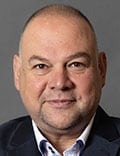
Malta has one of Europe’s highest rates of childhood obesity and overweight, driven by its unhealthy food environment, high levels of physical inactivity, and socioeconomic and cultural factors, Renald Blundell, PhD, associate professor of physiology and biochemistry at the University of Malta, Msida, Malta, told Medscape Medical News.

photo of Renald Blundell PhD
Renald Blundell, PhD

He is concerned about the possible long-term effects of GLP-1 agonists on growth, puberty, fertility, mental health, and lifelong health. He added that he was particularly concerned about mental health and mood changes and stressed that it was essential to screen and monitor for anxiety, depression, and/or behavioral changes.

“Drugs don’t fix the unhealthy food environment, car dependency, poverty, or school systems that drive obesity. If relied on as the main solution, they risk overlooking prevention,” he said.

“But for children already suffering from severe obesity and related illnesses, medication can be life-changing and may give them a better chance to engage with lifestyle changes.”

He does not agree, however, with their potential widespread use in children younger than 12 years.

“We don’t yet know their long-term safety in young children. There are ethical concerns about medicalizing children, and their high costs and limited access to specialist care could cause inequities,” he said.

“The bottom line is that GLP-1 drugs may be appropriate as an adjunct treatment for some children with severe obesity, but their use in 6- to 11-year-olds should be limited, cautious, and tightly monitored. The bigger priority is to change the environment, policies, and support systems so fewer children develop obesity in the first place.”

Christina Vogel, PhD, director of the Centre for Food Policy, nutritionist, and professor of food policy at City St George’s, University of London, London, England, expressed similar concerns.

“I don’t believe we have sufficient evidence to be able to confidently say they are good to use among children. Children’s bodies are growing, and we don’t know the long-term physical effects,” she said.

“We have a responsibility to look after children. There’s both a government and pharmaceutical responsibility. We need to get the school food environment right. We need to protect them against heavy marketing of high in fat, sugar, and salt. And we need to promote the availability, accessibility, and appeal of fruit, vegetables, and whole grains.”

She added that she was concerned about the nutritional quality of children’s diets while on these drugs, asking: Will children continue to eat unhealthy foods because marketing hasn’t disappeared? Could children on these drugs face a higher risk for malnutrition and have more vitamin deficiencies?

Support for Cautious Use

Julian Gomahr, MD, from the Department of Pediatrics and the Obesity Research Unit at Paracelsus Medical University, Salzburg, Austria, has researched the costs and potential of anti-obesity medications among children and adolescents. He told Medscape Medical News that the treatment of obesity was “frustrating” before the availability of effective medications, which should be pursued using an interdisciplinary approach.

“We finally have effective medications available that can truly make a difference in treatment — especially when metabolic comorbidities are already present early on and lifestyle interventions have been exhausted. It is crucial that children are treated by an experienced team, particularly during the initial phase of pharmacological therapy,” he said. He added that he was supportive of their “cautious” use in younger children who are at risk for metabolic deterioration.

“In addition to the benefits at the individual level, [the drugs] could also help reduce associated follow-up costs, which represent a significant burden on healthcare systems.”

Gomahr added that policymakers should commit to not only to paying for treatment but also to establishing childhood obesity centers that offer interdisciplinary care to ensure that barriers to treatment — such as unaffordability and inaccessibility — are overcome.

No Silver Bullet

Annemarie Bennett, PhD, assistant professor of dietetics in the Department of Clinical Medicine at Trinity College Dublin, Dublin, Ireland, told Medscape Medical News that there was “no silver bullet for weight management in childhood,” saying that if the treating doctor and parents or caregivers felt that GLP-1 agonists were appropriate, such medication would form just one part of the treatment plan.

photo of Annemarie Bennett, PhD
Annemarie Bennett, PhD

“Alongside food-based and exercise supports, therapies such as cognitive-behavioral therapy, dialectical behavioral therapy, and family therapy may be considered,” she said.

“These approaches can help address some of the root causes that lead to overeating, which is often a maladaptive coping strategy used to deal with a source of distress. Sources of distress can include difficult relationships at home or in school, experiencing inappropriate methods of discipline, or bereavement, for example.”

Upcoming regulatory decisions on the use of GLP-1 agonists in children younger than 12 years, along with the anticipated arrival of daily pills for weight loss in the next few years, signal a potentially shifting treatment landscape. For now, the debate centers on how best to balance access to medications with prevention and comprehensive care for children living with obesity.

Blundell, Vogel, Gomahr, and Bennett reported having no relevant financial relationships.

https://www.medscape.com/viewarticle/should-children-be-prescribed-anti-obesity-drugs-2025a1000ptg

Anti-ICE protests continue at Broadview facility, downtown Chicago as federal presence grows

 There was an amplified presence of federal agents Saturday in Broadview after U.S. Attorney General Pam Bondi posted on social media that the Trump administration was directing more resources to Chicago.

It appeared that Border Patrol has taken over operations at the west suburban ICE facility, and they were quick to detain several protesters throughout the evening while firing off pepper bullets to disperse the crowds.

Demonstrators have been protesting against the Trump administration's immigration enforcement blitz happening across the Chicago area.

The developments came after the village said in a statement that Immigration and Customs Enforcement agents told officials in Broadview they would launch enforcement throughout the west suburb on Saturday.

The village says ICE agents told Broadview police that there will be a "s*** show" in the area and that federal officers will deploy chemicals again.

In a statement, Broadview said this is all in retaliation to the village calling on ICE to "stop making war on our community."

"Let's be clear. ICE is seeking to intimidate the Village of Broadview because we dared exercise our 1st Amendment constitutional rights calling for an end to their war on Broadview. We will not be intimidated. We are Broadview strong," the village said in a statement, in part.

Department of Homeland Security Assistant Secretary Tricia McLaughlin issued a statement, saying, "This is made up. Our law enforcement enforces the rule of law. Period."

The continued protests Saturday at the Broadview ICE facility came after Friday night's standoff between demonstrators and federal agents.

Some local organizations held a press conference in the afternoon, continuing to speak out against the operations going on there. The Revolutionary Black Panther Party is one of the organizations that spoke.

There have been contentious moments the last couple of days, including the use of pepper bullets and other crowd controlling measures from DHS agents. Many of the protesters there Saturday have been the same people showing up to the facility every day, and they say that those tactics from ICE will not deter them from continuing to protest.

Throughout the day agents chased down some protesters and detained them while also coming out to take any kind of shields or umbrellas from the crowd. Protesters believe the use of force has gone too far.

"We oppose this kind of authoritarianism that is invading our city and suburbs," community activist Andy Thayer said. "It's not helping anyone."

After several escalations between protesters and federal agents over the last few weeks in Broadview, Attorney General Bondi says there will be no tolerance moving forward.

"More than 200 violent rioters were at a Chicago ICE facility chanting 'Arrest ICE. Shoot ICE,'" Bondi said in a video posted to X. "At least one had a gun. We've seen this before. We saw it in Portland and the LA riots. These are not peaceful protests. These are coordinated attacks by radical extremists, and they end now."

Border Patrol Chief Gregory Bovino also arrived to the Broadview facility Friday. He did not answer questions from reporters as he led operations on the ground.

Crowd-controlling measures like pepper bullets were deployed several times in an attempt to push protesters back.

Local immigration lawyer Louise Carhart was apart of the crowd. She says the federal agencies do not belong there.

"All of these agencies are funded by tax payer dollars and they're being deputized for things they are not authorized to do," Carhart said. "That's a misuse of public funds, and I think protesters have every right to be out here."

Also on the scene Saturday were a few opposition protesters, who say they stand with ICE and believe this is what Illinois needs right now.

Anti-ICE protesters in Chicago also gathered Saturday in the Loop, sending a similar message to the Trump administration. They rallied at Federal Plaza and marched a bit through downtown, with chants and signs standing up against ICE operations.

Officers used chemical agents multiple times in an effort to disperse the crowds on Friday in Broadview, and federal authorities said of the people arrested had a gun.

Elias Cepeda, a volunteer with Pilsen Defense and Access, is seen in this video posted to Instagram right before his arrest. The 41-year-old has joined other protesters at the facility for weeks.

His mother says her son is a legal Concealed-Carry License holder and is demanding his release while other demonstrators shared their account of his arrest.

DHS commented on Cepeda's arrest and the discovery of his firearm, writing in a post to X, in part, "This is transpiring just a few days after the horrific terrorist attack on an ICE facility in Dallas."

Demonstrators say the other man arrested on Friday is a military veteran.

Broadview Mayor Katrina Thompson has urged Broadview residents to "take all necessary precautions to protect themselves and their families in order to stay out of harm's way."

Illinois Governor JB Pritzker released the following statement in response to the federal deployments in the village of Broadview:
"The State of Illinois is closely monitoring the federal deployments in the Village of Broadview. Public safety is always my top priority, and the Illinois State Police remain in close communication with the Broadview Police Department to monitor and maintain public safety.

"Whether it be in Broadview here in Illinois or in Portland, Oregon, the Trump Administration is intentionally creating chaos to threaten sending military troops to American cities and suburbs. The suggestion that chemical agents like tear gas or pepper spray could be used indiscriminately against peaceful demonstrators, or even first responders, is unacceptable and not normal.

"Illinois will always defend Americans' right to peacefully protest and make their voices heard. We denounce any violence against the general public, members of the media, and law enforcement or first responders. Even when the Trump Administration does not follow the law, we will.

"I urge members of the public to remain calm, stay safe, and document what you see with your phones and cameras. My senior team has also asked legal organizations to support monitoring on the ground. By observing and recording peacefully, we can ensure that any violations of the law are brought to light and those responsible are held accountable."


https://abc7chicago.com/post/broadview-ice-protest-chicago-immigration-operation-midway-blitz-expected-standoff-between-agents-demonstrators/17892592/

Hospital Competition Drives Unnecessary Surgeries for Musculoskelatal Disorders

 A recent study by Mutualités Libres, a Belgian health insurance fund, found that musculoskeletal disorders (MSDs), together with psychosocial conditions such as burnout, stress and depression, remain among the leading causes of work incapacity and disability in Belgium. In an interview with MediQuality, a Medscape Network platform, Patrick Durez, MD, PhD, head of rheumatology at Cliniques Universitaires Saint-Luc in Brussels, explained why the problem is so difficult to address.

The report shows that the number of new cases of work incapacity linked to MSDs has not declined over the years. Is that surprising?

This is not unique to Belgium. MSDs are one of the leading causes of functional disability across Western societies. Their burden is still widely underestimated. They are highly prevalent and very costly. The aging of the working population is probably the main factor, since these conditions increase with age. But that is not the whole story.

The study highlights a 44% increase between 2018 and 2024 in knee osteoarthritis diagnoses leading to work incapacity. What other factors might explain this?

We should not underestimate the impact of obesity. Metabolic syndromes are more common today. Sedentary lifestyles also play a role. In the past, osteoarthritis was often less symptomatic because people were more physically active. In addition, our relationship with pain has changed. Pain sensitivity is more pronounced today than it was a few decades ago, partly due to greater exposure to stress, which can amplify pain perception.

Does this also explain the rise in incapacity cases linked to rotator cuff syndrome (+40%) and epicondylitis (+18%)?

These are mechanical tendinitis conditions, related to physical strain, but the concept of pain threshold is also important. People report pain more quickly because stress and sleep disorders worsen tendinitis.

So the two main groups of conditions leading to work incapacity are linked?

Absolutely. We live in a society where stress is part of daily life. If you are happy at work and suffer from an MSD, you can cope with it more easily. Conversely, if you are unhappy at work, it worsens the condition. This creates a vicious circle, with both physical and psychological health deteriorating.

Which occupations are particularly at risk for MSDs?

Those working in construction, where jobs demand physical strength and repetitive movements, are especially exposed. Among office workers, IT professionals face higher risks for back pain, neck pain, and shoulder tendinopathy. They spend long hours sitting and are often under stress, which increases muscle tension. Farmers are another interesting case. Historically, they have shown rates of osteoarthritis 10-15 times higher than the general population. Yet they do not complain more than average. This may reflect a lower sensitivity to pain, linked to working in a profession they are passionate about. That said, in recent years we have seen this is not the case for everyone, with some reaching their limits.

Does being self-employed also play a role?

Yes. The report shows that employees and the self-employed experience work incapacity differently. Except in a critical situation, a farmer, for example, has little choice but to get up in the morning and work. However, now that the self-employed in Belgium benefit from stronger social insurance coverage, they too are more likely to enter work incapacity.

From a prevention perspective, what strategies should be prioritized to curb the rise in work incapacity linked to MSDs?

This is a genuine societal problem. To be effective, solutions need to be tailored to the specific risks of each occupation. Some companies already adapt equipment to prevent poor posture, for example. More broadly, every worker should ideally have access to a preventive program that includes regular physical activity, weight control, and relaxation techniques. Such initiatives should be introduced directly in the workplace, and as early as possible. Employees should benefit from them from the age of 30. Waiting until 55 makes these problems much harder to manage. As I mentioned earlier, workplace well-being must also be addressed. And we must not overlook the medical dimension of rising incapacity.

What do you mean?

We must acknowledge that doctors share part of the responsibility. Writing a medical certificate takes 5 seconds; refusing one takes 10 minutes. That is a problem.

The report suggests developing recommendations for doctors to give them clear reference points on the optimal length of sick leave. Could that help?

It is not a bad idea, given that competition exists between doctors, with some patients actively seeking out the most lenient when it comes to extending leave. For 10 appointments for back pain, you might get 10 different opinions. It would be helpful to bring occupational health physicians and specialists together to agree on benchmarks for how many days of incapacity should be prescribed for each condition. That said, the issue is complex, as cases are often complicated by burnout or depression. In any case, I believe occupational health doctors need to be more involved in the process.

How so?

They do not currently have access to the patient’s medical record. This is a critical problem, as reports can be highly inconsistent and diagnostic errors do occur. In addition, some patients present only the information that suits them to the occupational health doctor, which is not the whole medical truth. Access to the medical record would allow for a much clearer picture of the patient’s pathway. Alongside this issue, surgery also deserves attention.

Do we operate too quickly for MSDs?

Most doctors do their work very well, but we know competition between hospitals is fierce. This leads some orthopedic surgeons to operate more readily. Yet postoperative pain can itself justify incapacity or disability claims. Low back pain is a good example: we know that operated back pain often leads to more chronic back pain. Surgeons are aware of this, but some still proceed without fully validating the indication. It is similar with epicondylitis. There is currently no national recommendation on how to manage it.

It is worth recalling that surgery in these cases is not bound by strict selectivity criteria. This reflects a degree of liberalism in treatment decisions. Some doctors use platelet-rich plasma injections, despite the lack of scientific validation. The same is true of many pharmacy products marketed for osteoarthritis. The complexity of MSDs lies in this variability of care, which depends in part on whether a patient consults in a private clinic or an academic hospital.

https://www.medscape.com/viewarticle/hospital-competition-drives-unnecessary-surgeries-msds-2025a1000prp

Sunday talkies: Vance, Johnson, Nunes, Fetterman, Jeffries, Scalise, Schumer, Cuomo, Paul

 NewsNation’s “The Hill Sunday”: House Appropriations Committee Chair and Rep. Tom Cole (R-Okla.), Rep. Emilia Sykes (D-Ohio) and UC Berkeley law professor John Yoo

Fox News’s “Fox News Sunday”: Vice President JD Vance and Iranian President Masoud Pezeshkian

Fox News’s “Sunday Morning Futures”: Attorney General Pam Bondi, House Speaker Mike Johnson (R-La.), Trump Media CEO Devin Nunes, Sen. John Fetterman (D-Pa.) and Sen. Lindsey Graham (R-S.C.) 

ABC’s “This Week”: House Minority Leader Hakeem Jeffries (D-N.Y.), House Majority Leader Steve Scalise (R-La.), former New Jersey Gov. Chris Christie (R) and former Republican Party executive Reince Priebus

NBC’s “Meet the Press”: Senate Majority Leader John Thune (R-S.D.), Senate Minority Leader Chuck Schumer (D-N.Y.), and New York City independent mayoral candidate and former Democratic New York Gov. Andrew Cuomo

CBS’s “Face The Nation”: Sen. Rand Paul (R-Ky.), Rep. Mike Turner (R-Ohio), Sen. Amy Klobuchar (D-Minn.), former White House attorney Ty Cobb and Sen. Tim Kaine (D-Va.)

CNN’s “State of the Union”: Sen. Chris Van Hollen (D-Md.) and House Speaker Mike Johnson (R-La.) 

https://thehill.com/homenews/sunday-talk-shows/5525144-sunday-shows-comey-indictment-shutdown-deadline/

MSM Says It Knows What Hegseth's Mystery Meeting Of Hundreds Of Generals Is All About

 The Washington Post and CNN say they know what Pentagon chief Pete Hegseth's big summoning of hundreds of military generals and admirals is all about. The meeting is set for Tuesday at Quantico Marine Base near Washington D.C. 

No official explanation has yet to be given for why some 800 top commanders are being gathered - some traveling from bases across the globe. Speculation has abounded, including whether it could relate to going to war with Russia, or some other dire and alarming change in force posture. Major media outlets in the US are now claiming it will merely be a big talk by Hegseth in maintaining "warrior ethos" and things like professional standards. It's also being reported as one big "rally the troops" meeting.

via DoD

Apparently this somewhat unprecedented gathering is due to his "mounting impatience that the Pentagon hasn’t readily adopted the Trump administration’s directives on military culture, according to officials briefed on the plan."

The speech will aim to get everyone on the same page in terms of Trump's desire to tighten up discipline and professional standards across military ranks. So far, President Trump has only said when asked about the somewhat unprecedented meeting by reporters, "It’s great when generals and top people want to come to the United States to be with a now-called secretary of war."

The Washington Post states:

Defense Secretary Pete Hegseth ordered hundreds of generals to travel from around the world to hear him make a short speech on military standards and the "warrior ethos," multiple people familiar with the event told The Washington Post.

Commenting on the swift pushback, it continues:

Some Pentagon officials questioned the wisdom of launching a relatively large gathering on short notice to hear Hegseth speak for a matter of minutes, and bristled at the idea that long-serving military leaders — a segment of whom spent years in combat earlier in their careers — needed instruction on how to fight.

"They don’t need a talk from Secretary Hegseth on the warrior ethos," a defense official said.

A high profile retired general has spoken up on social media, and Hegseth bat it down...

There have in the last months been some firings and reshufflings of top command posts by Hegseth, who dismissed Defense Intelligence Agency Director Lt. Gen. Jeffrey Kruse, Navy Reserve Chief Vice Adm. Nancy Lacore, and Naval Special Warfare Command head Rear Adm. Milton Sands.

"Critics have argued that his policies have often not seemed aligned with lethality — core initiatives have included removing transgender service members, ordering new shaving standards military-wide and rebranding the Defense Department as 'the Department of War,' complete with new seals and signage marking the entrance to his offices at the Pentagon," WaPo continues.

One such critic, Lt. Gen. Mark Hertling (Ret.), former commander of US Army Europe, wrote as follows:

In my forty years in uniform, I never saw anything like it. While senior leaders have been recalled to Washington to meet with the secretary of defense during all our wars, never once did a secretary summon all of the hundreds of one- to four-stars from each of the services, plus their top enlisted counterparts, from every corner of the globe to a single auditorium. Not during the Cold War, not during Desert Storm, not during the height of the wars in Iraq and Afghanistan. Not Rumsfeld, not Gates, not Panetta, not Mattis, not Austin.

They likely didn’t do it because it is disruptive. It is expensive. And it is unnecessary.

The optics of the meeting will be interesting, and Hegseth plans to record and later make public his speech. There still remains the possibility that WaPo and CNN's reporting on it being about "warrior ethos" is flat wrong. But things will soon become clear in a matter of days.

https://www.zerohedge.com/military/msm-says-it-knows-what-hegseths-mystery-meeting-hundreds-generals-all-about