Search This Blog

Thursday, May 24, 2018

NYC Drug Crisis Spilling Out Into Streets, Parks

From a crackdown on K2 overdoseson Brooklyn sidewalks, to syringes littering a Bronx park, New York City’s drug crisis has been on full view this week.
The question is: What is City Hall doing about it?
“We don’t want anybody in the city having to see that or experience that,” said Mayor de Blasio when confronted with photos of the problem. “We don’t want children, seniors, anyone to have to go through that.”
While the city will be installing dozens of syringe disposal kiosks in Bronx Parks soon, it’s unclear if addicts will use them – and the mayor admits the problem goes beyond dirty needles, reports CBS2’s Hazel Sanchez.
City workers were seen yesterday cleaning Saint Mary’s Park in the Mott Haven section of the Bronx, looking for the needles and drug paraphernalia scattered about for anyone to come across.
The proposed drop boxes for needles was already set up in Washington Square Park two years ago.
Over in Brooklyn, the drug problem is more driven by the resurgence of a dangerous batch of K2 synthetic marijuana that left the NYPD dealing with more than 50 overdoses and at least a dozen arrests over the weekend. People were literally stumbling all over the street.
“This situation in Brooklyn is being addressed very aggressively too,” said de Blasio. “It comes down to a small number of dealers. It comes down to some particular locations. And we made clear that if stores actually are the centerpiece of this drug dealing. We’re going to close them down.”
The mayor says the city’s drug abuse problem is deep seeded and will need more than just the help of law enforcement – a strategy many New Yorkers also see.
“People don’t care,” said Abdullah Freeman, a resident of Mott Haven. “As long as they doing their thing, it’s going to continue.
“I think the city needs more programs to reach out to the people, give the people some assistance,” he said.
“Those individuals who are using drugs in that park, they need help they need treatment (and) we need to get to them,” said de Blasio.

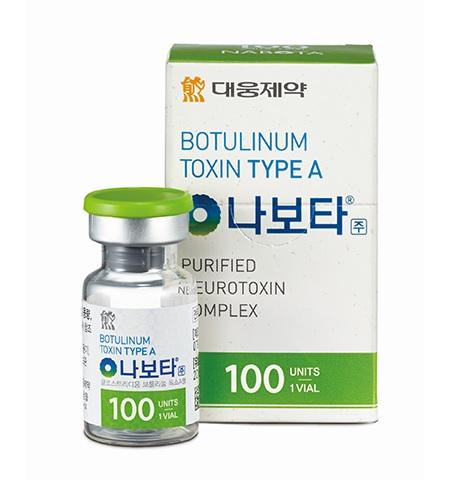
Botox Knock-Off Could Change Fortunes For Evolus

Evolus’s attempt to get approval for its Botox knock-off DWP-450 will be delayed for a few months.
The U.S. Botox market is large, and DWP-450 could change Evolus’s fortunes.
Any risk to Botox could hurt sentiment for AGN.
Source: pulsenews.co.kr
All eyes were on Evolus (EOLS) Wednesday as the market awaited a U.S. Food and Drug Administration decision pursuant to PrabotulinumtoxinA (DWP-450), the company’s injectable 900 kDa botulinum toxin type A complex designed to address the needs of the facial aesthetics market. The results were anticlimactic as the FDA issued a Complete Response Letter (“CRL”), delaying the drug’s potential launch:
The FDA has issued a Complete Response Letter (“CRL”) to Evolus related to its BLA for DWP-450 for the treatment of glabellar lines, also known as frown lines, in adult patients.
In the CRL, deficiencies cited by the FDA were isolated to items related to Chemistry, Manufacturing, and Controls (“CMC”) processes. No deficiencies were related to clinical or non-clinical matters. Evolus expects to respond with a complete submission to the FDA within 90 days.
Mr. Moatazedi, President and Chief Executive Officer of Evolus, commented, “The successful completion of the FDA inspection of the manufacturing facility and issuance of the EIR represents a key operational milestone and entirely concludes the pre-approval inspection process by the FDA.”
EOLS fell over 25% on the news. Allergan (AGN), whose Botox is the industry leader for neurotoxins, rose nearly 2%. Below I will parse through the implications of the CRL for Evolus and Allergan.

Botulin Toxin Could Change Evolus’s Fortunes

DWP-450 phase 3 clinical trials showed the drug was capable of competing on par with Botox. However, showing strong efficacy in clinical trials and actually getting the drug approved are two different things. A successful review of the company’s Biologics License Application (“BLA”) was never a slam dunk. The FDA had previously performed a pre-approval inspection of the Daewoong Pharmaceutical plant in South Korea that manufactures DWP-450. The FDA issued a Form 483 with 10 observations.
There could be a silver lining in the CRL. The fact that no deficiencies were cited could imply the drug can deliver on the efficacy intimated by the clinical trials:
CEO David Moatazedi — an Allergen vet who took the job just a little more than a week ago — says the rejection has nothing to do with data, statistics, safety or pharmacology of their product. “The remaining questions are manageable,” he told investors on a call this morning.
Now all the company and Daewoong have to do is bring the manufacturing process up to par and it could potentially clear a path for a DWP-450 launch early next year.
More Drama In 90 Days
Evolus plans to respond with a complete submission to the FDA in 90 days. I expect all eyes to be on the company again in advance of any FDA action. An FDA approval and eventual DWP-450 launch by Evolus could change the company’s fortunes. Run-rate revenue for Botox in the U.S. is around $2.3 billion per year. If Allergan controls 90% of the market, that would put the entire market size at around $2.5 billion. Evolus will likely have to offer steep discounts to get customers to switch from Botox. If it garnered 5% of the market at a 30% discount it could potentially generate about $85 million in revenue per year.
The company is still in the clinical stage. It needs to commercialize DWP-450 as soon as possible. In Q1 2018, the company suffered an operating loss of $6 million. Consistent cash burn will cause its $50 million in liquidity to dwindle until DWP-450 finally reaches the market.

Allergan Gets A Reprieve

Botox is Allergan’s top-selling product and represents more than 20% of its total revenue. The company’s organic revenue growth is practically dead. It is facing a loss of exclusivity (“LOE”) for key products within its U.S. General Medicine segment. Its second-leading drug, Restasis, is facing patent challenges from Mylan (MYL) and Teva (TEVA). Allergan’s total Q1 revenue was up 3% Y/Y, yet organic growth was practically nil. I believe Q2 results will show a decline in revenue, which could hurt sentiment for the stock.
Management is seeking strategic options before the market realizes it is no longer a growth company and its 12x EBITDA multiple is unwarranted. I believe it will attempt to monetize Botox-related product lines like Medical Aesthetics or Neuroscience which are growing in the high double-digit range. Any competition from Evolus’s DWP-450 – real or perceived – could cause investors to sour on Botox’s future revenue growth and punish AGN.

Conclusion

DWP-450 sounds promising and could change Evolus’s fortunes. Meanwhile, LOE could stymie Allergan regardless of its strategic review. Buy EOLS and sell AGN.

For severe asthma, eczema drug succeeds where others fail

Two new double-blind, randomized trials show that the eczema drug dupilumab is safer and more effective than current therapies for treating severe asthma.
woman with inhaler
People whose asthma symptoms are difficult to control may find relief in a drug used for treating eczema.
Estimates suggest that up to 25 million people in the United States have asthma, and over 31 million have a form of eczema.
The link between eczema, or atopic dermatitis, and asthma has been the focus of much research.
For instance, it is known that children whose parents have asthma tend to develop eczema, and many of those who already have eczema go on to develop asthma — a phenomenon known as “atopic march.”
Now, new research is suggesting that a drug used to treat one condition might also be effective in treating the other.
Dupilumab is an anti-inflammatory drug used to treat eczema, and two studies — recently published in The New England Journal of Medicine — demonstrate that it reduces symptoms and helps patients with difficult-to-control asthma to breathe more easily.
The first study was led by Dr. Mario Castro, the Alan A. and Edith L. Wolff Distinguished Professor of Pulmonology and Critical Care Medicine at Washington University School of Medicine in St. Louis, MO.
Dr. Castro was also a co-author of the second study, whose first author is Dr. Klaus F. Rabe, who is a professor of pulmonary medicine at the University of Kiel in Germany.

Dupilumab improves lung function

The first study comprised 1,902 participants with moderate to severe asthma, all of whom required three different kinds of inhaler to control their symptoms.
For 1 year, they were randomly divided into one of two groups: one that received dupilumab, or one that received a placebo. The group that received the drug was further divided, into either one that received a higher dose or one that received a lower dose.
Neither the doctors nor the participants knew which of the latter were taking the real drug, which made this a double-blind, randomized study.
Not only did those who took dupilumab have fewer symptoms, but they also fared better in a lung function test that examined the volume of air that a person can forcefully exhale.
Overall, those who took dupilumab had a better lung function by 130–240 milliliters than those who did not take the drug. No differences were noticed between high and low doses of the eczema drug.
Additionally, the participants who took the drug also registered fewer visits to the emergency room due to asthma. In fact, 3.5 percent of the intervention patients required such a visit, compared with 6.5 in the placebo group.

Why dupilumab is better than other drugs

The second study examined 210 participants who had severe asthma, all of whom used the same variety of inhalers to control their condition but took oral steroids, as well.
They were randomly assigned to receive either dupilumab as an additional drug or a placebo for 24 weeks.
As many as 50 percent of the patients who received dupilumab were weaned off the steroids completely, and 80 percent of the patients reduced their dose of steroids by half.
Chronic oral steroids such as prednisone can cause side effects including diabetescataracts, and osteoporosis, explains Dr. Castro. Also, people with asthma are required to take these drugs for decades.
“I have patients,” explains Dr. Castro, “who have had to stop working and go on disability because their asthma symptoms are so severe they can no longer function in the workplace.”
“I’m excited,” he goes on, “about the potential of dupilumab because I have so many patients who have maxed out on available therapies and they still can’t breathe. It can become a very disabling disease.”
Dr. Castro also comments on the broader significance of these new findings, saying, “This drug not only reduced severe symptoms of asthma, it improved the ability to breathe.”
That’s important because these patients have a chronic disabling disease that worsens over time with loss of lung function. So far, we do not have a drug for asthma that changes the course of the disease.”
Dr. Mario Castro
He also mentions an extra benefit of dupilumab compared with existing therapies, saying, “Current drugs for severe asthma help reduce trips to the emergency room, for example, but they don’t improve lung function.”

Deep brain stimulation found to improve diabetes symptoms

A team of researchers from several institutions in the Netherlands and Yale University in the U.S. has found evidence that suggests deep brain stimulation (DBS) can help treat type 2 diabetes. In their paper published in the journal Science Translational Medicine, the group describes what happened when a single patient with a mental disorder was treated with DBS.
The story began, the researchers report, when a patient with obsessive-compulsive disorder failed to respond to traditional treatments. His doctors suggested trying DBS as it had shown promise with others with the same condition. After the treatment, the doctors discovered that not only did the patient show improvements in OCD symptoms, but also a reduction in type 2 diabetes symptoms. That led them to test other OCD patients that underwent DBS treatments. In so doing, they discovered that all subjects showed an increase in sensitivity to insulin.
During DBS for OCD, a small amount of electricity is focused on a part of the brain called the nucleus accumbens—it has been found to be in part responsible for motivation and reward processing. The tiny jolt helps get the wiring back to a normal state. The researchers found that it also stimulates the , which is involved in regulating  in the body. And glucose is, of course, a type of sugar fuel for cells. The  regulates this process.
In patients with type 2 diabetes, various factors contribute to reduce , resulting in higher levels of glucose in the blood, which can cause a host of problems. Treatment for  typically involves injecting insulin, or taking drugs that cause the liver to produce less glucose and/or make cells more sensitive to insulin. Now, it appears that DBS can do roughly the same thing, i.e., make cells more sensitive to insulin, which, in turn, means it does not take as much to fuel cells.
The researchers are not suggesting DBS as a treatment for diabetes, such procedures are too invasive. Instead, they suggest their finding might help in the development of other treatments that work in similar ways.
More information: Kasper W. ter Horst et al. Striatal dopamine regulates systemic glucose metabolism in humans and mice, Science Translational Medicine (2018). DOI: 10.1126/scitranslmed.aar3752
Abstract
The brain is emerging as an important regulator of systemic glucose metabolism. Accumulating data from animal and observational human studies suggest that striatal dopamine signaling plays a role in glucose regulation, but direct evidence in humans is currently lacking. We present a series of experiments supporting the regulation of peripheral glucose metabolism by striatal dopamine signaling. First, we present the case of a diabetes patient who displayed strongly reduced insulin requirements after treatment with bilateral deep brain stimulation (DBS) targeting the anterior limb of the internal capsule. Next, we show that DBS in this striatal area, which induced dopamine release, increased hepatic and peripheral insulin sensitivity in 14 nondiabetic patients with obsessive-compulsive disorder. Conversely, systemic dopamine depletion reduced peripheral insulin sensitivity in healthy subjects. Supporting these human data, we demonstrate that optogenetic activation of dopamine D1 receptor–expressing neurons in the nucleus accumbens increased glucose tolerance and insulin sensitivity in mice. Together, these findings support the hypothesis that striatal neuronal activity regulates systemic glucose metabolism.

New blood test to detect liver damage in under an hour

A quick and robust blood test that can detect liver damage before symptoms appear has been designed and verified using clinical samples by a team from UCL and University of Massachusetts.
The researchers say the test could address a huge need for early detection of  as it distinguishes between samples taken from healthy individuals and those with varying degrees of  damage.
A study, published today in Advanced Materials, describes the new method of detecting liver fibrosis, the first stage of liver scarring that leads to fatal liver if left unchecked, from a  sample in 30-45 minutes.
“Liver disease is the third biggest cause of premature mortality in the UK, and one of the only leading causes of death that’s on the increase. The major problem is that it’s asymptomatic, meaning that it goes unnoticed until late stages of the disease when the damage is irreversible,” said co-lead author Professor William Rosenberg (UCL Institute for Liver & Digestive Health).
Almost half of adults in Western countries face an elevated risk of liver disease due to overweight or heavy drinking but only a minority will develop serious liver damage.
“We hope that our new test could be used on a routine basis in GP surgeries and hospital clinics to screen people who face an elevated risk of liver disease, but don’t yet show signs of liver damage to identify those with serious fibrosis, so that they can access treatment before it’s too late. This may open the door to a cost-effective regular screening programme thanks to its simplicity, low cost and robustness,” he said.
Researchers at the University of Massachusetts designed a sensor that uses large molecules called polymers, coated with fluorescent dyes that bind to blood proteins based on their chemical properties. The fluorescent dyes change in brightness and colour, yielding a different pattern of fluorescence depending on the protein composition of the blood .
The team at UCL tested the sensor by comparing results from small blood samples (equivalent to finger-prick checks) from 65 people, in three balanced groups of healthy patients and those with early-stage and late-stage fibrosis.
The groups were determined using the Enhanced Liver Fibrosis (ELF) test which is the existing benchmark for detection that requires samples to be sent away to a lab for analysis.
They found that the sensor could identify different patterns of protein levels in the blood serum of people in the three groups.”By comparing the different samples, the sensor array identified a ‘fingerprint’ of . This method is known as a chemical nose, as it can recognise the difference between healthy and unhealthy blood samples without relying on known disease markers,” said co-lead author Dr. William Peveler, who completed the research in the UCL Chemistry department before moving to the University of Glasgow.
“It’s the first time this approach has been validated in something as complex as blood, to detect something as important as liver disease,” he added.
The test could distinguish fibrotic samples from healthy samples 80% of the time, reaching the standard threshold of clinical relevance on a widely-used metric, and comparable to existing methods of diagnosing and monitoring fibrosis.
The test distinguished between mild-moderate fibrosis and severe  60% of the time. As this is only the first report of its use, the researchers are hopeful they can refine it to be more effective, and they will be testing it on much larger groups of patients.
“We are developing the test from being a lab-based  to a point-of-care diagnostic and monitoring device that can be used in GP surgeries. This could take several more years but is particularly exciting as the technology has the potential to help millions of people access earlier care to prevent fatal liver disease,” added Dr. Peveler.
The sensing strategy uses a ‘signature’-based approach that is highly versatile. “A key feature of this sensing strategy is that it is not disease-specific, as it is applicable to a wide spectrum of conditions, which opens up the possibility of diagnostic systems that can track health status, providing both disease detection and the monitoring of wellness,” said co-lead author Professor Vincent Rotello (University of Massachusetts Amherst).
More information: William J. Peveler et al, A Rapid and Robust Diagnostic for Liver Fibrosis Using a Multichannel Polymer Sensor Array, Advanced Materials (2018). DOI: 10.1002/adma.201800634

$5.2B bill extending VA private sector options passes Congress


  • The Senate cleared a House-passed bill on Wednesday making it easier for veterans to see private sector providers by making the Department of Veteran’s Affairs program called Veterans Choice permanent.
  • The bipartisan legislation, passed 92 to 5,  also allows VA providers to offer telemedicine and gives them the ability to partner with community care providers, along with consolidating seven community care programs and expanding support for caregivers. It also gives VA providers the authority to allow patients to receive care from the private sector rather than the VA.
  • President Donald Trump is expected to immediately sign the bill, called the Maintaining Internal Systems and Strengthening Integrated Outside Networks (MISSION) Act

With the passing of the MISSION Act, Congress has expanded private sector options for all veterans rather than only those who live far from a VA provider or have to deal with long wait times. Those limitations had been set by the Veterans Choice program, which was set to run out of funding in a few weeks.
The moderate step falls short of the full privatization backed by some in the Trump administration and congressional Republicans.
One survey from a veteran’s group found more than 90% of veterans preferred fixing the VA’s deficiencies over dismantling the system or a universal healthcare card that would allow them to see any private provider, an idea Trump campaigned on. Also, about 70% of veterans enrolled in the VA already receive most of their care outside the system, according to a 2014 Congressional Budget Office report.
The act allocates $5.2 billion toward the Choice program, originally created through the Veterans Access, Choice and Accountability Act, a bipartisan bill signed by President Barack Obama in 2014 in response to the VA’s wait time scandal. The program has allowed veterans the option of receiving care from the private sector if they live more than 40 miles driving distance from a VA facility or if they have to wait more than 30 days to get an appointment.
Lawmakers have been debating the program’s potential for giving the private sector more control over veterans’ healthcare, but the MISSION Act is largely seen as a compromise.
“The VA MISSION Act removes those arbitrary time and distance requirements that limit eligibility for outside care,” Sen. Mitch McConnell, R-Ky., said in a statement. “It replaces those one-size-fits-all policies with a conversation between veterans and their own doctors about what works best.”
Despite carrying the support of 38 veterans associations, including The American Legion and Disabled American Veterans, the MISSION Act has been condemned by a number of public sector labor groups concerned with the bill’s potential for allowing the private sector to play a bigger role in veterans healthcare. Those groups include National Nurses United (NNU) and the American Federation of Government Employees (AFGE), the union representing VA workers.
“The VA Mission Act is a horrendous piece of legislation that will set the only health care system tailored to veterans on a path of total privatization,” J. David Cox Sr., AFGE national president, said in a statement. “Now, an unaccountable, private, corporate-style commission will have the power to decide which facilities to close, which to repair, and which to build.”
NNU leadership echoed that sentiment in an open letter, arguing that “farming out primary care to other providers will be a major step to dismantling the VA entirely” and open the door to privatizing services that have historically been provided by VA facilities.
Proponents of the bill argue that those services have not been provided well, if at all, to rural veterans.
“What we’re seeing in rural America is a disproportionate number of veterans,” Maggie Elehwany, vice president of government affairs at the National Rural Health Association, told Healthcare Dive earlier this year. As many as 25% of veterans, she said, live in rural America. They also tend to be older and experience poverty at a higher rate than urban and suburban veterans.
“We need to get rural veterans some kind of ability to better access care in rural areas. They should have the choice to be able to see their local rural provider,” Elehwany said. “We had long fought for that, and for a long time it seemed like the VA was very resistant to that notion.”
Trump last week nominated acting secretary Robert Wilkie to head up the VA after White House physician Ronny Jackson withdrew his nomination last month, facing scrutiny over an alleged history of over-prescribing and intoxication on the job.
Wilkie has been serving as acting secretary since Trump fired former secretary David Shulkin, who warned again creeping privatization, in March.

BioCryst med gets positive European regulatory designations

BioCryst Pharmaceuticals announced that the European Medicines Agency’s Committee for Orphan Medicinal Products issued a positive opinion on BioCryst’s application for orphan designation of BCX7353 for the treatment of hereditary angioedema. In addition, the United Kingdom’s Medicines and Healthcare products Regulatory Agency has granted a Promising Innovative Medicine designation to BCX7353. The positive opinion issued by COMP is expected to be adopted by the European Commission within 30 days. Orphan Drug Designation in Europe is available to companies developing products intended to treat a life-threatening or chronically debilitating condition that affects fewer than five in 10,000 persons in the European Union. This designation allows for financial and regulatory incentives that include a 10-year period of marketing exclusivity in the EU after product approval. BCX7353 has previously received Orphan Drug Designation in the United States from the Food and Drug Administration. A PIM designation is an early indication that a medicinal product is a promising candidate for the Early Access to Medicines Scheme in the United Kingdom, which supports products intended for the treatment, diagnosis or prevention of a life-threatening or seriously debilitating condition, with the potential to address an unmet medical need.