We developed an iPhone X application to measure blood pressure (BP) via the “oscillometric finger pressing method”. The user presses her fingertip on both the front camera and screen to increase the external pressure of the underlying artery, while the application measures the resulting variable-amplitude blood volume oscillations via the camera and applied pressure via the strain gauge array under the screen. The application also visually guides the fingertip placement and actuation and then computes BP from the measurements just like many automatic cuff devices. We tested the application, along with a finger cuff device, against a standard cuff device. The application yielded bias and precision errors of −4.0 and 11.4 mmHg for systolic BP and −9.4 and 9.7 mmHg for diastolic BP (n = 18). These errors were near the finger cuff device errors. This proof-of-concept study surprisingly indicates that cuff-less and calibration-free BP monitoring may be feasible with many existing and forthcoming smartphones.
The biotech sector notched strong gains last week, capitalizing on the positive overall market sentiment, set in motion by the trade deal between the U.S. and Mexico.
Here are a few catalysts that could drive sentiment toward the sector in the upcoming week.
Conferences
6th World Summit on Heart, Stroke & Neurological Disorders – Aug. 31-Sept. 1, in Boston
2nd International Conference on Thyroid and Pregnancy – Sept. 3-4, in Auckland, New Zealand
11th World Congress on Endocrinology and Metabolic Disorders – Sept. 3-4, in Auckland, New Zealand
17th International Conference on Gastroenterology and Hepatology – Sept. 3-4, in Dubai, UAE
Global Experts Meeting on Infectious Diseases – Sept. 3-4, in Tokyo, Japan
Rodman and Renshaw 20th Annual Global Investment Conference – Sept. 4-6, at the St. Regis New York Hotel
B. Riley FBR Annual Healthcare Conference – Sep. 4, in New York
Adamis Pharmaceuticals Corp ADMP 1.79% awaits the FDA decision on its sNDA for low dose Symjepi (epinephrine) injection to treat Anaphylaxis. The PDUFA date is set for Monday, Sept. 3.
The FDA is set to rule on GlaxoSmithKline plc (ADR) GSK 1.78%‘s sBLA for Mepolizumab to treat Chronic obstructive pulmonary disease, or COPD, with an eosinophilic phenotype. The decision is due Friday, Sept. 7.
Clinical Trial Presentations
Sangamo Therapeutics Inc SGMO 0.55% is due Sept. 5 to release data from its Phase 1/2 CHAMPIONS study of its SB-913. SB-913 is being evaluated by Sangamo for mucopolysaccharidosis type II, aka Hunter syndrome, a group of debilitating inherited metabolic disorders caused by a deficiency of lysosomal enzymes needed for degradation of mucopolysaccharides.
Roche Holdings AG Basel ADR RHHBY 0.55% is scheduled to release Sept. 5 Phase 3 data for its TECENTRIQ, chemically atezolizumab, based on a study dubbed Impower150, to treat non-squamous, non-small cell lung cancer.
bluebird bio Inc BLUE 4.37% is due to releaseupdated Phase 2/3 data on its Lenti-D to treat childhood cerebral adrenoleukodystrophy at the Society for the Study of Inborn Errors of Metabolism 2018 Symposium at 2 am EST Sep. 5.
ProQR Therapeutics NV PRQR 2.68% will release interim analysis of Phase 1/2 data for its QR-010 for treating Leber’s congenital amaurosis, a form of genetic blindness, at 8:30 am GMT, Sep. 5.
Spectrum Pharmaceuticals, Inc. SPPI 4.86% is set to release Sep. 5 abstract of the updated Phase 2 data on Poziotinib, its pipeline candidate for non-small cell lung cancer with exon 20 insertion mutation in EGFR, or HER2. The data is to be presented at the World Conference on Lung Cancer on Sep. 24.
Q3 Release Schedule
Atossa Genetics Inc ATOS 0.47% is due to release preliminary Phase 1 data for Endoxifen, its male breast cancer and Gynecomastia treatment.
GALAPAGOS NV/S ADR GLPG 0.49% and Gilead Sciences, Inc. GILD 0.73% are set to release Phase 3 data for its rheumatoid arthritis candidate filgotinib, which is being evaluated in the FINCH 2 study. The companies are also due to release Phase 2 data for the same pipeline candidate for another indication, namely ankylosing spondylitis.
Omeros Corporation OMER 3.98% is scheduled to release Phase 2 data for its OMS721 for treating IgA nephropathy.
ZEALAND PHARMA/S ADR ZEAL 0.62% is due to release Phase 3 data for its dasiglucagon to treat severe hypoglycemia in diabetes.
Galectin Therapeutics Inc. GALT 10.41% is due to release Phase 1 data for its melanoma treatment combination GR-MD-02 and Merck & Co., Inc.’s MRK 0.01%Keytruda.
Eyegate Pharmaceuticals Inc EYEG 1.82% is due to release Phase 3 data for its EGP-437 to treat non-infectious anterior uveitis.
Palatin Technologies, Inc. PTN 4.48% is scheduled to release Phase 1 data for its inflammatory bowel disease candidate PL-8177.
Amarin Corporation plc (ADR) AMRN 2.77% is due to release Phase 3 data for its Vascepa to treat high triglycerides with mixed dyslipidemia.
Geron Corporation GERN 6.11% and Johnson & Johnson JNJ 0.3% are scheduled to release data from the Phase 2 IMbark study for their Imetelstat to treat myelofibrosis.
The SanBio Group, a scientific leader in regenerative medicine for neurological disorders, today announced the acquisition of a patent portfolio regarding cell medicines derived from mesenchymal stem cells (hereinafter the Patent Portfolio).
Image of the Technology of MSC1 and MSC2 (Graphic: Business Wire)
The Patent Portfolio is pertaining to technology (hereinafter the Technology) discovered by Dr. Aline Betancourt, a researcher at Tulane University, that enhances anti-inflammatory and pro-inflammatory functions of mesenchymal stem cells (MSCs)*1 by stimulating specific Toll-like receptors (TLRs)*2expressed on mesenchymal stem cell membranes while maintaining safety and tolerability profile of mesenchymal stem cells. Mesenchymal stem cells induced to have enhanced anti-inflammatory function (MSC2 phenotype) and those induced to have reinforced pro-inflammatory function (MSC1 phenotype) using the Technology are more likely to migrate to injury sites and express higher homogeneity compared with naïve, uninduced mesenchymal stem cells, indicating their therapeutic potential as highly safe and effective agents.
The MSC2 phenotype, with its enhanced anti-inflammatory function, has therapeutic potential against demyelinating disorders (e.g., optic neuritis, multiple sclerosis, and Krabbe disease), diabetic neuropathy, and inflammatory disorders (e.g., rheumatoid arthritis and Crohn’s disease). Pre-clinical studies using animal models of each disease are currently underway. Regarding the MSC1 phenotype, which demonstrates reinforced pro-inflammatory function, pre-clinical studies have shown that it attenuates tumor growth as opposed to uninduced mesenchymal stem cells that promote proliferation of tumor cells. Based on such findings, development of MSC1 phenotype for the treatment of cancer is highly anticipated.
SanBio is currently conducting phase 2 clinical trials of regenerative cell medicine SB623 in its propriety development pipeline targeting chronic motor deficit from ischemic stroke in the US and targeting chronic motor deficit from traumatic brain injury (TBI) in Japan. SB623 consists of mesenchymal stem cells derived from adult bone marrow that undergo a genetic modification. It is a stem cell-based therapy with potential to promote brain tissue regeneration that helps patients with ischemic stroke or TBI recover lost functions when administered to the area around the injury site. In animal studies where SB623 was administered to brains of mouse models of ischemic stroke, phenomena such as migration of neural stem cells to injury sites, proliferation of nerve cells, and angiogenesis were observed.
Acquisition of the Patent Portfolio will enable SanBio to expand its development pipeline into areas of inflammatory disorders and cancer in addition to neurological disorders targeted by SB623. By leveraging its knowledge and expertise relating to mesenchymal stem cells SanBio has cultivated so far, SanBio will work to develop new cell medicines based on the Patent Portfolio.
In this video filmed at theNational Association of Chain Drug Stores-Total Store Expo (NACDS-Total Store Expo) 2018, Troy Hilsenroth, MHA/MBA, FACHE, Vice President of the Medication Adherence Division of Omnicell, explains how pharmacists can work to improve patient outcomes. Keep an eye out for our day 3 conference challenge word of the day.
Transcript Patient outcomes are often the result of what patients do when they are away from their providers. We want to create an integrated platform for pharmacists to extend their reach into the home, which will give them the ability to have a greater impact on patient outcomes. The word of the day, today, is adherence.
In this interview with Penny Shelton, PharmD, CGP, FASCP, Executive Director of the North Carolina Association of Pharmacists, at the National Chain Drug Store Total Store Expo (NACDS TSE) in Denver, she discusses how pharmacists are the most accessible, yet often underutilized, resource in preventing and treating substance use disorders.
Transcript
Penny Shelton, PharmD, CGP, FASCP I think one of the reasons that pharmacists are so important is that we’re one of the most accessible health care providers. We’re very much embedded in the community. Honestly, we’re a resource that’s been really underutilized in this capacity, and so part of the presentation is about getting not only other stakeholders, but getting pharmacy to think about how we can play a greater role. The fact that we are that accessible, with the services that we can provide, can really make a difference in the care of patients suffering with substance use disorders.
Nearly 2.3 million cases of chlamydia, gonorrhea, and syphilis were diagnosed in the United States in 2017, a number that surpassed the previous record set in 2016 by more than 200,000 cases and marked the fourth consecutive year of sharp increases in these sexually transmitted diseases (STDs), according to preliminary data released this week by the CDC.
Researchers noted a 76% increase in the number of primary and secondary cases of syphilis, rising to 30,644 cases in 2017, up from 17,375 cases in 2013. They added that the majority of these cases, or 70%, occurred among those who are gay, bisexual, or men who have sex with men. Over 1.7 million cases of chlamydia were diagnosed in 2017, according to the recent data; this disease remained the most common STD reported to the CDC. A little less than half of the reported cases, or 45%, were among females between the ages of 15 and 24.
A 67% overall increase in the number of gonorrhea diagnoses was reported, jumping to 555,608 cases from 333,004 cases, with the number of these diagnoses increasing twofold in men since 2013. However, the speedy increase in cases reported in women is dually concerning, according to the CDC, as numbers have been on the rise for the third consecutive year. The findings were reported this week at the National STD Prevention Conference in Washington, DC.
In a recent poll on the Pharmacy Times instagram page, we asked followers if sexual health was something they would like to learn more about. Out of the 398 respondants, 87% said yes, they would be interested in learning more.
Jeyan Heper Condom use is important. It prevents pregnancy, it prevents sexually transmitted diseases, and pharmacists have an important role in that part because they are the first moment of contact with the consumer. How can they do that? First, if they know the products, and they know the category well, and if they know what kind of differences we offer for our consumers. For example, in our range, we have Skyn, which offers higher sensation, and that limits many of the barriers that consumers have in their minds. They sometimes don’t like to use condoms because they don’t like to have the feeling of it, but Skyn prevents that. So if pharmacists pass that information, that with Skyn, you actually feel everything, that’s a very important message to our consumers.
Jeyan Heper The best way to help consumers navigate the sexual wellness shelf is through clear guidance. We have so many products on the shelf and they meet different needs. So first, it is important to understand what the consumer wants. Is it about the size? Is it about the pleasure? is it about the feel? If you know what they’re after, it’s going to be very easy to guide them.
Not being able to attend face-to-face meetings doesn’t mean you can’t get the benefits of joining an organized diet group. All you need is an internet connection.
Online diet programs let you sign in for information and motivation at any hour of the day or night.
Participating in a web-based weight-loss program can be helpful in many ways — not just with weight loss, but also with weight-loss maintenance and improving lifestyle habits that might have led to your weight gain.
There are many types of online programs, some from the same companies that offer in-person sessions, and others from successful diet doctors, for instance. So it makes sense to compare choices, especially those with a monthly fee.
Basic offerings tend to include diet information and planning, and goal setting — such as losing inches as well as pounds, and even lowering blood pressure and other cardiovascular disease risk factors. You can often add on bells and whistles like feedback from a diet professional, which may lead to greater success, especially if you’ve lacked motivation in the past.
Some helpful features of online programs include:
Personalized calorie counts to lose 1 to 2 pounds a week.
Food and exercise diaries.
Calorie calculators.
Menu plans with a grocery list.
Options for special dietary needs.
Physical activity plans tailored to your interests.
Weekly tips and tricks for motivation and weight loss.
Forums or chats for support.
Graphs to chart your progress.
Keep in mind that you’ll still need to make the effort to log in, monitor and chart your weight, and keep track of calorie intake and exercise expenditure. But you’ll be able to do this on your schedule and whenever you need a boost of motivation.
More information
The U.S. National Institute of Diabetes and Digestive and Kidney Diseases has detailed information on choosing a diet program with criteria for both online and in-person programs.

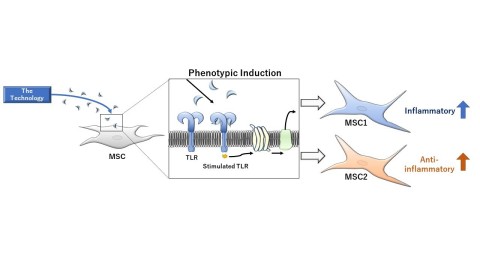 Image of the Technology of MSC1 and MSC2 (Graphic: Business Wire)