Search This Blog

Sunday, January 19, 2020

Factbox: Coronavirus outbreak in Chinese city of Wuhan

Chinese authorities and the World Health Organization (WHO) say a new strain of coronavirus is behind the outbreak of pneumonia in the central city of Wuhan, which has erupted just ahead of the Lunar New Year, the country’s biggest festival.
Some experts say the strain may not be as deadly as some other strains of coronavirus such as Severe Acute Respiratory Syndrome, which killed nearly 800 people worldwide during a 2002/03 outbreak that also originated from China. But little is known about the new virus, including its origin and how easily it can be transmitted between humans.

KNOWN CASES

Chinese authorities confirmed 139 new cases of the virus and a third death from the outbreak on Jan 20. The new cases include three patients outside of Wuhan, including two in Beijing, marking the first instances of the virus spreading to other Chinese cities. [nL4N29O176]
As of Jan. 20, there were more than 200 confirmed cases of patients with pneumonia caused by the new strain of coronavirus. Their symptoms included fever, coughing and difficulty breathing. [nL4N29N026]
Of the 198 patients in Wuhan itself, three have died and 25 have been cured.
Thailand has also reported two confirmed cases of the pneumonia, both of whom were Chinese tourists from Wuhan. Japan has also confirmed one case of a Japanese citizen who visited Wuhan.

LITTLE KNOWN ABOUT VIRUS ITSELF

China’s National Health Commission said in a statement on Jan. 19 the source of the virus hasn’t been found and that its transmission path has not been fully mapped.
The outbreak is strongly linked to a seafood market in Wuhan, but some patients diagnosed with the new coronavirus deny exposure to this market.
Health officials have said there is no clear evidence the virus spreads easily from one person to another, but they cannot rule out the possibility of human-to-human transmission.
Wuhan municipal authorities released information about a married couple that contracted the virus on Jan. 15. The husband, who got sick first, worked at the market but the wife denied any exposure to the market in question. [nL4N29K2A6]
The authorities did not explicitly state whether this was a case of human-to-human transmission, however.

COUNTERMEASURES

There is no vaccine for the new virus. Symptoms include fever, difficulty in breathing as well as pneumonic infiltrates in the lungs.
Chinese authorities have stepped up monitoring and disinfection efforts ahead of the Lunar New Year holiday in late January, when many of the country’s 1.4 billion people will travel domestically and overseas.
Airport authorities in the United States as well as many Asian countries, including Japan, Thailand, Singapore and South Korea, have stepped up screening of passengers from Wuhan.
The World Health Organization sent directives to hospitals around the world on infection prevention and control.

China confirms 139 new cases over weekend, virus spreads to new cities

An outbreak of coronavirus in China is spreading to more cities, Chinese authorities reported on Monday, with 139 new cases found over the weekend, including a third death.
The Daxing health commission in the capital Beijing said it had confirmed two cases of coronavirus, while the southern Guangdong province’s health commission confirmed one case in Shenzhen.
The new cases, the first inside China outside the central city of Wuhan where the virus was first reported, come as the country gears up for the Lunar New Year holidays later this week, when hundreds of millions of Chinese travel domestically and abroad.
The Wuhan Municipal Health Commission said in a statement that 136 new cases of coronavirus had been discovered in the city on Saturday and Sunday.
As of late Sunday, 198 cases in total had been reported in Wuhan, including three deaths. Some 170 people were still being treated in the hospital, while 25 had been cured, it said. The statement gave no further details of the latest death toll.
Outside China, two cases have been reported in Thailand and one in Japan, all involving people from Wuhan or who recently visited the city.
Beijing said on Sunday it will increase efforts to contain the coronavirus outbreak, while health authorities around the world are working to prevent its spread.
The new virus belongs to the same family of coronaviruses that causes Severe Acute Respiratory Syndrome (SARS), which killed nearly 800 people globally during a 2002/03 outbreak that also started in China.
Some experts say the new virus may not be as deadly as SARS, but there is still little known about it including its origin and how easily it can be transmitted between humans.

5 essential reads about winter snow and ice

As cold weather settles in across North America, some communities have already started up their snowplows, while others keep watchful eyes on the forecast. Snow and ice can wreck travel plans, but they also play important ecological roles. And frozen water can take amazing forms. For days when all talk turns to winter weather, we spotlight these five stories from our archives.

1. The strange forms water can take

Beyond snowflakes and icicles, frozen water can behave in surprising ways. For example, during very cold snaps, lakes can appear to steam like a sauna bath.
As Colorado State University atmospheric scientist Scott Denning explains, this happens because the liquid water in the lake can’t be colder than the freezing point – about 32 degrees Fahrenheit. As water evaporates from the relatively warm lake into the cold dry air, it condenses from vapor (gaseous water) to tiny droplets of water in the air, which look like steam.
When it gets extremely cold, ice can form on the ocean’s surface. Waves break it up, so the water starts to look like an undulating slurpee. “For anyone willing to brave the cold, it’s wild to stand by the shore and watch the smoking slushy sea with its slow-motion surf,” Denning writes.

2. How road salt tames ice

When a big storm is forecast, utility trucks often will head out to pre-treat streets and highways, typically spraying rock salt or saltwater solutions. But contrary to popular belief, salt doesn’t melt ice.
Water freezes at 32 degrees Fahrenheit, but mixing it with salt lowers its freezing point. “The salt impedes the ability of the water molecules to form solid ice crystals,” explains Julie Pollock, assistant professor of chemistry at the University of Richmond. “The degree of freezing point depression depends on how salty the solution is.” When dry salt is spread on ice, it relies on the sun or the friction of car tires to melt the ice, then keeps it from re-freezing.
Pulses of salt can harm plants, water bodies and aquatic organisms when it washes off of roads – especially during spring runoff, which can carry huge doses. Researchers are working to find more benign options, and are currently studying additives including molasses and beet juice.
Testing beet brine as an environmentally friendly road deicer in Canada.

3. Why trees need snow

Snow may seem like nothing but trouble, especially if you have to shovel it. But it’s also a valuable resource. In the Northeast, environmental scientists Andrew Reinmann and Pamela Templer have found that winter snow cover acts like a blanket, protecting tree roots and soil organisms from the cold.
In experimental forest plots where Reinmann and Templer removed snow from the ground, they have observed that
“…frost penetrates a foot or more down into the soil, while it rarely extends more than two inches deep in nearby reference plots with unaltered snowpack. And just as freeze-thaw cycles create potholes in city streets, soil freezing abrades and kills tree roots and damages those that survive.”
Climate change is shortening northeast winters and decreasing snowfall, with serious effects on forests. “Losing snowpack can reduce forest growth, carbon sequestration and nutrient retention, which will have important implications for climate change and air and water quality all year-round,” Reinmann and Templer predict.

4. Frozen reservoirs

Snow is even more valuable in western states, where many communities get large shares of their drinking water from snowpack that lingers at high altitudes well into the warm months. Here, too, warming winters mean less snow, and scientists are already observing “snow droughts.”
Adrienne Marshall a research fellow studying hydrology and climate change at the University of Idaho, defines a snow drought as a year with snowpack so low that historically it would only happen once every four years or less.
“Today, back-to-back snow droughts in the western U.S. occur around 7% of the time,” she writes. “By mid-century, if greenhouse gas emissions continue to increase, our results predict that multiyear snow droughts will occur in 42% of years on average.”
Snowpack is also melting earlier in the spring, which means less water is available in summer. These changes are affecting cities, farms, forests, wildlife and the outdoor recreation industry across the West year-round.
Laura Cunningham@PaleoLaura
Today’s  on Montgomery Pk in northern White Mtns CA, seen from down in Benton Valley. Very good snow for June!
View image on Twitter

5. Can we make it snow?

If nature doesn’t deliver as much snow as we need, what about helping it along? Many western states and agencies have tried to do just that for years by cloud-seeding – adding particles to the atmosphere that are thought to serve as artificial ice crystals, promoting the formation of snow.
There’s just one hitch: No one has proved it actually works. Nonetheless, “Western states need water, and many decision-makers believe that cloud seeding can be a cost-effective way to produce it,” write atmospheric scientists Jeffrey French and Sarah Tessendorf.
In a 2018 study, French, Tessendorf and colleagues used new computer modeling tools and advanced radar to see whether they could detect ice crystals forming on silver iodide particles injected into clouds. They hung imaging probes from the wings of research planes, which flew in and out of the seeded areas of clouds. Sure enough, in those zones ice crystal formation increased by hundreds, leading to the formation of snow. No such results occurred in non-seeded regions.
More research is needed to see whether cloud seeding can change water balances over large areas. And ultimately, even if that proves to be true, another question will remain: Whether it’s worth the cost.

Tracking your heart rate? 5 questions answered about what that number means

The rise of wearable fitness trackers has increased the number of people monitoring their heart rate, both throughout the day and during exercise.
Whether you’re an athlete trying to gain the competitive edge, a weekend warrior tracking progress or someone who is just trying to improve your health, consider heart rate a valuable tool in understanding the work of your amazing body as it achieves those first steps, that next 5K or even Olympic gold.
Heart rate is one of your body’s most basic vital signs, yet many people have questions about what heart rate really tells them. What should your target heart rate be during exercise? Does it even matter?

1. What is your heart rate?

First, the basics: Your heart rate, also sometimes called your pulse rate, is the number of times your heart contracts per minute.
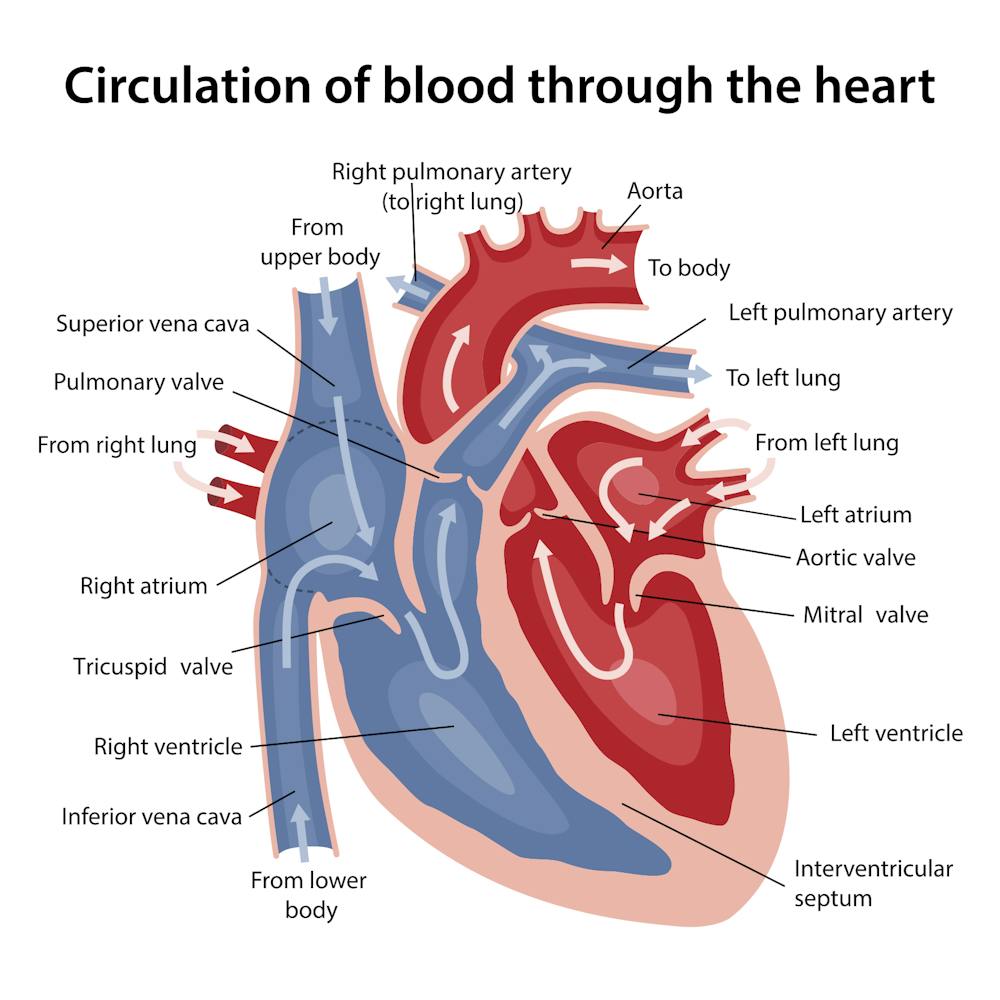
The left ventricle does the bulk of the work, pumping your blood through your aorta off to the rest of your body. Olga Bolbot/Shutterstock.com
Physiologists like me focus on the contractions of the left ventricle, the chamber of the heart that generates pressure to drive blood out through the aorta and on to the entire body. The heart’s pumping capacity directly relates to its ability to deliver oxygen to the body’s organs.
If you’re running up the stairs or hauling something heavy, your muscles and organs are going to need more oxygen to help power your actions. And so your heart beats faster.

2. How do you measure heart rate?

The easiest way to measure heart rate is to find your pulse and count the number of pulses felt over the course of one minute.
In adults, the best places to feel for a pulse are large arteries that are near the surface of the skin, such as the carotid at the side of your neck or the radial on the underside of your wrist. If feeling for the carotid pulse, don’t press hard enough to disrupt blood flow to and from the head.
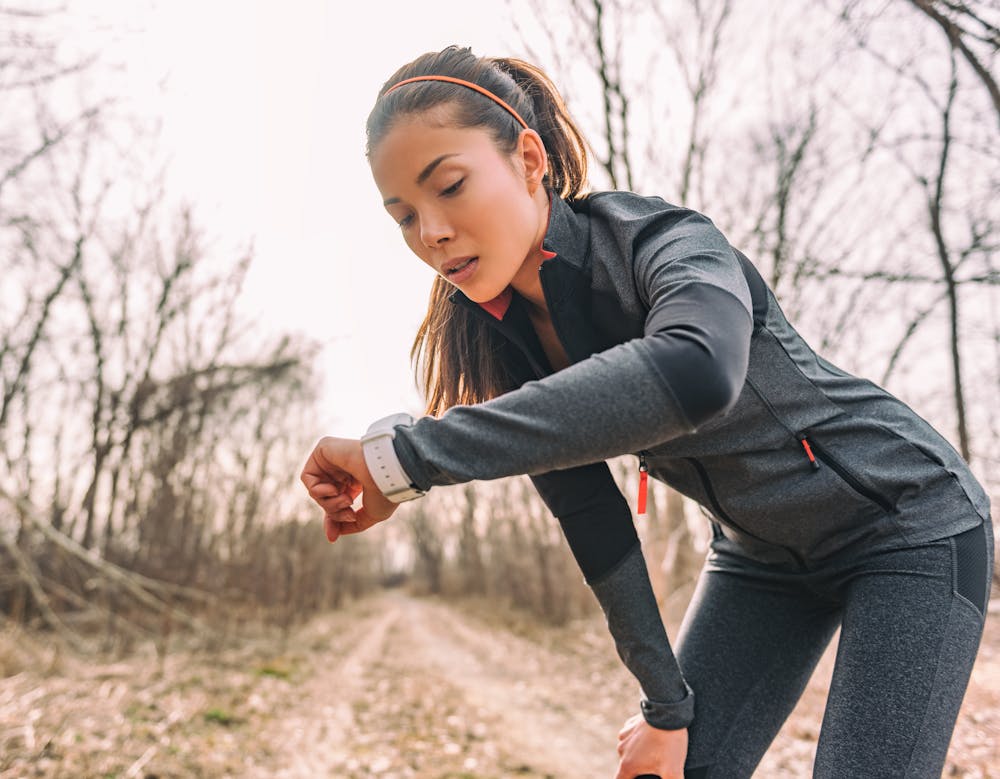
More recently, watches and other wrist-based fitness monitors have incorporated optical sensors to track heart rate. These wearable devices use technology called photoplethysmography, which has been around since the mid-1970s. Each beat of your heart sends a little surge of blood through your veins. The monitor detects this by shining green light onto your skin and then analyzing the light that gets refracted back by the red blood flowing underneath.
This kind of heart-rate monitoring is popular, but it has shortcomings for people with dark skin.
Some exercisers rely on chest straps that measure electrical activity and then transmit that signal to a watch or other display device. This technique depends on picking up the electrical signals within your body that direct your heart to beat.
For the most part, the two techniques are about equally accurate.

3. What controls your heart rate?

Your autonomic nervous system is mostly in charge of your heart rate. That’s the portion of the nervous system that runs without your even thinking about it.
In healthy hearts, as someone begins to exercise, the autonomic nervous system does two things. First, it removes the “brake” that keeps your heart beating slowly and steadily under normal conditions. And then it “hits the gas” to actively stimulate the heart to beat faster.
In addition, the amount of blood ejected from the left ventricle with each heart beat – called the stroke volume – increases, particularly during the initial stages of exercise.
Together, higher stroke volume and more beats per minute mean the amount of blood delivered by the heart increases to match the increased oxygen demand of exercising muscles.
Working hard or hardly working? Maridav/Shutterstock.com

4. How does heart rate relate to exercise intensity?

As your exercise session becomes more intense and more work is done, your heart beats faster and faster. This relationship means you can use heart rate as a surrogate measure for the intensity of exertion, relative to one’s maximal heart rate.
Your maximum heart rate is the fastest your heart can functionally beat. So how do you know what your number actually is?
In order to determine your maximum heart rate, you could do increasingly difficult exercise, like walking on a treadmill and increasing the grade each minute, until you can no longer keep up. But it’s much more common (and often safer!) to estimate it. Many studies have identified that maximal heart rate goes down with age, and thus age is included in all estimation equations.
The most common and simplest prediction equation is: Maximal heart rate is equal to 220 minus your age. From that number, you can calculate a percentage of maximum to provide target heart rate ranges in the moderate (50%-70%) or vigorous (70%-85%) categories of exercise, important in terms of meeting the recommended levels of exercise for overall health benefits.
Interestingly, this equation, while perhaps most common, wasn’t based upon empirical research and is not as accurate as others you can try, like your age multiplied by 0.7 and then subtracted from 208.
As with any prediction equation, there is always some individual variability. To accurately know your max heart rate at your current age, you’d need to measure it during maximal exercise.

5. Why is exercise intensity important?

In addition to helping you to know whether you’re meeting general recommendations for exercise, knowing the intensity of a given workout session can be of benefit in other ways.
First, the body uses different primary sources of energy to fuel exercise of different relative intensities. During lower-intensity exercise, a greater proportion of the energy you’re using comes from fat sources in your body. During higher-intensity exercise, more of the energy utilized comes from carbohydrate sources.
But don’t slow that treadmill down just yet if you’re hoping to drop pounds of fat. Lower-intensity exercise also requires less energy overall. So, to burn the same amount of calories with lower-intensity exercise, you’ll need to exercise for longer than you would at a higher intensity.
Secondly, the intensity of a set amount of work – like a particular speed/grade combo on the treadmill, or a certain wattage on a rowing ergometer – reflects your overall fitness. Once you can complete the same amount of work at a lower relative intensity – like if you can run a mile in the same amount of time but with your heart beating slower than it did in the past – you know you’ve gained fitness. And increased fitness is associated with a decrease in death from any cause.

Blood type may affect vulnerability to norovirus, the winter vomiting virus

In the last few months, schools all over the country have closed because of outbreaks of norovirus. Also known as stomach flu, norovirus infections cause watery diarrhea, low-grade fever and, most alarming of all, projectile vomiting, which is an extremely effective way of spreading the virus.
Norovirus is very infectious and spreads rapidly through a confined population, such as at a school or on a cruise ship. Although most sufferers recover in 24 to 48 hours, norovirus is a leading cause of childhood illness and, in developing countries, results in about 50,000 child deaths each year.
Interestingly, not everyone is equally vulnerable to the virus, and whether you get sick or not may depend on your blood type.
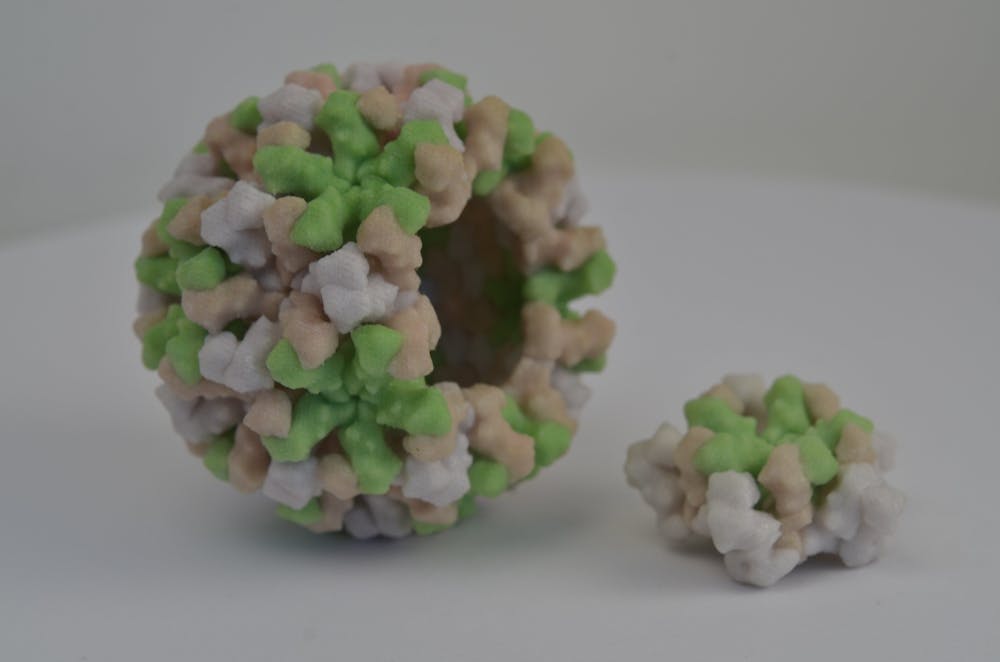
3D print of Norwalk virus, a type of norovirus. Noroviruses are the most common cause of acute gastroenteritis (infection of the stomach and intestines) in the United States. NIH

Norovirus is hard to get rid of

I am a microbiologist, and I got interested in norovirus because, while norovirus symptoms are distressing under any circumstances, my encounter with the virus was particularly inconvenient. During a seven-day rafting trip down the Grand Canyon, the illness passed through the rafters and crew, one by one. Obviously, the wilderness sanitary facilities were not the best to cope with this outbreak. Luckily, everyone, including me, recovered quickly. It turns out that norovirus outbreaks on Colorado River rafting trips are common.
As debilitating as the illness it causes can be, the norovirus particle is visually beautiful. It is a type of virus known as “non-enveloped” or “naked,” which means that it never acquires the membrane coating typical of other viruses, such as the flu virus. The norovirus surface is a protein coat, called the “capsid.” The capsid protects the norovirus’ genetic material.
The naked capsid coat is one factor that makes norovirus so difficult to control. Viruses with membrane coatings are susceptible to alcohol and detergents, but not so norovirus. Norovirus can survive temperatures from freezing to 145 degrees Fahrenheit (about the maximum water temperature in a home dishwasher), soap and mild solutions of bleach. Norovirus can persist on human hands for hours and on solid surfaces and food for days and is also resistant to alcohol-based hand sanitizers.
To make things worse, only a tiny dose of the virus – as few as 10 viral particles – is needed to cause disease. Given that an infected person can excrete many billions of viral particles, it’s very difficult to prevent the virus from spreading.
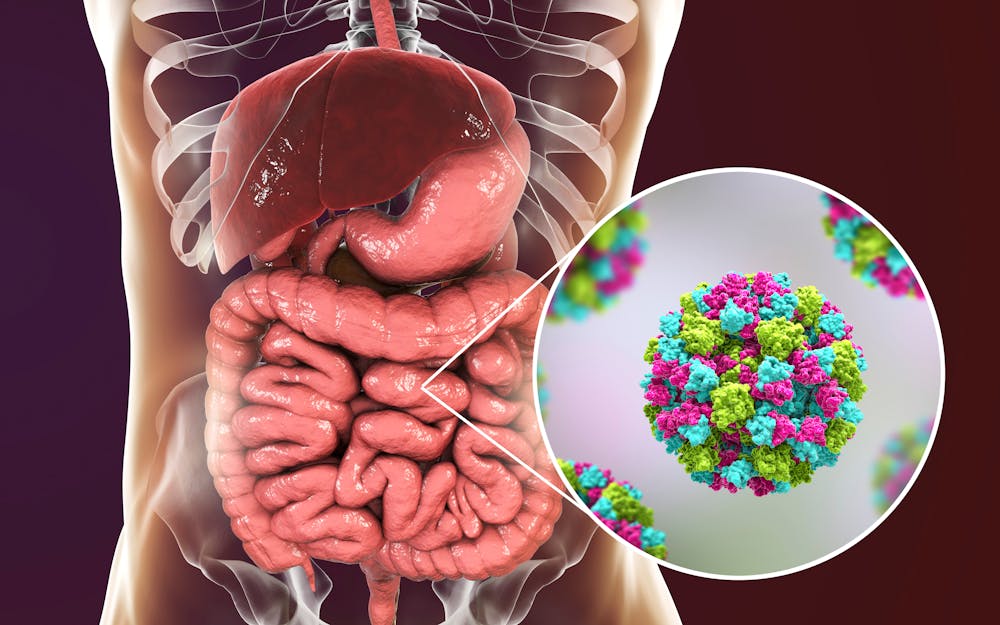
Norovirus, also called winter vomiting bug, infects cells in the human intestine causing diarrhea, vomiting and stomach pain. Kateryna Kon/Shutterstock.com

Susceptibility to norovirus depends on blood type

When norovirus is ingested, it initially infects the cells that line the small intestine. Researchers don’t know exactly how this infection then causes the symptoms of the disease. But a fascinating aspect of norovirus is that, after exposure, blood type determines, in a large part, whether a person gets sick.
Your blood type – A, B, AB or O – is dictated by genes that determine which kinds of molecules, called oligosaccharides, are found on the surface of your red blood cells. Oligosaccharides are made from different types of sugars linked together in complex ways.
The same oligosaccharides on red blood cells also appear on the surface of cells that line the small intestine. Norovirus and a few other viruses use these oligosaccharides to grab onto and infect the intestinal cells. It’s the specific structure of these oligosaccharides that determines whether a given strain of virus can attach and invade.
The presence of one oligosaccharide, called the H1-antigen, is required for attachment by many norovirus strains.
People who do not make H1-antigen in their intestinal cells make up 20% of the European-derived population and are resistant to many strains of norovirus.
More sugars can be attached to the H1-antigen to give the A, B or AB blood types. People who can’t make the A and B modifications have the O blood type.
Each blood type is distinguished by a different sugar marker on the red blood cell. Cells lining the intestine also have these sugar markers. Fernando Jose V. Soares/Shutterstock.com

Different strains of norovirus infect different people

Norovirus evolves rapidly. There are 29 different strains currently known to infect humans, and each strain has different variants. Each one has different abilities to bind to the variously shaped sugar molecules on the intestinal cell surface. These sugars are determined by blood type.
If a group of people is exposed to a strain of norovirus, who gets sick will depend on each person’s blood type. But, if the same group of people is exposed to a different strain of norovirus, different people may be resistant or susceptible. In general, those who do not make the H1-antigen and people with B blood type will tend to be resistant, whereas people with A, AB, or O blood types will tend to get sick, but the pattern will depend on the specific strain of norovirus.
This difference in susceptibility has an interesting consequence. When an outbreak occurs, for example, on a cruise ship, roughly a third of the people may escape infection. Because they do not know the underlying reason for their resistance, I think spared people engage in magical thinking – for example, “I didn’t get sick because I drank a lot of grape juice.” Of course, these mythical evasive techniques will not work if the next outbreak is a strain to which the individual is susceptible.

Immunity to norovirus is short-lived

A norovirus infection provokes a robust immune response that eliminates the virus in a few days. However, the response appears to be short-lived. Most studies have found that immunity guarding against reinfection with the same norovirus strain lasts less than six months. Also, infection with one strain of norovirus offers little protection against infection from another. Thus, you can have repeated bouts with norovirus.
The diversity of norovirus strains and the impermanence of the immune response complicates development of an effective vaccine. Currently, clinical trials are testing the effects of vaccines made from the capsid proteins of the two most prevalent norovirus strains.
In general, these experimental vaccines produce good immune responses; the longevity of the immune response is now under study. The next phase of clinical trials will test if the vaccines actually prevent or reduce the symptoms of norovirus infection.

3D printing of body parts is coming fast – but regulations are not ready

In the last few years, the use of 3D printing has exploded in medicine. Engineers and medical professionals now routinely 3D print prosthetic hands and surgical tools. But 3D printing has only just begun to transform the field.
Today, a quickly emerging set of technologies known as bioprinting is poised to push the boundaries further. Bioprinting uses 3D printers and techniques to fabricate the three-dimensional structures of biological materials, from cells to biochemicals, through precise layer-by-layer positioning. The ultimate goal is to replicate functioning tissue and material, such as organs, which can then be transplanted into human beings.
We have been mapping the adoption of 3D printing technologies in the field of health care, and particularly bioprinting, in a collaboration between the law schools of Bournemouth University in the United Kingdom and Saint Louis University in the United States. While the future looks promising from a technical and scientific perspective, it’s far from clear how bioprinting and its products will be regulated. Such uncertainty can be problematic for manufacturers and patients alike, and could prevent bioprinting from living up to its promise.

From 3D printing to bioprinting

Bioprinting has its origins in 3D printing. Generally, 3D printing refers to all technologies that use a process of joining materials, usually layer upon layer, to make objects from data described in a digital 3D model. Though the technology initially had limited applications, it is now a widely recognized manufacturing system that is used across a broad range of industrial sectors. Companies are now 3D printing car parts, education tools like frog dissection kits and even 3D-printed houses. Both the United States Air Force and British Airways are developing ways of 3D printing airplane parts.
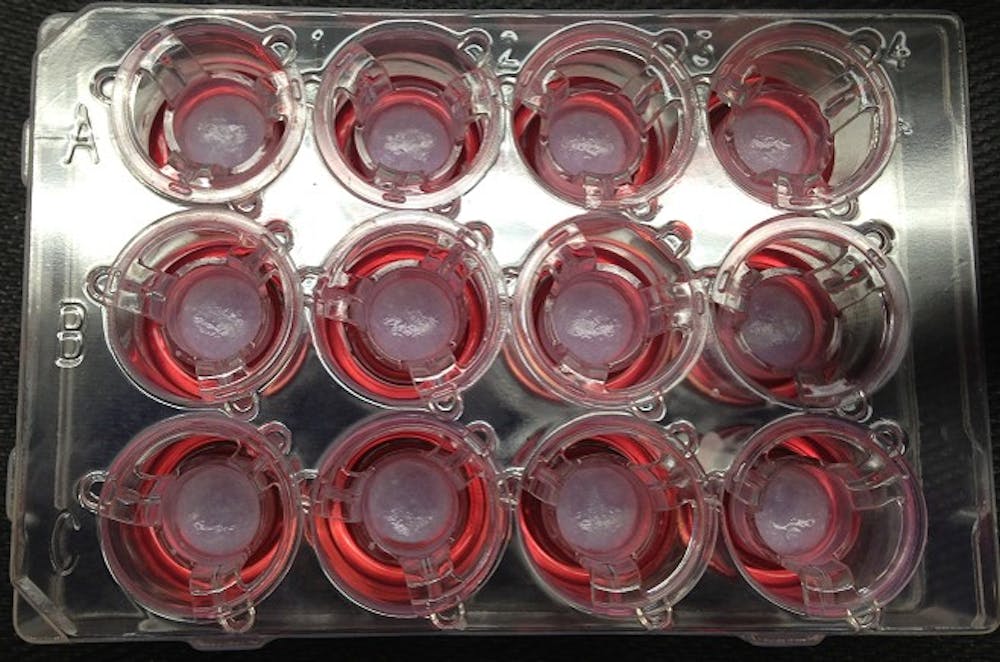
The NIH in the U.S. has a program to develop bioprinted tissue that’s similar to human tissue to speed up drug screening. Paige Derr and Kristy Derr, National Center for Advancing Translational Sciences
In medicine, doctors and researchers use 3D printing for several purposes. It can be used to generate accurate replicas of a patient’s body part. In reconstructive and plastic surgeries, implants can be specifically customized for patients using “biomodels” made possible by special software toolsHuman heart valves, for instance, are now being 3D printed through several different processes although none have been transplanted into people yet. And there have been significant advances in 3D print methods in areas like dentistry over the past few years.
Bioprinting’s rapid emergence is built on recent advances in 3D printing techniques to engineer different types of products involving biological components, including human tissue and, more recently, vaccines.
While bioprinting is not entirely a new field because it is derived from general 3D printing principles, it is a novel concept for legal and regulatory purposes. And that is where the field could get tripped up if regulators cannot decide how to approach it.

State of the art in bioprinting

Scientists are still far from accomplishing 3D-printed organs because it’s incredibly difficult to connect printed structures to the vascular systems that carry life-sustaining blood and lymph throughout our bodies. But they have been successful in printing nonvascularized tissue like certain types of cartilage. They have also been able to produce ceramic and metal scaffolds that support bone tissue by using different types of bioprintable materials, such as gels and certain nanomaterials. A number of promising animal studies, some involving cardiac tissueblood vessels and skin, suggest that the field is getting closer to its ultimate goal of transplantable organs.
Researchers explain ongoing work to make 3d-printed tissue that could one day be transplanted into a human body.
We expect that advancements in bioprinting will increase at a steady pace, even with current technological limitations, potentially improving the lives of many patients. In 2019 alone, several research teams reported a number of breakthroughs. Bioengineers at Rice and Washington Universities, for example, used hydrogels to successfully print the first series of complex vascular networks. Scientists at Tel Aviv University managed to produce the first 3D-printed heart. It included “cells, blood vessels, ventricles and chambers” and used cells and biological materials from a human patient. In the United Kingdom, a team from Swansea University developed a bioprinting process to create an artificial bone matrix, using durable, regenerative biomaterial.

‘Cloneprinting’

Though the future looks promising from a technical and scientific perspective, current regulations around bioprinting pose some hurdles. From a conceptual point of view, it is hard to determine what bioprinting effectively is.
Consider the case of a 3D-printed heart: Is it best described as an organ or a product? Or should regulators look at it more like a medical device?
Regulators have a number of questions to answer. To begin with, they need to decide whether bioprinting should be regulated under new or existing frameworks, and if the latter, which ones. For instance, should they apply regulations for biologics, a class of complex pharmaceuticals that includes treatments for cancer and rheumatoid arthritis, because biologic materials are involved, as is the case with 3D-printed vaccines? Or should there be a regulatory framework for medical devices better suited to the task of customizing 3D-printed products like splints for newborns suffering from life-threatening medical conditions?
In Europe and the U.S., scholars and commentators have questioned whether bioprinted materials should enjoy patent protection because of the moral issues they raise. An analogy can be drawn from the famed Dolly the sheep over 20 years ago. In this case, it was held by the U.S. Court of Appeals for the Federal Circuit that cloned sheep cannot be patented because they were identical copies of naturally occurring sheep. This is a clear example of the parallels that exist between cloning and bioprinting. Some people speculate in the future there will be ‘cloneprinting,’ which has the potential for reviving extinct species or solving the organ transplant shortage.
Dolly the sheep’s example illustrates the court’s reluctance to traverse this path. Therefore, if, at some point in the future, bioprinters or indeed cloneprinters can be used to replicate not simply organs but also human beings using cloning technologies, a patent application of this nature could potentially fail, based on the current law. A study funded by the European Commission, led by Bournemouth University and due for completion in early 2020 aims to provide legal guidance on the various intellectual property and regulatory issues surrounding such issues, among others.
On the other hand, if European regulators classify the product of bioprinting as a medical device, there will be at least some degree of legal clarity, as a regulatory regime for medical devices has long been in place. In the United States, the FDA has issued guidance on 3D-printed medical devices, but not on the specifics of bioprinting. More important, such guidance is not binding and only represents the thinking of a particular agency at a point in time.

Cloudy regulatory outlook

Those are not the only uncertainties that are racking the field. Consider the recent progress surrounding 3D-printed organs, particularly the example of a 3D-printed heart. If a functioning 3D-printed heart becomes available, which body of law should apply beyond the realm of FDA regulations? In the United States, should the National Organ Transplant Act, which was written with human organs in mind, apply? Or do we need to amend the law, or even create a separate set of rules for 3D-printed organs?
We have no doubt that 3D printing in general, and bioprinting specifically, will advance rapidly in the coming years. Policymakers should be paying closer attention to the field to ensure that its progress does not outstrip their capacity to safely and effectively regulate it. If they succeed, it could usher in a new era in medicine that could improve the lives of countless patients.

No shield from X-rays: Rethinking lead aprons

Patients have come to expect a technician to drape their torsos with a heavy lead apron when they get an X-ray, but new thinking among radiologists and medical physicists is upending the decades-old practice of shielding patients from radiation.
Some hospitals are ditching the ritual of covering reproductive organs and fetuses during imaging exams after prominent medical and scientific groups have said it’s a feel-good measure that can impair the quality of diagnostic tests and sometimes inadvertently increase a patient’s radiation exposure.
The about-face is intended to improve care, but it will require a major effort to reassure regulators,  and the public that it’s better not to shield.
Fear of radiation is entrenched in the collective psyche, and many people are surprised to learn that shielding can cause problems. The movement also has yet to gain much traction among dentists, whose offices perform more than half of all X-rays.
“There’s this big psychological component, not only with patients but with staff,” said Rebecca Marsh, a medical physicist at the University of Colorado Anschutz Medical Campus in Aurora, Colorado, who spoke about shielding at a December forum here at the annual meeting of the Radiological Society of North America. “How do you approach something that is so deeply ingrained in the minds of the health care community and the minds of patients?”
Covering testicles and ovaries during X-rays has been recommended since the 1950s, when studies in fruit flies prompted concern that radiation might damage human DNA and cause birth defects. Only in the past decade did radiology professionals start to reassess the practice, based on changes in imaging technology and a better understanding of radiation’s effects.
Lead shields are difficult to position accurately, so they often miss the target area they are supposed to protect. Even when in the right place, they can inadvertently obscure areas of the body a doctor needs to see—the location of a swallowed object, say—resulting in a need to repeat the imaging process, according to the American Association of Physicists in Medicine, which represents physicists who work in hospitals.
Shields can also cause automatic exposure controls on an X-ray machine to increase radiation to all parts of the body being examined in an effort to “see through” the lead.
Moreover, shielding doesn’t protect against the greatest radiation effect: “scatter,” which occurs when radiation ricochets inside the body, including under the shield, and eventually deposits its energy in tissues.
Still, Dr. Cynthia Rigsby, a radiologist at Chicago’s Ann & Robert H. Lurie Children’s Hospital, called the move away from shielding a “pretty substantial” change. “I don’t think it’s going to happen overnight,” she added.
In April, the physicists’ association recommended that shielding of patients be “discontinued as routine practice.” Its statement was endorsed by several groups, including the American College of Radiology and the Image Gently Alliance, which promotes safe pediatric imaging.
Around the same time, the Food and Drug Administration proposed removing from the federal code a 1970s recommendation to use shielding. A final rule is expected in September.
In the coming year, the National Council on Radiation Protection and Measurements, which gives guidance to regulatory bodies, is expected to release a statement supporting a halt to patient shielding.
However, experts continue to recommend that health care workers in the imaging area protect themselves with leaded barriers as a matter of occupational safety.
Groups in Canada and Australia have endorsed the change, and a movement to abandon lead shields is underway in Great Britain, according to Marsh.
Marsh, who’s helping direct the educational effort, said perhaps a dozen U.S. hospitals have changed their official policies, but “most hospitals are starting to have the conversation.”
Chicago’s Lurie  is launching an “Abandon the Shield” campaign to educate staff, patients and caregivers before it stops shielding across the organization this spring, Rigsby said. Shielding is used for most of the 70,000 X-ray procedures performed annually at Lurie in a variety of settings, from orthopedics to the emergency department.
A few miles away, at the University of Chicago Medicine hospitals, the recommendation to stop shielding “came as kind of a shock,” said Dr. Kate Feinstein, chief of pediatric radiology.
Feinstein said it seems contrary to what radiology professionals are taught, and she’s uncertain how it applies to her department, which already takes steps to reduce the chance that a shield will interfere with an exam. “We apply our shields correctly, and our technologists are incredibly well trained,” she said.
Nevertheless, Feinstein said, her department is weighing a halt to routine shielding.
Some hospitals are concerned about violating state regulations. As of last spring, at least 46 states, including Illinois, required shielding of reproductive organs if they are close to the area being examined, unless shielding would interfere with the diagnostic quality of the exam, according to the medical physicists’ association.
Some states are revising their regulations. In some cases, hospitals have applied for waivers or sidestepped state rules by taking the stance that a shield has the potential to affect diagnostic quality anytime it is used, Marsh said.
The amount of radiation needed for an X-ray is about one-twentieth of what it was in the 1950s, and scientists have found no measurable harm to ovaries and testicles of patients from radiation exposure that comes from diagnostic imaging after decades of looking at data.
“What we know now is that there is likely no (hereditary) risk at all,” said Dr. Donald Frush, a radiologist at Lucile Packard Children’s Hospital Stanford in Palo Alto, California, who chairs the Image Gently Alliance.
There’s also no evidence that fetuses are harmed by even a relatively high amount of radiation exposure, such as that from a CT scan of the abdomen, Marsh said.
Nevertheless, some patients may insist on shielding. The physicists’ group suggested that when hospitals craft their policies they consider that shielding may “calm and comfort.”
“I don’t think any of us are advocating to never use it,” Frush said.
Public confusion might develop if dentists continue to shield while hospitals don’t. An estimated 275 million medical X-ray exams were performed in the U.S. in 2016, but 320 million dental X-rays were done.
Mahadevappa Mahesh, the chief physicist at Johns Hopkins Hospital, said there’s been less outreach to dentists on the topic. “It’s high time we bring them into the discussion,” he said.
The American Dental Association states abdominal shielding “may not be necessary” but has continued to recommend using lead collars to shield the thyroid “whenever possible.”
But Mahesh, who’s on the board of the physicists’ association, cautioned that lead collars to protect the thyroid may not be helpful and could obscure images taken by newer 3-D dental imaging machines.
Contacted for a response, the dental association said its guidance on shielding is under review.
Technologists especially will need support in educating patients and families “so they are not feeling like they are walking into a disastrous conversation,” said Marsh, the medical physicist.
She is doing her part. At the radiology conference, Marsh strummed a banjo and sang her version of the Woody Guthrie ballad “So Long, It’s Been Good to Know Yuh,” with lyrics like: “To get rid of shielding at first may seem strange, but the time is upon us to embrace this change.”

Explore further