Search This Blog

Tuesday, March 12, 2024

Icahn drops Illumina board challenge threat

 Activist investor Carl Icahn has dropped a threat to mount a new challenge to Illumina's board, sparing the U.S. gene sequencing company from its second proxy contest in as many years, according to people familiar with the matter.

Icahn, who installed one of his nominees to Illumina's board last year through a proxy contest, had said in December he wanted to oust more Illumina directors, blaming them for the company losing three-quarters of its market value because of mismanagement and its soured $7.1 billion acquisition of blood test maker Grail.

Icahn saw little value in a new proxy contest after Illumina took steps to comply with antitrust rulings to divest Grail, the sources added.

The 88-year-old billionaire investor is pressing on with a lawsuit he filed against Illumina board directors last year, accusing them of breaching their fiduciary duty by completing the acquisition of Grail in defiance of antitrust regulators.

The sources requested anonymity because Icahn's decision to abandon a second proxy contest has not been announced. Icahn and Illumina declined to comment.

Icahn had been preparing for a second proxy contest against Illumina for months, getting in touch with potential board directors and seeking counsel from experts on whether Illumina shareholders would back him, the sources said.

Icahn got enough Illumina shareholder support to get one of three nominees he put forward elected as board directors last year. Illumina CEO Francis deSouza was subsequently replaced by former Agilent Technologies executive Jacob Thaysen, and by December, the company announced had plans to divest Grail.

Illumina founded Grail and spun it off in 2016. Grail went on to raise funding from investors such as Bill Gates and Jeff Bezos. Illumina was left with a 12% stake, and decided in 2021 to acquire Grail to enter the cancer early-detection market.

The deal was opposed by antitrust regulators over concerns Illumina would stop Grail's rivals from accessing its technology to develop competing blood-based early cancer detection tests.


Biden Says He's "Counting On The Border Action Happening By Itself"

 by Steve Watson via Modernity.news,

Joe Biden gave perhaps his most baffling comments on the border to date Monday when he told a reporter that he is “counting on” some action to fix the crisis at the border to “happen by itself.”

Following another disastrous appearance in New Hampshire, more to follow, Biden stopped on the tarmac before shuffling up the small steps into Air Force One.

“When is a border executive action coming?” a reporter asked Biden.

“I’m counting on the border action happening by itself,” Biden responded.

What?

Those 94 executive actions he took shutting down Trump era border policies are just going to reverse themselves are they?

The wide open border is apparently going to close itself if left alone.

In reality this translates as “I’m not going to do anything.”

Earlier, Biden said there just needs to be an “orderly process” at the border. Form an orderly queue and it’ll sort itself out.

At the end of this little meeting, Biden asked his handlers if he was “allowed to take questions.” The answer was no, the press were quickly ushered away and the feed cut.

Biden was busy Monday. During a speech at the National League of Cities at the Marriott Marquis Washington, he slurred his way through a snorefest speech and then was again cut off by his handlers before he had a chance to go off script.

He attempted a pathetic half jog off the stage as handlers frantically waved him in the right direction:

In New Hampshire, Biden’s brain malfunctioned and he rambled incoherently again:

He called John McCain his “predecessor.” We all must’ve missed when McCain was president.

https://www.zerohedge.com/political/biden-says-hes-counting-border-action-happening-itself

Project Veritas Record Shows Top Pfizer Scientists Suppressed Concerns On COVID Boosters, MRNA Tech

 by Liam Cosgrove

Former Project Veritas & O’Keefe Media Group operative and Pfizer formulation analyst scientist Justin Leslie revealed previously unpublished recordings showing Pfizer’s top vaccine researchers discussing major concerns surrounding COVID-19 vaccines. Leslie delivered these recordings to Veritas in late 2021, but they were never published:

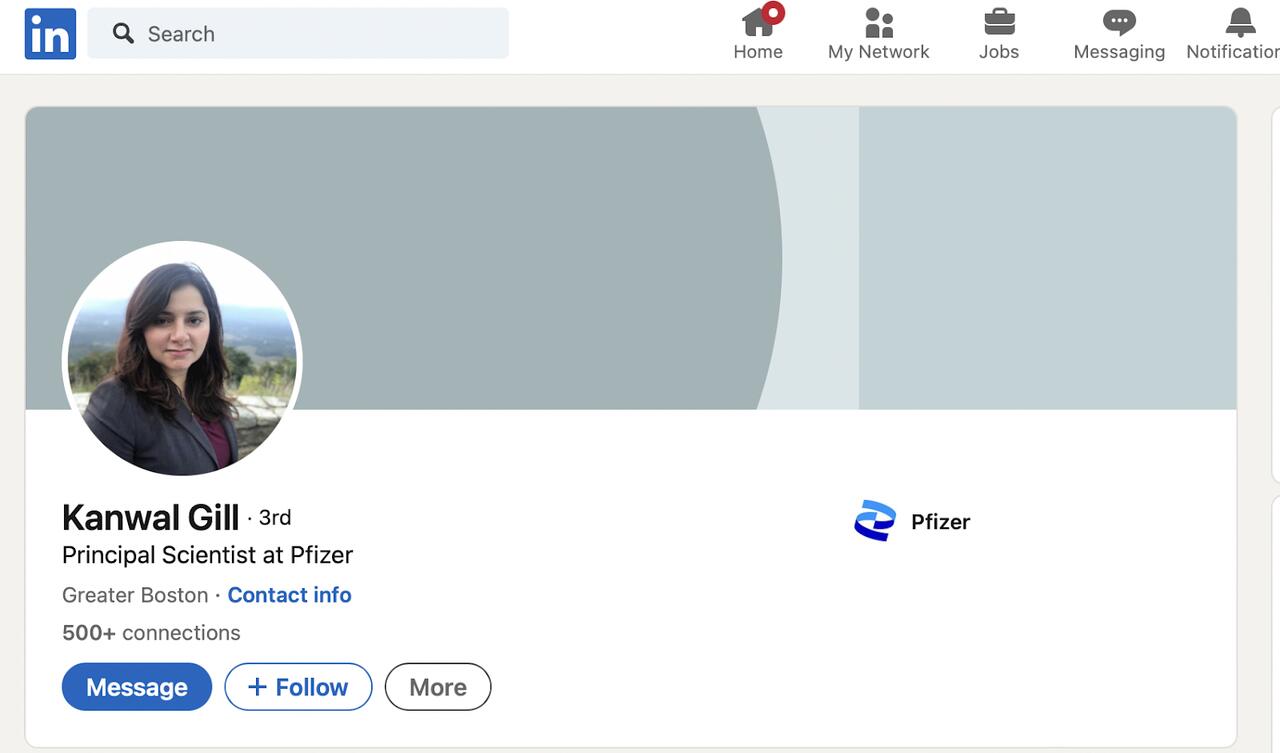
Featured in Leslie’s footage is Kanwal Gill, a principal scientist at Pfizer. Gill was weary of MRNA technology given its long research history yet lack of approved commercial products. She called the vaccines “sneaky,” suggesting latent side effects could emerge in time.

Gill goes on to illustrate how the vaccine formulation process was dramatically rushed under the FDA’s Emergency Use Authorization and adds that profit incentives likely played a role:

"It’s going to affect my heart, and I’m going to die. And nobody’s talking about that."

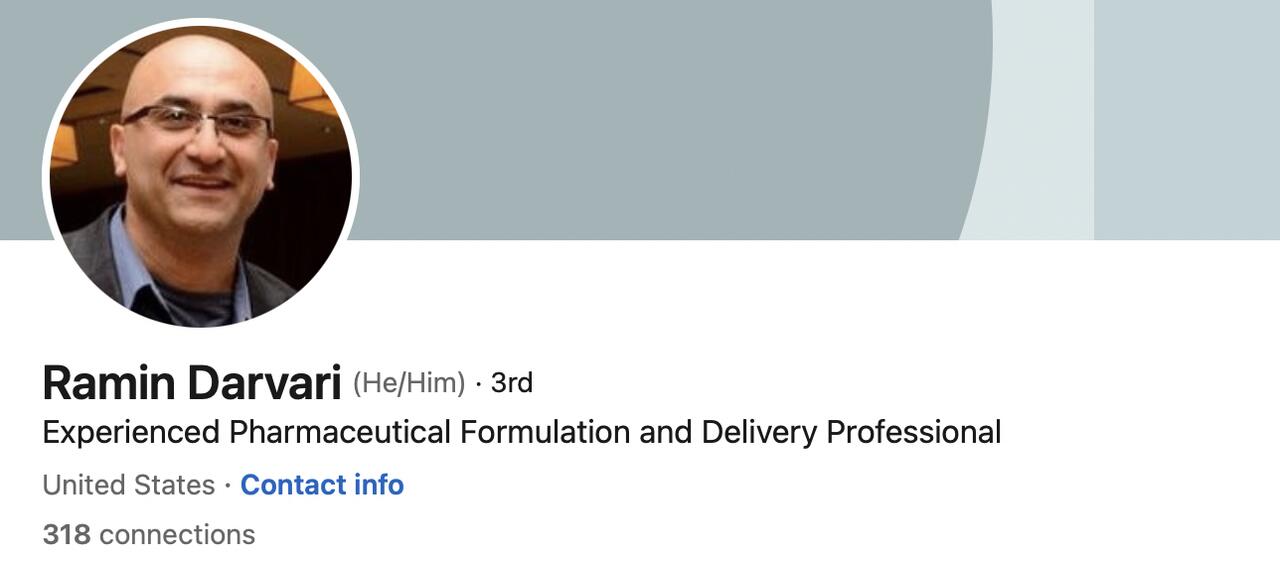
Leslie recorded another colleague, Pfizer’s pharmaceutical formulation scientist Ramin Darvari, who raised the since-validated concern that repeat booster intake could damage the cardiovascular system:

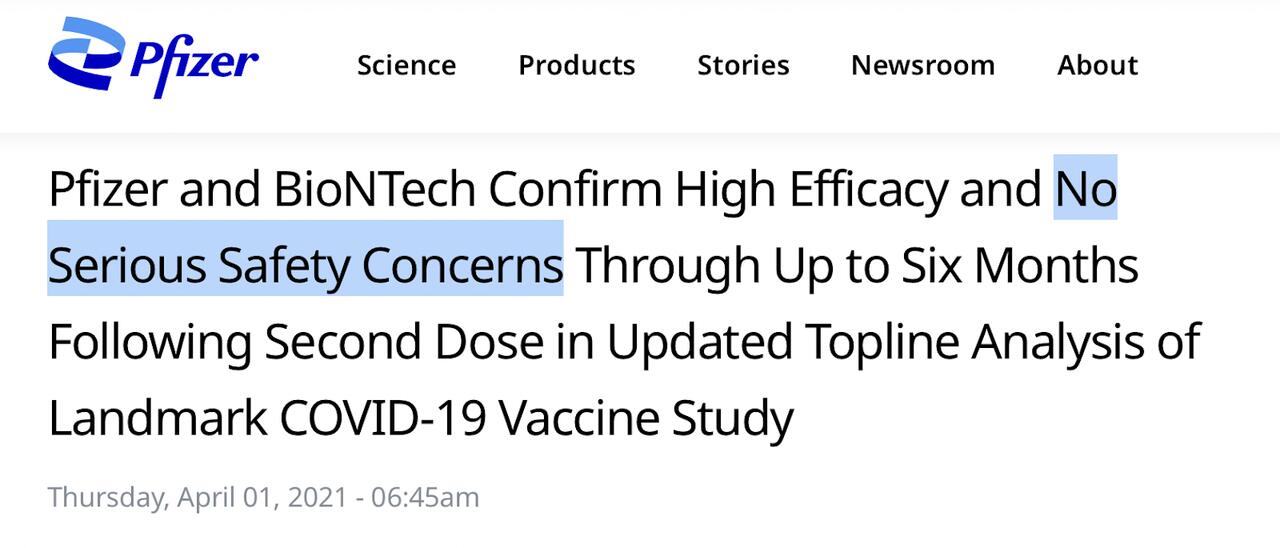
None of these claims will be shocking to hear in 2024, but it is telling that high-level Pfizer researchers were discussing these topics in private while the company assured the public of “no serious safety concerns” upon the jab’s release:

Vaccine for Children is a Different Formulation

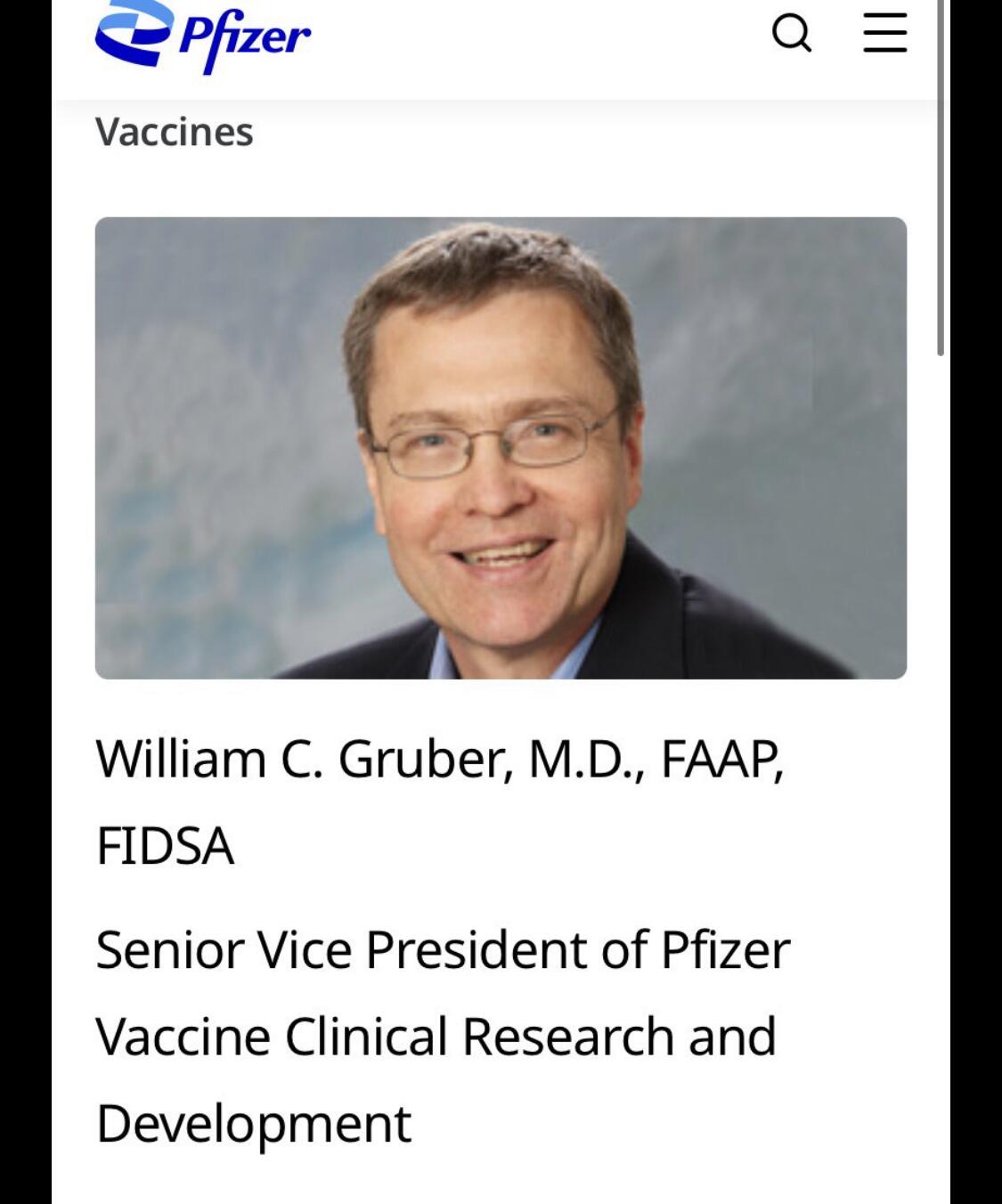
Leslie sent me a little-known FDA-Pfizer conference — a 7-hour Zoom meeting published in tandem with the approval of the vaccine for 5 – 11 year-olds — during which Pfizer’s vice presidents of vaccine research and development, Nicholas Warne and William Gruber, discussed a last-minute change to the vaccine’s “buffer” — from “PBS” to “Tris” — to improve its shelf life. For about 30 seconds of these 7 hours, Gruber acknowledged that the new formula was NOT the one used in clinical trials (emphasis mine):


“The studies were done using the same volume… but contained the PBS buffer. We obviously had extensive consultations with the FDA and it was determined that the clinical studies were not required because, again, the LNP and the MRNA are the same and the behavior — in terms of reactogenicity and efficacy — are expected to be the same.

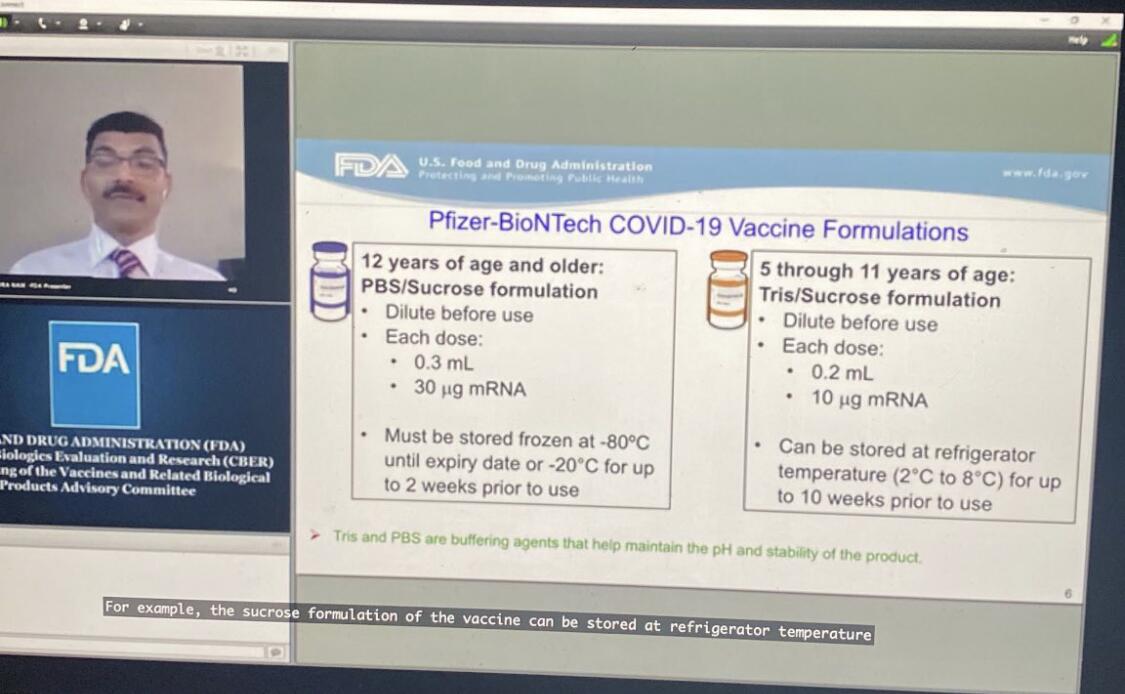
According to Leslie, the tweaked “buffer” dramatically changed the temperature needed for storage: “Before they changed this last step of the formulation, the formula was to be kept at -80 degrees Celsius. After they changed the last step, we kept them at 2 to 8 degrees celsius,” Leslie told me.

The claims are backed up in the referenced video presentation:

I’m no vaccinologist but an 80-degree temperature delta — and a 5x shelf-life in a warmer climate — seems like a significant change that might warrant clinical trials before commercial release.

Despite this information technically being public, there has been virtually no media scrutiny or even coverage — and in fact, most were told the vaccine for children was the same formula but just a smaller dose — which is perhaps due to a combination of the information being buried within a 7-hour jargon-filled presentation and our media being totally dysfunctional.

Bohemian Grove?

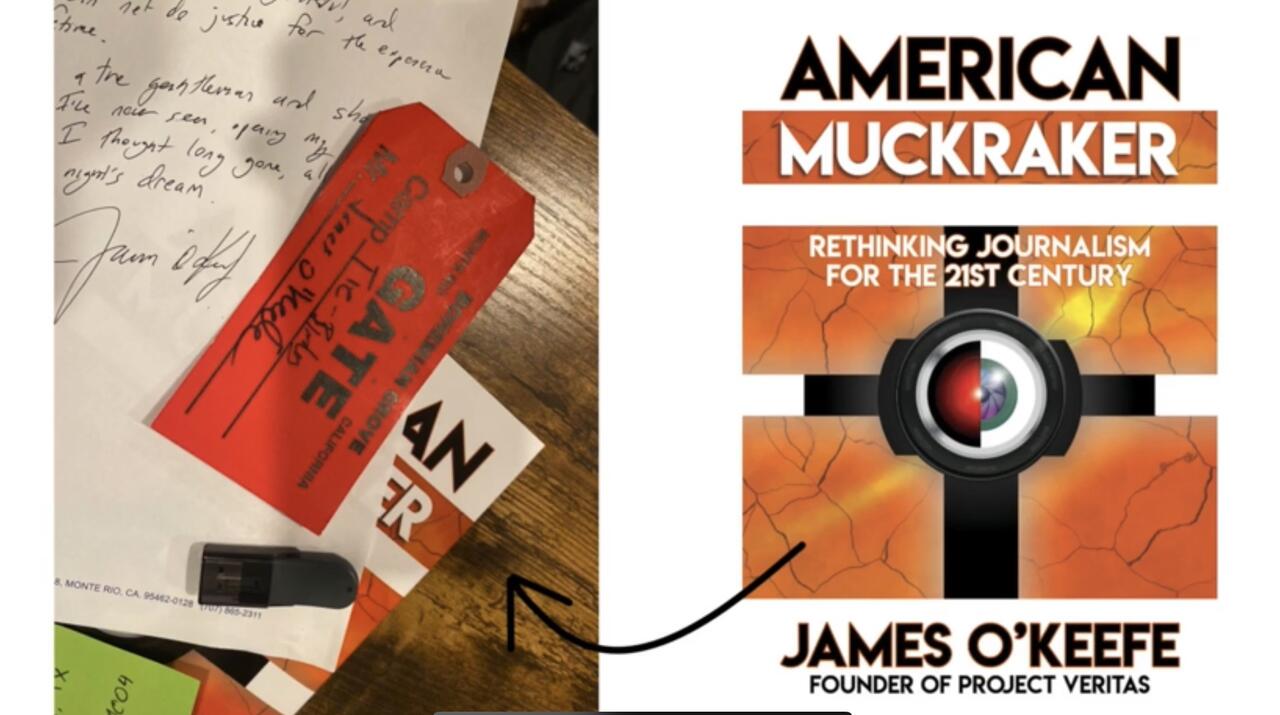
Leslie’s 2-hour long documentary on his experience at both Pfizer and O’Keefe’s companies concludes on an interesting note: James O’Keefe attended an outing at the Bohemian Grove.

Leslie offers this photo of James’ Bohemian Grove “GATE” slip as evidence, left on his work desk atop a copy of his book, “American Muckraker”:

My thoughts on the Bohemian Grove: my good friend’s dad was its general manager for several decades. From what I have gathered through that connection, the Bohemian Grove is not some version of the Illuminati, at least not in the institutional sense.

Do powerful elites hangout there? Absolutely. Do they discuss their plans for the world while hanging out there? I’m sure it has happened. Do they have a weird ritual with a giant owl? Yep, Alex Jones showed that to the world.

My perspective is based on conversations with my friend and my belief that his father is not lying to him. I could be wrong and am open to evidence — like if boxer Ryan Garcia decides to produce evidence regarding his rape claims — and I do find it a bit strange the club would invite O’Keefe who is notorious for covertly filming, but Occam’s razor would lead me to believe the club is — as it was under my friend’s dad — run by boomer conservatives the extent of whose politics include disliking wokeness, immigration, and Biden (common subjects of O’Keefe’s work).

Therefore, I don’t find O’Keefe’s visit to the club indicative that he is some sort of Operation Mockingbird asset as Leslie tries to depict (however Mockingbird is a 100% legitimate conspiracy). I have also met James several times and even came close to joining OMG. While I disagreed with James on the significance of many of his stories — finding some to be overhyped and showy — I never doubted his conviction in them.

As for why Leslie’s story was squashed… all my sources told me it was to avoid jail time for Veritas executives.

Feel free to watch Leslie’s full documentary here and decide for yourself.

Fun fact — Justin Leslie was also the operative behind this mega-viral Project Veritas story where Pfizer’s director of R&D claimed the company was privately mutating COVID-19 behind closed doors:

FBI Chief Tells Lawmakers 'Don't Panic' As Terror Threat Soars Due To Border Invasion

 Before the Muslim holy month of Ramadan, the Federal Bureau of Investigation issued warnings about an Iranian assassin preparing to kill former and current US government officials. At the same time, New York City deployed National Guard soldiers armed with machine guns across subway stations.

On Tuesday morning, the head of the FBI, Christopher Wray, told the Senate Intelligence Committee that terrorist threats against the US had reached a "whole other level," according to Bloomberg. This comes as the migrant invasion, facilitated by the Biden administration, has flooded the nation with millions of unvetted folks from third-world countries, some of whom deeply hate America. 

"You've seen a veritable rogue's gallery of foreign terrorist organizations calling for terrorist attacks against us in a way that we haven't seen in a long, long time," Wray warned lawmakers. 

Wray joined other intelligence community leaders in discussing the current security threats facing the US. 

Sen. John Cornyn, R-Texas, reminded Wray that only a handful of terrorists were in the US before the 9/11 attacks that killed more than 3,000 people. 

"I worry that among the people that are coming across the border that are evading law enforcement, that there are some people among those that mean to do us harm. Do you share that concern?" Cornyn asked Wray.

Wray replied: "I do." 

Wray told lawmakers now "is not the time to panic." 

He said, "We're very actively investigating working with DHS [Department of Homeland Security] on both people whose travel was facilitated but also members of the facilitation network in some other way overseas."

Already, 17 individuals on the FBI's terror watch list were captured on the border several months ago. The US recently caught a known member of the Somali terror group al-Shabaab

The threat stream that keeps DHS folks up at night emanates from Iran and or Iran-backed groups. Biden's open border disaster has been an open ticket for terrorist cells to flood the nation.

Recall this US sheriff's warning last month...

Open borders have compromised our national security. 

https://www.zerohedge.com/political/fbi-chief-tells-lawmakers-dont-panic-terror-threat-soars-due-border-invasion

Trump Did Propose 10,000 National Guard Troops On January 6th

 by Jonathan Turley,

One of the long-standing unanswered questions from the January 6th riot has been why the Capitol was so poorly prepared and defended on that day. A newly released transcript has caused a firestorm in Washington over allegations that the J6 Committee downplayed or even suppressed evidence that former President Donald Trump personally suggested the deployment of 10,000 national guard troops to prevent violence.

The transcript also includes contradictions of major allegations that ran wild in the media.

That includes the claim that Trump tried to physically grab the steering wheel of the presidential limo, “The Beast,” when Secret Service refused to take him to the Capitol. Former White House aide Cassidy Hutchinson was the source of the claim, which appeared in most of the media and was highlighted in her testimony. However, it appears that the J6 Committee had testimony of secret service agents directly contradicting that account, including the driver.

However, it is the National Guard question that is more weighty for historical purposes.

Trump has long claimed that he proposed the deployment of the National Guard troops (as was done previously at the White House during violent protests). The January 6th Committee said that was a lie.

The release of the transcript by Rep. Barry Loudermilk (R., Ga.) triggered attacks on the J6 Committee. The Federalist’s Mollie Hemingway wrote a column titled “Former Rep. Liz Cheney’s January 6 Committee suppressed evidence.”

That triggered an angry response from former co-chair Liz Cheney which led to an even angrier reply from commentator Mark Levin.

The anger is nothing new in a J6 investigation that seemed to produce more heat than light. Cheney’s spokesperson called the Federalist report “flatly false” and added “no transcripts were destroyed” while acknowledging that some material was not published “to allow the Secret Service to protect sensitive security information for interviews of its agents before preserving that testimony in the archives.”

The issue of the suppression or destruction of the evidence has drawn a lot of attention, but the more troubling question is the fact that such an offer was made and declined.

The Committee found “no evidence” that the Trump administration called for 10,000 National Guard members to Washington, D.C., to protect the Capitol.

That now stands contradicted and the question is whether Cheney or other members knew the public was being misled on the question. For example, the Washington Post “debunked” Trump’s comments with an award of “Four Pinocchios.”

The Post’s Glenn Kessler admitted that Trump raised the issue but noted that he might have been suggesting the troops “not because he wanted to protect the Capitol,” but to suggest that he and his supporters were being threatened. He added that “Trump brought up the issue on at least three occasions but in such vague and obtuse ways that no senior official regarded his words as an order.”

However, the issue is not whether Trump issued “an order” but made an offer that was declined. For those of us who were covering the event on that day, the question has always been prominent in our minds. I was critical of Trump’s speech while he was still giving it. However, before the Capitol was breached, I also noted that I had never seen the Capitol so thinly protected in a major protest.

We had just seen violent protests outside of the White House with a large number of police officers injured and extensive property damage, including arson. President Trump and his family had to be moved to a secure location out of concern of an imminent breach of the White House. National Guard were deployed and fencing installed.

Even without an offer, it remains unclear why the violence around the White House did not prompt Congress to install the same barriers and deploy the same troops. (They ultimately took both steps but only after the rioters gained entry into the Capitol).

Moreover, if an offer was clearly made, it undermines the allegations that Trump was actively seeking an insurrection. While he has never been charged with an insurrection or even incitement, that allegation was used more recently to support his disqualification from the ballots in Colorado, Maine, and Illinois.

The transcript contains the testimony of former White House Deputy Chief of Staff Anthony Ornato’s interview on January 2022 with Cheney present. Ornato states that he clearly recalled the offer of 10,000 troops being made by Trump in a conversation with D.C. Mayor Muriel Bowser:

“I was there, and he was on the phone with her and wanted to make sure she had everything that she needed. Because I think it was the concern of anti and pro groups clashing is what I recall…I remember the number 10,000 coming up of, you know, the President wants to make sure that you have enough. You know, he is willing to ask for 10,000. I remember that number.”

Ornato said that Browser said that they would not need the troops. (She ultimately asked for only 300 troops). There are also reports that then Speaker Nancy Pelosi was worried about the “optics” of military reinforcements at the Capitol.

Ornato also said that he recalled that, after Bowser refused additional National Guard members, the White House requested the Defense Department have a “quick reaction force” ready on that day. He gave details on meetings with the Defense Department and follow up from Chief of Staff Mark Meadows.

Hemingway noted in her report that Ornato’s testimony was supported by former Trump administration aide Kash Patel. Cheney has attacked Patel as unreliable.

Ornato also testified that Meadows and others were frustrated by the delay in getting those troops to the Hill. The delay was blamed on the logistics, not some conspiracy to enable or facilitate an insurrection.

The Federalist article makes additional allegations, including that Cheney was behind an op-ed by her father, former Vice President Dick Cheney, opposing any use of national guard troops on January 6th.

However, even proving such duplicity would hardly be news for Washington. Likewise, it does not negate criticism over Trump’s comments on that day or his delay in publicly calling for supporters to withdraw.

Yet, again, what is more important historically  is whether the J6 Committee had direct evidence that Trump made the offer of thousands of troops and that the White House pushed for rapid deployment troops on that day.

I have previously criticized the one-sided J6 Report and the biased framing of the hearings held by the members. The Committee could have been so much more than the echo chamber that it became.  However, this latest transcript adds questions over the perplexing failure of Congress to take obvious steps to prevent a riot.

Had Congress simply installed the same fencing previously used at the White House and deployed such troops, the J6 riot would likely have never occurred. Given the cost and trauma to our nation, we should want to know the full story of what occurred on January 6th.

https://www.zerohedge.com/political/trump-did-propose-10000-national-guard-troops-january-6th-report

89bio Initiates Phase 3 ENLIGHTEN-Fibrosis Trial of Pegozafermin in MASH

 Co-primary endpoints in ENLIGHTEN-Fibrosis assessed at week 52 will potentially support accelerated approval in non-cirrhotic MASH (fibrosis stage F2-F3) patients—

—ENLIGHTEN-Cirrhosis, the second trial in the program, is planned to evaluate patients with compensated cirrhosis (F4) and is expected to initiate in the second quarter of 2024—

89bio, Inc. (Nasdaq: ETNB), a clinical-stage biopharmaceutical company focused on the development and commercialization of innovative therapies for the treatment of liver and cardiometabolic diseases, today announced the initiation of its Phase 3 ENLIGHTEN Program evaluating the efficacy and safety of pegozafermin in patients with metabolic dysfunction-associated steatohepatitis (MASH), formerly known as nonalcoholic steatohepatitis (NASH). ENLIGHTEN-Fibrosis, the first of two Phase 3 trials in the program, has initiated and is evaluating non-cirrhotic MASH patients with fibrosis stage F2-F3.

"The ENLIGHTEN-Fibrosis trial is designed to build on the robust anti-fibrotic and metabolic effects observed across non-cirrhotic MASH patients treated with pegozafermin in the Phase 2b ENLIVEN trial,” said Rohit Loomba, M.D., MHSc, Chief of the Division of Gastroenterology and Hepatology at University of California San Diego School of Medicine, and lead investigator of the ENLIGHTEN program. “There is a critical need for a therapeutic option that improves liver health and provides anti-fibrotic benefits for MASH patients with fibrosis.”

ENLIGHTEN-Fibrosis is a global Phase 3, randomized, double-blind, placebo-controlled trial of pegozafermin for the treatment of patients with biopsy-confirmed non-cirrhotic MASH. Approximately 1,000 patients are expected to be randomized in a 1:1:1 ratio to receive either 30mg of pegozafermin administered weekly, 44mg administered every two weeks, or placebo. The co-primary endpoints are a one-point or greater improvement in fibrosis with no worsening of MASH, and MASH resolution with no worsening of fibrosis. The co-primary endpoints will be assessed at week 52 and are intended to support a filing for accelerated approval in the U.S. and conditional approval in Europe in non-cirrhotic patients. Patients are expected to continue to be treated beyond the 52-week assessment through outcomes to support full approval.

https://www.biospace.com/article/releases/89bio-initiates-phase-3-enlighten-fibrosis-trial-of-pegozafermin-in-non-cirrhotic-metabolic-dysfunction-associated-steatohepatitis-mash-patients-with-fibrosis/

FDA Updates Use of Biomarkers in Draft Guidelines for Alzheimer’s Drug Development

 The FDA on Monday published a revised draft guidance document, aimed at helping sponsors and pharmaceutical companies to develop therapies for Alzheimer’s disease, particularly in its early stages before the onset of overt dementia.

Monday’s draft document updates the FDA’s previous guidance, released in February 2018. The regulator’s guidance is generally non-binding and not legally enforceable; instead, it describes “the Agency’s current thinking on a topic and should be viewed only as recommendations.”

Compared with the 2018 document, the latest version of the FDA’s draft guidance has been substantially changed, as the regulator introduced a new subsection dedicated specifically to surrogate endpoints and accelerated approval.

The FDA’s guidelines now explicitly provide for the use of biomarker data, such as brain amyloid beta burden, to support the accelerated approval of Alzheimer’s disease (AD) therapies. The regulator emphasized that these surrogate endpoints should be “reasonably likely to predict clinical benefit,” and that companies are still required to run post-approval trials to validate the clinical efficacy of their product.

The FDA also noted that the acceptability of surrogates depends on various factors, including the stage of AD, the availability of current treatments, the study population and the mechanism of action of the investigational therapeutic.

“A surrogate endpoint that is determined to be appropriate for use in a particular therapeutic clinical development program should not be assumed to be appropriate for use with a different product or trial population,” the FDA wrote in its updated draft guidance, adding that companies considering hinging their applications on biomarker data “should discuss their plans with FDA early in development.”

The regulator also noted that even if companies are aiming for accelerated approval, they should still include clinical outcome data in their applications, which would “potentially provide support for any changes observed on biomarkers.”

The FDA’s updated draft guidance comes as it pushed back its target action date for Eli Lilly’s investigational antibody donanemab. Last week, the regulator informed Lilly that it would convene its Peripheral and Central Nervous System Drugs (PCNS) Advisory Committee to discuss the pharma’s TRAILBLAZER-ALZ 2 study, focusing on its “unique trial design” and its potential implications on efficacy and safety findings.

TRAILBLAZER-ALZ 2 is a Phase III, double-blinded and placebo-controlled study with more than 1,700 participants. For enrollment, Lilly selected patients using cognitive assessments and brain imaging studies to assess their amyloid plaque and tau concentrations. The study also had a unique dosing protocol that allowed patients to stop treatment if amyloid plaques dropped beyond a certain pre-specified threshold.

In January 2023, this study design led to the FDA’s rejection of donanemab’s bid for accelerated approval.

https://www.biospace.com/article/fda-updates-use-of-biomarkers-in-draft-guidelines-for-alzheimer-s-drug-development/