Search This Blog

Wednesday, March 13, 2024

Americans Strongly Oppose Transgender Medical Procedures for Minors


YouGov poll highlights strong opposition on numerous transgender issues.

Public sentiment against transgender medical procedures on minors may shape political debates. 

WHY IT MATTERS – The Texas Supreme Court recently heard a transgender health care lawsuit. Additionally, Wyoming is voting on a bill that would redefine “gender-affirming care.”  

THE NUMBERS – A recent YouGov poll from January asked Americans about numerous transgender policies. The poll revealed:  

  • 51% of Americans oppose requiring private insurance companies to cover gender-affirming surgeries and therapies. This includes 75% of Republicans, 26% of Democrats, and 51% of independents. 
     
  • 52% of Americans oppose youth access to hormone therapy. Including 82% of Republicans, 32% of Democrats, and 53% of independents. 
     
  • 54% of Americans oppose youth access to conversion therapy. Including 64% of Republicans, 47% of Democrats, and 50% of independents. 
  • 54% of Americans oppose youth access to puberty blockers. Including 77% of Republicans, 32% of Democrats, and 57% independents. 

THE BOTTOM LINE – The majority of Americans strongly oppose transgender medical procedures on minors. 

GO DEEPER – Where Americans stand on 20 transgender policy issues 


https://americasnewmajorityproject.com/americans-strongly-oppose-transgender-medical-procedures-for-minors/

Biden’s memory: The problem that won’t go away

 Just four days ago, after the State of the Union address, Democrats were exultant in the belief that 81-year-old President Joe Biden, with a high-volume, one-hour-plus speech, had put to bed the question of whether he has the mental sharpness to serve a second term in the White House. Now, some of those same people are angrily denouncing congressional testimony that revives the Biden competency question.

The testimony was from Robert Hur, the special counsel who concluded that Biden illegally mishandled classified information. Hur testified before the Republican-controlled House Judiciary Committee on Tuesday. The testimony focused on two issues.

The first, and most important, was whether Biden willfully retained classified information when he was out of office. The answer is yes, although Hur was careful to note that, for a variety of reasons, including the state of Biden’s memory, he, Hur, did not have enough evidence to convince a jury of that. In addition, the question is moot at the moment because Biden is president of the United States and it is long-standing Justice Department policy that a sitting president cannot be indicted. But the thing to remember is that Biden mishandled classified information, repeatedly, extensively, and in a variety of locations. If you think that is similar in principle to what was done by a certain former president, you’re right.

The second issue was the age question. As Wednesday began, it was clear Democrats and their allies in the media were furious with Hur for bringing it up in his report, made public on Feb. 8, and then even more furious with Republicans for bringing it up again now. Early Wednesday morning, MSNBC’s Morning Joe lit into Hur, charging that Hur was a craven hack trying to curry favor with former President Donald Trump. The whole crew seemed to believe that the State of the Union address had proven for all time that Biden is sharp and energetic and that anyone who maintains that Biden’s age is still a problem is probably a craven hack trying to curry favor with Trump. Previewing the hearing, Morning Joe contributor Eugene Robinson said of Hur, “Is he going to go deeper into this sort of fantasy world that he created in the report?”

A number of other news organizations pitched in to help, publishing stories suggesting Hur overdid it when he called the president “an elderly man with a poor memory.” The Washington Post reported that a transcript of Hur’s interview of Biden painted a “nuanced portrait” of Biden, who “doesn’t come across as being as absent-minded as Hur has made him out to be.” For its part, the New York Times said that on several occasions Biden “fumbled with dates and the sequence of events, while otherwise appearing clearheaded.” Further down, the story noted again that Biden “appeared clearheaded most of the time.” The White House liked that so much it sent out the quote in a posting on X. Whether voters will be enthusiastic about a president who will be “clearheaded most of the time” is not known.

When Hur sat down at the witness table, Democrats mostly avoided fighting over the age problem and instead tried to make the hearing about Trump. That was probably a smart thing because whatever the spin, the Biden-Hur transcript does show a president who forgets a lot of things. Biden stumbled on the year Trump was elected president. He suggested that he, Biden, was leaving the Senate in 2017 when in fact he was leaving the vice presidency. And he did not seem to remember when he was vice president.

On one occasion, a Hur staffer showed Biden a notebook and asked if Biden used that notebook as vice president. “The date is 4-20-09,” Biden responded. “Was I still vice president? I was, wasn’t I? Yeah.” (Just to note, Biden became vice president on Jan. 20, 2009, and stayed in office until Jan. 20, 2017.) On another occasion, Biden was asked about materials that were delivered to him and responded, “I’m at this stage, in 2009, am I still vice president?” The transcript notes “indiscernible whispering” at the interview table, and then Biden said, “Yeah, OK.” On yet another occasion, Biden was asked how material ended up in his garage, and he said, “Well, if it was 2013 — when did I stop being vice president?” An aide said, “2017.” 

That’s not good. But here’s the point. The Biden age problem is real and is going to become more so as the president vies to remain in office until he is 86 years old. It did not go away with the State of the Union speech. Yes, Biden spoke, and yelled, for more than an hour. But voters see Biden nearly every day looking and sounding like a man who is not up to the rigors of the nation’s highest office. That is not going to change.

https://www.washingtonexaminer.com/daily-memo/2917056/bidens-memory-the-problem-that-wont-go-away/

Big Insurance PBMs Will Shut Down Your Local Pharmacy

 In his State of the Union address last week, President Biden doubled down on this commitment to decreasing drug prices by expanding the number of drugs subject to Medicare negotiations. However, Congress and his Administration have yet to address the middlemen who control these prices.

Millions of Americans may be stripped of the most accessible healthcare professional in their communities in the coming months. An all-out attack is being waged against community pharmacies. This battle, years in the making, has reached a tipping point, and Congress just shelved one of the only lifelines.

Often cited as one of the most trusted professionals, community pharmacists have continued to operate in an environment of decreasing payment for the life-sustaining medications they dispense. Sadly, your community pharmacy is likely filling your prescription at a loss. If this continues, local access to medications and free healthcare advice will be lost.

Nearly all medications dispensed by pharmacies are paid by insurance companies through their intermediaries known as Pharmacy Benefit Managers (PBM). Simply put, these intermediaries decide what medications patients receive and what they pay. Their business model evolved from a simple data conduit to the most influential player in the prescription drug marketplace.

Only three PBMs control over 80 percent of covered lives. These vertically integrated healthcare behemoths are numbers 5, 6, and 15 on the list of Fortune 100 companies.

PBMs pit manufacturers against each other for placement on their approved formularies. In return, manufacturers pay PBMs a portion of their revenues in the form of rebates. As PBMs demand larger rebates, manufacturers increase their list price to cover the cost. The result is higher drug prices.

PBMs dictate what pharmacies are paid to purchase and dispense each medication. They offer “take it or leave it” contracts detailing how the pharmacy will be paid. Pharmacies are also subject to additional charges from the PBM, including the risk of audits: PBMs retain the right to audit pharmacy payments and take back funds at will. These audits typically focus only on high-dollar brand drugs that result in a significant payout for PBMs, and payments are usually disqualified for technicalities.

Pharmacy closures are being publicized at a seemingly accelerated pace. According to a recent National Community Pharmacists Association (NCPA) report, this trend will only continue. The report shared that a third of independent pharmacies will likely close in 2024 due to “plunging prescription reimbursements by big insurance plans and their pharmacy benefit managers.” Despite many of these pharmacies dispensing more medications than ever in the past year, business owners are still seeing a drastic decline in profitability.

Even the nation’s three largest chain pharmacy operators are not immune to the shifting economic pressure in the industry. Each chain has announced store closures already this year, pointing to “underperforming” stores, often in rural areas with smaller populations. The ongoing closures of independent and chain pharmacies in these communities are creating pharmacy deserts, effectively stranding rural populations from their most accessible healthcare professional.

With the recently added scrutiny on PBM’s role in setting prescription drug prices, one would have expected the industry to adjust and pricing to stabilize. Instead, PBMs have doubled down. After all, corporate earnings, shareholder dividends, and exorbitant executive compensation are at risk. Just last month, a PBM-owned data company fell victim to a cyber-attack. This incident resulted in pharmacies being unable to process claims at all, leaving them without assurance of reimbursement for the life-saving medications they dispensed. Even more egregious, this same PBM continued to send audits to pharmacies while this payment-delaying crisis was unresolved.

While some state legislatures have successfully recognized this looming crisis, most have not. The Federal Trade Commission, which has sunk its teeth into technology and grocery chain mergers, allowed vertical integration in healthcare and is beginning to realize the negative impact that stifled competition creates. However, real action from this regulator has yet to occur as they stall their investigation into PBMs.

Congress has another chance to include PBM reform in the upcoming March 22 budget package. If action is not taken again, it may be too late to create wide-sweeping changes to this opaque and corrupt system where it’s the patient that ultimately suffers.


Todd Stephens is COO of Stephens Pharmacy and Northeast Med-Equip. 

https://dcjournal.com/big-insurance-pbms-will-shut-down-your-local-pharmacy/

Bezos Funds Fake Meat Tech As Elites Push To Reset Global Food Supply Chain

 Bezos Earth Fund Vice Chair Lauren Sánchez announced this week at the multi-day Aspen Ideas: Climate event at the Miami Beach Convention Center that the fund will invest tens of millions of dollars in advancing the science and technology surrounding "alternative proteins." 

Sánchez said a $60 million investment will establish Bezos Centers for Sustainable Protein as part of the Bezos Earth Fund's $1 billion initiative to transform the food supply chain. 

Bezos Earth Fund stated in a press release, "The Centers will target major technological barriers to reducing cost, increasing quality, and boosting nutritional benefit of alternative proteins by advancing science and technology." 

Sánchez said, "We need to feed 10 billion people with healthy, sustainable food throughout this century while protecting our planet. We can do it, and it will require a ton of innovation." 

"Our world is poised for transformation, for a future not constrained by compromise. Solutions to our greatest challenges often come from the quiet persistence of those willing to question, reimagine, and innovate," she added. 

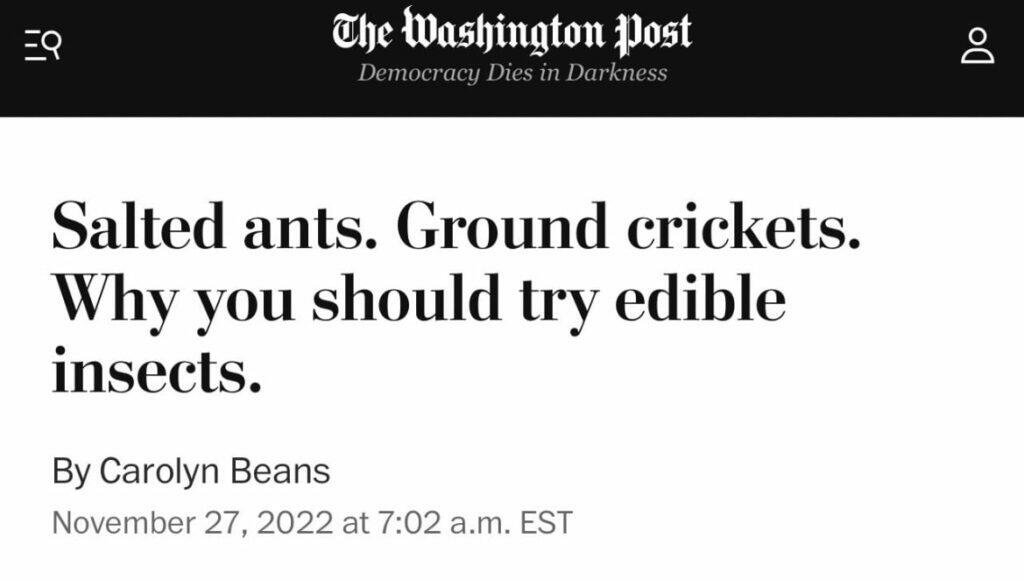
Under the guise of climate change, the World Economic Forum and some billionaire members have been obsessed with resetting the global food supply chain. They attempt to transition the world's population from a meat-based diet to insects, fake meat, and plant-based foods. 

Also... 

Corporate media has been trying to convince the masses... 

Pay attention to Europe's farmers. They're rising up by the tens of thousands against the climate cult in Brussels, which is trying to kill small farms through disastrous 'greenhouse gas pollution' measures. The move by the government and elites to crush farmers is an attempt to seize control over the food supply. 

Say no to fake meat and insects. Buy local. 

https://www.zerohedge.com/commodities/bezos-funds-fake-meat-tech-elites-push-reset-global-food-supply-chain

Spruce Biosciences Topline Results Miss Endpoints

 CAHmelia-203 Study of Tildacerfont in Adult Classic Congenital Adrenal Hyperplasia (CAH) with Severe Hyperandrogenemia Did Not Meet Primary Efficacy Endpoint

Positive Data from CAHptain-205 Study of Tildacerfont in Pediatric Classic CAH Supports Further Dose-Ranging Across Additional Dosing Cohorts

Topline Results from CAHmelia-204 Study of Tildacerfont in Adult Classic CAH Evaluating Glucocorticoid (GC) Reduction Anticipated in Third Quarter of 2024

Resource Prioritization and Cost Reductions Extend Cash Runway Through End of 2025

Conference Call Today at 4:30 p.m. ET

Spruce’s management team and key study investigators will host a conference call today at 4:30 p.m. ET to discuss the topline results of the CAHmelia-203 and CAHptain-205 clinical studies. Analysts and investors can participate in the conference call by registering here or dialing (866) 777-2509.

An archived copy of the call will be available on the events section of the company’s investor relations website for approximately 90 days.

https://www.businesswire.com/news/home/20240313147623/en/

Vitamin D Could Help Treat Young People With Type 1 Diabetes, Improve Insulin Production

 by Amie Dahnke via The Epoch Times (emphasis ours),

A high dose of vitamin D could improve the function of insulin-producing beta cells in children and young adults recently diagnosed with Type 1 diabetes.

The discovery, published in JAMA Network Open, could mean that a more cost-effective way of managing the disease affecting 1.45 million Americans has been on pharmacy shelves all along.

Type 1 diabetes affects millions of people and treatment options can often be costly,” Dr. Benjamin Nwosu, chief of endocrinology and director of the diabetes center at Cohen Children’s Medical Center and the principal author of the research paper, said in a press release. “It is exciting to know that vitamin D could protect the beta cells of the pancreas and increase the natural production of good and functional insulin in these patients.”

People with Type 1 diabetes do not make enough insulin, the hormone responsible for producing and moving blood sugar into the body’s cells for energy. Without enough insulin, blood sugar can’t get into the cells and stays trapped in the bloodstream, which causes diabetes symptoms. Complications of Type 1 diabetes include heart disease, stroke, circulatory problems, eye issues, nerve damage, kidney disease, and gum disease.

How Vitamin D Helps Manage Type 1 Diabetes

Dr. Nwosu and his team uncovered vitamin D’s effects on diabetes by conducting a 12-month trial with 36 youths between the ages of 10 and 21. The average age of the participants was 13. Most of the participants were boys (24).

During the trial, Dr. Nwosu and his team randomly provided the participants with either a dose of ergocalciferol—a form of vitamin D, also known as vitamin D2—or a placebo. The research team found that taking the vitamin D supplement helped the body reduce the proinsulin to C-peptide ratio and delayed the loss of C-peptide more than the placebo. When C-peptide is present, the body is still producing insulin; in other words, the young people’s bodies made insulin that worked the way it was supposed to work.

Dr. Nwosu said slowing down C-peptide loss and improving the function of insulin-producing cells could extend the “honeymoon phase” of Type 1 diabetes.

The “honeymoon phase” is the critical time of Type 1 diabetes when treatment options determine the long-term outlook of the disease, especially for a young person. Typically, after the honeymoon phase, beta cells, which are located in the pancreas, retain between 3o percent and 50 percent of their function, according to Dr. Nwosu’s research. The beta cells can continue to produce insulin for years after the initial diagnosis, which is why prolonging the partial remission phase can help reduce long-term complications of the disease.

Vitamin D Could Benefit Type 1 Diabetics, but More Treatment Needed

The discovery builds upon Dr. Nwosu’s previous work, which showed that high doses of vitamin D are safe and effective in improving glucose control. Dr. Nwosu’s research has also shown that vitamin D prolongs the remission phase of Type 1 diabetes in children and adolescents.

Dr. Nwosu and his team noted that while vitamin D supplementation could elongate the honeymoon phase, more treatment options are likely necessary for those managing Type 1 diabetes.

Repurposing commonly used supplements such as vitamin D, which is known to be safe and effective for other ailments, presents an opportunity to continue developing other therapies needed to treat type 1 diabetes,” Dr. Charles Shleien, senior vice president and chair of pediatric services at Northwell Health, said in the press release.

Vitamin D is a readily available supplement that comes in several forms. Ergocalciferol, or vitamin D2, is particularly common and has little to no side effects. Too much vitamin D could cause high calcium levels, which can lead to nausea, vomiting, constipation, unusual tiredness, and potential mental or mood changes, but this only happens with extremely high levels of vitamin D of about 10,000 international units (IUs) per day for an extended period.

Individuals with Type 1 diabetes or prediabetes need to connect with their physician or health care provider before beginning any new type of medication or supplement.

https://www.zerohedge.com/medical/vitamin-d-could-help-treat-young-people-type-1-diabetes-improve-insulin-production


'UnitedHealth says its unit Change Healthcare's pharmacy network back online'

 UnitedHealth Group said on Wednesday that its unit Change Healthcare's pharmacy network was back online, weeks after the cyberattack on the unit.

Change Healthcare processes about 50% of medical claims in the U.S. for around 900,000 physicians, 33,000 pharmacies, 5,500 hospitals and 600 laboratories.

https://www.marketscreener.com/quote/stock/UNITEDHEALTH-GROUP-INC-14750/news/UnitedHealth-says-its-unit-Change-Healthcare-s-pharmacy-network-back-online-46165215/