Search This Blog

Monday, November 11, 2024

Why Did Trump Win?

 by Vinay Prasad

A couple weeks before the election, I was at a dinner and a colleague asked me, what do you predict will happen in the election— state by state? I was wrong only about Minnesota. I thought it would go for Trump, despite it being Walz’ home state. My advantage is that I went to high school in LaPorte, In, and live in SF, Ca—I have a sense of how people in both places think.

The betting markets were better than me, some markets were 100% correct, and Nate Silver’s modal prediction was accurate, although his distribution was wide. Finally, as I stated on a recent VPZD episode, the polls were off. Polling is not a science. We should stop paying for their services.

Pundits— who were completely wrong the entire time— have happily turned their attentions to why Trump won. I find their insights lacking. Here, I will offer a broader theory of why Trump won. But first a little disclaimer. Imagine you have a perfect study, and you ask all people, as they leave the voting booth— why did you vote for Trump or Harris? You record their answers. You might think this is the best answer. However, it isn’t. That’s why they say they voted for Trump, and might not be the real reason they voted. The perfect experiment is impossible— alter details about Trump’s policy and personality— and have them vote again.

My theory is that Trump won for ‘all of the above’ reasons. Different people have different reasons to vote for Trump. Likely Trump created a patchwork constituency. Let me explore those reasons.

Immigration. Obviously, Biden-Harris allowed record levels of undocumented immigrants into America by rescinding Trump era policies. By the time they took action, it was too late. This type of immigration, and the stories of crime/ gangs, will motivate some voter.

Inflation. Obviously Biden-Harris provided too much capital injection during COVID. Advisors like Larry Summers were correct this would cause inflation. Many times, Harris surrogates provided truthful but misleading information, e.g. inflation is down this quarter. Sure, but it is cumulative. We are inflating less this quarter, but the damage is done and it is still getting worse. The messaging was at odd with how people felt. (same for purchasing power).

Guns. I doubt guns were a major issue. Dems have leaned into gun culture. With Harris famously claiming she would shoot someone who enters her house, and Walz hunting. Guns is an issue where the conversation has shifted so dramatically the proponents have won completely.

Abortion. What Dobbs did, is done. Dobbs transfered the decision of abortion to the states. Even liberal legal scholars— e..g Akhil Amar— believe that Roe was wrongly decided and Dobbs is a more accurate interpretation of the constitution. Different states have taken different measures. Practically speaking, before Dobbs, an abortion was difficult to obtain in Alabama, and now it is ~ impossible. The total number of abortions in America is up post Dobbs.
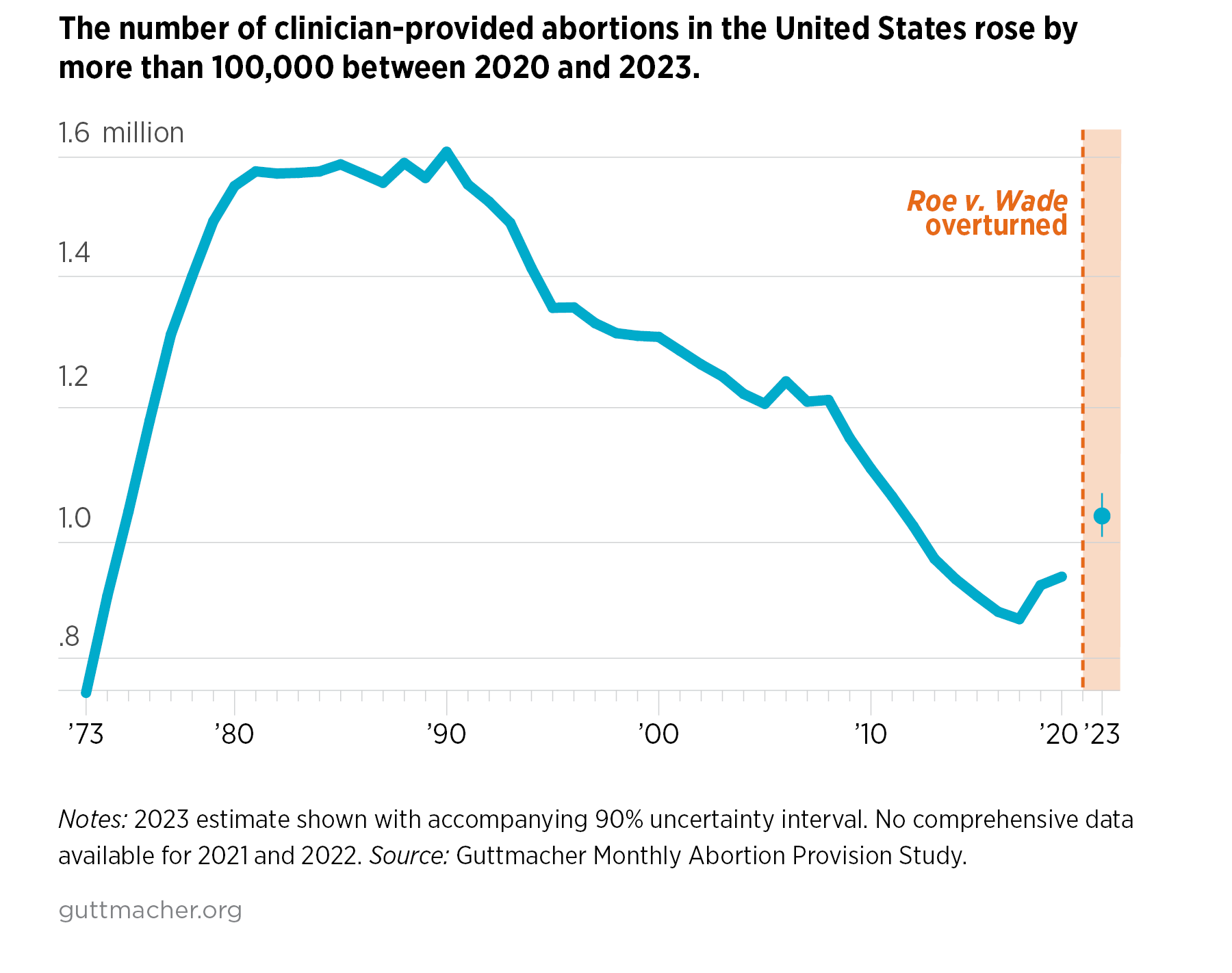
Abortion in the United States | Guttmacher Institute

Finally, Trump was clear he would take no further action on abortion, and the democrats messaging that he would, was not persuasive.

Trans-gender issues.

Some Americans may prefer Trump’s stance on trans-gender issues. These people likely feel uneasy about biologic men competing against biologic females in sports, and laws, such as those in California, which cut the parent out of conversations about their child’s gender identity. Notably, European nations have moved against puberty blocker therapy, while Harris administration supported it. I discussed this in a recent Sensible medicine debate.

Follow the science

Some former democrats have been lost forever because of COVID-19 policy. Biden-Harris pushed cloth masking on 2 year olds, forced millions to get vaccines and boosters (who didn’t need it), ignored myocarditis and VITT, sided with teachers unions to keep schools closed, and their administration lied repeatedly about it, claiming they “follow the science.“ Also discussed elsewhere

Censorship

Although it is de riguer to say Trump is a facist, it was Biden-Harris that censored free speech of Americans in the pandemic.

Israel

Some may view Trump as more friendly to Israeli interests and vote for this reason.

Trump’s personality & TDS

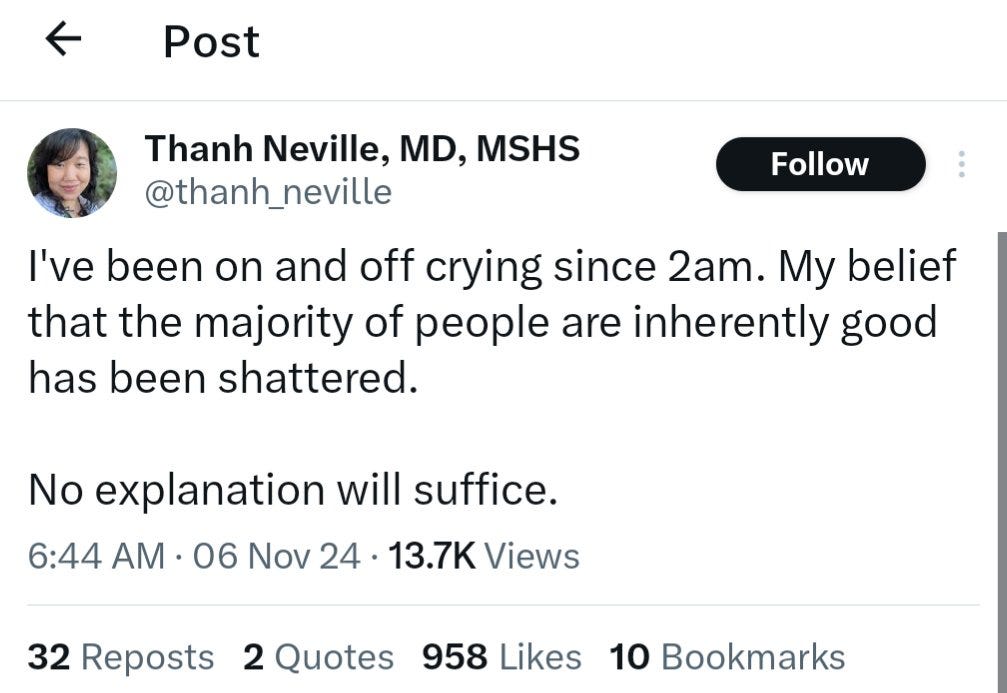
Some voters may vote because they enjoy Trump’s personality. They may find him funny or entertaining. Others may vote for him merely because he angers people that they dislike. Some believe that elite democrats think that average people are beneath them, elite coastal democrats think us midwesterners are scum. Statements like this, by a physician, just reinforce that.
Image

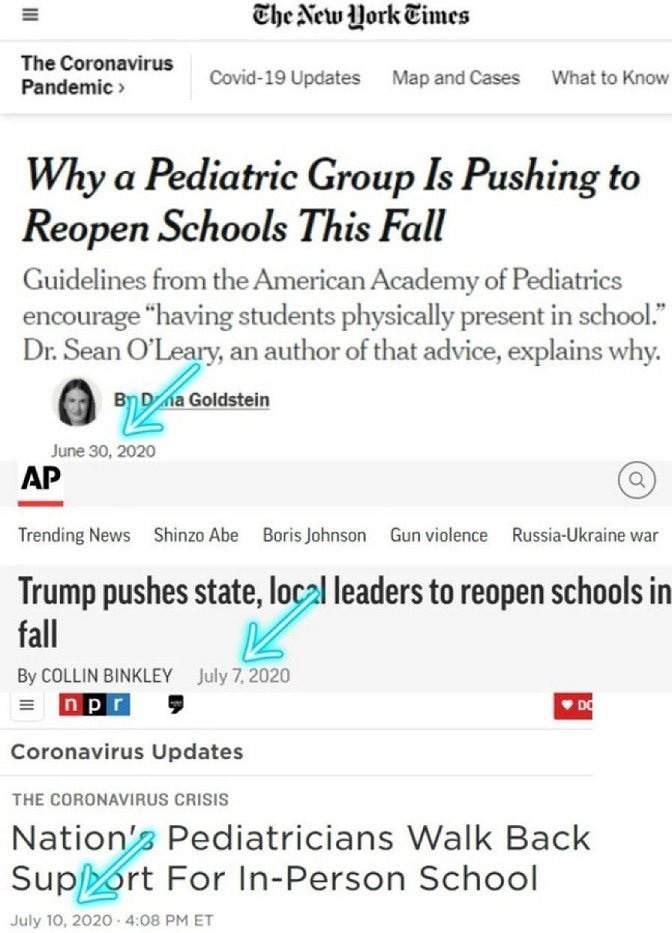
I don’t think we can call 72 million Americans bad people. TDS— the Trump derangement syndrome— is the idea that Trump gets under the skin of some people, and makes them act in defiance of common sense. Here is an example of TDS
Image

The American Academy of Pediatrics hated Trump more than they loved children and did massive damage. That is a clear cut case of TDS.

Trump’s campaign vs Harris campaign

Trump was almost assassinated. Trump & Vance did a number of hostile interviews. Trump and Vance did 6 hours on Rogan. Meanwhile Harris declined an invitation to appear on Rogan, rarely spoke off the cuff, avoided the media. Harris appeared fragile and weak, and Trump, as always, energetic and combative.

Dems messaging that Trump will steal democracy was unbelievable

I think most voters felt that it would be unlikely that a then 82 year old Donald Trump would subvert the future 2028 election, and find a way to remain in power in 2029, into his mid 80s.

Dems messaging that Trump is demented fell flat.

I think people can see obviously that Joe Biden has declined, but Trump is the same as he always has been. Strangely, although many comment how the presidency ages you (e.g. Obama), Trump appears perhaps younger than he did in 2016.

A patchwork group

Likely, some people voted for Trump for different reasons. A few people because of COVID. Many because of Israel or other foreign policy. A lot because of immigration. Many because of personality and because he angers the elite coastal democrats. A few votes here and there and pretty soon you are talking about real money.

That’s my theory, and I can already predict someone is going to cite a survey that says something different, but I can tell you already that survey is trash, and so is the pollster who ran it. There will never be higher quality evidence than the above (which is not high quality) on this question.


https://www.drvinayprasad.com/p/why-did-trump-win

Yale Psychiatrist: Harris Voters May Need To Cut Off Friends & Family Members

 by Jonathan Turley,

With women pledging to break up with their boyfriends and divorce their husbands over the Trump victory, Yale University chief psychiatry resident Dr. Amanda Calhoun is advising that it may also be necessary for your mental health to cut off your family and friends who supported Trump. In that way, you can avoid being “triggered” by opposing political views — much like Yale itself.

As academics, we are dealing with the election on campuses across America. After the election, I had some valuable discussions with students who supported Harris and some who supported Trump. I wish there would be more interaction between the two groups. That is why this story stood out for me. I do not believe that further separation or isolation will help this country or these individuals.

Dr. Calhoun went on MSNBC’s Joy Reid to offer the curious take on good mental health.

Reid has spent the week condemning the majority of voters (particularly minority voters) in the nation as racists and misogynists for the Trump victory.

Reid joined a rising tide of rage, which I discussed in my column this weekend.

Reid asked “how do you interact with people who you know voted for this?"

“If you are an LGBTQ person and you know someone in your family voted essentially against your rights or you’re a woman,” Reid continued:

“do you recommend, just from a psychological standpoint, being around them? We got the holidays coming up.”

Calhoun responded, “So I love that you asked this question because there is a push, I think, just a societal norm that if somebody is your family, that they are entitled to your time.”

“And I think the answer is absolutely not,” she declared.

Dr. Calhoun then contributed more to the madness.

“So, if you are going into a situation where you have family members, where you have close friends who you know have voted in ways that are against you… it’s completely fine to not be around those people and to tell them why…

…You know, to say, ‘I have a problem with the way that you voted because it went against my very livelihood, and I’m not going to be around you this holiday. I need to take some space for me.

I think you should very much be entitled to do so, and I think it may be essential for your mental health.”

There is another possibility. You can try to resolve those feelings with people who you previously liked or loved. It may actually help to discuss these issues outside of the echo chamber of your political associations.

Of course, Yale University itself has followed this advice for years by removing faculty with opposing views for the general welfare of the community. Surveys show that 77% of Yale faculty “are registered as Democrats or have conducted political activity that heavily or exclusively supports Democrats; under 3% are Republican.” Furthermore, among 16 surveyed departments, “over 57%, have no registered Republicans at all. Across 14 departments in the Social Sciences and Humanities, the report identified 312 Democrat faculty (88%) and only 4 Republicans (1.1%), a ratio of around 78 to 1.”

Now, that is mental tranquility.

The suggestion that it may be “triggering” to see family and friends is not unique to Yale’s psychiatric staff.

Across the country, women have been cutting their hair and joining the Korean 4B movement—bihon (no marriage), bichulsan (no childbirth), biyeonae (no dating), and bisekseu (no sex). One is quoted as saying, “I fear The Handmaid’s Tale will become our reality.”

It is a curious response since figures like Reid blame white women for the loss. Trump won white women voters by eight points at 53 percent. Harris actually fell slightly in the support of women overall. Conversely, roughly 43 percent of men voted for Harris. Forty percent of women under 30 voted for Trump.

Yet I watched one deranged voter say that she is thinking of buying a “Glock” and shooting the first man who comes near her. If so, she would have an over 4 out of 10 likelihood of shooting a fellow Harris supporter.

None of this is good for our nation’s mental health and suggesting that people retreat further into their silos does not make for particularly healthy advice.

As discussed in my book, The Indispensable Right, we have become a nation of rage addicts. Taking another hit of rage will do little to break that addiction.

*  *  *

Jonathan Turley is the Shapiro Professor of Public Interest Law at George Washington University. He is the author of “The Indispensable Right: Free Speech in an Age of Rage” (Simon & Schuster, 2024).

https://www.zerohedge.com/political/yale-psychiatrist-harris-voters-may-need-cut-friends-family-members

Oral Semaglutide 25-mg Dose May Provide Most Benefit

 Oral semaglutide 25 mg appears to be just as effective in promoting weight loss and other beneficial outcomes as are the investigational 50-mg oral dose and the injectable 2.4-mg dose (Wegovy), in new research.

Data from Novo Nordisk’s OASIS 4 trial suggest that “oral semaglutide 25 mg may represent an efficacious option for the treatment of overweight and obesity, particularly in patients who prefer oral administration,” W. Timothy Garvey, MD, professor in the Department of Nutrition Sciences at the University of Alabama at Birmingham (UAB), said on November 6 at the Obesity Society’s Obesity Week 2024 meeting.

In an interview with Medscape Medical News, Garvey, who is also senior scientist at the UAB Nutrition Obesity Research Center, added, “There's a principle in medicine that you always use the lowest dose that has highest efficacy, and for oral semaglutide for obesity, that appears to be the 25-milligram dose. We need oral medicines to offer as an option for patients that could lead to a longer persistence in adherence to obesity medications, which is a big problem. Less than half the people maintain their adherence after a year.”

Asked to comment, session moderator and obesity researcher Joseph A. Skelton, MD, professor of pediatrics at Wake Forest University School of Medicine, Winston-Salem, North Carolina, said that OASIS 4 was “extremely well done, especially given that we’re all concerned about the high prevalence of people stopping these medications at a year…I love the idea of trying to find these lower doses and increasing options for people.”

(The oral semaglutide approved for treating type 2 diabetes [Rybelsus] is sold in 7-mg and 14-mg doses.)

Lower May Be Better

OASIS 4 was a double-blind, randomized, placebo-controlled 64-week multicenter trial involving a total of 307 participants with overweight/obesity randomized 2:1 to oral semaglutide 25 mg or placebo. Of those, 167 in the semaglutide 25 mg and 76 in the placebo groups completed the trial.

For the co-primary endpoint change in body weight at week 64 (including 52-week maintenance and 7-week follow-up periods), there was a drop of 13.6% with oral semaglutide vs just 2.2% with placebo (P < .0001), based on in-trial observation regardless of adherence. For the analysis including just the on-treatment period, those reductions were 16.6% and 2.7%, respectively (P < .0001).

For the other co-primary endpoint, 79.2% semaglutide vs 31.1% placebo lost at least 5% of their body weight, 63.0% vs 14.4% lost ≥ 10%, 50.0% vs 5.6% lost ≥ 15%, and 29.7% vs 3.3% lost ≥ 20%. All were statistically significant differences, at P < .0001.

On the Impact of Weight on Quality of Life-Lite Clinical Trials Version, change from baseline scores were 16.2 with oral semaglutide vs 8.4 for placebo (P = .0006) and the proportion of participants achieving clinically meaningful increases in those scores (≥ 14.6 points) were 55.3% vs 34.8% (P = .0022).

Waist circumference was also significantly reduced from baseline with oral semaglutide, by 12.2 cm vs 2.8 cm (P < .0001). Both systolic and diastolic blood pressure dropped more with semaglutide than placebo, but not significantly. However, the inflammatory marker C-reactive protein dropped from baseline by 46.4% vs just 4.2% with placebo, a significant difference (P < .0001).

A1c dropped by 0.29 percentage points vs just 0.06 with placebo (P = .0012) and fasting plasma glucose by 6.6 mg/dL, while rising by 0.4 mg/dL in the placebo group (P = .0012). Lipid levels also improved more with oral semaglutide.

Overall adverse events occurred in 93.1% on oral semaglutide and 85.3% with placebo, and gastrointestinal adverse events in 74% and 42.2%, respectively. Other types of adverse events didn’t differ between the groups. The proportions experiencing severe adverse events were less in the semaglutide group (3.9% vs 8.8%), although adverse events leading to permanent treatment discontinuation were slightly higher with oral semaglutide (6.9% vs 5.9%). There were no deaths.

The estimated treatment difference from placebo in body weight change of −11.4% in OASIS 4 (P < .0001) was similar to the −12.7% (P < .0001) seen with the 50-mg oral semaglutide dose studied in OASIS 1 and the −12.4% (P < .0001) difference with subcutaneous semaglutide 2.4 mg in the STEP 1 trial. “All had pretty comparable efficacy,” Garvey noted.

The side-effect profiles, including frequency of gastrointestinal side effects, were also similar across the three trials. However, Garvey added, “the mean duration of nausea in those patients that experienced nausea was shorter in patients on a 25-milligram dose, 13 days, whereas the mean duration of nausea was greater, 19 days, in those in OASIS 1 taking 50 milligrams a day.”

Garvey has consulted for Boehringer Ingelheim, Carmot Therapeutics/Roche, Eli Lilly and Company, Fractyl Laboratories, Inogen, Lilly, Merck, Novo Nordisk, and Zealand Pharma; has ownership interest (stock, stock options in a publicly owned company) for Bristol Myers Squibb, Isis, Lilly, and Novartis; serves as site principal investigator for Carmot Therapeutics/Roche, Eli Lilly and Company, Epitomee Medical, Lilly, Neurovalens, Novo Nordisk, and Zealand Pharmaceuticals; and as a data monitoring committee member for Boehringer Ingelheim and Eli Lilly and Company. Skelton is editor in chief of the journal Childhood Obesity.

https://www.medscape.com/viewarticle/oral-semaglutide-25-mg-dose-may-provide-most-benefit-2024a1000ki7

Is Acute Kidney Injury Really a Single Disease?

 The search for a better biomarker than creatine for acute kidney injury (AKI) has been “long and elusive.” However, could researchers be on the right path now?

“The thinking is moving away from trying to find one biomarker that can be used for different types of kidney injury to a recognition that AKI is not just a single disease that a patient has or doesn’t have,” Rob D. Nerenz, PhD, an associate professor in the Department of Pathology and Laboratory Medicine at the Medical College of Wisconsin, Milwaukee, told Medscape Medical News. “It’s lots of different diseases that all affect the kidney in different ways.”

AKI is actually a “loose collection” of hepatorenal, cardiorenal, nephrotoxic, and sepsis-associated syndromes, as well as acute interstitial nephritis (AIN), he said. “So the question is not, ‘Is AKI present — yes or no?’ It’s, ‘What kind of AKI is present, and how do I treat it?’”

‘Mediocre Markers’

AKI affects about 10%-30% of hospitalized patients, according to Nerenz. It’s associated with an increased risk for adverse outcomes, including post-AKI chronic kidney disease and a mortality rate of approximately 24%.

Currently, AKI is defined by a rapid increase in serum creatinine, a decrease in urine output, or both.

“Those are mediocre markers,” Nerenz said, as serum creatinine is not very sensitive to acute change, and the increase is often detected after the therapeutic window of intervention has passed. In addition, “it only tells us that the kidneys are unhappy; it doesn’t say anything about the cause.”

Urine output is limited as a marker because many conditions affect it. “If you’re dehydrated, urine output is going to decrease,” he said. “And in some forms of AKI, urine output actually goes up.”

What’s needed, he said, is a more sensitive biomarker that’s detectable within a shorter timeframe of 2-6 hours following injury.

“Right now, we’re looking at 48 hours before a change becomes apparent, and that’s just too long. Plus, it should be kidney specific. One of the major limitations of the biomarkers that have been evaluated to this point is that, yes, they’re released by the kidney, but they’re also released by other tissue types within the body, and that hinders their effectiveness as a marker.”

Neutrophil Gelatinase-Associated Lipocalin (NGAL)

Although research on better biomarkers is ongoing, “there’s also a recognition that some of the protein markers that have been around for a while, if used appropriately, can provide value,” Nerenz said. These include, among others, NGAL.

NGAL works well in pediatric patients without other comorbidities, but it has been less useful in adult patients because it is also released by other cell types. However, recent research suggests it shows promise in patients with both cirrhosis and AKI.

There are three main causes of AKI in cirrhosis, Nerenz explained. The first is prerenal and can be primarily addressed through rehydration.

“When these patients come in, clinicians won’t do anything right away other than provide fluids. If creatinine improves over the 48-hour period of fluid replenishment, then the patient is sent home because there really isn’t extensive damage to the kidneys.”

If improvement isn’t seen after those 48 hours, then it could be one of two things: Hepatorenal syndrome or acute tubular necrosis. Patients with hepatorenal syndrome are candidates for terlipressin, which the US Food and Drug Administration (FDA) approved for this indication in 2022 after it displayed notable efficacy in a double-blind study.

“You don’t want to give terlipressin to just anybody because if the issue is not a diminished blood supply to the kidney, it’s not going to help, and comes with some serious side effects, such as respiratory failure,” Nerenz explained. “Having a biomarker that can distinguish between hepatorenal syndrome and acute tubular necrosis really helps clinicians confidently identify which patients are good candidates for this drug. Right now, we’re flying blind to a certain extent, basically using clinical intuition.”

Currently, the determination of NGAL is FDA-cleared only for pediatric use. One way hospitals have dealt with that is by making the test in their own labs, using appropriate reagents, validation, and so forth. These tests are then safe for use in adults but haven’t gone through the FDA approval process.

However, the FDA’s recent announcement stating that the agency should oversee lab-developed tests has made this situation unclear, Nerenz said.

“At this point, we don’t know if there’s still an opportunity to take the NGAL test (or any other cleared biomarker) and validate it for use in a different patient population. Many hospital labs simply don’t have the resources to take these tests through the whole FDA approval process.”

A New Biomarker for AIN?

Meanwhile, research is also moving forward on a better biomarker for AIN, which is also under the AKI umbrella.

“It’s important to diagnose AIN because it has a very specific treatment,” Dennis G. Moledina, MD, PhD, Yale School of Medicine in New Haven, Connecticut, told Medscape Medical News.

“AIN is caused by a bunch of different medications, such as proton pump inhibitors, cancer drugs, nonsteroidal anti-inflammatory drugs, and antibiotics, so when someone has this condition, you have to stop potentially life-saving medications and give unnecessary and potentially toxic immunosuppressive drugs, like prednisone,” he said. “If you get the diagnosis wrong, you’re stopping vital drugs and giving immunosuppression for no reason. And if you miss the diagnosis, AIN can lead to permanent chronic kidney disease.”

“Right now, the only way to diagnose AIN is to do a kidney biopsy, which is risky because it can often lead to significant bleeding,” he said. “Some people can’t undergo a biopsy because they’re on medications that increase the risk of bleeding, and they can’t be stopped.”

Furthermore, he noted, “the longer a patient takes a drug that’s causing AIN without getting a diagnosis, the less the chances of recovery because the longer you let this kidney inflammation go on, the more fibrosis and permanent damage develops. So it is important to diagnose it as early as possible, and that’s again why we have a real need for a noninvasive biomarker that can be tested rapidly.”

Moledina and colleagues have been working on identifying a suitable biomarker for close to 10 years, the latest example of which is their 2023 study validating urinary CXCL9 as just such a marker.

“We’re most excited about CXCL9 because it’s already used to diagnose some other diseases in plasma,” Moledina said. “We think that we can convince labs to test it in urine.”

In an accompanying editorial, Mark Canney, PhD, and colleagues at the University of Ottawa and The Ottawa Hospital in Ottawa, Ontario, Canada, wrote that the CXCL9 study findings “are exciting because they provide a road map of where diagnostics can get to for this common, yet poorly identified and treated, cause of kidney damage. The need for a different approach can be readily identified from the fact that clinicians’ gestalt for diagnosing AIN was almost tantamount to tossing a coin (AUC of 0.57). CXCL9 alone outperformed not only the clinician’s prebiopsy suspicion but also an existing diagnostic model and other candidate biomarkers both in the discovery and external validation cohorts.”

Like NGAL, CXCL9 will have to go through the FDA approval process before it can be used for AIN. Therefore, it may be a few years before it can become routinely available, Moledina said.

Nevertheless, Nerenz added, “I think the next steps for AKI are probably continuing on this path of context-dependent, selective biomarker use. I anticipate that we’ll see ongoing development in this space, just expanding to a wider variety of clinical scenarios.”

Nerenz declared receiving research funding from Abbott Labs for evaluation of an AKI biomarker. Moledina is a co-inventor on a pending patent, “Methods and Systems for Diagnosis of Acute Interstitial Nephritis”; a co-founder of the diagnostics company Predict AIN LLC; and a consultant for Biohaven, Inc. 

https://www.medscape.com/viewarticle/acute-kidney-injury-really-single-disease-2024a1000kid