Search This Blog

Saturday, July 24, 2021

Colorado Monitoring Plague Activity In At Least 6 Counties After Child Dies

 State health authorities in Colorado are investigating a potential outbreak of the literal plague across a handful of counties, after it's believed a 10-year old girl died of the rapidly-acting disease. "The Colorado Department of Public Health and Environment noted lab-confirmed reports of plague-infected fleas and animals in areas including La Plata County, where the 10-year-old died," Fox News writes based on local media. 

It's the state's first known death from the plague since 2015, and scientists have now found the plague in tests of mammals and fleas from at least six counties, including La Plata county - which includes the city of Durango, a popular summer tourist destination in southwest Colorado. The counties named include San Miguel, El Paso, La Plata, Boulder, Huerfano and Adams, a Colorado Department of Public Health statement indicated. "Public Health is doing an epidemiological investigation and wants Coloradans to know that while this disease is very rare, it does occur sometimes, and to seek medical care if you have symptoms," it added.

Deputy state epidemiologist and public health veterinarian Jennifer House said in a press release related to the health crisis that "In Colorado, we expect to have fleas test positive for plague during the summer months. Awareness and precautions can help prevent the disease in people," after a slight historical uptick in cases spanning back over the past half-decade, though most didn't result in deaths.

It spreads to humans through bites of infected fleas or through contact with infected animals via the bacteria Yersinia pestis, and causes severe symptoms which have a rapid onset.

According to the Denver Post

Plague has a high fatality rate if untreated, but antibiotics are effective against it, especially in the early stages. Symptoms include fever, headache, chills and swollen lymph nodes. Less commonly, people can develop pneumonia-like symptoms or go into septic shock, if the bacteria spread to the lungs or through the bloodstream.
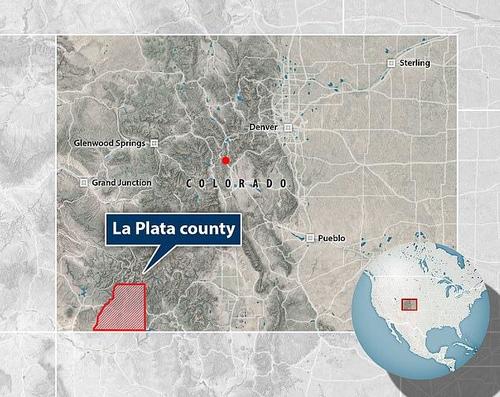
Via The Daily Mail

The report continued, "Prairie dogs, squirrels, chipmunks and other rodents many carry the fleas and become infected themselves, so everyone should avoid getting close to those animals, the health department said in a news release."

The CDC has written that "human plague infections continue to occur in rural areas in the western United States, but significantly more cases occur in parts of Africa and Asia." Some recent cases have been observed in places like Mongolia. 
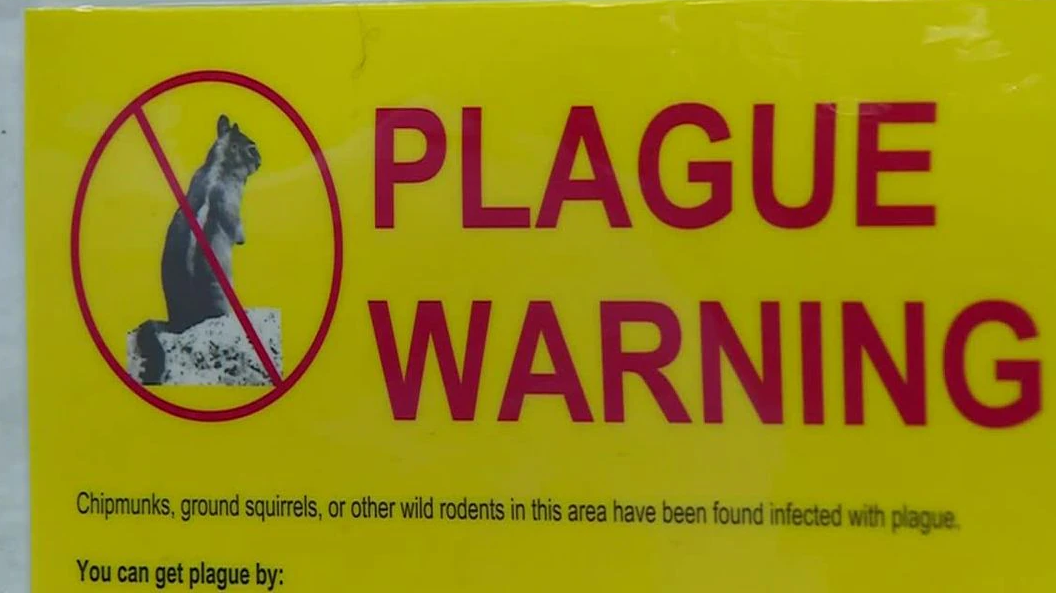
Below are some tips for avoiding the plague from Colorado's Department of Public Health and Environment (CDPHE):

  • Avoid fleas. Protect pets with a veterinary approved flea treatment and keep them on a leash and out of wild rodent habitats.
  • Stay out of areas where wild rodents live. If you enter areas inhabited by wild rodents, wear insect repellent and tuck your pant cuffs into your socks to prevent flea bites.
  • Avoid all contact with wild rodents, including squirrels. Do not feed or handle them.
  • Do not touch sick or dead animals.
  • Prevent rodent infestations around your house by clearing plants and materials away from outside walls, reducing access to food items, and setting traps.
  • Consult with a professional pest control company to treat the area around your home for fleas.
  • Contact a veterinarian if your pet becomes ill with a high fever and/or an abscess (i.e. open sore) or swollen lymph nodes. Pets with plague can transmit the illness to humans.
  • Children should be aware of these precautions and know to tell an adult if they have had contact with a wild animal or were bitten by fleas.

Broadly in the United States what was a hoped-for 'post-pandemic' return to normal has seen a recent spate of headlines over everything from dangerous coronavirus variants, to vaccinated people becoming infected with COVID-19, to more recently a rare Monkeypox infection and potential outbreak in the US, to now concerns over the plague. 

https://www.zerohedge.com/medical/colorado-health-officials-monitoring-literal-plague-activity-least-6-counties-after-child

Potential role of 'junk DNA' sequence in aging, cancer

 The human body is essentially made up of trillions of living cells. It ages as its cells age, which happens when those cells eventually stop replicating and dividing. Scientists have long known that genes influence how cells age and how long humans live, but how that works exactly remains unclear. Findings from a new study led by researchers at Washington State University have solved a small piece of that puzzle, bringing scientists one step closer to solving the mystery of aging.

A research team headed by Jiyue Zhu, a professor in the College of Pharmacy and Pharmaceutical Sciences, recently identified a DNA region known as VNTR2-1 that appears to drive the activity of the telomerase gene, which has been shown to prevent aging in certain types of cells. The study was published in the journal Proceedings of the National Academy of Sciences (PNAS).

The telomerase gene controls the activity of the telomerase enzyme, which helps produce telomeres, the caps at the end of each strand of DNA that protect the chromosomes within our cells. In normal cells, the length of telomeres gets a little bit shorter every time cells duplicate their DNA before they divide. When telomeres get too short, cells can no longer reproduce, causing them to age and die. However, in certain cell types -- including reproductive cells and cancer cells -- the activity of the telomerase gene ensures that telomeres are reset to the same length when DNA is copied. This is essentially what restarts the aging clock in new offspring but is also the reason why cancer cells can continue to multiply and form tumors.

Knowing how the telomerase gene is regulated and activated and why it is only active in certain types of cells could someday be the key to understanding how humans age, as well as how to stop the spread of cancer. That is why Zhu has focused the past 20 years of his career as a scientist solely on the study of this gene.

Zhu said that his team's latest finding that VNTR2-1 helps to drive the activity of the telomerase gene is especially notable because of the type of DNA sequence it represents.

"Almost 50% of our genome consists of repetitive DNA that does not code for protein," Zhu said. "These DNA sequences tend to be considered as 'junk DNA' or dark matters in our genome, and they are difficult to study. Our study describes that one of those units actually has a function in that it enhances the activity of the telomerase gene."

Their finding is based on a series of experiments that found that deleting the DNA sequence from cancer cells -- both in a human cell line and in mice -- caused telomeres to shorten, cells to age, and tumors to stop growing. Subsequently, they conducted a study that looked at the length of the sequence in DNA samples taken from Caucasian and African American centenarians and control participants in the Georgia Centenarian Study, a study that followed a group of people aged 100 or above between 1988 and 2008. The researchers found that the length of the sequence ranged from as short as 53 repeats -- or copies -- of the DNA to as long as 160 repeats.

"It varies a lot, and our study actually shows that the telomerase gene is more active in people with a longer sequence," Zhu said.

Since very short sequences were found only in African American participants, they looked more closely at that group and found that there were relatively few centenarians with a short VNTR2-1 sequence as compared to control participants. However, Zhu said it was worth noting that having a shorter sequence does not necessarily mean your lifespan will be shorter, because it means the telomerase gene is less active and your telomere length may be shorter, which could make you less likely to develop cancer.

"Our findings are telling us that this VNTR2-1 sequence contributes to the genetic diversity of how we age and how we get cancer," Zhu said. "We know that oncogenes -- or cancer genes -- and tumor suppressor genes don't account for all the reasons why we get cancer. Our research shows that the picture is a lot more complicated than a mutation of an oncogene and makes a strong case for expanding our research to look more closely at this so-called junk DNA."

Zhu noted that since African Americans have been in the United States for generations, many of them have Caucasian ancestors from whom they may have inherited some of this sequence. So as a next step, he and his team hope to be able to study the sequence in an African population.

In addition to Zhu, authors on the paper include co-first authors Tao Xu and De Cheng and others at Washington State University, as well as their collaborators at Northeast Forestry University in China; Pennsylvania State University; and North Carolina State University.

Funding for this study came from the National Institutes of Health's National Institute of General Medical Sciences, the Melanoma Research Alliance, and the Health Sciences and Services Authority of Spokane County.


Story Source:

Materials provided by Washington State University. Original written by Judith Van Dongen. Note: Content may be edited for style and length.


Journal Reference:

  1. Tao Xu, De Cheng, Yuanjun Zhao, Jinglong Zhang, Xiaolu Zhu, Fan Zhang, Gang Chen, Yang Wang, Xiufeng Yan, Gavin P. Robertson, Shobhan Gaddameedhi, Philip Lazarus, Shuwen Wang, Jiyue Zhu. Polymorphic tandem DNA repeats activate the human telomerase reverse transcriptase geneProceedings of the National Academy of Sciences, 2021; 118 (26): e2019043118 DOI: 10.1073/pnas.2019043118


Brain-repair discovery could lead to new epilepsy treatments

 University of Virginia School of Medicine researchers have discovered a previously unknown repair process in the brain that they hope could be harnessed and enhanced to treat seizure-related brain injuries.

Common seizure-preventing drugs do not work for approximately a third of epilepsy patients, so new and better treatments for such brain injuries are much needed. UVA's discovery identifies a potential avenue, one inspired by the brain's natural immune response.

Using high-powered imaging, the researchers were able to see, for the first time, that immune cells called microglia were not just removing damaged material after experimental seizures but actually appeared to be healing damaged neurons.

"There has been mounting generic support for the idea that microglia could be used to ameliorate seizures, but direct, visualized evidence for how they could do this has been lacking," said researcher Ukpong B. Eyo, PhD, of UVA's Department of Neuroscience, the UVA Brain Institute and UVA's Center for Brain Immunology and Glia (BIG). "Our results indicate that microglia may not be simply clearing debris but providing structural support for neuronal integrity that may have implications even beyond the scope of seizures and epilepsy."

A Surprising Response to Seizures

The new findings come from a collaboration of scientists at UVA, Mayo Clinic and Rutgers University. They used an advanced imaging technique called two-photon microscopy to examine what happened in the brains of lab mice after severe seizures. What they saw was strange and unexpected.

Rather than simply cleaning up debris, the microglia began forming pouches. These pouches didn't swallow up damaged material, as many immune cells do. Instead, they began tending to swollen dendrites -- the branches of nerve cells that transmit nerve impulses. They weren't removing, the scientists realized; they appeared to be healing.

These odd little pouches -- the scientists named them "microglial process pouches" -- stuck around for hours. They often shrank, but they were clearly doing something beneficial because the dendrites they targeted ended up looking better and healthier than those they didn't.

"We did not find microglia to be 'eating' the neuronal elements in this context," Eyo said. "Rather, we saw a strong correlation between these interactions and a structural resolution of injured neurons suggestive of a 'healing' process."

The new insights into the brain's immune response points scientists in promising new directions. "Although these findings are exciting, there is yet a lot to follow-up on them. For example, the precise mechanisms that regulate the interactions remain to be identified. Moreover, at present, the 'healing' feature is suggested from correlational results and more definitive studies are required to certify the nature of the 'healing,'" Eyo said. "If these questions can be answered, they will provide a rationale for developing approaches to enhance this process ... in seizure contexts."

Eyo has already received two grants totaling almost $5 million from the National Institutes of Health to continue his study of microglia. The funding will allow him to study how the immune cells help regulate vascular function, which could be important in diseases such as Alzheimer's, and their role in brain-hyperactivity disorders such as febrile seizures that can trigger epilepsy.

"With this new funding, we are eager to clarify roles for microglia in seizure disorders and vascular function," he said. "UVA's continued investment is neuroscience research provides a suitable home for our lab's research."


Story Source:

Materials provided by University of Virginia Health SystemNote: Content may be edited for style and length.


Journal Reference:

  1. Ukpong B. Eyo, Koichiro Haruwaka, Mingshu Mo, Antony Brayan Campos-Salazar, Lingxiao Wang, Xenophon S. Speros, Sruchika Sabu, Pingyi Xu, Long-Jun Wu. Microglia provide structural resolution to injured dendrites after severe seizuresCell Reports, 2021; 35 (5): 109080 DOI: 10.1016/j.celrep.2021.109080

Vaccine biotech Icosavax sets terms for $150 million IPO

Icosavax, a Phase 1 biotech developing vaccines for respiratory diseases, announced terms for its IPO on Thursday.


The Seattle, WA-based company plans to raise $150 million by offering 10 million shares at a price range of $14 to $16. At the midpoint of the proposed range, Icosavax would command a fully diluted market value of $590 million.

Icosavax is developing its virus-like particle, or VLP, platform technology to develop vaccines against infectious diseases, with an initial focus on life threatening respiratory diseases. The company's pipeline includes vaccines programs targeting some of the most prevalent viral causes of pneumonia. The company's lead program is IVX-A12, a bivalent candidate targeting both respiratory syncytial virus, or RSV, and human metapneumovirus, or hMPV. 

Icosavax was founded in 2017 and booked $4 million in revenue for the 12 months ended March 31, 2021. It plans to list on the Nasdaq under the symbol ICVX. Jefferies, Cowen, Evercore ISI, and William Blair are the joint bookrunners on the deal. It is expected to price during the week of July 26, 2021.

https://www.nasdaq.com/articles/vaccine-biotech-icosavax-sets-terms-for-%24150-million-ipo-2021-07-22

Federal appeals court finds CDC eviction moratorium unlawful

 A federal appeals court ruled Friday that the Centers for Disease Control and Prevention (CDC) exceeded its authority by temporarily halting evictions amid the pandemic.

In a unanimous ruling, a three-judge panel of the Cincinnati-based 6th Circuit Court of Appeals agreed with a lower court that the agency had overreached with its eviction moratorium, which is set to expire at the end of July.

The CDC order, originally enacted in September 2020 and subsequently extended by Congress and President Biden, aims to protect cash-strapped tenants who would face overcrowded conditions if evicted.

But in its Friday ruling, the court rejected the CDC’s two-pronged argument that the eviction freeze was within its authority, or that Congress authorized the measure after the fact as part of its COVID-19 relief legislation.

It was not immediately clear what practical impact would result from the ruling, which affirmed a March decision by a federal judge in Tennessee in favor of a group of landlords. That lower court ruling, by U.S. District Judge Mark Norris, a Trump appointee, blocked enforcement of the eviction freeze throughout the Western District of Tennessee.

The latest development comes after the Supreme Court last month voted 5-4 to reject an emergency request from a separate group of landlords who also sought to have the eviction ban lifted, arguing it amounts to unlawful government overreach at a cost of some $13 billion each month to property owners.

Justice Brett Kavanaugh, who was among the majority, indicated that he believed the CDC had exceeded its authority in enacting the moratorium, and said Congress would need to pass new legislation for the CDC to lawfully push the moratorium past July 31.

According to Luke Wake, an attorney at Pacific Legal Foundation, which represents landlords in a number of challenges to the eviction moratorium, the 6th Circuit’s ruling Friday increases the odds that the CDC will simply allow its moratorium to expire at the end of the month, rather than attempt to extend it further or mount an appeal to the Supreme Court.

“I think the real practical significance of this decision today is it puts the CDC in a box. They're trapped right now,” Wake said. “If they had thought about renewing it, which was entirely likely that they would, now they've got the Sixth Circuit definitively agreeing with us that they didn't have statutory authority, and that if they did, it was a constitutional problem.”

The federal moratorium allows tenants who have lost income during the pandemic to protect themselves from eviction by declaring under penalty of perjury that they have made their best effort to pay rent and would face overcrowded conditions if evicted, threatening public health.

The extended protections come as landlords and property owners have sought to evict tens of thousands of financially distressed renters from their homes and as federal rental aid continues to make its way to needy tenants. Some state governments, which bear responsibility for distributing more than $45 billion in federally funded rental assistance, have been slow to make those disbursements.

The eviction pause has faced numerous legal challenges, leading to a patchwork of legal interpretations nationwide on the moratorium's lawfulness.

https://thehill.com/regulation/court-battles/564537-federal-appeals-court-finds-cdc-eviction-moratorium-unlawful

Israel: Pfizer vaccine allows infection but prevents severe illness

 A new study released this week from Israel’s Health Ministry found that while the Pfizer-BioNTech vaccine is highly effective at preventing severe COVID-19 cases caused by the delta variant, it was much less effective than the health agency previously thought at protecting people from infection.

The study, conducted from June 20 to July 17, with results released in a report Thursday, found that the two-dose Pfizer-BioNTech inoculation was roughly 88 percent effective at preventing hospitalization due to the delta variant and about 91 percent effective at protecting against severe cases.

However, the Israeli health agency said that for symptomatic COVID-19 cases, the vaccine was found to offer just about 41 percent protection against the delta variant, with an overall effectiveness of 39 percent for preventing delta variant infections. 

The new percentage is much lower than the 64 percent effectiveness against delta variant infections that Israel reported earlier this month. 

The previous figure drew widespread skepticism from health experts, who argued that mRNA vaccines like the Pfizer shot have repeatedly been shown to offer strong protection against COVID-19 variants. 

The initial Israeli report was also challenged by a Public Health England study released Wednesday in the New England Journal of Medicine that found that the two-dose Pfizer vaccine was 88 percent effective against the delta variant. 

In comparison, the U.K. health agency said that the AstraZeneca vaccine was 67 percent effective at preventing infection from the delta strain. 

Ran Balicer, chairman of Israel’s national expert advisory team on the COVID-19 response, said in a statement along with the Thursday report that their data could have been skewed, citing the ways in which vaccinated groups of people were tested versus those who had not been vaccinated.

“The heavily skewed exposure patterns in the recent outbreak in Israel, which are limited to specific population sectors and localities,” mean that some factors may not be accounted for, he said, according to Bloomberg

“We are trying to complement this research approach with additional ones, taking additional personal characteristics into account,” Balicer added before noting that “this takes time and larger case numbers.”

Pfizer said in a Friday statement that it was confident in the protection offered by its two-dose vaccine, with BioNTech telling Bloomberg that it was reviewing the Israeli government’s data. 

Israeli studies on the vaccine's effectiveness against the delta variant were previously used by Pfizer earlier this month to suggest that people may eventually need a booster shot, though U.S. health officials have said it is not necessary at this time. 

An advisory panel for the Centers for Disease Control and Prevention met Thursday morning to discuss whether it should recommend a booster COVID-19 shot for people who are immunocompromised.

https://thehill.com/policy/healthcare/564675-israel-pfizer-vaccine-allows-infection-but-preventing-severe-illness

UK government eyes social rewards program to combat obesity

 British Prime Minister Boris Johnson’s government is reportedly looking to develop a social rewards program that could aid in the health ministry’s ongoing efforts to combat obesity in the country. 

British newspaper The Telegraph on Friday reported that Johnson has brought in Keith Mills, who helped run the London Olympics, to launch the national initiative, which could reportedly include a system through which “loyalty points” can be earned based on citizens’ healthy lifestyle commitments. 

According to The Telegraph, family supermarket spending would be monitored under the program, with those who reduce calorie intake and buy more fruits and vegetables rewarded with points.

People could also earn points by increasing their exercise in organized events or walking to school, the news outlet reported. 

Potential prizes for accumulated loyalty points include shopping vouchers and discounts, as well as free tickets and other incentives. 

The reported plan, which The Telegraph said is set to launch in January, comes as the outgoing head of the United Kingdom’s (U.K.) National Health Service (NHS), Lord Stevens, said Friday that health officials could struggle to address illnesses in the future if obesity is not immediately addressed. 

Johnson himself has brought attention to the issue of obesity, saying in March that he believed his weight contributed to his stay in intensive care after he was diagnosed with COVID-19.

Johnson said at the time that he was “doing all I can to lose weight,” adding that he had been cutting out carbs and “late night cheese.”

Health experts have said that individuals who are overweight are at risk for greater complications from COVID-19.

The Hill has reached out to the U.K.'s Department of Health and Social Care for comment on the reported plans. 

The British government previously announced in March that it would be offering financial rewards up to $700,000 for overweight or obese people to go on weight management courses. 

Johnson said at the time that while “losing weight is hard,” making “small changes can make a big difference. Being overweight increases the risk of becoming ill with Covid.” 

“If we all do our bit we can reduce our own health risks but also take pressure off the NHS,” he added, according to The Guardian

Last month, the U.K.'s health department said it would be banning TV and online ads that promote junk food before 9 p.m. and this week announced that it would be restricting unhealthy food promotions in stores starting October 2022.

https://thehill.com/policy/international/europe/564683-uk-government-mulling-social-rewards-program-to-combat-obesity