Search This Blog

Wednesday, January 4, 2023

Air Marshals Angry At Biden Admin For 'Menial' Border Tasks While New AQ Threat Emerges

 Judicial Watch says it has obtained a copy of a new intelligence alert first circulated among federal government agencies in December which points to a fresh al-Qaeda threat against the nation. The warning reads"Al-Qaeda says upcoming attacks on US, possibly involving planes, will use new techniques and tactics," with DHS sources saying the alert was widely circulated on Dec. 31st. 

The threat alert comes amid reported ongoing tensions among federal air marshals, who have expressed frustration over being sent by DHS for duties to assist US Customs and Border Protection on the ground along the southern border for what they complain are menial tasks, which until recently were supposed to be merely brief voluntary stints. 

The Federal Air Marshal Service is responsible for protecting the flying public by providing armed protection on some commercial flights, in order halt hijackings or other 9/11-style terrorist events, and other threats which could endanger the lives of passengers.

In wake of the heightened al-Qaeda threat alert, a prominent industry union, the Air Marshal National Council (AMNC), is lashing out - with AMNC Executive Director Sonya Labosco saying the following in a new Fox interview

"It looks absolutely insane," Labosco told co-host Todd Piro. "We don't understand why these decisions are being made. The intel is clear. Al Qaeda is watching for our weak areas. Our aviation is a high-risk area. We're not protecting our aviation domain, and we're going to the border. It is absolutely madness."

The controversy has gone public in the last few months, forcing DHS top officials to address the air marshals' growing complaints. 

In early December, an independent journal, Homeland Security Today, summarized the conflict between the marshals and DHS leadership under the Biden administration: 

Beginning last month, federal air marshals have been assigned to 21-day deployments at the southern border that were previously voluntary assignments. The Transportation Security Administration told the Washington Examiner that claims the air marshals were doing menial tasks on the border are "entirely inaccurate and does not reflect the critical and professional law enforcement role these officers perform."

The TSA defended itself further in saying, "Federal Air Marshals are performing law enforcement support to the mission at the southwest border,” according to an official statement. "The TSA Federal Air Marshal Service is a highly valued member of the DHS law enforcement team and has an ever-expanding role within DHS, working closely with other U.S. and international law enforcement agencies to safeguard the nation’s transportation systems," it said.

Furthermore union officials sought to intervene and have begun a media pressure campaign, with Judicial Watch explaining the following in its summary of the standoff

Days later the Air Marshal National Council, which represents thousands of FAM nationwide, accused TSA Administrator David Pekoske and FAM Director Tirrell Stevenson of violating federal law and overstepping their authority by assigning air marshals to assist the U.S. Border Patrol with the illegal immigration crisis. In a formal complaint to the DHS Inspector General, the group also accused the Homeland Security leaders of fraud, waste, and abuse of authority. Sending air marshals to El Paso, Texas, San Diego, California, Laredo, Texas, McAllen, Texas, Tucson, Arizona and Yuma, Arizona to transport illegal immigrants and conduct welfare checks has no relation to TSA’s core mission of transportation security, the complaint states.

"The statute does not give the Administrator any authority to deploy TSA or FAM employees to the southern border to perform non transportation security related matters," the complaint to the DHS IG says. "Further, under section (g) the statute describes what the Administrators authority is if an emergency, as defined by the Secretary of Homeland Security, is declared." The act makes clear that the legislative intent is to only allow TSA to exercise authority and deploy its assets for transportation security, the report to the DHS watchdog confirms.

In the meantime, the aforementioned union representative LaBosco has highlighted that the air marshals' work at the border goes beyond what one might think of as menial security tasks. Instead, she describes that air marshals who should be protecting passenger jets in the skies are at places like camps with illegal aliens making sandwiches and running simple errands... "They are making sandwiches for them and driving them around like Uber or picking up supplies."

And separately other union representative said of the TSA and DHS, "Either they don’t care about aviation security, or they really think it is secure."

https://www.zerohedge.com/political/air-marshals-angry-biden-admin-menial-border-tasks-new-aq-threat-emerges

Walgreens, CVS plan to start offering abortion pills

 Walgreens Boot Alliance Inc and CVS Health Corp said on Wednesday they plan to seek certification to dispense abortion pills following the U.S. Food and Drug Administration (FDA) decision to allow retail pharmacies to offer the drug in the United States for the first time.

"We are working through the registration, necessary training of our pharmacists, as well as evaluating our pharmacy network in terms of where we normally dispense products that have extra FDA requirements and will dispense these consistent with federal and state laws," Walgreens said in an emailed statement. CVS Health also said it plans to seek certification to dispense mifepristone, where legally permissible.

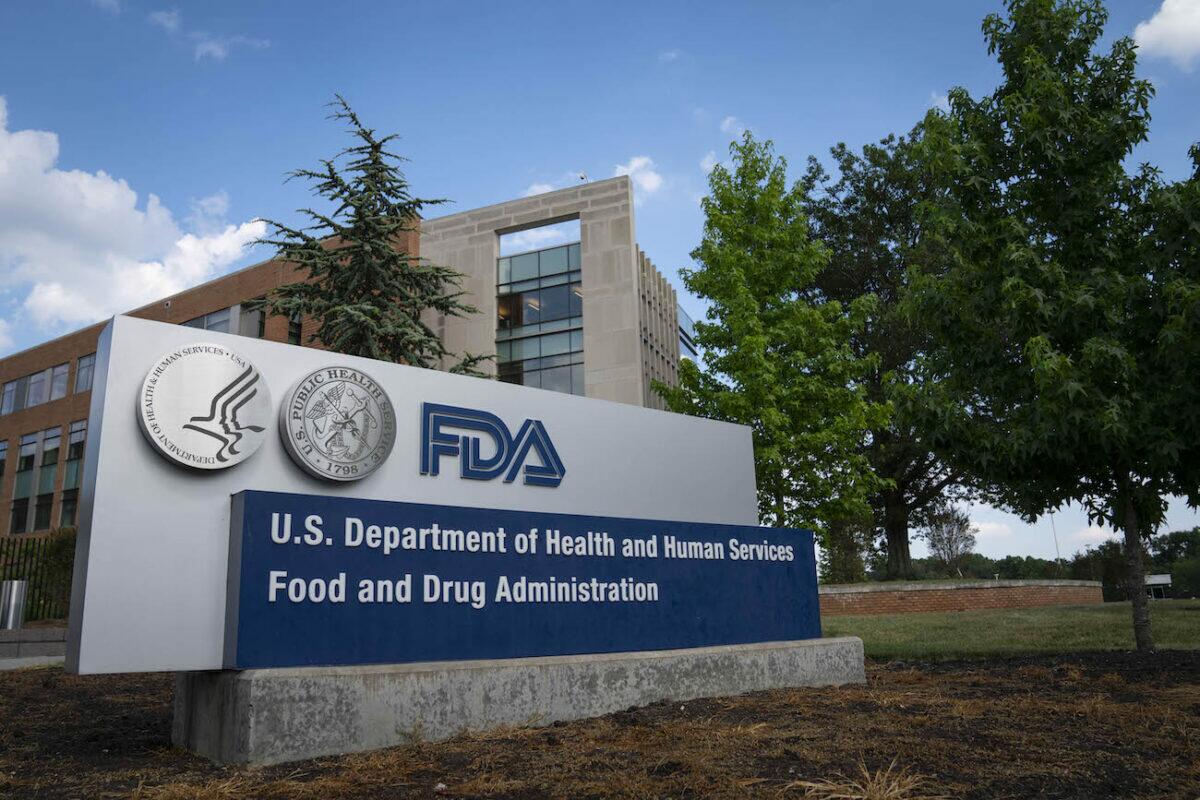
The FDA on Tuesday finalized a rule allowing mifepristone, one of two drugs used in medication abortions, to be dispensed by retail pharmacies. The health agency finalized the changes after reviewing supplemental applications from Danco Laboratories and GenBioPro, the two companies that make the drug in the United States.

The regulatory change will make medication abortion, which accounts for more than half of U.S. abortions, more accessible in states where abortion remains legal, but its impact in states that have banned abortion will be limited.

Retail pharmacies will have to weigh whether or not to offer the pill given the political controversy surrounding abortion, and determine where they can do so.

https://finance.yahoo.com/news/walgreens-cvs-plan-start-offering-005308405.html

Poseida Ushers New Era For Gene Therapies: Wainwright in Buy Note


  • HC Wainwright has initiated coverage on Poseida Therapeutics Inc  with a Buy rating and a price target of $15.
  • Poseida is a clinical-stage biopharmaceutical company focused on developing cell and gene therapies based on its proprietary platforms, including piggyBac, Cas-CLOVER, and nanoparticle technologies.
  • The analyst writes that Poseida’s piggyBac and Cas-CLOVER technologies could potentially address the issues with current autologous CART therapies, such as severe toxicities, limited efficacy in solid tumors, and high manufacturing cost. 
  • HC Wainwright also writes that current mainstream adeno-associated virus (AAV)- based in vivo gene therapy has multiple shortcomings. Hence combining piggyBac and nanoparticles could potentially deliver a virus-free, safe, and durable in vivo gene therapy and expand indications and patient populations.
  • Although Poseida’s in vivo gene therapy pipeline is still preclinical, the analyst says the promising data from P-OTC-101 and P-FVIII-101 programs provide proof of concept that an in vivo gene therapy based on piggyBac and nanoparticle platforms could deliver durable efficacy, even in a juvenile patient population. 
  • The company’s wholly-owned P-OTC-101 program is expected to enter human trials in early 2024.

Health Care Workers Cry Foul On FDA Claiming It Didn’t Prohibit Ivermectin For COVID-19

 by Katie Spence via The Epoch Times (emphasis ours),

Dr. Yusuf Saleeby has practiced medicine for more than 30 years. He serves patients in South Carolina and until recently had never faced an investigation from his state medical board.

But after Saleeby started prescribing ivermectin to his patients, he was reported to the board, which opened an investigation, despite the state’s attorney general’s promise that his office wouldn’t prosecute doctors who prescribed off-label medications.

Jennifer Wright, a nurse practitioner and clinical director who practices in Florida, but can prescribe across state lines, told The Epoch Times she received a letter from the Office of the Attorney General of New York ordering her not to prescribe ivermectin.

“You know, basically threatened me. If I don’t stop prescribing, then they’re going to fine me,” Wright said about the letter, which threatened legal action with fines of up to $5,000 per violation.

The letter stated that the Food and Drug Administration only authorized ivermectin for use in humans when treating “parasitic worms and head lice and skin conditions like rosacea.”

The citation in the letter appears to be from an FDA advisory issued in March 2021 titled “Why You Should Not Use Ivermectin to Treat or Prevent COVID-19.

That advisory and other anti-ivermectin messaging from the FDA are now the subject of a lawsuit brought by three doctors against the agency. The doctors argue that the FDA illegally interfered with their ability to treat patients. The suit was dismissed but an appeal has been filed by the plaintiffs.

During a hearing in 2022, attorneys defending the government argued that the agency’s missives were just a recommendation.

They did not say it’s prohibited or it’s unlawful. They also did not say that doctors may not prescribe ivermectin,” Isaac Belfer, one of the lawyers for the government, said during a Nov. 1, 2022, hearing in federal court in Texas.

The government’s arguments differ greatly from the reality many doctors faced for prescribing ivermectin. Some lost their jobs, others were investigated by state medical boards, and many received threats from the New York attorney general because they were prescribing across state lines.

Matthew Dark, a spokesperson for Roots Medical and Colorado Healthcare Providers for Freedom, which has more than 275 physicians in the group, stated that several doctors in Colorado are facing investigations by the state medical board.

When asked about the FDA’s new claim, Dark stated: “They knew it was safe for humans, and they made that very accusatory thing if you were a doctor prescribing this, you were an idiot. You were practicing like a hillbilly. So that message was loud and clear.”

Dark referred to Twitter posts from the FDA, one of which said: “You are not a horse. You are not a cow. Seriously, y’all. Stop it.

“Pharmacies were responding to the practice and providers trying to write [ivermectin] the same way the FDA was behaving,” Dark said.

Wright concurred, and pointing to her letter from the New York attorney general, said, “It clearly states in this letter that according to the FDA, you must cease and desist in prescribing ivermectin to New York State residents.”

Dr. Miguel Antonatos, a board-certified internal medicine physician who practices out of Illinois, but can prescribe to other states, told The Epoch Times via email that he, too, received a letter from the New York attorney general.

Nicole Sirotek is a registered nurse and founder of American Frontline Nurses, a patient advocacy network that boasts 22,000 nurses. She told The Epoch Times that her nurses often work with doctors in hospital settings.

At the height of the pandemic, Sirotek said patients would reach out to her advocacy network and beg for ivermectin, either for themselves or their loved ones dying in the hospital.

She stated that in five separate instances, doctors were fired or forced to resign for prescribing ivermectin as a home medication for nurses to administer in hospitals.

“That happened five times, and each physician was fired. That’s five physicians in five different states and five different hospital systems.”

Julie McCabe, a registered nurse and director of advocacy services for American Frontline Nurses, told The Epoch Times that the above doctors include Dr. Edith Behr in Pennsylvania, Dr. John Witcher in Mississippi, Dr. Mary Bowden in Texas, Dr. Robert Karas in Arkansas, and Dr. Paul Marik in Virginia. Bowden and Marik are two of the three doctors suing the FDA over its stance on ivermectin.

Bowden told The Epoch Times that Houston Methodist Hospital suspended her for merely writing on Twitter about ivermectin, and she had to overcome “numerous obstacles” when prescribing it to patients.

“The FDA was the key creator of these hurdles when it launched a social media campaign stating that ivermectin is dangerous and only for horses. When faced with a lawsuit, the FDA now claims it was merely making suggestions—suggestions that have threatened my ability to practice medicine and more importantly, interfered with life-saving early treatment of COVID patients,” Bowden said.

Sirotek said members of the group Team Halo targeted her because of her stance on ivermectin. The group describes itself as “volunteer scientists and healthcare professionals from around the world, working to end this pandemic by contributing our time to address concerns and public health misinformation.”

Members of the group filed several complaints to Nevada’s state medical board, which Sirotek said costs her $5,000 per complaint to fight.

With tears streaming from her eyes, Sirotek said she’d also received death threats, pictures of her house, and threats to murder her children. Sirotek provided copies of these threats to The Epoch Times. Team Halo didn’t respond to a request by The Epoch Times for comment.

Pushback Begins

In the spring of 2020, with COVID-19 spreading like wildfire through the population, finding a viable treatment was paramount in many doctors’ minds. And as no drug was approved to treat the novel virus, they turned to off-label use, a standard medical practice even in non-pandemic times.

In March 2020, a group of leading critical care specialists joined forces and formed the Front Line COVID-19 Critical Care Alliance (FLCCC). Their mission was to examine different therapies and drugs and recommend possible COVID-19 treatments based on best medical practices and emerging data.

Almost immediately, ivermectin was put forward as a possible treatment. First approved for human use in 1987 and dispensed billions of times since then, ivermectin is traditionally prescribed to treat parasites. But it’s safe and was already known to have an effect on viruses.

“This is a medication that is safer than Tylenol, safer than stuff we sell over the counter,” Wright said.

Saleeby agreed.

[Ivermectin is] probably one of the most prescribed drugs. It’s given out like candy in Sub-Saharan Africa and Amazon basin or anywhere around water. … It’s doled out to children and pregnant women. … As far as safety, it’s probably safer than baby aspirin. It’s probably the safest drug on the planet, to be honest.

“I was using [ivermectin] sporadically in some of my Lyme patients. It’s effective against Lyme. We knew it had effectivity against viruses and other pathogens like Borrelia and Babesia.”

Sirotek told The Epoch Times that, especially as the Delta strain increased hospitalizations and deaths in the United States, she and several nurses questioned why some countries seemingly remained unaffected. The answer, she believes, was widespread ivermectin use.

At first, prescribing ivermectin and obtaining it from a regular pharmacy wasn’t an issue, Wright said. More importantly, it worked.

“We started using it very early on, and I could prescribe it to the pharmacy. I would prescribe it according to the FLCCC recommendations because they were the ones doing the research. I was just validating that, you know, this has some real stuff behind it.”

When the pandemic began, ivermectin as an effective treatment was primarily a theory. But as health care workers reported that it worked, more and more studies were conducted to back up those early successes.

There have been 189 ivermectin COVID-19 studies, according to the aggregate site C19ivm.org. Of those studies, 139 have been peer-reviewed, and 93 compare treatment and control groups.

In the 93 studies, which had more than 133,838 patients in 27 countries, there were “statistically significant improvements are seen for mortality, ventilation, ICU admission, hospitalization, recovery, cases, and viral clearance,” a real-time meta-analysis states.

Simply put, as health care workers saw firsthand that ivermectin worked in their practices, studies were simultaneously confirming the medicine’s effectiveness.

Dr. Peter Raisanen, a naturopathic medical doctor in Arizona, said that once he started his patients on ivermectin, they typically started feeling better within a few days.

It seemed like it was within three to four days, like they [started feeling] better,” Raisanen told The Epoch Times.

Raisanen said he treated about 200 patients with ivermectin, and none died. Almost all stayed out of the hospital. That’s an experience several doctors attested to witnessing.

“We’ve probably collectively [at Roots Medical], treated 1,000 people with early COVID,” Dark said.

He said that when a patient was treated early on in their illness, there was a clear improvement—often within hours.

“It’s within two hours of that first dose that people start feeling noticeably better. And within two days, most symptoms are gone. Again, this is with starting early treatment, say days one to three, one to four, of infection or symptoms,” Dark said.

https://www.zerohedge.com/covid-19/health-care-workers-cry-foul-fda-claiming-it-didnt-prohibit-ivermectin-covid-19


Indiana medical board sets doctor’s hearing in abortion case

 Indiana’s medical licensing board next month will hear a case regarding the Indianapolis doctor who this past summer provided an abortion to a 10-year-old rape victim from Ohio.

The Feb. 23 hearing is the first step in determining the medical license status of Dr. Caitlin Bernard, an Indianapolis obstetrician-gynecologist whom the Indiana attorney general claimed violated privacy laws after Bernard spoke to an Indianapolis newspaper about the Ohio girl’s treatment.

Attorneys for Bernard stated the doctor followed Indiana’s abortion and child abuse reporting requirements while the child’s case was being investigated by Ohio authorities, court documents from December show.

The case drew national attention in the weeks after the U.S. Supreme Court overturned Roe v. Wade last June. A 27-year-old man was later charged in Columbus, Ohio, with raping the girl.

After the newspaper cited that case in a July 1 article about patients heading to Indiana for abortions because of more restrictive laws elsewhere, Indiana Attorney General Todd Rokita told Fox News he would investigate Bernard’s actions, calling her an “abortion activist acting as a doctor.”

Bernard filed a lawsuit against Rokita in November, when she argued Rokita’s office was wrongly justifying the investigation with “frivolous” consumer complaints submitted by people with no personal knowledge about the girl’s abortion.

Marion County Judge Heather Welch ruled last month in that case that Rokita could continue investigating Bernard after his office requested the state medical licensing board discipline Bernard. But Welch also said Rokita wrongly made public comments about investigating Bernard before he filed that complaint with the board.

Bernard’s attorney and Rokita did not immediately reply to requests for comment.

https://apnews.com/article/abortion-health-ohio-indiana-indianapolis-96b525ffbe7b30999e2f996e207b55f3

Pharmacologic Treatment of Osteoporosis or Low Bone Mass to Prevent Fractures: Guidelines


,   

,   

https://doi.org/10.7326/M22-1034


Abstract

Description:

This guideline updates the 2017 American College of Physicians (ACP) recommendations on pharmacologic treatment of primary osteoporosis or low bone mass to prevent fractures in adults.

Methods:

The ACP Clinical Guidelines Committee based these recommendations on an updated systematic review of evidence and graded them using the GRADE (Grading of Recommendations Assessment, Development and Evaluation) system.

Audience and Patient Population:

The audience for this guideline includes all clinicians. The patient population includes adults with primary osteoporosis or low bone mass.

Recommendation 1a:

ACP recommends that clinicians use bisphosphonates for initial pharmacologic treatment to reduce the risk of fractures in postmenopausal females diagnosed with primary osteoporosis (strong recommendation; high-certainty evidence).

Recommendation 1b:

ACP suggests that clinicians use bisphosphonates for initial pharmacologic treatment to reduce the risk of fractures in males diagnosed with primary osteoporosis (conditional recommendation; low-certainty evidence).

Recommendation 2a:

ACP suggests that clinicians use the RANK ligand inhibitor (denosumab) as a second-line pharmacologic treatment to reduce the risk of fractures in postmenopausal females diagnosed with primary osteoporosis who have contraindications to or experience adverse effects of bisphosphonates (conditional recommendation; moderate-certainty evidence).

Recommendation 2b:

ACP suggests that clinicians use the RANK ligand inhibitor (denosumab) as a second-line pharmacologic treatment to reduce the risk of fractures in males diagnosed with primary osteoporosis who have contraindications to or experience adverse effects of bisphosphonates (conditional recommendation; low-certainty evidence).

Recommendation 3:

ACP suggests that clinicians use the sclerostin inhibitor (romosozumab, moderate-certainty evidence) or recombinant PTH (teriparatide, low-certainty evidence), followed by a bisphosphonate, to reduce the risk of fractures only in females with primary osteoporosis with very high risk of fracture (conditional recommendation).

Recommendation 4:

ACP suggests that clinicians take an individualized approach regarding whether to start pharmacologic treatment with a bisphosphonate in females over the age of 65 with low bone mass (osteopenia) to reduce the risk of fractures (conditional recommendation; low-certainty evidence).

Primary osteoporosis (osteoporosis that is not secondary to a separate condition or medication) is characterized by decreasing bone mass and density and reduced bone strength leading to a higher risk for fracture (Appendix Table 1) (12). Fractures can occur in any bone, but hip and spine fractures are most common, accounting for 42% of all osteoporotic fractures. Fractures are associated with serious morbidity and mortality, and people with prevalent fractures are at much higher risk for future fractures (3–5). Overall, an estimated 10.2 million persons aged 50 years or older in the United States have osteoporosis, and about 43.3 million persons (>40% of older U.S. adults) have low bone mass associated with a high risk for progression to osteoporosis (6).

https://www.acpjournals.org/doi/10.7326/M22-1034