Search This Blog

Thursday, June 5, 2025

'Picking the Right Osteoanabolic Agent First, and What Comes Next'

 Not all osteoporosis medications work the same, and that's especially true for the small class of osteoanabolic agents.

Only three approved drugs belong to this category -- teriparatide, abaloparatide (Tymlos), and romosozumab (Evenity) -- and they work by stimulating bone formation instead of by only preventing bone resorption like other classes of osteoporosis drugs like bisphosphonates or denosumab (Prolia, Xgeva).

"What's important to note here is that there's both an increase in bone mineral density (BMD), as well as an improvement in microarchitecture [with these agents]," said Laila Tabatabai, MD, of Houston Methodist's Bone Health Initiative.

"All three of these agents are highly efficacious, [and] have different safety profiles and different administration. It's important to keep all this in mind as you approach your patient," she said at the 2025 American Association of Clinical Endocrinologyopens in a new tab or window (AACE) annual meeting.

There's an increasing body of evidence documenting the superiority of anabolic agents, according to AACE's 2020 osteoporosis clinical practice guidelinesopens in a new tab or window.

"It is intuitive that agents which stimulate bone formation (anabolic treatment) and restore degraded bone microarchitecture could be expected to have greater effects on BMD and fracture reduction than those that inhibit bone breakdown (antiresorptive therapies)," the guidelines noted.

It's best to start treatment with an osteoanabolic agent for patients at imminent risk for fracture, said Tabatabai, but prescribers should also understand the unique safety and efficacy profiles of each agent and know which agents should come next in the treatment sequence.

Teriparatide, the First Approved Osteoanabolic

Teriparatide was approved by the FDA in 2002. It's a synthetic form of the natural human parathyroid hormone (PTH) that stimulates osteoblasts by intermittent PTH receptor activation. Given as a 20-mcg daily injectable, it's recommended for no longer than 2 years, unless a patient remains at or has returned to having a high risk for fracture.

In a randomized trialopens in a new tab or window of postmenopausal women with osteoporosis, teriparatide reduced the risk of one or more new vertebral fractures by 65% compared with placebo, and reduced the risk of nonvertebral fractures by 35%. It also yielded a 10% increase in BMD at the spine and a 3% increase at the hip.

While it carries a neutral risk for cardiac safety, teriparatide has been linked to a risk for osteosarcoma in animal studies.

Then Came Abaloparatide

Teriparatide stood alone as the only osteoanabolic agent for 15 years until abaloparatide was approved in 2017. It's a synthetic peptide analog of PTH-related protein that's also taken as a once-daily injectable (80 mcg) for a maximum of 2 years throughout the patient's life.

Similar to its predecessor, abaloparatide carries a neutral cardiac safety profile, but a warning for risk of osteosarcoma.

In the ACTIVE trialopens in a new tab or window, it was tied to an 86% reduction in vertebral fractures and a 43% reduction in nonvertebral fractures in postmenopausal women with osteoporosis.

Abaloparatide also yielded larger BMD gains at the total hip, femoral neck, and lumbar spine compared with teriparatide.

Romosozumab, Newest Addition

Romosozumab was approved in 2019. Acting as a sclerostin inhibitor, it works differently than the other two drugs in this class.

In the phase III FRAME studyopens in a new tab or window of postmenopausal women with osteoporosis, there was a 73% relative risk reduction in new vertebral fractures among those receiving romosozumab for 12 months compared with those given placebo, with incidences of 0.5% versus 1.8%, respectively (P<0.001).

BMD increased rapidly in the spine and hip with romosozumab, with significant changes by month 6. By 12 months, BMD had increased by 13.3% at the spine and 6.8% at the total hip.

As the only monthly osteoanabolic injectable, romosozumab is dosed at 210 mg once per month over 12 months.

However, caution should be used in patients at high cardiovascular risk. The drug's labelopens in a new tab or window carries a boxed warning about a potential increased risk of myocardial infarction, stroke, and cardiovascular-related death.

Treatment Sequence

An osteoanabolic agent should be the first choice treatment for patients at high or imminent risk for fracture, but once their use has been maxed out after a year or two, prescribers should reach next for an antiresorptive agent.

"Typically, the best treatment sequence to achieve that would be osteoanabolic first followed by antiresorptive. This type of strategy would be the treatment that you would want for patients at imminent risk of fracture," said Tabatabai.

"If you're doing a bone-builder first, you're switching to either bisphosphonates or denosumab [and] the patient will do very well. Denosumab does lead to further increases -- slightly larger than with bisphosphonates so that's something to keep in mind," she added.

The reverse order of antiresorptive to osteoanabolic will also boost BMD, but will yield "blunted" results compared with a de novo osteoanabolic, she pointed out.

One treatment sequence -- denosumab to teriparatide -- should be "truly avoided," warned Tabatabai.

In the 2015 DATA-Switch studyopens in a new tab or window, patients who switched from denosumab to teriparatide had a sharp drop-off in BMD after switching, especially at the total hip, which quickly fell back to baseline levels.

Antiresorptive to antiresorptive will "occasionally happen in clinical practice," Tabatabai said, but cautioned that both bisphosphonates and denosumab carry risks of osteoporosis in the jaw and atypical femur fracture. "If you're going from one treatment to another, you should consider the cumulative amount of time that the patient's been on the antiresorptive treatment," she added.

Disclosures

Tabatabai reported relationships with Amgen and Kyowa Kirin.


https://www.medpagetoday.com/spotlight/aace-osteoporosis/115923

Bleeding Patients More: 'Setting Up a Successful Fracture Liaison Service'

 After emerging on the scene in the early 2000s, fracture liaison services (FLS) have solidified their place for preventing secondary fractures.

Ultimately, the goal of an FLS is to reduce subsequent fractures, secondary care admissions, home care admissions, and boost overall health for patients who have already experienced at least one fracture, said Andrea Singer, MD, of MedStar Georgetown University Hospital in Washington, D.C., speaking at a session at the 2025 American Association of Clinical Endocrinologyopens in a new tab or window (AACE) annual meeting.

"FLS is a way of improving our abysmal current approach [to managing patients with fractures]," added fellow panelist Neil Binkley, MD, of the University of Wisconsin in Madison.

While access to an FLS is somewhat limited across the U.S., the 2020 AACE osteoporosis clinical guidelinesopens in a new tab or window recommend that patients who experienced fragility fractures be referred to an FLS whenever available. Currently 1,171 FLS from 61 countries belong to the International Osteoporosis Foundation's "Capture the Fractureopens in a new tab or window" global program established in 2012 to provide resources, training, and tools for these programs.

What Is an FLS?

In short, FLS are "a focused, strategic, and persistent approach to disease management for patients who have had that prevalent or first fracture," said Singer.

Running an FLS takes the balanced coordination of a multidisciplinary team of healthcare providers to manage short-term and long-term care for these patients.

At the heart of every FLS is a care coordinator. This is typically a nurse practitioner or physician assistant, although it doesn't have to be, said Singer. "[This is] somebody who is going to work the system and really coordinate care, and also generally a bone health champion."

Under the direction of an FLS coordinator, teams also employ primary care providers, medical specialists, physical therapists, pharmacists, nutritionists, orthopedics, surgeons, radiologists, and more.

"There have been a number of studies that show that the more comprehensive the FLS program, the better the outcomes," Singer pointed out.

One such report was a 74-study meta-analysisopens in a new tab or window that found patients in FLS programs had higher rates of bone mineral density (BMD) testing (48% vs 23.5%), osteoporosis treatment initiation (38% vs 17.2%), and adherence (57% vs 34.1%) than those receiving usual care. They also had a 5% lower risk for refracture and 3% lower risk of mortality over a maximum 72 months of follow-up.

Finding Fracture Patients

The first step of any FLS program is patient identification."If we can't find these patients, we can't do anything for them," said Singer.

"The idea is that in a systematic way, patients are identified wherever they come into the system," she said. "They are then channeled through the program so that they have an evaluation, they get a diagnosis, and -- in a perfect world -- they also get treated. Sometimes they make it to us after the second [fracture], but the idea is they're the low-hanging fruit and we should be able to recognize these patients and channel them to an organized program."

Ann Kearns, MD, PhD, of Hennepin Healthcare in Minneapolis, said that when she set up an FLS at the Mayo Clinic in the early 2000s, she first aligned herself with the orthopedic teams and focused on patients who were hospitalized primarily with hip fracture. "[These patients] were the lowest hanging fruit," she said.

To find patients, you could perform a baseline audit of patients at your institution, Kearns suggested, but added that this requires you work with your institution to set up an electronic system.

"Having a champion in the orthopedic team [is helpful] because they're often seeing the patients first," she added. "They do trickle in through other avenues -- primary care, the emergency room, a spine center, neurology, neurosurgery -- there's a lot of ways that fractures can trickle into the system, so you [need] to have a wider, sweeping [approach] if you really want to capture all of them."

Overcoming FLS Barriers

Setting up an FLS doesn't come without unique hurdles, however. "It's a difficult sell sometimes, because it requires resources," said Kearns.

"You're largely talking about a population that doesn't generate a lot of revenue. Although cost-avoidance is always the strategy, it's not as attractive to administrators as revenue-stream improvement. Everyone can agree it's the right thing, but it's hard to do, because you're going to need people. And people cost money."

One recent cost-analysisopens in a new tab or window that looked at 200 FLS patients found the program cost exceeded any savings from reducing secondary fractures. Medication was the main factor, making up 89% of FLS costs. Over a 2-year period, overall cost per patient enrolled in an FLS was $1,189.

But Kearns also advised against self-implemented barriers, like requiring an unnecessary amount of testing before scheduling patients.

This was echoed by speaker Kristyn Hare, MMS, PA-C, of the University of Wisconsin in Madison, who described her experience setting up an FLS in the orthopedics division of her institution. "We did initially require that the patients have a BMD assessment before they saw us, but then we got a very long wait-time, so patients were just falling off the schedule because they forgot why the BMD was needed by 6 to 9 months later."

"Really, you want to capture these patients in that teachable moment," she continued. "They currently have a fracture and a debility that is preventing them from doing some things they enjoy in their life. So, if you frame it as you want to prevent the next fracture so this doesn't happen to them repeatedly, they're really a captive audience."

Disclosures

Singer reported relationships with Amgen, Astellas, Agnovos, Radius, UCB, and Pfizer.

Binkley reported research support paid to institution from Radius and GE Healthcare.

Kearns reported no disclosures.

Hare reported no disclosures.


https://www.medpagetoday.com/spotlight/aace-osteoporosis/115924

'Social Risk in Patients with Inflammatory Bowel Diseases'

Seo Hyun Kim1 ∙ Yuchen Qi2 ∙ Matthew P. Banegas3,4 ∙ … ∙ Carlos Lago Hernandez9 ∙ Ronghui Xu2,10,11 ∙ Siddharth Singh8,12 sis040@ucsd.edu 

ABSTRACT

Background and Aims

Social risks are individual-level factors associated with adverse health outcomes. We determined the prevalence and impact of social risks on healthcare use among patients with inflammatory bowel diseases (IBD) in the United States (US).

Methods

In the US National Health Interview Survey 2023, we estimated social risks across six domains (food insecurity, financial hardship, housing instability, transportation needs, education and employment, discrimination) in adults with IBD. We evaluated the association between burden of social risk (0/6 domains [none], 1/6 domains [mild], 2/6 domains [moderate] and 3/6 domains [severe]) and unplanned healthcare utilization (emergency department and/or hospitalization) and medication non-adherence, accounting for differences in age, sex, race/ethnicity, insurance, income and comorbidities.

Results

Of 572 people included in the survey (mean age, 56y; 57% female; 81% non-Hispanic Whites [NHWs], 12.9% Hispanic), 64% (95% CI, 59-69%) experienced social risk across one or more domains (food insecurity, 22%; financial hardship, 28%; housing instability, 14%; transportation needs, 9%; education and employment, 9%; discrimination, 41%). Prevalence of severe social risk was higher in racial and ethnic minority groups (non-Hispanic Blacks vs. Hispanics vs. NHWs: 37% vs. 28% vs. 12%). Higher burden of social risk was associated with higher risk of unplanned healthcare utilization (severe vs. none: OR, 3.5 [1.2-10.2) and cost-related medication non-adherence (OR, 11.8 [2.7-52.1]), after accounting for income and insurance status.

Conclusions

Social risks are prevalent in adults with IBD and negatively impact healthcare utilization and medication non-adherence. Efforts to routinely identify and address social risks in patients with IBD should be part of standard clinical care.


'Exercise in Cancer Trial Rivals Survival Benefit of Some Drugs'

 A structured exercise program improved survival outcomes in patients on adjuvant chemotherapy for colon cancer, according to the randomized CHALLENGE study.

The phase III trialopens in a new tab or window showed that 5-year disease-free survival (DFS) was 80.3% with the 3-year exercise regimen compared with 73.9% among patients who received health education materials alone (HR 0.72, 95% CI 0.55-0.94, P=0.02), translating into a 28% reduced risk of disease recurrence or death, reported Christopher M. Booth, MD, of Queen's University in Kingston, Ontario, Canada.

In addition, the study's results suggested a substantial overall survival (OS) benefit with the exercise regimen as well, with 8-year OS of 90.3% in the exercise group and 83.2% in the health-education group (HR 0.63, 05% CI 0.43-0.94).

Booth also reported that the survival benefits associated with the exercise regimen came with just a "modest" increase in musculoskeletal adverse events (AEs).

"The CHALLENGE trial sets a new standard of care for colon cancer," said Booth during a press briefing at the American Society of Clinical Oncology (opens in a new tab or windowASCO) annual meeting. "A program of structured exercise after surgery and adjuvant chemotherapy meaningfully improves fitness, disease-free survival, and overall survival. These results represent a novel, first-in-class, anticancer effect, for a new form of cancer therapy." The findings were published simultaneously in the New England Journal of Medicineopens in a new tab or window.

"Moreover, the magnitude of benefit is substantial," he said. "In fact it is comparable, and in some cases exceeds, the magnitude of benefit of many of our very good standard medical therapies in oncology."

ASCO discussant Pamela Kunz, MD, of the Yale School of Medicine in New Haven, Connecticut, pointed out that "this is the first randomized phase III trial in patients with stage III and high-risk stage II colon cancer to demonstrate that post-treatment exercise is both achievable and effective in improving disease-free survival."

"Exercise as an intervention is a no brainer and should be implemented broadly," Kunz said.

Booth and colleagues noted that while preclinical and observational studies demonstrated that physical activity after treatment can lower the risk of cancer recurrence and death in patients with colorectal cancer, the results have been "inconclusive, given the methodologic limitations of observational designs."

CHALLENGE was conducted at 55 sites (predominantly in Canada and Australia) and included 889 patients who had undergone resection of stage III or high-risk stage II adenoma of the colon. All of these patients had completed adjuvant chemotherapy within the past 2-6 months; had an ECOG performance-status score of 0 or 1; reported that they were currently exercising less than the equivalent of 150 minutes per week of moderate-to-vigorous intensity; and could complete at least two stages of a submaximal treadmill test or the 6-minute walk test.

Patients in the health-education group received general health-education materials promoting physical activity and healthy nutrition in addition to standard surveillance. Those in the exercise group received the health-education materials and attended mandatory behavioral support and supervised exercise sessions over the course of 3 years, with exercise tailored to each individual and varying from a brisk walk to circuit-training classes.

The median age of the patients in the study was 81, 51% were women, 90% had stage III disease, and 61% had received FOLFOX chemotherapy.

At baseline, median physical-function score on the 100-point 36-Item Short Form Survey (SF-36) -- with a higher score indicating more favorable health -- was 80.0 for the exercise group and 85.0 for the health-education group. Patients in the exercise group reported having greater improvement in physical function from baseline versus those in the health-education group at:

  • 6 months: 7.1 vs 1.3 points, respectively
  • 1 year: 6.8 vs 3.3
  • 18 months: 7.2 vs 2.4
  • 2 years: 6.1 vs 2.6
  • 3 years: 6.1 vs 3.0

The exercise intervention met its goal of increasing moderate-to-vigorous physical activity from baseline by about 10 metabolic equivalent task-hours per week throughout the entire 3-year intervention. This increase is the equivalent of adding about 45-60 minutes of brisk walking three or four times per week or 25-30 minutes of jogging three or four times per week, said Booth and colleagues.

As for safety, musculoskeletal AEs occurred in 79 patients (18.5%) in the exercise group -- eight of which were considered to be related to the exercise intervention -- and in 53 patients (11.5%) in the health-education group.

Patient adherence to the exercise program shifted over the full trial. For instance, in the first 6 months, 83% were adherent to 12 mandatory behavioral-support sessions, while 79% stayed with 12 mandatory supervised exercise sessions, and 20% did the 12 recommended supervised exercise. During the last 2 years, adherence came in at 63% for the 24 mandatory behavioral-support sessions and 44% for the 24 recommended supervised exercise sessions.

Despite the study's positive results, Booth warned that patients won't be able to realize the benefits of a structured exercise regimen unless health systems, hospitals, and payers invest in these patient support programs.

"This intervention is empowering and achievable for patients, and with much, much lower costs than many of our therapies, and is also sustainable for health systems," he added.

Disclosures

CHALLENGE is funded by the Canadian Cancer Society, the Australian National Health and Medical Research Council, and Cancer Research UK.

Booth disclosed no relationships with industry.

Primary Source

New England Journal of Medicine

Source Reference: opens in a new tab or windowCourneya K, et al "Structured exercise after adjuvant chemotherapy for colon cancer" N Engl J Med 2025; DOI: 10.1056/NEJMoa2502760.

Secondary Source

American Society of Clinical Oncology

Source Reference: opens in a new tab or windowBooth C, et al "A randomized phase III trial of the impact of a structured exercise program on disease-free survival (DFS) in stage 3 or high-risk stage 2 colon cancer: Canadian Cancer Trials Group (CCTG) CO.21 (CHALLENGE)" ASCO 2025; Abstract LBA3510.


https://www.medpagetoday.com/meetingcoverage/asco/115838

Is Ozempic ruining your teeth?

 Despite their widely touted benefits — primarily weight loss and diabetes control, among others — GLP-1 medications have also been linked to some unwelcome side effects.

In addition to the main complaints of gastrointestinal issues, some lesser-known side effects have emerged, including mood changes, hair loss and "Ozempic face."

Now, there are rumblings on social media from patients and doctors suggesting that weight-loss drugs could be linked to tooth decay and gum issues like irritation and bleeding. 

What is ‘Ozempic teeth'?

Ozempic teeth, much like Ozempic face, is a term coined online to describe a characteristic that some believe could be related to their use of weight-loss and diabetes drugs.

The characteristic in question is an increase in dental problems when using GLP-1s, although there is not yet any scientific evidence that the two are linked.

Dry mouth, nausea, vomiting and acid reflux are all widely reported side effects of Ozempic and other weight-loss drugs.

"Patients have reported dry mouth while on Ozempic in both dental practices I work in," Dr. Ricky Marshall, owner of Stratland Dental in Glendale, Arizona, and dentist at Wolff Family Dentistry & Orthodontics in Queen Creek, Arizona, told Fox News Digital.

While Ozempic itself may not be triggering the increased tooth decay, side effects like dry mouth are "likely the main cause" of some of the dental problems people are experiencing, according to Marshall.

Additionally, he noted, Ozempic is reported to increase stomach acid because the medication works by slowing down digestion.

When increased stomach acid leads to acid reflux, heartburn or vomiting, the acid's contact with the teeth "will absolutely contribute" to increased decay, Marshall said.

Dr. Whitney White of Aspen Dental in Las Vegas said she hasn’t personally seen any patients experiencing oral health issues linked to GLP-1s.

"I do encourage all of my patients to be open about what medications they are taking, as they can contribute to issues like dry mouth," she told Fox News Digital. 

"Dry mouth leads to plaque buildup, which in turn leads to cavities and sensitivity."

Treating side effects

placeholder

Antacids are one solution to acid reflux, according to Cleveland Clinic. 

These over-the-counter medicines neutralize stomach acid so that when reflux happens, it isn’t as corrosive to the esophagus.

Although these medications can be effective for occasional acid reflux, Cleveland Clinic warned that they can have side effects if taken too often, so they likely "aren’t a good long-term solution."

To alleviate dry mouth, the above source recommends chewing sugarless gum to promote saliva production and drinking plenty of water, among other remedies.

The clinic also recommends that individuals "take medications that cause dry mouth in the morning, not at night," because dry mouth at night is more likely to cause cavities and other dental issues.

Fox News Digital reached out to Novo Nordisk (maker of Ozempic and Wegovy) and Eli Lilly (maker of Mounjaro and Zepbound) for comment. Neither company includes mention of dental-related side effects in the drugs' prescribing information.

https://www.foxnews.com/health/ozempic-ruining-your-teeth-what-know-about-impact-dental-health

Processed foods, vegan diet, changes in body weight, hot flashes in postmenopausal women

 Kahleova, Hana MD, PhD1; Znayenko-Miller, Tatiana DrPH1; Jayaraman, Arathi BSc1; Motoa, Giulianna BSc1; Chiavaroli, Laura MSc, PhD2,,3,,4; Holubkov, Richard PhD5; Barnard, Neal D. MD


DOI: 10.1097/GME.0000000000002563


Abstract

Objectives: 

A plant-based diet has been shown to reduce hot flashes, partly by weight loss. Because some plant-based foods are highly processed, this secondary analysis assessed associations between consumption of processed foods, body weight, and severe hot flashes in postmenopausal women.

Methods: 

Participants (N=84) were randomly assigned to a low-fat vegan diet supplemented with soybeans (n=42) or an omnivorous control group (n=42) for 12 weeks. Three-day diet records were analyzed using the Nutrition Data System for Research software; the NOVA classification was used to assess processed food consumption. A repeated measures ANOVA was used for statistical analyses.

Results: 

Consumption of unprocessed or minimally processed animal foods decreased in the vegan group, compared with the control group; effect size: −106 g/d (95% CI: −169 to −42); P=0.002. The reduction in consumption of unprocessed or minimally processed animal foods was associated with weight loss (r=+0.45; P<0.001) and a reduction in severe hot flashes (r=+0.31; P=0.01). Similarly, consumption of ultra-processed animal foods decreased in the vegan group by 60 g/d (95% CI: −105 to −15); P=0.004, with no significant change in the control group; effect size: −65 g/d (95% CI: −115 to −16); P=0.01. The reduction in consumption of ultra-processed animal foods was associated with weight loss (r=+0.43; P<0.001). Consumption of ultra-processed plant-based foods changed only minimally and nonsignificantly and was not associated with changes in weight or hot flash frequency.

Conclusions: 

These findings suggest that, in the context of a soybean-supplemented vegan diet, replacing the consumption of both unprocessed or minimally processed and ultra-processed animal foods with plant foods (regardless of the level of processing), was associated with significant weight loss and a reduction in severe hot flashes.


https://journals.lww.com/menopausejournal/fulltext/9900/processed_foods_in_the_context_of_a_vegan_diet,.460.aspx


Boston Scientific pulls plug on TAVR devices after failing to gain FDA approval

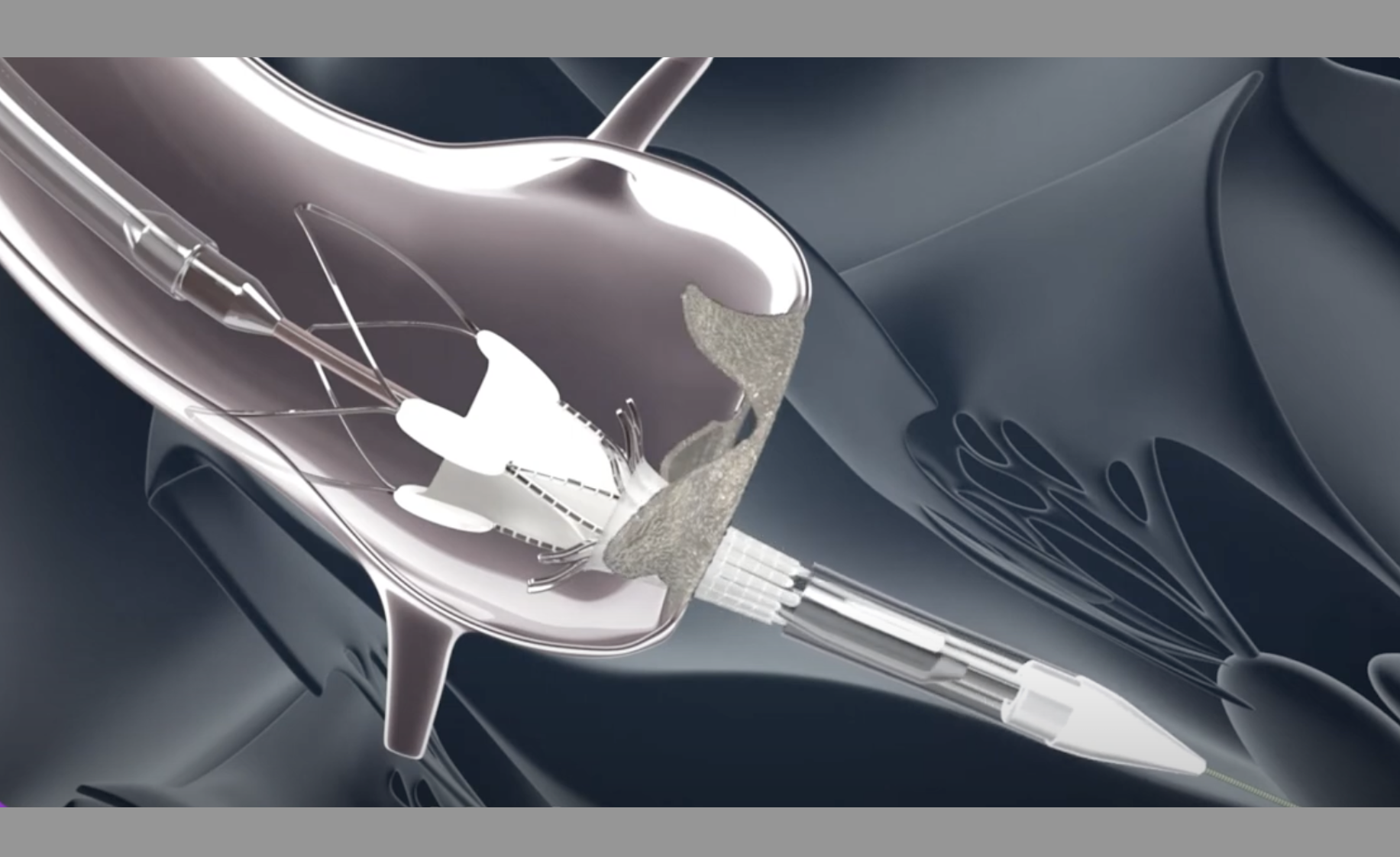
 Boston Scientific is officially discontinuing worldwide sales of its Acurate neo2 and Acurate Prime transcatheter aortic valve replacement (TAVR) systems and no longer seeking approval from the U.S. Food and Drug Administration (FDA) or any other regulatory agencies.

The company made the news official in a filing with the U.S. Securities and Exchange Commission. It also confirmed the news in a statement to Cardiovascular Business.

“While data continue to support the performance of the Acurate valve system when the product’s optimized instructions for use are followed, this decision was made based on recent discussions with regulators, which resulted in increased clinical and regulatory requirements to maintain approvals in global markets and to obtain approval in new markets,” a representative explained. “Therefore, related commercial, clinical, research and development, and manufacturing activities will cease.”

What went wrong?

Boston Scientific, one of the world’s largest medtech companies, has been working to catch up with Medtronic and Edwards Lifesciences in the TAVR space for years now. There have been signs of momentum along the way—the Acurate Prime TAVR valve gained CE mark approval in 2024, for example—but FDA approval remained elusive. 

Boston Scientific ACURATE neo2 aortic valve system self-expanding TAVR valve.

The Acurate neo2 aortic valve system. Image courtesy of Boston Scientific. 

One of the final blows to Boston Scientific’s aortic valve program seems to have been a recent clinical trial the company funded comparing the Acurate neo2 device to the Evolut TAVR platform from Medtronic and Sapien TAVR platform from Edwards Lifesciences. The data, first presented at TCT 2024 and later published in The Lancet, showed that Acurate neo2 did not meet the predetermined noninferiority margin. Patients treated with the Boston Scientific valves were associated with worse outcomes than patients treated with the Medtronic and Edwards Lifesciences valves.

At the time, co-principal investigator Michael Reardon, MD, a professor of cardiothoracic surgery at Houston Methodist DeBakey Heart and Vascular Center, remained hopeful that there was still a path forward for the Boston Scientific technology. He and his colleagues noted that approximately 20% of the Acurate neo2 valves were not fully expanded. Had they received better training, he thought the study’s results may have been significantly different.

“Now that we recognize under-expansion, this is a correctable issue,” Reardon told Cardiovascular Business at TCT. “I’m confident that with proper procedural adjustments, the Acurate neo2 can match the performance of current leading valves.”

Ultimately, Boston Scientific was not as confident. 

Medtech stocks already reflect the news

The stock market is already reacting to this announcement. In the immediate aftermath of Boston Scientific’s decision, its stock prices are down and shares for both Medtronic and Edwards Lifesciences are starting to climb. It is unclear if this will make a long-term impact on share prices or if this is just a temporary shift.


https://cardiovascularbusiness.com/topics/clinical/structural-heart-disease/tavr/boston-scientific-pulls-plug-tavr-devices-after-failing-gain-fda-approval