Search This Blog

Monday, July 15, 2019

Intra-Cellular gets July 31 FDA panel date on schizophrenia treatment

TIME: 8 a.m.
EVENT: Health and Human Services Department; Food and Drug Administration (F.R. Page 27783) holds a meeting of the Psychopharmacologic Drugs Advisory Committeeto discuss new drug application 209500, lumateperone tosylate capsules for oral administration, submitted by Intra-Cellular Therapies, Inc., for the treatment of schizophrenia.
DATE: July 31, 2019
LOCATION: Tommy Douglas Conference Center, 10000 New Hampshire Avenue, Ballroom, Silver Spring, Md.
CONTACT: Jay Fajiculay, 301-796-9001, PDAC@fda.hhs.gov

‘Your first e-scooter ride will probably land you in the hospital’

The death of a British YouTube star in an electronic scooter accident is raising more questions about the safety of this popular form of alternative transportation.
Emily Hartridge, who presented the online series “10 Reasons Why,” was killed in a collision with a truck on Friday in the U.K.’s first death involving an e-scooter. She was 35.

Her death is the latest incident to raise concerns about the rising number of e-scooter riders hitting the roads and sidewalks, in some cases before the riders have been properly trained to use the vehicle safely. In fact, one in three people injured on e-scooters gets hurt during their very first ride, according to a recent government safety report.
The CDC and the Austin Public Health department analyzed emergency department data from nine Austin hospitals between September and November 2018. The city’s almost 1 million people currently have access to about 14,000 dockless electric scooters, and the new study counted 192 e-scooter-related injuries during those three months alone. Two were nonriders (a pedestrian and a cyclist), and the remaining 190 were navigating the motorized scooter at the time. But this report probably underestimates the true number of injuries, the authors noted, because it didn’t include urgent care centers or primary care physicians’ offices.
One in three of those injured was riding an e-scooter for the first time. In fact, most of those who landed in the hospital were novices; about 63% had ridden nine times or less before getting hurt.
Almost half of the accidents resulted in head injuries, as only one of the riders was wearing a helmet. The other most common injuries were to the upper limbs, including the arms, shoulders, wrists and hands (70%); the lower limbs, including the legs, knees, ankles and feet (55%); as well as the chest and abdomen (18%).
iStock
Many injured e-scooter riders were speeding and/or not wearing helmets.
Most of the accidents actually didn’t involve cars; only 10% of injured riders were hit by motor vehicles. Rather, half (50%) reported their accidents resulted from road conditions such as potholes and cracks. More than a third admitted they crashed while going too fast, and 10% said they hit a curb. Just under one in five (19%) claimed that their scooter malfunctioned. And more than half (55%) were injured in the street, while one-third were hurt on the sidewalk.
The report pushed for more training and education about e-scooter operation and safety to prevent injuries, advising that, “These educational messages should emphasize both wearing a helmet and maintaining a safe speed while riding an e-scooter.” And these PSAs should target riders ages 18 to 29, in particular, as nearly half of all injuries were reported in young adults, and more than one in four (29%) victims had consumed alcohol within 12 hours of crashing. As it stands, many of the scooter companies offer instructional videos on their apps — such as Lime’s “How to Lime” clip — but riders aren’t required to watch them before taking a spin.
Motorized scooters from companies such as Bird, Lime and the Ford-ownedF, -1.00%   Spin have been appearing all over the country, generally charging users anywhere from 15 cents to $1 a minute to rent e-scooters docked throughout an urban area, which can zip around as fast as 15 miles an hour. (The average speed of most city bicycle riders is about the same, although one can hit 20 miles an hour when speeding down a hill.)

The global e-scooter market is expected to hit $41.98 billion by 2030, according to Grand View Research, Inc. And that’s spurring ride-share heavyweights like Lyft LYFT, +0.40%  and Uber to get in on the action. Uber and AlphabetGOOG, +0.22%   invested $335 million in Lime last year, and Lyft has rolled out its own motorized scooters in cities including Austin, Los Angeles, Miami and Washington, D.C.
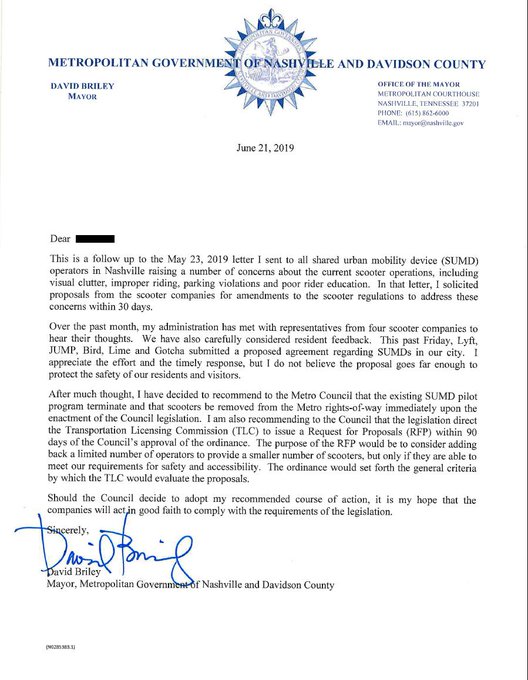
But the rapid expansion of e-scooters is also revving up safety concerns. Before this new CDC study, the Consumer Product Safety Commission reported 3,300 scooter-related injuries in 2016, and 25% of them occurred to the head and face. After Bird landed in Memphis last June, local doctors reported an increase in emergency department visits for head and face injuries, which were related to e-scooters. (Again, many riders were not wearing helmets.) After a 26-year-old Nashville resident died in a e-scooter accident in May, the city’s mayor David Briley said he would recommend banning them. Chattanooga, Tenn. went ahead and enacted a six-month ban on dockless electric scooters and bikes last week.
And a handful of e-scooter riders have died in the U.S. after colliding with cars in Austin and Washington, D.C., while a Dallas man was killed after falling off his scooter while riding home from work.
But a Portland, Ore., study published in January found that scooter safety risks were no worse than those found in other modes of city transportation. In fact, scooter-related injuries (including injuries from nonmotorized scooters) only accounted for about 5% of the estimated 3,220 of total traffic crash injury visits to emergency rooms and urgent care centers. And while scooters were involved in 176 ER visits, that was less than half of the 429 visits for bicycle-related mishaps.

FDA OKs Abbott’s next-gen MitraClip device

The FDA approves Abbott’s (ABT -0.2%) fourth-generation MitraClip heart valve repair device for the treatment of mitral regurgitation (MR).
The company says the new product, called MitraClip G4, offers an expanded lineup of clip sizes, an alternative leaflet grasping feature and an updated catheter integrated with a pressure monitor that continuously monitors and confirms MR reduction during the procedure, enabling the physician to reposition the device, if necessary, in order to achieve the best performance.

Association of Extracellular Vesicle Biomarkers With Alzheimer Disease

Key PointsQuestion  Can blood extracellular vesicle biomarkers diagnose Alzheimer disease at the preclinical and clinical stages?
Findings  In a large case-control study examining 887 longitudinal samples from 128 Baltimore Longitudinal Study of Aging participants (split into training and test sets), combining extracellular vesicle biomarkers predicted Alzheimer disease with high discrimination accuracy and specificity about 4 years before symptom onset; individual biomarkers were associated with cognitive performance. Biomarkers were further validated in a case-control cohort from Johns Hopkins.
Meaning  Further development of extracellular vesicle biomarkers may establish them as a blood test for Alzheimer disease.
Abstract
Importance  Blood biomarkers able to diagnose Alzheimer disease (AD) at the preclinical stage would enable trial enrollment when the disease is potentially reversible. Plasma neuronal-enriched extracellular vesicles (nEVs) of patients with AD were reported to exhibit elevated levels of phosphorylated (p) tau, Aβ42, and phosphorylated insulin receptor substrate 1 (IRS-1).
Objective  To validate nEV biomarkers as AD predictors.
Design, Setting, Participants  This case-control study included longitudinal plasma samples from cognitively normal participants in the Baltimore Longitudinal Study of Aging (BLSA) cohort who developed AD up to January 2015 and age- and sex-matched controls who remained cognitively normal over a similar length of follow-up. Repeated samples were blindly analyzed over 1 year from participants with clinical AD and controls from the Johns Hopkins Alzheimer Disease Research Center (JHADRC). Data were collected from September 2016 to January 2018. Analyses were conducted in March 2019.
Main Outcomes and Measures  Neuronal-enriched extracellular vesicles were immunoprecipitated; tau, Aβ42, and IRS-1 biomarkers were quantified by immunoassays; and nEV concentration and diameter were determined by nanoparticle tracking analysis. Levels and longitudinal trajectories of nEV biomarkers between participants with future AD and control participants were compared.
Results  Overall, 887 longitudinal plasma samples from 128 BLSA participants who eventually developed AD and 222 age and sex-matched controls who remained cognitively normal were analyzed. Participants were followed up (from earliest sample to AD symptom onset) for a mean (SD) of 3.5 (2.31) years (range, 0-9.73 years). Overall, 161 participants were included in the training set, and 80 were in the test set. Participants in the BLSA cohort with future AD (mean [SD] age, 79.09 [7.02] years; 68 women [53.13%]) had longitudinally higher p-tau181, p-tau231, pSer312-IRS-1, pY-IRS-1, and nEV diameter than controls (mean [SD] age, 76.2 [7.36] years; 110 women [50.45%]) but had similar Aβ42, total tau, TSG101, and nEV concentration. In the training BLSA set, a model combining preclinical longitudinal data achieved 89.6% area under curve (AUC), 81.8% sensitivity, and 85.8% specificity for predicting AD. The model was validated in the test BLSA set (80% AUC, 55.6% sensitivity, 88.7% specificity). Preclinical levels of nEV biomarkers were associated with cognitive performance. In addition, 128 repeated samples over 1 year from 64 JHADRC participants with clinical AD and controls were analyzed. In the JHADRC cohort (35 participants with AD: mean [SD] age, 74.03 [8.73] years; 18 women [51.43%] and 29 controls: mean [SD] age, 72.14 [7.86] years; 23 women [79.31%]), nEV biomarkers achieved discrimination with 98.9% AUC, 100% sensitivity, and 94.7% specificity in the training set and 76.7% AUC, 91.7% sensitivity, and 60% specificity in the test set.
Conclusions and Relevance  We validated nEV biomarker candidates and further demonstrated that their preclinical longitudinal trajectories can predict AD diagnosis. These findings motivate further development of nEV biomarkers toward a clinical blood test for AD.

New therapeutic target for the treatment of Alzheimer’s disease

The results of the study indicate that the levels of the protein SFRP1 are abnormally elevated in the brain and cerebrospinal fluid of Alzheimer’s patients.
Experiments performed in mice, in which the main pathogenic markers of the disease have been evaluated, show that the progression of the disease is prevented when the function of this protein is inactivated.
Alzheimer’s disease is characterized by a progressive and irreversible loss of cognitive abilities. “Treatment of the disease represents an unresolved challenge that needs alternative approaches to those currently on trial; there is need of new perspectives that take into account the complexity of the disease. Given its multifactorial origin, these new approaches should be designed against factors that act simultaneously in more than one of the pathological processes of the disease” explains Paola Bovolenta, CSIC researcher at the Molecular Biology Center ‘Severo Ochoa’ (Joint centre of the CSIC and the Autonomous University of Madrid).
This study identifies that the protein SFRP1 (Secreted Frizzled Related Protein 1) is one of those factors. SFRP1 acts in multiple processes and its elevated levels are pathogenic. “We believe that our results represent an innovation in the field of Alzheimer’s disease. We demonstrate that the neutralization of SFRP1 could be a promising therapeutic alternative. This is something that we now need to explore in depth. We also believe that the measure of SFRP1 levels in the cerebrospinal fluid or in serum may represent a useful diagnostic marker in the future, “adds Pilar Esteve, co-responsible of the study and member of the Center for Molecular Biology Severo Ochoa ‘.
###
Pilar Esteve, Javier Rueda-Carrasco, María Inés Mateo, María Jesús Martin-Bermejo, Jonathan Draffin, Guadalupe Pereyra, África Sandonís, Inmaculada Crespo, Inmaculada Moreno, Ester Aso, Paula Garcia-Esparcia, Estrella Gomez-Tortosa, Alberto Rabano, Juan Fortea, Daniel Alcolea, Alberto Lleo, Michael T. Heneka, José M. Valpuesta, José A. Esteban, Isidro Ferrer, Mercedes Dominguez and Paola Bovolenta. Elevated levels of Secreted-Frizzled-Related- Protein 1 contribute to Alzheimer’s disease pathogenesis. Nature Neuroscience. DOI: https://doi.org/10.1038/s41593-019-0432-1

Loose RNA molecules rejuvenate skin

Want to smooth out your wrinkles, erase scars and sunspots, and look years younger? Millions of Americans a year turn to lasers and prescription drugs to rejuvenate their skin, but exactly how that rejuvenation works has never been fully explained. Now, Johns Hopkins researchers have discovered that laser treatments and the drug retinoic acid share a common molecular pathway. Moreover, that pathway — which lets skin cells sense loose RNA molecules — is also turned up in mice when they regenerate hair follicles. Results are described in the June 26 issue of Nature Communications.
“Understanding the biology behind how cellular damage can lead to this type of regeneration can harness a new generation of therapeutics,” says Luis Garza, M.D., Ph.D., associate professor of dermatology at the Johns Hopkins University School of Medicine.
Researchers have known for decades that mice — unlike humans — can regenerate hair follicles after a deep wound. Recent studies by Garza and others found that loose pieces of RNA, called self-noncoding double-stranded RNA (dsRNA) can spur this regeneration. They hypothesize that this may be because dsRNA is released by damaged cells at the site of a wound. Garza and his colleagues were curious whether dsRNA also played a role in skin rejuvenation treatments such as laser therapy, microneedling and facial abrasion, which all involve temporary damage to skin cells. Although these treatments are well-established among dermatologists, researchers haven’t been clear why they work.
The team collected biopsies from 17 patients being treated at The Johns Hopkins Hospital with conventional laser skin rejuvenation to electively erase sunspots and wrinkles. All patients were Caucasian women with an average age of 55, and treatments were performed on their faces and arms. Skin biopsies were collected before the laser treatment and one week after the procedure.
Garza and his colleagues analyzed the expression levels of genes in each sample and discovered that genes involved in sensing dsRNA as well as genes involved in producing the skin’s natural retinoic acid were all expressed at higher levels after the laser treatment. Next, the researchers treated isolated human skin cells with loose dsRNA — mimicking the effect of the laser treatment. The amount of retinoic acid inside the cells increased by more than tenfold. Commercially produced retinoic acid is already used to treat acne, wrinkles and sunspots.
“It’s not an accident that laser rejuvenation and retinoic acid have both been successful treatments for premature aging of the skin from sun damage and other forms of exposure,” says Garza. “They’re actually working in the same molecular pathways and nobody knew that until now.”
To further strengthen and understand the connection, the researchers turned back to mice. They knew that in both mice and humans, a protein called toll-like receptor 3 (TLR3) senses dsRNA. When Garza’s group engineered mice to lack TLR3, the animals could no longer regenerate hair follicles after a wound. But when the researchers gave these mice retinoic acid, they regained the ability to regenerate the follicles. The results point toward a pathway involving TLR3 that senses double-stranded RNA and turns up the synthesis of retinoic acid.
“In retrospect, it makes a lot of sense because retinoic acid is already a mainstay of wrinkle reduction and nobody knew what turned it on,” says Garza. “Now we know that damage leads to dsRNA, which leads to TLR3 activation and retinoic acid synthesis.”
The findings could lead to novel strategies to reduce wrinkles and sunspots by combining retinoic acid and laser treatments in new ways, Garza says. And they could also lead to ways to regenerate hair follicles, as mice do when there’s an increase in dsRNA after a wound.
“After a burn, humans don’t regenerate structures like hair follicles and sweat glands that used to be there,” says Garza. “It’s possible in light of these new findings that double-stranded RNA may be able to improve the appearance of burn scars.”
###
In addition to Luis Garza, other authors on the Nature Communications paper are Dongwon Kim, Ruosi Chen, Mary Sheu, Noori Kim, Sooah Kim, Nasif Islam, Eric M. Wier, Gaofeng Wang, Ang Li, Angela Park, Wooyang Son, Benjamin Evans, Victoria Yu, Vicky P. Prizmic, Eugene Oh, Zixiao Wang, Nathan K. Archer, Nashay Clemetson, Anna Chien, Ginette A. Okoye, Lloyd S. Miller, Gabriel Ghiaur and Sewon Kang of the Johns Hopkins University School of Medicine; Zhiqi Hu of Nanfang Hospital of Southern Medical University; Jace W. Jones, Maureen A. Kane, Jianshi Yu and Weiliang Huang of University of Maryland; and Amanda M. Nelson of The Pennsylvania State University.
The work and researchers involved were supported by the National Institute of Arthritis and Musculoskeletal and Skin Diseases (R01AR064297 and AR068280), the Department of Defense (AFIRM2-ER11 and CDMRPR W81XWH-16-C-0167), Northrup Grumman Electronic Systems, Maryland Stem Cell Research Fund (2017-MSCRFF-3905), the Eunice Kennedy Shriver National Institute of Child Health and Human Development (R01HD077260), and the University of Maryland School of Pharmacy Mass Spectrometry Center (SOP1841-IQB2014).


Dicerna’s DCR-PHXC a Breakthrough Therapy for rare kidney disorder

The FDA has designated Dicerna Pharmaceuticals’ (DRNA +0.5%) RNAi candidate DCR-PHXC a Breakthrough Therapy for the treatment of a rare inherited kidney disorder called primary hyperoxaluria type 1 (PH1).
PH2 and PH3 may be added in the future.
A Phase 2 study, PHYOX2, in PH1 and PH2 is recruiting patients.
Breakthrough Therapy status provides for more intensive guidance from the FDA on development, the involvement of more senior agency personnel and a rolling review of the marketing application.