Search This Blog

Monday, January 16, 2023

Link between mental health and ADHD is strong—so why aren't we paying attention?

 Adults with high levels of attention-deficit hyperactivity disorder (ADHD) symptoms are more likely to experience anxiety and depression than adults with high levels of autistic traits, according to new research led by psychologists at the University of Bath in the UK.

This study is the first to show that ADHD is more predictive of poor mental health outcomes in adults than other neurodevelopmental conditions, like autism.

Until now, there has been a dearth of information on the effects of ADHD on poor mental health, with far more research focusing on the impact of autism on depression, anxiety and quality of life. As a result, people with ADHD have often struggled to access the  they need to cope with their symptoms.

The authors of the study hope their findings will trigger new research into ADHD and ultimately improve the mental health outcomes for people with the condition. ADHD is a neurodevelopmental condition characterized by inattention and/or hyperactivity and impulsivity. The condition is estimated to affect between 3% and 9% of the population.

Blue Monday

Speaking on Blue Monday (January 16)—the third Monday of January, described by some as the gloomiest day of the year—lead researcher, Luca Hargitai, said, "Scientists have long known that autism is linked to anxiety and depression, but ADHD has been somewhat neglected.

"Researchers have also struggled to statistically separate the importance of ADHD and autism for  because of how frequently they occur together."

Ms Hargitai, a Ph.D. Researcher at Bath, added: "Our aim was to precisely measure how strongly ADHD personality traits were linked to poor mental health while statistically accounting for ."

The new research—a  between the Universities of Bath, Bristol and Cardiff, and King's College London—is published this week in the prestigious journal Scientific Reports. It comes in the same month that two British TV personalities—Johnny Vegas and Sue Perkins—have opened up about their recent diagnoses of ADHD.

"The condition affects many people—both children and adults—and the fact that more people are willing to talk about it is to be welcomed," said Ms Hargitai. "The hope is that with greater awareness will come more research in this area and better resources to support individuals in better managing their mental health."

Overly active, as though driven by a motor

The study used a large, nationally representative sample of adults from the UK population. All participants completed gold standard questionnaires—one on autistic traits, the other on ADHD traits—responding to statements such as "I frequently get strongly absorbed in one thing" and "How often do you feel overly active and compelled to do things, like you were driven by a motor?"

The researchers found that ADHD traits were highly predictive of the severity of anxiety and depression symptoms: the higher the levels of ADHD traits, the more likely a person is to experience severe mental health symptoms. Through innovative analytical techniques, the study authors further confirmed that having more of an ADHD personality was more strongly linked to anxiety and depression than autistic traits.

These results were replicated in computerized simulations with a 100% 'reproducibility rate'. This showed, with great confidence, that ADHD traits are almost certainly linked to more severe anxiety and depression symptoms in adults than autistic traits.

Shifting the focus of research and clinical practice

Ms Hargitai said, "Our findings suggest that research and  must shift some of the focus from autism to ADHD. This may help to identify those most at risk of anxiety and depression so that —such as supporting children and adults with the management of their ADHD symptoms—can be put in place earlier to have a greater impact on improving people's well-being."

According to Dr. Punit Shah, senior author and associate professor of Psychology at Bath, another important aspect of the new study is that it advances scientific understanding of neurodevelopmental conditions.

"By addressing the shortcomings of previous research, our work provides fresh information about the complex links between neurodiversity and mental health in adults—an area that is often overlooked.

"Further research is now needed to delve deeper into understanding exactly why ADHD is linked to poor mental health, particularly in terms of the mental processes that might drive people with ADHD traits to engage in anxious and depressive thinking.

"At the moment, funding for ADHD research—particularly psychological research—is lacking. This is especially pronounced when you compare it to the relatively high level of funds directed at autism.

"As the evidence becomes clear that ADHD isn't just a childhood condition but persists throughout life, we must adjust our research agendas to better understand ADHD in adulthood."

Commenting on the new findings, Dr. Tony Floyd, CEO of ADHD Foundation, The Neurodiversity Foundation, said, "This research demonstrates clear evidence of the increased risks of  comorbidities associated with adult ADHD. This is a step towards recognizing the broader impact of unmanaged and untreated ADHD. We hope this research will lead to more research being commissioned in this area. We also hope it will result in changes to the design and delivery of health services.

"The cost implications to the NHS of leaving ADHD untreated, and the need to better train health practitioners in both primary and secondary care, are now more apparent. And of course there are other costs too that need to be considered—to the health of UK citizens with ADHD and to their family life, employability and economic well-being. These costs are often hidden but they are considerable.

"This research from Bath University will add to the growing national debate and the business case for a national review of  services for ADHD across a person's lifespan."

More information: Attention-deficit hyperactivity disorder traits are a more important predictor of internalising problems than autistic traits, Scientific Reports (2023). DOI: 10.1038/s41598-022-26350-4


https://medicalxpress.com/news/2023-01-link-mental-health-adhd-strongso.html

Airway mucosa antibodies durably protect against COVID

 High levels of mucosal IgA antibodies in the airways protect against SARS-CoV-2 infection for at least eight months. Omicron infection generates durable mucosal antibodies, reducing the risk of re-infection. These are the findings of a study published in The Lancet Infectious Diseases by researchers at Karolinska Institutet and Danderyd Hospital in Sweden. The results raise further hope for the feasibility of future nasal vaccine platforms to protect against infection.

The COMMUNITY study enrolled 2,149 health care workers in the spring of 2020 at Danderyd Hospital, Sweden. Study participants and their immune responses against SARS-CoV-2 have since then been followed through regular samplings from blood and airways along with PCR screenings.

A sub-study during January and February 2022 screening 338 triple-vaccinated health care workers for SARS-CoV-2 infection found that participants with high (upper quartile) mucosal IgA antibodies in the airways had half the risk of being infected with  compared to those with no or low levels of antibodies in the airways. The researchers have now continued to follow these participants and find the protection to be durable over at least eight months.

90 percent lower risk of re-infection

Participants who were infected with omicron had a more than 40-fold increase in mucosal IgA antibodies, even if the infection was mild. The current follow-up study now reveals a good durability of these antibodies, and a majority of participants still have protective levels seven months after the infection. Those who were infected with the omicron variants BA.1 or BA.2 had a 90 percent lower risk of being re-infected with the omicron variant BA.5.

"Antibodies in the blood protect from , but if we aim to limit infection, viral transmission and the emergence of new SARS-CoV-2 variants, we need to reinforce our immunity at the mucosal surface, which is the viral point of entry," says Charlotte Thålin, M.D. and associate professor at the Department of Clinical Sciences, Danderyd Hospital, Karolinska Institutet who led the study.

"This is not achieved by currently employed intramuscularly-delivered vaccines. But the hope is that a nasal vaccine may generate mucosal immune responses similar to those seen after infection, and thereby block the transmission chain."

The researchers have also investigated the impact of repeated infections and found that participants with a prior SARS-CoV-2 infection generated a stronger mucosal  to omicron breakthrough infection.

Development of nasal vaccines

"The results show us that it is possible to recall protective and durable mucosal IgA antibody responses in the airways, and that these responses increase with the number of infections. Although these findings are not surprising, they are important for the development of nasal vaccines," says Ulrika Marking, M.D., Ph.D. student at Karolinska Institutet and first author of the paper.

The COMMUNITY study continues with regular samplings from blood and mucosa, monitoring immune responses after repeated SARS-CoV-2 infections and vaccinations. The study is being conducted in close collaboration between Danderyd Hospital, Karolinska Institutet, Uppsala University, the Public Health Agency of Sweden, KTH Royal Institute of Technology, and SciLifeLab.

More information: Ulrika Marking et al, 7-month duration of SARS-CoV-2 mucosal immunoglobulin-A responses and protection, The Lancet Infectious Diseases (2023). DOI: 10.1016/S1473-3099(22)00834-9


https://medicalxpress.com/news/2023-01-airway-mucosa-antibodies-durably-covid.html

Pressured coaches try to get sports psychologists to gossip

 Sports psychologists at Britain's top soccer clubs are being pressured to reveal confidential information about players in their academies, new research shows.

"Coaches often have almost complete access into practically all aspects of the players' lives. They know how far and how fast the players can run, their fat percentage and in some cases their sleep habits and their behavior at home," says Niels Feddersen, a postdoctoral fellow at NTNU's Department of Sociology and Political Science.

"This setting creates intense pressure for total transparency, including when it comes to confidential conversations about a player's mental health. This is creating new challenges for sports psychologists and the players," says Feddersen.

Young soccer talents can further develop their skills in  academies. The very best ones either play for the club themselves or are sold to other clubs. The players are often under great pressure, and some need to talk with a sports psychologist. They often want the information to stay between them and the psychologist.

16 psychologists from top clubs interviewed

Feddersen heads the research project titled Modernizing Psychology Provisions in Men's English Soccer Clubs. The researchers spoke to 16 sports psychologists from ten Premier League academies, three Championship academies and three League 1 academies in England.

"The study has three parts. We look at behavior, contexts where various types of unwanted behavior are normalized, and solutions to the problems," says Feddersen.

Three ways trust is broken

The researchers found three typical patterns that can break the trust between the player, the sports psychologist and club management.

  1. A player consents to the sports psychologist sharing confidential information with a coach. But then the  shares the confidential information with more people, who are not covered by the player's consent.
  2. Coaches may fish for information from the psychologist.
  3. Managers in the clubs can demand that the sports psychologists share information that was given in confidence, and threaten to sack them if they refuse to share the information.

"These are three specific issues that sports psychologists have had to deal with," says Feddersen. Unfortunately, some players have been burnt and no longer trust the sports psychologists.

The mistrust occurs both due to the pressure on the psychologists from other employees and how psychologists handle the confidential relationship with the players they have spoken to.

"If the players start to believe that the sports psychologist is sharing all their confidential conversations, it naturally destroys the relationship between them," says Feddersen.

Coaches under a lot of pressure

The three patterns of unwanted behavior are normalized in the clubs, which perhaps comes as no surprise.

"We have to remember that the coaches are also under extreme pressure to develop players who can be sold to other clubs or go to the senior first team," says Feddersen. The coaches are very vulnerable due to short-term contracts and increasing demands. So they feel their position is threatened if they don't deliver."

Fortunately, it is rare for sports psychologists to receive threats of dismissal, but the findings from this study indicate that it is completely normal for coaches to leak  and fish for information in the clubs.

Stig Arve Sæther, an associate professor in sport science at NTNU, has been part of the research project. He has been studying talent development in Norwegian soccer for the past ten years. Sæther points out that the coaches in this development environment unfortunately work under  for results.

"But while results in this context should be about the number of professional players they develop for the future, the results are instead often related to the match results," says Sæther. "This means that the coaches feel pressure to obtain information from all possible sources, including sports psychologists, in order to maximize the possibility of achieving victories in the short term."

Two solutions

However, sports psychologists have their ways to preserve their confidential relationship with the players.

"Sports psychologists can also work with the coaches as clients in confidential conversations. This lets coaches experience the value of confidentiality through their client relationship with the sports psychologist. We've observed that coaches who work with sports psychologists are more open to players also having the same right to confidentiality."

Sports psychologists can also use a method called "case formulation."

Case formulation is when the sports psychologist collaborates with other staff members, such as physiotherapists, strength trainers and coaches, to support individual players. A confidential space is then created with a built-in consent process. Everyone is continually mindful of what kind of player information is confidential and what they can share with others.

Case-formulation formalizes channels for enabling information to be shared in correct ways with the consent of the .

The paper is published in the Journal of Applied Sport Psychology.

More information: Niels Boysen Feddersen et al, Confidentiality and surveillance challenges for psychologists working in men's football academies in England, Journal of Applied Sport Psychology (2022). DOI: 10.1080/10413200.2022.2134506


https://medicalxpress.com/news/2023-01-pressured-sports-psychologists-gossip.html

Founders of bankrupt Three Arrows Capital plan trading platform for distressed crypto debt

 The founders of a bankrupt crypto hedge-fund firm are seeking to launch an exchange where creditors to insolvent digital-assets firms, including their own, would be able to buy and sell claims.

Su Zhu, a co-founder of the bankrupt crypto hedge-fund manager Three Arrows Capital Ltd., said that he and others are seeking to raise $25 million in seed money for the new platform. A pitch deck to potential investors, seen by The Wall Street Journal, referred to the company as GTX, a poke at the fallen crypto exchange FTX.

Mr. Zhu said that GTX isn’t the final name of the company. The other founders include Kyle Davies, who co-founded Three Arrows, and Mark Lamb and Sudhu Arumugam, the co-founders of crypto exchange CoinFLEX. They are likely to finalize a name for the company next week.

A wave of cryptocurrency companies filed for bankruptcy protection last year after the value of various coins fell and financial stress spread through the industry.

Three Arrows defaulted last year on a roughly $2.4 billion loan from crypto lender Genesis Global Capital. The lender’s parent company, Digital Currency Group Inc., filed a claim of about $1.2 billion against Three Arrows. Last summer, a British Virgin Islands court ordered the liquidation of Messrs. Zhu and Davies’ company after creditors including DCG sued it for failing to repay debts.

Mr. Zhu said some Three Arrows creditors would have the option to convert their claims into equity in the new claim-trading company.

Other crypto companies including lenders Celsius Network LLC and BlockFi Inc. and exchange FTX have also filed for bankruptcy. Investors are wary that more companies may become insolvent. Genesis is considering filing for bankruptcy, The Wall Street Journal reported.

Bankruptcy proceedings are often lengthy, sometimes requiring claimants to wait years before getting back some—if any—of their money. Creditors for the once-dominant crypto exchange Mt. Gox are still waiting to recover their funds, nearly a decade later.

In its pitch deck, GTX estimated there is a $20 billion market for crypto claims, based on the notional value of those claims. GTX aims to get an edge over rival bankruptcy-claims trading startup Xclaim Inc. by offering lower fees.

https://www.foxbusiness.com/markets/founders-bankrupt-three-arrows-capital-plan-trading-platform-distressed-crypto-debt

Big Pharma Bullied Twitter To Censor Cheap Vaccine Demands, ZeroHedge Articles

 Today's Twitter Files drop contains several notable pieces of evidence.

First, that lobbyists for the pharmaceutical industry launched a 'massive lobbying blitz to crush any effort to share patents/IP for new covid-related medicine," according to The Intercept's Lee Fang. As part of this effort, lobbying group BIO "wrote to the newly elected Biden admin, demanding the U.S. gov sanction any country attempting to violate patent rights and create generic low cost covid medicine or vaccines."

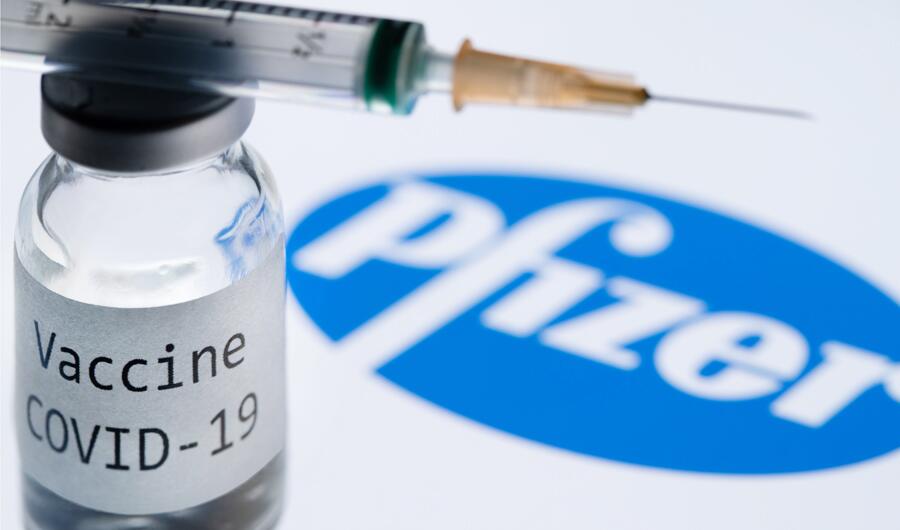
Of note, Pfizer and BioNTech raked in $37 billion in revenue in 2021 alone from the COVID-19 vaccine, while Moderna made $17.7 billion the same year (and has recently announced a plan to hike the price of the Covid-19 vaccine by approximately 400%).

BioNTech, which developed the Pfizer vaccine, "reached out to Twitter to request that Twitter directly censor users tweeting at them to ask for generic low cost vaccines."

According to Fang, "Twitter's reps responded quickly to the pharma request," while "A lobbyist in Europe asked the content moderation team to monitor the accounts of Pfizer, AstraZeneca & of activist hashtags like #peoplesvaccine."

Meanwhile, the "fake accounts" flagged by the pharmaceutical companies for action were real people - one of whom Fang spoke with on the phone.

"For more than two years, a global movement has been speaking out against pharmaceutical greed and demanding that everyone, everywhere has the tools to combat pandemics," said Maaza Seyoum, a campaigner for the People’s Vaccine Alliance. "Whatever nasty tricks companies and governments pull," she continued, "we cannot and will not be silenced."

Second'Pfizer & Moderna's lobbying group, BIO, fully funded a special content moderation campaign designed by a contractor called Public Good Projects (PGP), which worked w/Twitter to set content moderation rules around covid "misinformation."' according to Fang.

BIO funded the PGP campaign, "Stronger,"  to the tune of $1.275 million. Its focusHelping Twitter 'create content moderation bots,' selecting which public health accounts would be verified, and helping to crowdsource content takedowns.

Of note, the Moderna/Pfizer-funded campaign included regular emails to Twitter officals with takedown and verification requests.

"Here's an example of those types of emails that went straight to Twitter's lobbyists and content moderators. Many focused on @zerohedge, which was suspended."

Fang includes a screencap of an email with two excel spreadsheets containing said requests.

From Fang's Intercept piece, below is one of the flagged tweets in question - which links to a ZeroHedge article aggregated from NakedCapitalism, and which logically posits; "if a vaccinated person and an unvaccinated person have roughly the same capacity to carry, shed and transmit the virus, particularly in its Delta form, what difference does implementing a vaccination passport actually make to the spread of the virus?"

"To try and stifle digital dissent during a pandemic, when tweets and emails are some of the only forms of protest available to those locked in their homes, is deeply sinister," said Nick Dearden, director of Global Justice Now.

More on one of the people behind this effort, courtesy of Twitter user @TexasLindsay_

"To translate the above into layman’s terms she is a narrative enforcer. She’s funded by Big Pharma and aided by Big Brother to be the ministry of truth. She aims to create social norms by means of censorship and propaganda. She wants to tell you & I—how/what to say and think."

Meanwhile...

Davos: PwC survey finds 'bleak CEO outlook' for 2023

 CEOs may be less cheery than usual as they sip crisp Davos spring water and eat pricey sustainably-raised fish at this year's World Economic Forum (WEF).

PwC's global CEO survey, which polled 4,410 CEOs in 105 countries and territories in October and November 2022, found that 73% of CEOs believed global economic growth will decline over the next twelve months. The survey was released as the WEF kicks off.

"The bleak CEO outlook is the most pessimistic CEOs have been regarding global economic growth since we began asking this question 12 years ago and is a significant departure from the optimistic outlooks of 2021 and 2022, when more than two-thirds (76% and 77%, respectively) thought economic growth would improve," PwC stated in a press release.

Inflation, macroeconomic volatility, and geopolitical conflict ranked as the top threats to businesses. Nearly 40% of CEOs surveyed didn't believe their organizations will be economically viable in 10 years if they do not transform.

"The world continues to change at a relentless pace, and the risks facing organizations, people – and the planet – will only continue to rise," PwC Global Chairman Bob Moritz stated. "If organizations are not only to thrive – but survive the next few years – they must carefully balance the dual imperative of mitigating shortterm risks and operational demands with long-term outcomes — as businesses that don’t transform, won’t be viable."

The lone bright spot in the survey was that CEOs say they don't plan to cut deeply from a layoff perspective: Roughly 60% of respondents have no intentions to reduce headcount while 80% have no plans to lower compensation amid an ongoing fight to retain talent.

The less-than-upbeat vibe among CEOs at WEF arrive as investors are still feeling the sting of the 2022 bear market in stocks and with recession fears swirling due to rising interest rates. Sluggish economic growth and an uncertain demand outlook has triggered mass layoffs of late from big-tech names such as Salesforce, Amazon, Meta and others.

In any case, S&P Chief U.S. Economist Beth Ann Bovino thinks investors and corporate chieftans should remain on recession watch.

"I do see that some of the pain that households are feeling... in terms of the inflation on their pocketbook means they are starting to pull back on spending," Bovino said on Yahoo Finance Live.

Bovino said she still expects a "shallow" recession to occur later this year.

"We do expect to see the unemployment rate climb higher," she added. "Not at the same level of the pandemic, but closer to 5.6% by year-end or early next year."

https://finance.yahoo.com/news/davos-pw-c-survey-finds-bleak-ceo-outlook-for-2023-174505340.html

Researchers, Industry Experts Discuss “The Future of mRNA Technology” at JP Morgan

 The University of Pennsylvania (UPenn) and law firm Saul Ewing sponsored a panel discussion of experts titled “The Future of mRNA Technology” at the JP Morgan Healthcare conference. All the panelists had some affiliation with UPenn and have had significant involvement with mRNA technology.

Moderated by Beth Seidenberg, M.D., Founding Managing Partner of Westlake Village Partners, the panel consisted of:

  • Katalin Kariko, Ph.D. – Kariko is a biochemist and researcher who co-developed with Drew Weissman, M.D., Ph.D., the mRNA technology used in the Pfizer-BioNTech and Moderna COVID-19 vaccines. She is currently an SVP at BioNTech and an adjunct professor of Neurosurgery at UPenn.
  • Laura Shawver, Ph.D. – Shawver is currently the president and CEO of Capstan Therapeutics. She was previously CEO of Silverback Therapeutics, Synthorx, Cleave Biosciences and Phenomix Corporation.
  • Michael Mitchell, Ph.D. – Mitchell is the Skirkanich Assistant Professor of Innovation in the Department of Bioengineering at UPenn. He also co-founded a biotech company, Liberate Bio, with Nessan Bermingham of Khosla Ventures.
In introducing the panel, Ben Dibling, Ph.D., Deputy Managing Director of the Penn Center for Innovation, noted that they were “extremely excited about the future that this new modality promises for new vaccines and therapeutics.”

In a wide-ranging discussion, the panel discussed how they got into working with mRNA, what they’ve seen as key drivers in the field (COVID-19, of course, was major), and what they’re excited to see in the future.

When Opportunity Knocks

Kariko said that after working with mRNA for decades, the focus shifted. “I never wanted to make vaccines. I wanted to make proteins to help treat diseases, such as cardiac problems.”

While she was at UPenn and Temple, she was largely a solo researcher. “But at BioNTech, I had a team.” She wryly added that BioNTech was largely an oncology company prior to the COVID-19 pandemic. BioNTech and her teams had been working on an mRNA influenza vaccine in partnership with Pfizer ahead of the pandemic. “But if someone offers you money and you’re able to do the work, you see what you can do,” she said.

Seidenberg added, “When they pass the hors d’oeuvres, take one. You never know when the next financing or opportunity will come. Be open-minded and take the hors d’oeuvre when it’s passed.”

Shawver noted that the company she helms, Capstan, “is the beneficiary of Penn’s amazing machine for developing innovation.” As such, the biotech, which has headquarters in Philadelphia and San Diego, is focused on in vivo engineering of cells with various payloads used to treat diseases. She describes the company’s goal as marrying “mRNA and the ability to reprogram the cells in the body.” She also goes so far as to suggest that 10 years ago cell therapies didn’t exist, and in another 10 years they “won’t exist; or, rather, they will exist, but without the cells.”

All the panelists are particularly focused on the technology used to deliver not only mRNA payloads but any therapeutic payloads. Mitchell in particular is focused on how to deliver various cargoes, which is the goal of Liberate Bio, currently in stealth mode.

“As a bioengineer, I’m focused on getting different types of molecules into cells,” Mitchell said. He noted that in 2014, lipid nanoparticles (LNPs), which are the delivery vehicles for the mRNA COVID-19 vaccines, were “only considered useful for liver deliveries. But we started to develop technology to deliver payloads to targeted tissues.”

Mitchell also noted that one of the benefits of being affiliated with UPenn was access to Penn Medicine and the Children’s Hospital of Philadelphia (CHOP). His lab and Liberate Bio are quite skilled at working with mice, but the clinical facilities associated with the university have expertise in “delivering into large animals and ultimately humans.”

Transitioning from Academia to Industry

Kariko claimed that “as an academic scientist, I wasn’t successful,” by which she meant, riding the publish-or-perish train and constantly winning research grants. She found the move to a corporate environment to be “a big delight” because the focus was on “getting a product. Everybody worked together, no competition over who gets the papers out.”

Shawver, for her part, cautioned that “there are so many surprises along the way and what worked for me might not work for others.” Because of long timelines in drug development and the way in which technological breakthroughs can suddenly make science that’s been unworkable for years suddenly practical, she said, “sometimes I think it is too soon to come out of academia. Sometimes the technology isn’t always quite ready.”

https://biobuzz.io/researchers-industry-experts-discuss-the-future-of-mrna-technology-at-jp-morgan/