Search This Blog

Saturday, August 19, 2023

Oddity CEO: 40 m users, 1 b data points, and AI are why investors are excited

 On July 19, the five-year-old Israeli company Oddity, which aims to use AI technology to create personalized beauty products, went public on Nasdaq. The company, which owns viral makeup brand Il Makiage and hair and skincare brand SpoiledChild, previously raised $130 million from investors, including L Catterton, the private equity firm that’s specialized in backing consumer brands. 

The company is targeting a valuation of nearly $2 billion. Oddity has been expected to raise $425 million for stockholders selling their shares through the IPO, with shares priced at $35. Cofounder and CEO Oran Holtzman has said that he plans to use the funds raised from the IPO to develop and launch more direct-to-consumer personal care brands.

To further its mission, Oddity acquired biotech startup Revela for $76 million in April with the aim of creating new molecules that can be used in formulations—with the help of AI. That comes after Holtzman’s 2021 acquisition of Voyage81, an AI-based computational imaging startup founded in 2019.

Fast Company caught up with Holtzman in the pre-market trading hours before the offering. In our conversation, he explains why the company went public now and how he plans on building a digital-first catalog of brands to compete with such conglomerates as L’Oréal and Estée Lauder.

Fast Company: In 2023, IPOs slowed. With a couple of exceptions, like the restaurant chain Cava, not many companies have gone public. Why did you decide to go public now?

Oran Holtzman: We were ready last year to go public, and then the market started to be less compelling, so we decided to wait. The good thing that happened to us because we waited is that we launched the second brand on the platform, which is SpoiledChild. That launch showed how we could use our 40 million users and 1 billion data points to connect a new brand no one knew to our platform and then scale it from zero to $100 million in less than two years. When we saw the success of the second brand, we felt really confident about our position. In terms of financials, the company is growing, and at the same time, producing cash. We felt that the market is ready for that type of profile.

FC: There has been a lot of enthusiasm around the company going public. You originally spoke about an IPO price range of $27 to $30 per share, then raised it to $32 to $34, and finally priced the shares at $35. Where do you think that sentiment comes from?

OH: We were disciplined before it was cool. We have been profitable since 2020. It only took us 18 months to become profitable. We raised capital only once, which took us to around $500 million of revenue and, and almost a hundred million of EBITDA. I think that’s what investors saw. They saw a company with wild vision, with so many goals, so many growth engines to unlock. But at the same time, a company that is still thinking about profitability and generating a lot of cash.

FC: Oddity is an Israeli company. Why did you decide to list on Nasdaq?

OH: The U.S. is the largest capital market in the world. More than 75% of our revenue is in the U.S., and the vast majority of my team is based there. It was a natural move for us.

FC: You have said you want to use funds generated by the IPO to launch new brands. Is there any space that excites you or any new brands you can preview?

OH: Launching a new brand in-house is efficient for us. It cost us around $20 million to launch SpoiledChild. Now, I would pay a lot more to get my hands on a company with that profile. That doesn’t mean we’re against making more acquisitions. We take a deep look constantly at new brands that are out there. We want to see metrics that we care about to analyze and to see if the brand can truly scale. We’ve made two acquisitions. One of them, Voyage81, was around computer vision technology. We needed that to improve our data science and machine learning capabilities. We made the acquisition because we want to have another level of information coming from photos of users.

Revela was the second acquisition we made. The beauty industry is using the same ingredients and raw materials in every product. That’s been the case with all major players for decades. It didn’t make sense for us to see zero progress in that area. That’s why through this acquisition we launched Oddity Labs, to focus on pharma and biotech to add technology to our physical products.

FC: How have you leveraged machine learning in a novel way?

OH: People said selling online cannot work for beauty products because it’s an emotional purchase and because the consumer doesn’t know what she needs or what to use. The online penetration rate for beauty brands was less than 15% in 2017 when we started. We started to understand what works in brick and mortar and why the conversion in-store is so high. When you go to a Sephora or Macy’s or any other retailer, you have a million products, a million shelves, so many use cases. [Products cater to] so many skin tone options, skin concerns, skin types. [In those stores] someone is welcoming you, asking you questions, learning about your needs, matching you with the products, then taking those products and explaining to you how to use them. When you go to competitors’ websites online, you will see catalogs of hundreds of products without any ability to understand how to use them. Therefore, the conversion rate online for our incumbents is historically very low. You also need high-repeat purchase rates, otherwise you can never make money. When you think about it, if you need to choose something from a catalog of 500 products, you most likely won’t like the product when you get it. And then the repeat rate will be low.

For us, everything from generating product recommendations for new users to product accommodation for existing customers to converting them to repeat customers all the way up to payment is done internally. Every [step in the customer journey] is leveraging information that we have. This is all we do. That’s our business. 

FC: What are some of the data points you collect to design this customer experience?

OH: We have more than 50 data points on our user. We know her skin type, her skin concerns, her tone and undertone, and what she’s using today. We know what she’s willing to change, what is missing in her current products, and after we sell something to her, why she was happy or unhappy with our products. We enrich this data and create profiles and segments within our user base that help us launch something better that we know our existing user base is looking for.

FC: Like other digitally native brands, you rely heavily on social media ads to sell products. Are you worried about algorithms changing?

OH: In the past few years, so many things have happened in that area. Obviously, there was a change before and after COVID. But with those changes, we have continued to grow consistently. We continue to have the same margins. That’s because we work differently than other digitally native brands: We acquire users rather than customers. A user is someone we are gathering information about to that we can match their needs. Other companies are launching a product and then trying to find the audience via social media. Instead, we have a user base that we know a lot about, and we build products for them, so we aren’t as affected by those changes.

FC: You have decided against going into brick-and-mortar stores at a time when companies like Glossier are getting into Sephora. Why is that?

OH: In my view, there are three reasons for a digital company to go to stores. Number one, if they can’t grow anymore online. That is not the case for us. We grew around, um, 80% in Q1 this year. Growing is not a problem.  The second reason is that many DTC brands don’t make money online. They lose money on their site, and they want to offset it with stores because selling in brick-and-mortar stores is more profitable for them. This is also not our case. We are highly profitable since 2020 by selling online only. And the third reason is if you sell something that is more heavy and that might require last-mile delivery services. We also don’t do that. So for now, we don’t see any reason to go to retail. I’m not ruling it out completely, but selling DTC is our main advantage. We need to get users online to add data points on them.

FC: The category you operate in is often driven by trends. How do you keep up with the changing desires of the consumer?

OH: From the get-go, we decided not to chase trends. We look at the data and see what category consumers want to try something new in and then develop products for them. At the same time, that loyal consumer is willing to try something new. If you continue to ask and to learn what is missing in the consumer’s existing routine, you can build something that she will replace something with or add in her routine.

FC: How are you feeling today? Did you have any kind of ritual to prepare for the IPO?

OH: It’s a dream. I’ve been working 100 hours a week for years. Seeing so many people share my vision and my dream for this industry has been good. It’s easy to connect employees to your dream, but it’s hard to connect investors, but they saw it and understood.

https://www.fastcompany.com/90924786/oddity-ipo-stock-ai-beauty-makiage-spoiled-child

Clot Risk Factors Emerge for Cancer Patients With COVID-19

 Multiple factors were associated with an increased risk for venous thromboembolism (VTE) in hospitalized cancer patients with COVID-19, a registry-based cohort study found.

Pooled together, exposure to commonly used anti-cancer treatments in the 3 months prior to infection showed a 33% higher risk of VTE when compared with no systemic treatment during that time frame (adjusted risk ratio [aRR] 1.33, 95% CI 1.04-1.69), reported Shuchi Gulati, MD, MSc, of the University of California Davis Comprehensive Cancer Center in Sacramento, and colleagues.

As described in JAMA Oncology

opens in a new tab or window, only checkpoint inhibitors were significantly linked with a higher risk for VTE (aRR 1.45, 95% CI 1.01-2.07) when the researchers individually examined the different treatments of interest, which also included chemotherapy, endocrine therapy, VEGF inhibitors/tyrosine kinase inhibitors (TKIs), and immunomodulators.

Regardless of treatment exposure, patients with a history of VTE had a threefold higher risk of another event, while an increased risk was also observed among those with active and progressing cancer or a high-risk site of cancer. Black patients also had a higher risk of any thromboembolic event compared with white patients.

"These findings highlight the need for close monitoring and perhaps personalized thromboprophylaxis to prevent morbidity and mortality associated with COVID-19–related thromboembolism in patients with cancer," wrote Gulati and co-authors.

When it came to cases of arterial thromboembolism (ATE), no association was observed between the treatments of interest pooled together or examined individually.

Occurrence of any thromboembolic event in this patient population was associated with high rates of mortality at 30 days (25%), admission to intensive care (46%), and mechanical ventilation (31%). And the risk for death following a thromboembolic event was numerically higher in patients exposed to the treatments of interest collectively and in those with a poor performance status or with active or progressing cancer.

"Patients with cancer have a higher baseline risk of VTE, which is further influenced by stage, type of cancer, and systemic anticancer therapies," the researchers noted.

"While COVID-19 has been shown to enhance the risk of TEEs [thromboembolic events] in patients with cancer, the contribution of systemic therapies has not been reported previously to our knowledge," they continued. "Additionally, drugs are often combined in the metastatic setting and could further enhance the risk of TEEs, especially if a patient is infected with SARS-CoV-2."

The study from Gulati and colleagues included 4,988 hospitalized patients with cancer and a documented SARS-CoV-2 infection enrolled in the COVID-19 and Cancer Consortium registry from March 2020 to December 2021. Of these 1,869 had received at least one treatment of interest in the 3 months preceding their COVID-19 and 3,119 patients had no exposure to systemic treatment during that time.

Included patients had a median age of 69 years, and a slight majority were male. About one-fifth of patients were Black, 16% were Hispanic, and 51% were white. About half were current or former smokers and 36% had a body mass index of 30 or above. About 20% were on anticoagulation prior to hospital admission, and 30% were taking aspirin, mostly low-dose.

Less than a third (31%) had metastatic disease, 44% had active cancer, 11% had a history of VTE, and 34% had a high risk for VTE based on their Khorana score. High-risk cancers included lymphoma (n=422) and those of the lung (n=472), kidneys (n=199), uterus (n=157), bladder (n=148), pancreas (n=81), ovaries (n=68), stomach (n=55), esophagus (n=38), and testicles (n=35).

Overall, thromboembolic events occurred in 11% of the population, VTE in 7% and ATE in 4%. Incidence of VTE was higher across the treatment types examined -- checkpoint inhibitors (12%), chemotherapy (10%), VEGF inhibitors/TKIs (10%), immunomodulators (8%), and endocrine therapy (7%) -- compared with the no-treatment group (6%), though none aside from checkpoint inhibitors reached significance:

  • Chemotherapy: aRR 1.27 (95% CI 0.99-1.62)
  • Endocrine therapy: aRR 1.21 (95% CI 0.84-1.74)
  • VEGF inhibitors/TKIs: aRR 1.32 (95% CI 0.93-1.86)
  • Immunomodulators: aRR 1.37 (95% CI 0.76-2.48)
ATE incidence across the different treatment groups was the same or lower compared with the reference group (5%): endocrine therapy (5%), immunomodulators (4%), chemotherapy (3%), checkpoint inhibitors (2%), and VEGF inhibitors/TKIs (2%).

Regardless of treatment exposure, preadmission use of antiplatelets (aRR 1.62, 95% CI 1.04-2.53) or low-dose aspirin (aRR 1.49, 95% CI 1.08-2.06) were associated with an increased risk for ATE, possibly due to "a higher underlying risk of arterial clots in patients receiving these drugs," the researchers suggested.

Limitations included those common in registry-based studies, including the potential for bias and missing data for certain variables. Also, while the data span the pre- and post-vaccine era, researchers were unable to assess associations between vaccines and thromboembolic events as few patients (3%) had received at least one dose of vaccine.

Disclosures

The study was supported by grants from the Vanderbilt Institute for Clinical and Translational Research, the National Center for Advancing Translational Sciences/NIH, the National Cancer Institute, the North American Thrombosis Forum, the National Center for Advancing Translational Sciences, the Henry Ford Cancer Institute, the American Association for Cancer Research, and the International Association for the Study of Lung Cancer.

Gulati reported relationships with the North American Thrombosis Forum, AstraZeneca, AVEO, and EMD Serono. Co-authors disclosed numerous relationships with industry and other organizations.

Primary Source

JAMA Oncology

Source Reference: opens in a new tab or windowGulati S, et al "Systemic anticancer therapy and thromboembolic outcomes in hospitalized patients with cancer and COVID-19" JAMA Oncol 2023; DOI: 10.1001/jamaoncol.2023.2934.

https://www.medpagetoday.com/infectiousdisease/covid19/105931

In Maui, the Need for Medical Resources Continues

 Though the toll of the wildfires in Maui remains to be completely seen, the need for medical and recovery resources continues.

As of Thursday, the fires had claimed the lives of at least 111 peopleopens in a new tab or window, with up to 1,000 still missing.

Given the devastation, federal resources were needed to support recovery efforts. HHS said this week that the Administration for Strategic Preparedness and Response (ASPR) deployed 25 additional experts from the National Disaster Medical System's Disaster Mortuary Operational Response Team (DMORT), as well as a Victim Identification Center Team to augment state and local mortuary resourcesopens in a new tab or window.

DMORTs include medical examiners, coroners, funeral directors and mortuary officers, forensic specialists, autopsy assistants, fingerprint specialists, logistics specialists, and security and safety specialists, HHS said.

The deployment closely followed another by ASPR -- a Disaster Portable Morgue Unit consisting of 22.5 tons of supplies and equipment needed for victim identification and the processing of human remains, HHS added. Specific provisions include mortuary examination tables, x-ray units, and laboratory equipment.

For Survivors, Treating Severe Burns

Some of the most severely wounded survivors of the Maui fires were transported to Straub Medical Center in Honolulu, "whose burn unit is the only facility of its kind in Hawaii, and the only one in the North Pacific between California and Asia," the New York Times reportedopens in a new tab or window.

Patients -- ranging in age from young adults to the elderly -- have second- and third-degree burns that, in some cases, cover up to 70% of their bodies, the Times noted.

"As a surgeon, you have to just take it one step at a time and take care of the patient in front of you," David Cho, MD, a plastic surgeon who works in the burn unit at Straub Medical Center, told the outlet.

Overall, medical providers at the burn unit told the Times they had found deep meaning in being able to help their state through the devastation of the fires. But as the death toll in Maui mounted, they lamented that they had not had the chance to save more people.

"It's heartbreaking," Cho said. "I wish there were more transfers coming in -- that's my real reflection."

Drawing Attention to Medical Needs

Professional surfer and Maui local Kai Lenny has spoken publicly about the need for critical medications and suppliesopens in a new tab or window, including insulinopens in a new tab or window and baby bottles and diapersopens in a new tab or window.

Like Lenny, emergency medicine physician Reza Danesh, MD, noted that, because pharmacies had burned down, many evacuees were running low on essential medications like insulin, according to NBC Newsopens in a new tab or window.

Recounting what he's experienced taking his mobile medical clinic to Lahaina, which has been devastated by the flames, Danesh said he's mostly tended to those who he described as the "wounded well," including those with asthma or other chronic conditions that can be exacerbated by smoke, and others who are experiencing stress from watching their homes burn.

"My goal is just to keep people out of the hospital," he told NBC. "They got amazing people there, but it's limited resources."

Focusing on Mental Health

Indeed, the stress of the Maui fires is something that's top of mind for mental health professionals.

One of the experts on the ground in Maui is Dana Lucio, a licensed mental health counselor with the Oahu-based group Healthy Mothers, Healthy Babies Coalition of Hawaii, AP reportedopens in a new tab or window.

Lucio told AP she hopes those affected will think about mental health treatment as something that is long term. "This is not something their brains were prepared to understand," she said. "There is going to be a need for ongoing therapy."

In the near-term, distribution of medications to those who fled the flames without their antidepressants and antipsychotic prescriptions are needed, experts told AP.

https://www.medpagetoday.com/special-reports/features/105932

Long COVID Cognitive Research Needs an Overhaul, Task Force Says

 Long COVID cognitive research needs better studies, an international task force urged.

The approach to assessing cognitive dysfunction after SARS-CoV-2 infection requires an overhaul to better understand long COVID prevalence, trajectory, mechanisms, phenotypes, and psychosocial factors, said experts from the NeuroCOVID International Neuropsychology Taskforce.

"As one of the most common symptoms of post-COVID-19 condition and one for which affected individuals may seek accommodations and disability benefits in accordance with the Americans With Disabilities Act, it is imperative that we use more rigorous studies of cognitive outcomes," wrote task force member Sara Weisenbach, PhD, of McLean Hospital and Harvard Medical School in Boston, and co-authors, in a viewpoint paper published in JAMA Psychiatryopens in a new tab or window.

Long COVID cognitive dysfunction, including "brain fog," can affect even relatively young people

opens in a new tab or window and can last for months. A modeling study based on 1.2 million COVID patients showed that 2.2% had cognitive problemsopens in a new tab or window lasting 3 months or longer after symptomatic infection. Moreover, data from patients with severe COVIDopens in a new tab or window suggested SARS-CoV-2 infection may raise the risk of subsequent neurodegeneration.

"Since the beginning of the SARS-CoV-2 pandemic, the medical community has experienced an influx of patients reporting new cognitive difficulties months after infection clearance," Weisenbach told MedPage Today.

"There is evidence in the research literature of objective cognitive impairment in some individuals following infection; however, many studies have methodological weaknesses that limit the conclusions that can be drawn and applied in clinical settings," she said.

The task force outlined three recommendations based on initial guidelinesopens in a new tab or window the group proposed in 2021.

The first calls for a rigorous assessment of post-COVID cognitive dysfunction. Studies relying on self-reported data early in the pandemic have skewed perceptions about the frequency of cognitive dysfunction, Weisenbach and co-authors pointed out, and objective and subjective findings often don't align with each other. Comprehensive test batteries should be used, and studies should include control groups, diverse samples, and when possible, pre-pandemic and post-pandemic data, they argued.

The group's second recommendation was for new research to identify clinical phenotypes. COVID severity, age, family history, and pre-existing cognitive or psychiatric disorders are factors to consider, the task force observed. Other phenotypes may be based on COVID-19 variants, vaccination status, or history of other viral illnesses or pre-existing autoimmune conditions.

Finally, psychosocial factors need to be assessed given the controversies surrounding post-COVID-19 cognitive dysfunction, including skepticism of its existence and disagreement on its cause, Weisenbach and co-authors said.

"This controversy is familiar to neuropsychologists, who frequently evaluate patients with similarly controversial conditions, such as myalgic encephalomyelitis, or chronic fatigue syndrome," the task force said. "Perhaps because psychiatric disorders can co-occur with these multifaceted conditions, many have dismissed these conditions as being psychosomatic with nonbiologic underpinnings."

"This broad dismissal is contrary to scientific evidence and can be harmful for patients and communities affected," the group added. It's possible that in some people, cognitive symptoms may reflect an interplay between illness and psychological and social factors, and in others it's associated with a postviral syndrome and persistent inflammation, they suggested.

Clinical studies will likely have different results than those from large cohorts, Weisenbach and colleagues noted.

"Together, these data will allow improved clarity regarding the pathophysiology of post-COVID-19 cognitive dysfunction and factors that contribute to symptom persistence," they wrote. "Ultimately, this will create opportunities for the development of effective treatment interventions using a personalized medicine approach."

Disclosures

One co-author reported receiving royalties from Psychological Assessment Resources, Inc. for cognitive test sales outside the submitted work. No other disclosures were reported.

Primary Source

JAMA Psychiatry

Source Reference: opens in a new tab or windowBecker JH, et al "Evaluation of post–COVID-19 cognitive dysfunction: recommendations for researchers" JAMA Psychiatry 2023; DOI: 10.1001/jamapsychiatry.2023.2820.


https://www.medpagetoday.com/neurology/longcovid/105960

Christie: Social Security, Medicare cuts are a necessary ‘political risk’ in today’s economy

 Former New Jersey Gov. Chris Christie (R) said it’s time to take a “political risk” and consider changes to Social Security and Medicare benefits for young people.

Changes to the programs are necessary, or they could run out of money for everyone in about a decade as the country faces a rising national debt, the presidential candidate said.

“The most disgusting part of Joe Biden’s State of the Union address this year was when he stood up, and he said, ‘We’ll all agree, right? We’re not going to do anything to Social Security?’ And both sides got up and cheered,” Christie said at conservative radio host Erick Erickson’s conference in Atlanta on Saturday.  

“[They’re] a group of liars and cowards, because they know they know that in 10 years, Medicare will be bankrupt. And in 11 years, Social Security will be bankrupt.”

The fund behind Social Security is on track to become insolvent in about a decade, according to federal analysis. If that happens, it can only pay out the amount of money it receives, meaning the average benefit would reduce significantly.

study from the Committee for a Responsible Federal Budget this week found that benefits for the average retired couple would drop by over $17,000 per year if the fund becomes insolvent in 2033, as projected.

Christie proposed raising the benefit eligibility age for Americans currently under 50 years old. Only impacting younger people gives them time to plan for the change, he said.

“We can make real savings over the long term by playing with eligibility age,” he said. 

He called eligibility changes a necessary conversation that has “scared” Republicans in the past, and is a non-starter for Democrats.

“We have got to have this conversation. And other than me, nobody in this race is willing to talk about it. It’s ridiculous,” Christie said.

The former governor also proposed means testing for benefits, meaning that only people under a certain income threshold would be eligible to receive them. He didn’t specify where that eligibility threshold would be in his plan.

“I’m sure he’s collecting it, but Warren Buffett does not need Social Security,” he said.

Entitlement cuts were part of a larger federal budget debate in March. While some conservatives floated ideas to change the programs, Republicans eventually agreed not to touch Social Security or Medicare in budget negotiations. 

Social Security and other entitlement spending makes up nearly half of the federal budget.

Christie is currently polling in fifth among candidates, according to national averages, with about 3 percent support. He will attend the first GOP debate in Wisconsin next week.

https://thehill.com/homenews/campaign/4159979-christie-social-security-medicare-cuts-are-a-necessary-political-risk-in-todays-economy/

Maui Wildfires - Coverage Considerations and What Business Policyholders Need to Know

 The Maui wildfires are now the deadliest—and certainly among the most destructive—in modern US history, already outpacing the loss of life and impact on critical wildlife habitat/species of the 2018 Camp fire in California. Businesses have suffered corresponding devastation as well, particularly in the tourism and hospitality sectors.Insurance can and should play a vital role in the rebuilding effort. But it is crucial that policyholders handle their insurance claims prudently, understanding their potential insurance rights and obligations to maximize insurance recoveries.

Affected businesses may have a variety of first-party commercial insurance policies upon which they may rely for rebuilding and repair of damaged structures or vessels, debris removal, lost production, increased costs of code compliance, business income, extra expenses incurred as a result of the wildfire’s impact, and potentially lost income as a result of damage to suppliers and customer locations. In addition to standard first-party property policies, businesses may look to coverage under inland marine, cargo, marine/vessel, builder’s risk, or throughput insurance or other policies. They also may have coverage for losses resulting from damage to “attraction or leader properties”—dependent locations to businesses that draw in their customers. There also may be coverage that protects businesses that are not themselves located in Maui, but that rely on Maui businesses as key suppliers or customers. There may also be a need for policyholders to repurchase/renew various limits of their insurance that are exhausted during the policy period as a result of the claims process.

The Maui wildfires are certain to give rise to a variety of unique coverage issues, which will depend on each policyholder’s particular circumstances and policy wordings. The following checklist provides a general overview of selected issues that may be relevant to such claims.

IDENTIFYING POSSIBLE COVERAGE

The linchpin responsive coverage for commercial enterprises is first-party coverage insuring business assets and locations. While standard insurance forms exist for commercial coverage, some insurers have tailored property policies with manuscript wordings to meet a policyholder’s particular risk scenarios. Evaluation of the specific insuring clauses, enhancements, extensions and endorsements by reference to relevant law is critical. For example, Hawaii has a body of pro-policyholder law developed over decades by the courts and reinforced in its statutes to guard against delays and other tactics that have been deployed in similar wide area losses.

Businesses may have first-party coverage that includes the following specific elements:

  • “Property damage” coverage for physical damage or complete destruction of any property resulting from fire or another insured peril that may be classified as “insured property” under the policy, including buildings and other appurtenant structures, equipment, supplies, and other personal and business property.
  • “All risks” wordings that are intended to encompass any peril that is not specifically excluded elsewhere in the policy language.
  • “Builders risk” coverage for losses related to damage while a property is under construction.
  • “Business interruption” coverage, which generally reimburses the insured’s loss of earnings or revenue resulting from property damage caused by an insured peril but often leads to significant disputes regarding the proper measurement of loss.
  • “Contingent business interruption” coverage, which generally indemnifies the insured with respect to losses, including lost earnings or revenue as a result of damage to property of a supplier, or a customer’s inability to accept the business’s services or goods—even where the insured’s own property is not physically damaged, and even where the insured’s business is located outside of the affected geographic area.
  • “Attraction or leader property” coverage, which is a subcategory of contingent business interruption coverage that is triggered where an insured business—such as a hotel or restaurant—suffers loss of income as a result of damage to a designated “attraction property,” such as a nearby sports venue, theme park, historical attraction, or convention center.
  • “Extra expense” coverage, which generally covers the insured for certain extra expenses beyond normal operations incurred by the insured as a result of an insured event—e.g., fire damage to the insured’s property or to a contingent business interruption property—and in order to resume normal operations and mitigate other losses.
  • “Ingress and egress” coverage, which generally covers the insured when access to a business premises or location within a certain distance of the insured’s location is blocked for a time.
  • “Civil authority” coverage, which generally covers the insured for losses arising from a lawful order of governmental authority (e.g. curfew) that fully or partly restricts normal business operations. Similar to contingent business interruption coverage, civil authority coverage may apply even when there is no damage to the insured’s property.
  • “Service interruption” coverage, which generally covers the insured for losses related to off-premises and incoming electric, telecommunications, water, sewer, or power supply interruption.
  • “Law and Ordinance” coverage for costs associated with demolition and reconstruction of a property to updated building code standards. Typically, this occurs when a historic or older property has been severely damaged by some other event and must be reconstructed. Building code changes may necessitate a complete demolition of the property and reconstruction according to the updated code.
  • “Debris Removal” coverage protects against the cost of cleaning up the ruins of insured property after a fire, flood, or windstorm.
  • “Advance payments” may be expressly required under the terms of a commercial property policy, even if the insured loss has been partially disputed by the insurance company. Such “payments on account” can be important to sustain rebuilding where an impacted business cannot afford a protracted adjustment period.
  • “Claim preparation” coverage, which generally covers the insured for the costs associated with compiling and certifying a claim for property damage or business interruption.

COMMON INSURER RESPONSES

In response to insurance claims resulting from such wildfires, insurers sometimes argue that coverage defenses or exclusions limit or restrict coverage for a business’s claims. Here are just a few defenses commonly raised by insurers in response to fire-related claims, particularly when faced with large claims over a wide area event:

  • There was no covered business interruption. Insurers sometimes argue that, despite a partial or complete shutdown of the business, sometimes arguing that a complete cessation of operations is necessary to support a claim. The insurer may also dispute the necessity or cause of the interruption. For example, the insurer may argue that at least some part of the interruption or reduction in an insured business was the result of an unrelated business decision by the company, or lawful order of government to prevent damage, or the consequence of an economic downturn, and was not caused directly by fire damage to insured property.
  • The claim is for losses beyond the allowed recovery period. Policies sometime include provisions specifying that it only covers loss of income and related expenses for a specified period of time after an insured event occurs. If the policy does not define that period, it may be tied to the time it would take your company, employing reasonable mitigation efforts, to resume normal business operations under the circumstances. In view of the magnitude of the wildfires and the number of properties affected, the length of time it will take to repair property and resume normal business operations may be longer than the length of time had the claim been from an isolated event affecting a single facility or on the mainland.
  • The claim is subject to a very large deductible that is peril based or faces other impediments to full and prompt payment. Many policies have percentage of values-based deductibles that are higher when losses are related to wind and named storm events instead of those related to typical brush fires. For example, there may be disputes about whether the fire was exacerbated by winds from named storm Dora.
    • Insurers sometimes reduce claim payables by reference to “reported values”-driven limitations like an occurrence limit of liability endorsements in a master policy, depending on the “schedule of values” provided by the business to the broker at renewal and whether the location was reported at all or is newly acquired, owned, or leased.
    • The claim proceeds can be impacted or delayed by additional insureds or loss payees who claim a share of the recovery through a mortgage lending, inventory financing, leasing, or factoring arrangement.

CLAIM PRESENTATION

Most policies include specific provisions and deadlines for noticing and presenting a claim. The manner and timeliness in which a claim is presented can have a significant impact upon recovery. This cannot be understated or the deadlines ignored. Policyholders should be proactive in assembling an insurance recovery team, including hiring forensic accountants and claim professionals, involving the broker, as well as insurance coverage counsel, to manage the process and protect applicable privileges in relation to the policyholder’s claim assessment process. At a minimum, a policyholder should consider the following common policy provisions:

  • Notice of Loss. Most policies require the insurer be notified as soon as practicable or within a specified number of days after circumstances that may lead to a claim. Given the damage to infrastructure in Maui, policyholders should seek to notify all potential insurers in writing by several different means and keep a record of the notice.
  • Sworn Proof of Loss. Property policies often require a notarized proof of loss under penalty of perjury summarizing the cause, amount, and extent of the damage or loss. The insurer may require this proof of loss within a specified timeframe; though, it is not uncommon for insurers to agree to extend this deadline. Given these exigent circumstances, an affected policyholder should consider requesting a written agreement extending the time for submission of a proof of loss (and potentially other policy conditions) depending on the nature of the loss.
  • Suit Limitation. Policies may include contractual “suit limitation” provisions that shorten by agreement the timeframe for filing a lawsuit or commencing legal action and that bar tardy lawsuits. In some states, these provisions are not enforceable, while in other states, they are indeed enforceable and routinely enforced. Therefore, businesses should seek advice of counsel to determine any limitations period that may be applicable to their claim.

CONCLUSION

Businesses suffering Maui wildfire losses should not overlook the significant financial protection their insurance policies may provide. Businesses that act prudently and proactively stand the greatest chance of maximizing coverage. Engaging experienced policyholder coverage counsel can provide vital help in claim assessment, claim advocacy in conjunction with broker teams, and, as necessary, litigation to maximize the policyholder’s potential insurance recovery.

The fires burning in the west and southern portions of Maui, which razed the town of Lahaina, burned seagoing vessels moored at their docks, and scorched many historic landmarks in western Maui, will usher in a sea change to Hawaii’s vital tourism industry with forecasted long-term impacts on resort owners, vacation rental owners, golf course communities and related guest-focused hospitality, transportation, and leisure businesses. In addition to the tragic loss of at least 99 lives, Hawaii’s governor reported that more than 2,200 structures have been entirely destroyed. As the fire is brought under control, the economic impact of wide-area losses on an island like Maui is immense—rebuilding businesses will struggle to complete for scarce materials, labor, and governmental permission to initiate their critical rebuild or repair efforts.

https://www.jdsupra.com/legalnews/maui-wildfires-coverage-considerations-9204153/

Cal. DMV Forces Cruise To Cut Robotaxi Fleet In Half After Several "Concerning Incidents"

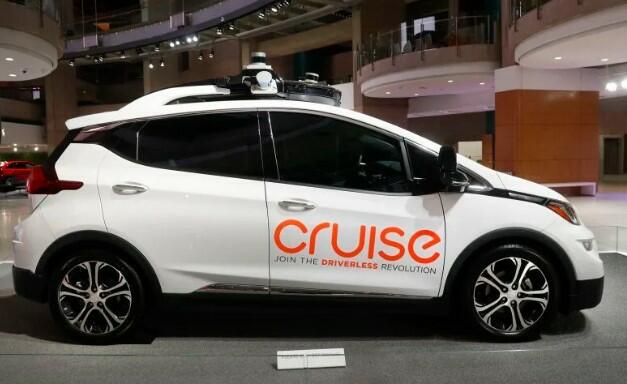
 Just days after we wrote about a massive traffic jam in downtown San Francisco that was the fault of a new wave of driverless Cruise robotaxis, the California DMV has ordered the size of the newly expanded fleet of vehicles to be cut in half.

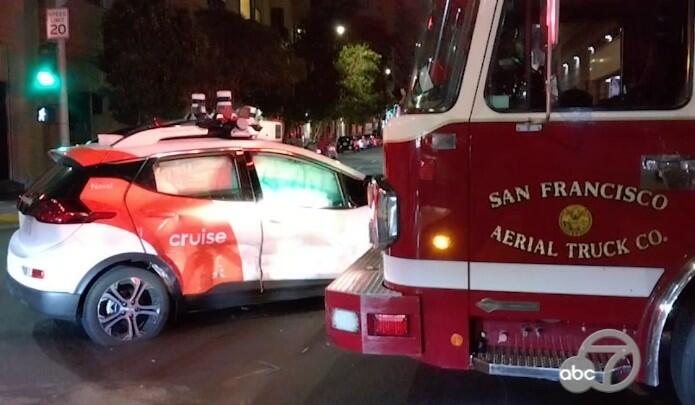
The new restriction was hastily put into place after a Cruise robotaxi collided with a firetruck late last Thursday in San Francisco. 

The California DMV also said it is investigating recent “concerning incidents” surrounding the vehicles, with the agency ruling that it can have no more than 50 driverless taxis operating during the day and 150 at night, pending the outcome of the investigation. 

In a statement Friday the DMV said the restrictions won't be lifted until the company takes “appropriate corrective actions to improve road safety.”

Cruise wrote on the platform formerly known as Twitter last week: “One of our cars entered the intersection on a green light and was struck by an emergency vehicle that appeared to be en route to an emergency scene.”

“Our car contained one passenger who was treated on scene and transported via ambulance for what we believe are non-severe injuries,” they continued. 

At the time, despite the green light, the firetruck's lights and a forward facing red light were activated, the report says. ABC had video of the accident. 

Recall, we wrote days ago that one day after the state implemented a massive expansion of the robotaxis, it was faced with a 10-car driverless traffic jam in San Francisco. 

The 10 taxies "blocked two narrow streets in the center of the city’s lively North Beach bar and restaurant district", according to a report from Yahoo Finance, which said the robotaxis "might as well have been boulders" because nobody knew how to move them. 

The jam clogged up Vallejo Street and two corners on Grant, as human drivers were unable to maneuver around the automated vehicles, the report says. The robotaxis sat with their parking lights flashing for 15 minutes before "waking up" and eventually moving on. 

"Our houses in North Beach are made of sticks," said Aaron Peskin, who represents North Beach on the San Francisco Board of Supervisors. He tried to allay his fears that robotaxis could jam the streets close in the event of a major emergency or fire where people needed to evacuate an area. 

The California Public Utilities Commission less than two weeks ago voted 3 to 1 to allow the robotaxi expansion. The vote didn't come without controversy, however, as the report noted there was significant pushback on the idea from the mayor's office, which claimed that Cruise has a laundry list of fixes it must implement before the taxis are ready for primetime. 

It looks like they were right...

https://www.zerohedge.com/markets/cali-dmv-forces-cruise-cut-robotaxi-fleet-half-after-several-concerning-incidents