Mexico sent a team of firefighters to California on Saturday to help teams battling the raging wildfires that have devastated parts of Los Angeles.
"The humanitarian aid group is leaving for Los Angeles, California," Mexico's President Claudia Sheinbaum wrote on X on Saturday morning, posting photos of firefighters holding the flags of Mexico and California and standing on the runway in front of two planes.
"We are a country of generosity and solidarity," she added.
Six simultaneous blazes that have ripped across Los Angeles County neighborhoods since Tuesday have killed at least 11 people and damaged or destroyed 10,000 structures. The toll is expected to mount when firefighters are able to conduct house-to-house searches.
California Governor Gavin Newsom thanked Mexico in a message on X posted on Friday after the deployment was announced.
"California is deeply grateful for President Sheinbaum's support as we work to suppress the Los Angeles wildfires," he wrote.
U.S. President Joe Biden spoke with Pope Francis on Saturday and awarded him the Presidential Medal of Freedom with Distinction, the nation's highest civilian honor, the White House said.
It was the first time during his four years in office that Biden awarded the medal "with distinction," it said.
Biden this week canceled his trip to Rome, where he was due to meet the pope in person, to oversee the federal response to the deadly fires in California.
U.S. Special Counsel Jack Smith, who led the federal cases against Donald Trump on charges of trying to overturn his 2020 election defeat and mishandling of classified documents, has resigned, as the Republican president-elect prepared to return to the White House, Politico reported on Saturday.
Smith resigned on Friday from the Department of Justice, according to court documents filed in federal court, Politico said.
Initial rounds of VC financing totaled $7.7 billion over 137 deals for biopharma in 2024, compared to $3.8 billion over 156 deals in 2023.
The megaround ruled first-financings in biopharma last year, with seven rounds over $300 million pushing the overall total raised to double 2023’s numbers, according to a new report from HSBC Innovation Banking. But fewer biotechs reaped the benefits of venture capital.
The report looked at first-time financings for biopharma, which totaled $7.7 billion over 137 deals. This includes AI company Xaira Therapeutics, which emerged with a whopping $1 billion in the second quarter. 2023 saw $3.8 billion over 156 deals.
The first half saw 73 total financings, compared to 63 in the second half. Xaira was one of 14 megarounds of $100 million or more that landed in the first half, which saw the bulk of venture activity—totaling $4.2 billion, according to HSBC. This amount represents 72% of all first-financings that occurred in the first half. There was no real trend in terms of company stage, with the dollars spread across preclinical, Phase I, II and III.
In the second half, there were only six first financings that pushed above $100 million. HSBC noted that there were also five series A financings that went above the megaround mark. While they didn’t fit neatly into the analysis, the raises were notable as they followed earlier large seed rounds and raised a collective $650 million.
Many of these financings saw well-known management teams at the helm, fresh out of previous companies that got scooped up in successful M&As, HSBC said. These executives arrived back on the biotech creation scene with a blank check, the firm said.
And even if these megaround raisers fail in their initial stated mission, HSBC says investors who go that big up front are likely to continue supporting the experienced team to find something new to do.
“The largest syndicated deals often feature experienced management teams with a track record of success that demand substantial equity rounds,” HSBC wrote. “This allows flexibility to pivot if the initial technology fails, with continued insider support. In such cases, investors are more likely to provide additional funding rather than accept a write-off.”
Experienced executives featured prominently in BioSpace’s NextGen Class of 2025, such as Seaport Therapeutics and Exsilio Therapeutics.
It makes sense to raise a lot of money for complex technology, HSBC said. But the surge in megarounds is risky given the restrained exit market, as M&A and IPOs have been slow. But the firm noted that later financings saw a surge of crossover interest, meaning these investors are positioning for large M&A or IPO activity.
Another stand out that HSBC flagged was out-licensing deals from Chinese biotechs, such as metabolic-focused Kailera Therapeutics, which emerged in October with $400 million.
The most active VC investors in 2024 were Novo Holdings and Frazier Life Sciences. Arch Venture Partners, which was behind Xaira, was tied for third with Forbion Ventures. Bristol Myers Squibb, Sanofi, Eli Lilly and Merck were among the busiest pharma investors.
Misses from amyotrophic lateral sclerosis hopefuls Denali Therapeutics and partners AbbVie and Calico Life Sciences mark the latest setbacks for the controversial platform trial, the results from which have largely mirrored the dismal success rate in ALS overall.
Launched in 2020 to expedite the development of an effective medicine for amyotrophic lateral sclerosis, the HEALEY ALS Platform Trial suffered two more disappointments this week as candidates from Denali Therapeutics and AbbVie and Calico Life Sciences missed the study’s primary endpoint, failing to significantly slow disease progression.
Funded by Sean M. Healey—who died from amyotrophic lateral sclerosis (ALS) in 2020—and his global asset management firm, the HEALEY trial generated new hope for patients with the intractable neurological disease. Platform trials are a fairly new phenomenon, however, meaning successes have been limited and investigators are still refining the methodology. In a Monday investor note, Stifel analyst Paul Matteis called the trial “a very high-risk/high-reward option.”
As with any novel venture, HEALEY has experienced challenges. In an earlier interview with BioSpace, Clene Nanomedicine CEO Rob Etherington noted certain inflexibilities in the trial’s protocol in addition to a six-month timeframe that is “too short of a window to prove efficacy.”
For some drug developers, it is also an attractive business proposition. The HEALEY team recruited the first biotechs to the trial by covering some of their costs. “The good news was they paid for the drug, so we didn’t have to raise money for [that],” Prilenia Therapeutics CEO Michael Hayden told me in September. A platform trial also has the advantage of being patient-centric, using a shared placebo group between all regimens to boost the total number of patients receiving a potentially efficacious drug.
But nearly five years on, the HEALEY trial has yet to produce a definitive success, instead serving up a string of failures. Hopefuls from Clene, Prilneia, Biohaven, UCB and Seelos Therapeutics all failed to hit the trial’s primary endpoint, and of these, only Prilenia and Clene saw enough positive signals to move their treatments forward. The other programs have all been terminated—a devastating development for the ALS community.
It has also been hard, of course, on these companies. Seelos filed for bankruptcy in November after trehalose’s failure. That same month, Massachusetts General Hospital (MGH), which runs the HEALEY trial, sued Seelos over the company’s alleged failure to fully pay for the work MGH conducted on its candidate trehalose. Seelos, which has expressed disagreement regarding the data from its regimen in the HEALY trial, particularly concerning the use of Amylyx’s Relyvrio by some participants, is allegedly withholding payment as a result—to the tune of $2 million, according to the lawsuit.
In a March 2024 update, Seelos stated that while the study did not meet statistical significance in the primary and secondary endpoint across all participants, it showed a potential signal of efficacy in a pre-specified subgroup not taking Relyvrio. These patients saw a 22% improvement in slope of change in the ALS Functional Rating Scale-Revised (ALSFRS-R) assessment adjusted for mortality, with an 89% success probability, at 24 weeks, according to the press release.
“The HEALEY platform is designed to detect signals of efficacy and we believe the observed signal and success probability is competitive to other recently FDA-approved therapies for ALS which also failed to achieve statistical significance when measured for function and mortality on similar primary and efficacy endpoints,” Seelos CEO Raj Mehra said in the March statement.
Relyvrio received approval in September 2022 as only the third-ever treatment for ALS. Given its subsequent withdrawal from U.S. and Canadian markets in April 2024 after failure to show efficacy in a Phase III trial, it would have been interesting to see how trehalose would have performed under different circumstances.
Signals of Hope
For followers of the HEALEY trial—and the ALS space in general—pulling signals of efficacy from the rubble is a familiar tune. For Prilenia and Clene, positive biomarker data supported moving their respective programs forward. In Prilenia’s case, a subgroup of patients with early-stage ALS who were rapidly declining had “substantially less decline” on the ALSFRS-R total score compared to the placebo group. Prilenia submitted a Marketing Authorisation Application to the European Medicines Agency that was accepted in September 2024.
Certainly, there is precedent for moving a program forward based on patient subgroup data.
“[ALS] is heterogeneous, and sometimes it’s really important, even when a drug doesn’t work in everybody, to look at if there’s a subset that might have benefited,” Merit Cudkowicz, director of the Healey & AMG Center for ALS, told me in 2021. Cudkowicz noted that results of the first trial for Radicava, developed by Mitsubishi Tanabe and approved by the FDA in May 2017, were also negative across the overall trial population. However, a subset of early fast progressors did respond, “and when they repeated the studies just in that group, it was positive and that led to marketing.”
And embattled Israel and New York–based biotech BrainStorm Cell Therapeutics has consistently pointed to analysis from its Phase III trial of NurOwn showing that a prespecified subgroup of patients with early-stage disease, as determined by an ALSFRS-R baseline score of 35, saw a meaningful response across all primary and secondary endpoints. BrainStorm is now gearing up for a Phase IIIb study that president and CEO Chaim Lebovits said would be focused on these early-stage patients.
After a 2024 campaign filled with disappointment, this is a space that desperately needs a break. ALS is uniformly fatal, typically claiming its victims within five years of diagnosis, and the disease continues to confound researchers. Given the dire need for effective treatments, patients, drug developers and journalists alike could be forgiven for celebrating signals of hope.
As for the HEALEY trial, Cudkowicz shared that the team is currently considering amending the protocol based on learnings from the first five regimens.
“My sense is that it is not a perfect clinical trial. It has its flaws,” Graig Suvannavejh, senior biopharmaceuticals and biotechnology equity research analyst at Mizuho Americas, told me. “But I think they’re trying to fix the situation at HEALEY.”
2024 has been another milestone year for the data center industry. Records were broken for mergers and acquisitions at the top end of the market, and numerous smaller deals indicated interesting trends within the wider industry.
Synergy Research Group noted that, after a “relative lull in 2023,” data center-oriented M&A was again reaching the highs of 2021 and 2022.
John Dinsdale, chief analyst and research director at Synergy Research Group, told DCD in December: “Since the end of August, the total value of deals officially closed this year has now risen to $50 billion, with a good number of deals in the pipeline which may well close before the end of the month/year. Almost certainly, 2024 will become the new record holder for value of closed data center-oriented M&A activity.”
AirTrunk sets new records
A new record for the largest-ever data center deal was created in September when Blackstone and the Canada Pension Plan Investment Board (CPP) acquired APAC-focused data center firm AirTrunk from Macquarie Asset Management and the Public Sector Pension Investment Board.
The deal has an implied enterprise value of over AU$24 billion (US$16.11bn), beating the previous record holder - KKR and GIP's $15 billion acquisition of CyrusOne in 2021.
AirTrunk was founded in 2016 with plans to develop hyperscale data centers in Australia. The company opened its first facility in Sydney in 2017, and has since expanded across the region, operating and developing campuses in Australia, Hong Kong, Japan, Malaysia, and Singapore.
Blackstone previously acquired US operator QTS for $11 billion in 2021 and has been rapidly expanding the company’s footprint across the US and Europe. It launched Asia-focused data center firm Lumina CloudInfra in 2022 and has invested in Chinese operator Vnet. It also has joint ventures with COPT, Digital Realty, and others.
CPP has previously invested in a number of data center funds and joint ventures, including several in Asia.
Blackstone said its data center portfolio now totals $70 billion, and has another $100 billion in its pipeline.
– Talen | Cumulus
Amazon goes nuclear
Not the largest deal of 2024, but possibly one that was a bellwether for industry change, Amazon acquired a nuclear-powered data center last year.
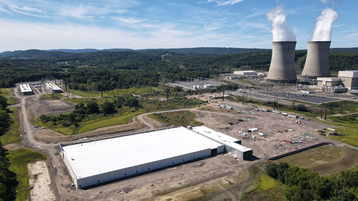
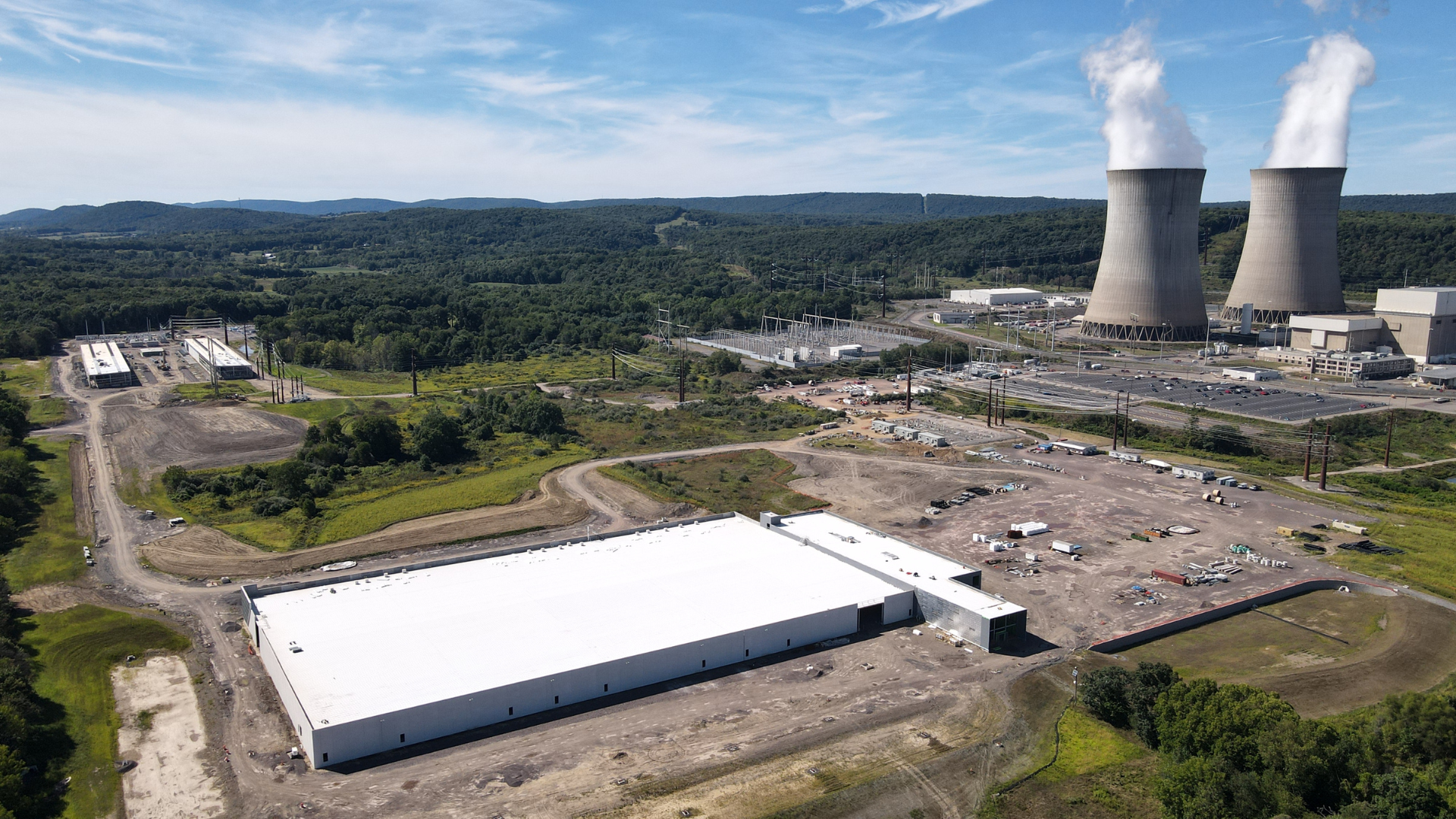
March saw the company acquire Talen Energy’s 960MW Cumulus data center campus next to the Susquehanna nuclear power station in Pennsylvania for $650 million. Amazon has since filed to develop a 15-building campus totaling around 1GW at the 1,600-acre site – though the company’s energy arrangement with Talen has met resistance from other utilities in the area.
Amid an AI boom and ongoing capacity shortages, nuclear power is seen as a potential answer to growing power needs that won’t ruin sustainability targets.
Amazon, Microsoft, Google, and others have all announced various deals involving existing nuclear power plants or SMR providers in recent months.
– Global Switch
HMC forms Australian powerhouse
While AirTrunk was the biggest deal to come out of Australia in 2024, there was plenty of other activity, much of it driven by investment firm HMC Capital.
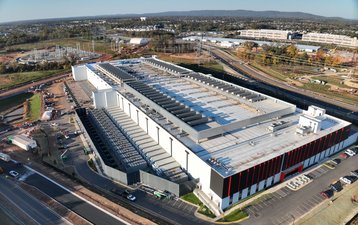
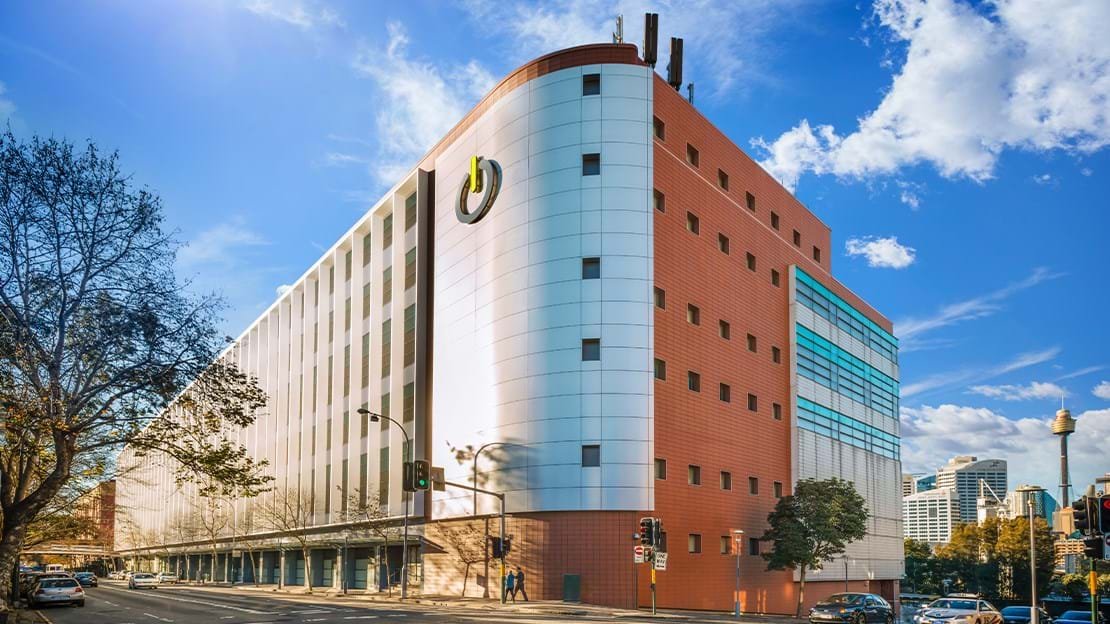
After acquiring North American digital infrastructure investor StratCap in February, HMC purchased Global Switch’s Australian unit, comprising two conjoined data centers in Sydney, for AU$2.12 billion (US$1.41bn).
HMC also acquired iseek and its seven Australian data centers for AU$400 million ($264m) from Amber Infrastructure.
Formerly known as Strategic Capital, StratCap has data centers in Colorado, Florida, Wisconsin, Ohio, and Georgia in the US as well as at least one facility in Ontario, Canada. It has regularly acquired small numbers of cell towers across the US.
HMC has since launched DigiCo Real Estate Investment Trust (REIT), a new company to hold its data center assets.
The REIT manages 13 data centers serving 586 customers, and said it had agreed deals for the acquisition of three North American enterprise and hyperscale data centers for AU$2.29 billion ($1.5bn).
However, DigiCo REIT had a disappointing IPO in December. The company raised AU$2 billion ($1.3bn) in its initial public offering (IPO) at a share price of AU$5 ($3.25), but saw its price fall to AU$4.55 ($2.82) on its first day of trading.
The Global Switch deal brought down the curtain (in one market at least) on a long-running saga. After taking full control of the company back in 2016, Chinese steel giant Jiangsu Shagang Group has been looking to sell Global Switch since 2021. More than a dozen companies have been named as potential buyers, but a deal was never closed.
Further deals involving the company’s remaining assets in Europe and Asia could be on the cards in 2025. December also saw Global Switch officially confirm it was seeking a co-investor for its London campus in the UK.
– Colovore
Colovore changes hands, looks to expand liquid-cooled footprint
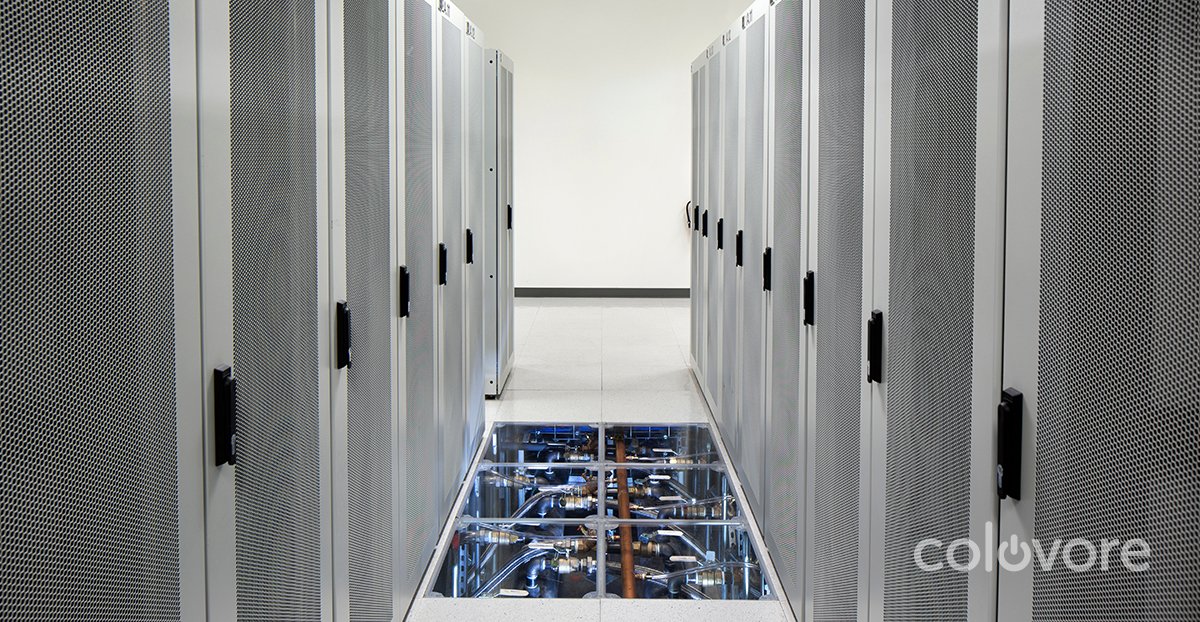
Interest in liquid-cooled data centers rocketed in 2024. The latest and greatest GPUs from Nvidia are reaching a point where liquid cooling is a necessity rather than a nice to have, and all the major cloud providers are now deploying new designs as a result.
One of the early frontrunners in liquid cooling, California-based Colovore, is under new ownership, with investment firm King Street taking a majority stake in the company in May.
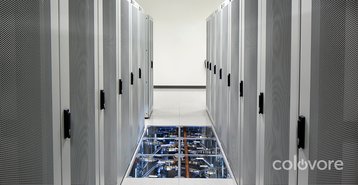
Launched in 2013, Colovore carved out an early niche for liquid-cooled racks capable of up to 35kW. The company launched its original single-story, 24,000 sq ft (2,230 sqm) facility at 1101 Space Park Drive in Santa Clara back in 2014, well before the current AI wave that is driving up interest in liquid cooling.
Focused on retail colo rather than hyperscale, Cerebras, Lambda Cloud, and Cirrascale are among known customers of Colovore.
Digital Realty Trust and Silicon Valley real estate development firm Pelio & Associates were previous investors in Colovore, alongside a number of private backers.
In an earnings call, Digital Realty confirmed it had liquidated its 17 percent interest in Colovore. The move generated gross proceeds of approximately $35m; a gain of approximately $27m on its original investments, made in 2015 and 2017. If a 17 percent sale generated $35m, that suggests Colovore was sold for around $205 million.
Despite its status as an early adopter, Colovore had been slow to expand its footprint. The company announced plans to build a second, 9MW facility known as SJC02, on a neighboring plot in November 2022. The facility was set to launch in December 2024 - though at time of writing there has been no official launch announcement.
Post-acquisition, the company has announced plans for data centers in Chicago, Illinois, and Reno, Nevada, and quietly filed to develop a site in Austin, Texas.
King Street is a global alternative investment firm founded in 1995 that manages more than $25bn in assets across public and private markets.
– Google Maps
Europe heats up
Europe, a well-established market with limited capacity, has seen plenty of activity this year.
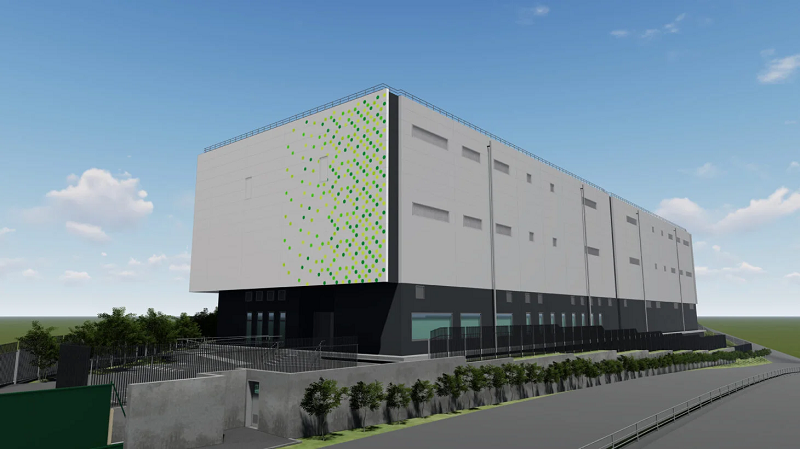
Alternative investment firm H.I.G. Capital acquired a majority stake in new Nordic data center firm Polar, with the deal said to be worth “up to $500m.”
Founded earlier this year by Lian Group, Polar has two facilities in development in Norway. The company is led by former Vantage CTO Andy Hayes.
US investment firm Bain Capital acquired an 80 percent stake in European operator AQ Compute. Aquila Group founded AQ Compute in 2020, with its first data center opening in Oslo, Norway, in February 2024. It also has projects in Spain and Italy under development.
Infranity, which is an investor in Vantage, acquired Global Data Centre Group’s stake in Etix Everywhere for around $117m. Eurazeo remains an investor in Etix. After Vantage acquired most of Etix’s European hyperscale footprint, ASX-listed Global Data Centre Group bought the remainder of Etix in 2020. Today, the company operates small Edge facilities in France, Belgium, Thailand, and Colombia.
November saw CVC DIF, the infrastructure arm of global private markets manager CVC, acquire Spanish data center firm Adam Ecotech, which owns three operating data centers across Barcelona (x2) and Madrid, totaling 6,900 sqm (74,270 sq ft) and 7MW of capacity. It is also in the process of developing a greenfield data center in Barcelona and expanding its existing infrastructure to reach up to 12MW of capacity in the coming years. CVC also owns US operator Tonaquint.
Belgian telco Proximus sold its data centers to local operator Datacenter United (DC United) in a sale-leaseback deal. DC United took over four facilities in a deal valued at €128 million ($138.5m). As part of the deal, DC United owner TINC sold a 50 percent stake in the newly combined data center firm to Cordiant Digital Infrastructure Limited. Cordiant also owns Czech telecoms firm České Radiokomunikace (CRA) US data center firm Hudson Interxchange, Ireland's Speed Fibre, and Belgian tower firm Norkring Belgie.
Keppel-linked European asset management company Aermont acquired Spanish data center operator Nabiax from European-focused infrastructure investment firm Asterion Industrial Partners and telco Telefónica. Nabiax's portfolio totals three data centers with an installed IT power of 35MW located at facilities around Madrid and Barcelona. The sites can reportedly expand to more than 100MW.
Investment firm InfraVia is to acquire a 50 percent stake in French telco Iliad’s data center unit, OpCore. The deal values the Scaleway spinout at €860m ($903.4m) and will see the company expand from 131MW to hundreds of megawatts.
"While activity remained concentrated in key markets, 2024 saw the continued emergence of a changing industry landscape, with several “secondary” locations like the Nordics and cities including Madrid and Berlin, capturing providers’ attention," says Max Gilbert, managing director at investment bank Houlihan Lokey's technology group. "Data center activity in Europe will remain top of the agenda for infrastructure investors in 2025, with significant growth potential driven by ongoing exponential increases in data consumption and potential material upside from artificial intelligence, supported by a wide range of customers. We expect activity in Europe to remain highly active through 2025.
– Yondr Group
DigitalBridge buys Yondr
Digital infrastructure investment firm DigitalBridge had another busy year. Its Vantage and DataBank units raised billions of dollars from new investors; Switch is reportedly set to go public again; Scala could be potentially up for sale; and it acquired Japanese tower firm JTower, just to name a few.
Most notable of all, however, was the acquisition of data center developer Yondr. DigitalBridge acquired Yondr in October, in a deal set to close in the new year.
Yondr will continue to operate as an independent company within DigitalBridge’s portfolio. How this will work long-term remains to be seen, given that Yondr operates in many of the same markets as Vantage, competing for the same customers.
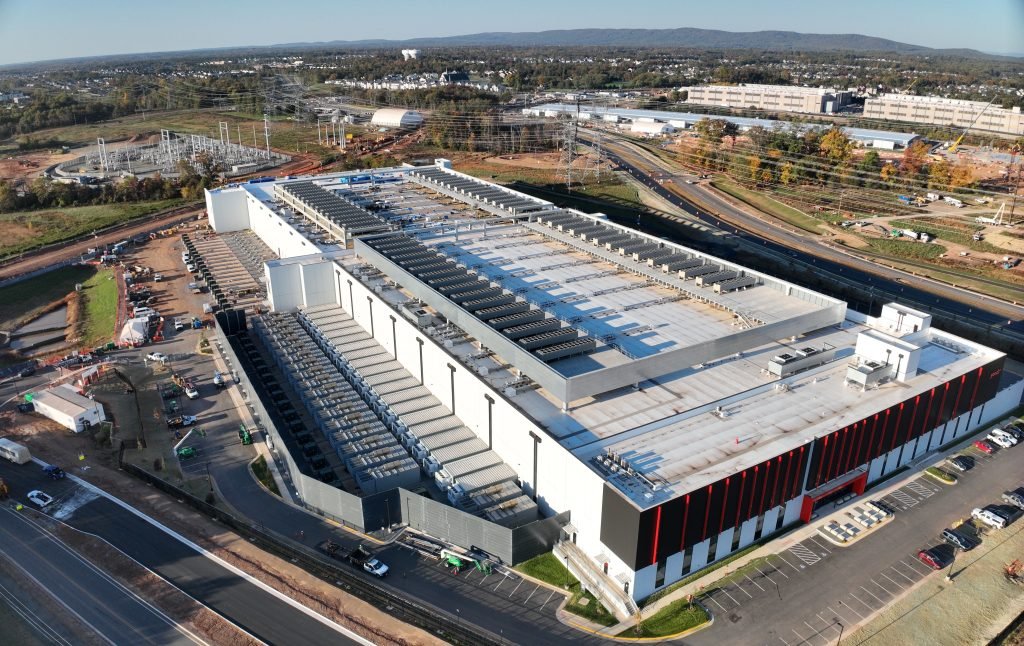
Yondr currently has a contracted capacity of 878MW, with more than 58MW currently operational. The company has projects in Virginia, UK, Malaysia, Japan, Germany, and India.
It has more than 420MW of capacity committed to hyperscalers, with “significant” additional land to support a total potential capacity of over 1GW, according to DigitalBridge.
Yondr was previously owned by single-family investment office Cathexis, with investments from Apollo Global Management, and Mubadala.
While it may be unrelated, the sale came shortly after the collapse of ISG, a major UK construction firm also owned by Cathexis.
– GLP Capital Partners
Investment firms go big on investment firms
While investment firms were busy buying data center firms to form new platforms across 2024, they were also busy buying other investment firms.
October saw asset manager Blue Owl Capital acquire Stack owner IPI for $1 billion. Like HMC, Blue Owl was never previously known for its data center investments, but has been active in 2024. The company formed a $5 billion joint venture with Chirisa and PowerHouse to develop data centers across the US – mostly for AI cloud firm CoreWeave – and a $3.4bn joint venture with Crusoe to build an AI data center campus in Texas.
In January, equity firm General Atlantic announced plans to acquire Actis. With some $12.5bn assets under management, Actis is a major investor in Chinese hyperscale data center operator Chayora, has a majority stake in Nigerian operator Rack Centre, and acquired 11 data centers in Latin America and the US from Nabiax.
The same month saw Blackrock acquire Global Infrastructure Partners (GIP), the world’s largest independent infrastructure manager, for $3 billion. Founded in 2006, GIP owned major stakes in CyrusOne and Vantage Towers.
October also saw Ares Management acquire GLP Capital Partners' international business, which included its data center unit Ada Infrastructure, for an estimated $3.7bn. Ada has upwards of 1GW of capacity in development across markets including London, Tokyo, Osaka, and São Paulo.
APAC real estate giant ESR – which has a growing data center business – is set to be acquired and taken private by a consortium comprised of Starwood Capital Group, Sixth Street, SSW Partners, the Qatar Investment Authority, Warburg Pincus, and ESR’s founders. Announced in December, the deal would value the company at $7.1bn.
The company has made a number of investments in the data center space since 2021; it has 575MW of committed data center sites in key markets across APAC, with a pipeline of more than 2GW worth of land and projects.
Meta founder Mark Zuckerberg appeared on actor and martial artist Joe Rogan’s podcast on Jan. 10, sparking interest days ahead of President-elect Donald Trump’s inauguration.
The episode on “The Joe Rogan Experience” was aired just days after the tech founder announced his company was changing its moderation policy, replacing fact checkers with a less censorious system modeled on X’s Community Notes. He has also elevated Ultimate Fighting Championship CEO Dana White, a Trump and Rogan ally, to Meta’s board of directors.
During the nearly three-hour episode, Zuckerberg and Rogan talked Trump, online censorship, the recent election, television versus. podcasts, and the emasculation of society.
Trump ‘Wants America to Win’: Zuckerberg
Zuckerberg praised Trump on Rogan’s program, drawing a contrast between his prospective leadership and how the Biden administration handled the tech industry.
“I think he just wants America to win,” Zuckerberg said of Trump.
He also voiced regret for complying with requests to censor content on ideological grounds, particularly content related to COVID-19 while the Biden administration was pushing for COVID-19 vaccine uptake. He traced the rise of ideological censorship online to Trump’s election in 2016, which came alongside Brexit, and to the 2020 pandemic.
“We did generally defer to the government on some of these policies that in retrospect I probably wouldn’t, knowing what I know now,” he said.
“These people from the Biden administration would call up our team and like scream at them and curse,” Zuckerberg said.
The Facebook founder said that the United States should do more to defend its tech companies in other countries, citing legal actions by the European Union (EU) against Meta and other tech giants. He said the U.S. government had set the stage for other governments to intervene through its own approach to Meta and other firms.
The Election Made a Mark
Zuckerberg told Rogan that the 2024 election had affected Meta’s approach to content moderation.
“The good thing about doing it after the election is you get to take this cultural pulse,” he said. “We try to have policies that reflect mainstream discourse.”
Yet, he pushed back against claims that there was a particular significance to the timing, which coincides with other moves from Zuckerberg seemingly aimed at gaining support from the incoming administration—for example, Meta’s donation of $1 million to the Trump inaugural fund.
“I try not to change our content rules right in the middle of an election either. There’s not like a good time to do this,” Zuckerberg said.
Zuckerberg Talks Tradeoffs in Content Moderation
The Meta CEO spoke about his company’s decision to shut down its fact-checking program in favor of an X-style system in which users generate notes and vote them up or down.
He also drew attention to a related change—namely, the move to require more confidence from the company’s artificial intelligence-based systems before harmful content is removed.
A Jan. 7 announcement from Meta suggested the current approach is producing too many false positives, leading to “the vast majority of the censorship on our platforms.”
It stated that the systems will concentrate on “illegal and high-severity violations, like terrorism, child sexual exploitation, drugs, fraud, and scams” rather than the political content that was often flagged in the past.
On Rogan’s program, Zuckerberg said that there was a tradeoff between precision and comprehensiveness. A more aggressive system for spotting drug-related content, for example, might catch more of that material while sweeping up many innocent posts in its dragnet. On the other hand, a more precise system might catch less of that targeted content while censoring fewer innocent posts.
“We will maybe take down a smaller amount of the harmful content, but it will also mean that we’ll dramatically reduce the amount of people whose accounts were taken off for a mistake—which is just a terrible experience,” Zuckerberg said.
‘I Hated Doing TV’: Zuckerberg
Zuckerberg discussed his early media appearances after founding Facebook in 2004 while a student at Harvard University. Like Microsoft founder Bill Gates, Zuckerberg dropped out of Harvard.
“I hated doing TV,” he told Rogan. “I’d get super nervous.”
He recalled that, as a college-aged techie, he was “good at coding” but “real bad at kind of like talking to people.”
Zuckerberg said that the media outlets that hosted him would reduce his appearances to unflattering sound bites. He suggested that online podcasts succeed because they operate without those constraints.
“On the Internet, there’s no reason to cut it to a four-minute sound bite,” he said.
Rogan agreed.
“Conversations are like a dance,” he said. “You kind of have to find the rhythm that you’re going to talk with, and then you have to actually be interested in what you’re talking about.”
Zuckerberg Warns of ‘Neutered or Emasculated’ Society
Zuckerberg also discussed his martial arts training. The Meta CEO practices Brazilian jiu-jitsu.
“It definitely takes the edge off things. After a couple of hours doing that in the morning, it’s just like, yeah, it’s like nothing else that day is going to stress you out that much,” he said.
Zuckerberg reflected on society as a whole, saying much of it has become “neutered or emasculated.”
He said martial arts allows him to express himself in a way that isn’t possible as the CEO of a large company, comparing the visuals of him fighting favorably to the brief sound bites he can provide through TV interviews.
“When people see me competing in this sport, they say, ‘Oh, no, that’s the real Mark,’” he said.