Search This Blog

Tuesday, January 14, 2025

Gates' Foundation Tax-Exempt Status Faces Court Showdown Amid Vaccine Profit Allegations

 In a legal confrontation with potential far-reaching implications, Floridian and head of The World Peace Through Education Foundation, Inc, William S. Scott has filed an appeal and petition for a Writ of Mandamus against the Internal Revenue Service (IRS) in the United States District Court for the Southern District of Florida, targeting the Bill and Melinda Gates Foundation/Trust (BMGF/Trust).

The appeal, case number 1:24-cv-24123-CMA (filing at end of article), is set before Chief Judge Cecilia Altonaga, the first Female Cuban American Federal Judge, who presides over the United States District Court for the Southern District of Florida. Her ruling on this appeal is anticipated in the coming days, adding to the urgency surrounding this case.
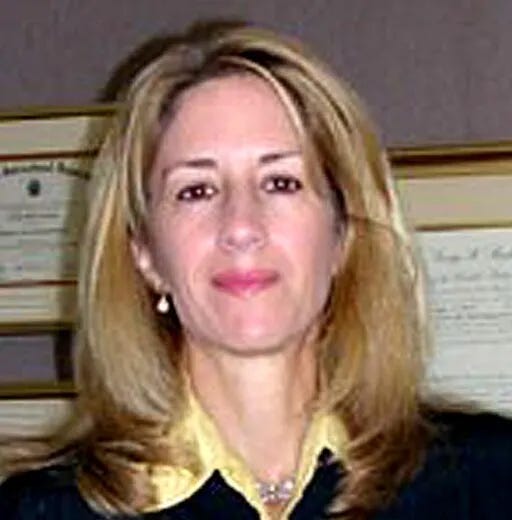
Judge Cecilia Altonaga

Scott's legal action follows the IRS's rejection of his whistleblower claim on September 26, 2024. He alleges that the foundation has been engaged in for-profit activities under the guise of charity, stating, "Under the pretense of improving World Health, Bill & Melinda Gates Foundation/Trust has been engaged in the promotion, manufacture and sale of Covid-19 vaccines that were not sufficiently tested for safety or for effectiveness for their intended use." He further asserts, "The claim that its efforts are charity are bogus and it has acted in bad faith."

Since its founding in 2000, the Bill and Melinda Gates Foundation has been a leader in global health, reporting tax-exempt revenue of $6,840,102,370 in 2023. Among its significant investments, the foundation provided $55 million to BioNTech in 2019 for vaccine development (source).

Global Scrutiny and Legal Challenges: The foundation is under scrutiny not just in the U.S. but also internationally. Kenya's High Court has suspended the Gates Foundation's diplomatic immunity due to accountability concerns. This scrutiny extends to countries like the Netherlands, where there are discussions or legal preparations against the foundation's international operations.

Adding complexity to this narrative, Margaret Hamburg, who served as FDA Chairman from 2009 to 2015, now sits on the Gates Foundation's Global Health Scientific Advisory Committee (link to her position on the committee). Her husband, Peter Brown, leads Renaissance Technologies, known for its investments in medical stocks. This is underscored by Renaissance Technologies' $7 billion settlement with the IRS in 2021 over tax strategies.
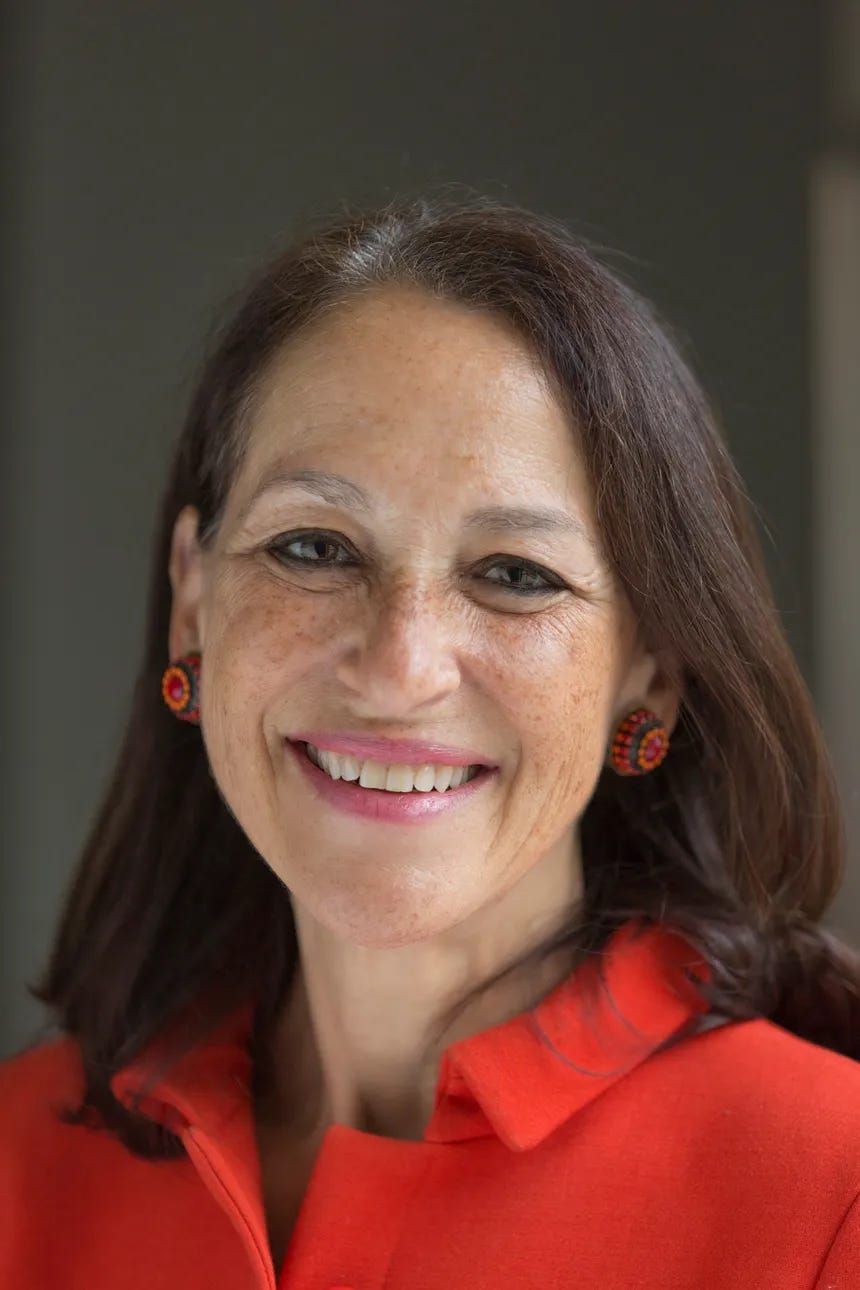
Margaret Hamburg

Implications of Losing Tax-Exempt Status:

The revocation of the Gates Foundation's tax-exempt status would have profound consequences:

  • Tax Liability: An estimated annual federal tax of $1.44 billion for 2023, based on a 21% corporate rate, not including state taxes or penalties for prior years.

  • Donation Deductibility: The loss of tax deductions could significantly impact donation levels.

  • Operational Adjustments: The foundation might need to scale back or alter its charitable operations.

  • Wealth Loss Estimation: An immediate annual financial hit over $1 billion, with long-term impacts on its endowment.

  • Public Perception and Legal Ramifications: Public trust could wane, potentially leading to further legal scrutiny.

Comparison to Blue Shield's Case: Blue Shield of California's 2015 loss of state tax-exempt status provides a cautionary tale, where operational concerns led to significant changes. This could be a foreshadowing for the Gates Foundation if it faces similar challenges.

  • Legal Precedents: Shows the potential for a reassessment of tax exemptions.

  • Public and Regulatory Reaction: Similar backlash might be expected.

  • Operational Impact: Operational strategies would likely need reevaluation.

Influence of Donors on Scientific Research: Influential donors like the Gates Foundation can skew research priorities, potentially prioritizing commercial interests over public health needs, leading to:

  • Bias in Research Focus: Funding might lean towards areas beneficial to the donor's interests.

  • Conflict of Interest: Research impartiality can be compromised.

  • Impact on Public Trust: Skepticism can grow regarding the integrity of funded research.

This is particularly relevant in the context of clinical trial research, where transparency is crucial. The Association of Clinical Research Professionals (ACRP) advocates for researchers to disclose relationships and potential conflicts of interest publicly, but this directive is not always followed, leading to potential biases or misrepresentations in research outcomes. Studies have shown that a significant percentage of clinical trial reports might fail to disclose conflicts of interest:

  • A 2016 review published in "Research Integrity and Peer Review" determined that between 43% and 69% of research study reports failed to disclose conflicts of interest (source).

  • A study in the "Journal of the American Medical Association (JAMA)" reported that approximately 32% of clinical trial authors had not fully disclosed their industry payments in their articles (source).

  • In the "BMJ Evidence-Based Medicine," a study published in 2020 discussed the complexities of conflicts of interest in medical research, noting that many clinical trials and their authors have industry ties which are not always transparently reported (source).

  • Another study from the "BMJ" in 2014, analyzing newspaper articles about the H1N1 pandemic, found that academics with financial ties to drug companies selling related medications rated the health risks significantly higher than those without such ties, suggesting a potential bias in reporting due to undisclosed conflicts (source).

  • A cross-sectional study published in "BMJ" in 2017 found evidence of high rates of underreporting of financial conflicts of interest among clinical investigators (source).

According to Scott's petition, the IRS did not conduct an investigation into the Gates Foundation's activities based on his whistleblower claim. Scott asserts, "Petitioner believes, and therefore asserts, that the IRS conducted no investigation to reach its decision to deny his Form 211," highlighting a key point of contention in this legal battle.

“the IRS conducted no investigation to reach its decision”
William S. Scott Appeal

Gates Foundation's Funding in Pro-Vaccine Organizations:

The Gates Foundation has been a significant financier in the pro-vaccine landscape, supporting numerous organizations:

  • Gavi, the Vaccine Alliance: The foundation initially funded Gavi with $750 million in 2000 to enhance vaccine access in developing countries. By 2020, the Gates Foundation pledged $1.6 billion for Gavi's next strategic period, focusing on equitable vaccine distribution (source).

  • Coalition for Epidemic Preparedness Innovations (CEPI): In November 2020, the Gates Foundation committed an additional $20 million to CEPI for advancing research on COVID-19 vaccines. This followed a $50 million contribution to CEPI's COVAX Advance Market Commitment in June 2020 (source).

  • PATH: The foundation has invested in PATH’s efforts in vaccine development, notably contributing to the introduction of the rotavirus vaccine in developing countries. The exact amounts are not consistently public, but these efforts have been part of larger commitments to global health.

  • World Health Organization (WHO): The Gates Foundation has provided funding to WHO for various health initiatives, including vaccine programs, though specific figures for vaccine-related funding are less delineated but known to be substantial.

  • Novavax: In 2015, the Gates Foundation awarded Novavax a $89 million grant to develop a vaccine against respiratory syncytial virus (RSV) (source).

Concerns Over Federal Agency Oversight and Robert F. Kennedy Jr.'s Confirmation: Amid these legal and operational challenges, there's growing public concern over federal agencies potentially ignoring or omitting reports of injuries related to the COVID-19 vaccines. This sentiment is fueled by posts on social media platforms like X, where users have expressed frustration over the lack of acknowledgment or investigation into alleged vaccine injuries. This has led to calls for more rigorous scrutiny of vaccine research and safety data ([source]).

Adding to this debate is the looming confirmation of Robert F. Kennedy Jr. as head of the Department of Health and Human Services (HHS). Known for his skepticism towards vaccines, Kennedy has promised to revisit federal vaccine recommendations, emphasizing the need for transparency and safety in vaccine research. His potential confirmation has sparked a polarized response, with some seeing it as an opportunity to critically assess the vaccine safety and efficacy processes, while others fear it might undermine public health efforts (sourcesourcesource).

This legal challenge by Scott not only questions the Gates Foundation's accountability but also highlights the broader issues of transparency, influence, and the need for more rigorous oversight in both philanthropy and public health research. The outcome of these legal and political developments could significantly influence how tax-exempt statuses are managed, how donor influence is perceived, and the enforcement of disclosure policies in scientific research globally.


https://www.brokentruth.tv/p/bill-gates-foundation-faces-court


View the latest amended appeal by William Scott below.

Amended Appeal Filed 1 08 25 Final
136KB ∙ PDF file
Download
Irs Motion To Dismiss Filed 12 20 2024
219KB ∙ PDF file
Download
Scott Response To Irs Mtd Filed 1 6 25
1.33MB ∙ PDF file
Download


Sarepta Previews Q4 Findings, Touts Elevidys Earnings Beat


Sarepta Therapeutics’ Duchenne muscular dystrophy therapy Elevidys handily beat analysts’ expectations in the fourth quarter of 2024, reflecting the biotech’s “world-class” execution, according to BMO Capital Markets analysts.

Sarepta Therapeutics on Monday provided an early peek at its fourth-quarter and full-year 2024 performances, reporting largely positive results that reflect a successful launch for its Duchenne muscular dystrophy gene therapy Elevidys.

In the fourth quarter, Elevidys brought in a net product revenue of $384.2 million, representing a more than 110% quarter-over-quarter increase. That figure easily beat the consensus earnings estimate of $334 million and the company’s own guidance, which projected product sales of approximately $320 million, according to an investor note from Jefferies.

The biotech provided this earnings preview at the 2025 J.P. Morgan Healthcare Conference in San Francisco.

BMO Capital Markets analysts were bullish about Sarepta’s results, asserting in a note that Elevidys’ Q4 growth points to the biotech’s “world-class” expertise in Duchenne muscular dystrophy (DMD).

“Importantly, despite generating $1B+ in Elevidys sales since launch, [management] estimates <5% penetration in Elevidys-eligible patients (>600 dosed to date), pointing to $20B+ Elevidys opportunity in prevalent patients,” the BMO analysts wrote.

With the strong Q4 performance of Elevidys, Sarepta leadership on Monday reiterated its 2025 guidance for product sales. The biotech expects to book $2.9 to $3.1 billion in sales this year, which is broadly in line with the consensus projection. BMO expects Elevidys to be a “key driver” of the Sarepta “story” in 2025, with a projected sales of around $2 billion this year, a potential EU approval and an upcoming readout that could “further establish efficacy/safety profile.”

As for its pipeline, Sarepta is anticipating a Phase III readout for Elevidys in the first half of 2025 as a treatment of limb-girdle muscular dystrophy (LGMD). A regulatory filing in this indication is expected by the end of the year, according to a presentation on Monday. Sarepta will also run Phase I/II studies this year for two new LGMD candidates.

Sarepta at JPM25 also touted the benefits of its recent potential $10 billion deal with Arrowhead Pharmaceuticals, which was announced in November 2024 and could yield at least seven RNA interference assets for facioscapulohumeral muscular dystrophy (FSHD), myotonic dystrophy type 1 (DM1), idiopathic pulmonary fibrosis and spinocerebellar ataxia 2. The biotech is expecting preliminary early-stage FSHD and DM1 data by the end of 2025.

“We see multiple ways to create value as well within each program,” the Jefferies analysts wrote of these Arrowhead programs, which have demonstrated best-in-class potential for DM1 and FSHD. “We see clear synergies for SRPT, who is an expert in developing rare disease drugs, finding biomarkers, and securing accelerated approvals.”

https://www.biospace.com/business/sarepta-previews-q4-findings-touts-elevidys-earnings-beat

Regenxbio Jumps on Potential $800M Rare Disease Deal With Nippon Shinyaku


In exchange for its investigational gene therapies, Regenxbio will receive $110 million upfront and up to $700 million in milestones. After hitting an all-time low of $6.95 at close of business yesterday, the stock surged on the news by nearly 20% before markets opened Tuesday.

Regenxbio on Tuesday entered into a strategic partnership with Kyoto-based Nippon Shinyaku to advance novel gene therapies for the rare metabolic disorder mucopolysaccharidosis.

Unlike many arrangements, where U.S.-based companies in-license promising candidates for further development, Tuesday’s contract flows the opposite way. Regenxbio will receive an upfront payment of $110 million once the transaction closes and is eligible for up to $700 million in potential development, regulatory and sales milestones.

The deal sent shares of the Maryland biotech surging by as much as 18% before the opening bell on Tuesday, according to Investing.com. This jump followed a closing price yesterday of $6.95—the lowest Regenexbio has traded since it began trading on the NASDAQ nearly a decade ago.

In return for its investment, Nippon Shinyaku will gain access to two of Regenxbio’s gene therapies. The most mature of the assets is RGX-121, which is being tested for mucopolysaccharidosis type II, also known as Hunter syndrome. The gene therapy works by delivering a functioning copy of the iduronate-2-sulfatase gene, which is faulty in Hunter syndrome, leading to hallmark symptoms of developmental delays, skeletal abnormalities and enlargement of several internal organs.

In February 2024, Regenxbio announced that RGX-121 had aced its pivotal trial, significantly reducing the cerebrospinal fluid levels of a key disease biomarker. The gene therapy also improved the acquisition of neurodevelopmental skills in treated children. A few months later, in June, the company revealed that it had had a “successful” meeting with the FDA to support an accelerated approval pathway for RGX-121.

The second asset involved in Tuesday’s agreement with Nippon Shinyaku is RGX-111, being developed for mucopolysaccharidosis type I, a rare metabolic disease caused by a mutation in the Î±-l-iduronidase (IDUA) gene and characterized by various physical abnormalities as well as intellectual and developmental delays. RGX-111 delivers a copy of the IDUA gene to the central nervous system (CNS), potentially stemming the cognitive deterioration assocated with the condition. RGX-111 is currently in a Phase I/II trial, interim data from which showed an encouraging safety profile and promising biomarker data indicative of CNS activity.

Under the terms of Tuesday’s collaboration, Regenxbio will be entitled to “meaningful” double-digit royalties on potential net sales of RGX-121 and RGX-111 in the U.S. and in Asia.

In a statement, Regenxbio CEO Curran Simpson called the Nippon Shinyaku deal “exciting,” noting that “it maximizes our collective strengths and enables access of two potentially transformational medicines to key markets.”

Also on Tuesday, Regenxbio announced that its AbbVie-partnered wet age-related macular degeneration program ABBV-RGX-314 is being assessed in the pivotal ATMOSPHERE and ASCENT trials, with data expected in 2026. The partners are also looking to run a Phase III program for the asset in diabetic retinopathy. In November 2024, Regenxbio said that it had aligned with the FDA on an accelerated approval track for RGX-202, an investigational gene therapy for Duchenne muscular dystrophy.

https://www.biospace.com/business/regenxbio-jumps-on-potential-800m-rare-disease-deal-with-nippon-shinyaku

Hamas Accepts US-Mediated Ceasefire, Netanyahu Convenes Urgent Security Cabinet Meeting

 Officials have told the Associated Press on Tuesday that Hamas has accepted a draft agreement for Gaza ceasefire and hostage release, a day after President Biden said the sides are "on the brink" of reaching a breakthrough agreement.

This indeed may be the closest the negotiating sides have come to reaching a deal, after more than a year of failed attempts. "The ball is now in Hamas’s court. If Hamas accepts, the deal is ready to be concluded and implement it," Secretary of State Antony Blinken has said, strongly suggesting that Israel has already accepted. Blinken emphasized the deal is "ready to be concluded and implemented."

However, Prime Minister Benjamin Netanyahu’s office has not confirmed acceptance, and there's been frustration in the past over last minute additions from the Israeli side which has blown up draft agreements. But a final Netanyahu decision is said to be just hours away, and a deal could be proclaimed by Wednesday morning.

Via Reuters

Blinken described that American, Qatari and Egyptian mediators submitted the final draft hostage deal to Israel and Hamas on Sunday, and there have been optimistic statements ever since, especially in Biden's final foreign policy address on Monday.

Blinken in fresh remarks stressed, "I believe we will get a ceasefire. Whether we get there in the remaining days of our administration, or after January 20, the deal will follow closely the terms of the agreement that President Biden put forward last May and that our administration rallied the world behind."

Blinken explained that "at different moments, different parties have made it hard to finalize an agreement or events have delayed or derailed its completion."

"For the past several months, Hamas has played the spoiler, but over the past several weeks, our intensive efforts have brought us to the brink of full and final agreement," he said. Of course, the Palestinian side has laid blame squarely on the Israelis.

An urgent meeting of Netanyahu's security cabinet, set to convene tonight, could give final approval for the deal:

Israeli Prime Minister Benjamin Netanyahu will hold an urgent meeting with top security officials Tuesday night, according to an Israeli official.

The security consultation will be about a potential deal that would release the hostages, the official told CNN. Netanyahu spokesperson Omer Dostri told CNN the meeting will be a “status [of the deal] discussion.”

Trump's team has an envoy present for these negotiations, but as Times of Israel reports, some Israeli hardline political factions are trying to convince the president-elect, who enters the White House is less than a week, to reject the deal and instead press for Israeli sovereignty over all Palestinian territories:

Religious Zionism lawmaker Ohad Tal calls on US President-elect Donald Trump to oppose the hostage deal that his own envoy Steve Witkoff is currently working to finalize in Doha along with US President Joe Biden’s top aide Brett McGurk.

“The current deal, which was pushed by the Biden administration, is a horrible deal that will roll back all of Israel’s achievements of the past year,” he says at a prayer breakfast at Trump’s Mar-a-Lago resort.

Tal says that Trump, “more than any other leader in the world,” knows how “to differentiate between good and evil and I call on you from here from this important podium not to support a deal that will leave this total evil of Hamas in power; not to support a deal that will leave back the vast majority of the hostages.”

Calling Trump’s recent electoral win a “spiritual victory for the values we all treasure,” Tal criticizes “wokeism” and says that the incoming administration provides “an opportunity to apply full Israeli sovereignty in Judea and Samaria, the heart of our ancestral homeland.”

As for the hostages, there are still nearly 100 unaccounted for, but at least 30 have been confirmed deceased by Israeli officials, and the fates of many more remain uncertain.

"Israel believes that most of the 33 hostages to be released in the first phase of the deal are alive, a senior Israeli official told reporters on Monday, but the bodies of dead captives will also likely be among those released," CNN reports. "The first phase would take place over an initial 42-day ceasefire."

https://www.zerohedge.com/geopolitical/hamas-accepts-us-mediated-ceasefire-netanyahu-convenes-urgent-security-cabinet-meeting

"Brink Of Collapse": New Report Details How MTA Has Put Its Riders On A "Fast Track To Ruin"

 While the MTA has yet another hand in your pocket with NYC's new congestion tolls, taxpayers are getting even less from the mass transit service in New York, which is on the "brink of collapse" a new report says. 

The city’s subway system isn’t just teetering—it’s already breaking down, according to a new report from Gothamist. 

Train delays caused by faulty infrastructure surged 46% last year compared to 2021, and major incidents delaying 50 or more trains hit their highest level since 2018, according to MTA data.

A Gothamist investigation revealed the crumbling state of the system through tours of restricted transit facilities and interviews with over 100 riders from nearly every subway line.

MTA records reveal service breakdowns could surpass those of the 2017 "summer of hell," when subway reliability hit record lows. Officials blame decades of deferred maintenance, keeping outdated equipment in use. Experts warn similar failures are imminent, risking widespread system disruptions.

The MTA has long been criticized for underfunding its infrastructure, a problem worsened by reduced maintenance during the 1970s financial crisis and massive debt from state funding cuts in the 1990s.

The Gothamist piece notes that now, the agency seeks $65 billion for system repairs and upgrades over five years but has less than half the needed funds. State lawmakers, debating how to cover the $33 billion shortfall, recently vetoed the plan as they negotiate potential new or dedicated taxes for the MTA.

The MTA's $65 billion plan excludes $15 billion from Manhattan's congestion pricing tolls, intended for transit upgrades first proposed in 2019.

MTA Chair Janno Lieber claims subway service is at its peak but admits many trains are barely held together. Even the ambitious plan falls short of addressing all urgent repairs. Experts blame the city’s exorbitant construction costs, among the highest globally, for delays and overspending.

The East Side Access project, completed in 2023, took 55 years and went $8 billion over budget. Despite reforms, critics argue the MTA’s inefficiencies and high costs remain a major challenge.

Century-old pumps, like those at the 116th Street station, struggle to manage flooding, leaving the system vulnerable during heavy rains. Even on dry days, outdated equipment, some predating the Great Depression, operates at minimal capacity, far below modern standards.

The MTA plans to allocate $700 million to upgrade pump rooms with advanced technology capable of handling significantly higher water flow, but repairs are long overdue, and the system remains fragile.

The subway’s repair tools and facilities are also failing. Diesel-powered work trains, many from the 1960s, frequently break down, stalling critical maintenance. At repair facilities, outdated equipment and poor conditions delay work, compounding the system's inefficiencies.

Weekend commuters bear the brunt of these issues as service disruptions grow. With major delays happening more frequently, the MTA’s proposed $65 billion modernization plan promises relief but will also intensify short-term outages while funding remains uncertain.

You can read the full length investigation here

https://www.zerohedge.com/markets/brink-collapse-new-report-details-how-mta-has-put-its-riders-fast-track-ruin