Search This Blog

Wednesday, March 5, 2025

Dem-backing fintech exec arrested for allegedly defrauding investors out of $145 m

 The Democrat-backing multimillionaire founder of a “climate-friendly banking” startup — whose celebrity investors included Leonardo DiCaprio, Orlando Bloom and Drake — was arrested by federal authorities this week for allegedly conspiring to defraud investors.

Joseph Neal Sanberg, a 45-year-old Orange County, Calif. resident who billed himself as an “anti-poverty advocate,” was taken into custody on Monday after he was alleged to have cheated two investor funds out of $145 million, according to federal prosecutors.

Sanberg’s arrest came after his alleged co-conspirator, Ibrahim Ameen AlHusseini, 51, of Venice, pleaded guilty to wire fraud after copping to receiving around $12.3 million in payments from the fraudulent scheme, prosecutors said.

Joseph Neal Sanberg, 45, was arrested by federal authorities in California earlier this week.Getty Images for Emergency Supply Donor Group

Sanberg co-founded Aspiration, a financial services company promoting sustainable and ethical banking practices. Among the backers of Aspiration are Hollywood stars Leonardo DiCaprio, Orlando Bloom, Cindy Crawford, the rapper Drake and Robert Downey Jr.

00:14
04:28

A spokesperson for DiCaprio declined to comment. The Post has reached out to Bloom, Crawford, Drake and Downey.

Sanberg, whose records list addresses in California, New York and Greenwich, Conn., was an early investor in Blue Apron, a meal delivery service.

According to the Open Secrets website, Sanberg has contributed thousands of dollars to various Democrat-aligned causes over the years.

Sanberg has given money to candidates such as former President Barack Obama, former Vice President Kamala Harris, Sen. Kirsten Gillibrand (D-NY), Sen. Jeff Merkley (D-Ore.), former Sen. Sherrod Brown (D-Ohio) and others.

Sanberg also founded CalEITC4Me, a program aimed at helping low-income families in California claim earned income tax credits.

Ibrahim Ameen AlHusseini, 51, of Venice, pleaded guilty to wire fraud.Turkish Philanthropy Funds

Prior to these legal issues, Sanberg was active in political and social advocacy, particularly focusing on anti-poverty initiatives and efforts to raise the minimum wage in California to $18 an hour.

He had also been mentioned as a potential political candidate, considering runs for offices such as the US Senate and even the presidency, though he did not formally enter these races.

AlHusseini has also been a prolific donor to Democrat causes — contributing money to various candidates such as former Secretary of State Hillary Clinton as well as Moveon.org, End Citizens United and the Democratic Party of Wisconsin.

An attorney for AlHusseini declined to comment. The Post was unable to reach a representative for Sanberg.

The criminal case against Sanberg centers on the same $145 million transaction that led to the October arrest of AlHusseini.

According to prosecutors, investors agreed to lend Sanberg money based on collateral in the form of Aspiration shares.

AlHusseini had committed to purchasing those shares if Sanberg defaulted. However, Sanberg never repaid the loan and AlHusseini declined to buy the shares as promised, it was alleged.

Sanberg co-founded Aspiration, a financial services company promoting sustainable and ethical banking practices. He is seen left with pro-Israel activist Noa Tishby.Getty Images for Wolman Wealth Management

The investors had relied on financial statements indicating AlHusseini had sufficient funds to cover the purchase, but the FBI stated in AlHusseini’s complaint that those bank records were fraudulent.

Authorities included a comparison of 24 allegedly fabricated statements alongside genuine ones in the case documents.

In his plea agreement, AlHusseini admitted the financial statements were falsified and claimed Sanberg had orchestrated the scheme.

“At Sanberg’s direction, defendant made untrue statements,” prosecutors stated in the filing.

“Defendant and Sanberg knew that the falsified statements inflated the value of the assets in defendant’s accounts by tens of millions of dollars.”

Authorities allege AlHusseini received $12 million for backing the loan, with portions of that sum wired to Saudi Arabia, according to the FBI’s complaint.

Leonardo DiCaprio was an early backer of Aspiration.NBAE via Getty Images

Revelations about the questionable transactions emerged during a civil lawsuit in which lenders sued both Sanberg and AlHusseini in New York state court.

The court ultimately ruled against them, issuing a $78 million judgment against AlHusseini and a $209 million judgment against Sanberg.

AlHusseini was arrested at an airport on Oct. 7 and held in custody as a flight risk after allegedly transferring $300 million to Saudi Arabia to avoid the judgment.

He was later released on bail in December, secured by prominent liberal figures such as CodePink founder Jodie Evans.

CodePink is a far-left antiwar group that has made headlines in recent months for protesting the Israel-Hamas war.

On Jan. 10, a New York judge found AlHusseini in contempt for spending money on luxury items and political donations instead of settling his debt.

The Daily Wire reported that charges against AlHusseini were dismissed on January 21.

His attorney, John Lambert, stated that AlHusseini’s “record has been dismissed pursuant to court order and all records related thereto have been destroyed.”

However, prosecutor McNally clarified that the dismissal was part of a broader cooperation agreement, stating, “The complaint against AlHusseini was dismissed to facilitate his cooperation in the prosecution of others, including Sanberg.”

Aspiration is a financial services company promoting sustainable and ethical banking practices.aspiration.com

He added that AlHusseini had “pleaded guilty today to an information charging him with wire fraud for falsifying documents and information to assist Sanberg.”

Documents unsealed Monday indicate that AlHusseini was under FBI supervision as of Feb. 25.

He was also authorized by the government to contact Aspiration executives, including Sanberg and board chair Nate Redmond, according to federal prosecutors.

“Our prosecutors and law enforcement partners have worked methodically to secure a guilty plea from one of the main offenders in this case and have now charged another member of the conspiracy,” Acting United States Attorney Joseph McNally said.

“We will continue to ensure that markets and businesses receive an honest and level playing field in which to operate.”

While the latest charges against Sanberg revolve around the $145 million loan, his cooperation suggests potential further legal actions.

His financial services company, Aspiration, has drawn scrutiny for its business practices, with some comparing it to the now-collapsed FTX.

Aspiration marketed “carbon credits” to corporations, offering a way to offset emissions. However, skepticism has emerged over the legitimacy of such transactions, as hype and ideological appeal may have influenced customers’ decisions.

Robert Downey Jr was also an investor in Aspiration.AFP via Getty Images

Like FTX, Aspiration spent heavily on advertising, including a sponsorship deal with the LA Clippers.

At the height of progressive enthusiasm in 2021, the company aimed to go public at a $2 billion valuation. There are indications it may have manipulated financial figures to support that valuation.

A Bloomberg investigation in July found evidence that Sanberg had attempted to inflate the company’s worth through questionable financial maneuvers.

Millions in reported income came from an LLC once registered to Sanberg, according to the report.

Another deal suggested a nonprofit planned to pay Aspiration ten times its annual revenue, while a separate transaction involved a Colombian model making monthly payments of $50,000 to Aspiration, only to receive an identical sum from a Sanberg-affiliated entity.

Bloomberg also reported that Aspiration’s auditor severed ties with the company.

Aspiration’s attempt to go public through a SPAC collapsed in 2023, but not before raising $300 million from investors, including former Microsoft CEO Steve Ballmer.

Reports indicate that federal agencies have been investigating Aspiration’s business dealings.

Cindy Crawford, the actress and supermodel, was also reportedly an investor in Aspiration.AFP via Getty Images

In January, Bloomberg reported that the Department of Justice and the Commodity Futures Trading Commission were probing whether Aspiration misled customers about the validity of its carbon offsets.

ProPublica previously revealed that the company exaggerated its customer base, claiming “5 million passionate members” when only 500,000 accounts were active.

Aspiration also allegedly charged customers a dollar per tree planted to combat climate change, despite the cost being just a few cents.

Andrei Cherny, Sanberg’s co-founder who was ousted from Aspiration in 2021, has remained silent.

Cherny, a former advisor to Bill Clinton and Al Gore, later pursued political office. In December, he sued Aspiration for unpaid compensation but withdrew the lawsuit weeks later.

Aspiration has not commented on the allegations, including questions regarding the current status of board chair Nate Redmond.

If convicted, Sanberg faces up to 20 years in prison, as does AlHusseini.

The case is being investigated by the FBI and the United States Postal Inspection Service.

https://nypost.com/2025/03/05/business/dem-backing-fintech-exec-arrested-for-defrauding-investors-out-of-145m/

'US withdrawing from plan to help major polluters move from coal, sources say'

The United States is withdrawing from the Just Energy Transition Partnership, a collaboration between richer nations to help developing countries transition from coal to cleaner energy, several sources in key participating countries said.

JETP, which consists of 10 donor nations, was first unveiled at the U.N. climate talks in Glasgow, Scotland in 2021.

South Africa, Indonesia, Vietnam and Senegal were subsequently announced as the first beneficiaries of loans, financial guarantees and grants to move away from coal.

Joanne Yawitch, head of the Just Energy Transition Project Management Unit in South Africa, said on Wednesday that the United States had communicated its withdrawal from the plan there.

In Vietnam, two foreign officials with direct knowledge of the matter said Washington was withdrawing from JETP in the country, and one of them said the U.S. was also exiting from all JETP programmes, including in Indonesia.

Another source familiar with the matter said the U.S. had withdrawn from the JETP in Indonesia and South Africa.

"We have been informed by the U.S. of their withdrawal," said another South Africa-based source in the donor group.

"There remains significant finance available, and the International Partners Group remains fully committed to supporting South Africa to deliver on its just energy transition through the partnership," the person said.

Since President Donald Trump returned to office in January, Washington has slashed foreign aid and championed development of fossil fuels.

The U.S. state department did not immediately respond to a request for comment. The sources declined to be named as they were not authorised to speak on the matter.

U.S. commitments for Indonesia and Vietnam exceeded $3 billion in total, mostly through commercial loans, while in South Africa the commitment was for $1.063 billion out of $11.6 billion pledged for the country.

https://www.usnews.com/news/top-news/articles/2025-03-05/exclusive-us-withdrawing-from-plan-to-help-major-polluters-move-from-coal-sources

Hallucinogens May Elevate Death Risk by More Than Twofold

 Hallucinogens are associated with a 2.6-fold increased risk for premature death in some individuals seeking emergency care, according to a recent study. The risks are especially substantial in vulnerable patients who are suicidal, who are susceptible to severe mental illness, or have comorbid conditions such as respiratory disease or cancer.

The findings come at a time of renewed interest in the therapeutic potential of substances like psilocybin, lysergic acid diethylamide, methylenedioxymethamphetamine (MDMA), and ketamine for mood and substance use disorders. In 2023, the Canadian Institutes of Health Research allocated roughly $3 million to three clinical trials examining psilocybin-assisted psychotherapy in the treatment of alcohol use disorder, treatment-resistant depression, and end-of-life psychological distress in patients with advanced cancer.

photo of Daniel Myran
Daniel Myran, MD

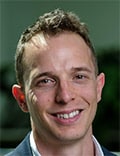
“The use of hallucinogens and psychedelics is very rapidly increasing; 5.9% of Canadians used a hallucinogen last year,” said lead study author Daniel Myran, MD, Canada Research Chair in Social Accountability at the University of Ottawa and a scientist at the Bruyère Health Research Institute, the Institute for Clinical Evaluative Sciences (ICES), and the Ottawa Hospital.

“But there’s little information about some of the health consequences that might occur from using these substances, particularly outside of clinical or research settings,” he told Medscape Medical News.

The findings were published on March 3 in CMAJ.

Filling the Gaps

To address current gaps in the literature, the researchers conducted a retrospective, population-based study examining the association between hallucinogen use and mortality in Canadians seeking acute care through an emergency department (ED) visit or hospitalization.

The eligible individuals were 11,415,713 patients in Ontario, aged 15-105 years, with healthcare records held by ICES for ED visits, hospitalizations, and outpatient physician visits between January 2006 and December 2021. Deaths were categorized by cause, including alcohol; trauma; intentional self-harm; cancer; infections; or circulatory, respiratory, or gastrointestinal system diseases.

The primary analysis included 77,101 patients matched to the general population by age, sex, and index date and followed for a median of 7 years. Overall, 0.7% (n = 7953) of eligible patients had recorded hallucinogen-associated acute care events. More than a third of events (35.1%, n = 2778) were attributable to harmful use, followed by hallucinogen poisoning (20.9%, n = 1661), intoxication (18.8%, n = 1495), and dependence or withdrawal (13.0%, n = 1034).

Over 5 years, the risk of death in patients with hallucinogen-associated acute care was 9.7-fold times higher than that in members of the matched general population (6.1%, n = 482 vs 0.6%, n = 460). When the researchers accounted for sociodemographic factors, prior substance use or mental healthcare, and chronic conditions, the risk for death remained 2.57-fold greater than in the general population.

Findings Lack Granularity

“These sorts of studies are important as a benchmarking process. As we go further into the future and see psychedelics become more widely available, we could then see if that change in availability impacts the risks associated with them,” said Leah Mayo, PhD, Parker Chair in psychedelics at the University of Calgary and member of the Hotchkiss Brain Institute, both in Calgary, who was not involved in the study.

photo of Leah Mayo
Leah Mayo, PhD

Mayo also pointed to several study limitations, which included a lack of data on patterns or types of hallucinogens used, as well as unmeasured confounders associated with risky behaviors.

“Hallucinogens are broadly defined as different classes of drugs that have different associated risk profiles. For example, MDMA, a stimulant, has a different risk profile than a classic serotonergic psychedelic or ketamine, a dissociative that can be used recreationally,” she explained.

The nuances of these substances and their effects, as well as the context in which they are used, are lost in a larger perspective such as this study, she added.

Although more research is needed, the study findings highlighted the shared characteristics of patients seeking acute care for hallucinogens, like comorbid conditions such as respiratory disease or cancer or having sought prior care for mental health or substance use. Elevated mortality risk was also linked to intentional self-harm, poisoning, or cancer. These factors must be analyzed further in future research, because “it’s people who have cancer who are at the end stages of life who might use psychedelics to alleviate their end-of-life distress,” said Mayo.

Nevertheless, these initial findings carry an important message for clinicians, Myran said.

“If you’re seeing an individual in an ED or in the hospital and there’s a feeling that hallucinogenic use is involved, that individual is at quite an elevated risk of death,” he said. “I’d highlight that there is other stuff going on that’s also causing them to be at risk, but they need care, follow-up, and support.”

The study was supported by a grant from the Canadian Institutes of Health Research. Myran reported no relevant financial relationships. Mayo is on the Scientific Advisory Board for PharmAla Biotech.

https://www.medscape.com/viewarticle/hallucinogens-may-elevate-death-risk-more-than-twofold-2025a10005g3

Los Angeles County, Pasadena, sue Southern California Edison over wildfires

 The County of Los Angeles and City of Pasadena, along with other public entities, filed lawsuits against Edison International and its subsidiary Southern California Edison (SCE) on Wednesday, alleging their role in igniting one of California's worst wildfires.

The Eaton fire, one of the major fires that began in early January in the foothills east of Los Angeles, scorched more than 14,000 acres, nearly the size of Manhattan, and led to dozens of deaths. Authorities have yet to release an official cause for the major fires, including the Eaton blaze.

The County of Los Angeles, the Los Angeles County Flood Control District, the Consolidated Fire Protection District of Los Angeles County, the City of Pasadena and the City of Sierra Madre filed lawsuits seeking compensation for damages to public resources and infrastructure caused by fire.

"The lawsuits seek to hold Southern California Edison responsible for this devastating fire and recover the critical infrastructure and taxpayer resources that the fire destroyed," said Ed Diab, a founding partner of Diab Chambers representing the public entities, in a statement.

The lawsuits, like others faced by the utility, cite eyewitness accounts and images that show a fire at the base of a transmission tower owned by SCE prior to the rapid spread of the flames by powerful wind gusts.

Edison International did not immediately respond to a Reuters request for comment. Shares of the company have fallen nearly 30% since the onset of the fires.

The lawsuits state that while the extent of damages and losses from the Eaton Fire and its aftermath are still being assessed, they are expected to be at least hundreds of millions of dollars.

In its fourth-quarter earnings release, Edison International said it had not yet concluded whether its equipment was associated with the Eaton fire.

https://www.aol.com/news/los-angeles-county-pasadena-sue-204313679.html

Stem Cell Transplant Restores Vision After Blinding Eye Injuries


  • Transplanted autologous corneal stem cells successfully repaired corneal injuries in patients.
  • Over 90% of patients achieved complete or partial success.
  • The procedure proved safe with no serious adverse events reported.

Transplanted epithelial stem cells from a healthy eye repaired irreversible corneal injury and restored at least partial vision in more than 90% of patients, a preliminary clinical study showed.

Within 3 months of the transplant, seven of 14 patients had completely restored corneas, increasing to 11 of 14 at 12 months. Including partial responses, more than 90% of the patients achieved successful outcomes at 12 and 18 months.

The transplant procedure proved to be safe, with no serious systemic adverse events, particularly serious infections, despite no use of antibiotics, reported Ula V. Jurkunas, MD, of Mass Eye and Ear and Harvard Medical School in Boston, and co-authors in Nature Communicationsopens in a new tab or window.

The results met or exceeded expectations, she told MedPage Today.

"We had some literature on similar technologies used in Europe and Asia, and those treatments were maybe 70-80% successful," said Jurkunas. "Our study, although it's not a large study, was 92% successful at 18 months, so we felt very good about the protocol and the process of our products and our stem cells. We felt like it was kind of above expectations."

The initial study was limited to patients with unilateral limbal stem cell deficiency (LSCD) caused by chemical burns and other serious eye injuries. Healthy stem cells were harvested from a patient's healthy eye, processed, and transplanted into the injured eye. Whether allogeneic transplants are feasible for patients with bilateral LSCD, caused by injuries or inherited eye diseases, remains unknown but represents the "holy grail" of limbal stem cell transplantation research.

"For those patients [with bilateral LSCD] we can develop a similar protocol and use cadaveric corneal stem cells and grow them in the lab," said Jurkunas. "That is a next step. We don't have a trial on that, and we cannot offer that to patients yet. But that is what we will be doing next, for bilateral cases, taking allogeneic limbal stem cells."

The preliminary results are very promising for a treatment that could potentially address a significant unmet clinical need, said Christopher Starr, MD, of Weill Cornell Medicine in New York City.

"This is a small preliminary phase I/II study largely looking at safety and feasibility and was not masked, randomized, or controlled," Starr, who is also an American Academy of Ophthalmology spokesperson, told MedPage Today. "That being said, the primary safety and feasibility outcomes were achieved and the secondary outcomes of complete and partial success rates were also quite impressive and highly encouraging."

A challenging aspect of the procedure is the need for sufficient stem cells in a patient's healthy eye to permit safe harvesting and cultivation of the cellular construct without jeopardizing the health of the better eye, he added.

"Perhaps in the future, as the manufacturing process improves, these large autologous stem cell grafts can be created with only a few healthy and viable stem cells," said Starr.

Corneal clarity depends on the regenerative capacity of corneal limbal epithelial stem cells, which provide specialized corneal epithelium and serve as a barrier between conjunctiva and cornea, Jurkunas and co-authors noted in their background information. LSCD is characterized by "conjunctivalization" of the corneal surface and diminished integrity of the corneal epithelium. Neovascularization, inflammation, scarring, and opacity may occur, leading to decreased vision and debilitating symptoms.

In patients with unilateral LSCD, donor cells from a patient's healthy eye can be harvested and transferred to the injured eye in an effort to stimulate regeneration of limbal stem cells. Strategies to treat LSCD include direct grafting of autologous tissue, simple limbal epithelial transplantation (SLET), and cultivated limbal epithelial transplantation (CLET). Although SLET requires less donor tissue, limbal epithelial stem cells are not expanded before grafting, and clinical experience to date has limited long-term follow-up, the authors noted.

The clinical trial began in 2016, and Jurkunas and colleagues previously reportedopens in a new tab or window for the first four patients treated with their version of CLET, called cultivated autologous limbal epithelial cells (CALEC). The updated report includes all 14 patients treated to date. Enrollment attracted patients from multiple states, not just those living in the Boston area, and follow-up has reached 18 months for all patients. The primary and secondary endpoints were safety and efficacy, respectively.

A single bacterial infection occurred, related to chronic contact lens use; investigators observed no other primary safety events.

Complete success was defined as improvement in corneal surface integrity (decrease in epithelial defect or decrease in corneal surface staining if no defect at baseline). The proportion of patients achieving complete success increased from 50% at 3 months to 79% and 77% at 12 and 18 months, respectively. An additional two patients achieved partial success by 18 months, defined as a decrease in neovascularization or symptomatology, bringing the overall success rate to 92%.

Transplantation was unsuccessful in one case, and another patient underwent a second CALEC procedure before 18 months.

"Three of our patients actually will have repeat procedures because we felt like one dose of stem cells was just not enough," said Jurkunas. "So, it's repeatable, and that's another good part about [CALEC]."

Though the initial patient cohort included only adults, the procedure likely can be performed in children, she continued. The study also suggests that earlier treatment might lead to better results. Some of the participants' eye injuries occurred many years ago, and their injured corneas had more extensive scarring and fibrosis. Outcomes in those patients tended to be less favorable.

Disclosures

The study was supported by the National Eye Institute.

Jurkunas disclosed a relationship with OcuCell Inc and has a patent pending. Some co-authors also disclosed a relationship with OcuCell, as well as Kite/Gilead, Novartis, Oncternal, Astraveus, Garuda Therapeutics, LifeVault Bio, Smart Immune, Tolerance Bio, and TriArm Therapeutics.

Starr disclosed relationships with Bausch & Lomb, TearLab, AbbVie, Sight Sciences, RxSight, Beaver Visitec, and BioTissue Holdings.

Primary Source

Nature Communications

Source Reference: opens in a new tab or windowJurkunas UV, et al "Cultivated autologous limbal epithelial cell (CALEC) transplantation for limbal stem cell deficiency: A phase I/II clinical trial of the first xenobiotic-free, serum-free, antibiotic-free manufacturing protocol developed in the U.S." Nat Commun 2025; DOI: 10.1038/s41467-025-56461-1.


https://www.medpagetoday.com/ophthalmology/generalophthalmology/114480