Search This Blog

Thursday, October 9, 2025

Hamas: No Palestinian to accept disarmament

 Osama Hamdan (pictured), a senior Hamas official, told Al Jazeera in an interview on Thursday that "no Palestinian will ever surrender their weapons," adding that "the need for arms and resistance has never been greater."

Speaking after the militant group secured a ceasefire deal with Israel, he insisted that the latter only agreed to it because "it couldn't win militarily." "We stand for a unified national Palestinian position, no external diktats, no occupation authority, only collective will," Hamdan commented, adding that the Palestinian people will now be able to "move freely in every area vacated by the occupation inside Gaza ... no more cages, no more checkpoints."

He thanked Qatar, Egypt, and Turkey for their participation in bringing the two sides together and added that 600 humanitarian aid trucks are expected to enter Gaza daily, soon.

https://breakingthenews.net/Article/Hamas:-No-Palestinian-to-accept-disarmament/64956332

The Student Mule Economy: A Billion-Dollar Problem Hiding In Plain Sight

 by Charles Davis via The Epoch Times (emphasis ours),

The U.S. Treasury’s Financial Crimes Enforcement Network (FinCEN) released a report in August that made me cringe. It detailed how Chinese money laundering networks (CMLNs) have quietly embedded themselves in the U.S. financial system.

People walk beneath a sign for foreign currency exchange in Hong Kong on March 2, 2016. China and Hong Kong are emerging as a global hub for money laundering. Kin Cheung/AP Photo

The numbers were hard to ignore: more than 137,000 suspicious activity reports tied to CMLNs between 2020 and 2024, covering more than $312 billion in suspect flows. What caught me completely by surprise was the volume of student-linked accounts—ordinary checking accounts held by Chinese nationals studying in the United States—used as high-speed conduits for laundering cartel funds and sidestepping China’s currency restrictions.

The Mirror Trick

The opportunity is driven by the interplay between supply and demand. Mexican cartels are sitting on piles of U.S. dollars from drug sales. But Mexico doesn’t want those dollars in its banks, and China won’t let its citizens convert more than $50,000 worth of yuan into foreign currency each year. That’s where the arbitrage begins. Chinese buyers want dollars, and cartels want to offload them without a huge hit on the profits. CMLNs broker the swap, and the activities occur below the radar.

They use a method called a mirror flow. It’s not a wire transfer, and the transaction doesn’t require physically moving the money. Instead, for example, a cartel operative hands off cash in Los Angeles and a Chinese buyer pays the equivalent amount in yuan to a broker in Guangzhou. The dollars stay in the United States. The yuan stays in China. But the value moves—mirrored across two jurisdictions, excluding any formal banking trail that would connect the dots.

Echoes of Hawala

If this sounds familiar, it should. It’s a next-generation hawala system. For centuries, hawala networks have moved money across South Asia and the Middle East without touching a bank.

For example, a worker in Dubai gives cash to a hawaladar. That broker calls his counterpart in Kabul, who releases the equivalent amount to the worker’s family. No wires, no paperwork—just a ledger entry and an exchange.

After the Taliban returned to power in 2021, hawala became Afghanistan’s financial backbone—used for everything from humanitarian aid to opium proceeds.

CMLNs operate on the same principle, but instead of phone calls, they use encrypted apps. Instead of dusty notebooks, they use nested merchant accounts and long-established consumer-facing payment systems such as debit cards, mobile apps, and small-dollar transfers. These rails are built for convenience, not scrutiny. That’s what allows them to operate in the open.

The Student Who Didn’t Ask Questions

Picture Lily. She’s 22, studying economics at a university in Boston. Her parents wired her tuition, but she’s short on rent. A friend offers her $500 to “help move money.” She’s told it’s legal. She agrees.

Over the next week, Lily’s account lights up. Dozens of deposits—$200 here, $150 there—from strangers. She forwards the money to other accounts, some via Zelle and some via cashier’s checks. Meanwhile, in Guangzhou, a broker receives yuan from a buyer who wants to purchase U.S. dollars. Lily never meets the buyer. The cartel never sees the yuan. But the value moves. Her account becomes a hop in a mirror flow. The system sees a student splitting Uber or dinner, and the network sees the mule.

From the bank’s perspective, Lily appears to be any other student—making modest deposits and frequent transfers, which allows a college kid to live from check to check. Nothing criminal until you zoom out, and the pattern emerges: hundreds of accounts just like hers, all showing sudden spikes, shared device IDs, and synchronized activity. These are the red flags FinCEN wants banks to catch.

The Network Beneath the Surface

This isn’t fringe behavior; it’s the cornerstone of infrastructure. FinCEN’s advisory highlights accounts opened by students, retirees, and homemakers—profiles that pass Know Your Customer (KYC) checks easily, but later show six-figure turnover and proximity to cash pickup sites or money service businesses (MSBs).

Federal prosecutors have spent exhausting hours outlining how Chinese underground bankers in the United States partner with Mexico-based cartels to move drug dollars using informal value transfer. Student accounts are ideal: clean KYC, low scrutiny, high throughput.

Foreign media have helped confirm the demand side. Chinese nationals seeking dollars outside the foreign exchange cap fuel an underground banking system that pairs yuan payers in China with dollar sellers in the United States, using diaspora accounts to keep liquidity moving.

What’s the Impact

Every dollar laundered through a student mule keeps the fentanyl pipeline alive. Every mirror transaction undermines the banking system. And every misuse of retail rails erodes trust in the platforms millions rely on daily. The process also puts immigrant communities and universities under suspicion, chilling legitimate financial activity and complicating cross-border support. Laborers sending money home to Mexico, Honduras, or Colombia are not in the mix with illicit actions that use similar pathways.

The fix isn’t blanket bans or profiling. Government and banking institutions need to use precision. Banks need better telemetry—device data, velocity rules, and merchant codes that flag suspicious activity, such as money laundering. Regulators need to harmonize KYC across sectors, especially where student-linked funds touch real estate or shell vendors. Law enforcement needs access to interbank patterns that reveal the network, not just the node.

What’s needed now isn’t just better software or more training. We need a shift in how we see the problem. Student accounts don’t start out suspicious—they become suspicious through pattern, velocity, and context. That means smarter onboarding along with real-time coordination between banks, law enforcement, and intel fusion centers. The system needs to recognize when ordinary accounts start behaving like financial switchboards.

https://www.zerohedge.com/political/student-mule-economy-billion-dollar-problem-hiding-plain-sight

How Vaccine Policies Have Changed Under RFK Jr.

 by Zachary Stieber via The Epoch Times,

Health Secretary Robert F. Kennedy Jr. and officials at the Department of Health and Human Services have changed recommendations and policy for multiple vaccines, including shots against COVID-19 and measles.
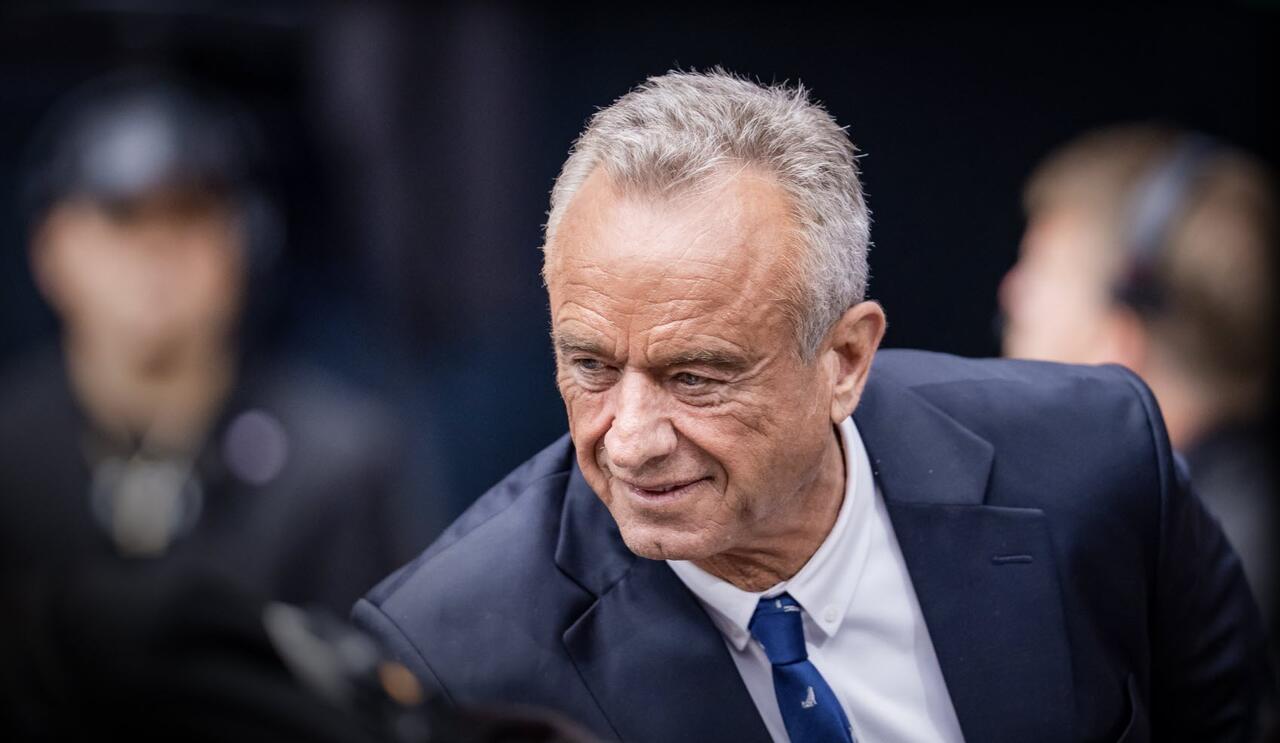
Here’s what has changed so far.

COVID-19 Vaccines

The Centers for Disease Control and Prevention now call for individuals to speak with a health care provider about risks and benefits before receiving a COVID-19 vaccine, a change approved on Oct. 6.

Kennedy wrote on X that the move amounted to “restoring informed consent.”

The CDC in May, under orders from Kennedy, stopped recommending COVID-19 vaccines for healthy children and pregnant women. But the agency still had near-universal recommendations in place.

The Food and Drug Administration later revoked emergency authorizations for the vaccines. The agency also approved four shots for narrower populations—those under 65 who have an underlying condition and all people 65 years of age and older.

The CDC’s Advisory Committee on Immunization Practices (ACIP) then told the CDC to update its recommendations to individual shared decision-making, which emphasizes that vaccinations are “individually based and informed by a decision process between the health care provider and the patient or parent/guardian,” Jim O'Neill, the CDC’s acting director and the deputy health secretary, approved the recommendation.

Measles, Mumps, Rubella Vaccine

President Donald Trump recently encouraged people to take separate vaccines against measles, mumps, and rubella. Standalone options, though, are not available as of now in the United States. O'Neill on Oct. 6 backed Trump and called on manufacturers to produce monovalent vaccines against the diseases.

Kennedy told a Senate panel on Sept. 4 that he did not expect a change with the measles, mumps, rubella vaccine, known as MMR.

The United States in 2025 has recorded the most cases of measles since 1992.

Kennedy has said the vaccine limits the spread of measles and that people should get it, while raising concerns about side effects, which can include seizures and pneumonia.

Officials in Texas, the state that has recorded the bulk of the cases, announced on Aug. 18 that the measles outbreak there is over. New cases have been cropping up in other states, including South Carolina.
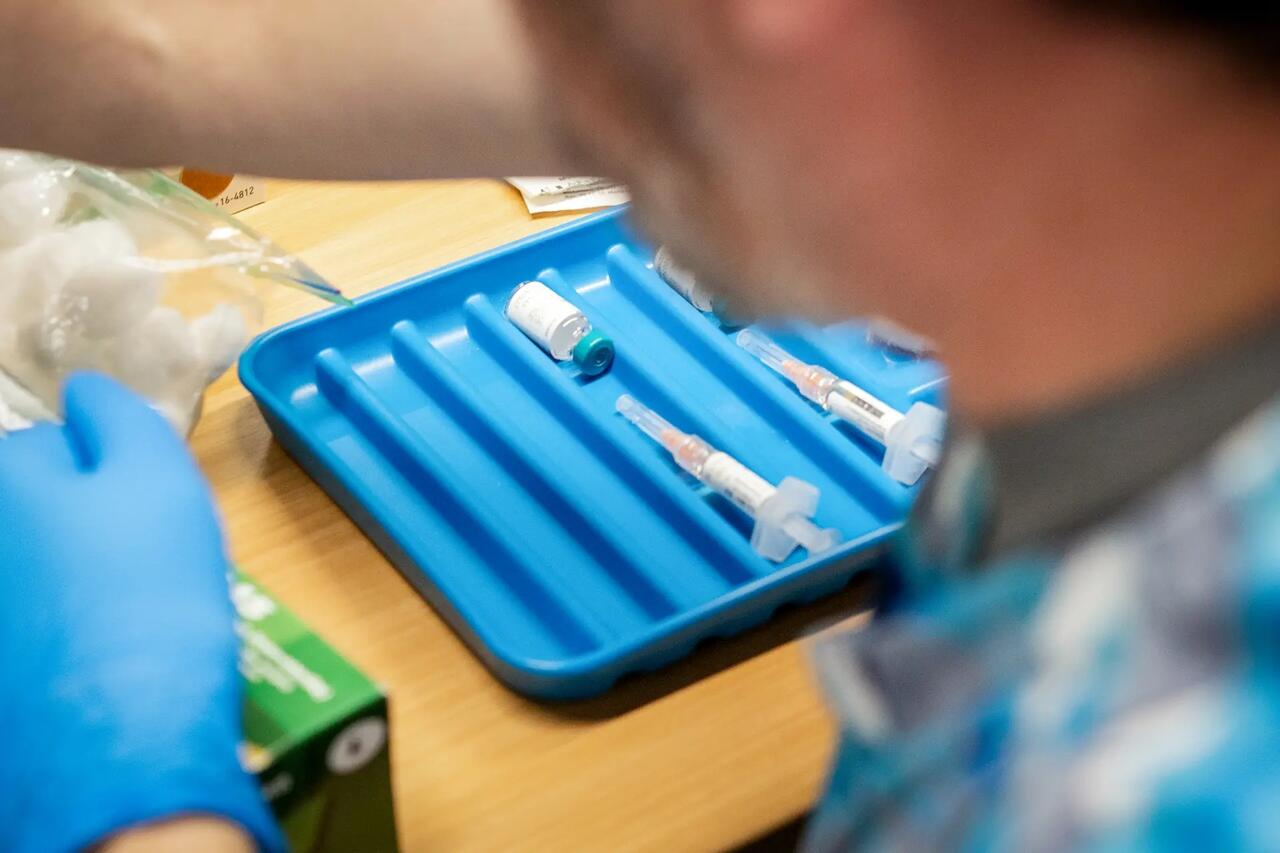
A tray of MMR vaccine vials at a clinic in Lubbock, Texas, on March 1, 2025. President Donald Trump recently encouraged people to seek separate vaccines for measles, mumps and rubella, although standalone shots are not currently available in the United States. Jan Sonnenmair/Getty Images

Varicella Vaccine and MMRV

The CDC in an October update endorsed standalone varicella vaccination for younger children because they face an elevated risk of febrile seizures if they receive the measles, mumps, rubella, varicella (MMRV) combination vaccine.

The CDC’s immunization schedule lists a first dose against measles and varicella around a child’s first birthday. They are recommended to get a second dose when they are 4, 5, or 6 years of age.

The CDC previously recommended both the MMR and MMRV vaccine options. It still recommends MMRV vaccination for a child’s second dose, because the higher seizure risk has not been apparent for older children.

The update was based on advice from the reformed ACIP—of which all members were chosen by Kennedy after the removal of existing members.

Many pediatricians already promote the MMR plus varicella vaccine option. According to federal data, about 85 percent of children typically receive those vaccines as opposed to the MMRV vaccine for their first measles dose.

Hepatitis B Vaccine

The ACIP had been prepared to vote on advising the CDC to delay the first dose of the hepatitis B vaccine from shortly after birth to at least one month of age, but advisers ended up tabling the motion. Some indicated they wanted to examine the entire hepatitis B vaccine schedule, while others said they wanted to keep the schedule as it is.

“We need to postpone that because we need to really have the data to address whether or not hepatitis B vaccine should be administered to children at all,” Dr. Robert Malone, one of the advisers, said later.

It’s not clear when the matter will be revisited.

Many other countries start the hepatitis B vaccine regimen at two or three months of age, if they have a regimen at all.

Trump said in remarks about vaccines that he thinks children should not receive the hepatitis B vaccine until they are adolescents, which was recommended in an Independent Women’s Forum report. Some other groups, including the American Academy of Pediatrics, support the current schedule.
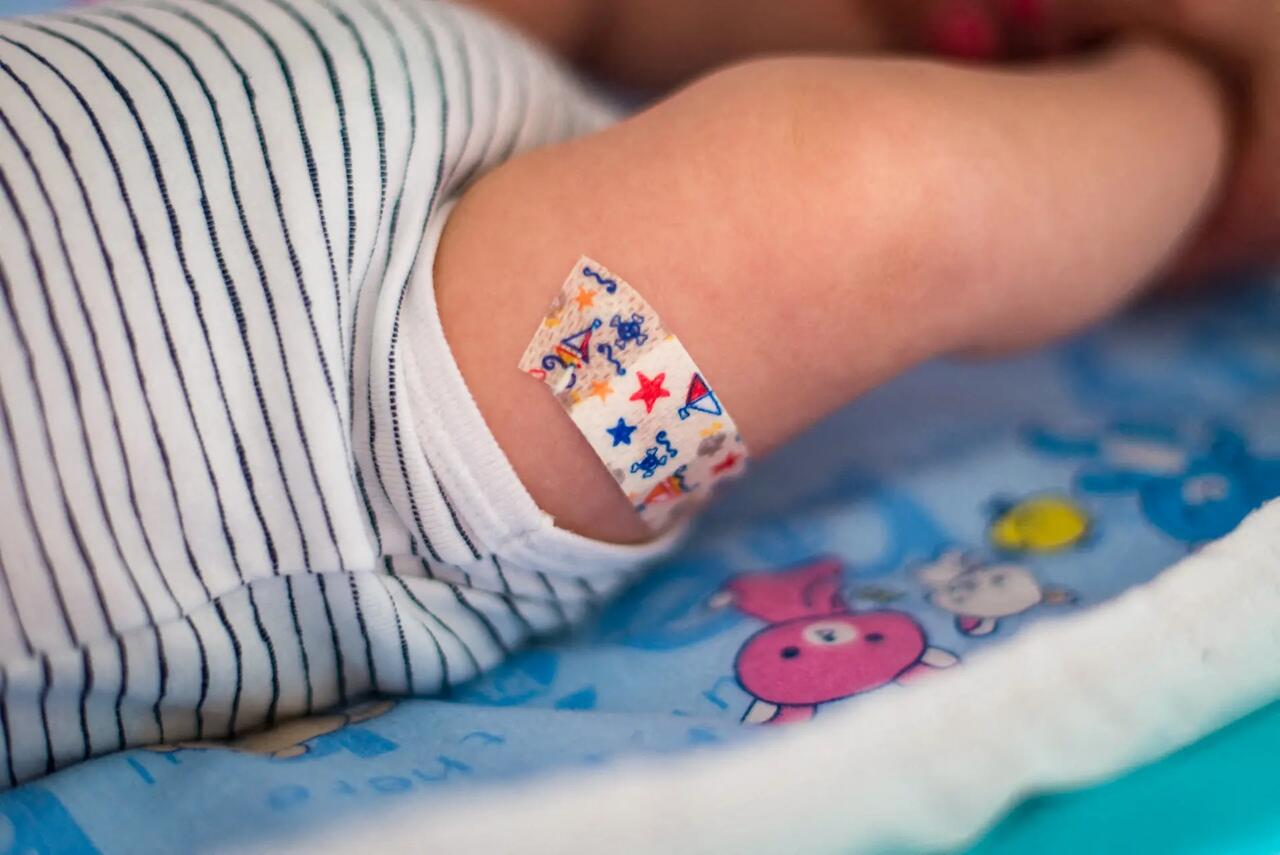
Illustration of a baby after his first hexavalent vaccination, with a band-aid placed on his thigh, in a file image. Advisers to the Centers for Disease Control and Prevention are reviewing the childhood immunization schedule, which has grown from five vaccines in 1995 to about a dozen today. Riccardo Milani/AFP via Getty Images

Influenza Vaccines

The ACIP recommended that the government keep in place its recommendation that people at least 6 months of age receive an influenza vaccine each year.

Advisers also said officials should stop backing influenza vaccines containing thimerosal, a mercury-based preservative, because of concerns over cumulative mercury exposure.

With no CDC director in place, Kennedy over the summer signed off on both recommendations.

“Injecting any amount of mercury into children when safe, mercury-free alternatives exist defies common sense and public health responsibility,“ he said in a statement about thimerosal. ”Today, we put safety first.”

RSV Vaccines and Antibodies

Susan Monarez, the director of the CDC at the time, in August approved another recommendation from the advisory committee, to recommend an antibody for respiratory syncytial virus (RSV) to infants born during or entering their first respiratory virus season. The season starts in the fall.

The product, clesrovimab, provides an alternative to Beyfortus, an antibody that is already approved and recommended.

One of the advisers later said the data the panel heard appeared to be manipulated, while Monarez was later fired.

Kennedy over the summer also approved the panel’s advice to expand the recommendation for RSV vaccination from individuals aged 60 to 74 who face an increased risk of severe disease to people aged 50 to 74 who face an increased risk.

The vaccines continue to be recommended for adults 75 years of age and older, regardless of health.
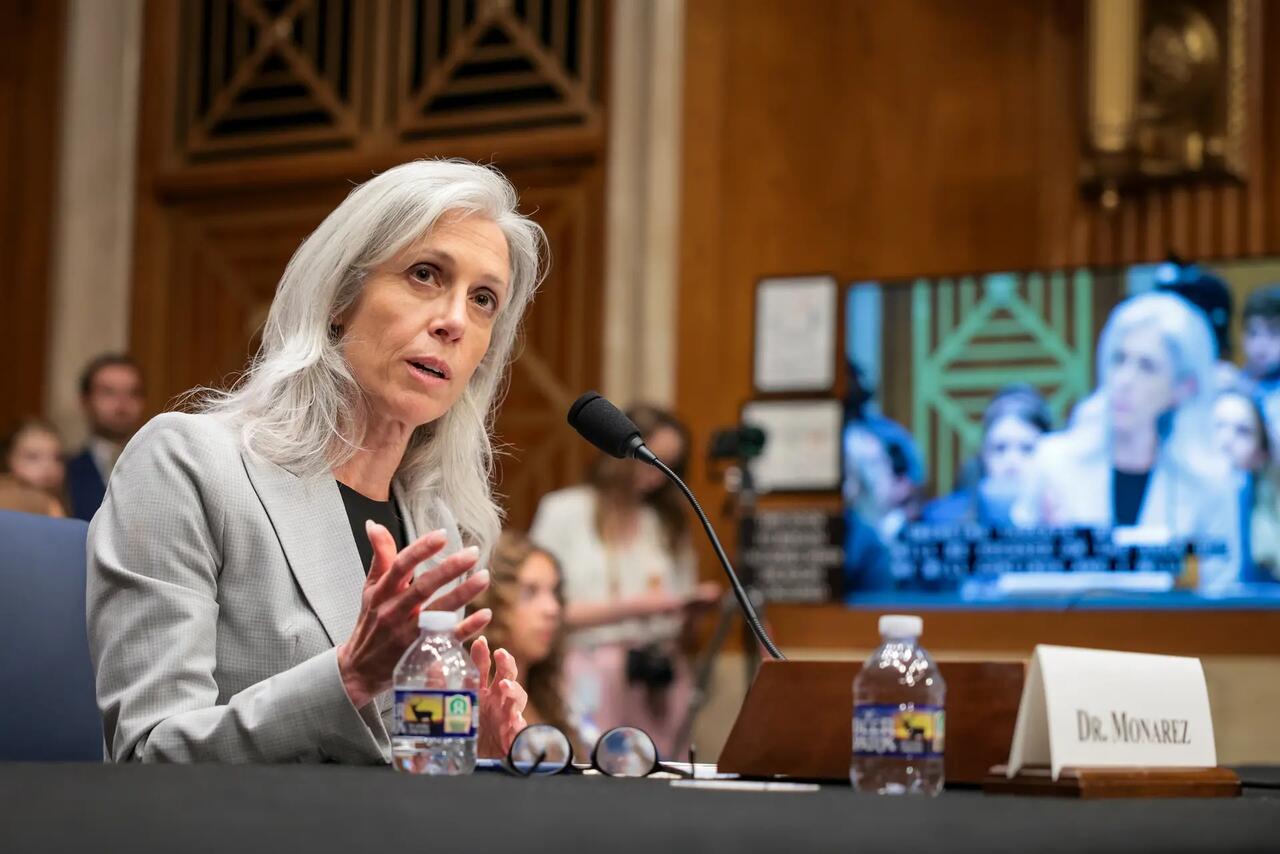
Susan Monarez, nominee for CDC director, testifies during her Senate confirmation hearing in Washington on June 25, 2025. In August, Monarez approved an advisory committee recommendation to offer an antibody against respiratory syncytial virus (RSV) to infants born during or entering their first respiratory virus season, which starts in the fall. Kayla Bartkowski/Getty Images

HPV Vaccine

CDC advisers had been scheduled to vote in June on whether to expand the recommendation for the human papillomavirus (HPV) vaccine to children ages 9 and 10.

The vaccine is currently recommended for children aged 11 and 12.

The vote was removed from the meeting agenda after Kennedy replaced the panel’s members.

In meetings of the reformed committee, members have neither been presented with information about the HPV vaccine nor voted on altering the recommendation.

Chikungunya Vaccine

The FDA in August suspended one chikungunya vaccine because, regulators said, data indicated that it was no longer safe.

The data included reports of serious adverse events following vaccination.

The events included cardiac problems.

Another vaccine against chikungunya virus is still available in the United States.
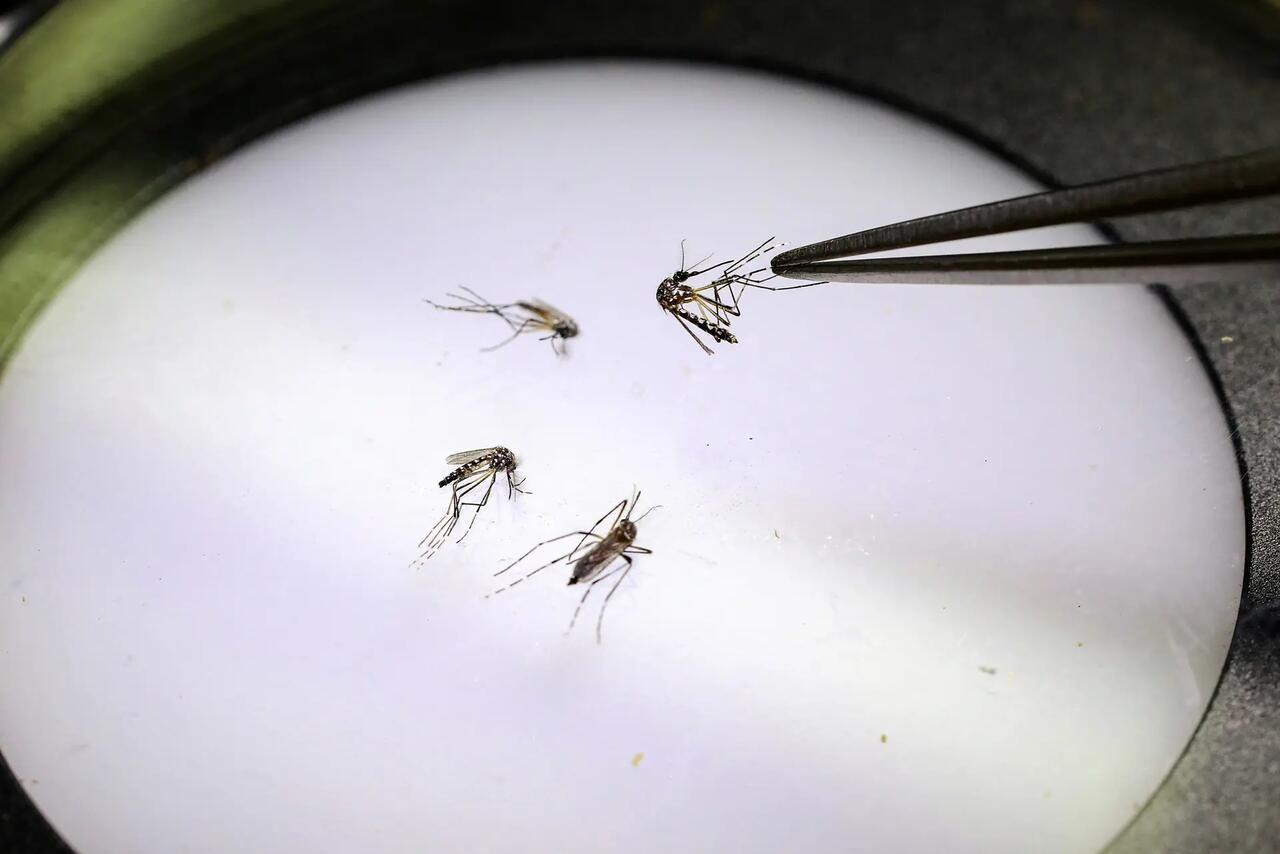
A laboratory technician holds a mosquito at the World Mosquito Program factory in Medellín, Colombia, on June 4, 2024. Scientists have long released biologically modified mosquitoes to curb transmission of diseases such as chikungunya. Jaime Saldarriaga/AFP via Getty Images

Polio and DPT Vaccines

No changes have been made with the poliomyelitis, or polio, vaccine.

“I support the polio vaccine,” Kennedy said in his confirmation hearing.

Diphtheria, tetanus, and pertussis vaccine recommendations have also remained the same.

Like the polio vaccine, that shot is on the childhood immunization schedule.

Vaccine Schedule

CDC advisers are studying the childhood immunization schedule, which has risen from five vaccines in 1995 to about a dozen currentlyThe work includes looking “at interaction effects, or if it’s best to do one vaccine before another,” ACIP’s chair, Martin Kulldorff, said on Sept. 18.

The CDC says on its website that the immunization schedule “is safe and effective at protecting your baby.”

The recommendations are technically not requirements, but all 50 states and the District of Columbia require many of the recommended vaccines for school attendance, and virtually all cite the schedule.

The CDC is facing a lawsuit over the schedule, with doctors alleging that the agency has not adequately tested it.
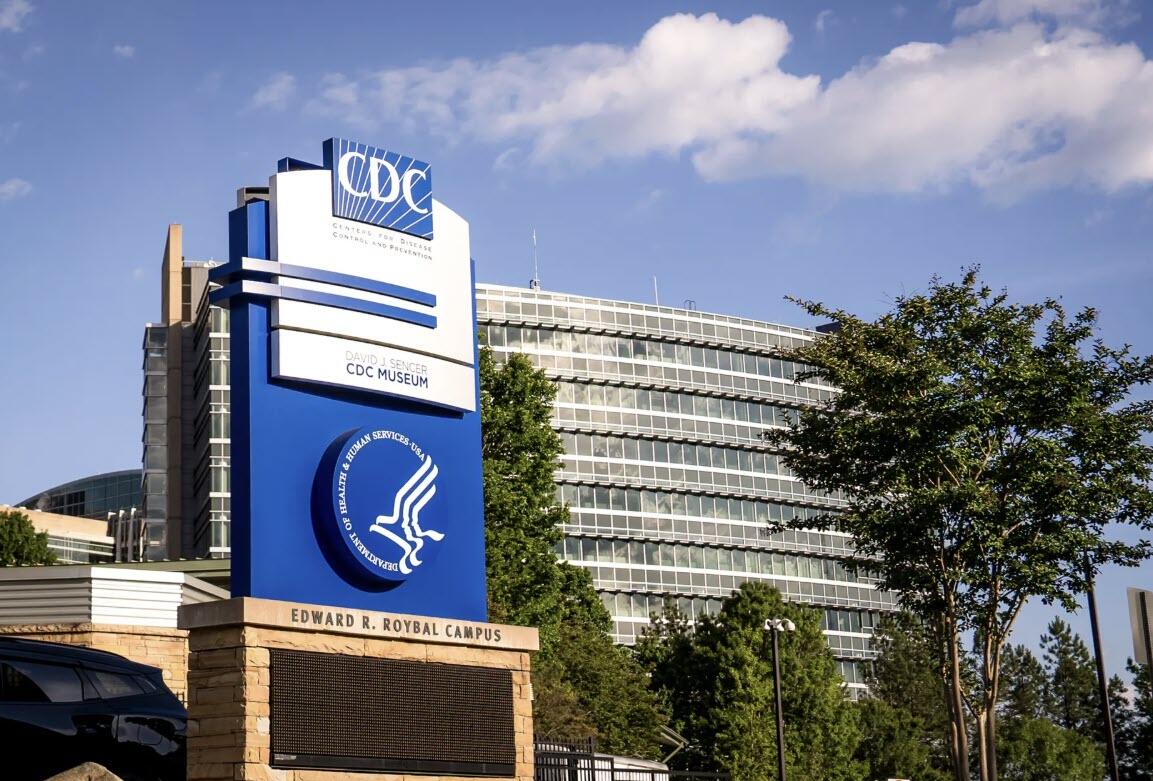
The Centers for Disease Control and Prevention headquarters in Atlanta on May 21, 2024. Madalina Vasiliu/The Epoch Times

Vaccines During Pregnancy

A workgroup of the CDC vaccine advisory panel is examining vaccines for pregnant women.

“We always have to be very, very careful and considerate with not just vaccines but with drugs, or anything that we give to a pregnant mother, because of risk of, for example, birth defects,” Kulldorff said in the September meeting.

The CDC has not recommended COVID-19 vaccines for pregnant women since May.

No other recommendations for vaccines during pregnancy have been changed.

The CDC recommends whooping cough, influenza, and RSV vaccination for pregnant women.
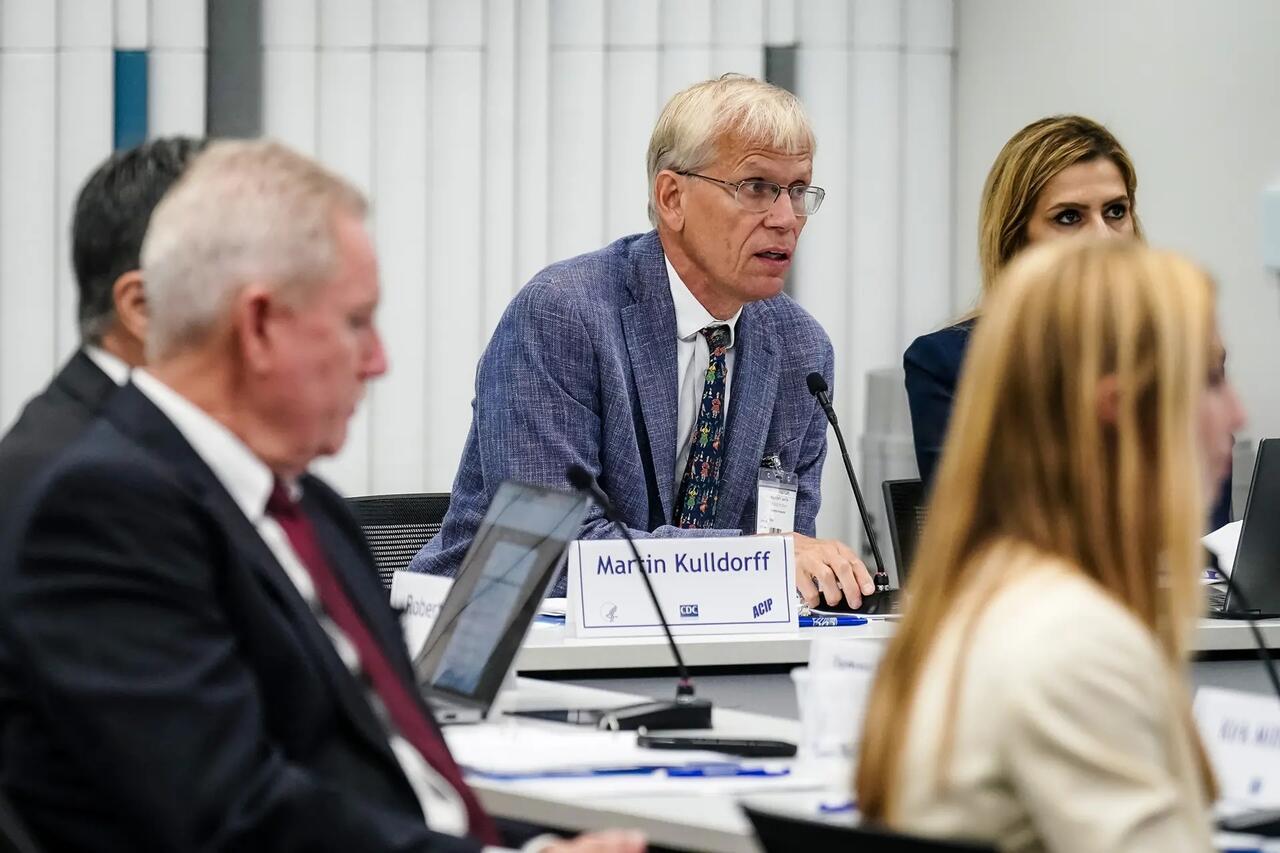
Martin Kulldorff speaks during a meeting of the CDC's Advisory Committee on Immunization Practices in Chamblee, Ga., on Sept. 18, 2025. The federal vaccine advisory group, appointed by Health Secretary Robert F. Kennedy Jr., is to make recommendations on who should receive COVID vaccination and whether all babies should get vaccinated against hepatitis B at birth. Elijah Nouvelage/Getty Images

Vaccine Injury Court

Kennedy is considering updating the list of vaccine injuries eligible for government compensation to include symptoms of autism, an adviser said on Sept. 25.

The list is used in the National Vaccine Injury Compensation Program, which was established by Congress to award money to people who did or likely did suffer vaccine injuries. The law that established the program also granted vaccine manufacturers broad immunity.

Kennedy told CBS that he would like to expand the table of injuries and broaden the definitions for seizures and encephalopathy, conditions from which some autistic people suffer.

Kennedy said the court was intended to be compassionate and sensible but has turned into “a disaster for the families of injured children.”

The program currently has a backlog of thousands of cases, officials say, and just eight special masters adjudicating the cases.

https://www.zerohedge.com/medical/how-vaccine-policies-have-changed-under-rfk-jr

USANA Health Sciences shares fall on prelim Q3 results

 USANA Health Sciences, Inc. (NYSE:USNA), a health supplements company with a market capitalization of $481 million, announced preliminary third quarter results on Thursday, with expected net sales of approximately $214 million compared to $200 million in the same period last year, while earnings from operations are anticipated to drop to $1.2 million from $15.6 million a year ago. 

The health supplements company reported that third quarter operating results fell below expectations primarily due to slower-than-expected sales and Brand Partner productivity during the rollout of an enhanced compensation plan. The company also cited softer sales from its direct-to-consumer business, Hiya, which experienced lower than anticipated customer acquisition rates. 

USANA expects to report a net loss of $6.5 million for the quarter, compared with net earnings of $10.6 million in the third quarter of 2024. Diluted loss per share is anticipated at $0.36, versus earnings per share of $0.56 in the year-ago period. The company’s enterprise value to EBITDA ratio stands at 4.55x, suggesting potential value opportunity despite current headwinds.

The company’s effective income tax rate for the quarter rose dramatically to 471%, compared to 43% in the same period last year. USANA explained that lower than expected earnings combined with concentrated operating expenses in the United States resulted in a significant increase in the annual effective tax rate from 45% to 65%.

https://www.investing.com/news/company-news/usana-reports-preliminary-q3-results-below-expectations-93CH-4280427

OrthoPediatrics Prelim Third Quarter 2025 Revenue, Cuts 2025 Guidance


OrthoPediatrics (Nasdaq: KIDS) reported preliminary unaudited Q3 2025 net revenue of $61.2M, up 12% year-over-year, and helped over 37,100 children in the quarter, bringing lifetime patients to ~1.3M. Domestic revenue was ~$48.7M (+14%) and international ~$12.5M (+6%). Excluding 7D capital sales, Q3 revenue was ~$60.7M (+17%).

Full-year 2025 revenue guidance was revised to $233.5M–$234.5M (14%–15% growth), down from $237.0M–$242.0M, while adjusted EBITDA guidance of $15M–$17M and $15.0M set deployment expectation were reiterated. The company cited delayed 7D capital and Latin/South America orders as timing headwinds.

Grand Jury Indicts NY AG Letitia James On Criminal Bank Fraud, CNN Reports

 A federal grand jury in Eastern Virginia has indicted New York Attorney General Letitia James on one count of bank fraud, multiple outlets are reporting. 

US Attorney Lindsey Halligan presented the case to the grand jury on Thursday, according to sources, one month after she was installed in her role. 

As noted in August, a criminal referral was filed against James, alleging that she had "falsified records" to get home loans for a Virginia property that she claimed was her "principal residence" in 2023 - while she was serving as a New York state prosecutor.

Federal Housing Finance Agency (FHFA) Director William Pulte sent the missive to Attorney General Pam Bondi and Deputy AG Todd Blanche, claiming that in late August 2023 - weeks before she launched her civil fraud trial against the Trump Organization for inflating the values of its properties.

In 2021, James also purchased a 5-family Brooklyn property, but has "consistently misrepresented the same property as only having four units in both building permit applications and numerous mortgage documents and applications," the letter noted.

Loans secured for this property could have reduced her mortgage interest rate by as much as 1% - leaving James with lower monthly payments under the federal Home Assistance Modification Program (HAMP) since it was listed as containing just four units, according to Pulte.

https://www.zerohedge.com/political/bye-letitia-grand-jury-indicts-ny-ag-letitia-james-criminal-bank-fraud-cnn-reports

Musk Says "Far More Than $100 Million" US Taxpayer Funds Funneled Into NGOs Fueling Chaos

 Update (1010ET): Let's recap what unfolded during Wednesday afternoon's Antifa roundtable at the White House, hosted by President Trump.

Several journalists shared firsthand accounts of being attacked by Antifa activists, but the real fireworks came from Seamus Bruner, Director of Research at the Government Accountability Institute, who briefed the president and his cabinet on a complex network of dark-money NGOs and activist groups fueling unrest nationwide via the permanent protest-industrial complex. 

"We have identified dozens of radical organizations, not just the decentralized Antifa organizations, but dozens of radical organizations that have received more than $100 million from the Riot Inc investors," Bruner told Trump.

Elon Musk chimed in on X, commenting on a video featuring Bruner's public briefing to the president about the dark-money NGOs, saying, "Way more than $100M of US taxpayer money.

Bruner's briefing to Trump builds on the recent New York Times report, citing a Capital Research Center report, that "Soros' Open Society gave $80 million to pro-terror groups"...

For the first time, millions of Americans heard about the dark-money network of NGOs fueling chaos. And this won't be the last - investigations are now ramping up.

Related:

*  *  * Our Top Sellers This Week

Steak Lover's Bundle (order before Sunday midnight PST)

ZeroHedge Multitool

ZeroHedge Waxed Canvas Hat

IQ Biologix Colostrum (up to 20% off with volume / subscription)

IQ Biologix Male Enhancement (same)

Waterdrop 2.25 Gallong Gravity Water Filter System

*  *  *

Submitted by Peter Schweizer & Seamus Bruner of The Drill Down,

The Government Accountability Institute's Director of Research, Seamus Bruner, has pulled the curtain back on a troubling pattern — how non-governmental funding networks are bankrolling protest and activist movements across the U.S.

According to GAI's findings, the chaos now gripping cities like Portland, Chicago, and Los Angeles — especially the recent waves of anti-ICE violence — isn't spontaneous. It's organized, coordinated, and funded.

Bruner's new research maps how progressive philanthropic networks intersect with activist groups that have escalated from demonstrations to riots. The report highlights how complex webs of charitable entities, donor-advised funds, and online platforms provide cover for financing activism that sometimes crosses into criminal behavior.

Organizations like Antifa, the Socialist Rifle Association (SRA), and the John Brown Gun Club operate decentralized chapters, making it difficult to track funding trails without subpoena power," Bruner said on X. "GAI has identified multiple online fundraising platforms where accountability gaps can obscure who contributes and how funds are used. The leftist funding platform, Open Collective, still allows for crowdfunding for these groups."

Bruner joined President Trump at the White House Antifa Roundtable to expose the funding web behind America's unrest: Antifa.

"I think we know that this is not just a story about violence and chaos … this is a money story," Bruner told President Trump. "And at the Government Accountability Institute … we follow the money, and we followed it to the top of what we call the protest industrial complex."

Bruner continued: "And we found a network of NGOs. It's not just the Soros network, the Open Society network, it's other funding networks, the Arabella funding network, the Tides funding network, Neville Roy Singam and his network, foreign cash." 

He added, "And it's also big, left-wing funders … they're pouring money into this entire ecosystem."

Watch the clip.

How the White House can counter rogue NGOs:


https://www.zerohedge.com/technology/we-found-network-ngo-not-just-soros-trump-briefed-left-wing-machine-sows-chaos