Rationale: Young children (typically those <10 years old) are less susceptible to SARS-CoV-2 infection and symptoms compared to adults. However, the mechanisms that underlie these age-dependent differences remain to be determined and could inform future therapeutics for adults. Objective: To contrast the infection dynamics of SARS-CoV-2 in primary nasal epithelial cells from adults and children. Methods: Viral replication was quantified by plaque assay. The cellular transcriptome of infected and uninfected cells was assessed by RNA-seq. ACE2 and TMPRSS2 protein expression were quantified by Western Blot Measurements and Main Results: We report significantly higher SARS-CoV-2 replication in adult compared to pediatric nasal epithelial cells. This was restricted to SARS-CoV-2 infection, as the same phenomenon was not observed with influenza virus infection. The differentiational SARS-CoV-2 replication dynamics were associated with an elevated type I and III interferon response, and a more pronounced inflammatory response in pediatric cells. No significant difference between the two age groups was observed in the protein levels of ACE2 and TMPRSS2. Conclusions: Our data suggest that the innate immune response of pediatric nasal epithelial cells, and not differential receptor expression, may contribute to the reported reduced SARS-COV-2 infection and symptoms reported amongst children.
Lots of misinformation on social media has wreaked havoc regarding some potential discrimination against people who, for a variety of reasons, will not be able to take the coronavirus vaccine.
It’s been said that such individuals may be revoked their rights to freely book tickets and travel around. Well, so far, there is no baseline data to claim that governments around the world are planning to do so.
In fact, Andrey Kovatchev, Deputy Chair of the Group of the European People’s Party has strongly denied that not being able to produce a Covid-19 vaccination certificate would imply any sort of discrimination but a different set of rules.
“There will be no restrictions or travel bans. People only need to decide for themselves whether they prefer a test and the possibility to remain under quarantine if the country requires it.” Stated Kovatchev.
Powerful economic blocs such as the European Union expect that 70% of its citizens will be vaccinated by spring or summer so, there is no plenty of room for potential discriminations.
On the other hand, most countries have the imperative need to vaccinate their inhabitants before the new highly-contagious strains of COVID-19 make their ways to their territories.
In that regard, a recent preliminary study conducted by Pfizer showed Covid-19 Vaccine has little negative impact on the effectiveness of its vaccine, working as expected against the U.K and South African variants.
Thus, in a bid to restart their economies, here is the list of countries that have already announced or reopened for tourism for vaccinated travelers.
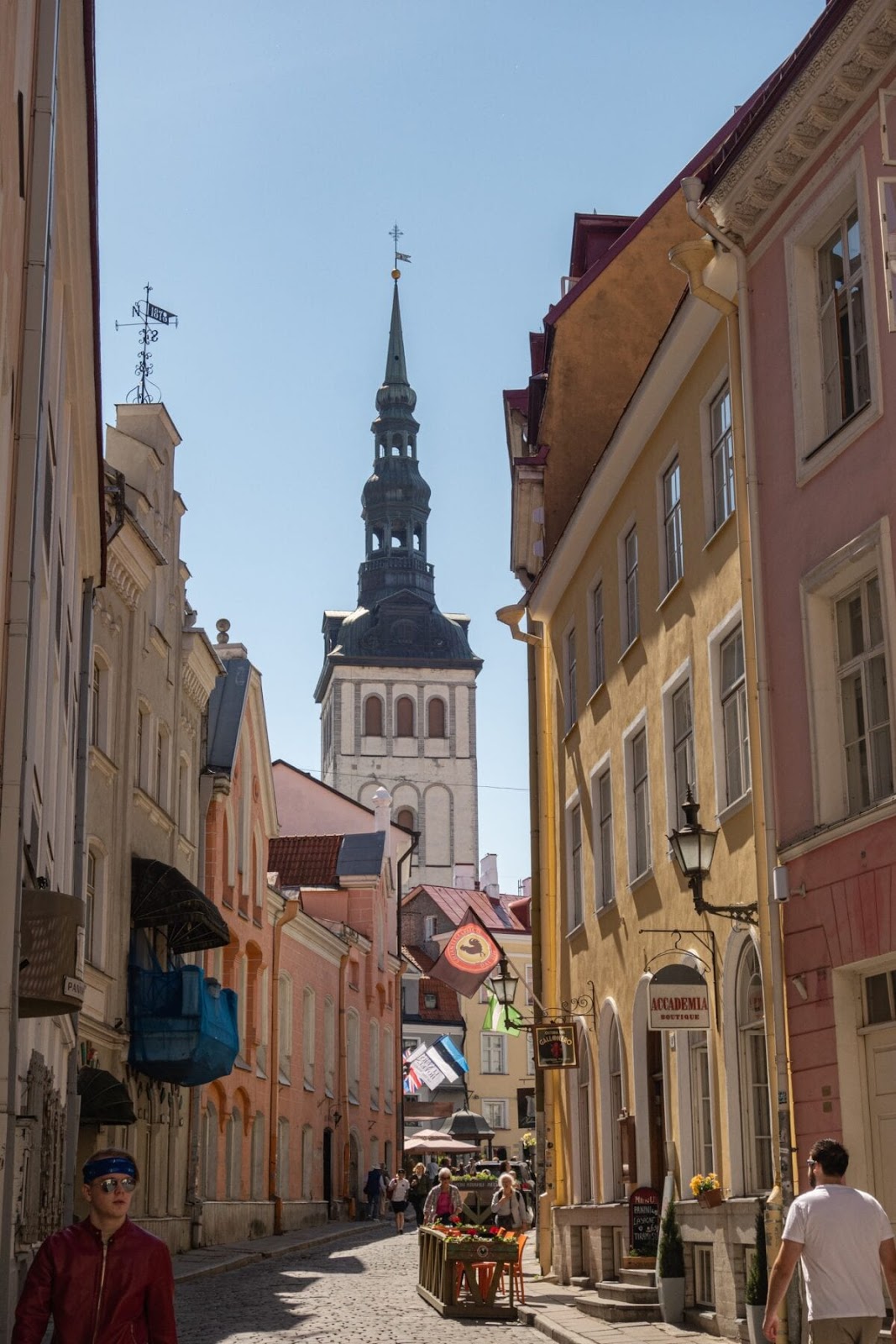
ESTONIA
Estonia has dropped mandatory 10-day quarantine for vaccinated travelers and also those that can prove the recovery from COVID in the last 6 months.
The country accepts vaccinations from 9 different suppliers (including Moderna, Pfizer-BioNTech or Oxford-AstraZeneca). The certificate must be in English, Russian or Estonian language.
Those arriving with a doctor’s certificate of recovery will also need a negative PCR test taken no longer than 72-hours before arrival.
BELIZE
Cay Caulker Belize
Last week, Belize announced that -under Regulation 25- the country waived entry testing restrictions to travelers who can produce proof of vaccination against COVID-19.
The government also mentioned that American tourists -their most important tourists market- are now allowed to enter the country with no restrictions only by presenting a COVID-19 Vaccination Record Card issued by the Centers for Disease Control and Prevention (CDC) after being immunized.
“…This card includes medical information about the vaccine you received, the date of vaccination, and where you were vaccinated,” the report reads. Notice that visitors should demonstrate that the last dose was administered at least 2 weeks prior to the arrival date.
CYPRUS
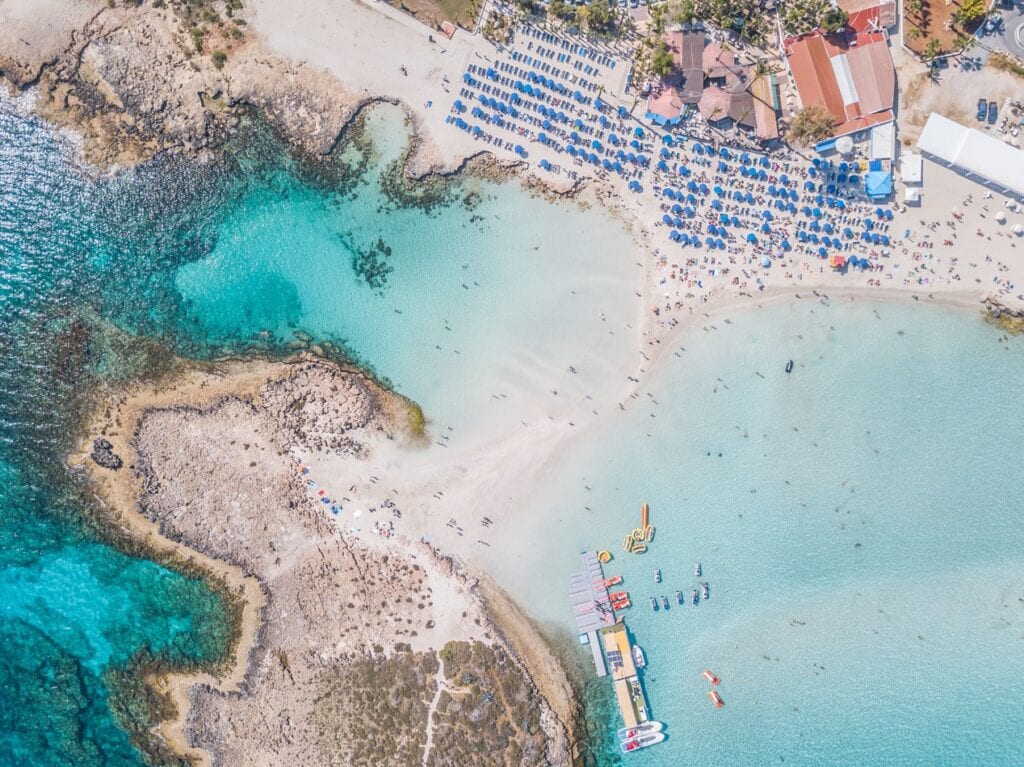
Widely known for its warm weather and bewildering beaches, Cyprus was the first European Country to openly announce its plans to lift quarantine and testing requirements for all vaccinated visitors.
According to Transport Minister Yiannis Karousos, The government expects to increase the number of international visitors and to “further boost the interest of airline companies to carry out additional flights to Cyprus and improve connectivity.”
The policy is set to take effect early in March. The details about how visitors will demonstrate their immunity are yet to be announced.
GEORGIA
The Ministry of Foreign Affairs announced that all vaccinated travelers can enter Georgia by air, from February 1.
They will need to provide proof of their 2-shots vaccination. No quarantine or additional COVID-19 tests are required.
LITHUANIA
Vilnius, Lithuania
Effective March 10, all people visiting Lithuania who have been vaccinated against COVID-19 or have recovered from the virus “on the basis of a positive SARS-CoV-2 PCR test or antigen test result,” can visit the country without testing or quarantine restrictions.
However, from the same date on, all visitors, residents or returning nationals will be requested to submit a negative Covid-19 test taken up to 72 hours prior to arrival if they cannot produce a vaccination certification.
All these documents must be translated into Lithuanian, English or Russian.
GUATEMALA
This country in Central America is the first one of the region to lift all movement and entry restrictions for travelers who have been vaccinated against COVID.
These travelers will need to show the document that certifies that they have received both doses of the vaccine at least 14 days before their arrival in the country.
All other travelers will need to show proof of a negative COVID-19 test result obtained in the 72 hours before their arrival. In addition, all those who have been to the U.K. or South Africa in the 14 days prior will need to self-isolate in their chosen residence.
ICELAND
Cold-weather-but-warm-people Iceland has already set its reopening without quarantine or COVID-19 restrictions to May 1.
Visitors must be able to demonstrate what type of vaccines they took, how many doses and when. Border Control officials will make sure that travelers who have taken only one coronavirus shot will not be allowed entry without restrictions.
Those who choose not to get vaccinated, will need to pre-register, take two COVID-19 tests after arrival and undergo mandatory quarantine until the end of the whole process.
LEBANON
Lebanon has an exceptionally rich history showcased in its multicultural architecture, unique cuisine and warm people.
As of right now, visitors from all countries are allowed entry as long as they obtain a visa. Some categories of travelers can even get one on arrival.
Non-vaccinated individuals will need to get tested twice (96 hours before departure and once again on arrival) and agree to a 72-hour quarantine.
POLAND
Poland’s numerous museums and beautiful architecture, as well as its natural attractions are again easily available to immunized travelers.
Since December 28, all incoming travelers who can show proof of vaccination against COVID-19 are exempted from quarantine and testing.
The country is not fully open yet. It still maintains a list of approved countries and only nationals from said countries are allowed entry.
Visitors from approved countries who are not immunized but have proof of negative COVID-19 test results can also forgo quarantine requirements.
MOLDOVA
Moldova
Starting on March 5, people who have received two doses of a COVID-19 vaccine are allowed to enter the country without restrictions. This includes visitors from “high-risk countries”. Visitors from these countries are normally not permitted to enter the territory.
On the other hand, also effective on March 5, all allowed visitors must bring a negative COVID-19 test taken 72 hours prior to arrival. If they don’t, they will be forced to quarantine for 14 days upon arrival.
ROMANIA
Home to snow-capped mounts, forests, Black Sea beaches and a haven for the biodiverse ecotourism, Romania is one of the most biogeographically fascinating countries in the entire European Union.
Heavily impacted by COVID-19 in terms of economy and lost lives, Romanian government has decided to open up its doors again to all tourists who have taken the second dose of a coronavirus vaccine 10 days upon arrival.
SEYCHELLES
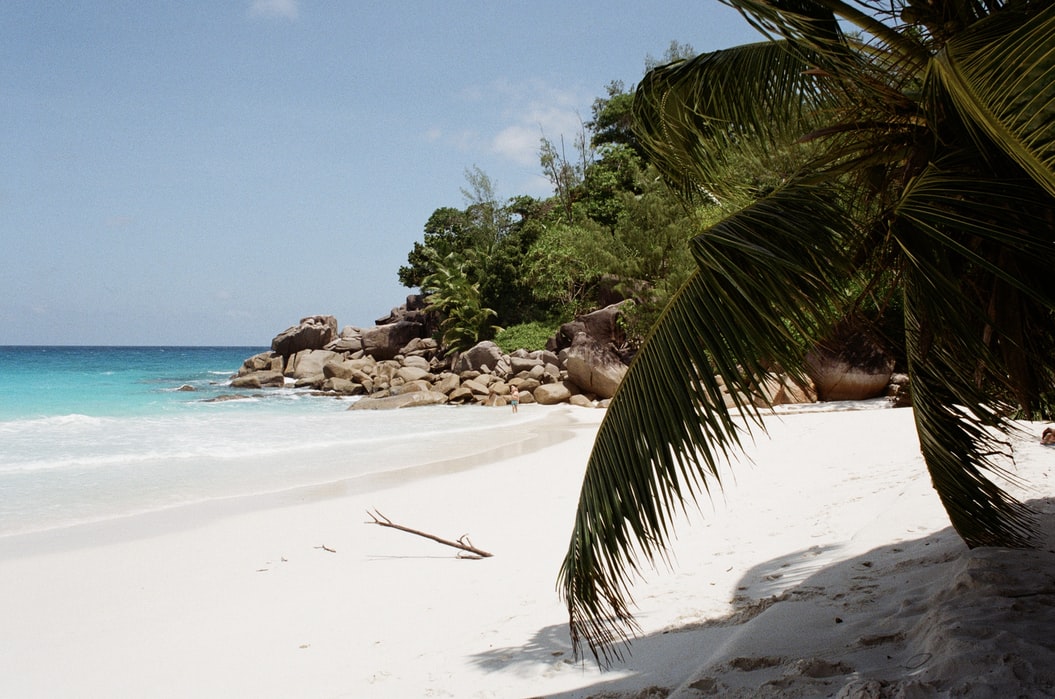
Blessed with tropical weather all year round, exotic cuisine, and world-class scuba diving, the 115 islands in the Indian Ocean that make up Seychelles are a must-see for all active travelers.
On Jan. 14, the country announced that it has reopened for vaccinated tourists from all over the world. All incomers must show proof of an “authentic vaccination certificate.” It must reflect the visitor has already taken 2 doses of one of the four most popular vaccines.
Travelers able to produce such certificates are welcome to the country and do not need to quarantine, present any COVID-19 test or take any upon arrival.
SLOVENIA
On February 12 Slovenia announced that visitors from the EU and Schengen area who have been vaccinated against COVID-19 can freely enter the country, no quarantines or tests required. This also applies to people who have recovered from the virus and bring proof (certified by a doctor).
They will need a certificate showing they have received both doses, the last one, at least 14 days before their trip.
Travelers from other countries will still need to abide by the restrictions and regulations for now. Many countries are still banned and others are required to quarantine for 14 or 10 days depending on their epidemiological situation.
COUNTRIES OPEN FOR VACCINATED TOURISTS – COMING SOON
As vaccination campaigns advance worldwide travelers can expect this list to grow in the weeks to come.
Public and private representatives of the tourism industry in countries like Denmark, Greece, Nepal, and Australia have stated that vaccinated tourists are not a risk and could be allowed entry.
Thailand
The government announced a new reopening plan for vaccinated travelers to Phuket by October 2021. Vaccinated travelers should be able to skip quarantine.
As of now, the Tourism Authority of Thailand (TAT) has announced that the country will gradually ease its entry restrictions. The government plans to start by reducing the mandatory 14-day quarantine to 3 days. The official date of this first phase is still yet to be confirmed.
Taiwan
Taiwanese Health Minister has stated that the plan to start reopening for vaccinated travelers is on the table. All visitors will need confirmation of two-shots of vaccination and a negative PCR Covid test.
Some other governments would rather wait until a good chunk of their population is immunized against the virus before lifting their current restrictions for vaccinated and unvaccinated visitors.
Ohio’s governor on Monday again dropped the minimum age eligibility for COVID-19 vaccinations, this time to include those 50 years or older.
With the state continuing to show progress in battling the deadly virus, GOP Gov. Mike DeWine said the minimum age will be lowered from 60 years-plus as of Thursday. That is one week since the last age reduction in eligibility. Ohio has seen declining rates of infections and hospitalizations.
On Monday, the state reported 84 COVID-19 hospitalizations in the previous 24 hours, with a 21-day rolling average of 111 hospitalizations, and 1,245 new coronavirus cases in the prior 24 hours, with a 21-day rolling average of 1,831.
“You can see these numbers continue to go down, and we’re very, very happy to see that,” DeWine said. “That’s a great thing.”
The state’s long-awaited state vaccine website was also up and running on Monday. The site is meant to provide one-stop searches for available vaccination appointments around the state, relieving people from having to search or call multiple providers seeking appointments.
The U.S. and Ohio flags will be flown at half-mast on Tuesday to mark the one-year anniversary of the first Ohio COVID-19 case, DeWine said earlier on Monday. More than 17,500 people have died from COVID-19 in Ohio in the past year.
The state’s expanded vaccination eligibility will make another 1.2 million people eligible to be vaccinated. It also will include people with Type 2 diabetes and end-stage renal disease.
Some 2 million Ohioans have received at least one shot of the vaccine, or some 17% of the population as of Monday, according to the state Health Department.
DeWine said last week that he will lift the state’s mask mandate and other public health orders once the state hits the mark of 50 coronavirus cases per 100,000 people for two weeks.
BioNTech SE could have capacity to make 3 billion doses of the COVID-19 vaccine it developed with partner Pfizer Inc next year, Bloomberg News reported on Tuesday, citing an interview with the German company’s chief executive officer.
While BioNTech could increase manufacturing capacity in principle, it depends on demand and factors such as requirement of additional boost to vaccinations, CEO Ugur Sahin told Bloomberg News.
Pfizer last month said it aims to make at least 2 billion doses of its COVID-19 vaccine in 2021.
Investors are reacting to the mean change of best-corrected visual acuity (BCVA) from the baseline that was lower in GB-102 1mg than aflibercept arm.
The mean change from baseline for BCVA for all 20 completers was approximately nine letters lower across all time points versus the study control arm.
The study was designed to evaluate two separate doses of GB-102, 1mg, and 2mg, injected every six months compared with Regeneron Pharmaceuticals Inc's (NASDAQ: REGN) Eylea (aflibercept) injected every two months.
After interim safety analysis, the 2mg dose was discontinued after the initial dose, and all patients were switched to 1mg for their second dose.
The median time to first supportive therapy was five months for GB-102 1mg (primary endpoint of the study).
Central subfield thickness of the retina in the GB-102 1mg arm was consistent with the study control arm.
GB-102, the company's lead product candidate, is a microparticle depot formulation of sunitinib malate, injected intravitreally.
Sunitinib is marketed as Sutent by Pfizer Inc (NYSE: PFE).
Piper Sandler has downgraded GRAY to Neutral with a price target of $10 from $27 earlier.
Silicon nitride-embedded fabrics proved effective against inactivating SARS-CoV-2 virus
The fabrics may be suitable for many applications, including masks, surgical gowns, and air filters
SINTX Technologies (www.sintx.com) (“SINTX”; “the Company”) a company that develops and commercializes silicon nitride for multiple applications, today announced test results showing that fabrics containing SINTX’s silicon nitride continue to demonstrate inactivation of the SARS-CoV-2 virus upon contact. Earlier tests had shown that sintered silicon nitride powders reduced viral loads by as much as 99.9%, starting at one minute after exposure to silicon nitride.
“Last year we announced that our R&D team bonded silicon nitride particles consistently and evenly into the fibers of a nonwoven fabric layer,” said Dr. Sonny Bal, CEO and President of SINTX. “We now have results on tests done at the University of Rochester, New York, which show that these fabrics containing silicon nitride had comparable efficacy against inactivation of the SARS-CoV-2 virus upon contact as silicon nitride alone.”
The Company expects the antiviral fabrics to be used in many applications, such as a “catch-and-kill” face mask, surgical gowns and drapes, automotive and HVAC filters, wound dressings, clothing, and more. SINTX believes that products made of its fabrics will inactivate trapped pathogens and reduce the risk of disease transmission.
“Our new fabric-based R&D may improve the effectiveness of PPE,” said Bryan McEntire, Ph.D., Chief Scientific Officer at SINTX. “Currently available face masks, for example, that make antiviral claims rely on the addition of metal ions, such as silver, copper, and zinc, as well as other chemicals to the mask fabrics. Unlike these additives, which are either allergenic or toxic to human tissue, extensive testing has shown that silicon nitride powder is non-allergenic, and non-toxic to mammalian cells. Additional development and testing will continue with the goal of meeting ISO and ASTM standards in the forthcoming months.”
MediciNova, Inc., a biopharmaceutical company traded on the NASDAQ Global Market (NASDAQ:MNOV) and the JASDAQ Market of the Tokyo Stock Exchange (Code Number: 4875), today announced it has partnered with the Biomedical Advanced Research and Development Authority (BARDA), part of the Office of the Assistant Secretary for Preparedness and Response at the U.S. Department of Health and Human Services, to repurpose MN-166 (ibudilast) as a potential medical countermeasure (MCM) against chlorine gas-induced lung damage such as acute respiratory distress syndrome (ARDS) and acute lung injury (ALI). Under the Division of Research, Innovation, and Ventures’ (DRIVe) Repurposing Drugs in Response to Chemical Threats (ReDIRECT) program, BARDA will provide funding for proof-of-concept studies of MN-166 in preclinical models of chlorine gas-induced acute lung injury. MN-166 is the first compound to receive BARDA’s development support through the DRIVe ReDIRECT program.
This project has been funded in whole or in part with Federal funds from the Department of Health and Human Services; Office of the Assistant Secretary for Preparedness and Response; Biomedical Advanced Research and Development Authority, under Contract No. 75A50121C00022.