Search This Blog

Tuesday, September 26, 2023

GLP-1 Agonist Plateau No One's Talking About

 The declines in body weight that patients experience with injectables like semaglutide (Ozempic, Wegovy) and tirzepatide (Mounjaro) are no exception to the concept that nothing lasts forever.

Eventually, everybody reaches a "plateau," even on newer GLP-1 receptor agonists. It's a phase at which the body reaches a new "settling point," specialists said, and weight, along with other metabolic markers like blood pressure and HBA1c stabilize, or fluctuate only slightly. For some, this may mean a gradual increase in appetite or "food noise"; others may be able to maintain their current state.

Studies have shown that, on average, this plateau happens at a little over a year with semaglutide. Even so, physicians say some patients are surprised to learn that there's a limit to what these medications can do.

"Everyone will plateau, of course. No one on my watch has disappeared. No one has vanished," Jody Dushay, MD, an endocrinologist at Beth Israel Deaconess Medical Center in Boston, told MedPage Today. "It's alarming to me that people find that surprising, but everyone will reach a plateau and there's no way to know when you start the medication what that will be, what percent weight loss that will be, and how quickly they will reach it."

Gitanjali Srivastava, MD, an obesity medicine specialist at Vanderbilt University Medical Center in Nashville, Tennessee, noted that "we see that often and it's a question that gets asked frequently. There's going to be a new homeostatic balance that's achieved, and we see that with any other disease phenomenon."

For example, Srivastava told MedPage Today that a patient will not become hypotensive after a certain amount of time on a blood pressure medication, or have blood glucose levels decrease indefinitely with diabetes medications. "Evolutionarily, we need to be able to do that, so we can protect against the extremes," she added. "Because the alternative is that you continue to wither away, and that can be dangerous."

It's still unclear what may predispose patients to longer or shorter responses to GLP-1 agonists, but Dushay said that, typically, early responses tend to predict later ones. If a patient experiences steep weight loss on lower doses of semaglutide, for example, they can stay on a lower dose for longer, with more time to uptitrate if necessary. Patients on semaglutide for type 2 diabetes also tend to experience less weight loss overall, she said.

Karl Nadolsky, DO, an endocrinologist and obesity medicine specialist at Holland Hospital in Michigan, told MedPage Today in an email that "a history of childhood obesity with any suspicion [of] specific genetic or syndromic etiology" might also hint at a predisposition to hyporesponse

Specialists have said that before prescribing this class of medication, they thoroughly discuss what to expect, from side effects to plateauing and the possibility of non-response. Dushay noted that it's important that providers set these expectations with patients, and for patients to seek out doctors who have the time and clinical experience to do so.

In clinical trials known as STEP1opens in a new tab or window and STEP2opens in a new tab or window that looked at semaglutide 2.4 mg per week, participants' weight loss tapered off around week 60, with about 10% to 15% of body weight lost. Semaglutide's effect on blood pressure and HBA1c appeared to plateau even earlier. In STEP 5opens in a new tab or window, spanning 2 years, patients hit a weight plateau once again around 60 weeks, and were able to maintain that weight for the remainder of the study. In the SURMOUNT trialsopens in a new tab or window, which looked at various doses of tirzepatide for 72 weeks, participants on the 5-mg dose had reached a plateau within 60-72 weeks, but this was not the case on the higher doses. A 2-year trialopens in a new tab or window is expected to offer more insight.

However, clinicians are more interested in what such averages hide. It's nearly impossible to know how well a patient will respond to semaglutide or tirzepatide, and individuals may have wildly different medical histories, medications, and comorbidities that all affect how well, and for how long, a given drug may work.

Fatima Cody Stanford, MD, MPH, MPA, MBA, an obesity medicine specialist at Massachusetts General Hospital in Boston, pointed out that a patient's expectation may not match their ultimate response to a GLP-1 agonist. "Everybody comes in and they're like, 'I want to do what this person did' -- they have their family, their friend, their sister, their brother, cousin, aunt, and I'm like, 'well, we don't know,'" she said. "The only people that I expect to respond almost identically are identical twins."

Stanford said she would like to see studies on GLP-1 agonists in the future that stratify patient response by various characteristics like genetics. Right now, she noted, weight-loss drugs require a lot of trial and error. Predicting the likelihood of success for individual patients would save time -- and money. "When a new cancer drug comes out, not everyone's like, 'ooh, there's a new cancer drug, let's just start everyone on that.' Right? Nobody does that," she said. "I want to know who the drug is right for."

"If I know that, on average, this person is going to be a really poor responder to a GLP-1 agonist, I won't [prescribe it]," she added. "It is a really arduous pathway for a lot of reasons -- access, coverage, prior authorization. It's burdensome. It's burdensome on the patient, it's burdensome on the system, it's burdensome on me."

Experts said it's common for patients to want more. For example, they may bring their blood glucose within a normal range, go off of blood pressure medications, and maintain overall positive health outcomes with a GLP-1 agonist, but hit a "plateau" and still want to lose weight.

Ultimately, this is where psychological and societal ambitions collide with clinical ones.

Patients are "having to negotiate with what society tells them, so they're still 200 pounds and society says 'for your height and weight you should be 125,' even though their health looks amazing," Stanford said. "Not always, but often, they still want to be whatever this number is."

Dushay said it's rare for patients to achieve the weight loss goal they arrive at an initial consult with. Often, Dushay's noticed, this goal is the weight they were on their wedding day. "I think that some of it is literally [that] they want to weigh that," she said. "But I think there is a big component of 'I want to rewind time.'"

"I've almost never had someone hit a plateau when they were like, 'okay, I'm good.'"

In the meantime, clinicians have strategies to move past a plateau if a patient hasn't yet met important clinical goals. Generally, some said they might increase the dose if possible, if the patient can tolerate it well. Failing that, they can supplement with a second drug that targets a different neuronal or hormonal pathway, like phentermine (Lomaira). Dushay said that in practice she's noticed that "drug holidays" or stopping and restarting a GLP-1 agonist, have typically not affected plateaus.

https://www.medpagetoday.com/special-reports/exclusives/106464

Inmates Escape From Hospitals in Recent Spree

 There have been a bevy of recent reports of inmates escaping from hospitals -- by stealing a vehicle, rappelling down the side of a building, or simply walking out the front door.

Just this week, police in Marlborough, Massachusetts announced that they had recaptured 24-year-old Isaac Rivera, who escaped custody while undergoing a medical procedure over the weekend at UMass Marlborough Hospital, NBC10 Boston reportedopens in a new tab or window. At the time of his escape, Rivera was in custody for charges including domestic assault and battery, strangulation, assault and battery on a police officer, and illegal possession of a firearm.

Last Friday, authorities said that a man convicted of child sex crimes was back in custody after walking away from Mercy Hospital South in St. Louis, Missouri, where he had been taken for medical treatment, AP reportedopens in a new tab or window. Tommy Wayne Boyd, 45, is currently serving a 30-year sentence that was handed down in 2007, according to online court records.

Earlier this month, police said 44-year-old Yenchun Chen, who tied bed sheets together to rappel down the side of a New York City hospital, was back in custody, as reported by CBS Newsopens in a new tab or window. Officials said Chen was arrested on July 31 for possession of a controlled substance, and had been taken to Mount Sinai Beth Israel in Gramercy Park to receive medical care prior to his escape.

Finally, new details shared by Oregon State Hospital provided insight into how 39-year-old Christopher Lee Pray, who had been taken to the hospital for medical care after a fight with another patient, seized on unattended keys to a transport van to enact his late August escape, Portland's KOIN 6 News reportedopens in a new tab or window. Pray, who was recaptured after being found in the van stuck in mud, was originally in custody for attempted aggravated murder.

Risk Factors

"Inmates get transferred to hospitals out of jails and prisons for treatment all the time," Jeffrey Keller, MD, who has long worked in correctional medicine and serves as president of the American College of Correctional Physicians, explained to MedPage Today.

Inmates may need to have surgery for a condition such as appendicitis or an injury from a fall, he said, or they may need specialized treatment for a chronic disease like heart disease, cancer, or lupus.

"It's been happening forever, and it's something that all jails and correctional facilities plan for, but just by its nature, since inmates are going to a less secure place, the opportunities to escape are increased," Keller noted.

Accordingly, inmates are never supposed to know exactly when their outside appointments are, he said. Inmates may be told they're scheduled to see a cardiologist, but not when.

"There will be a correctional officer at the door to the hospital room," he added, "but that of course is not as secure as being in a prison cell with multiple layers."

Keller pointed to an incident in 2007, in which an inmate transferred to a Salt Lake City orthopedic clinic for an MRI stole a correctional officer's gun, and shot and killed the guard before being recapturedopens in a new tab or window.

The more recent spate of cases has also included the July escape and recaptureopens in a new tab or window of 35-year-old Eric Abril, a suspect in a Northern California hostage-taking homicide and shootout with police, from a medical facility in Roseville, a suburb of Sacramento, as well as other escapees who are still at large.

Earlier this month, the Metropolitan Police Department in Washington, D.C. announced that a reward for information leading to the arrest of 30-year-old Christopher Haynes had increased to $30,000opens in a new tab or window. Haynes, who had been in custody related to an August shooting and murder, physically assaulted an officer and escaped after being transported to George Washington Hospital for treatment of a prior ankle injury, the police department said.

In addition, 21-year-old Naseem Roulack, who had been serving a 13-year sentence for a string of crimes, hasn't been seenopens in a new tab or window since walking out of Bon Secours St. Mary's Hospital in Henrico, Virginia last month.

Potential Remedies

To help reduce the number of transports of inmates for medical care, jails or prisons may turn to telemedicine, Keller said. However, nearly all jails and prisons are "underfunded and overcrowded," he noted. The challenges become where to put a telemedicine room, for instance, and how to pay for it.

In other instances, people who are in jail for a very limited time for a less serious reason and who need medical care may be bonded out or simply released, he said. In certain cases, those who are serving lengthy prison sentences and who are suffering from a terminal illness may be compassionately released, though this process is more difficult.

Furthermore, all inmates are assigned a security or risk level, Keller said, which is taken into account for every type of transport to a hospital or otherwise, such as to appearances in court. In addition to hand and feet shackles, high-risk inmates may be monitored by a pair of officers, one inside their hospital room and one outside.

"From a security standpoint, it would be better if the specialist came to the jail or prison, but very few are willing to do that," he explained. "Anything that can't be done inside the walls of a jail or prison has to go outside."

However, there are a few exceptions.

"If a prison system is large enough, they can have their own hospital ... Some jails that are big enough have jail wards within a hospital," Keller said. However, "most jails and prisons don't have anything like that."

https://www.medpagetoday.com/special-reports/features/106505

AI Not Ready to Replace Radiologists Interpreting Chest X-Rays

 Commercially available artificial intelligence (AI) tools were accurate to varying degrees in flagging chest x-ray abnormalities but turned up more false-positives than radiology reports, a Danish study found.

Testing four CE-marked AI tools on real-world radiographs from the Copenhagen region, investigators reported areas under the receiver operating characteristic curves ranging from 0.83-0.88 for airspace disease, 0.89-0.97 for pneumothorax, and 0.94-0.97 for pleural effusion using radiology reports as reference

Louis Plesner, MD, of the University of Copenhagen, Denmark, and coauthors found a wide range of sensitivity and specificity values for the AI tools:

  • Annalise Enterprise CXR (version 2.2): sensitivity 72% and specificity 86% for airspace disease; 90% and 98% for pneumothorax; 95% and 83% for pleural effusion
  • SmartUrgences (version 1.24 with high sensitivity threshold): sensitivity 91% and specificity 62% for airspace disease; 73% and 99% for pneumothorax; 78% and 92% for pleural effusion
  • ChestEye (version 2.6): sensitivity 80% and specificity 76% for airspace disease; 78% and 98% for pneumothorax; 68% and 97% for pleural effusion
  • AI-Rad Companion (version 10): sensitivity 79% and specificity 72% for airspace disease; 71% and 98% for pneumothorax; 80% and 92% for pleural effusion

"Among the AI tools examined in this study, we observed an acknowledgeable difference in the balance between sensitivity and specificity for the individual tools, which seems unpredictable. Therefore, when implementing an AI tool, it seems crucial to understand the disease prevalence and severity of the site and that changing the AI tool threshold after implementation may be needed for the system to have the desired diagnostic ability," the group wrote in Radiology

"Furthermore, the low sensitivity observed for several AI tools in our study suggests that, like clinical radiologists, the performance of AI tools decreases for more subtle findings on chest radiographs," the study authors noted.

According to the American College of Radiology, nearly 400 FDA-approved AI tools are applicable for useopens in a new tab or window in radiology.

"While AI tools are increasingly being approved for use in radiological departments, there is an unmet need to further test them in real-life clinical scenarios. AI tools can assist radiologists in interpreting chest x-rays, but their real-life diagnostic accuracy remains unclear," said Plesner in a press release.

In their study, the authors reported that in chest radiographs with four or more findings, AI's specificity dipped to the 27-69% range for airspace disease, 96-99% for pneumothorax, and 65-92% for pleural effusion.

Ultimately, Plesner stated that while the tools are useful, potentially providing a confidence boost for radiologists, they should not be autonomous in regards to making a diagnosis for patients.

Masahiro Yanagawa, MD, PhD, and Noriyuki Tomiyama, MD, PhD, both of the Osaka University Graduate School of Medicine in Japan, agreed, emphasizing the limits of AI in this setting.

"Given that anteroposterior chest radiographs and chest radiographs with multiple findings reduced the specificity of AI tools, radiologists should be aware of the limitations of the tools with respect to both sensitivity and specificity. Care must be taken not to overestimate the results of AI tools in such challenging cases," Yanagawa and Tomiyama wrote in an invited commentaryopens in a new tab or window.

For their retrospective study, Plesner and colleagues invited AI vendors to test their algorithms on real-world chest x-rays from four hospitals within the Copenhagen region. The radiographs had come from 2,040 consecutive adult patients (50.6% women; average age 72 years).

Four out of seven invited AI vendors agreed to participate and have their AI tools compared to radiologist-made clinical radiology reports for reference.

All four AI tools produced significantly more false positives. For example, in identifying airspace disease, false positives ranged from 13.7% with the Annalise algorithm to 36.9% with the SmartUrgences. For comparison, radiologists had a false positive rate of 11.6%.

Only the SmartUrgences algorithm, when tuned to high specificity, did not produce more false positives than radiologists in flagging pneumothorax and pleural effusion.

False negative rates varied widely depending on the finding and the AI tool.

One limitation was that radiologists had access to clinical information, lateral chest radiographs, and prior imaging that the AI tools did not, potentially giving them an "unfair advantage," the authors said. Other possible limitations of the study included the lack of AI evaluation of lateral chest radiographs and that the findings may not be applicable to non-hospital settings.

Disclosures

This study was supported by research grants from the Danish government.

Plesner reported a relationship with Siemens Healthineers. Coauthors disclosed relationships from Siemens Healthineers, Innovation Fund Denmark, Roche, Orion, Pharmacosmos, Novartis, Bavarian Nordic, Merck, Philips Healthcare, and Boehringer Ingelheim, and one coauthor is employed by Novo Nordisk.

Yanagawa disclosed grant support from the Japan Society for the Promotion of Science and the Japan Agency for Medical Research and Development. He is also associate editor for Radiology: Artificial Intelligence. Tomiyama had no disclosures.

Primary Source

Radiology

Source Reference: opens in a new tab or windowPlesner LL, et al "Commercially available chest radiograph AI tools for detecting airspace disease, pneumothorax, and pleural effusion" Radiology 2023; DOI: 10.1148/radiol.231236.

Secondary Source

Radiology

Source Reference: opens in a new tab or windowYanagawa M, Tomiyama N "Clinical performance of current-generation AI tools for chest radiographs" Radiology 2023; DOI: 10.1148/radiol.232139.


https://www.medpagetoday.com/radiology/diagnosticradiology/106508

opens in a new tab or window.

Wrath Of Khan Wrecks Tech As Downbeat Dimon Batters Bonds, Bullion, & Banks

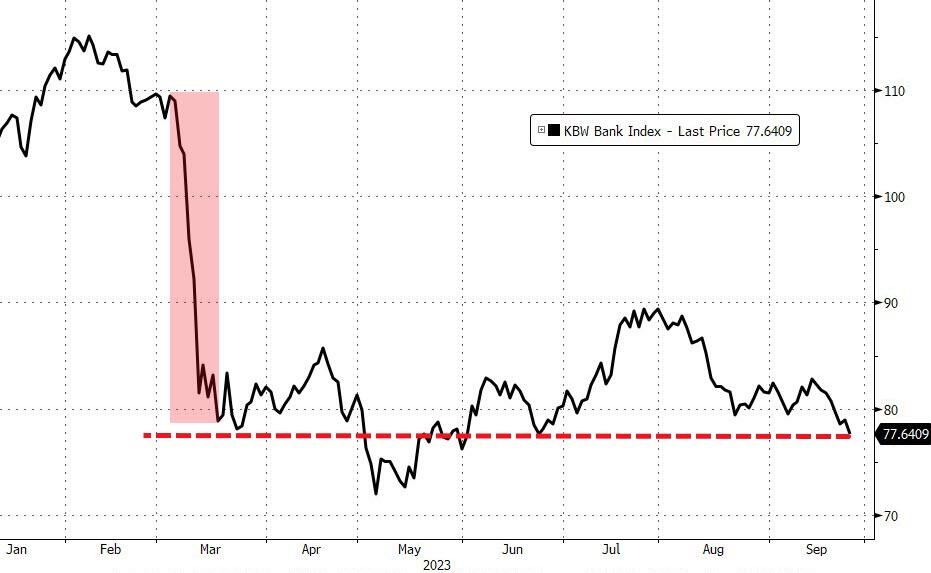
 Jamie Dimon dares to question goldilocks/soft-landing narratives overnight, warning that The Fed may be forced by stickier inflation to hike rates further (to 7%) fearing a stagflationary scenario that no one is prepared for... and (away from the main headlines), Dimon warned of more bank failures as rate rise (and that didn't help) as the KBW Bank Index fell below the initial SVB collapse levels...

Source: Bloomberg


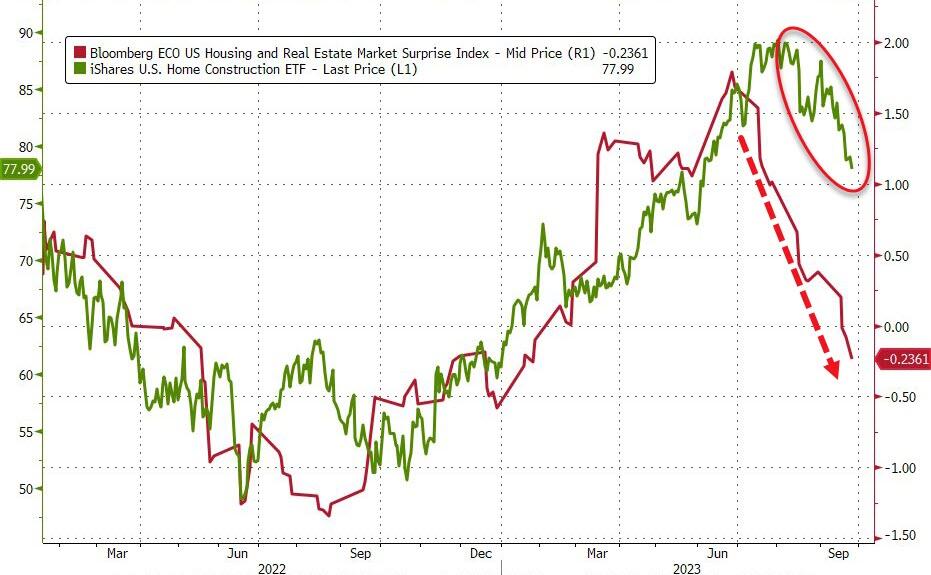
Then the macro data started with Dallas Fed Services and Manufacturing ugly (prices up, activity down), new home sales finally hitting the wall (as homebuilders folded on filling the affordability gap and their stock prices are starting to realize that)...

Source: Bloomberg

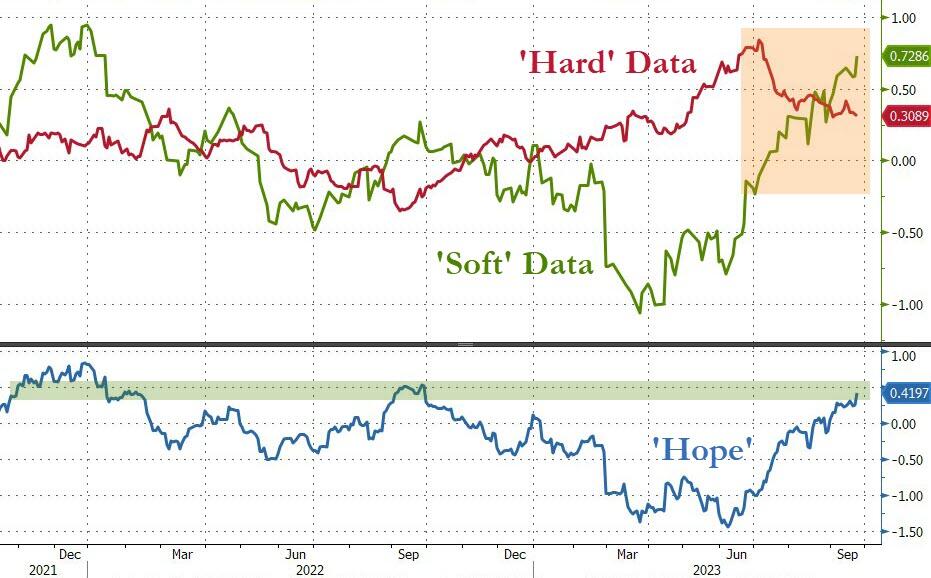
...then consumer confidence crumbled (driven by a slump in hope and worsening labor market conditions). Overall, 'hard' data is near 5-month lows, as 'soft' survey data hits its highest since Jan 2022, sending 'hope' about as high it goes (before the soft surveys collapse)...

Source: Bloomberg

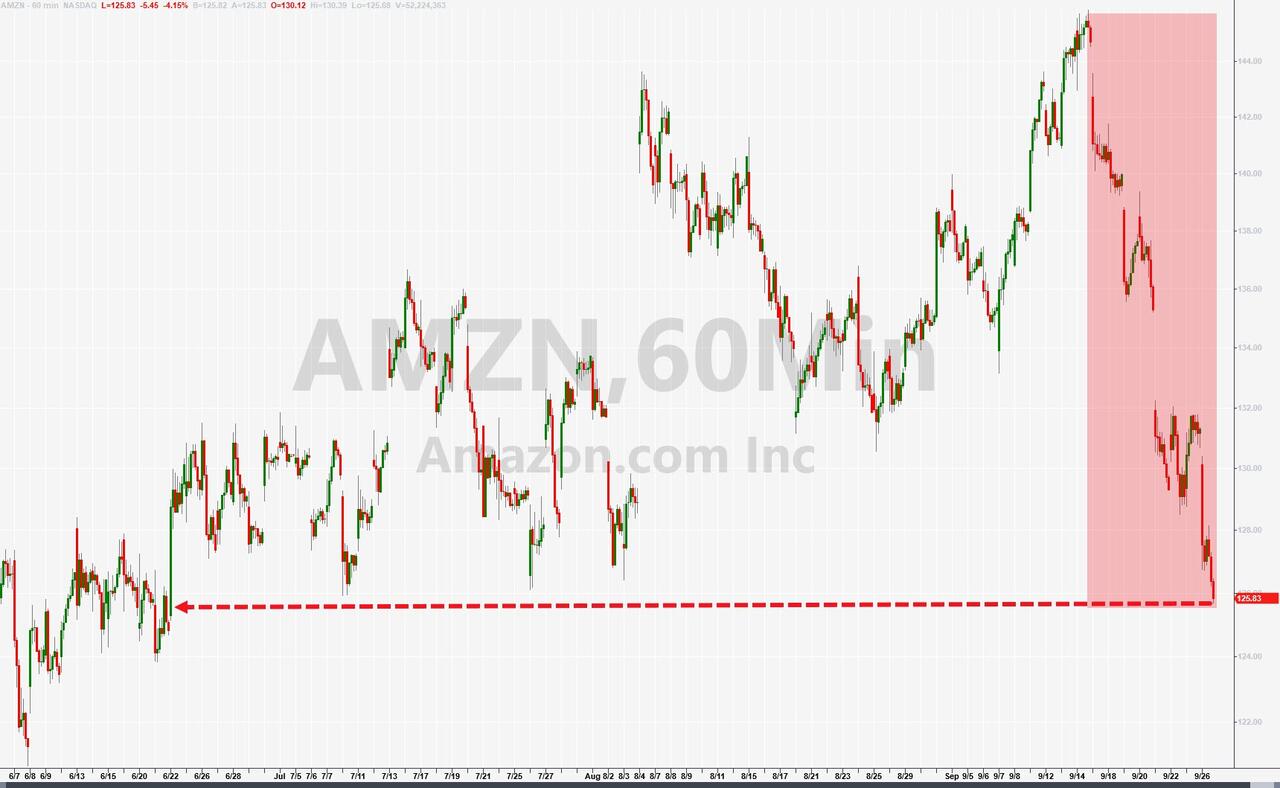
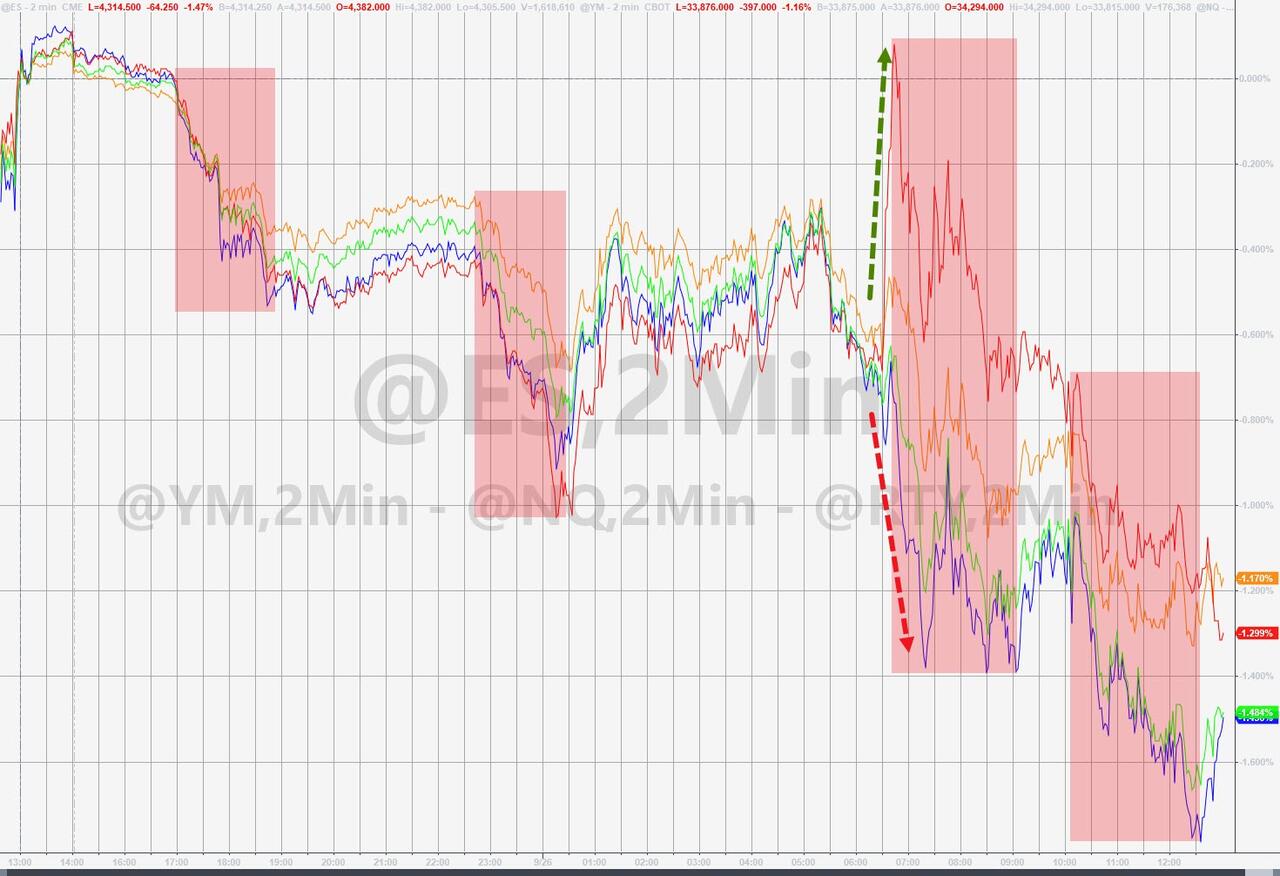
Add to that the wrath of Lina Khan as the FTC sued Amazon (again) and that was enough - with corporate buybacks blacked out still - to take the equity market lower, dollar higher, gold lower, and yields higher (rising after early declines).

Khan to Amazon/Bezos: "I've done far worse than kill you. I've hurt you. And I wish to go on hurting you... I mean to avenge myself upon you, Amazon."

AMZN at 3-mo lows...

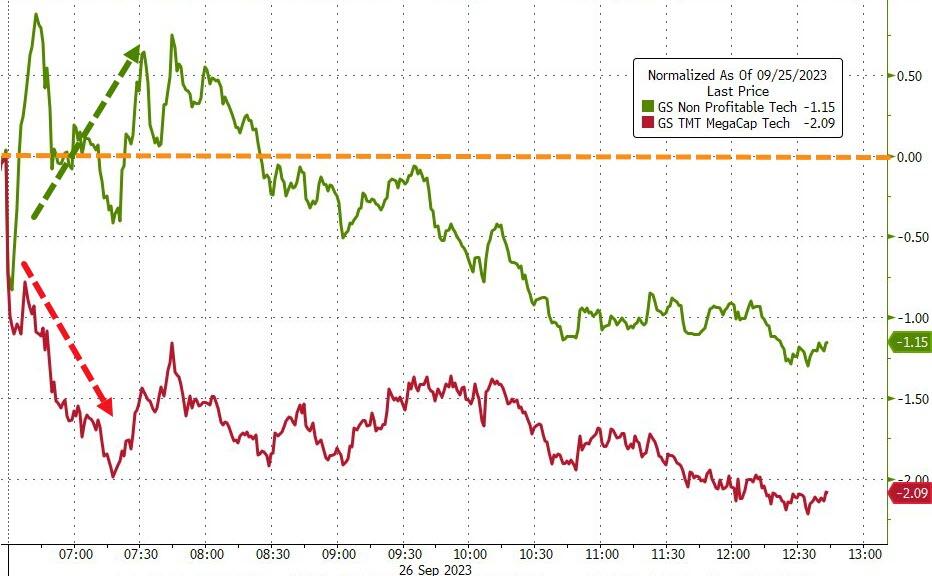
Early on we saw the Megacap Tech names getting hit hard (while unprofitable tech was not), which Goldman suggested was driven by derisking overall. But as the selling continued, everything was dragged lower...

Source: Bloomberg

The drag of the Magnificent 7 weighed everything down with Nasdaq and S&P the big underperformers on the day, but everything was ugly...

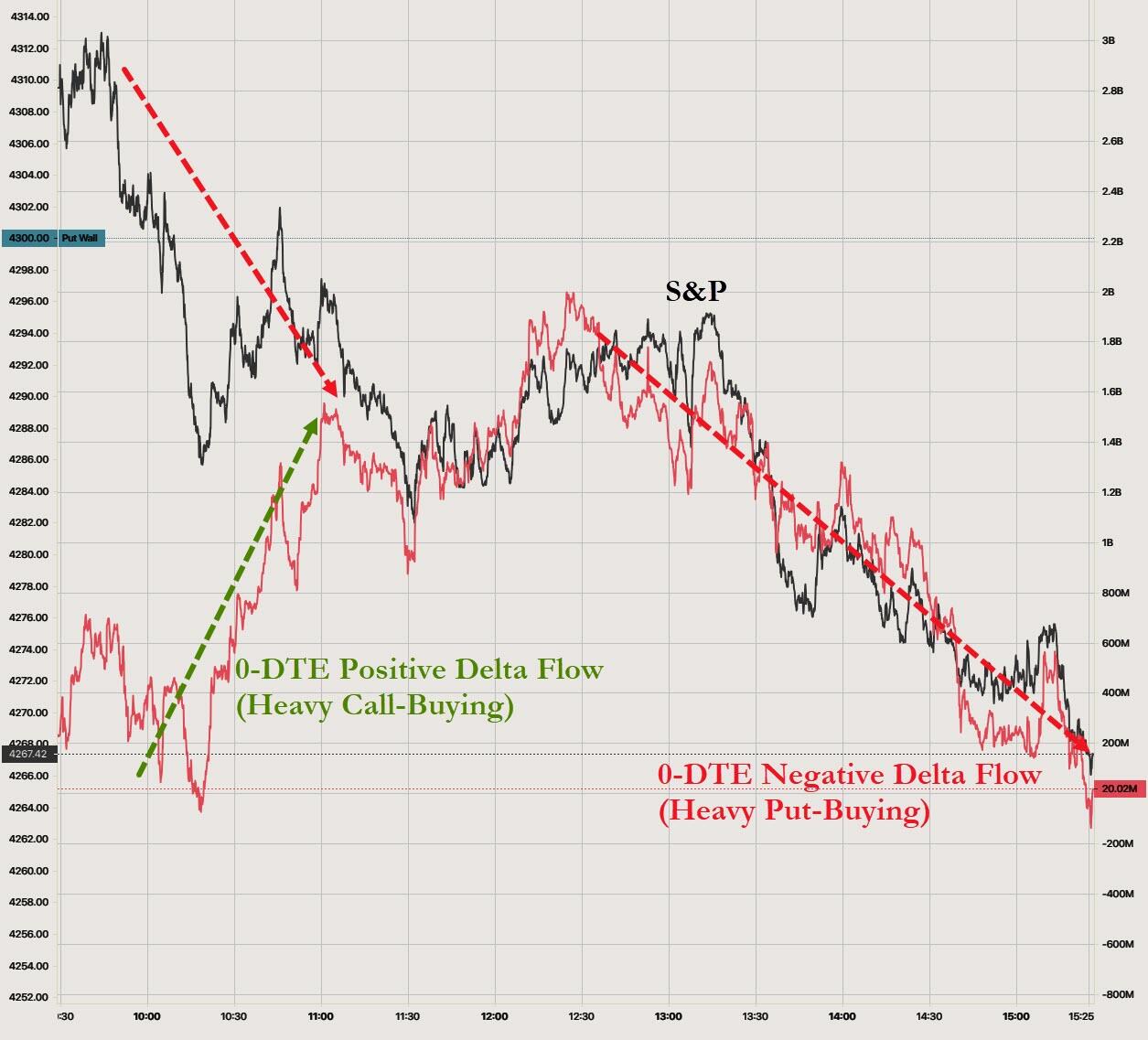
0-DTE traders countered the initial thrust lower after the cash open (as the S&P broke below the Put-Wall at 4300), but as Khan unleashed her FTC ear-bugs,

Source: SpotGamma

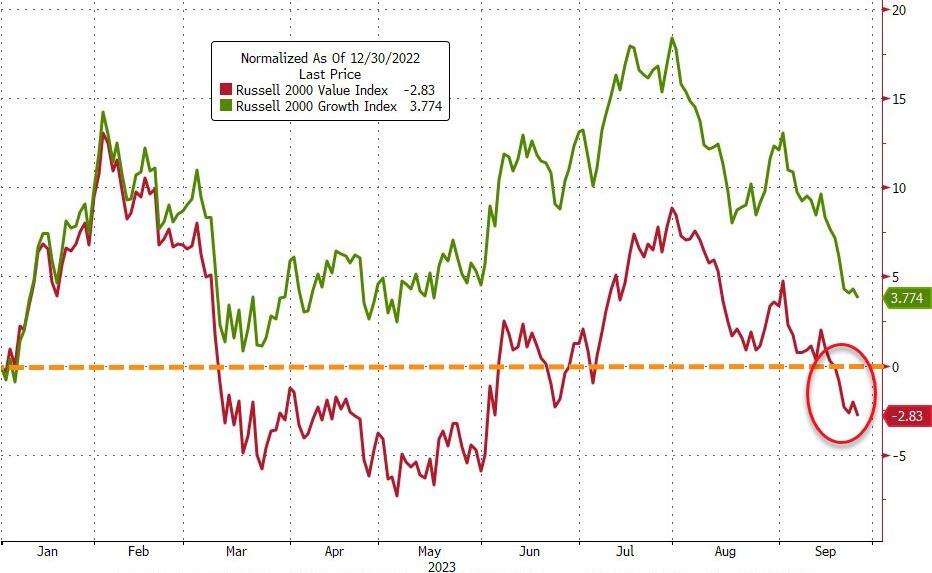
The last month has seen both Value and Growth stocks hammered as the broad market weakens, but most notably, the Russell 2000 Value index is now in the red YTD (down around 3%)...

Source: Bloomberg

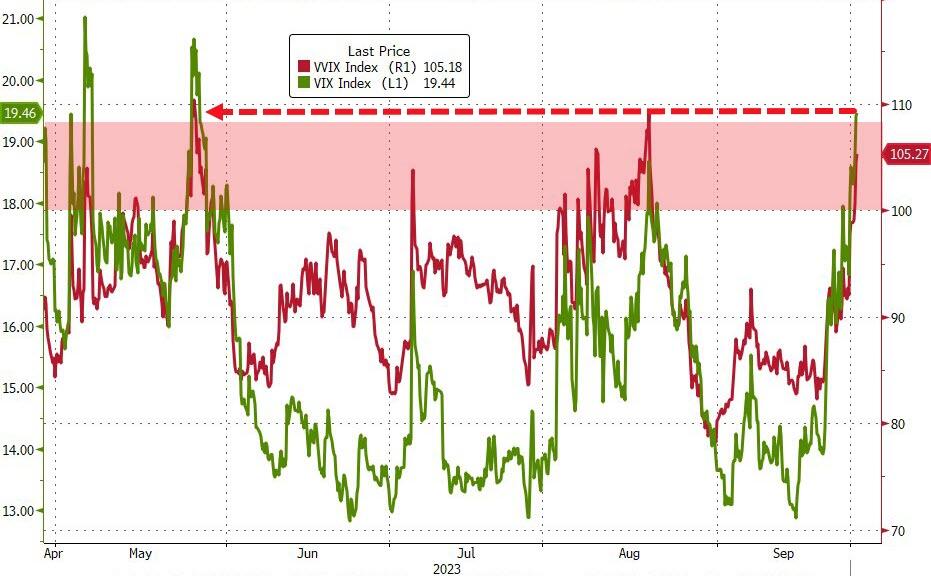
VIX soared up near 20 today, its highest since May and VVIX surged up into the danger-zone above 100...

Source: Bloomberg

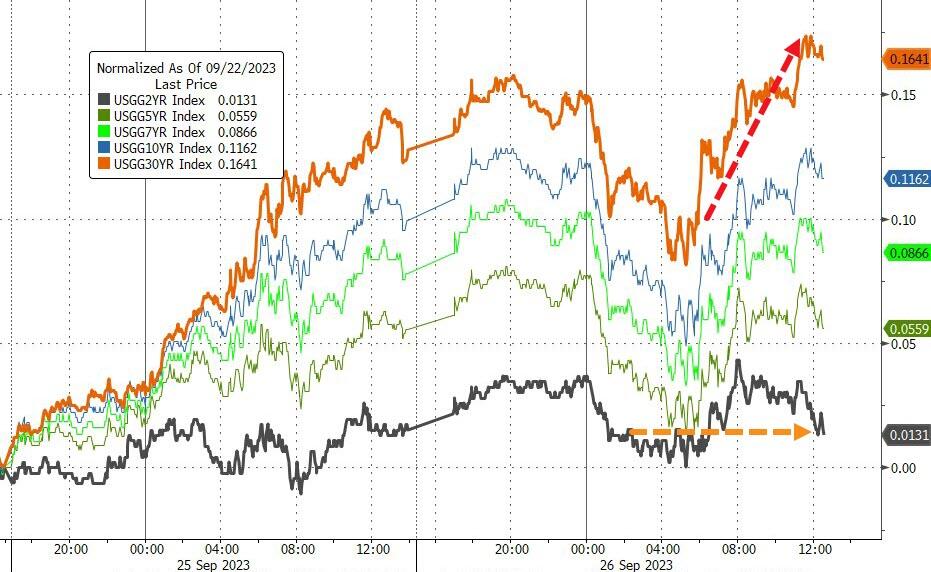
The long-end of the yield curve was sold again today with 30Y yields up another 4bps to fresh cycle highs (and the 2Y auctioned at 16 year highs)...

Source: Bloomberg

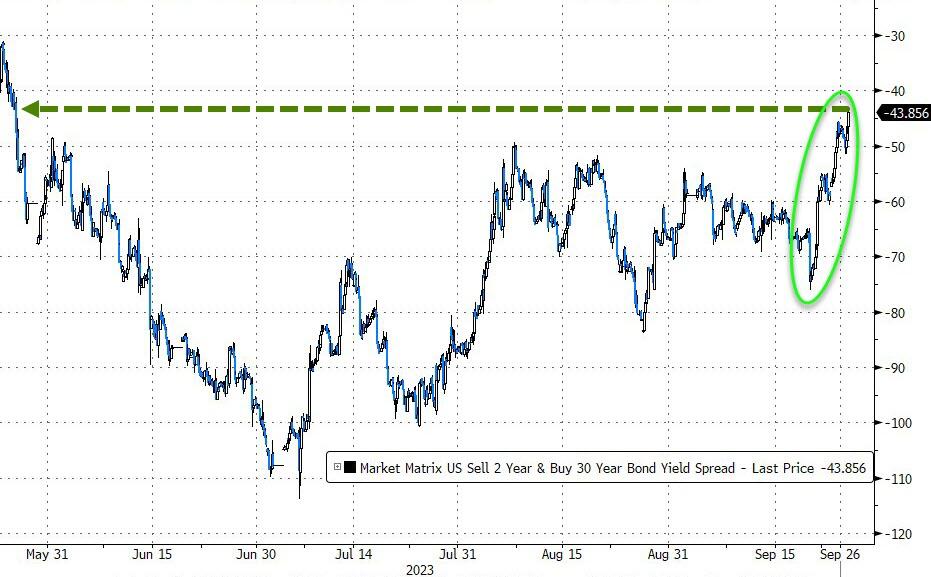
And that sent the yield curve (2s30s) steeper still (to its least inverted since May)...

Source: Bloomberg

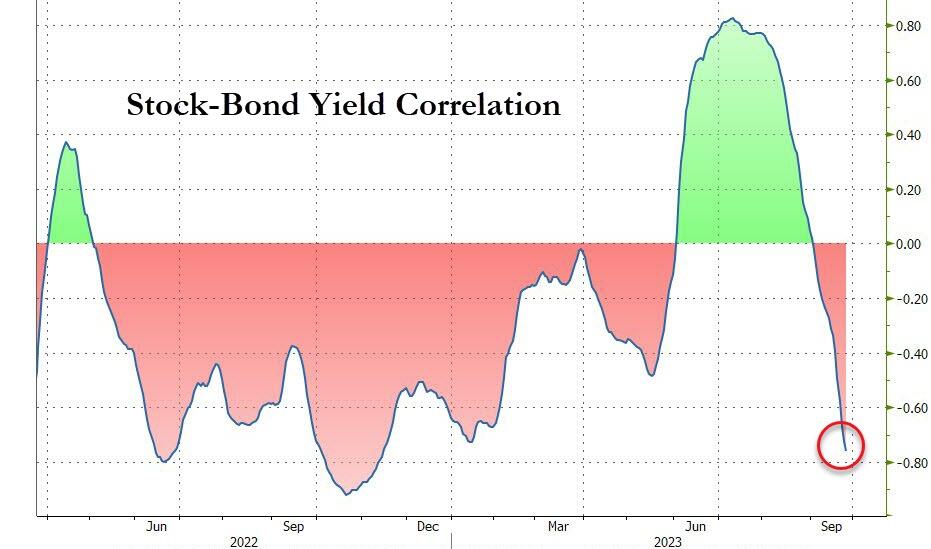
Stocks and Bond (Prices) are moving more and more in sync (with correlation between yields and stock prices nearing their lower limit)...

Source: Bloomberg

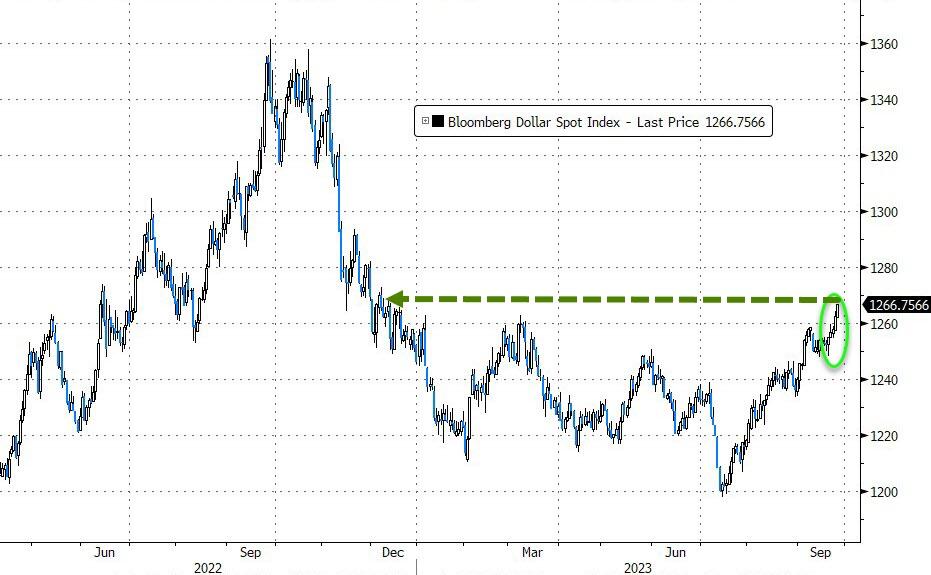
The dollar rallied for the 5th day in a row to its strongest since Dec 2022...

Source: Bloomberg

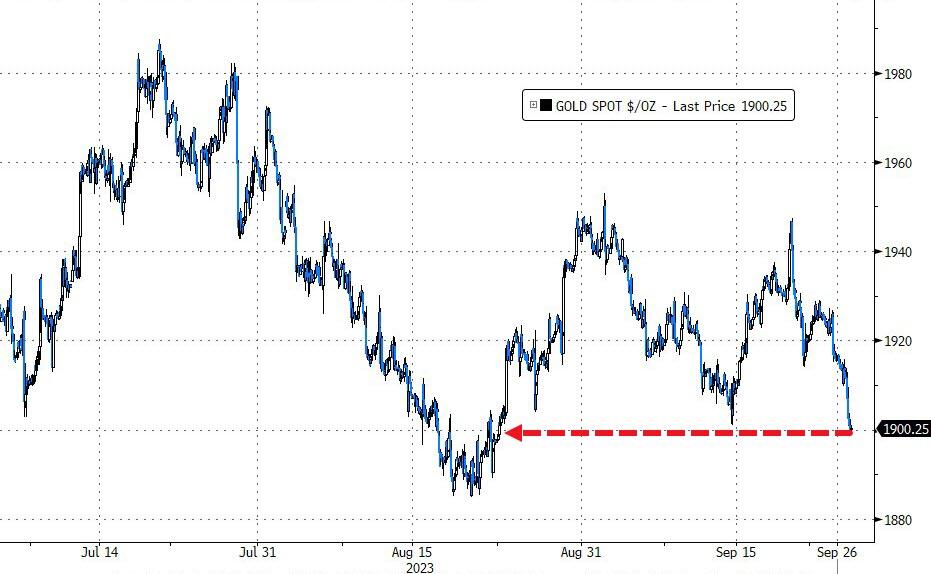
And as the dollar rallied, so gold was clubbed like a baby seal with spot prices testing back below $1900..

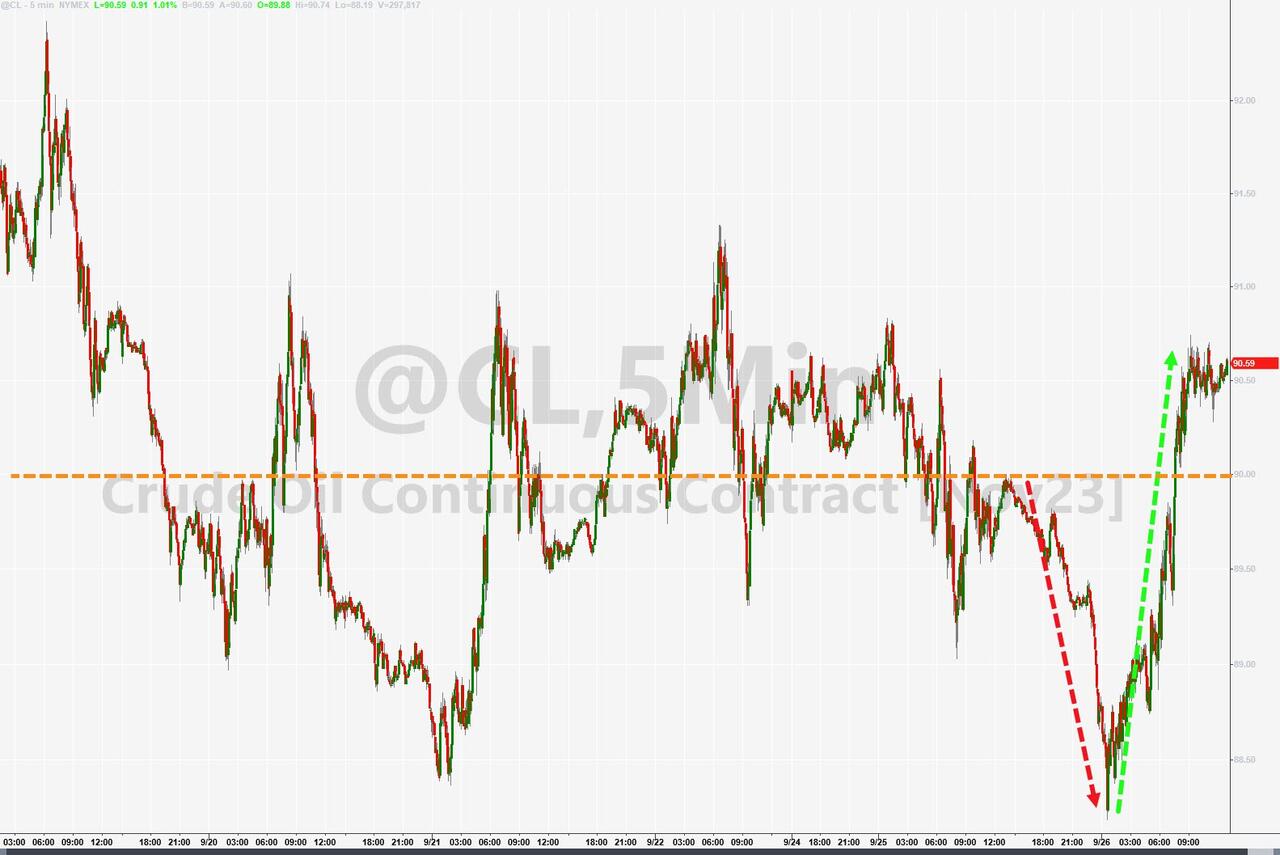
Oil ended the day higher, back above $90 (despite the strong dollar) bouncing back hard from an overnight plunge...

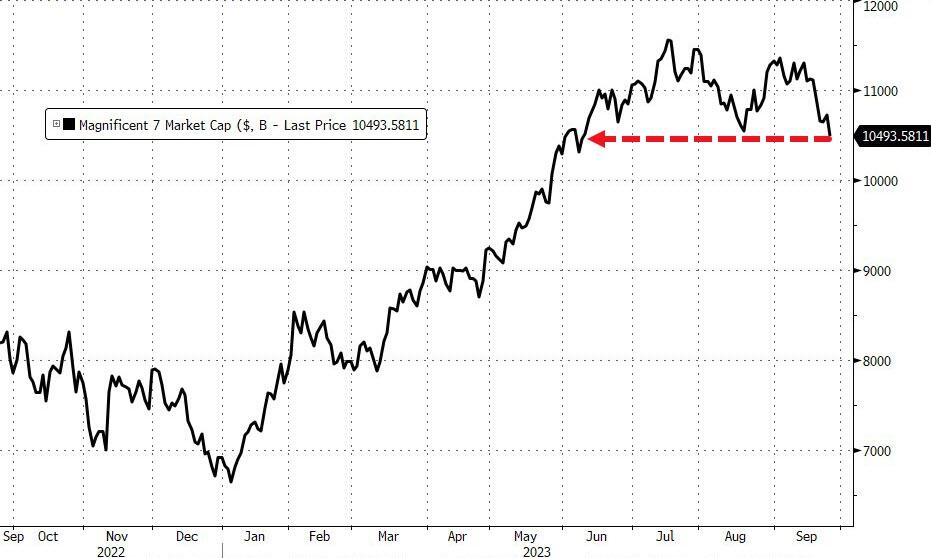
Finally, the Magnificent 7 stocks have lost over $1 trillion in market cap from their July highs falling back to near 4-month lows.

Source: Bloomberg

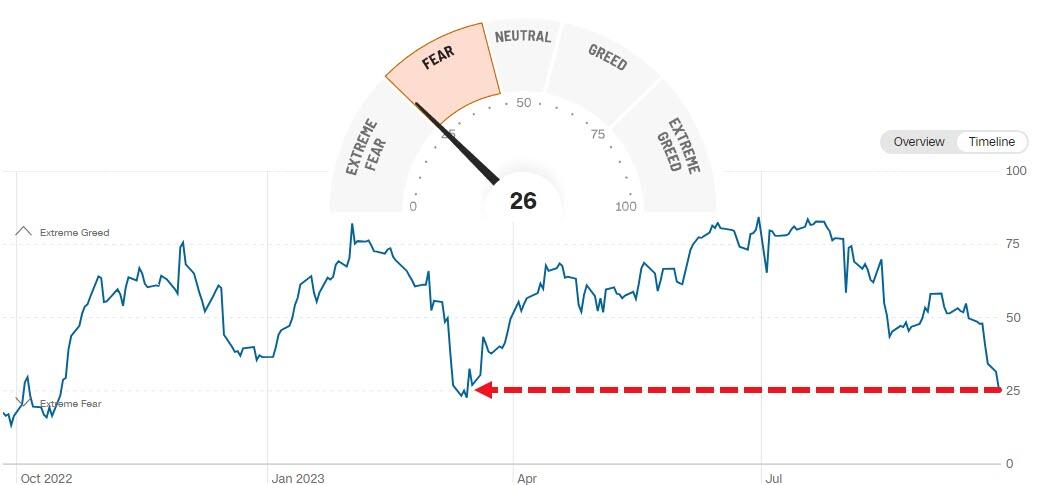
From Greed to Fear... fast!

That escalated quickly... as suddenly the markets' blinkers on consumer strength (remember Bidenomics) are ripped off.

https://www.zerohedge.com/markets/wrath-khan-wrecks-tech-downbeat-dimon-batters-bonds-bullion-banks

Diversified Healthcare to Address Near Term Capital Needs, Including Pending Debt Maturities

 B. Riley Securities Engaged as Financial Advisor

Diversified Healthcare Trust (Nasdaq: DHC) today announced changes to its Board of Trustees and executive leadership team, and other actions to address its near term capital needs, including DHC’s pending debt maturities.

Phyllis Hollis has been appointed as an Independent Trustee of the DHC Board, effective September 26, 2023. Ms. Hollis previously worked as an executive at an investment bank and has extensive experience in finance and executing capital markets transactions. Ms. Hollis will serve on DHC’s Audit Committee as well as its Compensation Committee, which she will chair.

Adam Portnoy, Chair of DHC’s Board, made the following statement:

"On behalf of the DHC Board, I am excited to welcome Phyllis as our newest Board member. Phyllis is a recognized industry veteran with substantial executive and finance experience. We look forward to drawing on her insights and perspectives as we consider alternatives to address DHC’s near term financing needs and generally oversee DHC’s path forward."

https://finance.yahoo.com/news/diversified-healthcare-trust-announces-board-201500232.html

Cardiff Positive Data in Pancreatic Cancer and Small Cell Lung Cancer

Pancreatic cancer Phase 2 trial of onvansertib + SoC in the second-line setting demonstrated greater efficacy vs. historical controls with ORR of 19% (vs. 7.7%) and mPFS of 5.0 months (vs. 3.1 months) -

Pancreatic cancer biomarker discovery trial in refractory patients demonstrated tumor biomarker response to onvansertib treatment as a single-agent -

Based on positive data from both pancreatic trials and supportive preclinical data, a first-line pancreatic investigator-initiated trial is planned to evaluate the efficacy of onvansertib + SoC -

Small Cell Lung Cancer Program

Preliminary data from small cell lung cancer Phase 2 trial in refractory patients with extensive stage disease demonstrate single-agent activity from onvansertib monotherapy -

Company will hold a conference call today at 5:00 p.m. ET/2:00 p.m. PT 

Cardiff Oncology will host a corresponding conference call and live webcast at 5:00 p.m. ET/2:00 p.m. PT on September 26, 2023. Individuals interested in listening to the live conference call may do so by using the webcast link in the "Investors" section of the company's website at www.cardiffoncology.com. A webcast replay will be available in the investor relations section on the company's website for 30 days following the completion of the call.

https://finance.yahoo.com/news/cardiff-oncology-announces-positive-clinical-200500411.html

Blue light from phones, tablets and TVs may induce early puberty: study

 Excessive screen time may be taking more from children than their attention.

For the first time, researchers in Turkey have shown that blue light exposure can speed up the onset of puberty in male rats, demonstrating a potential link between smart device screens and early childhood development.

A joint team from Gazi University and Bilkent City Hospital in Ankara presented their work at the 61st Annual European Society for Paediatric Endocrinology Meeting in The Hague, as well as published recently in Frontiers in Endocrinology.

The new findings follow their previous study on blue light exposure in female rats, where early puberty was also observed.

“For the first time, we found a direct relationship between blue light exposure and early puberty in male rats,” said lead researcher Dr. Aylin Kılınç UÄŸurlu, of Bikent City Hospital. “Our findings align with our previous work on female rats, which also showed similar effects, thereby providing a more comprehensive view of how blue light may influence puberty both male and female rats.”

Eighteen male rats, aged 21 days old, were divided evenly into three groups — two of which were assigned either six or 12 hours of blue light exposure, while a third, the control group, maintained a 12-hour light-dark cycle with no blue light exposure from devices.

Little girl looking her digital tablet at night
The same team from Turkey previously conducted a study with similar results on female rats, demonstrating a potential link between early puberty and excessive screen time in both young boys and girls.
Getty Images
Researchers saw the first signs of puberty “significantly earlier” in male rats exposed to blue light, compared to the control group.

“I want to emphasize that this is a rat study and direct results cannot be interpreted for humans. However, we provide an experimental foundation to further investigate the health consequences of ever-increasing screen time in modern society,” UÄŸurlu noted in a news release.

The researchers hope to continue the current study on blue light exposure in rats to better “understand its long-term effects on reproductive organ damage and fertility,” UÄŸurlu said. “Ultimately, this research could lead to preventative measures and contribute to the ongoing discourse on how modern lifestyles affect physiological development and long-term health.”

In a world that revolves around access to smart devices, experts have become increasingly concerned about the effects of this now ubiquitous technology — especially the impact on youth.

Blue light is already well-known to disrupt the circadian rhythm by suppressing the production of the sleep hormone melatonin, thus delaying sleep onset and encouraging groggier days. For teenagers in particular a lack of sleep can manifest as academic struggles and more emotional troubles. The results suggest that young people need more routine and intervention strategies surrounding the use of smart devices.

https://nypost.com/2023/09/25/blue-light-from-phones-tablets-may-induce-early-puberty-study/