Search This Blog

Friday, June 6, 2025

Tuition bill For NYU Grossman School of Medicine’s three-year program is $0. Here’s why

 Spring is always a momentous time at the NYU Grossman School of Medicine, as we honor graduating medical students and celebrate a remarkable milestone—earned through years of dedication, hard work, and sacrifice. And yet, this season also reminds us that the path to a career in medicine is steep and filled with financial barriers. While 2025’s graduating class will strengthen the ranks of the profession, America’s need for doctors remains pressing.

One significant challenge in the American healthcare system is the heavy debt burden medical school graduates face, which deters many potential doctors from entering the field. Beyond debt, prospective students must weigh the opportunity cost of spending four years in medical school after earning their undergraduate degrees, delaying their ability to begin working.

Bold solutions are essential to address these significant obstacles for the next generation. Over the past five years, NYU Grossman School of Medicine has worked to become an innovator in medical education. We were among the first to establish a tuition-free pathway to an MD under a streamlined but still comprehensive program that takes just three years. Several of our peers have adopted tuition-free programs of their own over the past year and we hope others will continue to innovate.

The average doctor in the U.S. leaves medical school after four years owing in excess of $200,000, and nearly one out of every four graduates has $300,000 or more in educational debt. These realities can have broader implications, with some studies showing that financial stress impacts the mental health of those caring for patients and influences their specialty career choices. Financial burdens of this magnitude cannot continue if we want to attract the best future doctors from all walks of life.

At the NYU Grossman School of Medicine, we have seen the impact of this debt firsthand. That’s why we decided it was a moral imperative to find ways to drive down debt for our medical students and get them out into the workforce and earning a paycheck sooner. For more than a decade, we have been working to address student debt.  First, by innovating and accelerating our MD curriculum to three years and then, thanks to exceptional support from Kenneth G. Langone, Board Chair of NYU Langone Health, and his wife, Elaine, as well as other donors, we were able to offer tuition-free medical education to all students.

Our tuition-free initiative was driven first and foremost by our desire to address the progressively increasing medical educational debt incurred by students across the country.  Our tuition-free model is open to all students, regardless of income, because every aspiring doctor deserves to focus on patient care, not debt. Medical education is expensive, and even students from privileged backgrounds often incur debt. By removing financial barriers, we ensure that all students can enter the field with a singular focus on becoming great doctors—regardless of their family’s financial means. Great doctors come from diverse backgrounds and are equipped to care for patients from all walks of life. Patients deserve the very best doctors, whether from poor, middle-class, or wealthy backgrounds.

We also recognize that if we are to truly lower the financial barrier to entering the medical field, we need to enable our students to become physicians after three rather than four years. That’s why we became the first nationally-ranked academic medical center to offer an accelerated three-year MD pathway. Our program allows students to earn their MD degree more quickly and at a significantly reduced cost. This means that our students save all the costs of the fourth year and start earning an additional year of salary a year earlier, all while increasing their availability to see patients at a time of physician shortage. Students of our accelerated program maintain the excellence we expect of our graduates. In fact, a recent study published by NYU Langone researchers in Academic Medicine found that our three-year MD students performed as well or better than their counterparts in four-year programs. Based on this success of the accelerated pathway, we now offer all students the possibility of graduation in three years.

We began offering this innovative three-year curriculum at the NYU Grossman School of Medicine in Manhattan in 2013 and then, in 2019, at the NYU Grossman Long Island School of Medicine, which was also launched as the first primary care-only medical school in the country. We are proud that this year, we graduated nearly 120 new doctors across our Manhattan and Long Island campuses. 

Since we began our tuition-free and three-year MD programs, we have witnessed a dramatic positive impact on the lives of our students.  The vast majority of the NYU Grossman School of Medicine three-year MD program graduates – 83% in 2024 – had no medical educational debt whatsoever, a figure far better than the national average of 37%.  For our three-year MD graduates with medical educational debt, their average medical educational debt level is a little over $52,000, a fraction of the national average of $200,000. Reducing debt allows students to pursue their ideal specialties and enter the workforce sooner, whether that be in primary care fields, specialty fields, or medical research.

Among this year’s graduates is Emily Johnson, who grew up in a Wisconsin town of fewer than 500 people. For her, NYU’s full-tuition scholarship made medical school possible. “I’m going into pediatrics, which is one of the less compensated specialties in medicine,” she recently shared, “but I feel freer to pursue it knowing I have hundreds of thousands of dollars less debt to repay.” 

Decreasing the debt and duration of medical education brings the physician workforce to patients earlier without sacrificing quality. We have the roadmap, proof of success, and examples from other forward-thinking institutions. We now call on the academic medical community to build on these innovations for the benefit of public health. It’s time to innovate medical education for all.

Dr. Abramson is Executive Vice President of NYU Langone Health and Vice Dean for Education, Faculty and Academic Affairs at the NYU Grossman School of Medicine; and Dr. Rivera is Associate Dean for Admissions and Financial Aid at NYU Grossman School of Medicine.

https://www.beckershospitalreview.com/hospital-management-administration/the-tuition-bill-for-nyu-grossman-school-of-medicines-three-year-program-is-0-heres-why/

China Grants Rare Earth Export Licenses To Top Three U.S. Automakers

 President Donald Trump held a highly anticipated 90-minute phone call with Chinese President Xi Jinping on Thursday. Trump described the conversation as "very good" and mentioned that a potential visit to China is being planned — though Beijing or Washington has not confirmed the trip.

To end the week, more positive trade news hit the wires late Friday morning in New York, as Reuters cited three sources saying that China has granted temporary export licenses to rare-earth supplies for three major U.S. automakers.

The export licenses for rare earths were granted to the three major U.S. automakers: General Motors, Ford, and Stellantis, the maker of Jeep. Sources noted:

At least some of the licenses are valid for six months, the two sources said, declining to be named because the information is not public. It was not immediately clear what quantity or items are covered by the approval or whether the move signals China is preparing to ease the rare-earths licensing process, which industry groups say is cumbersome and has created a supply bottleneck.


In April, China deployed non-tariff countermeasures against the U.S. amid the escalating trade war, including restrictions on rare earths exports and related magnets — moves that disrupted the supply chain for American companies

Readers are well aware that China controls approximately 90% of the global rare earths market and has repeatedly used this dominance as a strategic economic weapon.

In response, Western nations are ramping up efforts to boost production in allied countries to reduce supply chain vulnerabilities...

Earlier this week, a separate Reuters report said President Trump plans to use emergency powers under the Defense Production Act to bolster domestic production and processing of these metals.

The broader takeaway is clear: the U.S. must reclaim critical supply chains as the global order fractures into a bipolar state—while simultaneously accelerating the deployment of new hemispheric defense capabilities. We outlined this strategic mission for readers in a recent note titled:

It's a five-year sprint to secure critical supply chains and build out hemispheric defense infrastructure before the 2030s kick-off. This comes as the Biden-Harris regime screwed around for four years, more focused on Marxist DEI and gender nonsense than actually preparing the nation to meet the rising threat from China today and in the next decade.

https://www.zerohedge.com/commodities/china-grants-rare-earth-export-licenses-top-three-us-automakers

Trump Admin Asks Supreme Court To Allow Dismantling Of Education Department

 The Trump administration asked the Supreme Court on June 6 to allow it to resume dismantling the U.S. Department of Education, following a lower court’s previous order halting the process.

A federal district court issued an injunction last month blocking the process, directing the government to rehire some of the departmental employees who had been laid off.

“Each day this preliminary injunction remains in effect subjects the Executive Branch to judicial micromanagement of its day-to-day operations,” Solicitor General D. John Sauer said in the new emergency application.

As Matthew Vadum reports for The Epoch Times, ​​President Donald Trump campaigned on shuttering the department.

On March 20, he signed Executive Order 14242, pledging to close the agency, which he said “has entrenched the education bureaucracy and sought to convince America that Federal control over education is beneficial.”

The department “does not educate anyone” and “maintains a public relations office that includes over 80 staffers at a cost of more than $10 million per year,” the executive order states.

In a May 22 order, U.S. District Judge Myong Joun of Massachusetts ordered the government to rehire about 1,400 laid-off employees and reverse other actions aimed at downsizing the department.

Joun said that for more than 150 years, “the federal government has played a crucial role in education.” Since it was created in 1979, the department’s “role in education across the nation cannot be understated,” he added.

The agency oversees the federal student loan system, performs research for states and schools, distributes federal funds, and enforces compliance with various federal laws.

Joan said it’s clear that the Trump administration’s “true intention is to effectively dismantle the Department” without first obtaining the required congressional approval.


Patel has this response to Musk threat to expose Trump in Jeffrey Epstein files

 FBI Director Kash Patel was in the middle of a two-hour interview on the “Joe Rogan Experience” podcast Thursday when Elon Musk boldly claimed that President Trump’s presence in the Jeffrey Epstein files is why Attorney General Pam Bondi has yet to release them in full.

“I’m not participating in any of that conversation between Elon and Trump,” a surprised Patel said after learning of the shocking statement by the world’s richest man.

“Time to drop the really big bomb,” Musk,53, tweeted in the middle of a multi-hour rant against the president.

“I’m not participating in any of that conversation between Elon and Trump,” FBI Director Kash Patel stated in response to the ongoing feud between President Trump and former DOGE head Elon Musk.REUTERS

“[Donald Trump] is in the Epstein files. That’s the real reason they have not been made public. Have a nice day, DJT.”

“Jesus Christ,” Rogan said after reading out the message. “That’s a crazy thing to say. How does he know? Does he know that Donald Trump is in the Epstein files? Or does he have access to the Epstein files?”

Patel responded that he didn’t “know how he would” know anything about the contents of the Epstein files, but declined to speak further about the feud.

“I’m just staying out of the Trump-Elon thing; that’s way outside my lane,” he said. “I know my lane, and that ain’t it.”

Trump and Elon Musk’s very public break up turned ugly.AP

Earlier in the interview, Patel had discussed the pending release of surveillance video taken of Epstein’s Manhattan jail cell that proves the convicted child sex trafficker killed himself in August 2019.

Conspiracy theories have circulated since Epstein’s death, claiming that he was killed by someone afraid he would expose sex crimes of prominent figures in politics and finance whose friendship he had cultivated over several decades.

“I’m not saying every single camera in the place was working,” Patel told Rogan. “I’m saying we’ve got footage and you’re getting it, and then you can make up your own mind.”

Elon Musk’s X post alleging Donald Trump’s presence in the Epstein files.elonmusk/X

Democrats have since seized on Musk’s claim, sending Bondi and Patel a letter on Thursday requesting the complete unsealing of the investigative file into Epstein.

“We write with profound alarm at allegations that files relating to convicted sex offender Jeffrey Epstein have not been declassified and released to the American public because they personally implicate President Trump,” Reps. Robert Garcia (D-Calif.) and Rep. Stephen Lynch (D-Mass.) wrote in their letter.

“We ask that you immediately clarify whether this allegation is true and respond to this letter with the requested information and documentation.”

In February, the Justice Department released roughly 200 pages of documents related to Epstein, including his contact list, flight logs and a list of evidence the government amassed against him.

Most, if not all of the names — including the likes of Rolling Stones frontman Mick Jagger, Michael Jackson, actor Alec Baldwin, Ethel Kennedy, former New York Gov. Andrew Cuomo, supermodel Naomi Campbell and rocker Courtney Love — had been previously reported in the years of lawsuits and document leaks in the case.

Attorney General Pam Bondi has since claimed that the FBI Field Office in New York has thousands of pages worth of outstanding documents and demanded the bureau fork over that material so that she can disclose it to the public.

https://nypost.com/2025/06/06/us-news/fbi-boss-kash-patel-has-this-response-to-musk-threat-to-expose-trump-in-jeffrey-epstein-files/

Medicare Physician Gastrointestinal Procedure Pay Fell; Facility Pay Rose

 Medicare payments to physicians for common gastrointestinal procedures have declined in recent years, while reimbursement to ambulatory surgical centers and hospital outpatient departments has increased or held steady, according to a new analysis.

These trends may exacerbate concerns that current federal payment policies are favoring consolidation in healthcare, while putting more financial pressure on clinicians in small and individual practices.

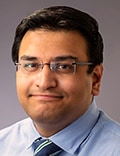
photo of Dipen Patel, MD
Dipen Patel, MD

In a recent American Journal of Gastroenterology paper, Dipen Patel, MD, of Northwestern Memorial Hospital, Chicago, and coauthors analyzed trends in Medicare reimbursement from 2018 to 2023 for colonoscopy and esophagogastroduodenoscopy (EGD) procedures. They compared changes in Medicare’s physician compensation to changes in facility reimbursements for the same procedures. The results of their analysis are summarized below.

Physician Fee Schedule (Adjusted for Inflation)

  • Colonoscopy: Reimbursement dropped 22.6%. Nominal (unadjusted): 6.12% decline.
  • EGD: Reimbursement dropped 22.7%. Nominal: 6.2% decline.

Ambulatory Surgical Centers (Adjusted for Inflation):

  • Colonoscopy: Reimbursement changed slightly (0.27% increase). Nominal (unadjusted): 21.7% increase.
  • EGD: Reimbursement rose 6.23%. Nominal: 28.9% increase.

Hospital Outpatient Departments (Adjusted for Inflation):

  • Colonoscopy: Reimbursement changed slightly (0.65% decrease). Nominal (unadjusted): 20.6% increase.
  • EGD: Reimbursement changed slightly (0.82% increase). Nominal: 22.3% increase.

The researchers examined 31 current procedural terminology codes for colonoscopy and 26 for EGD procedures.

Patel, who graduated from the University of Texas Medical Branch School of Medicine, Galveston, Texas, in 2019, said part of the motivation behind the study was to raise awareness among younger physicians who may not track Medicare policy closely.

“For my generation of physicians who are coming out of training, we don’t really know much about these trends,” Patel told Medscape Medical News. “We don’t really know what the policies are or how they are playing out.”

Other recent studies have identified similar patterns — where professional fees have declined while facility reimbursement either rose or declined to a lesser degree for common orthopedic procedures such as shoulder surgeries and knee and hip arthroplasty.

Policy Ripple Effects

Patel and coauthors noted that Medicare has significant influence over US healthcare. It’s the largest purchaser of healthcare services, with total annual spending exceeding $1 trillion. Commercial insurers also factor in Medicare’s payment rates while setting their own reimbursement for services.

The American Medical Association (AMA) has linked physician fee schedule cuts to a shift away from independent practice ownership. In May, the AMA released results from its biennial Physician Practice Benchmark Survey (administered with WebMD/Medscape). Among the findings:

  • An estimated 58% of physicians worked as employees in 2024, up from 42% in 2012, the survey’s first year.

Push for Inflation-based Updates 

Members of both parties of Congress have backed proposals to create automatic updates in the base rate for the Medicare physician fee schedule to reflect rising costs. For example, more than 170 members of the House supported a 2023 bipartisan bill that would have created automatic annual updates for the base rate of the physician fee schedule to keep up with inflation.

The bill sought increases that would fully reflect the Medicare Economic Index (MEI), a measure used to estimate changes in costs for clinicians in practice. That bill stalled when the 119th session of Congress began in January.

A Republican-led budget package contains a similar ─ but more limited ─ proposal. It would increase the Medicare physician fee schedule’s base rate, but by less than the full expected gain in inflation.

The House-passed version of this bill would create an initial annual bump equal to 75% of the expected MEI change, with subsequent annual increases would be 10% of that index.

The Senate will work this month on the budget package, known as a reconciliation bill, likely making changes to the House-passed measure.

In a May letter to top House officials. AMA described the House’s MEI proposal as “a foundational step toward comprehensive Medicare physician payment reform in the 119th Congress,” meaning the current session which ends in January 2027.

Consolidations and Consequences

Gary Young, PhD, director of the Northeastern University Center for Health Policy and Healthcare Research, told Medscape Medical News that debates about consolidation in healthcare have persisted for decades.

“As far back as the 1970s, some people advocated for uniting hospitals and physician practices, seeing this as a way to reduce fragmentation and create more efficient care,” said Young, who has studied both Medicare’s variation in pay for services and the effect on patients of hospital acquisition of practices.

“There are people who say they never really understood why hospitals and physicians were separate to begin with,” Young said. “Others really lament the idea that the independent physician sector may go away. They ask: ‘Do we really want all of our physicians to be under the control of healthcare systems and corporate entities?’” 

Young also noted that in many cases, physicians initiate buyout discussions with healthcare systems due to financial pressures.

“Many physician practices are struggling, and they approach hospitals sort of as a white knight,” he said.

The American Hospital Association (AHA) has made a similar argument, telling lawmakers that its members have offered “a lifeline” to struggling physician practices ─ especially in rural areas.

Last year, the AHA submitted ideas for aiding physicians to the health panel of the Ways and Means Committee. The Ways and Means health committee held a May hearing titled “The Collapse of Private Practice: Examining the Challenges Facing Independent Medicine.”

The AHA recommended:

  • Increasing physician reimbursement through the Medicare fee schedule
  • Reducing insurer-imposed administrative burdens, such as prior authorization.
  • Examining the growing role of commercial health conglomerates, in acquiring physician practices.

“While a disproportionate amount of attention has been placed on hospitals’ acquisition of physician practices, the reality is that large commercial insurers including CVS Health and UnitedHealth Group have recently spent billions of dollars to acquire physician practices,” AHA said in its statement.

Patel and coauthors have disclosed no relevant financial relationships.

https://www.medscape.com/viewarticle/medicare-physician-gastrointestinal-procedure-pay-fell-2025a1000fav

Experimental MS Drug Nearly Eliminates Disease Activity

 Frexalimab (Sanofi), a second-generation anti-CD40 ligand monoclonal antibody provides extended tight control of multiple sclerosis (MS) whether measured by relapse or brain imaging at 2-year follow-up, results of an open-label extension (OLE) of a phase 2 trial showed.

“At week 96, there was almost complete suppression of new gadolinium-enhancing lesions with very similar pattern seen with new or enhancing T2 lesions,” said study investigator Stephen Krieger, MD, professor of neurology, Icahn School of Medicine at Mount Sinai, New York City.

Two phase 3 international studies with this drug are already enrolling.

“Part of the interest in frexalimab and anti-CD40 therapies is the idea that one can modulate both B- and T-cell activity without cell depletion,” explained Krieger, who presented the long-term open-label data on May 29 at the Consortium of Multiple Sclerosis Centers (CMSC) 2025 Annual Meeting.

Near Complete Disease Suppression

The latest data suggest frexalimab is fulfilling its promise. Over follow-up to date, there has been nearly complete suppression of gadolinium-enhancing (Gd+) lesions on MRI among those taking the dose now being tested in the phase 3 trials. At 2 years, with an annualized relapse rate of 0.08%, 92% of patients were relapse-free.

The randomized portion of this phase 2 trial attracted attention when it was published a year ago in The New England Journal of Medicine, but the 2-year results showed that the efficacy and safety observed at 12 weeks persist.

In the controlled trial, 129 patients with relapsing MS were randomized to 300-mg, 400-mg, 600-mg, or 1200-mg frexalimab or matching placebos. Suppression of Gd+ lesions was the primary endpoint.

At 12 weeks, the adjusted mean of new Gd+ lesions was 1.4 in the combined placebo groups but 0.3 in the 300-mg frexalimab group and 0.2 in the 1200-mg group.

Of those who participated in the randomized portion of the phase 2 trial, 97% continued into the long-term OLE. The OLE consisted of two arms: 1200-mg frexalimab administered intravenously every 4 weeks or 300-mg frexalimab administered subcutaneously every 2 weeks.

At the end of 2 years, when 82% of those enrolled in the OLE were still on medication, the adjusted mean for new T1-weighted Gd+ lesions ranged from 0.1 to 0.3 across study arms whether on continuous frexalimab or switched from placebo to frexalimab. 

For those who were initiated on the 1200-mg dose in the controlled portion of the trial and remained on this dose for the OLE, the mean was 0.1.

For the secondary endpoint of new or enlarging T2 lesions, the suppression at 2 years was almost the same. Again, the adjusted mean for new lesions across all arms ranged from 0.1 to 0.3. For those receiving the 1200-mg dose, the mean was 0.2.

Mean T2 lesion volume increased in the placebo arm but not in the treatment arms during the randomized phase. After entering the OLE, T2 lesion volume fell in placebo patients now on active therapy.

In the 1200-mg arm, the fall in lesion volume during the randomized phase continued into the first 24 weeks of the OLE. After 24 weeks, the lesion volume remained suppressed with no return toward baseline. Those initiated on placebo never caught up after switching to frexalimab.

Relapse Rare — 2% at 96 Weeks

On the 1200-mg dose of frexalimab, only 8% had any relapse recorded over the extended follow-up. In half, there was a single relapse. Only 2% had three or more relapses.

While the Expanded Disability Status Scale score declined slightly among placebo patients once started on active therapy, there was no change from baseline through 96 weeks in patients started on any active therapy.

As postulated by earlier preclinical and clinical studies, frexalimab had no effect on lymphocyte counts over time. Over the 96-week follow-up, levels of immunoglobulins remained unchanged, according to Krieger who showed graphs with straight lines for these values over the course of the OLE.

Due to the potential of suppressing activation of both T and B cells over time, anti-CD40 therapies have long been considered a promising mechanism for control of MS. However, clinical development of first-generation drugs was abandoned because of an association with thromboembolism.

“Frexalimab has been engineered to avoid these events through a change in the Fc receptors with reduces downstream inflammatory events,” said Krieger.

The long-term data support this premise. Over 2 years, there was one pulmonary embolism, but this exception was observed in a patient with a viral illness and a genetic predisposition for an inflammatory response, according to Krieger.

When surveying other adverse events, “nothing jumps out” in the OLE relative to the randomized phase. One potential exception is a rise in liver function tests observed in two (4%) patients on the 1200-mg dose. Only one of these patients discontinued therapy, and the levels returned to normal over time in both.

The effects of the anti-CD40 mechanism on both the adaptive and innate immune systems suggest frexalimab might offer efficacy for both progressive and relapsing MS. In the ongoing phase 3 program, one of the trials (FREXALT) is enrolling patients with relapsing MS. The other (FREVIVA) is enrolling patients with progressive disease.

Fulfilling its Promise

Commenting on the results, Amit Bar-Or, MD, Chief of the Multiple Sclerosis Division, the Department of Neurology, University of Pennsylvania Perelman School of Medicine, Philadelphia, described frexalimab as “a very interesting drug.”

He agreed that the CD40 ligand is a promising target in MS but cautioned that these phase 2 data cannot answer the most interesting questions.

This includes the more robust evidence of safety and efficacy from phase 3 trials, but it remains unclear whether the benefits extend beyond controlling relapsing disease. 

“I think there is particular interest in whether it will also show extended benefit in progressive MS, and this will be a major focus of interest from the next set of studies,” Bar-Or said.

Krieger reported having financial ties with various organizations, including TG Therapeutics and Sanofi, which provided funding for the phase 2 frexalimab trial and open-label extension. Bar-Or reported having financial relationships with 20 pharmaceutical or device companies, including Sanofi, although he was not a co-author of the research Krieger presented.

https://www.medscape.com/viewarticle/experimental-ms-drug-nearly-eliminates-disease-activity-2025a1000f9u