Search This Blog

Wednesday, July 2, 2025

Regeneron, in catch up with J&J, Pfizer, wins FDA approval for Lynozyfic in multiple myeloma

 Another BCMA-targeted agent has arrived for the treatment of multiple myeloma.

The new option, Regeneron’s linvoseltamab, has won an FDA approval for treating myeloma patients who have received at least four prior lines of therapy. The company had also requested clearance in some refractory patients who tried three prior lines of therapy, but that population was not included in the drug’s FDA label.

Branded as Lynozyfic, the drug joins two fellow BCMAxCD3 bispecific antibodies, namely Johnson & Johnson’s Tecvayli and Pfizer’s Elrexfio, as well as J&J’s GPRC5DxCD3 T-cell engager Talvey, in the late-line myeloma treatment armamentarium.

Being a latecomer came with some advantages, Andres Sirulnik, M.D., Ph.D., SVP and hematology clinical development unit head at Regeneron, said in a recent interview with Fierce Pharma. Regeneron did a thorough dose-finding process to strike the best efficacy-safety balance as the company learned from evolving data from its competitors, he said.

Regeneron designed its phase 1/2 Linker-MM1 trial with unique dosing regimens. For the higher 200 mg dose of Lynozyfic, patients are allowed to transition to a once-monthly dosing frequency after achieving at least a very good partial response following completion of 24 weeks of therapy.

In contrast, J&J’s Tecvayli can be given on a biweekly basis in patients who have achieved and maintained a complete response or better for at least six months. Elrexfio also boasts a biweekly dosing schedule for responders from week 25 onward.

Results from the linvoseltamab Linker-MM1 study suggest that most patients can achieve the necessary response status to switch to fewer doses. Among 80 patients treated with 200 mg Lynozyfic and who matched the FDA indication, 70% recorded a response, including 64% with at least a very good partial response and 45% a complete response or better. This group of patients had tried a median five prior lines of therapy.

By comparison, Tecvayli’s label shows a 68% overall response rate from the MajesTEC-1 trial, including 63% with a very good partial response or better and 31% a complete response or better. Those numbers were 56%, 50% and 25%, respectively, for Pfizer's Elrexfio in pretreated, BCMA-naïve patients enrolled in the MagnetisMM-3 trial.

And Lynozyfic’s trial participants had a higher tumor burden compared with other competitor studies, Sirulnik noted.

For T-cell engagers, the immune side effect cytokine release syndrome is a known problem. CRS occurred in 46% of 117 patients treated with Lynozyfic at 200 mg in Linker-MM1. Except for one (1%) grade 3 event, all the other cases were grade 1 or 2.

The rates of CRS were higher, at 72% for Tecvayli and 58% for Elrexfio, in the two drugs’ respective trials. In both cases, CRS events were predominantly grade 1 or 2, with fewer than 1% reaching grade 3.

Nevertheless, the FDA has put CRS and neurotoxicity as black box warning items on the labels of all three T-cell engagers, requiring that patients be hospitalized following certain initial step-up doses due to the risks.

Infections represent another major safety concern shared among BCMA bispecifics. In Regeneron’s Linker-MM1 trial, investigators recorded 38% of grade 3 or 4 infections, plus 4% fatal infections. 

Sirulnik argued that it would be difficult to tease out the effect of treatment on infections in patients with heavily pretreated myeloma given that they already have compromised immune systems because of the cancer. The frequency and severity of infections decreased dramatically beyond the initial six months of treatment in the Linker-MM1 study, potentially suggesting that improvements in patients' health could be at play, he said. Still, the hypothesis needs to be validated in a randomized clinical trial, the Regeneron exec stressed.

On that note, Regeneron is conducting the phase 3 Linker-MM3 trial, pitting Lynozyfic against a combination of Bristol Myers Squibb’s Empliciti and Pomalyst with dexamethasone in myeloma patients who have tried one to four prior treatments. The study is fully enrolled, and its results could serve as confirmatory evidence for Lynozyfic’s current accelerated approval.

Lynozyfic’s approval came later than expected after Regeneron’s original application was knocked back by the FDA last year over issues at a contract manufacturer. While the drug was delayed in the U.S., the European Commission approved it in April.

Outside of cancer, Regeneron is in the early stage of testing linvoseltamab together with its Sanofi-partnered blockbuster Dupixent to treat severe food allergies.

Interest has also grown in the industry to direct BCMA T-cell engagers against autoimmune diseases after a 2024 study reported a drug-free complete remission following treatment with Tecvayli in a patient with aggressive refractory systemic lupus erythematosus.

“We have plans, and you’re going to hear about it soon,” Sirulnik said when asked about Regeneron’s plan for studying linvoseltamab in autoimmune disorders.

Meanwhile, another Regeneron bispecific, the CD20xCD3 antibody odronextamab, is taking its own second shot at an FDA approval in previously treated follicular lymphoma (FL). In a pair of high-profile rejections last year, the FDA snubbed the drug in FL and diffuse large B-cell lymphoma (DLBCL) over the progress of phase 3 confirmatory trials.

While awaiting an FDA decision in FL, Regeneron is “contemplating the possibility” of reapplying for accelerated approval in DLBCL, Sirulnik noted, as Roche’s bid to get its own CD20xCD3 bispecific Columvi approved in second-line DLBCL appeared to have hit a setback. If Columvi were to win a full approval based on the phase 3 Starglo trial, the door to an accelerated nod would be closed for odronextamab.

https://www.fiercepharma.com/pharma/regeneron-playing-catch-jj-and-pfizer-wins-fda-approval-lynozyfic-multiple-myeloma

Abeona Therapeutics Closes Sale of Rare Pediatric Disease Priority Review Voucher for $155 M


Abeona Therapeutics (Nasdaq: ABEO) has completed the sale of its Rare Pediatric Disease Priority Review Voucher (PRV) for $155 million on June 27, 2025. The company's cash position, including PRV proceeds, reached approximately $225 million as of June 30, 2025.

The PRV was awarded by the FDA in April 2025 following the approval of ZEVASKYN™, the first FDA-approved autologous cell-based gene therapy for treating wounds in patients with recessive dystrophic epidermolysis bullosa. The company expects to begin patient treatments with ZEVASKYN in Q3 2025 and projects profitability by early 2026.

Ardelyx stock spike attributed to Xphozah update

 Ardelyx (ARDX) stock rises as Jefferies pointed to a legal update related to the company's court case over Medicare coverage for its kidney med Xphozah.

https://seekingalpha.com/news/4465019-ardelyx-stock-spike-attributed-xphozah-update

Not Just EPA: Despite Warnings, Biden Energy Dept Disbursed $42 B In Its Final Hours

 by James Varney via RealClearInvestigations,

In its last two working days, the Biden administration’s Energy Department signed off on nearly $42 billion for green energy projects – a sum that exceeded the total amount its Loan Programs Office (LPO) had put out in the past decade.
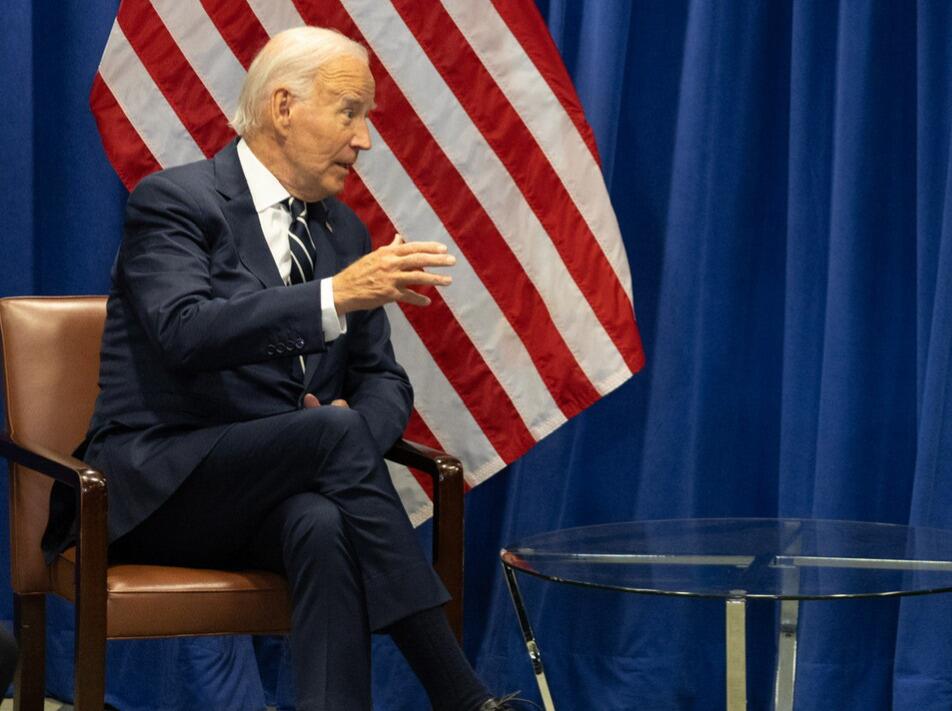
The frenzied activity on Jan. 16 and 17, 2025, capped a spending binge that saw the LPO approve at least $93 billion in current and future disbursements after Vice President Kamala Harris lost the 2024 election in November, according to documents provided by the department to RealClearInvestigations. It appears that Biden officials were rushing to deploy billions in approved funding in anticipation that the incoming Trump administration would seek to redirect uncommitted money away from clean energy projects.

The agreements were made despite a warning from the department’s inspector general, urging the loan office to suspend operations in December over concerns that post-election loans could present conflicts of interest. 

In just a few months, some of the deals have already become dicey, leading to fears that the Biden administration has created multiple Solyndras, the green energy company that went bankrupt after the Obama administration gave it $570 million. These deals include:

  • Sunnova, a rooftop solar outfit that thus far had $382 million of its $3.3 billion loan guaranteed, filed for bankruptcy this month. The company did not respond to a request for comment.
  • Li-Cycle, a battery recycling facility, had a $445 million loan approved in November, but since then, the company was put up for sale and has filed for bankruptcy. The Energy Department said no money has been disbursed on that deal. Li-Cycle did not respond to a request for comment.
  • A $705 million loan was approved on Jan. 17 for Zum Energy, an electric school bus company in California, and its “Project Marigold.” At $350,000 and more, electric school buses currently cost more than twice as much as their diesel counterparts. So far, Zum has received $21.7 million from the government, according to usaspending.gov. The company did not respond to a request for comment.
  • A $9.63 billion Blue Oval SK loan on Jan. 16 was the second largest post-election deal, topped only by a $15 billion loan the next day to Pacific Gas & Electric, with most of that for renewables. The Blue Oval project in Kentucky – a joint venture between Ford Motor Co. and a South Korean entity – has been dealing with numerous workplace complaints, and construction of a second EV battery manufacturing plant there has been delayed. More than $7 billion has been obligated on that deal, according to the Energy Department. Blue Oval did not respond to a request for comment.

The money and the hasty way in which it was earmarked have drawn the attention of the Trump administration. “It is extremely concerning how many dozens of billions of dollars were rushed out the door without proper due diligence in the final days of the Biden administration,” Energy Secretary Chris Wright said in a statement to RCI. “DOE is undertaking a thorough review of financial assistance that identifies waste of taxpayer dollars.”

The enormous sums came from the 2022 Inflation Reduction Act, which injected $400 billion into the LPO, a previously sleepy Energy Department branch originally intended to spur nuclear energy projects. That total represented more than 10 times the amount the LPO had ever committed in any fiscal year of its existence. Prior to the post-election blowout, the office’s biggest fiscal year was 2024, when it committed $34.8 billion, records show.

Even with the rush to push billions out the door in its last months, close to $300 billion of the Inflation Reduction Act money remains uncommitted by the LPO. Trump administration officials have already nixed some smaller deals. Secretary Wright recently urged Congress to keep the money in place as the LPO now aims to use it to further the Trump administration’s energy policy, particularly with nuclear projects.

That unprecedented gusher of cash from the LPO echoes the efforts of the Biden administration’s Environmental Protection Agency to push $20 billion out the door before it left office. As RCI has previously reported, the EPA – which had never been a consequential grant-making operation – was tasked with awarding $27 billion in Inflation Reduction Act funding through the Greenhouse Gas Reduction Fund and Solar For All programs. It did so in less than six months in 2024, including an unorthodox arrangement in which Biden officials parked some $20 billion outside the Treasury’s control. That money was earmarked for a handful of nonprofits, some of which had skimpy assets and were linked with politically connected directors.

The LPO’s post-election bonanza was put together in even less time. The Energy Department deals, however, involve mostly for-profit enterprises, which raises questions about whether the Biden administration was propping up companies that would not have survived in the private marketplace. Should any of the companies hit it big in the future, shareholders could get rich, while taxpayers will receive only the interest on the loan.

The loan office should not be in the virtual venture business,” said Mark Mills, executive director of the National Center on Energy Analytics. “But in a few cases, it could make sense to serve as a catalyst or backstop for viable and important projects from a national security or policy perspective.”

RCI spoke with several Trump administration officials who declined to comment on the record, given the extensive ongoing review of both the LPO’s post-election arrangements and other Energy Department projects linked to Biden’s climate agenda.

They wanted to get the billions to companies that probably wouldn’t exist unless they could get money from the government,” one current official said. “The business plans, such as they were, were ‘how do we secure capital from the government?’”

During Biden’s tenure, the office was run by Jigar Shah, who on June 17 was named to the board of directors of the nonprofit Center for Sustainable Energy. Bloomberg News reported last month that Shah “helped select roughly 400 companies with development plans to receive grants and loans upwards of $100 million each.” In response to the Trump administration’s pushback on green subsidies, Bloomberg reported that Shah is working to help some of the companies he bankrolled shift operations to Europe.

The Center relies chiefly on government contracts instead of donations, and it saw that revenue jump from $274.1 million in 2023 to more than $500 million in 2024, according to tax records. The center did not respond to a request to speak with Shah.

Thus far, no entity has received the entire amount of the deals the Biden administration struck since last November, according to the Energy Department and usaspending.gov. In a handful of cases, companies have come to the current administration and opted out of the deals.

Still, millions of taxpayer dollars have already been distributed, in some instances, to deals the department listed as “conditional commitments.”  Wright has said there are “reasons to be worried and suspicious” about the post-election binge, and vowed some of the deals will be scrubbed. 

In 2023, the Biden administration made subtle changes to the LPO’s regulations, cutting strings and stipulations that traditionally attach to loans. Consequently, the office cut deals after the election on terms more favorable to the recipient than the taxpayer, and in several cases, making a “conditional commitment” the same as a loan, according to Trump officials. The changes also moved money that a later administration could have cut into “obligated” silos, making the deals harder to cancel, according to the current Energy Department.

Essentially, they had the Loan Program Office operating like a graveyard energy venture capital fund,” one Trump official told RCI. “This was all tied to the religious fervor for any green energy project in the prior administration, and the goal was not to get the government repaid but to advance the ‘green new deal.’”

The $93 billion under review represents a separate “green bank” from smaller Biden administration deals that the Energy Department has already canceled. Last month, the Government Accounting Office said the department was not on track to “issue loans and guarantees before billions of dollars of new funding expires.”

As part of the review, Wright issued policy guidelines in May that he said offer more protection to taxpayers. The department may now require significantly more information from loan recipients and applicants, such as “a project’s financial health, a project’s technological and engineering viability, market conditions, compliance with award terms and conditions and compliance with legal requirements, including those related to national security.”

The department declined to provide the terms of specific deals, again citing the ongoing review. Trump administration officials claim the business plans for many of these deals were threadbare, that term sheets were essentially tossed out, and the entire process could be described, in the words of a Biden EPA official in December, as “throwing gold bars” off the Titanic “as an insurance policy against Trump winning.”

Despite these dubious outcomes and the alleged removal of taxpayer protections that accompanied the deals, Trump administration officials said they remain committed to the LPO. The office has a valuable role to play in fulfilling energy policy goals, which include nuclear projects, strengthening the nation’s power grid, and limiting the U.S. reliance on Chinese supply chains for key minerals and elements.

“It’s as if you went away and the kids threw a rager in the house,” one official told RCI. “You may need some new furniture and the like, but it’s still a really nice home. The Office can be a critical resource for the manufacturing base of this country, and our goal is not to end the LPO but to improve it.”

The Trump administration could face some of the same financial issues if it rejiggers the LPO along lines that support its energy policy goals, particularly within the nuclear industry. Projects there have been marred by unprofitable plants and massive cost overruns and delays in construction, making federal loans to the section inherently risky. 

Prominent voices – and investors –  like Bill Gates have also encouraged the government to back new sources of energy and minerals. Geothermal projects are one such field, and there appears to be bipartisan support in Washington for capital that will shore up U.S. energy independence. On Jan. 15, the Biden administration approved a $1.2 billion “conditional commitment” with a subsidiary of EnergySource Minerals LLC (ESM), which hopes to extract lithium from geothermal brine.

A deal with ioneer Ltd. appears to match some of the professed goals of the Trump administration, but it has also been plagued by financial setbacks since Biden’s LPO approved it in its final days. The company's deal grew from an original $700 million "conditional commitment" in 2023, to the $996 million approved on Jan. 17, 2025."

The Rhyolite Ridge project is a mining and manufacturing center in Nevada to produce lithium and boron. Those elements have implications for defense and national security in addition to energy, according to ioneer Vice President Chad Yeftich. 

“Ioneer believes government policy should encourage projects if we want critical minerals developed domestically,” Yeftich said. “Time is the key risk for development as China continues to provide financial support to its critical minerals industry and dump critical minerals into the market thereby depressing the price.”

Yeftich noted Rhyolite Ridge has secured $200 million in private capital, but in February, its chief private equity partner broke ties with the project. Finance professionals familiar with big deals told RCI that such a rupture so close in timing to the loan would likely deep-six the arrangement, but Trump officials said Biden’s LPO stripped such boilerplate language from many of the post-election deals. 

Secretary Wright told RCI that these maneuvers suggested the previous administration was more interested in disbursing funds than protecting taxpayers. “Any reputable business would have a process in place for evaluating spending and investments before money goes out the door, and the American people deserve no less from their federal government.”

https://www.zerohedge.com/political/not-just-epa-despite-warnings-bidens-energy-department-disbursed-42-billion-its-final

Centene Crashes Most On Record, Sparks Selloff In Managed Care Stocks

 Update (1100ET):

Centene, one of the largest health insurers in the U.S., crashed in early trading in New York after withdrawing its 2025 guidance, citing new data from an independent actuarial firm that revealed weaker-than-expected trends in its Affordable Care Act marketplaces and mounting Medicaid costs.

Shares in New York crashed as much as 40% by 10:30 a.m. ET—marking the largest single-day decline in the stock's history. Centene first traded in its initial public offering on December 13, 2001, at $14 per share.

Roundtrip.

Latest analyst ratings via Bloomberg data.

Who owns the most of Centene stock?

Centene's shockwave sparked selling across the healthcare sector. 

*  *  * 


Centene shares crashed in premarket trading after the health insurer withdrew its 2025 guidance due to weaker-than-expected trends in the Affordable Care Act Marketplace and ongoing Medicaid cost pressures. The health insurer warned of a $1.8 billion earnings headwind, prompting downgrades from Wall Street

Centene, one of the largest health insurers in the U.S., disclosed on Tuesday evening new data from an independent actuarial firm, Wakely, covering about 72% of its ACA Marketplace membership, revealed significantly worse-than-expected results.

Wakely's data reveals:

  • Lower-than-expected market growth and

  • Much higher aggregate morbidity than Centene had assumed for its risk adjustment revenue.

As a result, Centene now preliminarily estimates a $1.8 billion reduction in its net risk adjustment revenue for 2025, translating into a $2.75 hit to adjusted diluted EPS. According to FactSet data, Wall Street analysts had expected full-year adjusted earnings of around $7.28 a share. 

"The Company does not have information or estimates for its remaining seven Marketplace states, but anticipates, due to the morbidity trends observed in the 22 states, an additional reduction to its net risk adjustment revenue transfer expectation with a corresponding adjusted diluted EPS impact," Centene stated in a press release.

Another industry bellwether, UnitedHealth, recently slashed its full-year guidance and replaced its chief executive. Higher-than-expected medical costs have sparked broader concerns across the entire insurance sector.

Analysts were full of gloom, with UBS cutting its rating on Centene to neutral, citing significantly weaker near-term earnings.

Here are first takes from Wall Street (courtesy of Bloomberg):

UBS (neutral)

  • UBS cuts Centene to neutral from buy immediately following the withdrawn guidance; broker now sees 2025/2026 EPS at $3.25, representing a 55% decline

  • "With the unexpected risk adjustment results in Marketplace and persistent Medicaid cost trends, the company's risk near term earnings has been significantly reduced"

JPMorgan (neutral)

  • Analyst John Stansel cuts to neutral from overweight following news; says new price target of $48 from €75 reflects estimated ACA headwinds as well as "incremental" Medicaid pressure, "assuming that CNC is able to reprice at least a portion of its book into 2026"

  • Says any information on Centene's approach to the ACA Marketplace in 2026 and recent regulatory changes will be key when company reports earnings on July 25

Barclays (equalweight)

  • Analyst Andrew Mok calls ACA update "materially negative;" says it comes after recently-received industry data that showed Centene's cited membership growth was lower than expected, "likely driven by integrity rules"

  • Adds that implied morbidity was "significantly higher" than Centene's expectations, driving an earnings headwind of as much as $1.8 billion for 2025, representing a $2.75 EPS impact

Jefferies (hold)

  • Analyst David Windley says Centene's move confirms Jefferies fears that the prior-year 2025 risk pool is "deteriorating and plans have mispriced the risk pool" with firms assuming healthy growth

  • "Investors should remember that CNC's risk adjustment is moving unfavorably because others' books are feeling claims pressure," Windley flags

Centene shares plunged as much as 27% in premarket trading in New York, hitting levels last seen in 2017. As of Tuesday's close, the stock was down roughly 6.5% year-to-date.

. . .

Is Rand Paul About To Finally Nail Fauci?

 by Steve Watson via Modernity.news,

GOP Senator Rand Paul announced Monday that he intends to subpoena Anthony Fauci to testify regarding his role in the development of COVID-19. 

Ironically, because Fauci accepted a ‘pardon’ from Joe Biden’s autopen, it means he cannot invoke the Fifth Amendment.

This opens up the possibility of perjury charges should Fauci withhold the truth while under oath.

Appearing on Fox News, Paul explained “I’ve been trying for over three years to get non-classified records about the decision to fund the research in Wuhan, and it’s been denied.”

“But I can tell you under Secretary Kennedy, under Jay Bhattacharya, the records are beginning to flow,” Paul added.

“And what we’re discovering is yes they did debate whether or not it was gain of function,” Paul continued, referring to communications between Fauci and his cohorts.

“Fauci is going to need come back in,” Paul urged, noting “There will be an interview either voluntarily or involuntarily.”

Paul clearly has more chance of bringing Fauci to justice now RFK Jr. is in office.

Kennedy himself has made it clear he believes Fauci is directly liable for creating COVID and causing the pandemic.

Fauci has a lot to answer for.


https://www.zerohedge.com/political/rand-paul-about-finally-nail-fauci

Trump Announces Trade Deal With Vietnam; Includes 20% Tariffs, 40% Tax On Transshipping

 With just one week left until the July 9 trade deal deadline, which some suspect could have a similar adverse impact on markets as the first Liberation Day - even if stocks are completely oblivious to the risk - moments ago Trump gave a stark reminder just how high the trade stakes are when he announced that the US has made a trade deal with Vietnam.

According to the terms, Vietnam will pay the United States:

  • 20% Tariff on any and all goods sent into our Territory,
  • 40% Tariff on any Transshipping, which is squarely aimed at China which uses Vietnam as a reshipment/tolling hub.  
  • Of the two, one can argue that the transshipment clause is more important because in recent weeks China had threatened that any country that makes a deal with the US at its expense would make it very angry. Which means that Xi is now terribly vexed. 


In any case, in return for the tariffs, Trump said that "Vietnam will do something that they have never done before, give the United States of America TOTAL ACCESS to their Markets for Trade. In other words, they will “OPEN THEIR MARKET TO THE UNITED STATES,” meaning that, we will be able to sell our product into Vietnam at ZERO Tariff."

Which is hardly a big deal, since the US barely exports to Vietnam.

what does matter is that a deal has been struck however, and now many other Asian countries will scramble to do the same, even if it is at terms that antagonize China (like in this case). Amusingly,  Trump said that as a result of the deal, US SUVs will be a "wonderful addition" to various product lines within Vietnam.

It is my opinion that the SUV or, as it is sometimes referred to, Large Engine Vehicle, which does so well in the United States, will be a wonderful addition to the various product lines within Vietnam. Dealing with General Secretary To Lam, which I did personally, was an absolute pleasure. 

While stocks initially dipped on seeing the 20% print, they have since rebounded and recovered all losses, and trade at session highs, as algos remain completely oblivious that behind the scenes, huge tension is once again building up between the US and China, which is negotiating deals that Beijing will view as offensive, making the odds of an actual trade deal with Beijing much lower than most expect. 

https://www.zerohedge.com/markets/trump-announces-trade-deal-vietnam-includes-20-tariffs-40-tax-transshipping