Search This Blog

Tuesday, December 10, 2019

Cigna in talks to sell non-health benefits unit to New York Life

New York Life Insurance is in negotiations to buy a unit from Cigna (CI -3%) that sells non-medical insurance products to employers in a deal that could be valued at as much as $6B, WSJ reports.
Potential buyers including MetLife (MET -0.6%) and Sun Life Financial (SLF +1%) also are vying for company, but New York Life recently emerged as the leading contender, according to the report, which says Cigna hopes to reach a deal by year-end.
Cigna is said to have been seeking a buyer for its business that sells life, accident and disability income insurance to employers for their workers, a move that would help the company focus on its core business.

Evolent Health up 11% on renewed hopes with Kentucky Medicaid contract

Evolent Health (EVH +11.3%) jumps on almost double normal volume in response to the news that the Kentucky legislature has voted against outgoing Governor Matt Bevin’s decision to award the state’s Medicaid contract to five insurers, excluding nonprofit Passport Health Plan [and Anthem (ANTM)] in favor of UnitedHealthcare (UNH +0.4%) and Molina (MOH -0.4%).
The about-face gives new life to Passport, which generates almost all of its $2B annual revenue from the state Medicaid contract, an acquisition target of Evolent’s.
Evolent shares plunged 34% in late November in response to Gov. Bevin’s action.

Newly Approved Epilepsy Drug Significantly Cuts Seizure Frequency

Adjunctive cenobamate (SK Life Science Inc) may help reduce the frequency of seizures for patients with focal epilepsy, regardless of the number of antiseizure medicines patients take or the severity or duration of their illness.
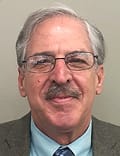
Dr William Rosenfeld
The new analysis of almost 400 patients showed that, depending on the dose, “This is one of the most promising antiepileptic drugs that we’ve ever seen,” study investigator William Rosenfeld, MD, director of the Comprehensive Epilepsy Care Center for Children and Adults, St. Louis, Missouri, and a consultant for SK Science, told Medscape Medical News.
“The number of patients who became seizure free is in the 20% range, and this has been persistent throughout the studies,” Rosenfeld added.
The findings were presented here at the American Epilepsy Society (AES) 73rd Annual Meeting 2019.

Highly Intractable Population

As reported by Medscape Medical News, cenobamate was recently approved by the US Food and Drug Administration (FDA) following the release of results from a number of safety, pharmacokinetics, and efficacy trials.
Previous results from a double-blind, placebo-controlled, dose-response study showed that cenobamate at doses of 100, 200, and 400 mg was effective for the treatment of focal seizures.
In the current post hoc analysis, the investigators assessed the effects of different baseline features, including the number of concomitant antiepileptic drugs (AEDs), baseline seizure frequency, and disease duration.
The analysis included 397 adult patients aged 18 to 70 years. The study population consisted of “very intractable patients,” said Rosenfeld.
“All subjects had to have at least four seizures per month, but they averaged about 9.5 seizures per month. Their epilepsy also had to be intractable for at least 2 years, but they actually averaged 23 years of intractability,” he added.
Approximately 80% of participants were taking two or three other AEDs, and some were taking many more, said Rosenfeld.
Patients were randomly assigned to receive placebo or 100, 200, or 400 mg of cenobamate daily. The study included a 6-week titration phase followed by a 12-week maintenance phase.

Seizure Freedom

Results showed that about 20% of the participants experienced freedom from seizures, said Rosenfeld.
Achieving freedom from seizures can make a huge difference in a patient’s day-to-day quality of life, he noted.
“I’m excited about how cenobamate can impact the lives of patients who struggle with epilepsy,” he said. There was also “a nice dose response,” said Rosenfeld. “Those most likely to get the best success were in the 200- and 400-mg groups.”
The analysis also showed that the number of concomitant AEDs made little difference to seizure frequency outcome.
In patients who were taking one AED at baseline, the median reduction in seizure frequency was 24.1% for placebo and 44.7%, 57.6%, and 86.0% for cenobamate at 100, 200, and 400 mg/day, respectively.
For patients taking two AEDs, the median frequency of seizures was reduced by 33.3% in the placebo group vs 41.4% (100 mg), 57.9% (200 mg), and 57.0% (400 mg).
Results for those taking three AEDs were 26.4% for placebo vs 41.5% (100 mg), 49.3% (200 mg) and 67.4% (400 mg).
“Patients in all groups did well, and the amazing part was that whether they were on one, two, or three concomitant antiepileptic drugs, they had an excellent response,” said Rosenfeld.
The data were not categorized with respect to individual medications. Researchers plan to evaluate this in the future, he noted.

Clinically Relevant Reduction

At 65.5%, the greatest median percent reduction in seizure frequency for patients with 9.5 fewer seizures or less per month was in the 200-mg cenobamate group. At 70.7%, the greatest reduction for those with 9.5 or more seizures per month was in the 400-mg cenobamate group.
“The patients with fewer than 9.5 seizures did slightly better, so they may only need 200 mg, as opposed to those with lots of seizures, who might need 400 mg,” Rosenfeld said.
In addition, the drug’s efficacy was not affected by disease duration. For patients who had had focal epilepsy for less than 23 years, reduction in seizure frequency was similar to those of patients who had had the disorder for more than 23 years.
“Clinically relevant reductions in seizure frequency occurred with adjunctive cenobamate regardless of the baseline number of AEDs, seizure frequency, or disease duration,” Rosenfeld said.
Adverse events (AEs) included dizziness, somnolence, fatigue, diplopia, and headaches. However, because the drug was administered as an adjunctive treatment with other AEDs, these side effects were “not unexpected,” said Rosenfeld.
In a later open-label study, researchers were able to reduce the dose of other AEDs, so “the potential for side effects was lower,” he added.
In addition, there were few mood-related AEs, including irritability, moodiness, or cognitive side effects, Rosenfeld reported.
Although a few cases of drug reaction with eosinophilia and systemic symptoms (DRESS) were reported among patients for whom the drug was rapidly titrated, there were no cases among the 1339 patients in the open-label trial whose treatment started with a low dose (12.5 mg/day) and was titrated slowly (every 2 weeks).
Researchers are now testing the drug in patients with primary generalized clonic-tonic seizures and may conduct future studies of the drug in children.

Impressive Efficacy

Commenting on the study for Medscape Medical News, Elizabeth Thiele, MD, PhD, professor of neurology, Harvard Medical School, and director of the Pediatric Epilepsy Program, Massachusetts General Hospital, Boston, Massachusetts, said she’s “excited” about this new drug.
“The efficacy in the trials is very impressive,” said Thiele, who was not involved with the research.
She noted that another drug, felbamate, which is in same drug class, came on the market in the 1990s. Although that drug is very effective, it is associated with “significant toxicity.”
“We still use a lot of felbamate, but this new drug is an improvement on the structure, and hopefully it will prove to be very efficacious” in clinical practice, Thiele said.
Even with the recent FDA approval of cannabidiol and possibly fenfluramine, in the near future “there is still going to be an unmet need for safe and well-tolerated medications, and at least in this trial data, cenobamate looks really exciting,” Thiele said.
The study was funded by SK Life Science Inc. Rosenfeld is a consultant for SK Life Science and was previously a consultant for other companies, including Eisai, Greenwich, Sunovian, and UCB. Thiele is a consultant for GW Pharmaceuticals, Zogenix, West Therapeutics, Biocodex, and Aquestive Therapeutics.
American Epilepsy Society (AES) 73rd Annual Meeting 2019: Abstract 1.295. Presented December 7, 2019.

Principia: Consistent Positive Data in Thrombocytopenia Phase 1/2 Trial

Principia Biopharma Inc. (NASDAQ: PRNB) announced consistent positive data from an ongoing Phase 1/2 trial of its investigational treatment, PRN1008, in 31 highly treatment-resistant and refractory patients (median of six prior therapies) with immune thrombocytopenia (ITP). The data from the trial is being presented today by David Kuter, M.D., Director of Clinical Hematology at Massachusetts General Hospital and Professor of Medicine at Harvard Medical School, at an oral scientific session of the 61st American Society of Hematology Annual Meeting (ASH).
“We are very encouraged by the data so far and pleased to see meaningful clinical responses and quick onset in this highly pre-treated patient population. We are also pleased to observe that this investigational drug so far has not seen the typical BTK class side effects,” said Dr. Kuter, the trial’s principal investigator.
Of the 31 patients, 39 percent (80 percent confidence interval (CI) 28, 50), irrespective of dose and duration of treatment, achieved the trial’s primary endpoint of ≥2 consecutive platelet counts of ≥50,000/µL, separated by at least five days, and increased by ≥20,000/µL from baseline, without requiring rescue medication. In addition, 45 percent (80 percent CI 34, 57) of enrolled patients achieved any two platelet counts ≥50,000/µL. Most patients who achieved the primary endpoint had a platelet count >30,000/µL by the first week of treatment. Preliminary data on 13 patients treated at higher doses (300mg and 400mg twice daily) and who had completed at least 12 weeks of therapy, demonstrated a response rate of 54 percent (80 percent CI 37, 70) and 62 percent (80 percent CI 44, 77) for both endpoints respectively. To date PRN1008 has been well-tolerated at all doses studied, whether given as a monotherapy or with allowed concomitant ITP therapy (thrombopoietin and steroids), with no reported treatment related bleeding or thrombotic events. Related treatment emergent adverse events (TEAEs) were reported in 35 percent of patients and were all grade 1 or 2.

U.S. Supreme Court justices lean toward insurers on $12 billion Obamacare claims

U.S. Supreme Court justices on Tuesday appeared sympathetic to claims made by health insurers seeking $12 billion from the federal government under a program set up by the Obamacare law aimed at encouraging them to offer medical coverage to previously uninsured Americans.
The justices heard a one-hour oral argument over a challenge by a group of insurers of a lower court’s ruling that Congress had suspended the government’s obligation to make such payments. The insurers have said that ruling, if allowed to stand, would let the government pull a “bait-and-switch” and withhold money the companies were promised.
The court’s four liberal justices, in addition to Chief Justice John Roberts and Justice Brett Kavanaugh, all asked questions indicating they are inclined to vote for the insurers.
“Why doesn’t the government have to pay its contracts just like everybody else?” said Justice Stephen Breyer.
Moda Health Plan Inc and other insurers that sued to try to compel the Department of Health and Human Services (HHS) to make the payments have said the government was supposed to help them recover from early losses they suffered after the 2010 passage of the Affordable Care Act (ACA) under Democratic former President Barack Obama.
The law, dubbed Obamacare, has enabled millions of Americans who previously had no medical coverage to obtain insurance, including those with pre-existing medical conditions.

Unlike other court cases involving Obamacare, the dispute before the justices concerns only payments to insurers and does not directly challenge the law itself.
Other insurers involved in the case include Blue Cross and Blue Shield of North Carolina, Maine Community Health Options and Land of Lincoln Mutual Health Insurance Company.
If the Supreme Court sides with the insurers, it could result in a significant one-time cash infusion for major companies such as Humana Inc (HUM.N), Anthem Inc (ANTM.N) and Centene Corp (CNC.N), according to a note by Evercore ISI.
Payments would have come through the law’s so-called risk corridor program designed to mitigate insurers’ risks from 2014 to 2016, when they sold coverage to previously uninsured people through exchanges established under the ACA.
Insurers that paid out significantly less in claims on policies sold through the exchanges than they took in from premiums provided some of their gains to the government. Insurers that paid out more were entitled to government compensation for part of their losses.
Republicans, who have opposed Obamacare from the outset and numerous times sought to repeal it in Congress, have called the risk-corridor program a “bailout” for the insurance industry.

From 2015 through 2017, Congress each year has passed appropriations bills that included language barring HHS from using general funds to pay the government’s risk corridor obligations.
The U.S. Court of Appeals for the Federal Circuit ruled 2-1 in 2018 that Congress effectively repealed its obligation to pay the insurers.

NASH: Four letters and a multibillion-dollar opportunity

From Big Pharmas like Novartis and Gilead to liver specialists and one-asset biotechs, it seems like everyone in biopharma has some skin in the NASH game.
It makes sense, said Tarek Hassanein, M.D., a professor of medicine and director of outreach services for liver transplantation at the University of California San Diego School of Medicine. With the rise of obesity not just in the U.S. but all over the world, the number of people with NASH (nonalcoholic steatohepatitis) will only grow.
NASH is the most severe form of fatty liver disease stemming predominantly from obesity—that is, not from alcohol misuse. The buildup of fat in the liver can cause inflammation and scarring over time and in some cases, may lead to cirrhosis, liver failure and cancer. It has no approved drug and is currently treated with diet and exercise, an approach to which many patients respond well.
“If I get a patient to lose more than 5% of their body weight, their liver numbers are almost totally normal,” Hassanein said. “If they lose more than 10% of their weight, then fibrosis starts to improve, even without any medication.”
So, why have so many companies jumped into the NASH field?
Lifestyle changes don’t work for some patients, namely those with advanced disease whose scarring is too far gone, or who need a liver transplant.
“Even if they can implement diet and lifestyle changes and lose quite a bit of weight, it may be too late and not benefit them,” Intercept CEO Mark Pruzanski, M.D., said.
For others, lifestyle modifications can get them part of the way there, but they still need “something else” to regain liver health. Gail Cawkwell, M.D., Ph.D., Intercept’s senior vice president of medical affairs, likens these NASH patients to people who need statins to get their cholesterol under control.
Genfit CEO Pascal Prigent and NGM Bio CEO David Woodhouse, Ph.D., both said it can be difficult for patients to stick to a new lifestyle, even if it would benefit them.
“Adherence to diet and exercise is very low in this patient population,” Woodhouse said. “So, while it could work, I think it’s to the tune of 5% to 10% of these patients who can achieve the type of improvement that physicians are looking for. And so, it hasn’t really shown to be an effective way to tackle disease.”
“The fact that there is a way to avoid a disease does not mean people are capable of doing it,” Prigent said. “As we know, there is a huge diabetes market. And in theory, it could all be avoided with a different lifestyle. The same is true for NASH.”
Of course, it doesn’t hurt that some analysts see the NASH market raking in as much as $35 billion a year.
Intercept is leading the pack with obeticholic acid, also called OCA, which earned an FDA nod in 2016 for primary biliary cholangitis. The company filed the FXR agonist for FDA approval in NASH in September and plans to submit a European filing by the end of the year.
Genfit is following close behind with elafibranor, a PPAR alpha and delta agonist that’s in a phase 3 study due to read out in the first quarter of 2020. But the drug has a mixed track record, having missed the primary endpoint in a phase 2 study in 2015. Genfit blamed that failure on an enrollment error and the use of too many study sites. It designed the phase 3 program to focus on patients with more advanced disease, a move that some were skeptical of.
“That Genfit pushed into phase 3 based on a multiple post-hoc analysis of a failed trial is probably the biggest red flag here, though there are also mechanistic concerns when it comes to PPAR agonism,” Vantage wrote this summer.
A similar drug, seladelpar, fared worse. Cymabay recently ended studies in NASH and primary sclerosing cholangitis of the PPAR-delta agonist after biopsies showed liver damage in some patients.
“Is this a PPAR issue, a PPAR-delta issue or a seladelpar issue? … We think this may result in more scrutiny from the FDA around the PPAR class depending on the details of what exactly was seen on these biopsies,” Cantor Fitzgerald analysts wrote at the time. The setback may have implications for elafibranor and other drugs in the class, such as Inventiva Pharma’s lanifibranor, which hits PPAR alpha, delta and gamma.
Gilead’s ASK1 inhibitor selonsertib had been among the NASH front-runners until this spring, when it failed to improve fibrosis in two phase 3 trials involving more than 1,600 patients. Though selonsertib may be dead in the water as a monotherapy, the company is testing it in combination with its FXR drug cilofexor and its ACC inhibitor firsocostat in a phase 2 study that should yield data by the end of the year. And that’s not all: Gilead is also testing the firsocostat-cilofexor combo with Novo Nordisk’s GLP-1 drug semaglutide.
Selonsertib and seladelpar weren’t the only programs to falter in the NASH race. Shire cut short a phase 2 study of its prospect volixibat last year, while Conatus is scrambling to stay alive after its pan-caspase inhibitor emricasan flunked not one but three midphase trials. It was “hardly a surprise in the wake of two previous blow-ups,” Vantage wrote. “But emricasan was effectively all Conatus had, and similarly exposed NASH players should be looking on with trepidation at the company’s fate.”
Though Conatus might disagree, the failure of emricasan was useful for the field, Hassanein said: “They went after a very specific pathway of liver cells dying. They assumed if they prevented cells from dying, the liver would get better, but that didn’t help. It helped us to understand important mechanisms in patients with NASH.”
One mechanism that many have bet on is the farnesoid X receptor, or FXR. Intercept’s OCA may become the first approved FXR agonist for NASH, but there is still room for its earlier-stage competitors to catch up. In its phase 3 study, OCA missed one of its two co-primary endpoints and its most effective dose caused pruritis, or skin itching, in half of the patients. Enanta, Novartis and Gilead all have midstage prospects, while Terns Pharmaceuticals has a program in phase 1 and Allergan has a pair of preclinical assets. Any of these could compete with OCA if they can prove more effective or cause less itching.
As for other approaches, Allergan also plans to report phase 3 data for cenicriviroc, a dual CCR antagonist, in 2020, while NGM Bio expects to announce phase 2 data for aldafermin, an engineered version of the hormone FGF19, by the end of the year. Madrigal aims to start a phase 3 study of its THR-beta agonist resmetirom, based on phase 2 data.
Hassanein pointed to a trio of drugs that are perhaps outside of the usual suspects: drugs with mechanisms familiar to diabetes but that are being repurposed in patients with fatty liver. Zydus’ saroglitazar is a PPAR alpha and gamma agonist approved in India to treat patients with Type 2 diabetes. The drug didn’t affect NASH patients’ body weight much, but it did improve insulin resistance, liver enzyme levels and fat buildup in the liver, according to phase 2 data presented at this year’s American Association for the Study of Liver Diseases (AASLD) meeting.
AstraZeneca has cotadutide, a dual agonist of GLP-1 and glucagon, and Novartis has licogliflozin, an SGLT1/2 inhibitor. Both posted encouraging data at AASLD, improving enzyme levels and suggesting they might be advanced as treatments for NASH. Finally, Cirius Therapeutics is working on a second-generation thiazolidinedione, or TZD, a class of drugs used to treat diabetes.
When asked how a drug would fit into how he cares for NASH patients, Hassanein said that physicians should still focus on diet and exercise.
“I don’t want people to forget that the primary issue of NASH is the lifestyle issue. … We don’t want to just sit and wait for new drugs,” he said.
Doctors should keep doing what they’re doing: helping overweight patients lose weight and getting their other conditions under control, be they diabetes, high cholesterol or hypertriglyceridemia. Adding nutritionists to patients’ care teams—and getting insurance companies to cover them—would go a long way. Drugs would come in after that, Hassanein said.
“The big question will be: For each patient, at what level do we add medication?” Hassanein said. A patient with minimal scarring may not need a drug at all. But someone whose scarring is more severe, or whose disease is likely to worsen quickly, may need medication. All of these patients need to be identified, which requires better diagnostic and stratification tools.
At the end of the day, Hassanein said, new drugs won’t be a silver bullet for the disease: “New drugs alone won’t work without modifying the precipitating causes for the disease process.”
That said, read on to learn about eight prospects in the NASH pipeline. These include the front-runners knocking on the door of approval, as well as those waiting on midstage readouts and drugs developed for other ailments that could be useful in NASH.

Magenta up 15% on promising data on ADC conditioning agent

Thinly traded Magenta Therapeutics (MGTA +14.7%) is up more than double normal volume, albeit on turnover of only 211K shares, on the heels of encouraging preclinical data on CD117-ADC, its most advanced program for the preparation of patients undergoing stem cell transplantation or gene therapy. The results were presented yesterday at ASH in Orlando.
An NIH scientist presented data that showed the first-ever successful transplant of gene-modified cells in non-human primates without chemo or radiation preconditioning via the use of a targeted single-agent antibody-drug conjugate (ADC). Chemo and radiation are typically used to kill disease-causing cells before treatment, a paradigm saddled with severe side effects like toxicity and infertility.
A single dose of CD117-ADC achieved the same level of depletion as four doses of chemo agent busulfan, enabling the successful engraftment and persistence of stem cells with the β-globin gene, mutations of which cause sickle cell disease and β-thalassemia, without the toxic side effects. Vector copy number was stable beyond three months.
The single dose of CD117-ADC depleted hematopoietic stem cells in the animals while sparing immune cells.
#ASH19