Search This Blog

Monday, May 17, 2021

Seelos: Positive Data in Ketamine Study

- SLS-002 Demonstrated a 76.5% Response Rate in the Primary Endpoint on MADRS 24 Hours After First Dose, with a Mean Reduction in Total Score from 39.4 to 14.5 points

- A 92.9% Response Rate was Observed in a Key Secondary Endpoint on Day 16 (after five doses), Achieving a Mean MADRS Score of 7.4 points

- Rapid, Robust, and Sustained Reduction in Suicidality was Observed by All 3 Scales Measuring Suicidality as well as MADRS Item-10

- Persistence of Effect Seen in 100% of Study Subjects on MADRS, Sheehan-Suicidality Tracking Scale and MADRS Item-10 at Day 29, 14 Days After Last Dose of SLS-002

- Seelos will Host a Conference Call Today at 8:30am ET to Discuss Results

Conference Call Information

Seelos will host a conference call today, Monday, May 17th, at 8:30am ET, to discuss the results. On the call from Seelos will be Raj Mehra, Ph.D., Chairman and CEO and Tim Whitaker, M.D., Chief Medical Officer.

Additionally, David V. Sheehan, M.D., the Distinguished University Health Professor Emeritus at the University of South Florida College of Medicine, will be on the call as well to discuss this groundbreaking data.

Dial-in and Webcast Information for Monday May 17th at 8:30am ET

Domestic: (877) 407-0789
International: (201) 689-8562
Conference ID: 13719894
Webcast: http://public.viavid.com/index.php?id=144999

https://finance.yahoo.com/news/seelos-therapeutics-announces-positive-topline-100000846.html

Sanofi-Glaxo coronavirus vaccine showing promise in trials

 A possible new coronavirus vaccine candidate produced by Sanofi and GSK (GlaxoSmithKline) that uses the human body’s own antigens to neutralize antibody responses for people who have already recovered from the illness, has completed Phase 2 trials, the companies said Monday.

The candidate is expected to begin Phase 3 trials in the coming weeks, they added.

Interim results show between 95% and 100% success after the second injection of the vaccine in candidates age 18-95, along with no reported safety concerns, the study said.

In addition, the vaccine reportedly elicited strong neutralizing antibody levels comparable to those generated by natural infection – with higher levels seen in younger adults in the 18-59 age range. 


Following a single injection of the vaccine, the study showed, high neutralizing antibody levels were generated in participants who showed prior COVID-19 infection, which suggests a strong potential for developing the Sanofi and GSK vaccine as a booster vaccine.

"Our Phase 2 data confirm the potential of this vaccine to play a role in addressing this ongoing global public health crisis, as we know multiple vaccines will be needed, especially as variants continue to emerge and the need for effective and booster vaccines, which can be stored at normal temperatures, increases," said Thomas Triomphe, executive vice president and global head of Sanofi Pasteur.

"With these favorable results, we are set to progress to a global Phase 3 efficacy study. We look forward to generating additional data and working with our partners around the world to make our vaccine available as quickly as possible," he added.

President of GSK Vaccines Roger Connor said, "These positive data show the potential of this protein-based adjuvanted vaccine candidate in the broader context of the pandemic, including the need to address variants and to provide for booster doses. We believe that this vaccine candidate can make a significant contribution to the ongoing fight against COVID-19 and will move to Phase 3 as soon as possible to meet our goal of making it available before the end of the year."

Following their positive Phase 2 interim results, the companies now plan to start a global Phase 3, randomized, double-blind study, in the coming weeks. The trial is expected to enroll more than 35,000 adult from several countries and will assess the efficacy of two vaccine formulations including the D614 (Wuhan) and B.1.351 (South African) variants.


At the same time, the companies plan to conduct booster studies with various variant formulations to see if a lower dose of the vaccine may be used to generate a strong booster response regardless of the initial vaccine platform received.

Pending positive results from the Phase 3 testing and regulatory reviews, the vaccine is expected to be approved in the fourth quarter of 2021. 

https://www.foxbusiness.com/healthcare/possible-new-sanofi-gsk-coronavirus-vaccine-showing-promise-in-trials-companies-say

ACC: XARELTO Plus Aspirin Significantly Reduced Total Ischemic Events in Peripheral Artery Disease

 — Phase 3 VOYAGER PAD is the first investigational study in 20 years to highlight the benefit of long-term treatment in these high-risk patients

— Data add to growing body of evidence on the role of dual pathway inhibition in targeting both thrombin generation and platelets

 The Janssen Pharmaceutical Companies of Johnson & Johnson today presented new data from the Phase 3 VOYAGER PAD study which showed XARELTO® (rivaroxaban) (2.5 mg twice daily) in combination with aspirin (100 mg once daily) consistently reduced severe vascular events in patients with peripheral artery disease (PAD) after lower-extremity revascularization (LER) compared to aspirin alone regardless of whether it was the first, second, third, or subsequent event. The primary results of VOYAGER PAD showed that XARELTO® plus aspirin reduced first events by 15 percent among patients with PAD after LER. This analysis showed a very high burden of subsequent events and a consistent 14 percent reduction in both primary endpoint events and total vascular events over a median of 2.5 years. These data were presented as a late-breaking presentation during the virtual American College of Cardiology’s 70th Annual Scientific Session (ACC.21) and simultaneously published in the Journal of the American College of Cardiology

https://www.pharmalive.com/data-show-xarelto-plus-aspirin-significantly-reduced-total-ischemic-events-in-pad-patients-after-lower-extremity-revascularization/

Sunday, May 16, 2021

Using ultrasound stimulation to reduce inflammation in COVID-19 in-patients

 Researchers at University of California San Diego School of Medicine have begun a pilot clinical trial to test the efficacy of using ultrasound to stimulate the spleen and reduce COVID-19-related inflammation, decreasing the length of hospital stays.

"It's a pilot study to evaluate whether ultrasound stimulation focused on the spleen can reduce inflammatory biomarkers in hospital patients infected with SARS-CoV-2," said Imanuel Lerman, MD, associate professor of anesthesiology at UC San Diego School of Medicine and an affiliate of Qualcomm Institute at UC San Diego, where his lab is based. "This will allow us to determine whether treating patients this way can really affect clinical outcomes in COVID-19 infections."

The two- to three-month study, called Ultrasound Neural and Immunomodulation Treatment Evaluation Study for COVID-19 or UNITE Study, will recruit 40 patients with severe COVID-19 symptoms, all admitted to Jacobs Medical Center at UC San Diego Health. Half of the patients in the trial will be given ultrasound treatment daily for up to seven days, in addition to receiving anti-inflammatory drugs, such as remdesivir and dexamethasone, which are currently part of standard medical care. The other half -- the control group -- will receive only standard medical care.

"We will be watching to see how quickly the ultrasound patients can be discharged from the hospital compared to the control group," said Lerman. "While we are planning to do the ultrasound treatments up to seven days, we're hoping that ultrasound stimulation of the spleen can get them home even sooner and also prevent patients from experiencing more severe symptoms while in the hospital."

In earlier rodent studies, stimulating the spleen with a non-invasive ultrasound device was shown to reduce inflammation. Researchers have also demonstrated the anti-inflammatory value of spleen stimulation in healthy human subjects and in human patients with rheumatoid arthritis (RA).

Both RA and COVID-19 patients can suffer from a hyperinflammatory response driven by over-production of cytokines -- proteins that signal and spur an inflammatory immune response. The resulting "cytokine storm" in COVID-19 patients can lead to acute respiratory distress syndrome, known as ARDS, which can be fatal.

In a July 2020 study on medRXiv, an online site that posts papers that have not yet undergone peer review, General Electric Research and University of Minnesota scientists described the effects of splenic stimulation in RA and healthy patients, and its potential in COVID-19 patients:

"Non-invasive ultrasound activation of the splenic neuroimmune pathway may provide an alternative method to combat the cytokine storm without compromising the adaptive immune response in COVID-19 patients, ultimately reducing the high mortality and morbidity rates confronting this worldwide pandemic that currently has limited treatment options."

Prior studies have also shown that electrical stimulation of the vagus nerve, which runs from the brain to the gut, using a cervical implant, reduces inflammation. Stimulating the spleen may activate the same anti-inflammatory pathways.

The clinical trial will use an investigational device developed by SecondWave Systems. Strategically placed on patients' skin, the device generates low-intensity, focused ultrasound waves targeting the spleen. Treatment occurs daily for approximately 18 minutes for up to seven days.

###

The UNITE study is funded through an award from the U.S. Department of Defense's Joint Program Executive Office for Chemical, Biological, Radiological and Nuclear Defense in collaboration with the Defense Health Agency and SecondWave Systems, Inc.

For more information on the clinical trial, visit ClinicalTrials.gov.

https://www.eurekalert.org/pub_releases/2021-05/uoc--uus051221.php

Immunocompromised pediatric patients show T-cell activity, humoral immunity vs. SARS-CoV-2

 According to data from a cohort of adult and pediatric patients with antibody deficiencies, patients that often fail to make protective immune responses to infections and vaccinations showed robust T-cell activity and humoral immunity against SARS-CoV-2 structural proteins. The new study, led by researchers at Children's National Hospital, is the first to demonstrate a robust T-cell response against SARS-CoV-2 in immunocompromised patients.

"If T-cell responses to SARS-CoV-2 are indeed protective, then it could suggest that adoptive T-cell immunotherapy might benefit more profoundly immunocompromised patients," said Michael Keller, M.D., director of the Translational Research Laboratory in the Program for Cell Enhancement and Technologies for Immunotherapy (CETI) at Children's National. "Through our developing phase I T-cell immunotherapy protocol, we intend to investigate if coronavirus-specific T-cells may be protective following bone marrow transplantation, as well as in other immunodeficient populations."

The study, published in the Journal of Clinical Immunology, showed that patients with antibody deficiency disorders, including inborn errors of immunity (IEI) and common variable immunodeficiency (CVID), can mount an immune response to SARS-CoV-2. The findings propose that vaccination may still be helpful for this population.

"This data suggests that many patients with antibody deficiency should be capable of responding to COVID-19 vaccines, and current studies at the National Institutes of Health and elsewhere are addressing whether those responses are likely to be protective and lasting," said Dr. Keller. The T-cell responses in all the COVID-19 patients were similar in magnitude to healthy adult and pediatric convalescent participants.

Kinoshita et al. call for additional studies to further define the quality of the antibody response and the longevity of immune responses against SARS-CoV-2 in immunocompromised patients compared with healthy donors. Currently, there is also very little data on adaptive immune responses to SARS-CoV-2 in these vulnerable populations.

The study sheds light on the antibody and T-cell responses to SARS-CoV-2 protein spikes based on a sample size of six patients, including a family group of three children and their mother. All have antibody deficiencies and developed mild COVID-19 symptoms, minus one child who remained asymptomatic. Control participants were the father of the same family, who tested positive for COVID-19, and another incidental adult (not next of kin) experienced mild COVID-19 symptoms. The researchers took blood samples to test the T-cell response in cell cultures and provided comprehensive statistical analysis of the adaptive immune responses.

"This was a small group of patients, but given the high proportion of responses, it does suggest that many of our antibody deficient patients are likely to mount immune responses to SARS-CoV-2," said Dr. Keller. "Additional studies are needed to know whether other patients with primary immunodeficiency develop immunity following COVID-19 infection and will likely be answered by a large international collaboration organized by our collaborators at the Garvan Institute in Sydney."

https://www.eurekalert.org/pub_releases/2021-05/cnh-ipp051321.php

Lockdown led to positive lifestyle changes in older people

 The COVID-19 lockdown was a catalyst for many older people to embrace technology, reconnect with friends and build new relationships with neighbours, according to University of Stirling research.

Understanding the coping mechanisms adopted by some over 60s during the pandemic will play a key role in developing interventions to help tackle loneliness, isolation and wellbeing in the future.

The study, led by the Faculty of Health Sciences and Sport, surveyed 1,429 participants - 84 percent (1,198) of whom were over 60 - and found many had adapted to video conferencing technology to increase online contact with existing social networks, while others reconnected with previous networks. Participants reported that lockdown had led them to engage with neighbours and other members of their communities for the first time, while several said social distancing had brought an additional meaning to life, by highlighting what was important to them.

Published in the International Journal of Environmental Research and Public Health, the paper comes six months after the study - funded under the Scottish Government Chief Scientist Office's Rapid Research in COVID-19 programme - reported in its preliminary findings that social distancing had increased feelings of loneliness in older people.

Professor of Behavioural Medicine, Anna Whittaker, who led the study, said: "Our research found that the COVID-19 lockdown triggered feelings of loneliness in older people - with many experiencing less social contact and support. However, the study also highlighted positive outcomes, for example, lockdown encouraged some older people to embrace and engage with technology - such as Zoom, Whatsapp or FaceTime - to stay in touch with loved-ones or participate in exercise classes or religious groups. Those who engaged in such activity were able to prevent high levels of loneliness, therefore, helping older adults to increase their digital literacy and use of remote social interactions could be a really important tool for addressing loneliness.

"Participants also reported actively looking for new social contact while restrictions were in place - such as contacting friends who they had not spoken to in years and increasing interactions with neighbours and other members of their communities. Significantly, many of our participants reported that social distancing has actually led them to find new sources of satisfaction in life.

"Our study also highlighted that encouraging safe social contact through physical activity and engaging with people in the community may be an effective way to reduce loneliness, improve wellbeing, increase social activity, and improve social support."

The study - which involved a survey conducted between May and July 2020 - examined the impact of social distancing during the pandemic on loneliness, wellbeing and social activity, including social support, in Scottish older adults.

Participants were asked about the strategies they adopted to increase social interaction during this time and reported that the way they interacted with their friends and family, faith, chosen group activities and, to a lesser extent, their employer and colleagues, had changed. More than 300 participants mentioned 'Zoom' - the video conferencing tool - in their answers.

More than 150 participants reported that their religious gatherings had moved online - replacing face-to-face gatherings - while 91 said that social gatherings with family and friends had changed in favour of online 'games nights'. New activities included bingo and quiz nights, while other activities moved online - such as bridge nights, book clubs, choir rehearsals, and dance and exercise classes.

The role of community - particularly neighbours - was mentioned by more than 300 participants and some reported the common experience of getting to know previously unknown neighbours and increase interaction with others in the community at local shops or parks. A pleasant Scottish summer also supported such interactions, several said.

At least 100 people said social interactions were linked to their physical activities - such as time spent outdoors while walking for exercise, walking the dogs or active commuting.

Professor Whittaker added: "Our research underlines the importance of addressing loneliness and social support in older adults - but particularly during situations where risk of isolation is high. Although specific to the pandemic, this study has wider implications of helping us to understand the impact of social distancing and social isolation on older people.

"The findings may be applicable in the future - both in and outwith pandemic situations. In Scotland, the recommendations for improvement may be through encouraging older adults to get to know their neighbours better, getting involved with local buddying systems and community initiatives, including via digital means, and engaging in physical activity, such as daily walks in the community."

Brian Sloan, Chief Executive of Age Scotland, said: "While it may prove difficult to consider any aspect of the pandemic positive as such, it is important and worthwhile to reflect on what it has taught us, both about ourselves and society and about the necessary tools to tackle Scotland's increased levels of loneliness and isolation.

"For example, we've seen first-hand how important the community response has been in terms of supporting older people throughout lockdown and it has been inspiring to witness how people across the country stepped in and stepped forward to help those in need around them. Even as restrictions ease, we hope to see this sense of community spirit continue.

"The ongoing impact of COVID-19 has also demonstrated just how important increased digital inclusion is and how easily those without access to technology can feel out of the loop. It's reassuring to see so many older people reporting that they have been able to embrace and engage with technology to stay connected and active.

"However, it's equally important to ensure those who are unable or do not wish to use the internet have alternative ways to stay connected to their communities and support networks.

"As we take steps towards recovery together, it is vital that no one is left behind and those most impacted are supported to play a full part in society again.

"We know we will be living with the ongoing effects of lockdown loneliness for a long time to come, and this research will be incredibly valuable when considering how best to tackle loneliness and isolation and to improve the wellbeing of older people going forward."

###

Professor Whittaker was supported in the research by Stirling colleagues: Dr Simone Tomaz, Dr Pete Coffee, Dr Gemma Ryde, Bridgitte Swales, Dr Kacey Neely, Dr Jenni Connelly, Dr Andrew Kirkland, Dr Louise McCabe, Dr Karen Watchman, Dr Federico Andreis, Jack Martin, and Ilaria Pina.

https://www.eurekalert.org/pub_releases/2021-05/uos-llt051421.php

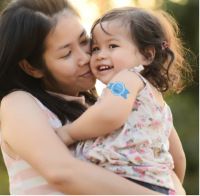
Moderna COVID-19 vaccine study for children

 A research study conducted by Moderna is testing an investigational vaccine that may protect children who are between the ages of 6 months to < 12 years from getting sick if they come into contact with SARS-COV-2, which causes COVID-19; also known as coronavirus.

Trial ID: NCT04796896

A vaccine that prevents COVID-19 disease and SARS-CoV-2 transmission in children would be a crucial public health tool to help curb the pandemic. Moderna is committed to researching a safe and effective vaccine that protects people of all ages and from all backgrounds against COVID-19, including those that are less than 12 years of age.

Trial Details

The primary purpose of the KidCOVE Study is to test the safety and effectiveness of the study vaccine, called mRNA-1273, that may protect children between the ages of 6 months to < 12 years from getting sick if they come into contact with SARS-CoV-2, which causes COVID-19.

Moderna plans to enroll this study in two parts, staggering the recruitment of three different age groups. The first age group will start in children between the ages of 6 years to less than 12 years old. The second age group, recruiting later on, will be for children between the ages of 2 years to less than 6 years old. Finally, the third, and last group to start, will be for children ages 6 months to less than 2 years old. Please be aware that it may be several months before your child’s age group and/or a site near you opens.

Estimated Enrollment

6,750 participants

Phase

2/3

Eligibility Criteria

Participants must:
  • Be between 6 months to < 12 years old
  • Be in good health
Participants must not:
  • Have received an investigational or approved vaccine for COVID-19
  • Be currently taking any investigational or approved treatments for COVID-19
  • Have tested positive for COVID-19 or been in contact with anyone diagnosed with COVID-19 within 2 weeks prior to vaccine administration
  • Have participated in another COVID-19 trial in the past month

Check Your Child's Eligibility

We’ll check to see if your child is eligible by asking you some questions.

Get Started

What to Expect

Participation in the KidCOVE Study lasts approximately 14 months and includes phone calls, telemedicine visits, and up to seven visits to the study site.

  • Your child will be given two injections in the upper arm – about 28 days apart. Your child has a chance of receiving either the mRNA-1273 study vaccine or the placebo. By using a placebo, medical researchers are able to understand if the study vaccine is effective in preventing COVID-19.

  • You and your child will be asked to return to the study site up to six times depending on their enrollment assignment.

  • You and your child will have two telemedicine visits with the study doctor after each injection, and then monthly after that to monitor for COVID-19 symptoms. During these phone calls, the study doctor and medical staff will check how your child is feeling and ask for updates on their health.

  • You will be asked to use an eDiary app on your smartphone or a provided smartphone to report any COVID-19 symptoms your child experiences.

  • Your child will be closely monitored by the study team if any symptoms of COVID-19 are reported at any time throughout their participation.

The study doctor and medical staff will talk to you and your child about additional medical support that your child will receive if he/she experiences COVID-19 symptoms at any time while in this clinical trial. Insurance is not needed to join this clinical trial, and compensation for your family’s time will be available.

Frequently Asked Questions (FAQ)

Check Your Child's Eligibility

We’ll check to see if your child is eligible by asking you some questions.

https://connect.trialscope.com/studies/0e8fc8e6-5782-46fd-8b03-0994a5ad8b41

Get Started