maintains its buy recommendation
https://www.marketscreener.com/quote/stock/ELI-LILLY-AND-COMPANY-13401/
by Zachary Stieber via The Epoch Times (emphasis ours),
People who received hydroxychloroquine were less likely to die than those who did not, according to a new study.
Just 0.8 percent of patients at a facility in France who received hydroxychloroquine (HCQ) and an antibiotic died, compared to 4.8 percent of patients who did not receive the drug combination, French researchers reported on Nov. 1.
"This study represents the largest single-center study evaluating HCQ-AZ in the treatment of COVID-19. Similarly, to other large observational studies, it concludes that HCQ would have saved lives," Dr. Didier Raoult, with Aix-Marseille Universite in Marseille, and his co-authors wrote.
The paper was published in the journal New Microbes and New Infections. It was released as a preprint earlier this year, but withdrawn because authors said they have changed their "analytic strategies."
Researchers examined records from 30,423 patients with COVID-19 who were treated at another institution in Marseille, IHU Méditerranée Infection. They included all adults who tested positive for COVID-19 and who were treated in the hospital as an inpatient or an outpatient between March 2, 2020, and Dec. 31, 2021.
The study set ended up with 30,202 patients because treatment information was not available for the 221 others.
Most of the patients received off-label prescriptions of hydroxychloroquine and azithromycin (AZ), a common antibiotic.
Of the set, 23,172 patients received the drug combination. The other 7,030 did not.
Among those who received the drugs, 191, or 0.8 percent, died. Among those who did not, 344, or 4.8 percent, passed away.
Those who received HCQ and AZ were more likely to survive regardless of whether they were inpatients or outpatients.
The biggest effect was recorded in outpatients aged 50 to 89.
Limitations of the study included drawing from records from a single center. Funding came in part from the French government.
HCQ has been cleared in both France and the United States for decades but not for treating COVID-19.
Dr. David Boulware, an infectious disease doctor at the University of Minnesota Medical School, said that clinical trial data do not support using HCQ against the illness.
"Hydroxychloroquine has not been shown to have any benefit in randomized clinical trials," Dr. Boulware, who was not involved in the new study, told The Epoch Times in an email.
"There is zero antiviral effect in humans, and zero reduction in hospitalization among 11 randomized clinical trials pooled together," he added, referring to a metanalysis he co-authored that was published in January. Dr. Boulware also helped carry out a randomized trial examining HCQ as a prophylaxis in people who were exposed to COVID-19, and found it did not prevent illness or confirmed infection.
Dr. Raoult and his co-authors acknowledged that several large randomized trials have found no benefits for HCQ against COVID-19, including a World Health Organization trial. But they said that the largest, funded by the World Health Organization and and United Kingdom government, suffered from "significant methodological problems," including high dosing during the first 24 hours.
The group also criticized smaller trials with similar findings as underpowered, including a trial in France that was stopped due to enrollment issues.
"In contrast, several large observational retrospective studies published in the literature, including a total of 47,516 patients report a benefit of using HCQ on the mortality of COVID-19 patients," the authors said, pointing to studies from France, Iran, and Spain.
They said the number of patients in the observational studies outweighs the number of patients in the randomized trials and support using HCQ as an early treatment.
Dr. Boulware said that observational data can suffer from serious problems, pointing to a response in 2020 to an observational U.S. paper that reported an association between HCQ with AZ and lower mortality among hospitalized patients.
Dr. Raoult and his co-authors acknowledged the limitations of observational data but lamented what they see as a dearth of clinical trials that use proper dosing.
"Unfortunately, few if any of the RCTs that have attempted to demonstrate the efficacy of HCQ on COVID-19 patients were run with an appropriate methodology," they wrote.
"Inadequate target (late treatment), excessive dosage of the drug, or inappropriate study power were the main troubles. While observational studies have also confounding factors, as discussed above, significant effect estimate differences between RCTs and observational studies are more likely to be linked to the quality of the study than to its design," they added, referencing a Cochrane Review that there was little difference between observational studies and clinical trials.
"In any case, since the epidemic has now vanished, it is no longer possible to conduct RCTs," they concluded. "Only observational studies can bring any more insights to support policy makers with repositioning of hydroxychloroquine in the treatment of COVID-19."
Dr. Raoult was director of the facility at which the patients were seen, but retired in 2022 after a French agency investigation found issues at the facility with regulation compliance. Several of his papers have since been retracted.
Dr. Raoult did not respond to a request for comment.
The new study came about a month after researchers in Belgium reported in another observational study that HCQ with AZ reduced COVID-19 mortality among hospitalized patients.
"Our study suggests that, despite the controversy surrounding its use, treatment with hydroxychloroquine and azithromycin remains a viable option," Dr. Gert Meeus, a nephrologist with AZ Groeninge Hospital, and other researchers wrote.
That group offered similar concerns regarding trials as the French group, including over the dosing levels.
https://www.zerohedge.com/covid-19/hydroxychloroquine-associated-lower-covid-19-mortality-study
by Zachary Stieber via The Epoch Times (emphasis ours),
Scientists and journals that conduct and publish certain research pose a problem for the federal government's vaccination campaigns that should be addressed, U.S. Centers for Disease Control and Prevention (CDC) officials wrote in newly reviewed emails.
Colin Bernatzky, a public health analyst with the CDC's Immunization Services Division, in one of the missives flagged a paper from scientists in the United States and several other countries that analyzed the effects of repeated COVID-19 vaccination.
Vladimir Uversky, a molecular medicine expert in Florida, and his co-authors noted that experiments have found multiple doses of the Pfizer and Moderna COVID-19 vaccines lead to higher levels of antibodies called IgG4, making the immune system more susceptible.
"COVID-19 epidemiological studies cited in our work plus the failure of HIV, Malaria, and Pertussis vaccines constitute irrefutable evidence demonstrating that an increase in IgG4 levels impairs immune responses," Alberto Rubio Casillas, one of the co-authors, told The Epoch Times.
The paper was published following peer-review by Vaccines.
Mr. Bernatzky took issue with the paper and The Epoch Times' coverage of it despite acknowledging he wasn't sure about its veracity.
"At the very least, it seems like there's some editorial recklessness going on, especially since the net result is that this research is being viewed as legitimate and is circulating widely. (And if the research is in fact legitimate, it should be on CDC's radar)," he wrote.
About a week later, on July 7, Mr. Bernatzky provided colleagues with more information on what he described as "potential threats to vaccine confidence posed by select scientific journals and publishers."
The paper from Mr. Uversky and Mr. Casillas "has been accumulating a massive amount of attention," Mr. Bernatzky said, with a high attention score that was "undoubtedly driven" mostly by The Epoch Times article.
"Unfortunately, the Uversky paper is part of a wider pattern of academic journals conferring legitimacy to anti-vaccine claims through their willingness to publish low-quality work (e.g., reviews with lots of conjecture rather than original research) as well as their apparant reluctance to issue retractions or disclaimers when these issues are called to their attention," he added.
The CDC official noted that the paper was cited by Massachusetts Institute of Technology research scientist Stephanie Seneff and her co-authors in response to criticism of a paper they wrote that outlined concerns with how the vaccines impact the immune system.
The author list of that paper "turns out to be ... a squad of vaccine skeptics that includes Peter McCullough," Mr. Bernatzky said, referring to a U.S.-based cardiologist that has expressed concerns about the safety of the COVID-19 vaccines, "with a track record for promoting ideas about autism, vaccines, Roundup, etc."
Mr. Bernatzky suggested the "systemic issues" with certain scientists and publishers should be addressed, describing the matter as "complicated." He pointed out that a new paper by Dr. McCullough was published as a preprint by The Lancet but quickly removed, spurring criticism.
The email was circulated widely within the CDC, according to other missives obtained by The Epoch Times, with officials focusing on the paper by Mr. Uversky and Mr. Casillas and its conclusions.
"Apparently it's gone viral," Sarah Meyer, another CDC official, said while sharing the email with a colleague. She said she also sent the concerns to the CDC's Coronavirus and Other Respiratory Viruses Division.
Karen Broder, the colleague, forwarded the email to Drs. Tom Shimabukuro and John Su, two top CDC vaccine safety officials.
None of the CDC officials, including Mr. Bernatzky, responded to inquiries. A CDC spokesman declined to comment.
Mr. Bernatzky has sociology degrees and has written that the "anti-vaccine movement is arguably one of the more concerning social movements to have surfaced during the first two decades of the current century." He has also alleged that support for former President Donald Trump is linked to "hate material."
The CDC regularly publishes and promotes papers that have not been peer-reviewed in its quasi-journal, Morbidity and Mortality Weekly Report. In the full set of emails, which were obtained through the Freedom of Information Act, officials on multiple occasions used those papers to craft guidance to the public on COVID-19 vaccine safety.
The journals Vaccines and Food and Chemical Toxicology, which the CDC singled out for criticism, did not return requests for comment.
Mr. Casillas, a doctor at Autlan Regional Hospital in Mexico, told The Epoch Times in an email that the CDC never contacted him and said the paper he helped put together "must be read and interpreted for what it is: a hypothesis."
"In our work, we developed a series of hypotheses about the possible consequences of a high concentration of IgG4 antibodies induced by repeated mRNA vaccination. It is important that health experts and the general public understand that we never categorically stated that, for example, such antibodies induce cancer. If you read our work, you will notice that throughout the article we used words that denote the nature of a hypothesis," he said.
Mr. Casillas said the CDC's criticism was unwarranted.
"Each of our proposals is based on previous research. They must be evaluated experimentally to be confirmed or refuted. It is the only way science can advance to obtain safer vaccines. We are aware that we may be wrong, but we do not accept that our work is criticized based solely on opinions," he wrote.
Ms. Seneff said that the paper from Mr. Casillas and his co-authors was "a very thorough review that reveals the complexity in the immune system's reaction to antigenic exposures, and examines the potential adverse consequences of the experimentally observed high levels of IgG4 antibodies induced by repeated vaccination with the SARS-CoV-2 mRNA vaccines."
She said that her view on the research into the IgG4 antibodies is that the antibodies are not protective and block other, protective antibodies. She also sees the elevated levels of IgG4 antibodies as linked to serious problems, including severe autoimmune disease.
"This paper is seminal, and it is not surprising that it has gone viral, due to its deep analysis of the significance of elevated IgG4 following mRNA booster shots," Ms. Seneff told The Epoch Times in an email. "I doubt that the mainstream position that these vaccines are safe and effective can survive much longer, even as they continue with aggressive efforts to retract the comprehensive review papers that reveal the true colors of these experimental therapies."
Dr. McCullough told The Epoch Times via email that the CDC and other health agencies would be better served holding open meetings "instead of emailing gossip between each other."
If they held the meetings, he said, officials "can hear directly from the nation's experts who learned how to treat acute ambulatory COVID-19 and who are now handling the tsunami of patients with COVID-19 vaccine injuries, disabilities, and deaths."
Market watchers have been waiting keenly to see whether a cheap China-made cancer drug could disrupt the multibillion-dollar U.S. PD-1 cancer immunotherapy market. But the first player with a chance to follow that path has opted not to.
For the first China-made PD-1 inhibitor to receive FDA approval, Coherus BioSciences “will not engage in heavily discounted pricing,” the company’s CEO Denny Lanfear said during an investor call Friday.
The call followed the FDA’s long-delayed approval for Coherus’ Junshi Biosciences-partnered toripalimab for recurrent or metastatic nasopharyngeal carcinoma (NPC). Coherus plans to officially launch the drug, branded as Loqtorzi, in the first quarter of 2024 and will share the exact price around that time.
The nod came nearly five years after toripalimab became the first domestic anti-PD-1 drug to gain approval in China. The indication was for previously treated melanoma.
Meanwhile, the current FDA go-ahead has made Loqtorzi the first FDA-approved therapy for NPC and the first innovative antibody drug from China to enter the U.S. market.
In China, locally developed PD-1 inhibitors are priced lower than their Western counterparts such as Merck & Co.’s Keytruda and Bristol Myers Squibb’s Opdivo. Junshi launched toripalimab under the brand name Tuoyi in China in 2019 at about a third of Keytruda’s local price, which was half of the Merck drug’s U.S. list price.
After a few rounds of price reductions, Keytruda’s annual cost in a patient assistance program reached about 70,000 yuan (about $9,600), while domestic PD-1s cost as low as about 40,000 yuan under the national reimbursement scheme.
These pricing dynamics in China gave industry watchers hope that the China-made PD-1s would be cheap when they eventually reached the U.S. While six PD-1 inhibitors have been available on the U.S. market before Loqtorzi, they all bear annual list prices above $150,000.
Eli Lilly tried to change that situation last year. In a rare move and apparent last-ditch bid to pressure the FDA before a looming rejection, Lilly last year said it would offer its then Innovent Biologics-partnered Tyvyt at a 40% discount compared to existing PD-1s. The FDA later declined to approve Tyvyt because its phase 3 data were generated only in China against a weak comparator that wasn’t up to date with the treatment landscape in the U.S.
Loqtorzi’s approval contains two indications, one for the drug as a monotherapy in chemo-pretreated NPC patients, and one for its combination with chemotherapy for first-line treatment. The first-line label is based on data from a global phase 3 trial coded JUPITER-02. There, Loqtorzi and chemo reduced the risk of death by 37% compared with chemo alone.
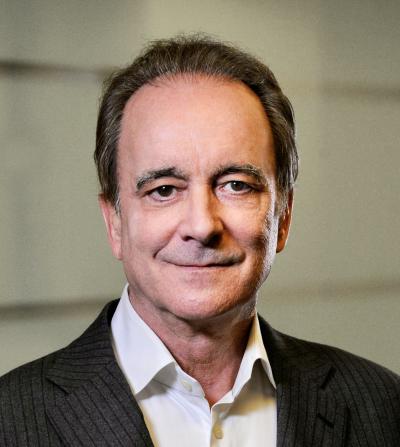
An ultra-low list price strategy simply doesn’t work in the U.S. PD-1 market, Leerink Partners analyst Daina Graybosch, Ph.D., said in an interview with Fierce Pharma in 2021. A lower list price would mean smaller room to offer rebates, a disadvantage in the buy-and-bill drug reimbursement model, she explained.
While a “heavily discounted” price is off the table at Coherus, it remains to be seen where the company will place Loqtorzi among its competitors. As a seller of biosimilars, Coherus has some knowledge about navigating a market of multiple similar products.
NPC disproportionally affects Asian people and is a rare form of head and neck cancer in the U.S. By Coherus’ estimate, about 2,000 NPC patients will be diagnosed and eligible to receive Loqtorzi each year, chief commercial officer Paul Reider said during Friday’s call.
In this niche indication, Coherus expects Loqtorzi could reach $200 million in peak sales, Reider said. That’s a small number compared with Keytruda’s $18.4 billion sales in the first nine months of 2022.
Coherus scooped up Loqtorzi’s rights in the U.S. and Canada by paying Junshi $150 million upfront in 2021. Milestone payments could reach $380 million in total, and Coherus will also pay Junshi a 20% royalty on net sales of Loqtorzi.
The partners went through a regulatory saga to reach Friday’s approval. The FDA first rejected toripalimab in 2022 with a request for a quality process change and onsite inspections that were delayed by COVID-related travel restrictions in China. As travel to China remained a hindrance, the FDA in late 2022 missed its target action date.
When the preapproval inspections did happen, the FDA noted one problem with a clinical trial site that enrolled patients in the two clinical trials supporting toripalimab’s application, Coherus said last month.
With Friday’s approval, Junshi also beat BeiGene to be the first to have a China-made PD-1 approved by the FDA. BeiGene’s tislelizumab is undergoing a similar regulatory delay caused by COVID travel restrictions in China. As the FDA review dragged on, Novartis recently backed out of its PD-1 collaboration with BeiGene.
With more than a dozen products approved, China’s PD-1/L1 market has become an intense marketplace. For the first nine months of 2023, Junshi recorded Tuoyi sales of 668 million yuan ($91 million) across multiple indications.
Both Junshi and Coherus are looking to pair toripalimab with other agents. In his Friday statement, Coherus’ Lanfear highlighted the company's IL-27-targeted casdozokitug and CCR8 inhibitor CHS-114 as potential combination partners.
Coherus has received “significant incoming interest from potential partners” on Loqtorzi, Lanfear said. Coherus is pursuing potential collaborations with T-cell bispecifics and antibody-drug conjugates, with the goal to complete some of those conversations by mid-2024, he added.
New research from Memorial Sloan Kettering Cancer Center (MSK) examines how diabetes may speed the growth of multiple myeloma; analyzes the increasing number of patients who are benefiting from precision oncology; and highlights the unexpected role of the integrated stress response in response to genomic instability in mitochondrial DNA.
Diabetes is known to increase risk for developing multiple myeloma, as well as being associated with worse survival in those diagnosed. But researchers did not know whether diabetes was directly causing or accelerating this blood cancer. Now a team led by multiple myeloma specialist Urvi Shah, MD, has found clues in mice of how diabetes might speed the growth of multiple myeloma. They also found a surprising difference in how diabetes affects survival of Black patients versus white patients.
When investigating what might drive multiple myeloma growth, Dr. Shah and colleagues observed that human tumors grew more rapidly in diabetic mice than in non-diabetic controls. The diabetic mice had an insulin-related signal that was overactivated — suggesting that higher insulin levels may accelerate cancer growth.
“I work with many multiple myeloma patients who also have diabetes,” Dr. Shah says. “This study suggests we may improve patient outcomes further by treating diabetes at the same time we treat multiple myeloma.”
The researchers also looked at racial disparities in survival rates among those living with both conditions. (Both diseases are also approximately twice as common in Black patients than in white patients.) They studied health records of more than 5,300 patients with multiple myeloma, of whom 15% had diabetes. To their surprise, diabetes was associated with worse survival outcomes among white patients but not Black patients.
“It’s possible that in Black people, having diabetes increases multiple myeloma risk in the same way it does in white patients, but for some reason it doesn’t affect survival in the same way,” she says. “But we need to do more research to see if there is truly a difference in biology or if the discrepancy is caused by other clinical factors such as the younger age of Black patients.” Read more in Blood Advances.
https://www.mskcc.org/news/msk-research-highlights-october-19-2023
New research from our Philip I. Chow, PhD, and colleagues demonstrates the potential of wearable and mobile devices such as smartwatches and smartphones to help doctors tailor cancer treatments to improve patient outcomes.
Chow and his collaborators, including co-principal investigator Dan Gioeli, PhD, were able to use the devices to predict patients' levels of the stress (and insomnia) hormone cortisol. This is notable because the scientists' lab research indicates that pancreatic cancer tumors grow faster in people with sleep disrupted by cortisol. So doctors may be able to use patients' mobile devices to help them keep their cortisol levels down and, in turn, slow the growth of their tumors.
This work is still early, but it's a super cool idea, and the researchers say their efforts demonstrate tremendous potential -- and not just for pancreatic cancer. So they've developed a plan to bring together experts in many areas, from psychology to engineering/data science to oncology, to capitalize on the untapped potential of these devices.
“Our vision is that this could one day lead to individualized cancer treatment that is tailored to the behavioral health profile of the individual patient,” Professor Chow said. “We know that patients are diverse in terms of their mental and physical health. Things like insomnia and distress could be important factors in how quickly a patient’s tumor grows and how resistant it is to cancer treatments. We’re trying to advance a more precise model of care that takes into account a patient’s health profile when making decisions about their cancer treatment in order to improve outcomes. It’s a bit outside-the-box thinking, and to our knowledge nobody else is doing it.”
https://makingofmedicine.virginia.edu/2023/10/26/how-smartwatches-could-transform-cancer-care/
An economic analysis found that pharmacist prescribing of antihypertensive medications could save the country over a trillion dollars -- if only limitations on pharmacist reimbursement could be removed.
The long-term prevention of cardiovascular events associated with a pharmacist-led intervention to improve blood pressure (BP) control was estimated to give each person 0.34 additional life years and 0.62 additional quality-adjusted life years, translating to $10,162 in cost savings per person over a 30-year time horizon.
If mass uptake reached 50% of the population, this would mean $1.137 trillion in hypothetical cost savings and an estimated 30.2 million life years saved over 30 years, according to researchers led by Dave Dixon, PharmD, of Virginia Commonwealth University School of Pharmacy in Richmond.
"These findings suggest that a pharmacist-prescribing intervention to improve BP control may provide high economic value," the study authors reported in JAMA Network Open. "Our analysis showed that a pharmacist-prescribing intervention would remain cost-effective if pharmacists received a hypothetical reimbursement of $100 for the initial visit and $50 for each follow-up."
Dixon's group said that the U.S. has all the tools and resources to implement pharmacist-prescribing interventions except for reimbursement. All but one U.S. state legally allow pharmacist prescriptive authority in collaboration with physicians.
"While pharmacists may participate in collaborative models, pharmacists are infrequently recognized by payers because they are not recognized clinicians under the Social Security Act. Pharmacists can bill for services incident to those provided by a physician or advanced practice clinician; however, this is limited to Level 1, which is only $23.10 for 5 minutes of clinical services and insufficient for the level of service provided," the authors noted.
"While some states have recently passed clinician status legislation, much work remains to ensure pharmacists are adequately compensated for the clinical services they provide," the researchers stressed.
Dixon's team highlighted some evidence of a "critical need" for innovation in BP control.
One estimate found a 23.1% increase in hypertension-related mortality in the U.S. from 2010 to 2019, which had disproportionately affected Black people. What's more, the "worsening shortage of primary care clinicians" could mean between 7,800 and 48,000 fewer providers by the year 2034.
"Pharmacists are well placed in the community to screen and manage HTN [hypertension] because they see patients up to 10 times more frequently than physicians," the group argued. "Expansion of prescriptive authority for pharmacists could increase access for those with limited or no source of primary care, which disproportionately affects males, underrepresented minorities, the uninsured, and those living in the southern U.S."
Dixon and colleagues had their economic analysis based on the RxACTION trial, spanning 2009 to 2013, which compared a pharmacist-prescribing intervention against BP education and usual care. The main finding of that trial was the intervention group's significant lowering of BP and better achievement of target BP.
In the economic model, the population was assumed to have a mean age of 64 years, with 49% men and a mean baseline BP of 150/84 mm Hg.
Over the 30-year time horizon, the pharmacist-prescribing intervention yielded 2,100 fewer cases of cardiovascular disease and eight fewer cases of kidney disease per 10,000 patients.
The estimated event rate and cost savings rely on several assumptions, the investigators acknowledged, including high uptake of the pharmacist prescribing in the real world. They added that the findings cannot be generalized to the pregnancy population, nor do the results take into account telehealth practice.
Disclosures
The study was commissioned in part by the Mercatus Center at George Mason University.
Dixon reported receiving personal fees from Mercatus Center during the conduct of the study and receiving grants from Boehringer Ingelheim.
Primary Source
JAMA Network Open
Source Reference: Dixon DL, et al "Cost-effectiveness of pharmacist prescribing for managing hypertension in the United States" JAMA Netw Open 2023; DOI: 10.1001/jamanetworkopen.2023.41408.
