Search This Blog

Monday, August 25, 2025

Walgreens Boots last trading day Wednesday with sale to Sycamore

 Walgreens Boots' (NASDAQ:WBA) last trading day will be Wednesday with its sale to Sycamore Partners.

The shares will be halted Wednesday after the after-hours session, according to a Nasdaq delisting notice on Monday. The stock will remain halted on Thursday and be suspended on Friday.

Walgreens (NASDAQ:WBA) holders approved the sale to private equity firm Sycamore last month. Sycamore agreed to pay $11.45 a share for Walgreens Boots in March. Shareholders may get another $3 at some point from the proceeds from selling the company's primary-care assets, including VillageMD businesses.

https://www.msn.com/en-us/money/companies/walgreens-boots-last-trading-day-wednesday-with-sale-to-sycamore/ar-AA1LbVxM

Tensions On Korean Peninsula Spike As Warning Shots Fired Along DMZ

 Via The Libertarian Institute

Tensions on the Korean Peninsula are spiking as South Korean troops fired on North Korean soldiers near the demilitarized zone. The friction between Pyongyang, Seoul, and Washington has escalated due to large-scale US and South Korean war games. 

Seoul claimed on Saturday that its forces had fired on North Korean soldiers who had crossed the DMZ. Pyongyang strongly condemned the South Korean soldiers’ actions. A North Korean official explained that Pyongyang informed Washington that its troops would be operating near the border to avoid a misunderstanding

TANK Magazine: Park Jongwoo, image from DMZ: Demilitarized Zone of Korea, 2017, published by Steidl

Ko Jong Chol Army Lieutenant General Ko Jong Chol, vice-chief of the General Staff of the Korean People’s Army said, “On August 19, the ROK military warmongers committed such a serious provocation as firing more than 10 warning shots with 12.7 mm large-caliber machine gun at the DPRK soldiers who were conducting a permanent barrier project near the southern border line.”

“This is a very serious prelude that would inevitably drive the situation in the southern border area where a huge number of forces are stationing in confrontation with each other to the uncontrollable phase and the DPRK army is keeping tabs on the present situation,” he added. 

The warning shots were fired as the US and South Korea are conducting large-scale, live-fire war games. The military drills are running for 11 days and involve 21,000 soldiers. Pyongyang slammed the war games as extremely provocative: 

“The joint military drill being staged on land, at sea and in the air of the ROK under the deceptive signboard of ‘shield of freedom,’ is an extremely provocative and aggressive large-scale drill for an actual war aimed at a sudden preemptive attack on North Korea.”

The North Korean spokesman continued, “The gravity and danger of the drill lie in the fact that it includes the application of ‘OPLAN 2022,’ a war scenario simulating ‘preemptive strike’ against the nuclear facilities of the DPRK.”

Trump: "I have a very good relationship with Kim Jong Un of North Korea. I look forward to seeing him again. I know him better than almost anybody other than his sister. She knows him pretty well."

Additionally, Pyongyang tested two new types of air defense missiles. The large-scale annual war games conducted by the US and South Korea often cause a spike in tensions. North Korea typically responds with fiery rhetoric, missile tests, and reciprocal military drills.

https://www.zerohedge.com/geopolitical/tensions-korean-peninsula-spike-warning-shots-fired-along-dmz

CDC Advisory Committee Launches Review Of COVID-19 Vaccines

  by Zachary Stieber via The Epoch Times,

A committee that advises the Centers for Disease Control and Prevention is going to review various aspects of COVID-19 vaccines, including concerns about the persistence of messenger ribonucleic acid (mRNA), according to a new document.

The Advisory Committee on Immunization Practices (ACIP) work group on COVID-19 vaccines will review data on the shots related to their safety, effectiveness, and immunogenicity, according to the Aug. 20 document, which was released by the CDC.
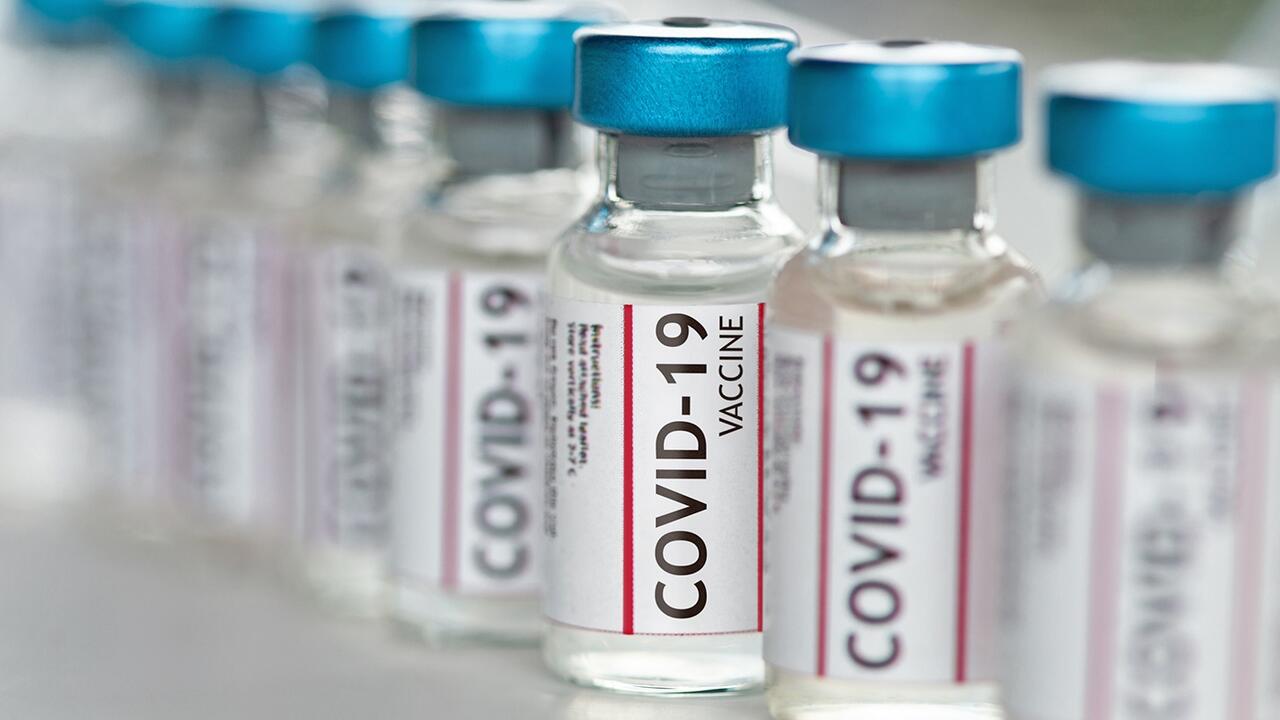
Members also plan to look at gaps in existing knowledge “relating to bio distribution, pharmacokinetics, and persistence of the spike protein, mRNA, and lipid nanoparticles to inform immunization recommendations,” the document states.

Studies have found that the spike protein and mRNA in the vaccines persist for some time. Lipid nanoparticles are used to deliver the mRNA.

Other areas of focus for the group include potential impurities such as contamination by DNA, the impact of repeated booster doses on immune systems, how both COVID-19 vaccines and COVID-19 have affected all-cause deaths and hospitalizations, and serious adverse events potentially caused by the vaccines.

After reviewing the data and consulting with experts at the CDC, the Food and Drug Administration, and outside the government, the group plans on issuing new recommendations regarding the shots.

Retsef Levi, a professor of operations management at the Massachusetts Institute of Technology, has been named chair of the work group.

“My goal as the WG [work group] chair is to work with my colleagues at ACIP, the CDC and FDA experts and the external experts to openly study the range of issues and questions outlined in the Terms of Reference, to inform the best science and evidence-based policy recommendations, and having the health and safety of patients front in mind,” Levi told The Epoch Times in an email.

Levi has previously called for halting the Pfizer and Moderna COVID-19 vaccines, citing concerns with safety and effectiveness.

Pfizer and Moderna have not responded to requests for comment.

The CDC says on its website that the COVID-19 vaccination “helps protect you from severe illness, hospitalization, and death.” It has acknowledged some side effects, including heart inflammation.

Under orders from Health Secretary Robert F. Kennedy Jr., the CDC earlier this year stopped recommending COVID-19 vaccination for healthy children and pregnant women.

Kennedy subsequently removed all members of ACIP and appointed Levi and others to replace them.

The CDC had for years recommended that all people aged 6 months and older receive a COVID-19 vaccine.

The previous advisory panel had been considering recommending the CDC shift to a non-universal recommendation.

ACIP member Dr. Robert Malone, who is serving on the COVID-19 vaccine work group, said on his blog that establishing topics for the group to review was a sign of progress.

“I am sorry it is so slow (and frustrating for all concerned), but we now have the authorization to look deeply into the big questions,” he wrote.

“Hopefully, we will have some answers by the upcoming ACIP general meeting.”

The next ACIP meeting is slated to take place in August or September, according to the committee’s website. Another meeting is due to take place on Oct. 22 and Oct. 23.

ACIP member Dr. James Pagano will also serve on the working group.

Other members of the group have not been disclosed, and Levi declined to name them.

The document says the group “is composed of experts who are appointed based on their professional, scientific, technical, or other expertise.”

CDC employees will no longer be able to serve as members, according to the document, although they can still present to the panel, which meets behind closed doors.

https://www.zerohedge.com/covid-19/cdc-advisory-committee-launches-review-covid-19-vaccines

Stimulant Marketing Payments to Clinicians Surged in Recent Years


  • From 2021 to 2023, stimulant marketing payments doubled and tripled for physicians and advanced practice clinicians, respectively.
  • The increases were driven in large part by growth in marketing to psychiatrists (a 250% increase) and nurse practitioners (a 300% increase).
  • The increasing use of stimulants for ADHD has raised concerns about overprescribing and misuse, the researchers noted.

Total marketing payments for stimulants to physicians and advanced practice clinicians (APCs) sharply increased in recent years, researchers found.

From 2021 to 2023, stimulant marketing payments to physicians doubled from $1.8 million to $3.6 million, and tripled from $0.5 million to $1.6 million for APCs, reported J. Travis Donahoe, PhD, MPH, of the University of Pittsburgh, and colleagues.

The increases were driven in large part by growth in marketing to psychiatrists (by $1.2 million from 2021 to 2023, representing a 250% increase) and nurse practitioners (by $0.8 million, representing a 300% increase), they noted in JAMA Pediatricsopens in a new tab or window.

Marketing growth was highest for serdexmethylphenidate/dexmethylphenidate (Azstarys), which increased by $2.4 million, or 580%.

"Stimulant prescribing has increased in recent years, particularly since the COVID-19 pandemic," Donahoe told MedPage Today. "The reasons for these trends are not fully understood. Our study describes recent patterns in pharmaceutical marketing of stimulants to provide context on a factor that may be relevant to these trends and worthy of further study."

"One finding that stood out is that marketing payments to advanced practice clinicians have been increasing at a faster rate than for other professionals," he added. "This aligns with evidenceopens in a new tab or window from other sources showing that they are playing a growing role in prescribing stimulants."

Donahoe and colleagues noted that stimulants are an effective treatment for attention deficit-hyperactivity disorder (ADHD), but "rising use has raised concerns about overprescribing and misuseopens in a new tab or window."

"Post-pandemic telehealth expansions might partly explain these trends by reducing barriers to obtaining ADHD medications, but pharmaceutical marketing is another potential contributor," they wrote.

A recent analysis of industry payment data showed that more than $12 billion in paymentsopens in a new tab or window were made to physicians from 2013 to 2022, with those researchers noting that financial conflicts of interest are prevalent in medicine, despite evidence that they influence prescribing practices and harm patient-doctor relationships.

In this study, psychiatrists and pediatricians, including those in adolescent-focused subspecialties, had the highest percentages of clinicians -- 5.9% to 10.5% -- receiving any payment. The frequency of clinicians receiving payments exceeding $5,000 annually, total payments, and average individual payments were highest for adolescent psychiatrists and psychiatrists.

Meanwhile, nurse practitioners had the highest number of unique clinicians receiving payments, at 18,676.

"At this stage, we don't know how marketing payments affect stimulant prescribing appropriateness, and more research is needed on the clinical implications of this," Donahoe said. "In the meantime, it may be helpful for patients and families to know about any financial relationships that their clinicians have with pharmaceutical companies. This information is publicly available through the CMS Open Payments databaseopens in a new tab or window."

For this study, Donahoe and colleagues obtained data on pharmaceutical industry marketing payments, such as meals and speaking fees, from the CMS Open Payments Program. Payments were identified as related to at least one stimulant medication.

The numbers of active clinicians by specialty or subspecialty were obtained from the National Plan and Provider Enumeration System.

Donahoe and colleagues noted the importance of including APCs in their analysis through new data first available in 2021, "given recent state laws expanding their authority to prescribe controlled substances."

Limitations of the study included a reliance on industry-reported payments and the inability to identify APCs with pediatric or psychiatric subspecialties, as well as a lack of data on free medication samples.

Disclosures

The study was funded by a grant from the National Institute on Aging.

Donahoe reported receiving personal fees from Greylock McKinnon Associates.

Co-authors reported relationships with the American Medical Student Association, the National Institute on Aging, the American Heart Association, the American Medical Association, and the Patient-Centered Outcomes Research Institute.

'Texas factory gives Chinese copper firm an edge in tariff war'

 Chinese copper flat wire manufacturer Wellascent’s decision early last year to build a factory in Texas was a hedge against geopolitical risks. Now the investment is paying off as US import tariffs boost demand for its locally produced goods.

The company’s plant in Grand Prairie will begin production later this year and expects to produce 3,000 metric tons of copper flat wire annually by 2028, serving clients such as automaker Stellantis, from behind the safety of Donald Trump’s tariff wall.

The factory shields US customers from the 50% tariff imposed on copper wire imports, along with other semi-finished copper products like tubes, although refined copper – the base ingredient – is exempt from tariffs.

“A few prospective clients in the United States were hesitating about buying our products at the very beginning, as they were concerned Sino-US trade tensions would make stable supply uncertain,” Hazel Zhu, a board member at Wellascent Electronic, told Reuters during a tour of their factory in mid-August.

“A factory in the US means the copper tariffs have in turn become a golden opportunity for us,” she added.

Wellascent plans to invest in three years $100 million in the US plant, which is expected to generate more than half of the company’s overseas revenue within three years.

Wellascent’s investment highlights a rare case where a Chinese company has benefited despite US tariffs designed to counter China’s perceived industrial dominance. But while the investment achieves one of Washington’s stated aims of bringing industry to the United States, it underscores ambivalence among US policymakers about whether to welcome Chinese companies.

Lawmakers proposed removing tax credits from a Ford electric battery plant because it plans to use technology from Chinese battery manufacturer CATL, although the carmaker said last month it believes it will still qualify.

In the solar industry, some domestic producers have voiced concerns that Chinese rivals setting up factories domestically benefit from subsidized supply chains in China.

Chinese investments, especially in manufacturing, began tapering off after Trump’s first term and have now stalled, according to Cameron Johnson, senior partner at consultancy Tidalwave Solutions. The hostile attitude in Washington is now echoed in Beijing where regulators are encouraging firms to avoid the US, he added.

Anybody who is big and could be a target for US or Chinese governments is doing hardly any investment,” Johnson said. “They (Wellascent) got lucky in many ways.”

Net stock of Chinese foreign direct investment in the US fell by $8.1 billion between 2019 and 2023, US data showed.

Wellascent’s Zhu said the company had no regulatory issues with its Texas investment, winning approval from Chinese and US authorities.

Still, a temporary 145% tariff on equipment shipments to the US in April nearly derailed its plans. Zhu said the trade truce reached in May allowed the firm to avoid a 60% cost increase and proceed with furnishing the plant.

“The sudden 145% tariff left us completely stunned, as it left us at a crossroad as for whether to reconsider the investment; luckily, additional tariffs were removed, allowing us to smoothly ship a second batch of equipment to the factory,” Zhu said.

Both sides extended that truce by another 90 days earlier this month to give negotiators more time to craft a deal that Trump says is not far off.

If a trade deal is reached, the example set by companies like Wellascent could become case studies for other Chinese firms looking to invest in the US, Johnson said.

“Their example was pretty unusual, but maybe, if the relationship gets a bit better, we might see more of it because there are test cases out there in the market.”

https://www.mining.com/web/texas-factory-gives-chinese-copper-firm-an-edge-in-tariff-war/

HHS Drives Reform to Restore Patient-Centered Care

 Announces Request for Nominations of Members to Serve on Federal Healthcare Advisory Committee

The U.S. Department of Health and Human Services (HHS) and Centers for Medicare & Medicaid Services (CMS) are establishing the Healthcare Advisory Committee—a group of experts charged with delivering strategic recommendations directly to HHS Secretary Robert F. Kennedy Jr. and CMS Administrator Dr. Mehmet Oz to improve how care is financed and delivered across Medicare, Medicaid and the Children's Health Insurance Program (CHIP), and the Health Insurance Marketplace.

"Every American high-quality, affordable care – without red tape, corporate greed, or excessive costs," said HHS Secretary Robert F. Kennedy Jr. "This new advisory committee will unite the best minds in healthcare to help us deliver real results, hold the system accountable, and drive forward our mission to Make America Healthy Again."

"This is a moment for action," said CMS Administrator Oz. "This committee will help us cut waste, reduce paperwork, expand preventive care, and modernize CMS programs with real-time data and accountability, all while keeping patients at the center. We are calling on experts across the country to join us in this effort to help us Make America Healthy Again."

Nomination Process

CMS is accepting nominations for advisory committee members. Individuals with expertise in chronic disease prevention and management, federally administered health care financing, and delivery system reform are encouraged to apply. Individuals may either self-nominate or be nominated by an organization. Nominations must be submitted within 30 days of the publication date in the Federal Register and members will be selected later this year.

Committee Deliverables 

The advisory committee will focus on developing:

  • Actionable policy initiatives to promote chronic disease prevention and management;
  • Opportunities for a regulatory framework of accountability for safety and outcomes that reduce unnecessary red tape and allow providers to focus on improving patient health;  
  • Levers to advance a real-time data system, enabling a new standard of excellence in care, rapid claims processing, rapid quality measurement, and rewards;  
  • Structural opportunities to improve quality for the most vulnerable in the Medicaid program; and
  • Sustainability of the Medicare Advantage program, identifying opportunities to modernize risk adjustment and quality measures to assess and improve health outcomes. 

For more information or to submit nominations, visit the Federal Register Notice at: https://www.federalregister.gov/d/2025-16136

https://www.cms.gov/newsroom/press-releases/hhs-drives-reform-restore-patient-centered-care-announces-request-nominations-members-serve-federal

Patient-Centered Healthcare

 This essay describes the root cause of inefficiencies in the US healthcare system and the recurring pattern of government-centered policies. It then outlines a pathway for patient-centered transformation: freeing patients via control over their healthcare dollars; freeing providers via a leveling of the playing field; freeing insurers to achieve affordable premiums; and constraining regulators to empower market participants. Finally, the essay describes the energy and dynamics driving this patient-centered movement.

Key takeaways

  • The root cause of inefficient US healthcare is its government orientation. Government-oriented healthcare policies follow a cyclical pattern: detaching consumers from their own healthcare dollars, expanding public spending, turning enterprises into crony capitalists, regulating to raise prices, blaming the private sector for greed, and advancing more government control.
  • The core idea of the patient-centered movement is to allow individuals to control their own healthcare dollars (free patients), level the playing field for providers to ensure fair competition (free providers), unshackle insurance companies to offer plans that meet diverse needs (free insurers), and empower the market to make decisions (constrain regulators).
  • In the virtuous cycle of patient-centered healthcare, Americans benefit from lower prices, better quality of care, and improved health; employers gain flexible and affordable options to fund or purchase healthcare for workers; physicians, relieved from administrative complexities, focus on care delivery and innovation; national healthcare spending stabilizes; innovations in medicine, care delivery, and insurance design continuously improve quality and reduce costs; and sustainable political will flourishes, further shrinking the states’ roles and centering healthcare on patients.
  • The energy to initiate and strengthen this virtuous cycle springs from the sustainable demand to access better and cheaper healthcare on the buy side and the unquenchable desire to innovate and achieve returns on the sell side.

Patient-Centered Healthcare by Hoover Institution

Cite this essay:

Ge Bai. “Patient-Centered Healthcare.” From the series 2025 and Beyond: Health Policy Challenges on the Agenda. Healthcare Policy Working Group, Hoover Institution. January 2025.

https://www.hoover.org/research/patient-centered-healthcare