Search This Blog

Sunday, August 23, 2020

New CDC guidelines: Schools shouldn’t close if someone gets COVID

The US Centers for Disease Control and Prevention released new guidelines for schools Friday as children across the country return to the classroom.

The new guidelines address how schools can work with public health officials if an infected person has been on campus.

Rather than shut everything down immediately for a long period of time, the guidelines said one option is an initial short-term class suspension and cancellation of events and after-school activities.

That would give public health leaders the time they need to determine how widespread the infections are.

If schools are using a pod system, where they keep certain students together, administrators may only need to close certain parts of the building where an infected person had been. If local health officials recommend against closing the building, school leaders should thoroughly clean that area.

The guidelines also recommend schools offer counseling and ensure mental health services.

“We owe it to our nation’s children to take personal responsibility to do everything we can to lower the level of Covid-19, so that we can all get back to school safely,” CDC Director Dr. Robert Redfield said.

“Schools provide a safe environment for kids and grandkids to learn and grow academically, socially, emotionally, but schools are not islands in and of themselves. They are connected to the communities that surround them.”

So far, more than 5.6 million Americans have been infected and at least 175,308 have died, according to Johns Hopkins University. The country’s seven-day average for daily deaths has topped 1,000 for at least 24 days in a row.

The University of Washington Institute for Health Metrics and Evaluation predicts the US death toll could reach 310,000 by December 1.

Despite the increase in positive cases and predictions, Redfield said Covid-19 deaths in the US should start dropping around parts of the country by next week.

Mitigation measures like controlling crowds and shutting down bars work, Redfield said Thursday, but it takes time until they’re reflected in the numbers.

“It is important to understand these interventions are going to have a lag, that lag is going to be three to four weeks,” Redfield said in an interview with the Journal of the American Medical Association. “Hopefully this week and next week you’re going to start seeing the death rate really start to drop.”

‘Middle America right now is getting stuck’


The daily average of new cases in the US has been on the decline for weeks. Redfield’s message comes as one Trump administration official said Covid-19 case trends are now “going in the right direction.”

But Redfield warned that while officials have observed cases fall across red zones in the country, cases in yellow zones across the heart of the US aren’t falling.

“Middle America right now is getting stuck,” he said. “That is why it’s so important for Middle America to recognize the mitigation that we talked about … it’s for Middle America too, the Nebraskas, the Oklahomas.”

“We don’t need to have a third wave in the heartland right now,” he said. “We need to prevent that.”

Vice President Mike Pence believes the US will have a coronavirus vaccine before the end of the year, he told CNN on Friday. Several companies are in Phase 3 of clinical trials, he said.

Pence also acknowledged the mounting national death toll, saying, “We mourn with those who mourn.”

“Never been a day gone by we haven’t thought about families who have lost loved ones in the midst of this pandemic,” he said.

Super spreading events help drive pandemic


In rural areas, super spreading events have been especially important in helping drive the pandemic, researchers in Georgia said this week.

Superspreading events like parties, conferences and large gatherings have been cautioned against by leaders throughout the country.

Earlier this month, experts raised concern about a motorcycle rally in a small South Dakota town which was expected to bring tens of thousands of visitors. This week health officials said at least seven Covid-19 cases in Nebraska’s Panhandle region have been tied to the rally.

Biostatistician Max Lau of Emory University and a team analyzed Georgia health department data in more than 9,500 Covid-19 cases in four metro Atlanta-area counties and Dougherty County in rural southwestern Georgia between March and May.

“Overall, about 2% of cases were directly responsible for 20% of all infections,” they wrote in their report.

Younger people were more likely to spread the virus than people over 60, the Georgia study showed.

In Ohio, the governor said that while the state has seen a significant decrease in cases across urban areas, infections have increased in rural areas.

“Spread is primarily, we’re seeing in social situations, family gatherings where people are unmasked, and in close contact and basically let their guard down,” Ohio Gov. Mike DeWine said Thursday.

An ensemble forecast published Friday by the CDC projects nearly 195,000 coronavirus deaths in the United States by September 12.

The new projections forecast 194,778 deaths by that date, with a possible range of 187,373 to 204,684 deaths.

White House declares teachers essential workers


Meanwhile, amid a turbulent back-to-school season the White House made a new push for a return to education normalcy.

Teachers were declared essential workers in what is the administration’s latest effort to pressure school districts to bring students back this fall.

Under Department of Homeland Security guidance issued this week, teachers are now considered “critical infrastructure workers,” and are subject to the same kinds of advisories as other workers who have born that label — such as doctors and law enforcement officers.

Guidance for essential workers state they can continue to work even after exposed to a confirmed case of the virus, as long as they remain asymptomatic.

Across the US, institutions have been torn between remote instruction or implementing dozens of new measures to prevent virus clusters around in-person learning. Many teachers have protested a return to in-person instruction, saying doing so could prove deadly. Some have opted to resign instead of going back to class amid the pandemic.

In Arizona, three teachers who shared a classroom teaching online during the pandemic all contracted the virus earlier this summer, despite following safety protocols. One of them died less than two weeks after being hospitalized.

As some schools reopened, more than 2,000 students, teachers and staff members across several states were asked to quarantine following more than 200 positive cases reported.

And as university campuses now welcome students into dorms, colleges across at least 15 states have reported Covid-19 cases, tracing back to athletics, Greek life or off-campus gatherings.


Trump considering fast-tracking UK COVID-19 vaccine before election

The Trump administration is considering fast-tracking an experimental COVID-19 vaccine being developed by AstraZeneca Plc and Oxford University for use in the United States ahead of the Nov. 3 elections, the Financial Times reported.

One option being explored would involve the U.S. Food and Drug Administration (FDA) awarding “emergency use authorization” in October to the potential vaccine, which was developed by Oxford and licensed to AstraZeneca, the FT reported https://www.ft.com/content/b053f55b-2a8b-436c-8154-0e93dcdb3c1a.

AstraZeneca denied having discussed an emergency use authorization for its potential vaccine with the U.S. government.

“AstraZeneca has not discussed emergency use authorization with the U.S. government and it would be premature to speculate on that possibility,” a spokeswoman for AstraZeneca said in a statement.

The company said that the late-stage Phase 2 and Phase 3 trials for its vaccine candidate are still ongoing in the United Kingdom and other markets globally and that it did not anticipate efficacy results until later this year.

Mark Meadows, White House chief of staff, and Steven Mnuchin, Treasury secretary, told top Democrats that the administration was considering fast-tracking a vaccine in a July 30 meeting with Nancy Pelosi, the speaker of the House of Representatives, FT said, citing a person briefed on the meeting.

There are no approved vaccines for COVID-19, but AstraZeneca’s shot, called AZD1222, is widely seen as one of the leading candidates.

However, the relatively small UK trial by AstraZeneca was not designed to produce sufficient data of the kind that would be required for emergency authorisation in the United States, sources cautioned FT.


President expected to announce FDA OK of blood plasma treatment for COVID

Ears perked up late last night after White House Press Secretary Kayleigh McEnany took to Twitter to announce a presidential news conference this evening concerning a “major therapeutic breakthrough” for COVID-19.

STAT News reports the president will announce imminent FDA emergency use authorization (EUA) for the use of blood plasma from patients who have recovered from the virus as treatment for the disease.

Whether that amounts to a “major breakthrough” or not is up for argument. A NIH/Mayo Clinic study of blood plasma found a small, but statistically significant impact on cutting mortality in COVID-19 patients. The NIH last week, however, urged the FDA to halt a move for a EUA until randomized, controlled trials could be conducted.

It’s not known at this point whether the president, or FDA Commissioner Stephen Hahn, or HHS Secretary Alex Azar (all of whom will be at the news conference) will have new data to talk about.


Estimating case-fatality rate in Covid with hypertension, diabetes in New York State

View ORCID ProfileYang Ge, View ORCID ProfileShengzhi Sun, Ye Shen


Abstract


We estimated the case-fatality rate (CFR) and ratios (RR) in adult COVID-19 cases with hypertension and diabetes mellitus in the New York State. We found that the elderly population had a higher CFR, but the elevated CFR ratios associated with comorbidities are more pronounced for the younger population.

Competing Interest Statement


The authors have declared no competing interest.

Funding Statement


No


Emerging of a SARS-CoV-2 viral strain with a deletion in nsp1


AbstractBackground: The new Severe Acute Respiratory Syndrome Coronavirus-2 (SARS-CoV-2), which was first detected in Wuhan (China) in December of 2019 is responsible for the current global pandemic. Phylogenetic analysis revealed that it is similar to other betacoronaviruses, such as SARS-CoV and Middle-Eastern Respiratory Syndrome, MERS-CoV. Its genome is ∼30 kb in length and contains two large overlapping polyproteins, ORF1a and ORF1ab that encode for several structural and non-structural proteins. The non-structural protein 1 (nsp1) is arguably the most important pathogenic determinant, and previous studies on SARS-CoV indicate that it is both involved in viral replication and hampering the innate immune system response. Detailed experiments of site-specific mutagenesis and in vitro reconstitution studies determined that the mechanisms of action are mediated by i) the presence of specific amino acid residues of nsp1 and b) the interaction between the protein and the host’s small ribosomal unit. In fact, substitution of certain amino acids resulted in reduction of its negative effects. Methods: A total of 17928 genome sequences were obtained from the GISAID database (December 2019 to July 2020) from patients infected by SARS-CoV-2 from different areas around the world. Genomes alignment was performed using MAFFT (REFF) and the nsp1 genomic regions were identified using BioEdit and verified using BLAST. Nsp1 protein of SARS-CoV-2 with and without deletion have been subsequently modelled using I-TASSER. Results: We identified SARS-CoV-2 genome sequences, from several Countries, carrying a previously unknown deletion of 9 nucleotides in position 686-694, corresponding to the AA position 241-243 (KSF). This deletion was found in different geographical areas. Structural prediction modelling suggests an effect on the C-terminal tail structure. Conclusions: Modelling analysis of a newly identified deletion of 3 amino acids (KSF) of SARS-CoV-2 nsp1 suggests that this deletion could affect the structure of the C-terminal region of the protein, important for regulation of viral replication and negative effect on host’s gene expression. In addition, substitution of the two amino acids (KS) from nsp1 of SARS-CoV was previously reported to revert loss of interferon-alpha expression. The deletion that we describe indicates that SARS-CoV-2 is undergoing profound genomic changes. It is important to: i) confirm the spreading of this particular viral strain, and potentially of strains with other deletions in the nsp1 protein, both in the population of asymptomatic and pauci-symptomatic subjects, and ii) correlate these changes in nsp1 with potential decreased viral pathogenicity.


Biotech week ahead, Aug. 24

After seeing some strength earlier on, biotech stocks came under pressure in the week ended Aug. 21. With the earnings season tapering and not much of noise on the coronavirus front, the sector reacted to some clinical readouts, two M&A announcements and a couple of adverse rulings handed down by the FDA.

Three biotech issues IPOed this week, collecting a cumulative $404.1 in gross proceeds. This apart, Israeli medical imaging startup Nano-X Imaging Ltd NASDAQNNOX raised $165.2 million.

Here’re the key catalysts for the unfolding week:

Conferences

Virtual World Orphan Drug Congress USA 2020: Aug. 24-27
European Association for the Study of the Liver, or EASL, Digital International Liver Congress 2020: Aug. 27-29
European Society of Cardiology, ESC, Congress 2020: Aug. 29 – Sept. 1
46th Annual Meeting of the European Society for Blood and Marrow Transplantation: Aug. 29 – Sept. 1

PDUFA Dates

Lipocine Inc LPCN 2.51% is knocking at FDA’s doors for the fourth time with respect to its Tlando, an oral prodrug of testosterone containing testosterone undecanoate that is designed to help restore normal testosterone levels in hypogonadal men. The FDA has set a PDUFA action date of Jan. 28 (Friday).

Clinical Readouts

Odonate Therapeutics Inc ODT 3.15% announced it will hold a conference call on Monday at 8:30 a.m. ET. Although the company has not given details, it is scheduled to report top-line results from the CONTESSA Phase 3 study investigating tesetaxel as a potential treatment for patients with metastatic breast cancer in the third quarter.


EASL Presentations

Assembly Biosciences Inc ASMB 3.11%: additional interim analyses from Study 211, a Phase 2 open-label extension study of ABI-H0731 in combination with standard of care therapy for hepatitis B virus, and data from multiple dose cohorts in the Phase 1b clinical of ABI-H2158-containing regimens for chronic hepatic B virus infection

Mirum Pharmaceuticals Inc MIRM 0.37%: Phase 2 open-label data on five-year transplant-free survival for pediatric patients with progressive familial intrahepatic cholestasis type 2

CymaBay Therapeutics Inc CBAY 1.07%: final results on durability of treatment response after 1 year of therapy from an international phase 2 study of seladelpar in patients with primary biliary cholangitis, or PBC

Adaptimmune Therapeutics PLC – ADR ADAP 3.99%: Updated data from the third dose cohort of an ongoing Phase 1 study of ADP A2AFP SPEAR T-cells in hepatocellular carcinoma

Eiger Biopharmaceuticals Inc EIGR 0.66%: Phase 2 LIFT study end-of-treatment data for peginterferon Lambda in hepatitis delta virus

Arrowhead Pharmaceuticals Inc ARWR 1.32%: an oral presentation showing short-term treatment with RNA interference therapy, JNJ-3989 (Friday)

Viking Therapeutics Inc VKTX 1.54%: new data from the Phase 2 study of VK2809 in patients with non-alcoholic fatty liver disease, or NAFLD, and elevated LDL-cholesterol

Axcella Health Inc AXLA 6.5%: key data from AXA1125-003, assessing the impact of AXA1125 and AXA1957 in NAFLD

Intercept Pharmaceuticals Inc ICPT 1.13%: new interim analysis of data from the Phase 3 REGENERATE study of obeticholic acid in non-alcoholic steatohepatitis, or NASH, and additional long-term data of OCA through six years of open-label treatment in PBC

Alnylam Pharmaceuticals, Inc. ALNY 0.18% and Vir Biotechnology Inc VIR 1.87%: results from an ongoing Phase 2 study of VIR-2218 in patients with chronic hepatitis B virus

NGM Biopharmaceuticals Inc NGM 2%: Positive topline results from a 24-week, Phase 2 paired liver biopsy study of the FGF19 analogue aldafermin, codenamed NGM282, in patients with NASH

Enanta Pharmaceuticals Inc ENTA 0.8%: oral presentation of data from the Phase 2a ARGON-1 study of DP-305 in NASH (Friday), and final results of a Phase 1 study of EDP-514 in hepatitis B virus infection (Saturday)

ESC Presentations

Akcea Therapeutics Inc AKCA 5.74% and Ionis Pharmaceuticals Inc IONS 0.72% will present data from the Phase 2 study of AKCEA-APOCIII-LRx in a late-breaking clinical trial session. AKCEA-APOCIII-LRx is an antisense drug developed using Ionis’ proprietary ligand conjugated antisense technology platform and is designed to reduce the production of apolipoprotein C-III, a protein produced in the liver that plays a central role in the regulation of serum triglycerides.

Myokardia Inc MYOK 0.22% will present 38-week data from its pivotal Phase 3 EXPLORER-HCM study that is evaluating the efficacy and safety of mavacamten in adults with symptomatic obstructive hypertrophic cardiomyopathyclinical during a late-breaker session.

Arrowhead Pharma is scheduled to make oral presentations on RNA Interference Targeting Apolipoprotein C-3 with ARO-APOC3 in inherited apolipoprotein C-3 deficiency and RNAi Inhibition of Angiopoietin-like Protein 3 with ARO-ANG3 in familial combined hypolipidemia.

EBMT Presentations

bluebird bio Inc BLUE 0.36% is scheduled to do multiple presentations at the conference; new Phase 3 study of its investigational elivaldogene autotemcel – eli-cel, Lenti-D gene therapy – in patients with cerebral adrenoleukodystrophy and encore presentations from its cerebral adrenoleukodystrophy, sickle cell disease, transfusion-dependent β-thalassemia and multiple myeloma programs

Earnings

Medtronic PLC MDT 1.55% (Tuesday, after the close)
Edap Tms SA EDAP 0.3% (Wednesday, after the close)
Ascendis Pharma A/S ASND 1.62% (Thursday, after the close)

IPO Quiet Period Expiry

Allovir Inc ALVR 2.95%


CDC Director Expects COVID-19 Cases to Start Dropping This Week

Coronavirus cases and death counts around parts of the country should start declining this week, CDC Director Robert Redfield, MD, said in an interview with the American Medical Association.

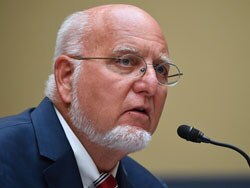
CDC Director Robert Redfield, MD (Shutterstock)

“You and I are going to see the cases continue to drop,” he said Thursday. “And then hopefully this week and next week, you’re going to start seeing the death rate really start to drop again.”

Redfield said it takes time for mitigation efforts such as widespread use of face masks and shutting down bars to be reflected in hotspots such as Arizona and Texas.

“It is important to understand these interventions are going to have a lag, that lag is going to be 3 to 4 weeks,” he said. “Hopefully this week and next week you’re going to start seeing the death rate really start to drop.”

The United States’ 7-day average for daily COVID-19 deaths has been above 1000 for several weeks. On Thursday, the US reported 1117 deaths, the COVID Tracking Project said.

The average number of new cases has been dropping recently. The COVID Tracking Project said 44,594 new cases were reported Thursday.

In the interview, Redfield said hard-hit Southern states like Texas and Florida are seeing a decline in cases.

“We’re starting to see some of the cases now in the red zone areas are falling, but if you look at those states that are in what we call the yellow zone, between 5% and 10%, they’re not falling, so middle American right now is getting stuck,” he said.

States such as Nebraska and Oklahoma need to bring down cases, he said.

“We don’t need to have a third wave in the heartlands, we need to prevent that,” he said.