Search This Blog

Friday, April 2, 2021

Conservatives have healthcare ideas too

 Democrats are pushing ahead with their healthcare agenda. In the last few weeks, progressive lawmakers have introduced a new Medicare for All bill, proposed legislation that would implement a public option, and poured billions of dollars into expanding Obamacare subsidies.

The press is wondering how Republicans will respond. Last month, POLITICO asserted that there was "a big fat question mark about what vision of health care Republicans will offer to voters as the country emerges from the pandemic."

But there are plenty of ideas from the right for healthcare reform. An array of conservative activists, lawmakers, and free-market thinkers have been advancing a vision for healthcare policy that would reduce costs and expand consumer choice. Republicans would be wise to start talking about them.

Take a recent collection of ideas from Americans for Prosperity that they've branded the "personal option," in opposition to President Biden's public option. AFP's agenda focuses on tax breaks, cutting regulations, and boosting access to more flexible insurance options.

For example, the personal option envisions a significant expansion of health savings accounts, or HSAs. These accounts offer patients a tax-advantaged way to save for medical expenses. Beneficiaries can set aside up to $3,600 for individuals and $7,200 for families tax-free each year. Individuals keep that money forever—regardless of changes to their employment or insurance plan.

HSAs are particularly appealing to young Americans. More than 75% of eligible millennials have one, according to a 2018 report. In total, Americans currently contribute to more than 30 million HSAs, according to new data from HSA services firm Devenir.

Unfortunately, existing regulations prevent many people from opening HSAs. Only consumers with high deductible insurance plans are eligible to do so. It's illegal for Medicare beneficiaries to deposit money in the accounts. These types of rules prevent 90% of Americans from contributing to an HSA, according to AFP senior health policy fellow Dean Clancy.

Removing those restrictions could help reduce patients' healthcare costs. In a 2015 study, the National Bureau of Economic Research found that among a group of 13 million individuals, HSAs reduced overall healthcare spending by 15% annually.

Health reimbursement arrangements, or HRAs, offer similar value. They allow employers to set aside funds for workers to spend on health insurance. As a result, employees aren't bound to a single plan offered by their employer. They instead use that money in whichever way they choose.

In 2019, former President Trump implemented a rule that expanded HRAs. His administration projected that more than 11 million Americans would be enrolled in an HRA by 2029. That estimate included 800,000 previously uninsured people.

Since then, Republican lawmakers have proposed legislation that would codify that rule into law. The personal option urges Congress to continue pushing that bill forward.

The Health Policy Consensus Group has been advancing ideas similar to the personal option as part of its Health Care Choices 20/20 plan for years. It's also called on lawmakers to reform existing healthcare delivery models by rolling back regulations on telehealth.

Pre-pandemic, most physicians weren't allowed to provide telehealth services to patients living in another state. Lawmakers temporarily removed those restrictions during the pandemic. Those changes should be made permanent.

After all, receiving care virtually isn't just convenient for patients. It can generate significant healthcare savings—up to $121 per visit, according to a study published in the American Journal of Emergency MedicineOver 80% of patients plan to utilize telemedicine after the pandemic, according to a recent poll.

These health policy proposals have one thing in common—they give patients greater control over their health care.

(They have another thing in common, too—they overlap with the "Pipes Plan," which I've articulated in several of my recent books.)

In contrast, Democrats are trying to take that choice away. Reps. Pramila Jayapal, D-Wash., and Debbie Dingell, D-Mich., have attracted 113 cosponsors of their new Medicare for All bill, which would ban private insurance and put every American on a government health plan. President Biden's public option would do the same, albeit on a slower scale.

Our country's leaders need to expand Americans' affordable healthcare options—not limit them. Thinkers on the right have loads of ideas for doing so.

https://www.forbes.com/sites/sallypipes/2021/03/29/conservatives-have-healthcare-ideas-too/

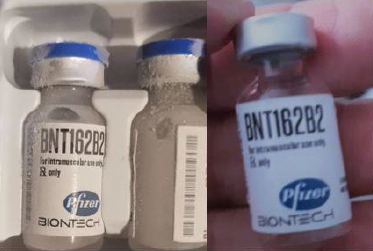
WHO warns of fake Pfizer, BioNTech COVID shot in Americas


Suspected fake Pfizer and BioNTech's COVID-19 vaccines discovered in Mexico last month have now been confirmed as falsified by the World Health Organisation.

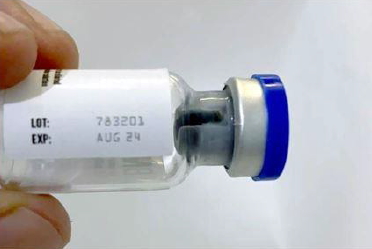
In an alert, the WHO warned that the falsified BNT162b2 COVID-19 vaccine may still be in circulation in the Americas. The vaccines – which were supplied and administered to patients outside authorised vaccination programmes – are being laboratory tested to see what they contain.

According to the agency, Pfizer and BioNTech have confirmed they did not manufacture the product, that the batch number and expiry dates are falsified, and the glass vials and label are different from genuine BNT162b2 vials. Details of the fake are included below:

Click image to expand

"Falsified COVID-19 vaccines pose a serious risk to global public health and place an additional burden on vulnerable populations and health systems," said the WHO in its alert. "It is important to identify and remove these from circulation."

It advises that all medical products must be obtained from authorised/licensed suppliers, and the products’ authenticity and physical condition should be carefully checked.

SecuringIndustry.com asked BioNTech for information on the measures it takes to protect its vaccine from falsification and other security threats like diversion or theft, and the guidance it gives to those administering them, but the company declined to comment.

Houston Methodist among largest providers of monoclonal antibody treatment for COVID-19

 Houston Methodist has been a leader in successfully treating high-risk patients with monoclonal antibodies (mAB) for mild to moderate Covid-19 infection. Among the nation's largest providers of mAB therapy, Houston Methodist has infused nearly 4,000 patients since the FDA's Emergency Use Authorization (EUA) was issued. The hospital system was able to quickly ramp up its program once the EUA was granted by leveraging a number of resources through interdisciplinary collaboration.

As more hospitals begin to ramp up for treating Covid-19 with mAB therapy, Houston Methodist's example serves as a valuable model for other medical systems to establish or expand mAB treatment programs and improve patient access to this critical therapy. A commentary outlining the challenges, resources used and benchmarks of success published online March 29 in the New England Journal of Medicine Catalyst.

Houston Methodist drew upon its experience with clinical trials on other Covid-19 therapies and forged early partnerships with industry through the Houston Methodist Research Institute to conduct mAB clinical trials beginning early on in the pandemic. Doing so helped the hospital system overcome a number of obstacles to rapidly establish and scale up treatment clinics to bring mAB therapy to thousands of patients. Challenges included designing clinics using existing resources to separate Covid-19 positive patients from other hospitalized patients, establishing a referral stream that could treat large patient volumes and maintaining a sufficient drug supply to treat all patients.

Highlights included establishing six clinics in less than six weeks across the greater Houston area throughout Houston Methodist's system of hospitals; having an average of 1.2 days from referral to treatment; infusing more than 2,500 patients; and avoiding nearly 250 Covid-19-related hospitalizations. Some of these numbers have increased since the initial study period published in NEJM. Another mark of success, some patients have traveled as many as eight hours to receive mAB therapy at Houston Methodist. This also suggests a need for other healthcare systems to create or expand mAB infusion clinics to improve availability for those unable to travel.

###

The commentary authors reflect the breadth of specialties involved in creating Houston Methodist's successful mAB treatment infrastructure and include Nursing Director Jennifer R. Berry, D.N.P., R.N.; Director of System Clinical Pharmacy Services Michael G. Liebl Pharm.D.; System Director of Research Operations Pauline H. Todd, M.B.A., B.S.N., R.N.; and Chief Nursing Officer Vicki Brownewell, M.S., R.N.

To read the study, titled "Rapid Operationalization of Covid-19 Monoclonal Antibody Infusion Clinics," visit https://catalyst.nejm.org/doi/full/10.1056/CAT.21.0040.

Citation: Rapid Operationalization of Covid-19 Monoclonal Antibody Infusion Clinics. New England Journal of Medicine. (online March 29, 2021) Jennifer R. Berry, Michael G. Liebl, Pauline H. Todd and Vicki Brownewell; DOI: https://catalyst.nejm.org/doi/full/10.1056/CAT.21.0040

https://www.eurekalert.org/pub_releases/2021-03/hm-hma033121.php

'COVID-19 patients can be categorized into three groups'

 In a new study, researchers identify three clinical COVID-19 phenotypes, reflecting patient populations with different comorbidities, complications and clinical outcomes. The three phenotypes are described in a paper published this week in the open-access journal PLOS ONE 1st authors Elizabeth Lusczek and Nicholas Ingraham of University of Minnesota Medical School, US, and colleagues.

COVID-19 has infected more than 18 million people and led to more than 700,000 deaths around the world. Emergency department presentation varies widely, suggesting that distinct clinical phenotypes exist and, importantly, that these distinct phenotypic presentations may respond differently to treatment.

In the new study, researchers analyzed electronic health records (EHRs) from 14 hospitals in the midwestern United States and from 60 primary care clinics in the state of Minnesota. Data were available for 7,538 patients with PCR-confirmed COVID-19 between March 7 and August 25, 2020; 1,022 of these patients required hospital admission and were included in the study. Data on each patient included comorbidities, medications, lab values, clinic visits, hospital admission information, and patient demographics.

Most patients included in the study (613 patients, or 60 percent) presented with what the researchers dubbed "phenotype II." 236 patients (23.1 percent) presented with "phenotype I," or the "Adverse phenotype," which was associated with the worst clinical outcomes; these patients had the highest level of hematologic, renal and cardiac comorbidities (all p<0.001) and were more likely to be non-White and non-English speaking. 173 patients (16.9 percent) presented with "phenotype III," or the "Favorable phenotype," which was associated with the best clinical outcomes; surprisingly, despite having the lowest complication rate and mortality, patients in this group had the highest rate of respiratory comorbidities (p=0.002) as well as a 10 percent greater risk of hospital readmission compared to the other phenotypes. Overall, phenotypes I and II were associated with 7.30-fold (95% CI 3.11-17.17, p<0.001) and 2.57-fold (95% CI 1.10-6.00, p=0.03) increases in hazard of death relative to phenotype III.

The authors conclude that phenotype-specific medical care could improve COVID-19 outcomes, and suggest that future research is needed to determine the utility of these findings in clinical practice.

The authors add: "Patients do not suffer from COVID-19 in a uniform matter. By identifying similarly affected groups, we not only improve our understanding of the disease process, but this enables us to precisely target future interventions to the highest risk patients."

###

Citation: Lusczek ER, Ingraham NE, Karam BS, Proper J, Siegel L, Helgeson ES, et al. (2021) Characterizing COVID-19 clinical phenotypes and associated comorbidities and complication profiles. PLoS ONE 16(3): e0248956. https://doi.org/10.1371/journal.pone.0248956

Funding: 1. NIH National Heart, Lung, and Blood Institute T32HL07741 (NEI) 2. This research was supported by the Agency for Healthcare Research and Quality (AHRQ) and Patient-Centered Outcomes Research Institute (PCORI), grant K12HS026379 (CJT) and the National Institutes of Health's National Center for Advancing Translational Sciences, grant UL1TR002494. 3. NIH National Heart, Lung, and Blood Institute T32HL129956 (JP, LS) The funders had no role in study design, data collection and analysis, decision to publish, or preparation of the manuscript.

Competing Interests: The authors have declared that no competing interests exist.

This URL provides access to the freely available article in PLOS ONE: https://journals.plos.org/plosone/article?id=10.1371/journal.pone.0248956

https://www.eurekalert.org/pub_releases/2021-04/p-cpc040221.php


Study identifies possible COVID-19 drugs including several FDA-approved

 A team led by scientists in the Perelman School of Medicine at the University of Pennsylvania has identified nine potential new COVID-19 treatments, including three that are already approved by the Food and Drug Administration (FDA) for treating other diseases.

The team, whose findings were published in Cell Reports, screened thousands of existing drugs and drug-like molecules for their ability to inhibit the replication of the COVID-19-causing coronavirus, SARS-CoV-2. In contrast to many prior studies, the screens tested the molecules for anti-coronaviral activity in a variety of cell types, including human airway-lining cells that are similar to the ones principally affected in COVID-19.

Of the nine drugs found to reduce SARS-CoV-2 replication in respiratory cells, three already have FDA approval: the transplant-rejection drug cyclosporine, the cancer drug dacomitinib, and the antibiotic salinomycin. These could be rapidly tested in human volunteers and COVID-19 patients.

The experiments also shed light on key processes the coronavirus uses to infect different cells and found that the antiviral drug remdesivir, which has an FDA Emergency Use Authorization for treating COVID-19, does appear to work against the virus in cell-culture tests on respiratory cells, whereas hydroxychloroquine does not.

"Our discoveries here suggest new avenues for therapeutic interventions against COVID-19, and also underscore the importance of testing candidate drugs in respiratory cells," said co-senior author Sara Cherry, PhD, a professor of Pathology and Laboratory Medicine and scientific director of the High-Throughput Screening (HTS) Core at Penn Medicine.

Study collaborators included co-senior authors David Schultz, PhD, technical director of the HTS Core, and Holly Ramage, PhD, assistant professor of microbiology & immunology at Thomas Jefferson University.

Although great progress has been made in the development of vaccines and treatments for the SARS-CoV-2 coronavirus, there is still much room for improvement. In the United States, the only antiviral COVID-19 treatments that have received FDA Emergency Use Authorization -- remdesivir and several anti-SARS-CoV-2 antibody preparations -- are expensive and far from 100 percent effective.

For their screening project, Cherry and colleagues assembled a library of 3,059 compounds, including about 1,000 FDA-approved drugs and more than 2,000 drug-like molecules that have shown activity against defined biological targets. They then tested all of these for their ability to significantly inhibit SARS-CoV-2 replication in infected cells, without causing much toxicity.

Initially, they performed antiviral screens using cell types they could grow easily in the lab and infect with SARS-CoV-2, namely African Green Monkey kidney cells, and a cell line derived from human liver cells. With these screens, they identified and validated several compounds that worked in the monkey kidney cells, and 23 that worked in the human liver cells. Hydroxychloroquine, which is used as a malaria drug, and remdesivir, were effective in both cell types.

Since SARS-CoV-2 is mainly a respiratory virus and is thought to initiate infections via airway-lining cells, the researchers sought a respiratory cell type that they could infect experimentally with the virus. They eventually identified a suitable cell line, Calu-3, that is derived from human airway-lining cells. They used these respiratory-derived cells to test the antiviral compounds identified through the human liver cell screen, and found that only nine had activity in the new cells. The nine did not include hydroxychloroquine. (Remdesivir worked in the Calu-3 cells but was not included in the list because it is already in use against COVID-19.)

By identifying different sets of drugs that work in different cell types, the researchers also shed light on the mechanisms SARS-CoV-2 uses to gain entry to cells. The findings suggest that in kidney and liver cells, the virus uses a mechanism that can be disrupted, for example, by hydroxychloroquine; yet the virus appears to use a different mechanism in respiratory cells, thus explaining hydroxychloroquine's lack of success in those cells -- and in COVID-19 clinical trials.

The nine antivirals active in respiratory cells did include salinomycin, a veterinary antibiotic that is also being investigated as an anticancer drug; the kinase enzyme inhibitor dacomitinib, an anticancer drug; bemcentinib, another kinase inhibitor now being tested against cancers; the antihistamine drug ebastine; and cyclosporine, an immune suppressing drug commonly used to prevent the immune rejection of transplanted organs.

The study highlights cyclosporine as particularly promising, as it appears to works against SARS-CoV-2 in respiratory and non-respiratory cells, and via two distinct mechanisms: inhibiting cell enzymes called cyclophilins, which the coronavirus hijacks to support itself, and suppressing the potentially lethal inflammation of severe COVID-19.

"There may be important benefits to the use of cyclosporine in hospitalized COVID-19 patients, and ongoing clinical trials at Penn and elsewhere are testing that hypothesis," Cherry said.

###

The research was supported by funding from the National Institutes of Health (5R01AI140539, 1R01AI1502461, R01AI152362), the Mark Foundation, the Dean's Innovation Fund, the Laddie and Linda Montague Foundation, the Burroughs Wellcome Fund, Mercatus, and the Bill and Melinda Gates Foundation.

https://www.eurekalert.org/pub_releases/2021-04/uops-sip040221.php

Health professionals with dependents at high risk of quitting after COVID-19

 Up to one in five employees at an academic medical institution are considering leaving their professions due to the strains of coping with the pandemic in their own lives, according to a new University of Utah Health study. Individuals who had caregiving responsibilities were among those most likely to contemplate leaving or reducing hours.

The findings suggest that retaining highly trained doctors, nurses, and scientists in the aftermath of the COVID-19 pandemic could be the next great health care challenge.

"It's sobering to learn that, during a time of economic recession, at least one-fifth of our workforce were considering leaving their jobs because of the severe levels of stress they were experiencing," says Angela Fagerlin, Ph.D., the study's senior author and professor and chair of the Department of Population Health Sciences at the University of Utah School of Medicine. "Many of these are people who have spent five to ten years of their adult lives training to do this kind of work. Yet, it's so overwhelming and burdensome that they were potentially thinking about giving it all up."

Although conducted at a single health care system, the researchers say these findings could have broader implications.

"We suspect these disturbing trends likely exist within other health care systems nationwide," says Rebecca Delaney, Ph.D., the study's lead author and a postdoctoral research fellow at the U of U School of Medicine. "These findings are alarming and a warning sign about the morale and well-being of doctors and nurses, as well as non-clinical health care scientists and staff."

The study appears in JAMA Network Open.

Several studies have examined the effects of burnout, stress, depression, and anxiety on frontline medical staff during the global pandemic. However, most have only included frontline workers or physician trainees. Few of these studies have addressed important family-work balance issues, such as childcare needs during the pandemic, which contribute significantly to the stress and burnout of staff.

To remedy this oversight, Delaney and her colleagues distributed a web-based survey of all 27,700 clinical and non-clinical U of U Health faculty, staff, and trainees in August 2020. Survey items measured childcare needs, work-life balance needs, career development impact, and stress related to the pandemic.

Overall, 18 percent (n=5,030) completed the entire survey. The data was consistent across clinical and non-clinical respondents, confirming that everyone--men, women, those with and without children--were struggling with the impact of COVID-19, Delaney says.

Nearly half (48 percent) reported having at least one child 18 years old or younger. In addition, the researchers found:

  • 49 percent of those who had children reported that parenting and managing virtual education for children was causing them stress
  • Faculty (55 percent) and trainees (60 percent) reported decreased productivity
  • 47 percent of participants expressed concern about COVID-19 affecting their career development, with 64 percent of trainees being highly concerned
  • 30 percent reported considering reducing hours
  • 21 percent reported considering leaving the workforce

In addition to being a single health care system survey, other study limitations included the possibility of selection bias among those who chose to complete the survey. It's also possible that more employees with children aged 18 or younger responded than those without children.

Although the researchers found that burnout, depression, and anxiety were important, they concluded that greater emphasis on work-life balance, accessibility to dependent care, and ongoing psychological and social support could prevent thousands of medical caregivers from joining this potentially devastating exodus.

"Health care systems must develop effective ways to ensure that well-trained clinicians, support staff, and non-clinical scientists are supported during this unprecedented time as well as after it," Fagerlin says. "If they do that, then health systems will be more likely to retain a diverse and effective workforce."

###

In addition to Drs. Delaney and Fagerlin, U of U Health scientists Amy Locke, Mandy L. Pershing, Claudia Geist, Erin Clouse, Michelle Precourt Debbink, Benjamin Haaland, Amy J. Tanner, and Yoshimi Anzai contributed to this study. The study, "Experiences of a Health System's Faculty, Staff and Trainees Career Development, Work Culture, and Child Care Needs During the COVID-19 Pandemic" appears in JAMA Network Open. It was supported by a Jon M. Huntsman Presidential Endowed Chair awarded to Fagerlin, who is also a research scientist at the VA Salt Lake City Health Care System.

https://www.eurekalert.org/pub_releases/2021-04/uouh-haa033121.php

Real-world Evidence for Improved Outcomes with Histamine Antagonists, Aspirin in COVID-19

 Cameron Mura, Saskia Preissner, Susanne Nahles, Max Heiland, Philip Bourne, Robert Preissner

DOI: 10.21203/rs.3.rs-369927/v1

PDF: https://www.researchsquare.com/article/rs-369927/v1.pdf

COVID-19 has spurred much interest in the therapeutic potential of repurposed drugs, such as acid-reducing drugs that act as histamine H2 receptor antagonists (H2RA). These compounds, exemplified by famotidine (e.g., Pepcid) and ranitidine (e.g., Zantac), bind the H2R and block the histamine-triggered stimulation of signal transduction cascades. Histamine and H2RAs, on the one hand, and downstream physiological pathways, on the other hand, form a dense web of disparate pathways and signaling networks; these networks are ultimately tied to the dysregulated inflammatory cascades (cytokine storm) that underlies the pathophysiology of COVID-19. Is famotidine beneficial in treating COVID-19? This question remains unresolved, despite much recent effort: over 10 studies have examined the potential value of famotidine in COVID-19, but have found largely contradictory results. Given the conflicting reports, we have undertaken a new analysis reported herein, drawing upon a cohort of 22,560 COVID-19 patients. Using electronic health records, we statistically analyzed outcomes for treatment with the H1RAs loratadine (e.g., Claritin) and cetirizine (e.g., Zyrtec), the H2RA famotidine, the general-purpose anti-inflammatory aspirin, and a famotidine & aspirin combination. For severe cases (requiring respiratory support), we found a significantly reduced fatality risk for famotidine treatment. Notably, famotidine combined with aspirin exhibited a significant synergistic survival benefit (odds ratio of 0.55). The relative risk for death decreased by 32.5%—an immense benefit, given the more than 2.6 million COVID-19-related deaths thus far. The large, multi-center retrospective study reported here, sampling over 250,000 COVID-19 cases internationally, hopefully helps clarify the possible value of clinically-approved histamine antagonists such as famotidine. Given these findings, alongside the cost-effectiveness and mild side-effects of common over-the-counter drugs like famotidine and aspirin, we suggest that further prospective clinical trials, perhaps utilizing the aspirin combination reported here, are advisable.

https://www.researchsquare.com/article/rs-369927/v1