by Paul D. Thacker
I have an interview with Oxford’s Carl Heneghan, on the scandal at the Centers for Disease Control and Prevention (CDC) where researchers were caught publishing poor quality studies—called test negative design—to promote vaccines.

Another fake scandal orchestrated to promote Big Pharma erupted in the pages of the Washington Post last April when employees with the Centers for Disease Control and Prevention (CDC) leaked internal deliberations about a study being shut down because it promoted the COVID vaccine boosters. But if you bothered to read beyond the headline, the real issues wasn’t shutting down a particular vaccine study, but ceasing the way CDC employees having been doing vaccine research, and demanding they use higher quality evidence.
CDC employees have been using a study technique called “test negative” which seems almost predetermined to find results that favor vaccines. To try and win this scientific battle in the press, CDC employees have continued sending anonymous complaints to different media outlets that they are being censored, forcing the agency to draw the disgruntled leakers out into the sunlight, by holding a public seminar a couple days ago to discuss the matter according to basic scientific principles and guidelines.
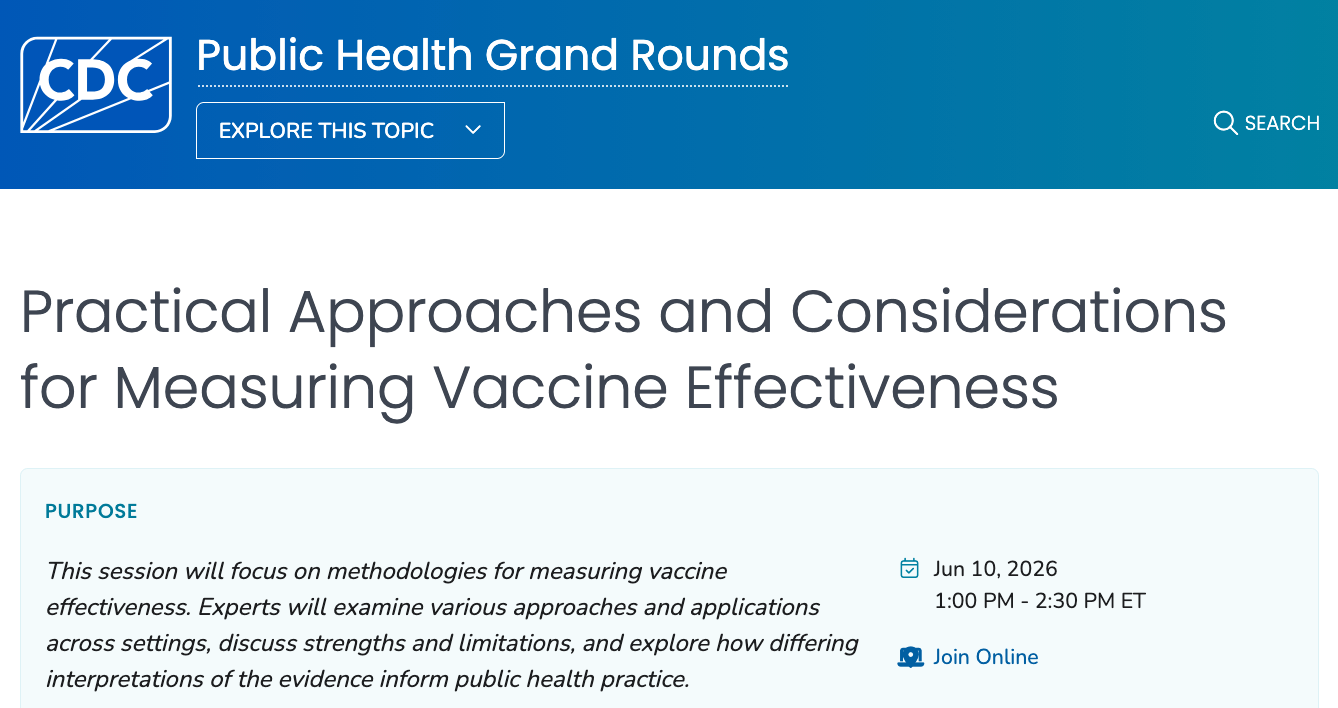
To get to the bottom of this matter, I called up Oxford’s Carl Heneghan, a physician researcher and expert on evidence-based medicine. Heneghan explained that test negative studies are flawed, but some researchers like them because, unlike randomized controlled clinical trials (RCTs), they give fast results that seem almost predetermined to favor vaccines.
“Your CDC has a particular problem—ideology,” Heneghan said. “They’re not testing whether something works; they’re trying to prove what they think works. In doing so, test negative designs are really good to do that.”
Heneghan said the CDC should switch to higher quality studies that require federal scientists to first publish a protocol so researchers can’t fiddle with the data on the back end. We also discussed the ins and outs of how to judge scientific studies and why we keep reading stories with scary headlines about measles, hantavirus, and Ebola, when few if any people die from these viruses in either the United States or in the United Kingdom.
When is comes to hantavirus, Heneghan explained, “We’ve had 12 cases in a decade and no deaths.”
See the interview below and suggest future guests in the comments. Again, please subscribe to the DisInformation Chronicle Youtube channel as well.
https://disinformationchronicle.substack.com/p/disinformation-chronicle-podcast-b1a

No comments:
Post a Comment
Note: Only a member of this blog may post a comment.