Search This Blog

Sunday, June 16, 2019

Vagus nerve stimulation may cut rheumatoid arthritis symptoms

The results of a pilot study presented today at the Annual European Congress of Rheumatology (EULAR 2019) suggest that electro stimulation of one of the nerves connecting the brain to the body (the vagus nerve), could provide a novel treatment approach for patients with rheumatoid arthritis.1
“This is a really exciting development. For many patients suffering from rheumatoid arthritis, current treatments don’t work, or aren’t tolerated,” said Professor Thomas Dörner, Chairperson of the Scientific Programme Committee, EULAR. “These results open the door to a novel approach to treating not only rheumatoid arthritis, but other chronic inflammatory diseases. This is certainly an area for further study.”
The vagus nerve is the longest and the most complex of the 12 pairs of cranial nerves that originate from the brain. The name ‘vagus’ comes from the latin word for ‘wandering’. This is because the vagus nerve wanders from the brain into the organs of the neck, chest and abdomen.
Recent advances in neuroscience and immunology have mapped circuits in the brain that regulate immune responses. In one of the circuits, the ‘inflammatory reflex’, signals are transmitted in the vagus nerve that inhibit the production of cytokines including tumor necrosis factor (TNF), an inflammatory molecule that is a major therapeutic target in rheumatoid arthritis. It is thought that, by stimulating the activity of this inflammatory reflex, innate immune responses can be modulated without abolishing them or producing significant immunosuppression.
In this pilot study, a novel miniaturised neurostimulator called a MicroRegulator was implanted into 14 patients with rheumatoid arthritis who had failed on at least two biologics or targeted oral therapies with different mechanisms of action. Patients were randomised to three groups who were either placebo, stimulated once daily, or stimulated four times a day for 12 weeks. At the end of the study, the patients who received once-daily stimulation were shown to have a better response than those on four-times-daily stimulation with two thirds meeting the EULAR good or moderate response criteria and a mean change in DAS28-CRP of -1.24. The mean change in DAS28-CRP* in the placebo group was 0.16.1
Cytokines (a broad and loose category of small proteins that are important in cell signalling) were also measured in the study with the actively stimulated groups showing a decrease of more than 30% in levels of Interleukin (IL) 1β, IL-6, and TNF-α. Implantation and stimulation were generally well tolerated with no device or treatment-related SAEs and two surgery-related adverse events that resolved without clinically significant effects.1
“Our pilot study suggests this novel MicroRegulator device is well tolerated and reduces signs and symptoms of rheumatoid arthritis,” said Mark Genovese, M.D., James W. Raitt Endowed Professor of Medicine, Stanford University, Stanford, California, USA. “These data support the study of this device in a larger placebo-controlled study as a novel treatment approach for rheumatoid arthritis and possibly other chronic inflammatory diseases.”
This study follows a proof-of-concept study which used reprogrammed epilepsy stimulators on the vagus nerve to demonstrate reduced systemic inflammation and improved disease activity in 17 patients with rheumatoid arthritis.3
The study included 14 patients with active rheumatoid arthritis who had had an insufficient response to more than two biological disease modifying anti-rheumatic drugs (bDMARDs) or JAK inhibitors with more than two modes of action. All patients remained on stable background of methotrexate. The first three patients were implanted and stimulated after three weeks, following safety review board approval, the remaining 11 patients were implanted and randomised to one minute of stimulation once-daily, one minute of stimulation four times daily, or one minute of placebo stimulation.1
Abstract number: LB0009
References
    • 1. Genovese MC, Gaylis N, Sikes D, et al. First-in-human study of novel implanted vagus nerve stimulation device to treat rheumatoid arthritis. EULAR 2019; Madrid: Abstract LB0009.
2. Andersson U and Tracey KJ. Reflex Principles of Immunological Homeostasis. Annu Rev Immunol. 2012;30:313-335.
3. Koopman FA, Chavan SS, Miljko S, et al. Vagus nerve stimulation inhibits cytokine production and attenuates disease severity in rheumatoid arthritis. Proc Natl Acad Sci U S A. 2016;113(29):8284-8289.
4. van der Heijde D, Daikh DI, Betteridge N, et al. Common language description of the term rheumatic and musculoskeletal diseases (RMDs) for use in communication with the lay public, healthcare providers and other stakeholders endorsed by the European League Against Rheumatism (EULAR) and the American College of Rheumatology (ACR). Ann Rheum Dis. 2018 Jun;77(6):829-832.

Sleep-Disordered Breathing Tied to Accelerated Aging

Sleep-disordered breathing (SDB), and the disruption in nightly sleep it causes, speeds up the aging process, according to preliminary research.
SDB is a common disorder that results in oxidative stress and inflammation and is associated with several age-related health disorders. However, it hasn’t been well studied with respect to epigenetic aging.
“To our knowledge, this study is the first empirical study that has linked sleep-disordered breathing with epigenetic age acceleration,” Xiaoyu Li, ScD, of Brigham and Women’s Hospital and Harvard Medical School in Boston, Massachusetts, told Medscape Medical News.
The study was presented here at SLEEP 2019: 33rd Annual Meeting of the Associated Professional Sleep Societies.

Women Particularly Vulnerable

The study included 622 adults (mean age 69 years, 53% women) from the Multi-Ethnic Study of Atherosclerosis (MESA). All participants underwent polysomnography; DNA methylation, a marker for epigenetic age acceleration, was measured in blood samples.
Age acceleration measures were calculated as residuals from the regression of each epigenetic age on chronologic age. The association of each SDB trait with age acceleration was estimated using linear regression, controlling for sociodemographics, health behaviors, body mass index, and study site.
Increasing SDB severity and sleep disruption were associated with epigenetic age acceleration, independent of measured confounders, Li reported.
Specifically, each standard deviation increase in the apnea-hypopnea index (AHI), a measure of SDB severity, was associated with the equivalent of 215 days of biological age acceleration. In addition, each standard deviation increase in the arousal index, a measure of sleep disruption, was associated with the equivalent of 321 days of age acceleration.
“The study findings show that more severe SDB is associated with greater epigenetic age acceleration and that stronger associations were shown in women than in men, despite women having less severe SDB,” Li told Medscape Medical News.
“While women are often considered to be a lower risk for health conditions related to SDB, our findings suggest increased biological susceptibility,” Li added. “Our data provide biological evidence supporting adverse physiological and health effects of untreated SDB. These results highlight the potential for SDB treatment to improve age-related chronic conditions, such as dementia, and longevity, especially among women.”

Important Research

Commenting on the findings for Medscape Medical News, American Academy of Sleep Medicine spokesperson Nitun Verma, MD, said while the findings are “intuitive, this study does a nice job of starting to quantify it, and it’s helpful to be able to tell someone that they may age faster if they have untreated sleep apnea. That might also help with adherence to treatment.”
“The study shows how important this condition of sleep-disordered breathing is,” added Verma, a sleep physician at AC Wellness in San Francisco, California.
“SDB is a very significant condition that affects almost every organ in the body,” he emphasized. “For sleep apnea that has almost as much impact and prevalence as diabetes, they should stand together on the same stage. This is a march towards that.”
The study was supported by funding from the National Heart, Lung, and Blood Institute of the National Institutes of Health. Li and Verma have disclosed no relevant financial relationships.
SLEEP 2019: 33rd Annual Meeting of the Associated Professional Sleep Societies: Abstract 0291. Presented June 12, 2019.

VBI Vaccines to Host Conference Call Monday to Review Phase 3 Data

VBI Vaccines Inc. (Nasdaq: VBIV) (“VBI”), a commercial-stage biopharmaceutical company developing next-generation infectious disease and immuno-oncology vaccines, will host a conference call and webcast tomorrow morning, June 17, 2019, at 8:00 AM ET. Management looks forward to reviewing top-line data from PROTECT, one of two pivotal Phase 3 studies for Sci-B-Vac®, the company’s trivalent hepatitis B vaccine.
Conference Call and Webcast Details
The live webcast and slide presentation can be accessed via the Events/Presentations page in the investors section of the company’s website, https://www.vbivaccines.com/investors/events-presentations/, or by clicking this link: https://edge.media-server.com/m6/p/7ryhzgu2.
A replay of the webcast will be archived on the company’s website for 90 days following the live conference call.
To listen to the live conference call, please dial:
      – Toll-free U.S. & Canada Dial-In: (866) 602-1050
– International Dial-In: (409) 231-2052
– Conference ID: 7639339

MedRxiv preprint server for health sciences will ‘accelerate’ research

Yale University, Cold Spring Harbor Laboratory (CSHL), and publisher BMJ today announced the forthcoming launch of medRxiv [pronounced “med-archive”], a free online archive and distribution service for preprints in the medical and health sciences. The server is expected to begin accepting manuscripts on June 6 and will be overseen by the three organizations.
Click for a video of Yale investigators discussing medRxiv’s capabilities.
Preprints are preliminary versions of research articles that researchers share with each other before they are published in a journal in order to disseminate study methods and findings among the scientific community and to solicit feedback to help improve the final published article.
“MedRxiv aims to do for authors engaged in clinical research what bioRxiv and arXiv have been doing for biology and physics, respectively, for many years,” said Harlan Krumholz, co-founder of medRxiv, Yale University professor of medicine, and head of the Yale Open Data Access (YODA) project. “Given the special requirements of preprints in medical and health fields, medRxiv will also provide new processes to help ensure that we are mitigating any risks of early dissemination while promoting the value of faster communication among the scientific community.”
The medRxiv archive will accept preprints of articles covering all aspects of research in the health sciences. A manuscript’s appearance in medRxiv does not imply endorsement of its methods, assumptions, conclusions, or scientific quality by BMJ, Yale, or CSHL. There will be prominent labels on all articles that designate them as pre-peer review content.
“MedRxiv’s mission is to responsibly improve the openness and accessibility of scientific findings, enhance collaboration among researchers, document the provenance of ideas, and inform ongoing and planned research through more timely reporting of completed research,” said John Inglis, co-founder of medRxiv and CSHL’s bioRxiv.
Richard Sever, co-founder with Inglis of medRxiv and bioRxiv, added that they are already seeing many instances where early release of results on bioRxiv is significantly accelerating basic research. They anticipate medRxiv will do the same for clinical research, he said.
MedRxiv’s founding organizations are Cold Spring Harbor Laboratory, creator of the biological preprint server bioRxiv (launched in 2013); BMJ, publisher of leading peer-reviewed journals and global healthcare knowledge provider; and Yale University, a world-renowned clinical research and teaching institution. The archive will host manuscripts from researchers around the world, regardless of their organizational affiliation, will be publisher-neutral, and will be guided in its mission by an international advisory board.
A manuscript may be posted prior to, or concurrently with, submission to a journal, but not if it has already been published. Most journals from a wide variety of publishers allow publication of journal articles that have appeared in early form on designated preprint servers. Once posted on medRxiv, manuscripts have a digital object identifier (DOI), so are discoverable, indexable, and citable. They may be withdrawn if authors no longer stand by the findings or conclusions, but cannot routinely be removed.
“BMJ has recognized the value of preprints for more than 20 years,” said Theodora Bloom, co-founder of medRxiv and executive editor of BMJ. “With the recent growth of preprints in the life sciences, we saw the time as ripe to reinvigorate the notion of preprints for the clinical sciences, and were delighted to work together with colleagues from CSHL and Yale who were thinking the same way. We have come together to provide a free, independent service for all health scientists.”
Claire Rawlinson, co-founder of medRxiv and BMJ’s publisher, explained that the success of preprints in many other fields has highlighted the opportunity for the medical research community to create an appropriate platform for rapidly and responsibly sharing its latest research.
Developed to support the scientific community and foster collaboration, medRxiv is a “trusted intermediary” to accelerate the sharing of clinical papers, results, and data to improve public health and healthcare, said Joseph S. Ross, co-founder of medRxiv and associate professor at Yale.
Complete information about medRxiv, including author guidelines, is available at the project website.

Making the Most of Symptomatic Therapy in Alzheimer’s Disease

With no disease-modifying treatments on the market for Alzheimer’s disease, clinicians must turn to symptomatic treatments. In this video from the 2019 American Academy of Neurology annual meeting in Philadelphia, Jeffrey Cummings, MD, of the Cleveland Clinic in Ohio, discusses some of the side effect profiles for these agents and how he starts patients on treatment.
Following is a transcript of his remarks:
Symptomatic treatments of Alzheimer’s disease are really important. They’re the only thing we have. We have no disease-modifying therapies.
There’s a great emphasis in the drug pipeline on the development of these disease-modifying treatments, and we’re looking forward to having those — no doubt they’re important — but they’re not available, and as a matter of fact, they’re several years away. The important thing is let’s use the drugs that we have now. They are only modestly effective, but they are consistently superior to placebo in every double-blind, placebo-controlled trial.
The drugs that are available would be donepezil [Aricept] as an oral formulation, galantamine [Razadyne] as an oral formulation, rivastigmine [Exelon] as a transdermal patch, and memantine [Namenda] as an oral formulation. My strategy when I’m dealing with a patient who comes in with Alzheimer’s disease, mild to moderate severity, is I inquire about whether they would prefer a pill or a patch. I go with their preference. I start at the lowest dose. I titrate it up.
Patients then progress, which they do, of course. This is a progressive disease. It doesn’t mean the treatment is failing. It just means that the disease is progressing in spite of the therapy. When that happens, I add memantine. That takes me through several years of management, and I’m confident based on the double-blind clinical trial data that those medications are helpful compared to no treatment.
There are patients that I think should not be on cholinesterase inhibitors. For example, bradycardia can be exacerbated by a cholinesterase inhibitor. Take a pulse. This is a great physician thing to do. Take a pulse, and if it’s below 50, don’t use a cholinesterase inhibitor in that patient. Then there are a fair number of patients who develop gastrointestinal side effects, particularly on donepezil, but also on the others as well. A good gastrointestinal history is very important. It’s not just about diarrhea, which is kind of what’s discussed in the literature. For me, it’s really about how many stools per day are patients having, and so I ask. At least 10% or 15% of patients have disturbing levels of gastrointestinal difficulties.
Usually I try another cholinesterase inhibitor. For example, if that’s happened on donepezil, then I would migrate them to the rivastigmine patch. Other things to be alert for would be nighttime disturbances, nighttime sleep, and dreaming disturbances, which can be helped by providing the medication in the morning rather than the evening. Then some patients will get muscle cramps. Again, if they’re severe, the drug must be discontinued.

Over 22 Million Cancer Survivors Seen In U.S. By 2030

A new report has predicted that there will be 5 million additional people in the U.S. with a personal history of cancer by 2030.
The report, produced every three years as a joint venture between the American Cancer Society and the National Cancer Institute states that the numbers will soar from 16.9 million Americans with a history of cancer as of the 1st of January this year to 22.1 million just over a decade from now.
Although cancer incidence rates are stable in women and slightly declining in men, new advances in treatments such as targeted therapies and better early screening and diagnostic techniques means more people are surviving their disease, with around 50% of people now expected to survive ten years or more after diagnosis. The report cites two thirds of cancer survivors are over 65 and on the other end of the age spectrum, over 110,000 cancer survivors are aged 19 or under.
Although a growing number of people surviving cancer is undoubtedly good news, it is becoming increasingly well-known that those who have had cancer can experience a wide range of long-term side-effects, affecting both physical and mental health as a result of their treatment. These, combined with the high costs of cancer treatment leaving many survivors with financial issues means that for many people, cancer can have life-long impact.
“People with a history of cancer have unique medical, psychosocial, and economic needs that require proactive assessment and management by health care providers,” said Robin Yabroff, Ph.D., senior scientific director of Health Services Research and co-author of the report.
It is universally accepted that the needs of cancer survivors are not currently being met. For a long time, the sole focus of cancer research as a field was to successfully treat as many people as possible, with only minimal regard as to what happened to them in the long-term. This, thankfully is slowly changing and more research projects identifying the needs of cancer survivors and intervening to help them, are coming to fruition, but much more is needed.
“Although there are growing numbers of tools that can assist patients, caregivers, and clinicians in navigating the various phases of cancer survivorship, further evidence-based resources are needed to optimize care,” said Yabroff.
Another big question is how the U.S. healthcare system is going to manage to look after this vast number of cancer survivors. Many survivors continue to see their oncologists for long-term side effects that are not related to cancer recurrence or secondary cancers as there is simply no better person to go to. This means that oncology departments, too, are becoming overwhelmed as they try to manage both new patients and those who have finished treatment.
“The system for caring for cancer survivors in the U.S. we have currently is not sustainable. We have more survivors and they are living longer, which is, of course, wonderful, but healthcare systems are not currently set up to care for a large and increasing number of survivors,” said Dr Corrine Leach, PhD, Strategic Director of Cancer and Aging Research at the American Cancer Society, quoted last year in this Forbes Health article.
In an ideal world, the healthcare system and provisions for cancer survivors will need a radical overhaul to meet the needs of this gigantic and ever-growing population, but remains to be seen whether this can and will be achieved.

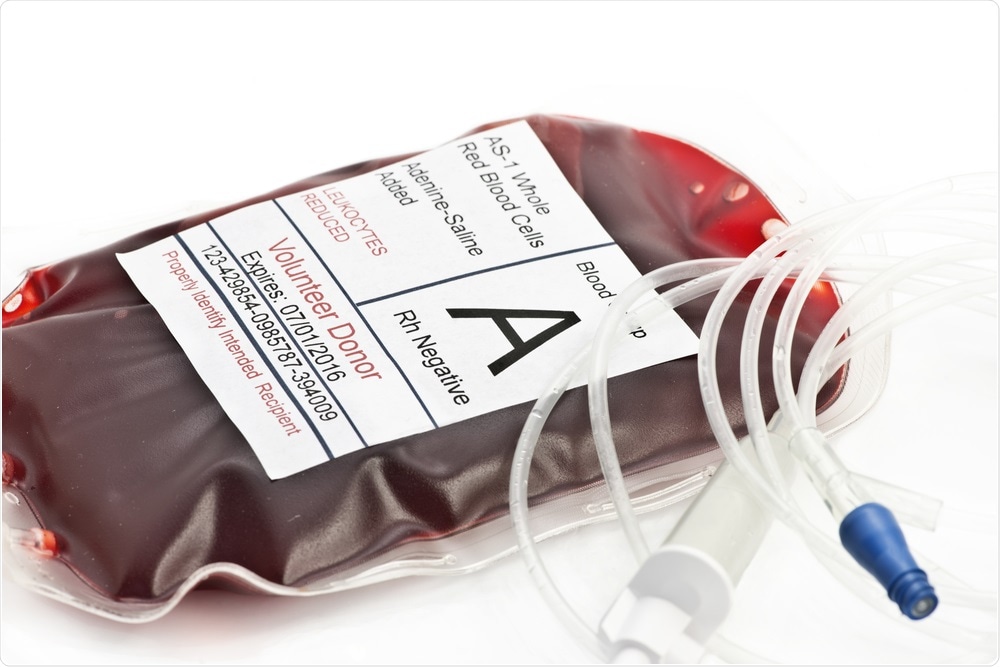
Turning type A blood into universal type O, potentially doubling transfusion stocks

Researchers at the University of British Columbia have found a potential way to turn type A blood into universal type O blood, a development which could massively increase the supply of blood for those in need of a transfusion.
Blood type A is rare.Sherry Yates Young | Shutterstock
So far, the researches have only achieved this using petri dishes in a lab and a lot more research would be needed before the technique could benefit patients in hospitals. However, potentially, the development could be revolutionary in terms of increasing the supply of blood for life-saving transfusions.
Currently, around 117 million pints of blood are donated annually worldwide. Although this sounds like a lot, incompatibility between the blood types (A, B, AB, O) that each person is born with means a person cannot always receive a transfusion. Transfusing a non-matched blood type could trigger a fatal reaction and kill them.
However, type O blood is compatible with anyone who has Rhesus (Rh) positive blood. It is therefore considered the universal blood type because it can be used for anyone who has A+, B+, AB+, or O+ blood – which is about 75% of the population.
This means type O blood is considered incredibly valuable and now postdoctoral researcher Peter Rahfeld and colleagues have found a way to use enzymes to transform type A red blood cells into universal type O blood cells. The development could potentially double the supply of blood available for transfusions.
The authors write:
Access to efficient enzymes that can convert A and B type red blood cells to ‘universal’ donor O would greatly increase the supply of blood for transfusions.”

Converting one blood type into another using bacteria

A person’s blood type is determined by the type of antigens that are presented on the surface of red blood cells and the type of antibodies present in plasma. Simply put, people with type A blood have A antigens and anti-B antibodies, while those with type B have B antigens and anti-A antibodies.
Now, if a person with type A blood was given type B blood during a transfusion, the B antigens in the transfused blood would trigger the anti-B antibodies to induce a potentially life-threatening immune attack on the blood cells. However, type O red blood cells have neither A nor B antigens on their surface; they have a neutral “H” antigen instead and anyone can receive a transfusion of these.
Now, Rahfeld and team have used a bacterial enzyme present in the human gut to effectively eliminate A antigens by converting them into H antigens.
After isolating the bacteria Flavonifractor plautii from human stools, they identified genes that encode two enzymes capable of removing important components of the A antigen.
“We [identified] an enzyme pair from the obligate anaerobe Flavonifractor plautii that work in concert to efficiently convert the A antigen to the H antigen of O type blood, via a galactosamine intermediate,” explain the authors.
When these enzymes were added to type A blood, they stripped the blood cells of their antigens and essentially converted them to the universal type O blood cells.
Blood type A that has these modified antigens would no longer trigger an immune response in the recipient, just as type O would not, meaning it could be transfused to any patient with blood of the same Rhesus type.
Their ability to completely convert A to O of the same rhesus type at very low enzyme concentrations in whole blood will simplify their incorporation into blood transfusion practice, broadening blood supply.”

Replenishing blood stocks

Given that type A is the second most common blood type next to O, this development could be revolutionary in terms of saving and changing lives through increased supply and access to transfusions.
Commenting more generally on the findings, Rahfeld says that in recent years, the research community has started to recognize the importance of the human microbiome in the context of human health. However, its importance may be even greater, given that the microorganisms residing within us also harbor enzymatic activities we do not even know about yet, he adds: “I am keen to see what kind of other activities will be discovered within the human gut microbiome in the future.”
Next, the team is planning to carry out further research to ensure that the enzymes do completely convert all of the antigens on the blood cell surface. If this is the case, the availability of converted type A blood would almost double the supply of universal donor blood for transfusions – all courtesy of the human gut.
Source:
An enzymatic pathway in the human gut microbiome that converts A to universal O type blood. (2019). Nature Microbiology. doi.org/10.1038/s41564-019-0469-7.