Search This Blog

Saturday, June 2, 2018

Look harder at how hospital readmits are defined as quality measure


Healthcare regulators and insurers have long attached a high value to hospital readmissions rates as an indicator of hospital quality.
But a new study published Thursday in the New England Journal of Medicine offers more evidence that the quality calculation is getting less accurate over time. Why? Because it omits the increasing number of patients admitted for observational stays.
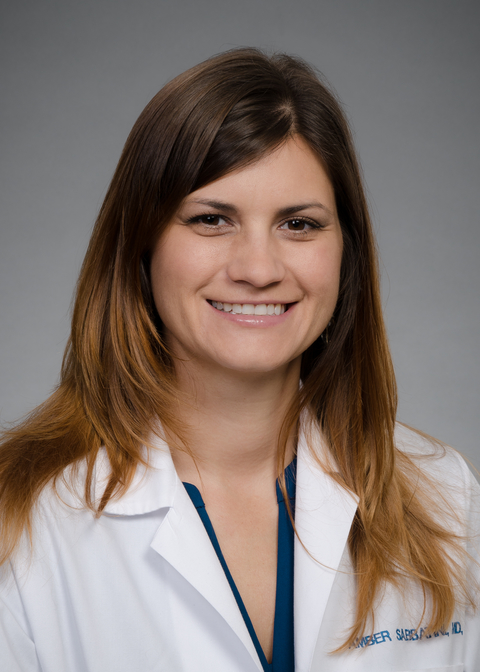
Amber Sabbatini, M.D.
(University of Washington
School of Medicine)
“Not only are readmissions going up for patients who are discharged from an observation stay, but the number of patients being placed in observation is going up each year,” Amber Sabbatini, M.D., assistant professor of emergency medicine at the University of Washington School of Medicine and lead author of the study, told FierceHealthcare.
The study examined patient-level claims data from 2007 to 2015 from the Truven Health Analytics MarketScan Commercial Claims and Encounters Database.
In 2015, 57% of emergency department patients admitted to hospitals were inpatients, while 43% were admitted for observation stays. The data showed hospital readmissions within 30 days of an inpatient discharge dropped from 17.8% to 15.5% between 2007 and 2015. Hospital readmissions within 30 days of an observation stay increased from 10.9% to 14.8% in that time.

This could obviously have a wide-reaching impact for hospitals.
Hospitals are required to report their readmissions data by commercial payers and state Medicaid agencies which occasionally link reimbursement and purchasing agreements to performance. In 2012, the Centers for Medicare & Medicaid Services introduced the Hospital Readmissions Reduction Program, penalizing hospitals with higher-than-expected 30-day readmission rates.
Sabbatini said she does not believe hospitals are gaming their admissions status in order to improve for data. But the phenomenon, which has been observed by other researchers in recent years, deserves a harder look and some thought about how to incorporate observation data into quality measures.
“The intent of readmission measures in the first place is to improve quality of care for patients with acute illnesses. But we’re essentially ignoring a pretty large group of patients who are hospitalized with acute illnesses under the current framework,” Sabbatini said.

Nabriva Therapeutics initiated at buy by Northland

Nabriva Therapeutics initiated with an Outperform at Northland. Northland initiated Nabriva Therapeutics with an Outperform and $17.50 price target.

Sophiris started at buy by Jones Trading

Jones Trading initiated Sophiris Bio with a Buy and $12 price target.

Gene sequencing study finds linked cancers: #ASCO18


Lynch syndrome, a rare hereditary disease typically associated with an increased risk of colorectal and endometrial cancers, appears to be linked with several additional types of cancer than previously thought, U.S. researchers said on Saturday.
The finding, presented at the American Society of Clinical Oncology (ASCO) meeting in Chicago, followed a genetic analysis of 15,000 tumor samples from 50 different cancer types looking for glitches known as high microsatellite instability (MSI-H). The genetic marker is associated with a large number of DNA abnormalities in a tumor.
Patients with colorectal and endometrial cancers are routinely tested for MSI-H to screen for Lynch syndrome, which occurs in about 1 in 300 people in the United States or about 3 percent of all cases of colorectal cancer.
People who test positive, and their family members, receive genetic counseling, aggressive screening and potentially preventive surgeries.
In the new study, researchers at Memorial Sloan Kettering Cancer Center in New York found that 16 percent of patients with a wider variety of tumors that featured MSI-H also had Lynch syndrome.
“Our findings suggest that all patients with MSI-H tumors should be tested for Lynch syndrome, regardless of cancer type or personal history,” said study author Dr. Zsofia Kinga Stadler.

Tumors in the study came from patients treated at Memorial Sloan Kettering and were analyzed using a next-generation sequencing test called MSK-IMPACT that looks for mutations in hundreds of cancer-related genes.
About a quarter of the roughly 1,000 tumors identified with high or moderate levels of MSI were colorectal or endometrial cancers.
But nearly 50 percent of such tumors found in patients who tested positive for Lynch syndrome had cancer types not previously, or rarely, linked to the syndrome, including mesothelioma, sarcoma, adrenocortical cancer, melanoma, prostate and ovarian germ cell cancer.
“These are tumor types that we would never have referred for genetic counseling,” said Dr. Shannon Westin of MD Anderson Cancer Center in Houston, an ASCO expert who was not involved in the study.
Testing for MSI-H has become increasingly common since last spring, when the U.S. Food and Drug Administration approved the use of Merck & Co’s immunotherapy drug Keytruda in MSI-H tumors, regardless of where in the body they occur.
At MD Anderson, where Westin treats patients with gynecologic cancers, testing for a large panel of genetic mutations has long been routine.
She said the tests have also become increasingly covered by insurance companies since March, when the U.S. Centers for Medicare and Medicaid Services said it would cover Foundation Medicine’s next-generation sequencing test for Medicare-eligible patients with advanced cancer.
“Data like this is going to encourage (these tests) to become the standard of care,” Westin said.

FDA chief outlines new ways to speed cancer drug approvals: #ASCO18


The U.S. Food and Drug Administration is taking steps to streamline the approval process for cancer drugs, reviewing clinical trial data up front to make sure applications companies submit are complete.
The new approach, outlined on Saturday in a speech by FDA commissioner Dr. Scott Gottlieb at the American Society of Clinical Oncology (ASCO) meeting in Chicago, is part of an effort to remove regulatory barriers that drag out reviews of promising new cancer treatments.
The new review process, which Gottlieb called a “real-time oncology review,” is already being piloted in a number of applications for expanded use of already approved cancer drugs. Gottlieb believes the early peek at data would allow companies to address quality issues before submitting their the full application seeking approval.
If the process succeeds, it will be expanded to applications for new cancer treatments.
As part of the pilot program, FDA is trying out a shared application document that allows FDA reviewers to add their comments to background documents submitted by companies.
The FDA is also taking steps to streamline and standardize the review of manufacturing processes for gene therapies and cell based products, such as new chimeric antigen receptor T-cell therapies, or CAR-Ts, which involve removing and altering patients’ immune cells to recognize and attack cancer.
Gottlieb said such a move could enable more sites, such as hospitals or research facilities, to manufacture these cells, expanding treatment options for patients. Currently, harvested T-cells are shipped back to the companies for processing, and it takes about three weeks before the cells are returned and administered to patients.
FDA also plans to expand its database on the long-term safety issues related to CAR-T therapy to more than 1,000 patients by later this summer. The information will be used to study potential biomarkers that can predict long-term remission.

Roche drugs show limited benefit in lung, breast cancer trials


In a disappointment for Roche Holding AG (ROG.S), two of its oncology drugs provided only modest protection from disease progression in lung cancer and breast cancer, according to data from separate clinical trials presented on Saturday.
Adding Roche’s high-profile immunotherapy Tecentriq to other standard cancer drugs extended by only about three weeks the median time patients with advanced squamous cell lung cancer lived before their disease progressed in one late stage study.
Meanwhile, Roche said it was scrapping development plans for its experimental drug taselisib after data showed adding it to hormone therapy extended by just two months the length of time women with advanced breast cancer lived before their disease worsened. Patients on the drug also experienced serious side effects.
The taselisib benefit to patients “was more modest than we had hoped for, and there is a risk of considerable side effects,” said Dr. José Baselga, the study’s lead investigator from Memorial Sloan Kettering Cancer Center in New York.
Roche in a statement also said the results were disappointing, adding “we will not be pursuing an FDA submission for taselisib based on the data presented at ASCO.”
The company also said it had no plans to further test taselisib in other types of cancer.
Both studies were being presented at the American Society of Clinical Oncology (ASCO) annual meeting in Chicago. For more coverage of the meeting, see: here
Sales of Roche’s Tecentriq trail two rival lucrative therapies that also spur the body’s immune system to attack tumors: Keytruda from Merck & Co (MRK.N) and Opdivo from Bristol-Myers Squibb (BMY.N). Roche is under pressure to show success for the drug, which is central to replacing falling revenue from older, off-patent medicines.
Tecentriq is already approved for previously treated patients with advanced non-small cell lung cancer (NSCLC) and certain patients with advanced bladder cancer. Analysts are forecasting annual Tecentriq sales reaching about $6 billion by 2024, according to Thomson Reuters data.
Roche said it will continue to evaluate results from the study presented on Saturday.
“The study is one of eight Phase III trials from our extensive research program evaluating Tecentriq alone or in combination with other medicines in different types of lung cancer,” Roche said in a statement.
Merck’s Keytruda, in combination with chemotherapy, is approved as an initial treatment for non-squamous NSCLC, the most common form of lung cancer. Keytruda is also approved as a stand-alone treatment for lung cancer patients whose tumors have high levels of a protein known as PDL1.
The new Tecentriq trial studied 1,021 patients with late-stage squamous NSCLC, which accounts for about 30 percent of lung cancer and is considered particularly difficult to treat.
ROG.SVIRT-X LEVEL 1
+4.90(+2.32%)
ROG.S
  • ROG.S
  • MRK.N
  • BMY.N
  • CELG.O
One group of patients received the Roche drug plus the chemotherapy carboplatin and Celgene Corp’s (CELG.O) Abraxane, while a second group were only treated with carboplatin and Abraxane.
After 12 months, 25 percent of patients given the Tecentriq combination had not experienced disease progression compared with 12 percent in the chemotherapy group, Roche said.
But median progression-free survival was 6.3 months for Tecentriq patients versus 5.6 months for the standard chemotherapy combination.
The modest benefit was observed regardless of tumor PDL1 levels, researchers said. The analysis did not find an overall survival advantage with Tecentriq, although Roche said those data are not yet mature.
Merck last month said a study of Keytruda in combination with chemotherapy for squamous NSCLC showed a benefit in both overall survival and progression-free survival. [nL3N1SU48D]
In the study of taselisib, patients who received the Roche drug plus the hormone therapy fulvestrant saw their breast cancer worsen after a median of 7.4 months compared with 5.4 months for people who received fulvestrant alone.
The trial involved 516 postmenopausal women with advanced estrogen receptor-positive breast cancer, whose disease had progressed or returned after prior treatment.
Serious side effects in the taselisib group included diarrhea, high blood sugar and colon inflammation, leading 17 percent of treated patients to drop out of the trial.

Parkinson’s: ‘Adaptive’ brain implant may improve therapy

Parkinson’s, a neurodegenerative condition, is characterized by symptoms such as muscle stiffness and tremor in the limbs, as well as impaired balance, all of which tend to worsen over time. Has innovative research found a more reliable tool that helps to improve these symptoms?
concept illustration of brain activity
An adjustable new brain stimulation implant could bring Parkinson’s therapy to a whole new level.
The National Institutes of Health (NIH) report that approximately 50,000 individuals in the United States receive a Parkinson’s diseasediagnosis every year.
Available treatments for this condition target its symptoms, aiming to improve the patients’ quality of life.
These treatments include different types of drugs that may focus either on motor on non-motor effects of the disease, as well as deep brain stimulation, which may be offered as an alternative therapy to people who do not respond well to drugs.
In deep brain stimulation, electrodes are surgically implanted into the brain. These are connected to a device that is attached to the chest. Through these implants, electrical stimuli are transmitted to the regions of the brain that regulate movement.
However, deep brain stimulation has — at least so far — come with certain risks and drawbacks. The device works continuously and has to be programmed so that the stimuli it sends are best adjusted to the wearer’s needs.
Often, devices will need to be reprogrammed by a specialist. Also, because they run on batteries, the lifespan of these implants is limited, and they eventually have to be replaced.
A team from the National Institute of Neurological Disorders and Stroke — led by specialist Nick B. Langhals — recognizes these drawbacks and set out to test more personalizable deep brain stimulation implants.
The results of their efforts — which were part of the Advancing Innovative Technologies (BRAIN) Initiative — have been reported in the Journal of Neural Engineering.

A new type of brain stimulation implant

Langhals and team tested a type of implant that responds and adjusts to signals from the brain that are related to the symptoms experienced in Parkinson’s disease. Not only does it register these inputs, but in doing so, it also adapts to deliver appropriate stimulation as needed.
“This is the first time,” explains senior study author Dr. Philip Starr, that “a fully implanted device has been used for closed-loop [non-constant], adaptive deep brain stimulation in human Parkinson’s disease patients.”
The project was a short-term feasibility trial, in which two people with Parkinson’s agreed to receive this fine-tuned, adaptable deep brain stimulation implant.
In this trial, the implant was programmed to monitor the brain for signals related to dyskinesia — or involuntary movements — which sometimes occurs as a side effect of deep brain stimulation.
So, when the device picked up signs of dyskinesia, it reduced stimulation to the brain. On the other hand, when no dyskinesia was detected, the stimulation was increased. This strategy was calculated to decrease the side effects related to this type of therapy.
The trial’s results indicated that this type of implant was no less effective in reducing Parkinson’s symptoms than traditional deep brain stimulation.
Also, since this device is adaptive and does not send out stimuli constantly, the researchers noted that it saves approximately 40 percent of the battery energy that would normally be consumed during traditional, open-loop brain stimulation.
Because these tests were only carried out over a short period of time, it was not possible for the investigators to establish exactly how the innovative implant performed, compared with more traditional brain stimulation devices, when it comes to instances of dyskinesia.
However, due to the new implant’s adaptability, the researchers are hopeful that the closed-loop stimulation device would fare much better in this respect and possibly lead to fewer adverse effects.

‘An important first step’

Also, Dr. Starr explains, “Other adaptive deep brain stimulation designs record brain activity from an area adjacent to where the stimulation occurs, in the basal ganglia, which is susceptible to interference from stimulation current.”
“Instead,” he goes on, “our device receives feedback from the motor cortex, far from the stimulation source, providing a more reliable signal.”
The researchers are excited about the avenues that this feasibility study is opening up in terms of improving Parkinson’s therapy, and they are already planning larger trials in order to test the device’s long-term effectiveness.
The novel approach taken in this small-scale feasibility study may be an important first step in developing a more refined or personalized way for doctors to reduce the problems patients with Parkinson’s disease face every day.”
Nick B. Langhals