Search This Blog

Thursday, August 20, 2020

FDA OKs Novartis’ ofatumumab for multiple sclerosis

The FDA approves Novartis’ (NVS +1.4%) Kesimpta (ofatumumab) for the treatment of relapsing forms of multiple sclerosis (MS).

The company expects the nod in Europe by Q2 2021.

The company markets the CD20-directed cytolytic antibody as Arzerra for chronic lymphocytic leukemia.

It was discovered by Genmab A/S (GMAB +1.9%) who licensed the rights to GlaxoSmithKline (GSK -0.5%) in 2006. Novartis acquired the rights in the autoimmune space from GSK in December 2015.


Fitbit shows signs its trackers can identify cases of COVID-19 before symptoms

Since launching a study to see whether its wearable activity trackers could pick up on the early signs of a COVID-19 infection, Fitbit has enrolled over 100,000 participants across the U.S. and Canada and is now delivering its first, preliminary results 90 days later.

That includes at least 1,100 users who have tested positive for the novel coronavirus. By tracking subtle changes in a person’s heart rate, breathing, physical activity and quality of sleep, Fitbit aims to develop an algorithm that can highlight potential cases before symptoms start.

So far, the company said its devices have been able to detect nearly half of COVID-19 cases at least one day before the participant reported any of the disease’s symptoms, such as fever, cough or muscle aches.

The algorithm, still under development, worked with 70% specificity, or a 30% rate of false positives. However, the program could prove valuable in prompting people to seek COVID-19 testing earlier, and to isolate themselves sooner to avoid transmitting the virus.

“As researchers, we are always working to find a balance between sensitivity (alerting people who may be sick) and specificity (the ability to identify people who are healthy), as there are trade-offs to both,” wrote Conor Heneghan, director of Fitbit’s algorithm research, in a company blog post. “We will continue to work with the clinical and public health communities to evaluate different models for developing this technology to ensure the optimal balance.”

Specifically, Fitbit’s trackers were able to show that as symptoms begin, a person’s heart rate and breathing become more frequent overall—however, the variability in time between each heartbeat drops, resulting in a more steady pulse.

These metrics were best tracked at night, while the body is at rest, with early warning signs being detected nearly a week ahead in some cases, Heneghan said.

In a preprint manuscript (PDF) posted on MedRxiv, the company detailed how it trained artificial intelligence algorithms to predict if a person was sick on any given day, by comparing respiration logs and changes in heart rate to the previous four days—as well as whether a person may need to be hospitalized based on the symptoms they reported, plus their age, sex and body-mass index.

The study, which has yet to be peer-reviewed, found that 11% of people who tested positive for COVID-19 displayed no symptoms, and that 8.16% required treatment in a hospital, with less than 0.5% needing a ventilator.

More severe outcomes were linked with being older, male and having a high BMI—and symptoms such as shortness of breath and vomiting were more likely to predict the need for hospital care compared to sore throats and stomach aches, the company said.

“We’re also seeing that the most common symptom reported by individuals with COVID-19 was fatigue, which was present in 72 percent of participants reporting having COVID-19,” Heneghan said. “This was followed by headache (65 percent), body ache (63 percent), decrease in taste and smell (60 percent), and cough (59 percent). Of note, fever was present in just 55 percent of people reporting COVID-19, an indicator that temperature screening alone may not be enough to understand who might be infected.”


Calcium channel blockers inhibit SARS-CoV-2 infection in epithelial lung cells

View ORCID ProfileMarco R. Straus, Miya Bidon, Tiffany Tang, Gary R. Whittaker, Susan Daniel


Abstract


COVID-19 has infected more than 22 million people worldwide causing over 750.000 deaths. The disease is caused by the severe acute respiratory syndrome coronavirus (CoV) 2 (SARS-CoV-2), which shares a high sequence similarity to SARS-CoV. Currently there are no vaccinations available to provide protection and the only antiviral therapy in active use in patients is remdesivir, which currently provides only limited benefit. Hence, there is an urgent need for antiviral therapies against SARS-CoV2. SARS-CoV requires Ca2+ ions for host cell entry and based on the similarity between SARS-CoV and SARS-CoV-2 it is highly likely that the same requirements exist for the two viruses. Here, we tested whether FDA-approved calcium channel blocker (CCB) drugs are efficacious to inhibit the spread of SARS-CoV-2 in cell culture. Our data shows that amlodipine, felodipine, and nifedipine limit the growth of SARS-CoV-2 in epithelial kidney (Vero E6) and epithelial lung (Calu-3) cells. We observed some differences in the inhibition efficacy of the drugs in the two different cell lines, but with felodipine and nifedipine having the greatest effect. Overall, our data suggest that CCBs have a high potential to treat SARS-CoV-2 infections and their current FDA approval would allow for a fast repurposing of these drugs.

Competing Interest Statement


The authors have declared no competing interest.


SARS-CoV-2 Infection, Transmission via Heparan Sulfates, Blocked by Low Molecular Weight Heparins

View ORCID ProfileMarta Bermejo-Jambrina, View ORCID ProfileJulia Eder, Tanja M. Kaptein, Leanne C. Helgers, Philip J.M. Brouwer, John L. van Hamme, Alexander P.J. Vlaar, Frank E.H.P. van Baarle, Godelieve J. de Bree, Bernadien M. Nijmeijer, Neeltje A. Koostra, Marit J. van Gils, Rogier W. Sanders, View ORCID ProfileTeunis B. H. Geijtenbeek


Abstract


The current pandemic caused by severe acute respiratory syndrome coronavirus-2 (SARS-CoV-2) and new outbreaks worldwide highlight the need for preventive treatments. Although angiotensin converting enzyme 2 (ACE2) is the primary receptor for SARS-CoV-2, we identified heparan sulfate proteoglycans expressed by epithelial cells, alveolar macrophages and dendritic cells as co-receptors for SARS-CoV-2. Low molecular weight heparins (LMWH) blocked SARS-CoV-2 infection of epithelial cells and alveolar macrophages, and virus dissemination by dendritic cells. Notably, potent neutralizing antibodies from COVID-19 patients interfered with SARS-CoV-2 binding to heparan sulfate proteoglycans, underscoring the importance of heparan sulfate proteoglycans as receptors and uncover that SARS-CoV-2 binding to heparan sulfates is an important mechanism for neutralization. These results have imperative implications for our understanding of SARS-CoV-2 host cell entry and reveal an important target for novel prophylactic intervention.

Competing Interest Statement


The authors have declared no competing interest.


Children are silent spreaders of virus that causes COVID-19

In the most comprehensive study of COVID-19 pediatric patients to date, Massachusetts General Hospital (MGH) and Mass General Hospital for Children (MGHfC) researchers provide critical data showing that children play a larger role in the community spread of COVID-19 than previously thought. In a study of 192 children ages 0-22, 49 children tested positive for SARS-CoV-2, and an additional 18 children had late-onset, COVID-19-related illness. The infected children were shown to have a significantly higher level of virus in their airways than hospitalized adults in ICUs for COVID-19 treatment.

“I was surprised by the high levels of virus we found in children of all ages, especially in the first two days of infection,” says Lael Yonker, MD, director of the MGH Cystic Fibrosis Center and lead author of the study, “Pediatric SARS-CoV-2: Clinical Presentation, Infectivity, and Immune Reponses,” published in the Journal of Pediatrics. “I was not expecting the viral load to be so high. You think of a hospital, and of all of the precautions taken to treat severely ill adults, but the viral loads of these hospitalized patients are significantly lower than a ‘healthy child’ who is walking around with a high SARS-CoV-2 viral load.”

Transmissibility or risk of contagion is greater with a high viral load. And even when children exhibit symptoms typical of COVID-19, like fever, runny nose and cough, they often overlap with common childhood illnesses, including influenza and the common cold. This confounds an accurate diagnosis of COVID-19, the illness derived from the SARS-CoV-2 coronavirus, says Yonker. Along with viral load, researchers examined expression of the viral receptor and antibody response in healthy children, children with acute SARS-CoV-2 infection and a smaller number of children with Multisystem Inflammatory Syndrome in Children (MIS-C).

Findings from nose and throat swabs and blood samples from the MGHfC Pediatric COVID-19 Biorepository carry implications for the reopening of schools, daycare centers and other locations with a high density of children and close interaction with teachers and staff members. “Kids are not immune from this infection, and their symptoms don’t correlate with exposure and infection,” says Alessio Fasano, MD, director of the Mucosal Immunology and Biology Research Center at MGH and senior author of the manuscript. “During this COVID-19 pandemic, we have mainly screened symptomatic subjects, so we have reached the erroneous conclusion that the vast majority of people infected are adults. However, our results show that kids are not protected against this virus. We should not discount children as potential spreaders for this virus.”

The researchers note that although children with COVID-19 are not as likely to become as seriously ill as adults, as asymptomatic carriers or carriers with few symptoms attending school, they can spread infection and bring the virus into their homes. This is a particular concern for families in certain socio-economic groups, which have been harder hit in the pandemic, and multi-generational families with vulnerable older adults in the same household. In the MGHfC study, 51 percent of children with acute SARS-CoV-2 infection came from low-income communities compared to 2 percent from high-income communities.

In another breakthrough finding from the study, the researchers challenge the current hypothesis that because children have lower numbers of immune receptors for SARS-CoV2, this makes them less likely to become infected or seriously ill. Data from the group show that although younger children have lower numbers of the virus receptor than older children and adults, this does not correlate with a decreased viral load. According to the authors, this finding suggests that children can carry a high viral load, meaning they are more contagious, regardless of their susceptibility to developing COVID-19 infection.

The researchers also studied immune response in MIS-C, a multi-organ, systemic infection that can develop in children with COVID-19 several weeks after infection. Complications from the accelerated immune response seen in MIS-C can include severe cardiac problems, shock and acute heart failure. “This is a severe complication as a result of the immune response to COVID-19 infection, and the number of these patients is growing,” says Fasano, who is also a professor of Pediatrics at Harvard Medical School (HMS). “And, as in adults with these very serious systemic complications, the heart seems to be the favorite organ targeted by post-COVID-19 immune response,” adds Fasano.

Understanding MIS-C and post-infectious immune responses from pediatric COVID-19 patients is critical for developing next steps in treatment and prevention strategies, according to the researchers. Early insights into the immune dysfunction in MIS-C should prompt caution when developing vaccine strategies, notes Yonker.

As MGHfC pediatricians, both Yonker and Fasano are constantly fielding questions from parents about the safe return of their children to school and daycare. They agree that the most critical question is what steps the schools will implement “to keep the kids, teachers, and personnel safe.” Recommendations from their study, which includes 30 co-authors from MGHfC, MGH, HMS, Massachusetts Institute of Technology, Brigham and Women’s Hospital and Harvard T.H. Chan School of Public Health, include not relying on body temperature or symptom monitoring to identify SARS-CoV-2 infection in the school setting.

The researchers emphasize infection control measures, including social distancing, universal mask use (when implementable), effective hand-washing protocols and a combination of remote and in-person learning. They consider routine and continued screening of all students for SARS-CoV-2 infection with timely reporting of the results an imperative part of a safe return-to-school policy.

“This study provides much-needed facts for policymakers to make the best decisions possible for schools, daycare centers and other institutions that serve children,” says Fasano. “Kids are a possible source of spreading this virus, and this should be taken into account in the planning stages for reopening schools.”

Fasano fears that a hurried return to school without proper planning could result in an uptick in cases of COVID-19 infections. “If schools were to reopen fully without necessary precautions, it is likely that children will play a larger role in this pandemic,” the authors conclude.

###

The research was supported by the National Heart, Lung, and Blood Institute, the Cystic Fibrosis Foundation, the National Institute of Child Health and Human Development, the National Institute of Diabetes and Digestive and Kidney Diseases, the National Institute of Allergy and Infectious Disease, the Centers for Disease Control and Prevention, the MGH Department of Pediatrics the MGH Department of Obstetrics/Gynecology and private donors.

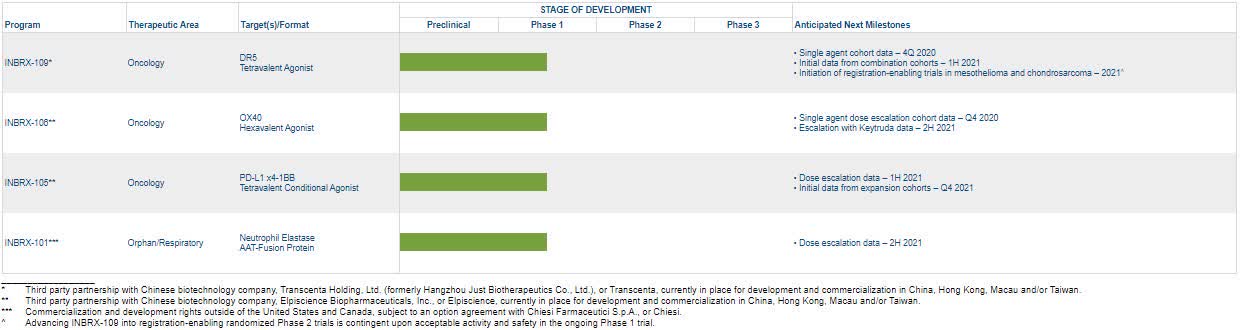
Inhibrx gives back some of its IPO pop

Recent IPO Inhibrx is giving up nearly half of its debut gains on its second day of trading.

The company priced 7M shares yesterday at $17/share, the midpoint of its expected range of $16-$18/share, raising $119M.

Biotech Inhibrx (INBX) is down nearly 8% at about $19 in morning trading. It closed at $20.63 yesterday, a gain of more than 21%.

Inhibrx looks to create antibody treatments for a range of cancers, including chondroscarcoma, which affects cartilage-producing cells.

“According to a 2020 market research report by Market Research Future, the global market for chondrosarcoma treatments is expected to reach $538 million by 2023,” Donovan Jones wrote on Seeking Alpha ahead of the IPO. “This represents a forecast CAGR (Compound Annual Growth Rate) of 3.1% from 2020 to 2013.”

“Key elements driving this expected growth are an increased source of funding for research and development of new treatment options and increasingly rapid approvals by regulatory bodies.”

Inhibrx had looked to go public in June 2019, but pulled its offering at the time.

See the company’s pipeline


J&J planning 60K-subject study to test COVID-19 vaccine

Johnson & Johnson (JNJ +0.3%) is going big on its Phase 3 trial testing COVID-19 vaccine candidate, Ad26.COV2.S. The study, expected to launch by late September, will recruit up to 60K people, twice as many as other vaccine developers such as Pfizer (PFE +0.5%)/BioNTech (BNTX +1.6%), Moderna (MRNA -1.4%) and AstraZeneca (AZN +0.3%).

The company has not disclosed the specific reasons behind the bigger study which, by definition, will be more expensive and time-consuming, although a spokesperson said that it wants “to enroll a robust number of participants who are representative of those populations affected by COVID-19,” and to determine the safety, efficacy, durability and optimal dosing regimens of the vaccine.

According to Vanderbilt University School of Medicine’s William Schaffner, achieving the numbers needed to show that the vaccine works could happen more quickly if more people are enrolled.

J&J is using epidemiology and modeling data to plan the locations of ~180 trial sites in the U.S. and eight other countries with high rates of COVID-19. Recruitment is underway. Participants will be followed for two years but preliminary results will be available much sooner.

A big selling point of Ad26.COV2.S is that it is a single shot instead of two.