Search This Blog

Tuesday, August 3, 2021

Chilean study shows variations in success of COVID-19 vaccines

 Sinovac's COVID-19 vaccine was 58.5% effective in preventing symptomatic illness among millions of Chileans who received it between February and July, the Chilean health authorities said on Tuesday, while Pfizer's COVID-19 shot was 87.7% effective and AstraZeneca's was 68.7% effective.

The data came in the latest "real world" data published by the Chilean authorities into the effectiveness among its population of a raft of COVID-19 vaccines.

Chile began one of the world's fastest inoculation campaigns against COVID-19 in December, having now fully vaccinated more than 60% of its population, predominantly with Sinovac's CoronaVac.

That vaccine was 86% effective in preventing hospitalization, 89.7% effective in preventing admission to intensive care units and 86% effective in preventing deaths within the population between February and July, health official Dr Rafael Araos said in a press conference on Tuesday.

In April, the same study found that CoronaVac was 67% effective in preventing symptomatic illness, 85% effective in preventing hospitalizations and 80% effective in preventing deaths, suggesting its capacity to prevent the more serious impacts of the virus has strengthened, while its capacity to stop symptomatic illness diminished.

Araos said a reduction in protection from vaccines was inevitable over time, particularly with the arrival and growing prevalence of more virulent strains such as the Delta variant.

"If Delta becomes more prevalent and the vaccine has a weaker response, we could observe a faster fall (in effectiveness)," he said, adding his voice to calls for a third, booster dose to be issued.

The government also published data on the effectiveness of other vaccines administered in Chile, made by Pfizer BioNTech and AstraZeneca.

Pfizer's vaccine was 87.7% effective in preventing symptomatic COVID-19 in the same period, 98% effective in preventing intensive care admission and 100% effective in preventing death, Araos said.

AstraZeneca's was 68.7% effective in preventing symptomatic COVID-19 in the same period, 98% effective in preventing intensive care admissions and 100% effective in preventing death, Araos said.

Chile's study examined the vaccines' effectiveness among different cohorts of people who either received two doses of the specified vaccine, partial doses of the vaccine or no vaccine at all.

The CoronaVac part of the study examined a group of 8.6 million people, the Pfizer BioNTech part studied a group of 4.5 million people and the AstraZeneca part looked at a group of 2.3 million people. 

https://www.marketscreener.com/quote/stock/ASTRAZENECA-PLC-4000930/news/AstraZeneca-Chilean-study-shows-variations-in-success-of-COVID-19-vaccines-36058407/

'Delta Variant Could Drive Herd Immunity Threshold Over 80%'

 Because the Delta variant of SARS-CoV-2 spreads more easily than the original virus, the proportion of the population that needs to be vaccinated to reach herd immunity could be upwards of 80% or more, experts say.

Also, it could be time to consider wearing an N95 mask in public indoor spaces regardless of vaccination status, according to a media briefing today sponsored by the Infectious Diseases Society of America.

Furthermore, giving booster shots to the fully vaccinated is not the top public health priority now. Instead, third vaccinations should be reserved for more vulnerable populations — and efforts should focus on getting first vaccinations to unvaccinated people in the United States and around the world.

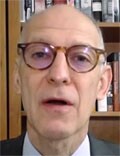
"The problem here is that the Delta variant is...more transmissible than the original virus. That pushes the overall population herd immunity threshold much higher," Ricardo Franco, MD, assistant professor of medicine at the University of Alabama at Birmingham, said during the briefing.          

Dr Ricardo Franco

"For Delta, those threshold estimates go well over 80% and may be approaching 90%," he said.

To put that figure in context, the original SARS-CoV-2 virus required an estimated 67% of the population to be vaccinated to achieve herd immunity. Also, measles has one of the highest herd immunity thresholds at 95%, Franco added.

Herd immunity is the point at which enough people are immunized that the entire population gains protection. And it's already happening. "Unvaccinated people are actually benefiting from greater herd immunity protection in high vaccination counties compared to low vaccination ones," he said.

Maximize Mask Protection

Unlike early in the COVID-19 pandemic with widespread shortages of personal protective equipment, face masks are now readily available. This includes N95 masks, which offer enhanced protection against SARS-CoV-2, Ezekiel J. Emanuel, MD, PhD, said during the briefing.

Following the July 27 CDC recommendation that most Americans wear masks indoors when in public places, "I do think we need to upgrade our masks," said Emanuel, who is Diane v.S. Levy & Robert M. Levy professor at the University of Pennsylvania in Philadelphia.

"It's not just any mask," he added. "Good masks make a big difference and are very important."

Mask protection is about blocking 0.3-micron particles, "and I think we need to make sure that people have masks that can filter that out," he said. Although surgical masks are very good, he added, "they're not quite as good as N95s." As their name implies, N95s filter out 95% of these particles.

Emanuel acknowledged that people are tired of COVID-19 and complying with public health measures but urged perseverance. "We've sacrificed a lot. We should not throw it away in just a few months because we are tired. We're all tired, but we do have to do the little bit extra getting vaccinated, wearing masks indoors, and protecting ourselves, our families, and our communities."

Dealing With a Disconnect

Dr Ezekiel J. Emanuel

In response to a reporter's question about the possibility that the large crowd at the Lollapalooza music festival this past week in Chicago could become a superspreader event, Emanuel said, "it is worrisome."

"I would say that, if you're going to go to a gathering like that, wearing an N95 mask is wise, and not spending too long at any one place is also wise," he said.

On the plus side, the event was held outdoors with lots of air circulation, Emanuel said.

However, "this is the kind of thing where we've got a sort of disconnect between people's desire to get back to normal...and the fact that we're in the middle of this upsurge."

Another potential problem is the event brought people together from many different locations, so when they travel home, they could be "potentially seeding lots of other communities."

Boosters For Some, For Now

Even though not officially recommended, some fully vaccinated Americans are seeking a third or booster vaccination on their own.

Asked for his opinion, Emanuel said: "We're probably going to have to be giving boosters to immunocompromised people and people who are susceptible. That's where we are going to start."

More research is needed regarding booster shots, he said. "There are very small studies — and the 'very small' should be emphasized — given that we've given shots to over 160 million people."

"But it does appear that the boosters increase the antibodies and protection," he said.

Instead of boosters, it is more important for people who haven't been vaccinated to get fully vaccinated.

"We need to put our priorities in the right places," he said.   

Emanuel noted that, except for people in rural areas that might have to travel long distances, access to vaccines is no longer an issue. "It's very hard not to find a vaccine if you want it."

A remaining hurdle is "battling a major disinformation initiative. I don't think this is misinformation. I think there's very clear evidence that it is disinformation — false facts about the vaccines being spread," Emanuel said.

The Breakthrough Infection Dilemma

Breakthrough cases "remain the vast minority of infections at this time...that is reassuring," Franco said.

Also, tracking symptomatic breakthrough infections remains easier than studying fully vaccinated people who become infected with SARS-CoV-2 but remain symptom free.

"We really don't have a good handle on the frequency of asymptomatic cases," Emanuel said. "If you're missing breakthrough infections, a lot of them, you may be missing some [virus] evolution that would be very important for us to follow." This missing information could include the emergence of new variants.

The asymptomatic breakthrough cases are the most worrisome group," Emanuel said. "You get infected, you're feeling fine. Maybe you've got a little sneeze or cough, but nothing unusual. And then you're still able to transmit the Delta variant."

The Big Picture

The upsurge in cases, hospitalizations, and deaths is a major challenge, Emanuel said. "We need to address that by getting many more people vaccinated right now with what are very good vaccines."

"But it also means that we have to stop being US-focused alone." He pointed out that Delta and other variants originated overseas, "so getting the world vaccinated...has to be a top priority."

"We are obviously all facing a challenge as we move into the fall," Emanuel said. "With schools opening and employers bringing their employees back together, even if these groups are vaccinated, there are going to be major challenges for all of us."

Based on an August 3 media briefing by the Infectious Diseases Society of America.

https://www.medscape.com/viewarticle/955939

Physicians Eyeing Third Dose of COVID Vaccine

 With the threat of the more transmissible Delta variant and questions around waning immunity following vaccination, healthcare workers are thinking more and more about a third dose of the COVID-19 vaccine.

That's despite the many unknowns on what the true "correlates of protection" are when it comes to immunity, and a lack of hard clinical data that vaccine effectiveness is truly waning.

Still, physicians have been watching as many countries -- including Israel, and Germany, France, and the U.K. -- have pulled the trigger on booster doses, especially for more vulnerable populations. Now, they are talking about getting a "booster" for themselves -- even if they're not immunocompromised, and especially if they're 65 and older or if their antibody titers are low.

"I'm not sure I'm willing to wait for the FDA to act on recommending a third dose," said one poster on Meddit, who identified themselves as an MD, PhD in surgery and public health. "I got vaccinated early (in January) and the data from Israel concerns me about my continued immunity. ... I work in a moderately-well vaccinated region (we're not NY, and we're not Louisiana), but not well vaccinated enough for me to feel comfortable."

Robert Schooley, MD, an infectious diseases expert at the University of California San Diego, was more straightforward in a recent interview: "I'm just a guy waiting to get revaccinated."

Other physicians have told MedPage Today that they're concerned about their levels of protection. One California physician who is over 65 said his low antibody titers are a serious concern, and that he's considering a booster. Other doctors he speaks with are considering the same, he said, and they're all using antibody titers as a proxy for making decisions about their protection, even as the CDC still warns against doing so.

They're all eyeing a booster to protect not only themselves, but also their patients and their families -- even though they realize the caveats are many.

The Caveats

The CDC warns that antibody testing shouldn't be used to determine immunity after vaccination, noted Christina Wojewoda, MD, chair of the College of American Pathologists' microbiology committee and director of the clinical microbiology laboratory at the University of Vermont Medical Center in Burlington.

There are many different assays that can measure antibody levels, and some don't even measure antibodies against the spike protein, which is what the vaccine induces. Instead, these tests look for antibodies to the nucleocapsid protein, which would only turn up positive if a person had a prior infection, Wojewoda said.

Schooley also warned that most commercial antibody tests only look for binding antibodies, rather than neutralizing antibodies.

"They don't tell you if the antibodies you're measuring are those that can neutralize, or prevent the virus from infecting cells," Schooley said. While there's a good correlation between binding and neutralizing antibodies, it's not exact, he noted.

Additionally, while people with higher levels of antibodies would be expected to be less likely to be infected, the likelihood of becoming infected also depends on the amount of virus they're exposed to.

Correlates of protection are not yet established, Schooley said, and they're not an easy parameter to establish.

"There's a lot of noise," he said. "If you had 100 people, they'd all have different levels of antibodies. Some would get infected, some wouldn't. Maybe some were exposed for a longer period of time to more virus. It's hard to make a 1-to-1 correlation that would tell you the level of antibody that would trigger revaccination."

What's missing from antibody titer readouts are T-cell and B-cell responses, which are important and likely confer substantial protection, said Alessandro Sette, PhD, of the La Jolla Institute for Immunology in California.

B cells produce antibodies and T cells kill infected cells, Sette said, but these assays aren't really done commercially, save for one FDA-authorized test, T-Detect from Adaptive Biotechnologies (though experts have noted this isn't a true functional assay.)

Emerging data from vaccine and natural infection studies suggest that T and B cells confer good long-term protection against COVID-19, Sette said. He noted that even if the spike protein changes and evades antibodies to some extent, T cells will still recognize infected cells and go after them.

"For a virus to escape a T-cell response, you'd have to mutate so many different parts," Sette told MedPage Today. "If you have lower antibody activity but you still have T-cell activity that holds its own ... you may have decreased capacity to prevent infection, but the capacity to prevent severe illness, hospitalizations, and death is still there."

He added that the B-cell response observed thus far has also been impressive, with hints that B cells can continue to increase in numbers months after infection or vaccination, and can continue to evolve to produce additional responses to other variants.

"The data on evolution of B cells are encouraging," Sette noted.

There is a dearth of clinical data on waning immunity. While Pfizer has announced that 6-month data show protection against infection has dropped to 84%, the study hasn't been peer reviewed.

Sette said that this preliminary 84% overall efficacy rate is still "remarkably good." At this point, he added, there's "no convincing evidence that a booster is needed" -- but scientists "should continue to monitor the situation and address whether there are decreases in the immune response induced by vaccines."

Boosters Inevitable

Schooley agreed that close monitoring for increasing breakthrough infections is needed -- especially for vulnerable populations -- and that regulators shouldn't be so cautious that they don't act fast enough to prevent hospitalizations and deaths, especially as additional doses look like an inevitability.

"We should be careful about waiting too long to begin to revaccinate populations that are getting into trouble," Schooley said. "If we do that, we will be doing people a disservice. Studies are ongoing now, and I'm happy they are, but I don't want us to be so cautious that suddenly on September 1 we realize we have nursing homes seeing big breakthroughs of severe disease."

Nursing home residents were among the first to be vaccinated in January and February, and they were already at a disadvantage in that their immune response to the vaccines may not have been as vigorous, he said. They've also had a longer time for their immunity to decay.

"That's probably the group where we'll see more and more breakthrough infections associated with disease," he noted.

Younger populations who were vaccinated later, and who may have had a better immune response to begin with, are more likely to have residual immunity, though they may have breakthrough infections with viral shedding and minimal symptoms.

"We need to watch those populations that started out at a disadvantage and were vaccinated earlier. We need to be ready to get them revaccinated," Schooley said. "We also need to know who we should study immune responses in to get a better idea of what general levels of immunity should raise red flags in other populations as we go forward."

Stanley Weiss, MD, an infectious disease specialist and epidemiologist at Rutgers New Jersey Medical School, agreed that "it's getting to be obvious that we need a booster. It's already clear for certain groups that we need a booster. And the time is now."

In the absence of availability of booster doses, Weiss reminds doctors that being vaccinated means they're "pretty safe," but advises masking up indoors with a mask that fits well. Improved ventilation systems in their offices could also be helpful, he said, and clinicians should keep an eye out for policy changes.

"I'm hoping federal officials act sooner rather than later and implement something similar to what Israel is doing," offering boosters to those age 60 and up, Weiss said.

Give the Facts, Not the 'Message'

Being upfront about what's likely -- even if it's not conclusive at this time, but strongly suggested -- is important, according to Schooley.

"We've had this flat 'there's no evidence boosters are indicated' message," he said. "The messaging should be, 'yes, we're going to need boosters.' We're studying carefully which populations need them and when they're going to need them. And it's probably going to happen some time in the next several months."

Schooley equated the messaging around boosters to that of mask-wearing, in that people will question advice if it seems to be an about-face from previous policy.

"The message lost through this whole pandemic is that we may give different advice as conditions change," he said. "It's not because the underlying science has changed, it's because the conditions have changed."

https://www.medpagetoday.com/special-reports/exclusives/93884

Patients Victimized By Theranos Speak Out As Elizabeth Holmes' Fraud Trial Set To Begin

 Earlier this summer, we highlighted a bombshell revelation concerning the federal fraud case against Theranos founder Elizabeth Holmes. It appears that Theranos set a trap for the Feds that prosecutors walked right into. Here's what happened.

Back in 2018, Theranos turned over an encrypted copy of a database containing test results for thousands of patients. The database was supposed to serve as critical evidence that Theranos's tests - which were run on competitors' equipment that Theranos sometimes modified - provided fraudulent results. But somehow, the Feds never obtained the encryption key allowing them to access the data. Shortly afterwards, Theranos dismantled the original database, leaving the data lost forever.

Because the Feds never got the key, all that data is lost, creating a serious problem for the Feds' case, which must now depend on anecdotal evidence from patients who were allegedly defrauded. However, medical tests are actually frequently wrong, and the challenge for prosecutors now is there's no obvious way for them to prove that Theranos's tests were less accurate than their competitors. Holmes' defense team complained to the judge that the loss of the database was a critical mistake by prosecutors, erasing proof of millions of accurate tests, exculpatory evidence they will no longer be able to use. The judge presiding over the case has proven sympathetic to this argument.

Well, in its latest piece on Holmes' trial, which is slated to begin later this month, WSJ lays out the difficult path ahead for prosecutors.

To win conviction, prosecutors with the U.S. attorney’s office in the Northern District of California must persuade the jury that Theranos’s machines didn’t work, that Ms. Holmes knew it and that she lied about the technology to receive money from investors and patients.

With the data, the case would have been a slam dunk. But without it, prosecutors are being forced to resort to the next-best thing: compelling human testimony. And according to WSJ, prosecutors intend to call 11 patients and roughly the same number of medical providers to testify about their experience being defrauded by Theranos.

That's why these witnesses and their testimony will be the "wild card" as everything will depend on how the jury perceives their testimony.

Most of their stories haven't been previously reported. So, WSJ obtained a copy of the witness list, and started reaching out for comment, eventually contacting more than 30 witnesses.

The Journal reached out to more than 30 people on the list of potential witnesses for this article, including all of those identifiable as medical providers or patients. The witness list, which consists of more than 200 names but no other details, was proposed by prosecutors to be used in the vetting of prospective jurors.

One witness, nurse practitioner JoEllen Embry, took her problems with the tests directly Theranos after her patients received several terrifying false positivies. She said she recalls "screaming" at Holmes, only to be brushed off by the executive (who probably used her fake deep speaking voice, making the encounter even more surreal).

Ms. Embry, a large Theranos customer, recalled screaming at Mr. Holmes in a call, demanding an explanation for the inaccurate tests, the court records say. Mr. Holmes told her the Theranos machines were “calibrated for finger stick” blood draws, she recalled, to which she responded: “My patients never had finger stick draws,” but rather had blood drawn from their arms. She said Mr. Holmes replied: “We’ll figure this out.”

Unfortunately for Holmes, text messages obtained by prosecutors show Holmes knew about the deficiencies, yet kept offering the tests. In one message to her co-defendant, Ramesh "Sunny" Balwani, Holmes said she was "praying" the Theranos lab passed a federal inspection.

Retired dentist Mehrl Ellsworth, who received a finger prick test that showed alarmingly high cancer markers indicating prostate cancer. In the end, the results were thrown out - but not before Dr. Ellsworth was thoroughly terrified.

Instead of halting, Theranos kept running tests on Dr. Ellsworth, now 73, after his doctor advised him to get retested. The second one was normal for his age, and the third showed another big spike, again over 20.

After that, Dr. Ellsworth recalled, Theranos sent a phlebotomist to his office who drew a full-size vial of blood. That result was normal again.

Dr. Ellsworth, who has a background in microbiology, and his doctor concluded the high results were false positives. Dr. Ellsworth, now retired, said he had always suspected the Theranos test results were wrong.

Finally, as WSJ points out, plenty of the discovery evidence has yet to be heard by the press. And there are plenty of witnesses who have yet to speak out. As jury selection begins, expect both the defense to go on a leaking spree. By the time it's all over, there will be plenty of material for another round of documentaries and podcasts based on Holmes.

https://www.zerohedge.com/markets/patients-victimized-theranos-speak-out-elizabeth-holmess-fraud-trial-set-begin

Melatonin interferes with COVID-19 at several distinct steps

 Olivia G.Campab1DavidBaia1Damla C.GonulluaNehaNayakaHusam M.Abu-Soud

DOI: https://doi.org/10.1016/j.jinorgbio.2021.111546

PDF: https://www.sciencedirect.com/science/article/pii/S0162013421001938/pdfft?md5=e4c852acb1764c2ccdbabfcbb7f32ae9&pid=1-s2.0-S0162013421001938-main.pdf

Highlights

SARS-CoV-2 infection generates overwhelming levels of neutrophil myeloperoxidase

Hypochlorous acid and other reactive oxygen species destroy tetrapyrrole rings

This causes nitric oxide, oxygen, and vitamin B12 deficiencies; markers of COVID-19

Melatonin inhibits myeloperoxidase activity and scavenges reactive oxygen species

Melatonin supplements can prevent pathophysiological consequences of COVID-19 disease

Abstract

Recent studies have shown a correlation between COVID-19, caused by severe acute respiratory syndrome coronavirus 2 (SARS-CoV-2) infection, and the distinct, exaggerated immune response titled “cytokine storm”. This immune response leads to excessive production and accumulation of reactive oxygen species (ROS) that cause clinical signs characteristic of COVID-19 such as decreased oxygen saturation, alteration of hemoglobin properties, decreased nitric oxide (NO) bioavailability, vasoconstriction, elevated cytokines, cardiac and/or renal injury, enhanced D-dimer, leukocytosis, and an increased neutrophil to lymphocyte ratio. Particularly, neutrophil myeloperoxidase (MPO) is thought to be especially abundant and, as a result, contributes substantially to oxidative stress and the pathophysiology of COVID-19. Conversely, melatonin, a potent MPO inhibitor, has been noted for its anti-inflammatory, anti-oxidative, anti-apoptotic, and neuroprotective actions. Melatonin has been proposed as a safe therapeutic agent for COVID-19 recently, having been given with a US Food and Drug Administration emergency authorized cocktail, REGEN-COV2, for management of COVID-19 progression. This review distinctly highlights both how the destructive interactions of HOCl with tetrapyrrole rings may contribute to oxygen deficiency and hypoxia, vitamin B12 deficiency, NO deficiency, increased oxidative stress, and sleep disturbance, as well as how melatonin acts to prevent these events, thereby improving COVID-19 prognosis.

Graphical abstract

The proposed pathway of SAR-CoV-2 infection associated with an uncontrolled immune response and cytokine storm generating MPO and ROS resulting in decreased NO and vasoconstriction, decreased O2 and hypoxia, and vitamin B12 deficiency through tetrapyrrole ring destruction, and the prevention by melatonin.

Unlabelled Image

DoJ Eyes Lawsuit to Block UnitedHealth Bid for Change Healthcare

The U.S. Department of Justice is weighing a possible lawsuit to block UnitedHealth Group's nearly $8 billion deal to acquire health care analytics and technology vendor Change Healthcare, the Information reported on Tuesday.

UnitedHealth agreed to buy Change Healthcare in January for $7.84 billion in an all-cash deal. The acquisition is expected to close in the second half of 2021.

The DoJ in recent weeks has reached out to private attorneys outside the department about possibly leading the litigation to block the deal, the report said, citing people familiar with the matter.

https://money.usnews.com/investing/news/articles/2021-08-03/doj-considering-lawsuit-to-block-unitedhealth-bid-for-change-healthcare-the-information

First 4 batches of Taiwan-made vaccine ready for use

The inspection of the first four batches of the locally made COVID-19 vaccine has been completed, and the doses will be sent for the national rollout, the Taiwan Food and Drug Administration (FDA) said on Monday.

Wang Teh-yuan (王德原), head of the FDA's research and inspection division, said the inspection of the four batches of the vaccine made by Medigen Vaccine Biologics Corp., totaling 265,528 doses, was completed on July 30, and they are undergoing the process of sealing at the designated warehouse in preparation for use.

The sealing is expected to be completed Monday evening, Wang said.

Wang said the inspected doses of the Medigen vaccine, the first protein-based COVID-19 jabs in Taiwan, will be good for six months before they expire.

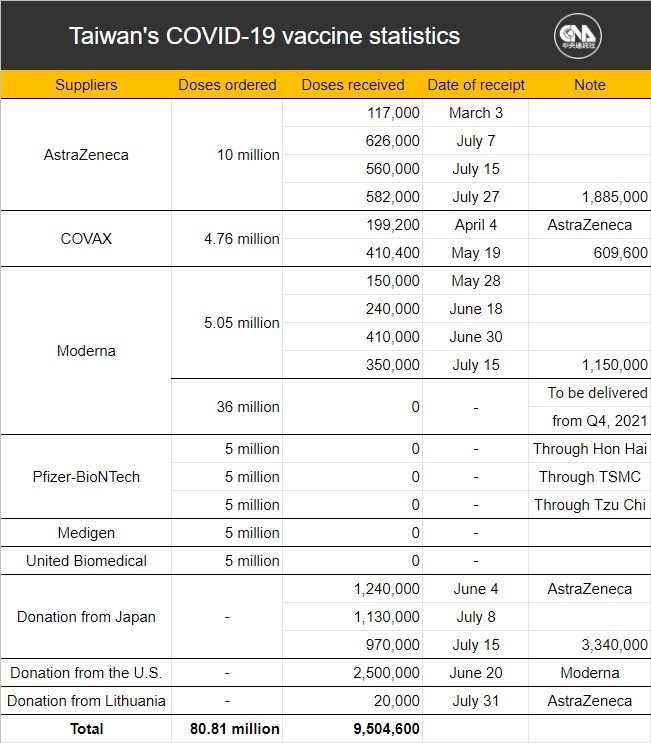
The announcement by the FDA showed the government was trying to speed up its pace to provide the Taiwan-made vaccine at a time when the country is faced with a vaccine shortage amid an outbreak of domestically transmitted COVID-19 cases in mid-May, which has prompted many people to receive their jabs, making the vaccine supply even tighter.

According to Wang, it took the FDA about one month to carry out inspection of the first four batches of the Medigen-made vaccine since the protein-based vaccine, which is different from the spike protein-based AstraZeneca vaccine and the mRNA-based Moderna vaccine Taiwan had previously received from overseas, needed longer inspection, including 21 days in animal tests to ensure its efficacy.

Since Medigen secured an emergency use authorization (EUA) from the FDA on July 19, based on the inspection time Wang disclosed, the local vaccine developer has been suspected of sending the four batches of the vaccine to the FDA for inspection even before it received the EUA.

Wang, however, declined to comment on the speculation.

He said when the rollout of the inspected Medogen vaccine will begin is up to the Central Epidemic Command Center (CECC).

A move by the FDA to grant the EUA to Medigen sparked concerns over the safety and efficacy of the vaccine as the company only completed two phases of clinical trial without a large scale third phase trial to show its efficacy, while the company said it would hold a small scale of 1,000-person third phase trail in Paraguay.

When the FDA issued the EUA to Medigen in mid-July, the agency said a subgroup of the company's Phase 2 clinical trial participants who were tested for EUA purposes showed a seroconversion rate of 95.5 percent, indicating that almost all trial participants developed specific antibodies to the COVID-19 virus in their blood.

The trial participants were also found to have generated a concentration of virus neutralizing antibodies (expressed as geometric mean titers GMTs) that was 3.4 times higher than that found in a control group of 200 people in Taiwan who received two doses of the AstraZeneca vaccine.

However, the EUA received by Medigen seemed to fail to ease concerns over the use of the vaccine among many people in Taiwan, even though the CECC announced on July 25 that the locally-made vaccine has been included in the rollout nationwide.

To quell the concerns, President Tsai Ing-wen (蔡英文) said on July 28 that she has chosen to take the Medigen vaccine when the rollout starts.

Vice President Lai Ching-te (賴清德) said he is opting to receive the vaccine made by United Biomedical Inc., another Taiwan-based COVID-19 vaccine developer, which has secured an EUA from the FDA at the end of June.

Like Medigen, United Biomedical completed only two phases of clinical trial, while it said it would seek to conduct the third phase.

Before the EUA was granted to the two vaccine developers, the government said at the end of May that it had signed agreements with the two companies to buy 5 million doses of the vaccine from each of them.

https://focustaiwan.tw/society/202108020007