Search This Blog

Saturday, December 9, 2023

Prescription Drug Prices Are Soaring - Soon, They Might Be Rationed

 The Centers for Medicare and Medicaid Services have indicated that they might impose discriminatory guidelines in the latest round of Medicare drug pricing negotiations. These guidelines would unfairly prioritize the care of certain patients over others, going so far as to deny coverage for the treatment of patients who are deemed “too expensive” to receive care. 

This might sound like the plot of a dystopian film, but the potential consequences are all too real for millions of Americans who are already facing record-high costs heading into 2024. 

One particularly concerning guideline is the quality-adjusted life years, also known as the QALY metric. QALY assigns a dollar value to various treatments, often undervaluing the lives of the elderly or acutely ill. Under this system, a young, healthy person’s prescription drugs and treatment would be priced lower than those of an elderly person with the same ailment.

This is the disturbing outcome when a flawed algorithm determines the worth of a person’s life. The QALY reduces each patient and treatment to a set of numbers, threatening to effectively deny access to potentially life-saving treatments to the ill or chronically disabled.

Equally dangerous is the calculation of expanded life years gained, or “evLYG,” which determines how much a medical treatment can extend a person’s life without considering quality of life. This singular focus robs patients of the autonomy to have a say in their own healthcare treatment.

Under this system, older or chronically ill patients are often denied the chance to try certain treatments or drugs because evLYG deems them “not worth it,” even when they may otherwise be recommended by the patient’s physician.

It is unfathomable that anyone besides a patient, their family, and their physician should be allowed to determine “worth” when it comes to access to a potentially lifesaving treatment. Neither the QALY nor the evLYG should be a barrier to care prescribed in the patient’s best interests by medical professionals.

At their core, QALY and evLYG are discriminatory and reflective of a warped value system that reduces human life to calculated returns on investment. Far from helping make healthcare more accessible, guidelines like these push us even further from the patient-centered approach our healthcare system desperately needs. 

Assigning care based on calculated value is a slippery slope and belies a much darker way of thinking – one that makes it acceptable for us to decide whose suffering is more important, whose life is worth investing in, and at what age a person stops being “worth it.” This directly contradicts the values of equality on which our nation was founded, and strips patients of the individuality, respect, and dignity that they are owed. 

If Medicare were to incorporate QALY and evLYG into its drug pricing, the elderly and disabled would suffer the most – the same population that Medicare is meant to serve. It is critical that we work against these inhumane metrics and build a system that will empower every patient, regardless of age or condition, to access the care that they deserve. 

Dr. Chris Stansbury is a partner at West Virginia Eye Consultants and a partner of the Job Creators Network Foundation.

$4M More Free Money Up for Grabs As US Cities Launch New Guaranteed Income Programs

 A pair of guaranteed income pilot programs are set to hand out $4 million to residents in two US cities with no strings attached.

A new guaranteed income pilot program will allow a group of residents in Boulder, Colorado to collect money for two years.

The city will be allocating $3 million in funds from its American Rescue Plan Act to distribute checks to 200 households.

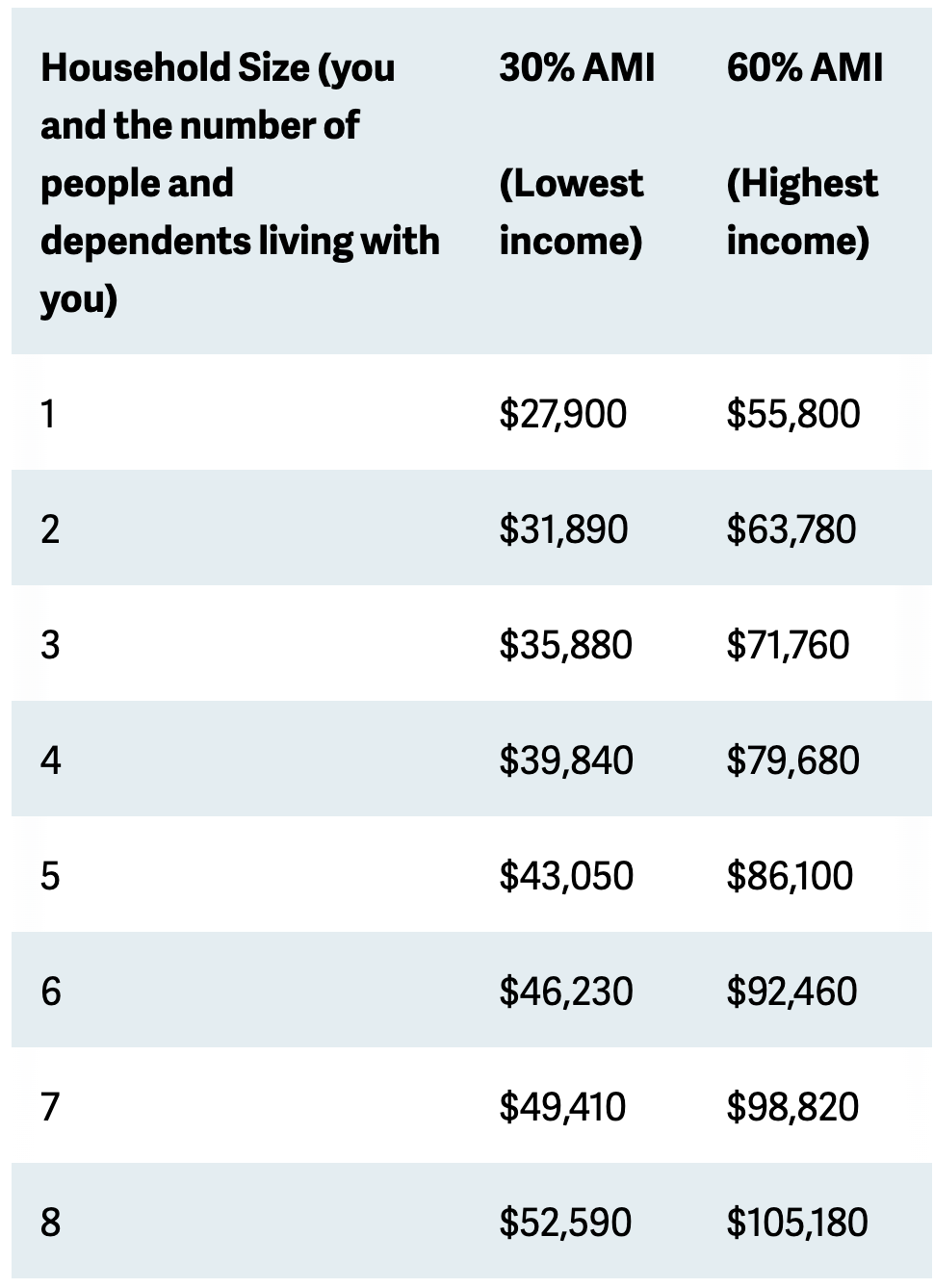
To qualify, participants must have an income between 30% and 60% of the median income for Boulder, and have been negatively affected by Covid-19 restrictions in some way, such as reduction in wages or income.

Says the City,

“An estimated one in four Boulder households does not have enough income to meet basic needs. This is true even for people who work and receive food, healthcare and housing benefits. COVID-19 and rising costs of living disproportionately affect low-income community members.

Elevate Boulder is the City of Boulder’s guaranteed income pilot project that will provide 200 low-income Boulder households with $500 per month for two years. This assistance is unconditional and unrestricted; that means it can be used how participants choose, and they won’t have to do anything in return.”

Source: City of Boulder

Meanwhile, after hailing an initial trial as an overwhelming success, a city in North Carolina is expanding its guaranteed basic income program to hand out an additional $1 million.

The Excel program distributes monthly checks for $600 to qualifying residents in the city of Durham.

The program designed to specifically help formerly incarcerated people who have made their way through the criminal justice system.

And although it’s drawn criticism from other residents of the city, Durham’s Mayor Pro Tempore Mark-Anthony Middleton tells ABC11 that the program is good for the economy.

ABC11 also interviewed Tydricka Lewis, who’s getting back on her feet after spending over six years in prison. Lewis is now working as a peer support specialist for the City of Durham and says the monthly checks have been helping immensely with day-to-day responsibilities.

“It allowed me to get decent transportation for my children and myself…Helps me get back and forth to work. I’m in school and run everyday errands.”

The program is partially funded and organized by the Mayors for Guaranteed Income group, and joins a growing trend of similar plots across the country.

https://dailyhodl.com/2023/11/03/4000000-in-free-money-up-for-grabs-as-us-cities-launch-new-guaranteed-income-programs/

Trump’s right, ObamaCare sucks

 Donald Trump recently asserted on Truth Social “Obamacare sucks!!!” He’s right. The Affordable Care Act (ObamaCare) has failed to achieve any of President Barack Obama’s vaunted promises. Democrats know it, and yet they complain about the U.S. health care system’s problems and costs without ever acknowledging that’s ObamaCare. As we approach the law’s 10-year anniversary — it passed in 2010, but most insurance reforms started in 2014 — let’s revisit some of its failed promises. 

Perhaps Obama’s greatest whopper was “If you like your health care plan, you can keep it.” That claim by the president earned him Politifact’s 2013 “Lie of the Year.” Millions of Americans had individual (i.e., non-group) health coverage they liked, but lost it almost immediately — including my wife. Others after a year or two. And the reason was obvious. ObamaCare mandated new or expanded coverages that weren’t part of most individual health plans, so those plans weren’t qualified under the law’s mandate to have insurance.  

Did those mandates make health coverage more comprehensive? Yes, but they also made it much more expensive, which brings us to ObamaCare’s second major failure. 

Remember when Obama asserted that a family’s annual premium would drop by $2,500? In fact, you were lucky if your family premium went up by ONLY $2,500 over the next few years. Again, the reason was obvious. 

No one would believe a politician who claimed that new government-mandated regulations, features and amenities on new cars would lower car prices. The new features and amenities might be nice, they might even make a car safer, but they would increase a car’s cost. And that increase would price some people out of the market. 

The same is true of health insurance. Government insurance mandates come with a cost. And a lot of mandates come with a big cost. Recent news reports say employers will see their biggest premium increase in a decade in 2024, even after insurers have made multiple changes to their plans over the last decade to try and keep premiums down. 

We’ve all heard about “shrinkflation,” where companies during inflationary times reduce the size or amount of their products in an effort to minimize price increases. Health insurers did the same under ObamaCare. They raised deductibles significantly. They increased co-pays for doctors’ visits and prescription drugs. And many insurers shifted to co-insurance for expensive drugs, meaning the patient might pay hundreds of dollars out of pocket for a prescription that once cost a $25 or $50 co-pay. 

ObamaCare defenders might point to the low premiums paid by most individuals with coverage through the ObamaCare exchange. But that’s only because taxpayers, not the insured, are subsidizing most of their premium. 

Defenders might also claim the number of uninsured has dropped. Yes, but only because the law also greatly expanded Medicaid coverage for low-income individuals.

Medicaid covered 17.8 percent of the population in 2013, according to the Kaiser Family Foundation, but 21.2 percent in 2022. Employer coverage was about the same in both years.  

What about ObamaCare’s health insurance exchanges that were going to provide individuals buying their own coverage with lots of very affordable health plan options?  

In 2013, the year before ObamaCare’s health insurance exchanges began, 5.3 percent of the population bought individual (non-group) coverage, according to Kaiser. By 2022, it was 6.3 percent — a one percentage point increase. And the only reason the number is that high is taxpayers subsidize the coverage.  

The irony is that Democrats thought ObamaCare’s health insurance exchanges were the genius idea in the Affordable Care Act that would remake the health insurance system and move the country to near universal coverage. As of 2022, there were still some 26 million uninsured

ObamaCare imposed fewer tweaks on employer coverage, where nearly half the population gets its coverage. So it still functions reasonably well. But even there premiums have exploded, with the average family premium costing $24,000. And that’s the average, many employer plans cost much more. 

Democrats’ efforts to remake health insurance through ObamaCare has only made many of the problems worse. Insurance is much more expensive, millions lost coverage they wanted to keep, and millions are still uninsured. While Democrats, like Trump, regularly complain that the health insurance system sucks, they refuse to acknowledge that system is the ObamaCare law they praised and voted for.  

Merrill Matthews is a resident scholar with the Institute for Policy Innovation in Dallas, Texas.

https://thehill.com/opinion/4342344-matthews-trumps-right-obamacare-sucks-heres-why/

The Media And I: Approving COVID Vaccine, And Unreliable Marijuana Testing

In this radio interview with John Batchelor, our conversation includes (1) the approval of the latest COVID vaccines; and (2) the problem – especially for people in some occupations – with testing for the presence of marijuana and other drugs.

I described the vaccine approval process, noting that the FDA evaluates the safety and efficacy while the CDC recommends the appropriate recipients. The recent approval of new COVID vaccines covers everyone over six months of age, indicating broad applicability. Our discussion also touched on the interchangeability of vaccines --  how the mixing and matching vaccines, such as an mRNA vaccine and a Novavax "subunit" vaccine, in theory, offers broader coverage. (But, most important is to be fully vaccinated.)

John inquired about the vaccine's ability to prevent infection versus its reducing serious outcomes. The first round of COVID mRNA vaccines were highly effective at preventing infection and severe illness, hospitalization, and death; however, as the virus evolved, the vaccines were less effective at preventing infection but still significantly reduced the incidence of serious outcomes. Vaccination also lowers the likelihood of long COVID, the persistence of signs and symptoms of COVID that can last for months or even years following the acute infection.

Shifting the conversation, John raised concerns about the reliability of tests for marijuana and other drugs, particularly in the context of police stops of drivers. These tests are problematic, indicating only the presence or absence of substances without measuring impairment. This lack of nuance poses risks, especially for individuals in occupations where a positive drug test can lead to severe consequences, such as termination.

Henry I. Miller, a physician and molecular biologist, is the Glenn Swogger Distinguished Fellow at the American Council on Science and Health. He was the founding director of the FDA's Office of Biotechnology.


https://www.acsh.org/news/2023/12/07/media-and-i-approving-covid-vaccine-and-unreliable-marijuana-testing-17486 

CDC's comments on today's pneumonia outbreaks vs. the early COVID cases

 Pediatric pneumonia outbreaks in multiple countries have some doctors and families concerned — but statements from public health agencies suggest there’s no cause for alarm. This is similar to their initial reactions to the COVID-19 pandemic, many are saying.

Hospitals in China have reportedly been "overwhelmed with sick children" as a result of the pneumonia outbreak, according to ProMED, the global digital disease surveillance system.

Also, the Netherlands Institute for Health Services Research (NIVEL) has reported a surge in cases — as have some U.S. states, including Ohio and Massachusetts.

The Centers for Disease Control and Prevention (CDC) on Dec. 1 sent the following statement to Fox News medical contributor Dr. Marc Siegel: "As of today, the CDC is not seeing anything out of the ordinary related to levels of mycoplasma across the country, but we are watching it closely."

On its website, the agency stated that it is "monitoring reports of increased respiratory illness around the world," and that "diagnosis of pneumonia in children, along with other respiratory illnesses, increases every year in the fall and winter months."

Girl pneumonia

Pediatric pneumonia outbreaks in multiple countries have some doctors and families concerned — but statements from public health agencies suggest there is no cause for alarm. (iStock)

The agency also noted that the number of children seeking emergency care for diagnosed pneumonia is "largely consistent with previous years" for children aged 0 to 4 years, with "slight increases above typical levels" for children aged 5 to 17.

"These increases are likely caused by viruses and bacteria [that] we expect to see during the respiratory illness season," the CDC said.

The World Health Organization (WHO), too, has chalked up the outbreaks to known respiratory diseases rather than novel viruses.

"As of now, at the present time, Chinese surveillance and hospital systems report that the clinical manifestations are caused by known pathogens in circulation," WHO said on its website.

CDC headquarters

"These increases are likely caused by viruses and bacteria we expect to see during the respiratory illness season," the CDC stated on its website. (REUTERS/Tami Chappell)

"Mycoplasma pneumoniae is a common respiratory pathogen and a common cause of pediatric pneumonia, and is readily treated with antibiotics," the agency also said.

"Due to the arrival of the winter season, the increasing trend in respiratory illnesses is expected; co-circulation of respiratory viruses may increase the burden on health care facilities," it added.

With the current childhood pneumonia outbreak in China, Siegel said that both the CDC and WHO have been "upfront asserting that it is not a new pathogen."

dr marc siegel

Fox News medical contributor Dr. Marc Siegel weighed in on the CDC's reactions to COVID in 2020 — and to the reactions today to pneumonia in 2023. (Fox News)

"There is less of a sense of suppressing information, and the high incidence of resistant mycoplasma infection associated with the outbreak has also been clear," he went on. 

"The CDC has also done a good job of tracking cases here, and asserting that there is no connection and that the incidence of mycoplasma has not increased," said Siegel. "They are monitoring the situation very closely, which appears to be a real improvement over early 2020."

Comparison to COVID reactions

The health agencies’ reactions to the current pneumonia outbreaks in late 2023 have been compared to the agencies' initial reactions to the COVID-19 virus in 2020.

In testimony to Congress on Feb. 27, 2020, then-CDC director Dr. Robert Redfield stated that "most cases of COVID-19 in the United States have been associated with travel from China, but some person-to-person spread among close contacts of travelers has been seen."

He also said, "It’s important to note that this virus is not spreading within American communities at this time."

He went on, "The potential global public health threat posed by this virus is high, but right now, the immediate risk to most Americans is low. The greater risk is for people who have recently traveled to China or been exposed to someone with COVID-19." 

​​Dr. Brett Osborn, a Florida neurosurgeon and longevity expert, noted that in the early days of the COVID-19 pandemic, before the virus entered the U.S., "the CDC was relatively close-lipped about its specific details."

Dr. Brett Osborn

Dr. Brett Osborn, a Florida neurosurgeon and longevity expert, noted that in the early days of the COVID-19 pandemic before the virus entered the U.S., "the CDC was relatively close-lipped about its specific details." (Dr. Brett Osborn)

"To mitigate the risk of a similar occurrence — and the United States again being caught off-guard — Congress submitted a battery of questions to the CDC demanding answers about the recent pneumonia outbreak in China," Osborn told Fox News Digital. "The agency has yet to respond."

"It is widely known that China thwarted international efforts, including efforts by the CDC, to respond to the burgeoning COVID-19 crisis as it began to unfold in China."

In a Nov. 29 letter from the U.S. Committee on Energy and Commerce to Centers for Disease Control and Prevention director Mandy Cohen, committee chairs wrote the following: "The Centers for Disease Control and Protection’s (CDC) failure to communicate accurate information in real-time during the COVID-19 pandemic has undermined public trust in the agency. If the CDC is to regain credibility with the American people, it must be transparent and forthcoming with the information it has on public health threats facing our nation."

"It is widely known that China thwarted international efforts, including efforts by the CDC, to respond to the burgeoning COVID-19 crisis as it began to unfold in China."

"It would be an abdication of the CDC’s duty to the American people if it allows China to repeat its misdeeds from the COVID-19 pandemic. The American people should not have to rely on the unaccountable and untrustworthy WHO to communicate information about Chinese public health threats."

Sick baby in hospital

Hospitals in China have reportedly been "overwhelmed with sick children" as a result of today's pneumonia outbreak, according to ProMED, the global digital disease surveillance system. (iStock)

Siegel pointed out that with COVID, "the CDC was caught flat-footed, in large part because China was suppressing crucial public health information and CDC was not allowed to have ‘boots on the ground’ to investigate, which they repeatedly requested through CDC Director Robert Redfield."

He also said, "They did post the structure of the virus online early, but little else."

Adding to the problem, Siegel noted, was that the World Health Organization (WHO) called COVID a "regional problem only."

Person gets COVID test

Medical personnel administer tests for the coronavirus disease (COVID-19) at a pop-up testing center in Sydney, Australia, on July 30, 2020.  (REUTERS/Loren Elliott/File Photo)

While preliminary data suggest that the pneumonia outbreaks are caused by known viruses — including RSV, mycoplasma and other common cold viruses — doctors and health authorities are calling for definitive answers.

"The CDC must drill down on the specifics and apply political pressure on China to best prepare the United States for another potential pandemic," said Osborn. "Early warning is critical."

"The CDC is our microbiologic liaison to the world. It is our surveillance system. It is our eyes and ears," he went on. 

"We are reliant on its liability to protect the nation through extreme transparency."

As Osborn pointed out, "It is always best to err on the side of caution and alert the nation early of a potential problem, or else risk another COVID-19."

Fox News Digital reached out to the CDC for comment.

https://www.foxnews.com/health/cdc-comments-pneumonia-outbreaks-reminiscent-agency-reaction-early-covid-cases-experts-say

How anyone can say Hamas are freedom fighters?

 don’t understand much Arabic, but growing up in the Lebanese community there’s a word that I will always recognize. It’s aiwa, a word that means “yes” but is often used as an expression of celebration — a word I learned at weddings and church parties. It’s something people shout as they dance around a couple at their wedding. It’s a word I associate with celebration and joy. At a screening of footage from the Oct. 7 Hamas attack, shown at Harvard University on Monday, I heard what sounded like that same word, also used as a gleeful exclamation — but this time, at the death of a Jew.

I call my parents when I want to share good news. A cousin is engaged, a new piece is coming out, a friend got a new job. In this footage, a man also calls his parents. His good news? He killed 10 Jews, he told his father, shouting for his mother to come hear. It sounds like cries of joy.

I praise God for many things. For my family, for my friends. But I have never thought of invoking God’s name over the bodies of slain men, women, and children. I heard “Allahu Akbar” shouted with jubilation as Hamas fighters indiscriminately shot at people in cars or brought them back to Gaza to show to a large group of men, many filming.

There were many other things I couldn’t comprehend and will never be able to unsee. A group of women my sister’s age huddled in a room together. Then killed or taken away. A corpse being beheaded with a knife, another with a blunt garden hoe. People burned beyond recognition, including the tiny body of a baby. Men dragging injured women away; a young man whose arm is gone, just bone sticking out. A Hamas member taking a bottle of soda out of the fridge of a man he had just murdered as the man’s now-fatherless sons watched in disbelief. Young men and women — many my age, and many the age of college protesters — enjoying a music festival. Then paragliders come in. Then they’re running for their lives. Many don’t survive.

Harvard was the first Ivy League university to show footage from Oct. 7, which has mostly been reserved for private viewing by journalists, politicians, and public leaders. The footage was compiled by the Israel Defense Forces primarily from Hamas bodycams, surveillance cameras, and social media videos and shown during an event hosted by Harvard Chabad, the Israeli Ambassador to the UN, Gilad Erdan, and hedge fund CEO Bill Ackman, who has been a vocal critic of anti-Israel sentiment on campus.

Why would anyone want to watch such gruesome and cruel material, much less show it to college students? Chabad’s Rabbi Hirschy Zarchi told me he was initially opposed to the idea of the screening because he “didn’t believe that this is something that any human being should ever watch.” But he changed his mind as he saw students on campus start to minimize the barbarity that took place on Oct. 7 with chants calling for “Intifada” and “from the river to the sea.” The Consul General of Israel to New England, Meron Reuben, who was present Monday, told me before the event that there isn’t a “specific reason” why the screening is being hosted at Harvard. “Our focus is to try and get this on to as many campuses as possible.”

Showing the footage to people in higher education is especially crucial as groups on campus continue to romanticize the notion of “resistance” to the point of trivializing terrorism and sexual assault. Ackman told me in an interview that when it comes to the “resistance of an oppressed group” students don’t think critically about “how vile [the crime is], no matter the nature of the victim, whether it’s a military soldier or a 6-year-old girl.”

Across American campuses, a subset of pro-Palestinian voices have praised the attacks or sought to rationalize them as legitimate armed resistance, as if Hamas were just some slightly overzealous civil rights group. Columbia University’s Joseph Massad called the attacks “awesome.” “The sight of the Palestinian resistance fighters storming Israeli checkpoints separating Gaza from Israel was astounding,” he wrote. At a “Vigil for the Martyrs of Palestine” on Oct. 10 at George Washington University, one speaker said, “Our resistance fighters are defying Zionist intelligence as we speak, exposing the cracks and its ironclad foundation and dispelling the illusion of its invincibility.”

Monday’s screening was meant to help students understand why such statements are beyond the pale in the wake of such an attack, especially when they can use other words to signal their support for Palestinian rights. Ackman told me if students “want to know what ‘Intifada’ means” or what the Hamas charter means, they should see the footage. “They’re supportive of it because they view it as resistance, the resistance of an oppressed group.”

Whether or not students are aware of the implications of many of their statements is perhaps beside the point. Using those statements in any situation points to a dire need for colleges to model civil debate and cultivate a willingness among students to listen to ideas they might not agree with. Ackman, who told me he believes in free speech on campus, is especially concerned about students’ conduct. “What if people put on white hoods and chanted ‘kill black people?’ You can say ‘OK, that’s permitted speech,’ but … that’s not conduct becoming a Harvard student.”

Accepting that the Oct. 7 attacks were brutal acts of terrorism doesn’t mean you have to agree with how the Israeli government has responded to them. And the anger at campus protests must not be mistaken as anger toward the Palestinian cause. Moral clarity on the issue includes sympathy for innocent Gazans currently caught in the crossfire as well as understanding that not all pro-Palestinian students support Hamas. But the broader campus climate at elite institutions demands students embrace a sort of cartoon-caricature view of Israelis as pitiless colonizers, always the villains of the story — and, conversely, of Hamas as resistance fighters for Palestinian victims. It’s clear that such a narrative has eclipsed basic knowledge — like which “river” and which “sea” students are even chanting about — signaling a dire need for more open dialogue and instruction in the classroom.

The Harvard auditorium used for the screening was nearly full, but it appeared there were few undergraduates present. According to Harvard Chabad there were about 270 people present, including undergraduates, graduate students, alumni, and faculty members, including some faculty deans. One young student shared that she was nervous to be seen, a sign of the unpopularity of pro-Israel views on campus. I’d wager that very few — if any — of the students who signed onto a controversial student group statement blaming Israel for Oct. 7 were in attendance. But Ackman remains hopeful. “These students, each of them, have their circle of influence and I suspect this will be talked about among people, the student body, the faculty.”

No matter what you think about Israel, no matter how many mistakes you believe the nation has made, it should be easy to see and hear accounts of Hamas’s actions that day and condemn them as profoundly inhumane, beyond the pale of any resistance — and not the fault of anyone except for those who chose to perpetrate them. The Middle East is complicated — especially when it comes to the Israel-Palestine debate — but certain events are simply evil. Oct. 7 is one of them.

https://www.msn.com/en-us/news/other/i-watched-the-oct-7-video-i-don-t-know-how-anyone-can-say-hamas-are-freedom-fighters/ar-AA1ldbhn