Search This Blog

Saturday, September 15, 2018

Stop snoring!


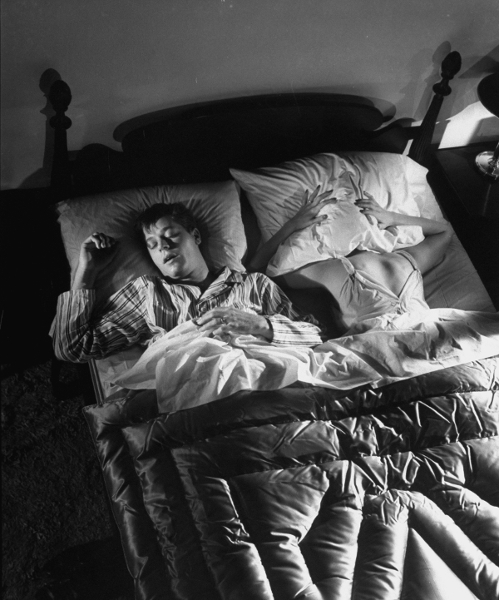
vintage couple in bed man snoring
About half of all adults snore occasionally, and about a quarter snore regularly. While it’s sort of a funny topic, and often joked about in sitcoms, snoring can cause real issues in the bedroom. Whether it’s keeping you from getting the deep, restful sleep you need, or waking up your spouse at all hours (if they can get to sleep at all), snoring can create a boatload of tension. It’s worth your physical and relational health to try to get a handle on your noisy nighttime muffler.
Snoring is more common in men than women, and tends to get worse as one ages and/or gains weight. It happens when the free flow of air from the mouth/nose to the lungs is interrupted and vibration at the back of the throat occurs, for a variety of reasons: congestion, illness, poor muscle tone in the mouth/jaw, and a few more serious health concerns.
For most folks, there are natural remedies that can reduce and even eliminate their snoring. For others, however, it can be a sign of some form of sleep apnea, wherein your breathing temporarily pauses in the night, causing you to snore loudly and even occasionally jolt yourself awake. Less than 5% of people are diagnosed with sleep apnea, but it’s estimated that up to 80% of sufferers are undiagnosed.
If you try the below steps and don’t see any improvement in your snoring, it’s best to seek out a medical professional. Do not buy mouth guards or anti-snore devices without medical consultation, even from your dentist — any device going in the mouth can have an effect on your teeth and general oral well-being.
First, though, try the advice below. Odds are good that you’ll see at least some improvement, if not a total cessation of your snoring problems.

1. Lose a few pounds.

That turkey wattle you get during the holidays is hurting more than just your appearance. As weight increases, so does the prevalence of snoring. Extra poundage just generally compresses things and closes your airways more than they would be otherwise. You actually accumulate fatty tissue in the neck and back of the throat, and that tissue is “floppy” — rather than being rigid like muscle. It therefore vibrates when breathing deeply in and out during sleep.
In many people, the neck is one of the areas of the body that both loses and gains weight quickly. That’s both a positive and a negative; just a few pounds off the scale should help you out, but just a few pounds added back on and you may be in trouble again. Among the numerous benefits that come with weight loss, a decrease in snoring is likely one, and may provide some extra motivation.

2. Change your sleep position.

Lying on your back can cause your tongue and soft palate to fall back into your throat and partially block your airways, leading to snoring. Try sleeping on your side instead; memory foam mattresses help with this, as does a body pillow if you’re having a hard time adjusting.

3. Avoid alcohol.

Booze can make people snore who don’t normally do so. Beyond just stuffing you up, as beer and other alcoholic beverages can often do, alcohol relaxes the muscles too much, leading to fluttering and vibrating while sleeping. Not only will abstaining from alcohol for the 3-4 hours before bedtime just generally improve your sleep cycle, it’ll also curb your snoring. It’s a hard thing to do, especially with socializing at night, but keep it in mind if snoring is giving you or your loved one real problems.

4. Get enough sleep.

If you’re consistently not getting enough sleep (that means 7-9 hours for the vast majority of folks), this deprivation may be the cause of your snoring woes. Being over-tired makes your muscles floppier, leading to snoring. Check out these 22 tips to give yourself a better night’s sleep.

5. Keep nasal passages open.

Nasal congestion is a major cause of snoring; this is why someone who’s typically a non-snorer will become a nighttime rhino when he’s sick. If you have a cold, or are just naturally regularly congested, try taking a hot shower before bed (showers are better than baths because of the steam that circulates when in an enclosed space), or use a neti pot. Nasal strips are also worth trying.

6. Keep your room clean!

Allergens and dust can be a cause of snoring. Regularly dust your bedroom, including your ceiling fan if you have one. Wash your bedding regularly (you shouldn’t need a reminder on that one!). Vacuum often, including the curtains. Get your air ducts cleaned every couple years. Also don’t allow pets to sleep on the bed if you have snoring problems.

7. Stay hydrated.

Dry mouths lead to dry noses and throats. This can lead to build-ups of gunk and general irritation and swelling, leading to congestion and blockage. Drink plenty of water, help your snoring.

8. Keep your mouth, jaw, and throat muscles toned.

Research shows that doing daily mouth and jaw-strengthening exercises over the course of a few months reduces snoring occurrences by more than a third, and reduces snoring intensity by up to 60%.
Consumer Reports recommends this daily routine; each exercise is performed 20 times a day:
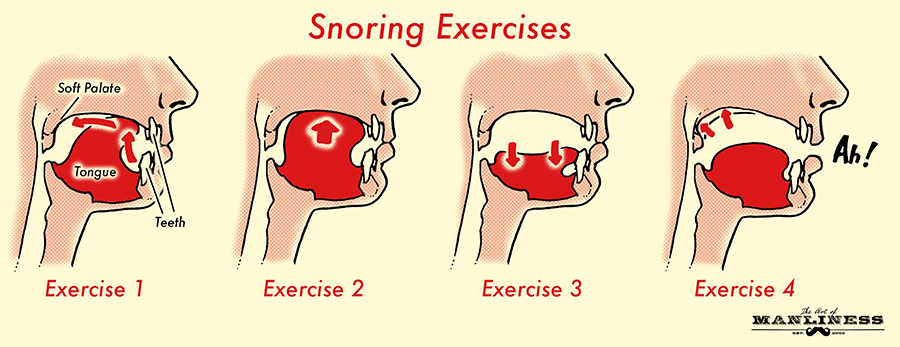
snoring exercises to strengthen jaw throat muscles
  • Exercise 1: Push the tip of the tongue against the roof of the mouth and slide the tongue backward.
  • Exercise 2: Suck the tongue upward against the roof of the mouth and press the entire tongue against the roof of the mouth.
  • Exercise 3: Force the back of the tongue against the floor of the mouth while keeping the tip of the tongue in contact with the bottom front teeth.
  • Exercise 4: Elevate the soft palate (the back of the roof of the mouth) and the uvula (the fleshy protrusion that hangs from the soft palate) while making the vowel sound “Ah.”
These exercises give your mouth and jaw muscles more rigidity, making it less likely they’ll vibrate when breathing at night.

9. Avoid smoking.

Smoking irritates membranes in the nose and throat, inflaming them and causing congestion and blocked airways. As with losing weight, there are numerous benefits to quitting smoking, with decreased snoring being but one.

10. Elevate.

You can use pillows to elevate your head, but be sure you’re not doing it just at the head; elevate your chest some as well. Otherwise you can make your neck crink, giving you both pain and airway blockage that you didn’t bargain for. You can get a mattress that raises up and down, but those are rather expensive. Go the DIY route by putting a few books under your mattress, or under the legs of the bed. Even just being elevated a few inches can help things out.

11. Use a humidifier.

Dry air can irritate the nose and throat, making them swollen, and therefore causing congestion, and snoring in turn. Use a humidifier at night to open things up a bit more.

12. Ask your doc about medications.

Sleep aids and sedatives relax your muscles, making it more likely that they’ll vibrate at night, causing you to snore. Many people rely on sleep aids though, so ask your doctor about it. Other medications can do the same thing and also contribute to snoring. If you’re having real problems, ask your doc about how your prescriptions might be impacting your sleep and your snoring, and what you might be able to do about it.

ResMed Introduces Its First Minimal-contact Full Face CPAP Mask


ResMed (NYSE: RMD) (ASX: RMD) today introduced its first minimal-contact full face CPAP mask, AirFit F30, the latest addition to its AirFit mask portfolio, which helps users reduce facial marks, wear glasses in bed and curl up closer to their bed partner.
Unlike most traditional full face mask cushions, AirFit F30’s sits below the nasal bridge, preventing top-of-the-nose red marks and irritation, and reducing feelings of claustrophobia for some full face wearers.
AirFit F30 also features ResMed’s latest QuietAir vent, so it’s quieter than ambient noise in the bedroom. Plus, magnetic clips make the mask fast and easy to put on and take off, while a one-size-fits-all headgear ensures an accurate, first-time fit.
ResMed AirFit F30 vs. the competition
Compared to the leading minimal-contact tube-down full face mask:
— 80% of users said AirFit F30 was easier to use.1 — 66% of users said AirFit F30 had a more stable fit and better seal.2 — AirFit F30 is quieter, based on published performance (21 vs. 32.5 dBA).3 HME benefits: Fewer SKUs, faster fit
With just two cushion sizes and one headgear, AirFit F30 fit 93 percent of users in a ResMed study.2 Fast and accurate first-time fittings with fewer stock keeping units (SKUs) can help home medical equipment (HME) providers achieve higher patient satisfaction, successful patient setups and simpler inventory management.
“AirFit F30 is a win-win for sleep apnea patients and HMEs, and the perfect addition to ResMed’s portfolio of CPAP masks,” said Jim Hollingshead, president of ResMed’s Sleep business. “It provides an easier, quieter and more stable fit for full face wearers, while HMEs can enjoy faster setups and easier inventory management with a mask designed to fit the first time, every time.”
Availability
AirFit F30 will be available later this year in select countries. It will be on display this weekend at the European Respiratory Society Congress in Paris at ResMed’s Booth J.04.

Quest: Drug Misuse in America 2018; Insights into Changing Opioid Epidemic


Drug Misuse in America 2018, a Quest Diagnostics Health Trends™ report, presents findings from analysis of more than 3.9 million de-identified aggregated clinical drug monitoring tests performed by Quest Diagnostics on patients in all 50 states and the District of Columbia between 2011 and 2017. To our knowledge, this report is the largest of its kind to provide current insights into prescription and illicit drug use and misuse in the United States based on laboratory insights.
To view the report click here.
To view the press release click here.
In this report, we reveal evolving patterns in drug misuse, specifically:
  • The rate of drug misuse remained constant, as it has for several years. The misuse rate in 2017 was 52 percent, unchanged from 2016. This suggests improvements in appropriate drug use have plateaued, and a majority of patients tested continue to present evidence of potential drug misuse.
  • Despite the unchanged rate, the nature of the drug misuse epidemic is shifting. Among patients in general care, rates of misuse of several commonly prescribed opioids and other drugs, as well as certain illicit drugs, declined over the past year. However, rates of misuse of certain drugs, including heroin and non-prescribed fentanyl, skyrocketed among individuals most at risk – those in in addiction treatment centers.
  • Drug mixing, a contributing factor to overdose deaths, is the most frequent form of misuse observed in the Quest data, and it shows no signs of abating. The highly dangerous combination of opioids and benzodiazepines is frequently found in patients tested in primary care and pain management settings.
  • Gabapentin has emerged as a potential concern, with dramatic increases observed in misuse in just one year.
For clinicians, drug monitoring can provide insights into possible forms of misuse including: substance use disorders, dangerous drug combinations, incomplete treatment, and/or “diversion” – instances where the prescribed drug is not found in the patient’s sample, suggesting the patient is possibly filling the prescription but may be diverting the drug to others or opted not to take it.
The intent of this and other Quest Diagnostics Health Trends reports is to provide insights based on objective laboratory data.

Dietary fiber reduces brain inflammation during aging


As mammals age, immune cells in the brain known as microglia become chronically inflamed. In this state, they produce chemicals known to impair cognitive and motor function. That’s one explanation for why memory fades and other brain functions decline during old age. But, according to a new study from the University of Illinois, there may be a remedy to delay the inevitable: dietary fiber.
Dietary fiber promotes the growth of good bacteria in the gut. When these bacteria digest fiber, they produce short-chain-fatty-acids (SCFAs), including , as byproducts.
“Butyrate is of interest because it has been shown to have anti-inflammatory properties on microglia and improve memory in mice when administered pharmacologically,” says Rodney Johnson, professor and head of the Department of Animal Sciences at U of I, and corresponding author on the Frontiers in Immunologystudy.
Although positive outcomes of sodium butyrate—the drug form—were seen in previous studies, the mechanism wasn’t clear. The new study reveals, in old mice, that butyrate inhibits production of damaging chemicals by inflamed microglia. One of those chemicals is interleukin-1β, which has been associated with Alzheimer’s disease in humans.
Understanding how sodium butyrate works is a step forward, but the researchers were more interested in knowing whether the same effects could be obtained simply by feeding the mice more fiber.
“People are not likely to consume sodium butyrate directly, due to its noxious odor,” Johnson says. “A practical way to get elevated butyrate is to consume a diet high in soluble fiber.”
The concept takes advantage of the fact that  convert fiber into butyrate naturally.
“We know that diet has a major influence on the composition and function of microbes in the gut and that diets high in fiber benefit good microbes, while diets high in fat and protein can have a negative influence on microbial composition and function. Diet, through altering , is one way in which it affects disease,” says Jeff Woods, professor in the Department of Kinesiology and Community Health at U of I, and co-author on the study.
Butyrate derived from dietary fiber should have the same benefits in the brain as the drug form, but no one had tested it before. The researchers fed low- and high-fiber diets to groups of young and old mice, then measured the levels of butyrate and other SCFAs in the blood, as well as inflammatory chemicals in the intestine.
“The high-fiber diet elevated butyrate and other SCFAs in the blood both for young and old mice. But only the old mice showed  on the low-fiber diet,” Johnson says. “It’s interesting that young adults didn’t have that inflammatory response on the same diet. It clearly highlights the vulnerability of being old.”
On the other hand, when old mice consumed the high-fiber , their intestinal inflammation was reduced dramatically, showing no difference between the age groups. Johnson concludes, “Dietary fiber can really manipulate the inflammatory environment in the gut.”
The next step was looking at signs of inflammation in the brain. The researchers examined about 50 unique genes in microglia and found the  reduced the inflammatory profile in aged animals.
The researchers did not examine the effects of the diets on cognition and behavior or the precise mechanisms in the gut-brain axis, but they plan to tackle that work in the future as part of a new, almost-$2 million grant from the National Institute on Aging, part of the National Institutes of Health.
Although the study was conducted in , Johnson is comfortable extending his findings to humans, if only in a general sense. “What you eat matters. We know that older adults consume 40 percent less  than is recommended. Not getting enough fiber could have negative consequences for things you don’t even think about, such as connections to brain health and inflammation in general.”
More information: Stephanie M. Matt et al, Butyrate and Dietary Soluble Fiber Improve Neuroinflammation Associated With Aging in Mice, Frontiers in Immunology (2018). DOI: 10.3389/fimmu.2018.01832

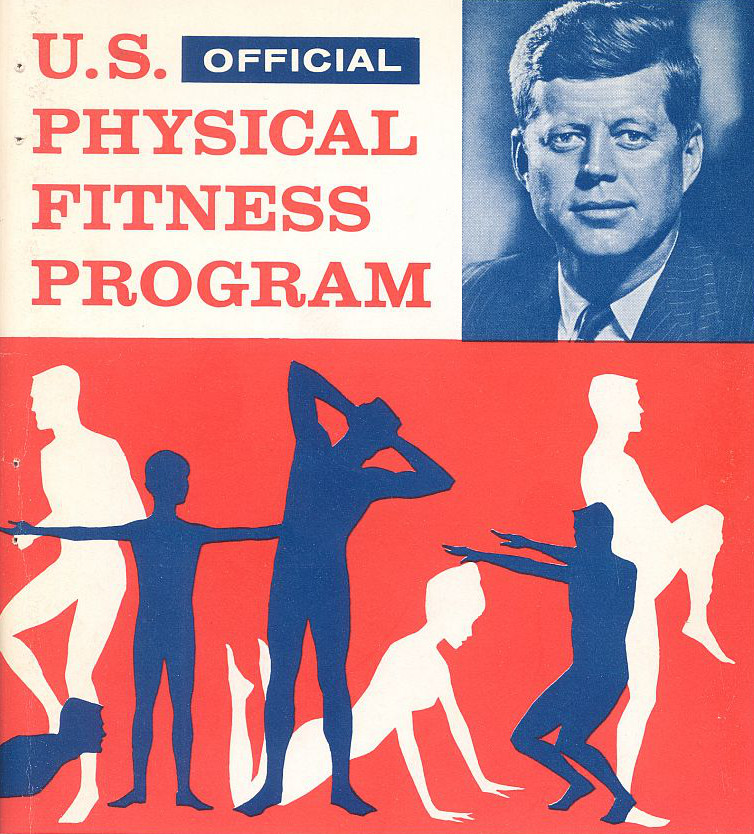
JFK on the Dangers of Americans Getting Soft


Editor’s note: On December 26, 1960, Sports Illustrated published “The Soft American” by John F. Kennedy, in which the then president-elect outlined his concern over the deteriorating physical condition of Americans, argued for the importance of fitness in developing the potential of the “whole man” and the future health of the country, and detailed his plan to make fitness a focus during his administration. JFK lived up to his word, promoting a life of “vig-ah” in general and the “50-Mile March” challenge in particular, and using the President’s Council on Physical Fitness to encourage the nation’s schools to adopt a fitness curriculum.
Beginning more than 2,500 years ago, from all quarters of the Greek world men thronged every four years to the sacred grove of Olympia, under the shadow of Mount Cronus, to compete in the most famous athletic contests of history—the Olympian games.
During the contest a sacred truce was observed among all the states of Greece as the best athletes of the Western world competed in boxing and foot races, wrestling and chariot races for the wreath of wild olive which was the prize of victory. When the winners returned to their home cities to lay the Olympian crown in the chief temples they were greeted as heroes and received rich rewards. For the Greeks prized physical excellence and athletic skills among man’s greatest goals and among the prime foundations of a vigorous state.
Thus the same civilizations which produced some of our highest achievements of philosophy and drama, government and art, also gave us a belief in the importance of physical soundness which has become a part of Western tradition; from the mens sana in corpore sano of the Romans to the British belief that the playing fields of Eaton brought victory on the battlefields of Europe. This knowledge, the knowledge that the physical well-being of the citizen is an important foundation for the vigor and vitality of all the activities of the nation, is as old as Western civilization itself. But it is a knowledge which today, in America, we are in danger of forgetting.
The first indication of a decline in the physical strength and ability of young Americans became apparent among United States soldiers in the early stages of the Korean War. The second came when figures were released showing that almost one out of every two young Americans was being rejected by Selective Service as mentally, morally or physically unfit. But the most startling demonstration of the general physical decline of American youth came when Dr. Hans Kraus and Dr. Sonja Weber revealed the results of 15 years of research centering in the Posture Clinic of New York’s Columbia-Presbyterian Hospital — results of physical fitness tests given to 4,264 children in this country and 2,870 children in Austria, Italy and Switzerland.
The findings showed that despite our unparalleled standard of living, despite our good food and our many playgrounds, despite our emphasis on school athletics, American youth lagged far behind Europeans in physical fitness. Six tests for muscular strength and flexibility were given; 57.9% of the American children failed one or more of these tests, while only 8.7% of the European youngsters failed.

A Consistent Decline

Especially disheartening were the results of the five strength tests: 35.7% of American children failed one or more of these, while only 1.1% of the Europeans failed, and among Austrian and Swiss youth the rate of failure was as low as .5%.
As a result of the alarming Kraus-Weber findings President Eisenhower created a Council on Youth Fitness at the Cabinet level and appointed a Citizens Advisory Committee on the Fitness of American Youth, composed of prominent citizens interested in fitness. Over the past five years the physical fitness of American youth has been discussed in forums, by committees and in leading publications. A 10-point program for physical fitness has been publicized and promoted. Our schools have been urged to give increased attention to the physical well-being of their students. Yet there has been no noticeable improvement. Physical fitness tests conducted last year in Britain and Japan showed that the youth of those countries were considerably more fit than our own children. And the annual physical fitness tests for freshman at Yale University show a consistent decline in the prowess of young Americans; 51% of the class of 1951 passed the tests, 43% of the class of 1956 passed, and only 38%, a little more than a third, of the class of 1960 succeeded, in passing the not overly rigorous examination.
Of course, physical tests are not infallible. They can distort the true health picture. There are undoubtedly many American youths and adults whose physical fitness matches and exceeds the best of other lands.
But the harsh fact of the matter is that there is also an increasingly large number of young Americans who are neglecting their bodies — whose physical fitness is not what it should be — who are getting soft. And such softness on the part of individual citizens can help to strip and destroy the vitality of a nation.
For the physical vigor of our citizens is one of America’s most precious resources. If we waste and neglect this resource, if we allow it to dwindle and grow soft then we will destroy much of our ability to meet the great and vital challenges which confront our people. We will be unable to realize our full potential as a nation.
Throughout our history we have been challenged to armed conflict by nations which sought to destroy our independence or threatened our freedom. The young men of America have risen to those occasions, giving themselves freely to the rigors and hardships of warfare. But the stamina and strength which the defense of liberty requires are not the product of a few weeks’ basic training or a month’s conditioning. These only come from bodies which have been conditioned by a lifetime of participation in sports and interest in physical activity. Our struggles against aggressors throughout our history have been won on the playgrounds and corner lots and fields of America.
Thus, in a very real and immediate sense, our growing softness, our increasing lack of physical fitness, is a menace to our security.
However, we do not, like the ancient Spartans, wish to train the bodies of our youth to make them more effective warriors. It is our profound hope and expectation that Americans will never again have to expend their strength in armed conflict.
But physical fitness is as vital to the activities of peace as to those of war, especially when our success in those activities may well determine the future of freedom in the years to come. We face in the Soviet Union a powerful and implacable adversary determined to show the world that only the Communist system possesses the vigor and determination necessary to satisfy awakening aspirations for progress and the elimination of poverty and want. To meet the challenge of this enemy will require determination and will and effort on the part of all Americans. Only if our citizens are physically fit will they be fully capable of such an effort.
For physical fitness is not only one of the most important keys to a healthy body; it is the basis of dynamic and creative intellectual activity. The relationship between the soundness of the body and the activities of the mind is subtle and complex. Much is not yet understood. But we do know what the Greeks knew: that intelligence and skill can only function at the peak of their capacity when the body is healthy and strong; that hardy spirits and tough minds usually inhabit sound bodies.
In this sense, physical fitness is the basis of all the activities of our society. And if our bodies grow soft and inactive, if we fail to encourage physical development and prowess, we will undermine our capacity for thought, for work and for the use of those skills vital to an expanding and complex America.
Thus the physical fitness of our citizens is a vital prerequisite to America’s realization of its full potential as a nation, and to the opportunity of each individual citizen to make full and fruitful use of his capacities.
It is ironic that at a time when the magnitude of our dangers makes the physical fitness of our citizens a matter of increasing importance, it takes greater effort and determination than ever before to build the strength of our bodies. The age of leisure and abundance can destroy vigor and muscle tone as effortlessly as it can gain time. Today human activity, the labor of the human body, is rapidly being engineered out of working life. By the 1970’s, according to many economists, the man who works with his hands will be almost extinct.
Many of the routine physical activities which earlier Americans took for granted are no longer part of our daily life. A single look at the packed parking lot of the average high school will tell us what has happened to the traditional hike to school that helped to build young bodies. The television set, the movies and the myriad conveniences and distractions of modern life all lure our young people away from the strenuous physical activity that is the basis of fitness in youth and in later life.

Now Is the Time

Of course, modern advances and increasing leisure can add greatly to the comfort and enjoyment of life. But they must not be confused with indolence, with, in the words of Theodore Roosevelt, “slothful-ease,” with an increasing deterioration of our physical strength. For the strength of our youth and the fitness of our adults are among our most important assets, and this growing decline is a matter of urgent concern to thoughtful Americans.
This is a national problem, and requires national action. President Eisenhower helped show the way through his own interest and by calling national attention to our deteriorating standards of physical fitness. Now it is time for the United States to move forward with a national program to improve the fitness of all Americans.
First: We must establish a White House Committee on Health and Fitness to formulate and carry out a program to improve the physical condition of the nation. This committee will include the Secretary of Health, Education and Welfare and the Secretary of the Interior. The executive order creating this committee will clearly state its purpose, and coordinate its activities with the many federal programs which bear a direct relation to the problem of physical fitness.
Second: The physical fitness of our youth should be made a direct responsibility of the Department of Health, Education and Welfare. This department should conduct — through its Office of Education and the National Institutes of Health — research into the development of a physical fitness program for the nation’s public schools. The results of this research shall be made freely available to all who are interested. In addition, the Department of Health, Education and Welfare should use all its existing facilities to attach the lack of youth fitness as a major health problem.
Third: The governor of each state will be invited to attend the annual National Youth Fitness Congress. This congress will examine the progress which has been made in physical fitness during the preceding year, exchange suggestions for improving existing programs and provide an opportunity to encourage the states to implement the physical fitness program drawn up by the Department of Health, Education and Welfare. Our states are anxious to participate in such programs, to make sure that their youth have the opportunity for full development of their bodies as well as their minds.
Fourth: The President and all departments of government must make it clearly understood that the promotion of sports participation and physical fitness is a basic and continuing policy of the United States. By providing such leadership, by keeping physical fitness in the forefront of the nation’s concerns, the federal government can make a substantial contribution toward improving the health and vigor of our citizens.
But no matter how vigorous the leadership of government, we can fully restore the physical soundness of our nation only if every American is willing to assume responsibility for his own fitness and the fitness of his children. We do not live in a regimented society where men are forced to live their lives in the interest of the state. We are, all of us, as free to direct the activities of our bodies as we are to pursue the objects of our thought. But if we are to retain this freedom, for ourselves and for generations to come, then we must also be willing to work for the physical toughness on which the courage and intelligence and skill of man so largely depend.
All of us must consider our own responsibilities for the physical vigor of our children and of the young men and women of our community. We do not want our children to become a generation of spectators. Rather, we want each of them to be a participant in the vigorous life.

How to Fall Asleep in 2 Minutes or Less


Have you ever unexpectedly found yourself with a snatch of time in which to steal a nap? You tried to settle into the chair or nook in which you found yourself, closed your eyes, and then . . . you just sat there, drowsy but awake. Despite feeling quite tired, you couldn’t fall asleep, and soon the time was up before you had gotten in so much as a wink. Talk about frustrating! Not only did you not get to nap, you didn’t do anything else either; if you weren’t going to fall asleep, you could have done something productive instead!
It’s quite a knack to be able to fall asleep at the drop of a hat, regardless of where you are and what’s going on around you. To steal some shuteye at airports and on flights, on break times and car rides, in public places and private spaces — in all the interstices of life. Not to mention how grand it is to be able to go out like a light as soon as your head hits the pillow each night.
It probably seems, however, that this is simply a knack that some folks have and others don’t, with the latter group being much larger than the former.
Yet the ability to fall asleep in two minutes or less, anywhere, anytime, is actually a skill like any other, and one anyone can learn. The technique for how to do so was in fact developed for Naval aviators during World War II, and today we’ll share it with you.

How to Fall Asleep in 2 Minutes or Less

A couple years into WWII, the U.S. military realized it had a problem on its hands. Due to the enormous pressures of aerial combat, many of its pilots were accumulating levels of stress so debilitating that they were cracking under it. The tension caused them to lock up in flight and make fatal mistakes — accidentally shooting down friendly planes, or becoming an avoidable casualty themselves.
In an effort to stem the loss of pilots and planes, the military brought in Naval Ensign Bud Winter to research, develop, and test a scientific method for teaching relaxation. Before the war, Winter had been a successful college football and track coach, who had also worked with a professor of psychology on techniques to help athletes relax and perform better under the stress of competition. Stationed at the Del Monte Naval Pre-Flight School in California, his mission now was to coordinate with other coaches and professors to create a course that would similarly instruct cadets on how to stay calm and loose under the pressures of combat.
The end goal of the program was to teach the Naval aviators how to relax, so that they could learn more quickly, speed up their reaction time, sharpen their focus, and diminish their fear. The course also aimed to teach “combat aviators to be able to go to sleep in two minutes any time, day or night, under any and all conditions”; instruction in this skill was included to ensure that pilots got adequate sleep, and could sneak in extra shuteye whenever possible.
To accomplish the first goal, Winter taught the men how to physically relax. To accomplish the second, he taught them how to mentally relax. In fact, he essentially defined sleep as the state of being both physically and mentally relaxed.
To fall asleep at the drop of a hat, first you work on the former, and then the latter.

How to Physically Relax

In Relax and Win, the book Winter wrote about the program he developed for combat aviators and then used with athletes after the war, he lays out the exact instructions he gave to cadets to teach them how to relax their bodies; here we give them slightly condensed:

“Sit back in your chairs and put your feet flat on the deck. Knees apart, your hands limp on the inside of your lap. Now, close your eyes and drop your chin until it rests on your chest.
Let’s breathe slowly, deeply, and regularly. Take all the wrinkles out of your forehead. Relax your scalp. Just let go. Now let your jaw sag-g-g. Let it drop open. Now relax the rest of your face muscles. Get the brook trout look on your face. Even relax your tongue and lips. Just let them go loose. Breathe slowly.
Now, let’s go after the eight muscles that control your eyes. Let them go limp in their sockets. No focus, just let them go limp. Breathe slowly.
Now drop your shoulders as low as they will go. You think that they are low, but let them go more.  Did you feel the muscles in the back of your neck go limp? When you think you are really relaxed, let them go even more.
Now, let’s relax your chest. Take a deep breath. Hold it. Exhale and blow out all your tensions. Just let your chest collapse. Let it sag-g-g. Imagine you are a big, heavy blob on the chair, a jellyfish. Breathe slowly. When you exhale, release more and more of your tensions.
Let’s go after your arms. Talk directly to your arm muscles. First, talk to your right bicep. Tell it to relax, go limp. Do the same to your right forearm. Now to the right hand and fingers. Your arm should feel like a dead weight on your leg. Repeat the relaxation process with your left arm. Breathe slowly.
Your entire upper body has been exposed to relaxation and a warm, pleasant feeling comes over you. You feel good. A sense of well-being invades your body.
Now for your lower body. Talk to your right thigh muscles. Let them go to a dead weight on the chair. Let the meat hang on the bones. Go through the same routine for the right calf muscles. Then all the muscles of your right ankle and foot. Tell yourself that your right leg has no bones in it. It is just a flabby, heavy weight on the deck. Repeat the process with your left thigh, calf, ankle, and foot.
At present you are all relaxed physically, or think you are. For a little insurance, let’s take three deep breaths and when you let them out, blow out all the remaining tensions, one . . . whoosh, two . . . whoosh, three . . . whoosh.”

If you have trouble getting any of your body parts to feel sufficiently relaxed and jellyfish-like, try tensing them up first, and then letting them go loose.
By following the above protocol, you can achieve a nice general level of relaxation. Winter taught the cadets to cultivate this state in any pressure-filled situation, as it would loosen them up, dial down their nerves, enhance their concentration, and allow them to make better decisions.
From this physically calm condition, Winter then taught the cadets how to “slip over the threshold into a deep, relaxed sleep” by becoming completely mentally relaxed.

How to Mentally Relax

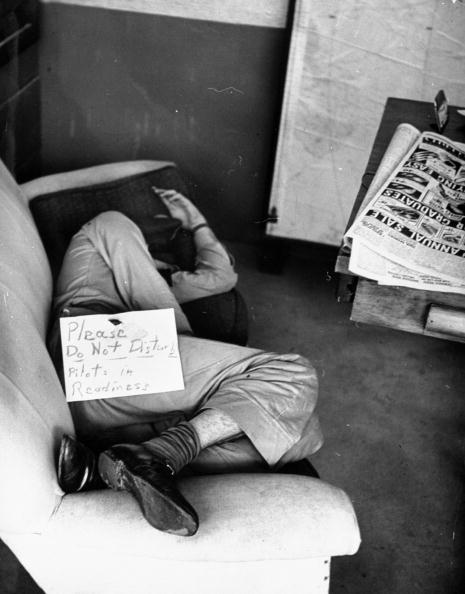
vintage man napping on couch do not disturb sign
Winter argues that once you’re physically relaxed, if you get “your mind clear of any active thoughts for just ten seconds, you will be asleep.” The key to falling asleep quick is thus to stop the train of thoughts that is usually rumbling through your head. You have to stop ruminating on the regrets, worries, and problems of the day.
Winter particularly warns against having any thoughts in which you are in motion; studies done by placing electrodes on the cadets’ bodies showed that even when you simply think of performing an activity, the muscles involved in that activity actually contract. Modern studies have in fact confirmed this observation, showing that simply imagining yourself exercising activates the same parts of the brain that come online when you’re physically in motion, and actually strengthens the muscles you imagine yourself using. While there might be some benefit to using your mind to “sit and be fit,” thinking about being active while trying to go to sleep can create muscular tension and inhibit its onset.
So, when you’re looking to nod off, you just want to fill your head with the stillest, calmest of contemplations. Winter suggests three good ones to use, though you don’t have to use all three; just pick one, and if it doesn’t work, try another:

“First, we want you to fantasize that it is a warm spring day and you are lying in the bottom of a canoe on a very serene lake. You are looking up at a blue sky with lazy, floating clouds. Do not allow any other thought to creep in. Just concentrate on this picture and keep foreign thoughts out, particularly thoughts with any movement or motion involved. Hold this picture and enjoy it for ten seconds.
In the second sleep-producing fantasy, imagine that you are in a big, black, velvet hammock and everywhere you look is black. You must also hold this picture for ten seconds.
The third trick is to say the words ‘don’t think . . . don’t think . . . don’t think,’ etc. Hold this, blanking out other thoughts for at least ten seconds.”

The cadets at the pre-flight school had been broken into two groups: one which took the relaxation course, and the other a control group. The former outperformed the latter in every mentally-taxing class, discipline-requiring drill, and physically-intensive test. And after six weeks of practice, 96% of the aviators were able to fall asleep in 2 minutes or less — anywhere and anytime. Not only that, they could do it even when they drank coffee (though having caffeine in your system does make it harder), and even while the simulated noise of machine gunfire and cannon blasts played in the background!
After the war, Winter taught the track athletes he coached the same relaxation techniques, and became one of the greatest sprint coaches of all time, producing 102 All-Americans and 27 Olympians; at one time, his runners held all 10 world records for sprinting events.
Winter strongly believed that the wartime program for relaxation he helped develop to fight combat stress, and which athletes subsequently used to deal with the pressures of competition, was just as applicable to the tensions and fatigue civilians faced in their everyday lives.
You can use this general relaxation method to get physically relaxed whenever you’re feeling stressed out, and then tack on the mental relaxation exercise when you want to fall asleep fast. It’s handy for when you find yourself with a short window of time for a snooze; Winter thought even a 5-minute nap was incredibly refreshing. You could also use it to take a “hypnagogic nap” — a micro nap that artists like Salvador Dali used, in which you allow yourself to doze off for just a second in order to glean the creative insights that can arise on the threshold between sleep and wakefulness.
Or, of course, you can simply use this technique when you go to bed, to more quickly and contentedly enter your nightly block of sleep.
Keep in mind that being able to relax physically and mentally, and thus being able to fall asleep at the drop of a hat, is a skill, and like all skills, you shouldn’t expect to get the hang of it and have it work the first few times you try. You have to practice over and over again, until you get better and better at loosening up and calming down. That doesn’t mean you should work hard at trying to relax; that will just backfire and create tension. But you do have to practice this routine consistently.

Keep your head: 4 steps to build your mental toughness


Jeremy Hall knew his mission was on the verge of going to pieces.
The year was 2003, and the Iraq War had just begun. Hall was a member of a secretive U.S. Army special operations unit nicknamed The Activity (think SEAL Team 6 but more secretive).
And at that moment, he was in a bunker in the heart of Baghdad.
“We had a team that was about to go out to a location and take out a high value target, but we had an equipment breakdown,” recalled Hall. “People started asking, ‘Are these coordinates right?’”
That’s when things got worse. “A man went down. Then another,” says Hall, whose job was to coordinate data from satellites and intercepted cell phone signals. “People were getting shot at. Our base was getting mortared. You could hear gunshots and RPGs going off outside.” Just when it seemed it couldn’t get worse, one of Hall’s colleagues experienced a migraine panic attack and Hall had to take over his duties:
“I realized I couldn’t control the level of resources I had, but I can control my reaction to this because these people are relying on me. I said, ‘I’m going to be a rock right now.’”
With a variety of Special Forces commandos depending on his team — “Green Berets, Delta Force, combat patrollers, that sort of thing” — Hall knew there was no other option but to make the best of the situation. “We just stayed firm and focused on what we were doing and our adrenaline kicked in once we made the decision to stay calm.” Ultimately, the team executed the operation without any more casualties.
“It would have been easy to say, ‘Oh crap we don’t have our normal tools,’” says Hall. Instead, he asked himself, “How can I make the best out of this scenario — what can I do in actionable steps to achieve our goal?”

Why Your Mental Toughness Matters

Even if you’re lucky enough to never be in a situation as stressful as what Hall faced, you will face situations which will test your mental toughness. It’s a part of life.
Whether it’s losing your job, or your business going under, or losing a loved one, life is filled with stressful situations. These are times when your mental strength will be challenged and your resilience tested. As a husband, as a father, or simply as a man, we are often expected to be mentally tough, yet we often don’t know how.
AoM has previously covered different dimensions of the topic of mental toughness, writing about how to strengthen willpower, how to tap into hidden wells of strength, and how to cultivate your mental toughness through small discomforts and positive thinking.
In this post I want to share four exercises that are inspired by the stories of brave men who have endured the hardships of war that can help any man strengthen his mental toughness.
You may never be caught in a firefight on a foreign battlefield, engage in a Special Forces operation, or lead men into battle on hostile grounds. My goal here is to teach you a few tips from those who have experienced these challenges, so that you can have greater mental toughness in your own personal and professional life.
And if you follow all of these tips, then the next time you meet a Green Beret or a Navy SEAL, you can say, “Hey, I’m just as mentally tough as you!” (No, seriously, do not do that.)

4 Exercises for Strengthening Your Mental Toughness

You may be wondering at this point: what is mental toughness, after all? “Much of mental toughness is simply attitude and self esteem,” writes Stewart Smith, a former Navy SEAL and author of The Complete Guide to Navy SEAL Fitness. “I am of the personal belief that through tough physical training, proper mindset, and a high level of maturity that mental toughness is born.”
In other words, mental toughness comes from a combination of factors rather than any single one. Here are four strategies that can help you achieve that rare combination.

1. Train Yourself to Increase Your Confidence

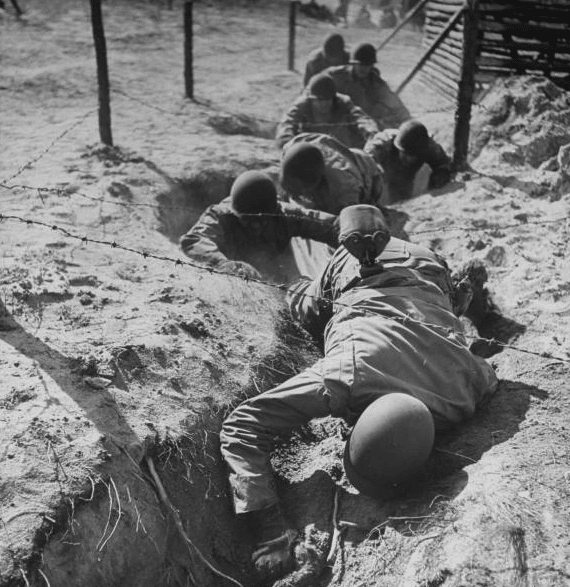
vintage soldiers crawling through trench boot camp under barbed wire
Jon Paulson was just 19 years old when he enlisted in the Marines. He spent six months training at Camp Pendleton in San Diego in 1964-1965. “The training is very, very rigorous,” says Paulson. “You do things over and over and over again and you become good at it. And being good at something gives you confidence.”
That training gave Paulson crucial confidence, which he would need a few months later, when, in July 1965, he was deployed as part of the second wave of Marines to enter South Vietnam. He was in charge of a platoon of 40 men, and was just 22 years old.
“The number one objective in the Marines is to complete the mission; the second is to protect the men in the platoon,” says Paulson. “So the mission supersedes the safety of the men. As a platoon leader, you know you’re going to have to send a squad directly into the line of fire, but you have to do that to accomplish the greater mission.”
When making those kinds of calls, you absolutely must project confidence, he says. “Even if you’re leading just four people, you have to have confidence — and have to have the confidence of those three men in your command,” says Paulson.
The same principle which works for the Marines — aggressive training to increase confidence — can be applied in the civilian world. “If you get up and speak a lot then you get better at it and you will get more confident,” says Paulson.
Exercise:
Paulson was trained for confidence by the U.S. Marines. But you can train yourself to be confident as well.
It starts with steady and deliberate practice, and continually testing yourself to live on the edge of failure.
LaRae Quy, the author of Secrets of a Strong Mind, suggests a strategy to increase your confidence by overcoming smaller failures. The goal is to help you become more confident in the face of larger challenges. Create a “petri dish” in your life, writes Quy, “a little area in which [you’re] not succeeding.” This could mean learning a musical instrument or a new sport or studying a new language.
By challenging yourself on a daily basis with a skill you are not fully mastering, “you develop greater confidence in your skills and training and avoid greater meltdowns when the larger failures do occur,” says Quy.

2. Embrace Your Sense of Duty

My Grandfather’s “Diploma” from completing 35 bombing missions as part of the 390th Bomb Group during WWII
Often the simplest form of mental toughness is simply to tell yourself, “It’s my job.”
My grandfather was a B-17 pilot in Europe during WWII, flying bombing missions out of England over German cities.
In May of 1945 he was on a bombing mission over Nuremberg when they were attacked by German fighters and “got the hell shot out of them,” my father said later.
After the war, my grandfather was stationed as an air rescue pilot at an air base in Narsasauwak (now spelled Narsarsuaq), Greenland — an area renowned for its heavy fog.
One day, two airplanes were flying in together from overseas and the fog layer was so low you couldn’t see the surrounding mountains. The planes had limited working instruments and had little chance of landing without assistance.
The base commanders “basically said they can crash land on the ice cap and we’ll try to save them,” recalled my father. “Dad and his crew volunteered to fly up and help the two planes land.”
My grandfather flew above the cloud layer, and using what he knew about the mountain range, had each plane follow him through the fog directly to the runway so they could land. My grandfather received an air medal for the rescue.
I asked my father why he thought my grandfather volunteered to go up. “It was a sense of duty,” he said. “It was his job. He was a pilot and that’s what they do.”
Exercise:
Write down a “job description” for all the different hats you wear in your life. Not just for your work, but in the other roles you fulfill, like husband, father, and mentor (Brett’s post on creating a blueprint for your life can help you recognize and define these roles). Tape these descriptions in a place where you will see them often or keep them in a notebook and review them weekly. No matter your different responsibilities, treat them like duties. Take the option of shirking them off the table entirely. When times get tough, and you’re fatigued, annoyed, bored, and stressed, remember that it’s your duty to get your job done. You agreed to do it, and a man keeps his word. People’s lives may not literally hang in the balance, but your associates and loved ones do absolutely depend on you and your ability to stay strong when things around them get shaky.

3. Do What You Do For Your Team

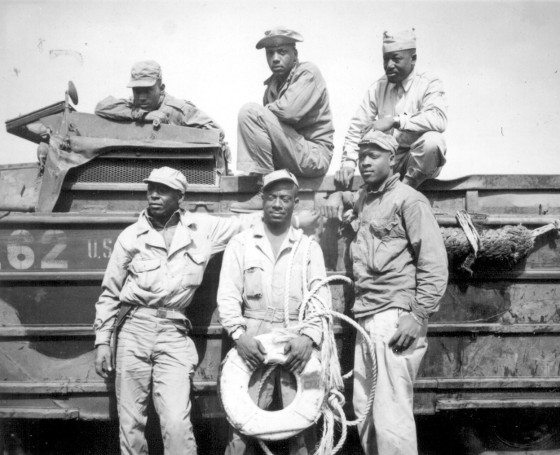
vintage african american soldiers photo in front of truck
Each of the men I interviewed for this article said versions of the same thing, across multiple generations and across multiple wars. They each said they fought for each other, rather than any larger principle or purpose.
“You get to know your fellow troops,” says Paulson. “You get to know your buddies really well, very very well. Not one person who fought in Vietnam ever [fought to] prevent communism from spreading. Not one.”
Instead, Marines fought for one another, for their fellow soldiers, said Paulson. “The Marines have a saying, ‘No one left behind,’ whether the person is dead or alive. It’s really true.”
Jeremy Hall, who fought in both the wars in Iraq and Afghanistan, agreed. “It was more about the team — it was about the men and women who I was serving with,” says Hall. “It wasn’t about the cause. It wasn’t patriotism, though I was patriotic. It was about the people I was with — these were people who were trying to create better lives for themselves. They just happened to serve during a period of war.”
The lesson for me is that when you endure a challenge in life, you need to have a strong team around you. Whether you are fighting to keep your company afloat, facing an illness in the family, or just lost a job, your mental strength is more likely to come from those who you have around you — your team — than it is commitment to any larger cause or purpose.
Exercise:
Write down the names of your trusted teammates — it could be your family, colleagues, or friends. Under each name, write down two things you can do to strengthen your bond with that person. Work to surround yourself with people who you trust and care for, and you’ll be more likely to endure during times of challenge.

4. Find Pride on the Inside

Today’s culture is filled with awards and rewards. You get a trophy just for being on the team.
In fact, you don’t need a ribbon or a certificate to take pride in yourself and your accomplishments.
Hall told me a story of a sudden knife fight he got into in Iraq in 2003 with “a very fast-moving Iraqi.” The man slashed Hall’s wrist, but he “hung in there and knocked him out.” As he fell, another special forces soldier shot the man in the head.
Hall didn’t receive a purple heart for the injury because the paperwork was never processed. When I asked Hall if he was disappointed by this, he shrugged it off. “That’s just war,” he said.
Hall didn’t need a purple ribbon on a metal clasp to take pride in his achievements. Nor does he allow himself to feel disappointment by not having the distinctive medal.
After he left Vietnam, Jon Paulson found he didn’t need any modern trappings of success either.
“Any time that I would get in a situation where I lost a client or lost a deal or lost a job, I would say, ‘What am I getting worked up over this for, I’m alive, I’m happily married,’” says Paulson. “I’m not climbing the corporate ladder, and I’m not going to be a multi-millionaire, but that doesn’t matter to me.”
Paulson said it was enough to have pride that he was a good leader and that he was brave in leading 40 men into battle. “I think anybody would say Lieutenant Paulson was calm under fire when we had to rush a hill or take out a machine gun. He didn’t stay behind. He led.”
Today, Paulson is dealing with the effects of constant contact with Agent Orange while in Vietnam, but he doesn’t regret his involvement in the war. “I feel very proud of what I did. I don’t feel proud of calling in jet bombers on a village; I don’t feel proud for what our country did to the Vietnamese people, but I do feel proud of what I did for my platoon. I was a good leader.”
Exercise:
Write down a list of all the things you are proud of in your life, especially things you’ve never been recognized for by others. Notice the satisfaction you feel from your accomplishments and worthy traits, and realize you don’t need the validation of others for them to be real. Like Jeremy Hall, your life should not be any different because you have a ribbon or an acrylic award you use as a paperweight on your desk. Take pride internally.

Go Exercise Your Mental Toughness

Hall says one of the most important aspects of mental toughness is not to worry about failure, but simply to make sure you always try. “I had a mentor who said you can fail and we’ll figure out how to execute the next time, but what I can’t stand is if you don’t try your best,” says Hall. “I’m not going to be a winner at everything I do but I can at least find out where I am going to win and get better at that.”
Personally, I have never been in war. I feel fortunate I never had to decide which group of my closest buddies would lead the charge up a hill toward a gunnery like Paulson has, or fight my way out of a knife fight, like Hall has.
But I have suffered setbacks in life, and I know I will again. And you will too. And that’s why spending time learning from brave individuals who have demonstrated tremendous mental strength is well worth your time.
So go out there and exercise your mental toughness. Challenge yourself on a daily basis with a skill you have not mastered so you can improve your confidence for when times get rough. Embrace, and take pride in, your own sense of duty.
Be proud of yourself and don’t let external rewards or awards determine your self-worth.
And surround yourself with a team you trust. Remind yourself when you go through struggles, you are all in it together.