Because of a “severe revenue decline,” California is facing a $68 billion budget deficit that could accumulate to more than $155 billion over the next five years, according to the most updated projection released Dec. 7 by the nonpartisan Legislative Analyst’s Office.
A spokesperson for California Gov. Gavin Newsom suggested some of the state’s approximately $24 billion held in reserves could be used to address the growing deficit—an idea analysts agree will be necessary.
“The Governor has maintained strict fiscal responsibility since taking office, building up the state’s reserves to historic levels reaching the maximum allowed by the state constitution to be put in reserves and paying down debts—putting California in a strong position to deal with budget shortfalls,” Erin Mellon, communications director for Mr. Newsom’s office, told The Epoch Times by email Dec. 7.
Budget problems arose after income tax collections dropped 25 percent in the fiscal year 2022–2023—which ended June 30—compared to the year before, according to the report by the Legislative Analyst’s Office.
Moreover, tax receipts typically due in April were delayed until October this year due to federal and state exemptions granted after winter storms impacted the state, which made it difficult for state officials to determine the scale of the deficit earlier to define budget priorities accordingly.
“Federal delays in tax collection forced California to pass a budget based on projections instead of actual tax receipts,” Ms. Mellon said. “Now that we have a clearer picture of the state’s finances, we must now solve what would have been last year’s problem in this year’s budget.”
Noting the unusual dilemma presented by the timing and severity of the decline, analysts said the state has only faced such circumstances during the Great Recession and dotcom bust.
With a $68 billion shortfall for the fiscal year 2024–2025 projected, in addition to $30 billion operating deficits in following years, lawmakers will need to reduce spending, increase revenues, or both to fill the gap.
Cuts will be needed across programs, including education and other core services to resolve the problem. The report identified approximately $8 billion in temporary spending options in 2024–2025 to be considered for funding reductions, according to the report.
Lowering spending on employee compensation, higher education, and judicial systems are solutions utilized in the past to manage budgets, the report said.
Analysts noted that such dire conditions constitute a "fiscal budget emergency," though the governor is required to make an official declaration to enact austerity measures. Mr. Newsom has not declared such as of press time.
Critics point to a growth in state spending as contributing to the budget issues.
“Governor Newsom and Democrat lawmakers turned a $100 billion surplus into a $68 billion deficit in just 2 years,” Senate Minority Leader Brian W. Jones (R-San Diego) said in a Dec. 7 press release. “Even more alarming, the five-year deficit forecast is an astounding $155 billion, thanks to the overspending Democrats jammed into the last few budgets.”
Financial market uncertainty in 2022 and early 2023—including Silicon Valley Bank’s implosion triggering instability—and higher interest rates are to blame, in part, the report suggests.
Higher borrowing costs slowed the housing market, as average monthly mortgage prices for homes purchased in California increased from $3,500 to $5,400 over the last year, according to the report.
“Overall, the experience of the last few years suggests California’s economy and revenues are uniquely sensitive to Federal Reserve actions,” analysts wrote.
Historically, similar downturns have been followed by years of economic weakness, according to the report.
“Whether the recent weakness will continue is difficult to say,” analysts said. “However, the odds do not appear to be in the state’s favor.”
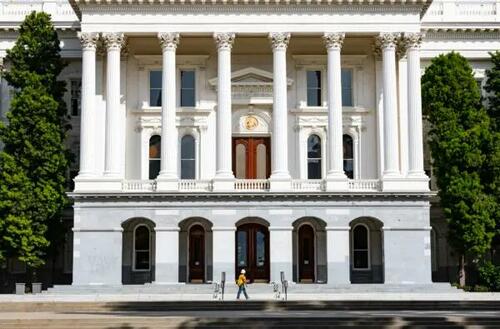
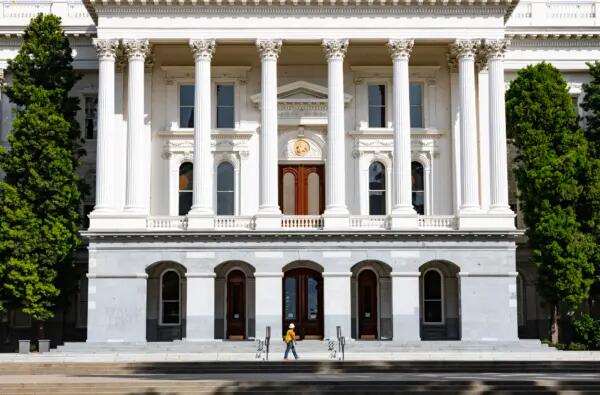
The California State Capitol building in Sacramento, Calif., on April 18, 2022. (John Fredricks/The Epoch Times)
Calling the situation unique and challenging, the report suggested urgent action to identify potential solutions—emphasizing fewer options will be available if discussions are delayed.
“Given the scale of the budget problem, we suggest the Legislature immediately begin evaluating past spending to find monies that have been committed but not yet distributed,” analysts wrote. “Taking early action on these reductions could increase the choices available to the Legislature.”
Such work is currently underway, with proposed solutions to be introduced once the Legislature reconvenes next year, according to the governor’s office.
Mr. Newsom is expected to announce his budget proposal for the fiscal year 2024–2025 by the Jan. 10 deadline.
“In January, the Governor will introduce a balanced budget proposal that addresses our challenges, protects vital services and public safety, and brings increased focus on how the state’s investments are being implemented, while ensuring accountability and judicious use of taxpayer money,” said Ms. Mellon, spokeswoman for the governor’s office.
One lawmaker said the budget problems are not surprising, created after years of spending increases.
“California’s tax-and-spend majority has joined this governor in budget decisions that are based on unrealistic revenue estimates and budgeting gimmicks,” Sen. Roger Niello (R-Fair Oaks) told The Epoch Times. “Hopefully, the majority will see it is time for a more realistic budget strategy, instead of throwing money at a laundry list of projects that sounds nice on the national television debate stage.”
Former President Donald Trump has several viable avenues to have the Supreme Court throw out federal charges he’s facing for his efforts to challenge the results of the 2020 election, several lawyers and Constitution experts told The Epoch Times.
His best case is that the charges encroach on his First Amendment rights, but he might also successfully assert presidential immunity or argue the law was impermissibly stretched by prosecutors, the experts said.
President Trump was charged by Special Counsel Jack Smith on Aug. 1 with obstructing electoral vote counting by Congress on Jan. 6 and conspiring to do so in order to stay in power.
The conspiracy was allegedly carried out by spreading false claims that fraud and illegalities swayed the election outcome and using those false claims in attempts to convince various officials to overturn the results.
President Trump’s lawyers have launched a barrage of motions to have the charges dismissed on constitutional grounds, statutory grounds, due to presidential immunity, and for malicious prosecution. While some of the claims are weak at best, others appear persuasive, according to the experts.
In practice, however, President Trump’s arguments will need to convince his judge, the appeals court, or, in the final instance, the Supreme Court.
The experts predict that the District of Columbia federal judge on the case, Tanya Chutkan, will almost certainly deny all the motions to dismiss. On Dec. 1, she indeed denied about half of them. They also acknowledged that the arguments would likely encounter resistance in the D.C. Circuit Court of Appeals, given its political leanings.
President Trump’s best chance will be in the Supreme Court, they contend.
Free Speech Argument
President Trump’s lawyers have asserted that the indictment runs afoul of the First Amendment by trying to criminalize political speech and advocacy.
“The prosecution seeks to install itself as America’s censor, with roving authority to criminally prosecute all who speak out against its approved narratives,” the lawyers wrote in a Nov. 22 brief.
"The prosecution has no such mandate. Accordingly, the indictment is unconstitutional on its face and must be dismissed."
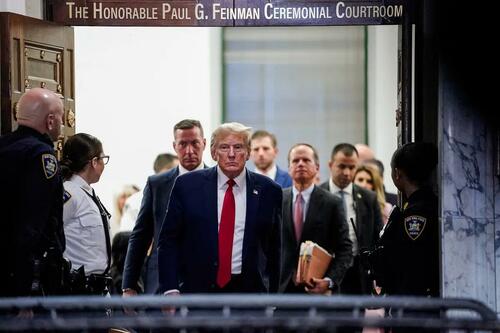
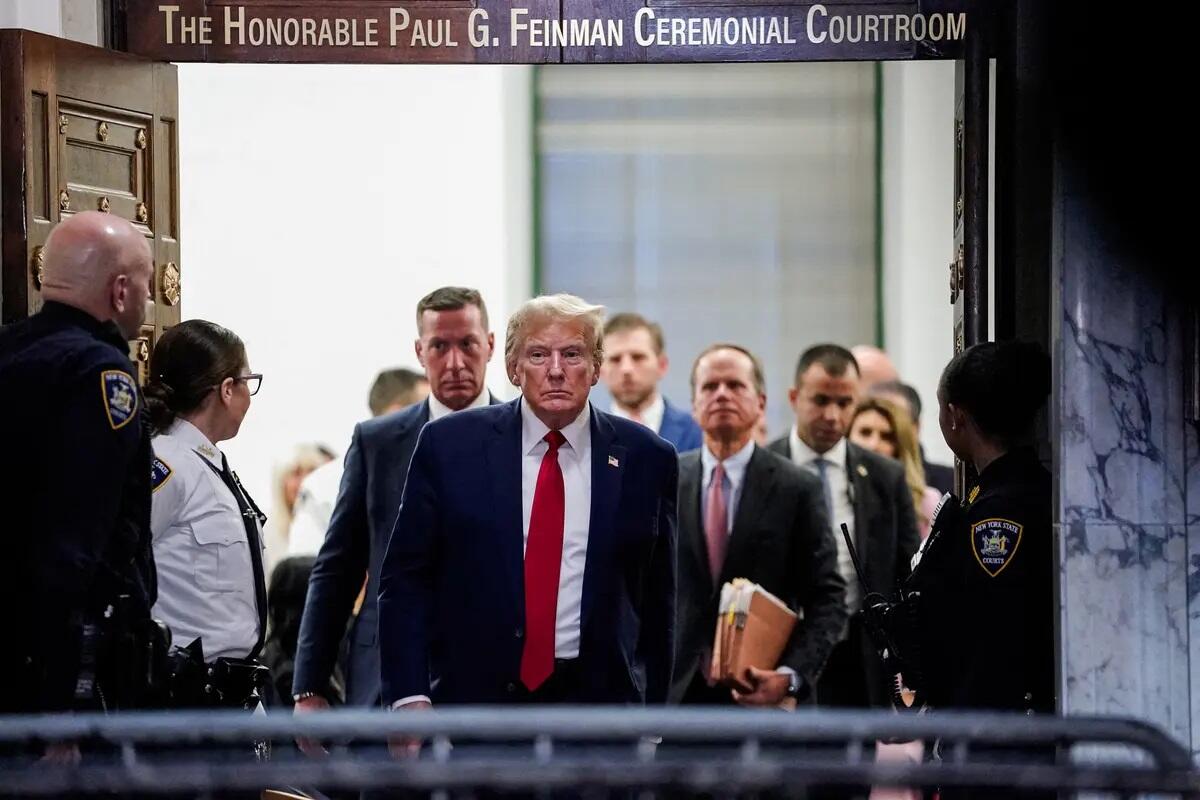
Former President Donald Trump departs for a break in the civil fraud trial against the Trump Organization, at the New York State Supreme Court in New York City on Dec. 7, 2023. (Timothy A. Clary/AFP via Getty Images)
If prosecutors can claim that President Trump’s efforts to reverse election certifications amounted to a conspiracy to obstruct the government, then people advocating against other government actions, such as COVID-19 lockdowns or mask mandates could also face such charges, the lawyers argued.
The prosecutors retorted that such hypotheticals wouldn’t apply “absent additional information about the conduct and mental state of the individuals.”
But if that’s the case, the defense lawyers responded, it would give the government a license to probe said individuals for such additional information—"inquire into their mental state, knowledge, and associations.”
“The implication is that to get that information, investigation is necessary. Under the prosecution’s misconceived legal theories, then, every public statement a constituent makes to a member of Congress concerning a hotly debated topic is a license to open a federal criminal investigation into the person who made it—unless it is indisputably true,” the lawyers said.
“That, of course, contradicts the very nature of hotly debated topics, where the truth is, by definition, in dispute.”
This argument appears “sound” to Rob Natelson, one of America’s preeminent constitutional scholars who’s written extensively on the original meaning of the Constitution and the First Amendment in particular, including for The Epoch Times.
“Lying is protected by the First Amendment, except in a few cases such as fraud, lying to law enforcement, and defamation,” he said.
“It has to be so: Otherwise, as Trump's lawyers claim, every statement would be open to investigation into the speaker's motives. The effect would be, as the Supreme Court says [in previous cases], a severe ‘chilling effect’ on speech.”
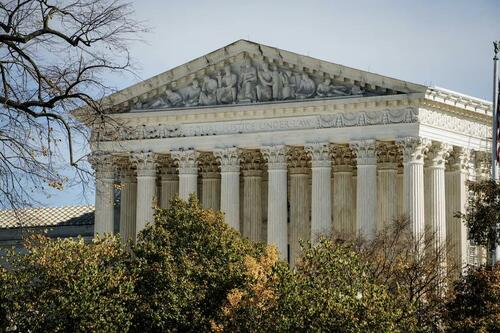
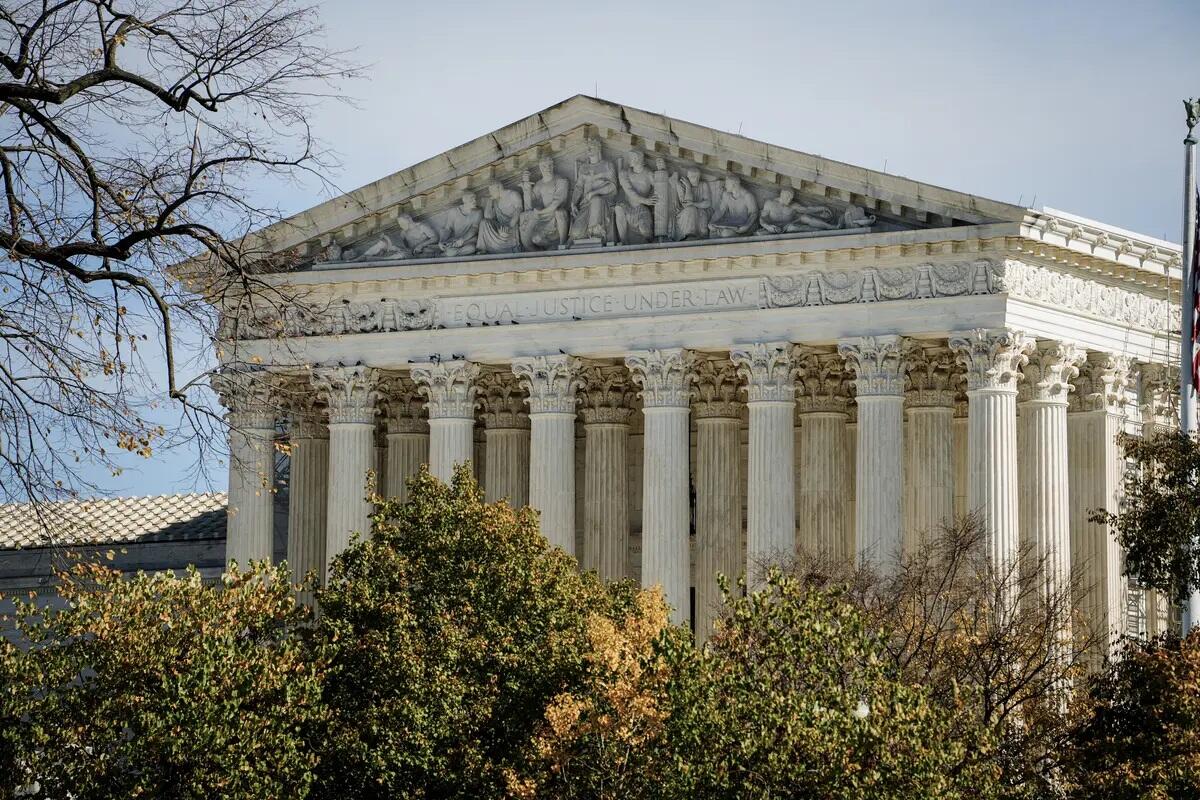
U.S. Supreme Court in Washington on Nov. 8, 2023. (Madalina Vasiliu/The Epoch Times)
The argument that the basis for the charges against President Trump “appear to primarily stem from his political activity” belongs to the “stronger” ones his lawyers put forward, according to Horace Cooper, a senior fellow with the National Center for Public Policy Research who formerly taught constitutional law at George Mason University.
“At least the Supreme Court is reticent to allow a charge based on constitutionally protected behavior,” he said.
Conspiracy, by law, doesn’t require any crime to actually be committed. At least two people simply need to agree to do something illegal and then at least one of them needs to engage in at least one physical act—however minor or innocuous—in furtherance of the plan.
In the Trump case, however, it appears to Mr. Cooper and others that the entirety of the alleged conspiracy and even its objective were in fact legal.
“They have identified no specific behavior in and of itself in terms of the president’s advocacy that constitutes illegal behavior,” Mr. Cooper said.
The prosecutors argue the activity became illegal as it was done in bad faith.
But the real-world result seemed to be the same.
“There is no distinction … between a person doing exactly that without a bad motive,” Mr. Cooper said.
To have the trial hinge on whether President Trump, in the deep recesses of his mind, truly believed his claims about the election, is troubling to Mr. Cooper.
“I’m really concerned about the idea that we know the mindset of a person,” he said.
The strength of one’s subjective beliefs is nigh impossible to gauge, he said.
“The court is not going to give credence to the argument that the perception of Donald Trump and his team, even if you show at some period that it appears to waver, that that covers all of the legally protected behavior,” he said.
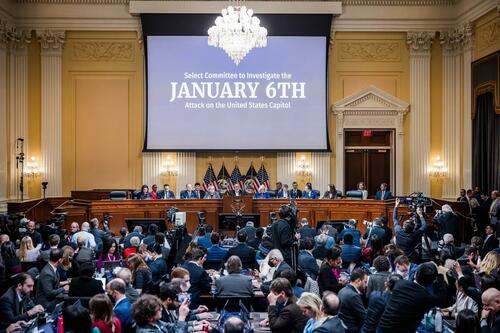
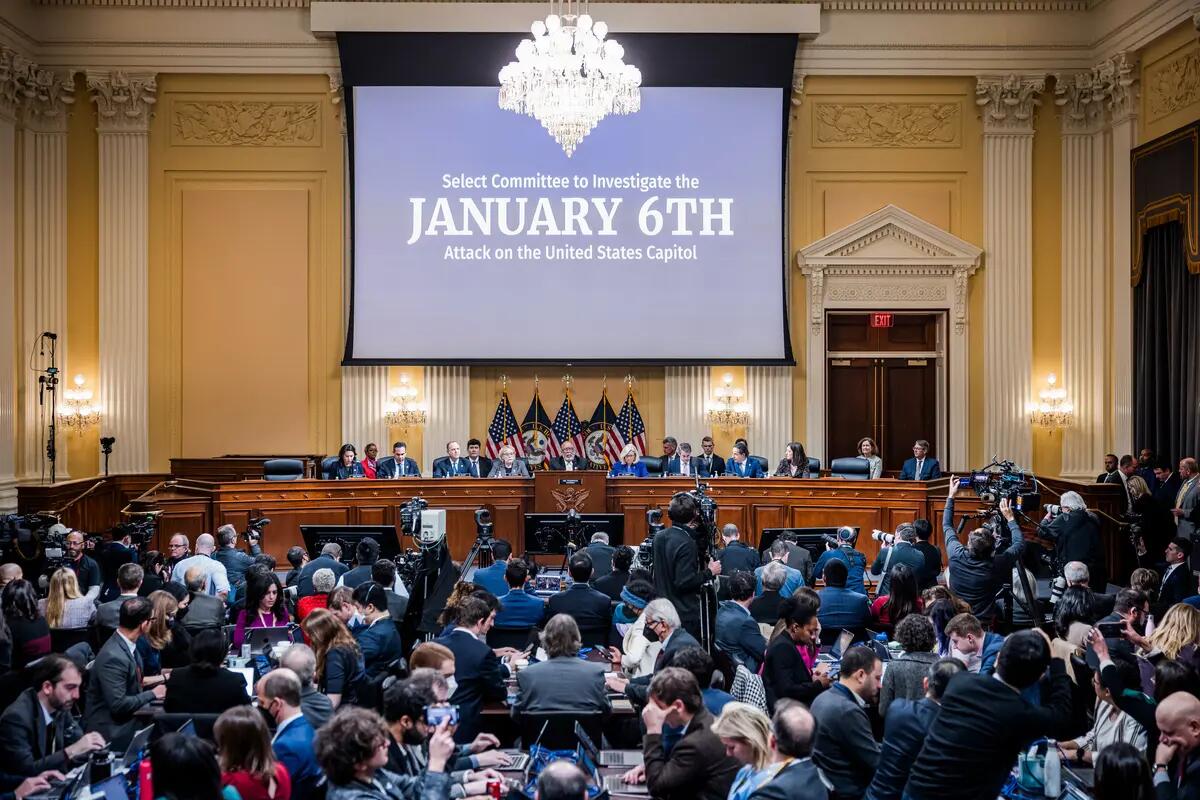
Members of the House Select Committee to Investigate the January 6 Attack on the U.S. Capitol hold the last public meeting on Capitol Hill in Washington on Dec. 19, 2022. (Jim Lo Scalzo-Pool/Getty Images)
Judge Chutkan’s rejection of the First Amendment argument was so blanket that it rendered it “very weak” he said.
“She would have been better served by saying that there is behavior besides communication [protected by the First Amendment] that would constitute the conspiracy to act here,” he said.
Instead, the judge argued that “the crimes Defendant is charged with violating may be carried out through speech alone.”
Regardless of whether President Trump’s election challenges were illegitimate, the legal standard pursued by the prosecutors is dangerous, suggests a career attorney who has gained popularity analyzing the Trump cases through his anonymous X account “KingMakerFT.”
“It is an invitation to turn this country into a banana republic where the losing side, if it speaks out, if it tries to right a wrong, if it tries to argue that there was corruption in the election itself, they could put you in jail—if you lose, you go to jail,” he told The Epoch Times.
The lawyer, who retired several years ago after a 45-year career, asked for his real name to remain withheld.
Presidential Immunity Argument
President Trump’s lawyers have argued that his actions fell within the bounds of his presidential duties and thus can’t form a basis of a criminal prosecution.
The Supreme Court has ascribed the presidency broad legal immunity, but only from civil suits, not criminal charges.
“If the argument is that the mere fact that the president undertook this activity immunizes it from any legal scrutiny, the court has not been willing to go that far in a criminal case,” Mr. Cooper said.
“If, instead, the argument is that the activities were those of a constitutional officer and within the ambit of authority that the Constitution allows and therefore cannot be an element for a crime, I think that’s a much more robust argument.”
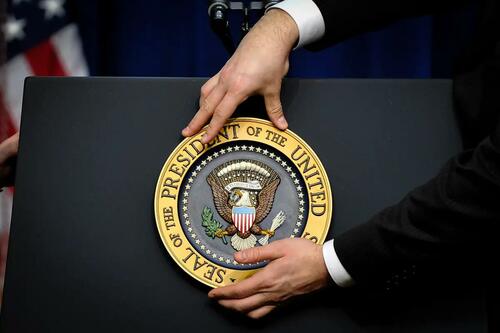
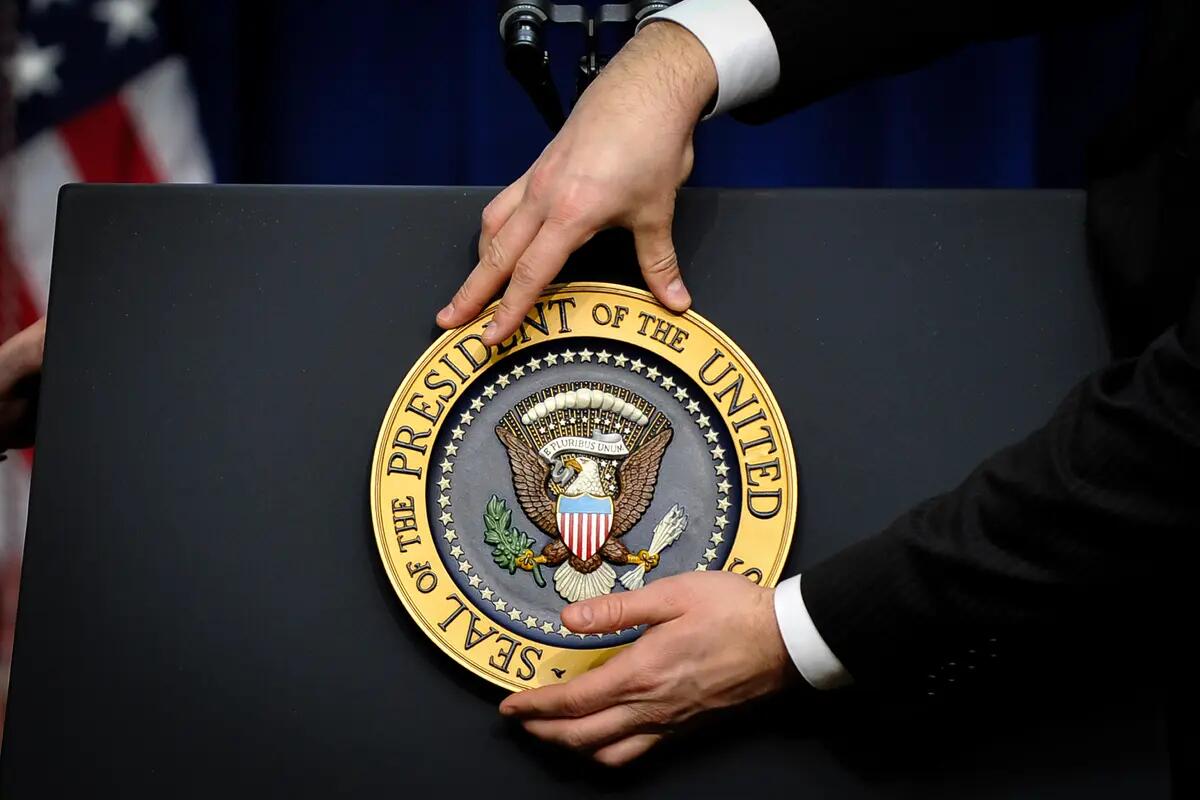
A staff fixes the presidential seal before US President Barack Obama gives a press conference in the Eisenhower Executive Office Building at the White House in Washington, DC, on December 22, 2010. Obama celebrated the Senate ratification of a nuclear arms reduction treaty with Russia, saying it "sends a powerful signal to the world." AFP PHOTO/Jewel Samad (Photo credit should read JEWEL SAMAD/AFP via Getty Images)
Judge Chutkan denied this argument, opining that criminal activity is automatically not within the bounds of presidential duties and presidents, much less former presidents, thus don’t enjoy immunity from criminal prosecution.
But that sidesteps the issue, according to KingMakerFT.
“If it’s within presidential duties it can’t be criminal … by implication, at least that’s the argument,” he said.
The issue goes back to the criminal intentions the prosecutors need to prove. Courts have been reluctant to probe motivations of government executives on matters that fall within their duties, he said.
The motivations of the executive lose relevance in such cases, Mr. Cooper said.
“If you are an office holder, you do not get struck of your status as an office holder because your actions are intended to effectuate your either continuing to stay in office or your attempt to be reelected," he said.
"The Justice Department is creating a distinction that almost is completely without merit.”
Mr. Cooper provided the example of President Joe Biden’s pronouncement of support for Israel.
“Did he do that because that’s America’s national security [interest]? Did he do that because he says that when he was a young man, he got a chance to meet with the Prime Minister of Israel? Or did he do it because he sat down with his advisers and realized that this is a chance for him to bolster his support within the Jewish community? Did he do that because he sat down with his wife and she just simply said, ‘I will divorce you if you don’t make this statement?'” he asked.
“A court is not going to attempt to drill down into that decision-making if in fact the president has the lawful authority to make the kind of pronouncement that Mr. Biden did.”
Judge Chutkan’s opinion, he says, “fails to give the space for free decision-making that the Constitution does in fact give the executive."
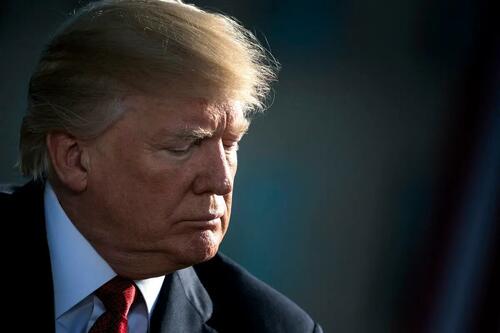
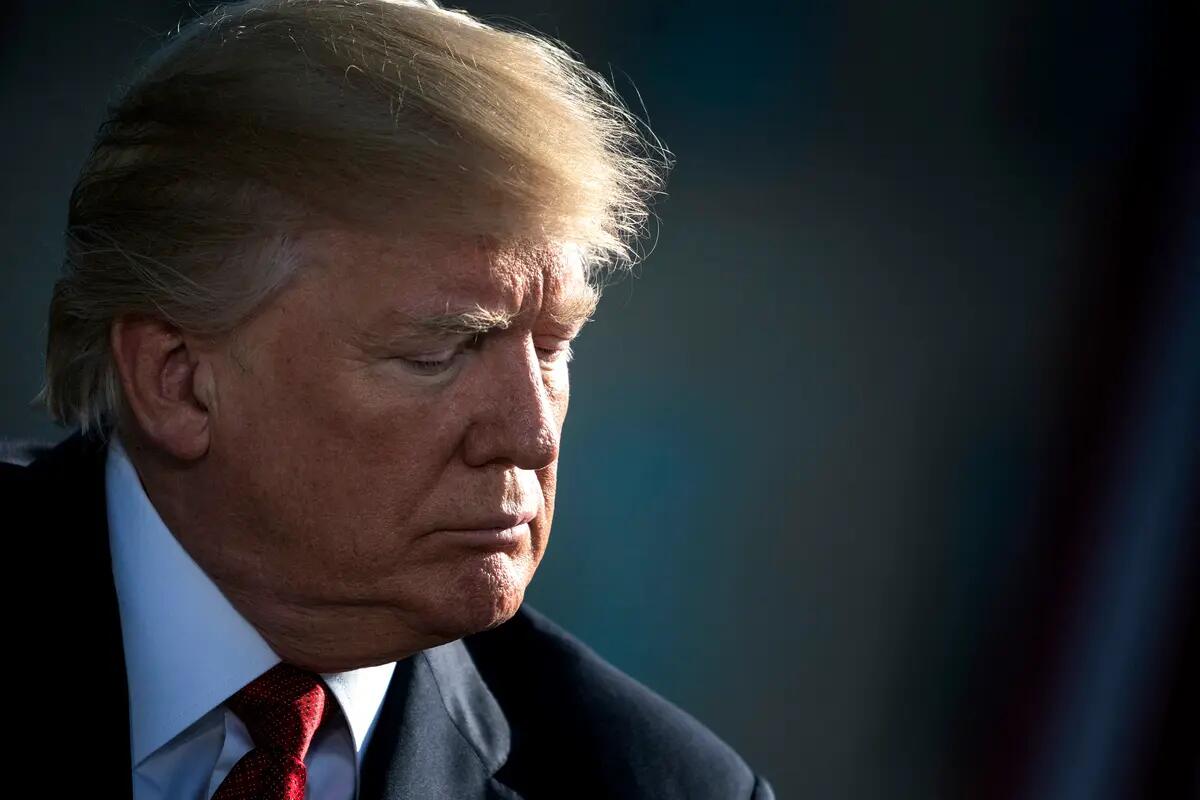
TOPSHOT - US President Donald Trump waits to speak during a memorial service at the Pentagon for the 9/11 terrorist attacks September 11, 2017 in Washington, DC. (Photo by Brendan Smialowski / AFP) (Photo by BRENDAN SMIALOWSKI/AFP via Getty Images)
What the judge could have done was to parse through the indictment for actions that could be argued were within presidential purview and then see if what’s left is enough to sustain the charges.
“She didn’t do that and I think that makes her dismissal decision weaker,” Mr. Cooper said.
Stretching the Law Argument
Lawyers for President Trump have argued that the prosecutors are trying to squeeze his actions into criminal statutes that shouldn’t apply.
The first count falls under Section 371—a conspiracy to defraud the government. But the law primarily deals with fleecing the government for money.
The prosecutors are using an interpretation of the law that also covers obstructing the government. President Trump’s lawyers, however, provided examples that suggest the Supreme Court has framed such obstruction more narrowly.
Headlines throughout the past year denote an encouraging trend:Boycottsare making a dent inwoke companies’bottom lines. Still, there’s plenty of work to be done. Dethroningmassive corporations hostile to traditional values that have nevertheless dominated industries for decades and provided products and services that are staples of our culture won’t happen overnight. What’s necessary is a continued, coordinated effort by conscientious consumers determined to fight back against ideology saturating nearly everything.
The good news is that boycotting, done right, blossoms forth myriad personal benefits that go beyond putting propagandistic executives on notice and righting society’s ship into a calmer current and back toward a more traditional port. I’ve found that minor sacrifices and perceived inconveniences often result in beautiful, surprising instances of serendipity that enrich my life. The discipline involved in self-denial, too, has helped me keep my priorities in check, simplify my life, and feel more satisfied with less.
Let’s first look at the positive change boycotts have brought about already: Anheuser-Buschcontinues to lose millions of dollars months after making transgender activist Dylan Mulvaney the face of Bud Light, and top executives at the beer giant are dropping like flies. Target’s sales are also struggling after the retailer’s Pride month merchandise launched about as successfully as Elon Musk’s Starship rocket. Over at Disney, speculators posit the reason the release of the ultrawoke — sorry, "reimagined" — live-action Snow White musical has been delayed an entire year is to give Disney time “to scrub politically correct elements in response to backlash,” as Fox News put it.
This chain of events reinforces recent Gallup polling showing that the number of people fed up with corporations taking public stances on current events is surging — up to 60% this year from 52% in 2022. Clearly, we’re not alone.
Yet choosing an alternative beer in a nation where the barrier to crafting a brew seems to be the ability to grow facial hair and wear a flannel shirt isn’t hard. Finding an alternate one-stop shop at which to buy paper towels, cute candles, and affordable dorm room furniture presents slightly more of a challenge, but Target doesn’t even serve popcorn and Icees anymore, so the retailer had one strike against it even before it started selling Bye Bye, Binary books to children.
The difficulty comes in trying to refrain from all the other things the ideological tentacles touch. In my book, Woke-Proof Your Life, I include a list compiled by my friend Dave Seminara of woke companies that should be boycotted. The list is long and comprehensive — and intimidating. Everything from Absolut vodka to Lego to PetSmart supports some sort of radical liberal cause. It also doesn’t help that so many hallowed brands share a perpetrator parent: Johnson & Johnson, for instance, makes Tylenol, Neutrogena, Aveeno, and Listerine. Mondelez International is responsible for basically everything worth eating: Oreos, Cadbury Dairy Milk products, Toblerone chocolate, Sour Patch Kids, Trident gum, Honey Maid graham crackers, Ritz Crackers, and Philadelphia Cream Cheese.
The temptation is to throw up one’s hands, take a few preemptive Tylenols, and go on an Absolut and Sour Patch Kids bender till Target’s “Live Laugh Lesbian” shirts are all you can buy. Or, as Seminara put it, resign yourself to “eating nothing but Goya food and wearing loincloths made from Mike Lindell’s pillows.”
It’s true that Jeremy Boreing and his “woke-free” Daily Wire elves have their work cut out for them in producing a value-aligned product to rival everyone on the woke companies list. But take it from a child deprived by her very conservative parents of tasting the forbidden Fruit by the Foot (General Mills was on the Christian Action Council boycott list for supporting Planned Parenthood back in 1990): You’ll be fine. And with the right attitude, you’ll be more than fine. You’ll thrive.
Take a deep breath and remember there are many ways to boycott, including “micro-boycotting,” which Seminara practices by limiting what he buys at woke companies rather than eliminating his purchases altogether. It still makes a difference. In fact, a 2018 study by University of Pennsylvania researchers found it takes roughly 25% of the population to overturn established social behavior, with the authors noting, “The only incentive was to coordinate.”
I’m personally more of a cold-turkey type (read: lacking self-control), and the biggest step I took to minimize patronizing companies opposed to my values was to delete my Instagram and Amazon accounts altogether. If you take a gander at the woke boycott list, you’ll notice a huge portion of the companies are involved in technology and online services. Not only is social media an easy way to disseminate liberal propaganda (and censor opposition), but it’s also a Pandora’s box of overconsumption. Since doing away with Instagram, I am aware of fewer things I “need,” and I feel freer from wanting things in general. Targeted ads and the materialistic lifestyles of influencers have a way of working their way into your psyche, and if an app tempts you to consume unnecessary, morally tainted stuff, cut it off.
Amazon, at first, was tougher to live without, for obvious reasons. Now, though, months on from canceling my account, I possess the bless-your-heart conviction of a debutante armed with complete clarity post-breakup. When an item I’m searching for pops up as available at Amazon, the idea of buying it there feels mildly shameful — the same sensation I get after watching trashy TV or recalling that I ever consumed Taco Bell.
But Amazon and Walmart are "so cheap!" you say. Yes, they are, and I appreciate that not everyone has the luxury of paying double for everything simply to stick it to Jeff Bezos. That said, in my own experience, eliminating Amazon eliminated a lot of less-than-premeditated purchasing (“impulse buying” just sounds so manic), leaving me the flexibility to spend a bit more here and there. It has a way of balancing out.
As I’ve made a concerted effort to get out of the common “buy everything online” rut, I’ve again been spending less on things ill-begotten from the woke list, and less overall, as actually leaving my house and going to a brick-and-mortar store takes much more effort than clicking twice and having a left-handed banjo end up on my doorstep two days later.
The fact that I feel the need to consult a list before making a purchase these days is unfortunate, but boycotting has helped me foster healthier relationships with myself, my possessions, local merchants, and even God. Striving to contain my spending to a few approved sources is hard, but it also serves to remind me constantly that life, and therefore every action we take, has purpose. Once I made my consumption habits more intentional, to borrow a new age word, I gained a renewed appreciation for products, services, and the people responsible for them. I’ve also been focusing more on the consequences of bleary-eyed consumerism and how sometimes doing without strengthens the virtues found in detachment, i.e., knowledge that we are made for more than acquiring as many things as possible as quickly as possible for as cheap as possible.
Reflecting on my ramped-up boycotting journey brings to mind many highlights. After Lowe’s sponsored critical race theory training that involved urging white employees to “cede power to people of color,” I decided to buy every home improvement item I could at the local hardware store that’s been owned by the same family for more than 100 years. Its prices are higher, yes, but I also have to drive farther to Lowe’s and get lost in aisles that make me feel like Kevin McCallister in New York City (if only Donald Trump would show up and point me in the direction of the premixed all-purpose drywall joint compound). At the local store, by contrast, I’m greeted by one of a handful of employees I know by name. They know me, and they know my projects, too. They’re knowledgeable, helpful, and happy to advise. I trust them, and as we wait for the paint to be mixed, we chitchat about happenings in town and our lives, and our friendship grows with each visit.
My brother had a similar experience in boycotting his local Kroger. He decided to go to an independent butcher store instead and was delighted by the personal interest the proprietor took in helping him learn about all the different cuts of meat and how to cook them.
Perhaps it’s a butcher shop thing, but I’ve encountered the same thing in frequenting a family-owned meat market in my town as opposed to the grocery store chains. The owner told me he gets the meat from local family farms, with whom he’s established a trusted relationship over time. The meat doesn’t have to travel as far, and in addition to being fresher, there’s better quality control. If there’s ever a problem with a piece of meat, he can tell you within a day exactly where it was sourced.
Likewise, I've been buying my new go-to coffee from a shop in town that gets it from a roaster the next county over. I’ve been to the roasting store and talked to the owner about his reasons for starting his own coffee shop. He’s a strong Christian and wanted to establish a wholesome environment where the community could connect. The coffee beans are from farms in Africa and South America that he visits regularly with his typically college-aged employees. My coffee beans are costlier than Starbucks, but I am happy to pay a few dollars more to support the Christian man’s mission. Plus, his product is high quality and, unlike Starbucks, excellent tasting. What’s more, when I buy it from my hometown coffee shop, I get to flirt with the “morning coffee crew,” a group of retired octogenarians who get together every day at dawn, which is a surefire way to put an extra pep in your step.
This is not to say, obviously, that none of the people working for woke companies are competent and kind. But I’ve found that businesses embracing traditional values are more likely to attract and keep employees inclined to contribute to a community that hinges on Judeo-Christian principles.
If you’re looking to infuse a bit more boycotting into your life, I recommend zeroing in on two basic concepts: simplify and localize. Take your time, evaluate what you really need, and don’t be intimidated by the adventure that may be involved in acquiring things (it’s fun, I promise!). Try not to allow the game of boycott whack-a-mole consume you and destroy your home life, either, but pray for guidance in boycotting strategically and in a health-giving way. You’re not going to be a Puritan at the end of the day. We live in an abundant world, and there are tons of companies that are either anti-woke or neutral.
And if you ever find yourself obsessing over a product you just can’t seem to live without, I find it helps to imagine buying it from Vice President Kamala Harris as a cackling store clerk.
Teresa Mull is an assistant editor of the Spectator World and author of Woke-Proof Your Life.
In the fog of war, it can be easy to lose sight of the most fundamental question any country must ask of itself: What does the national interest demand?
One group has sought to cut through the fog of the Israel-Hamas war by providing an extensive but accessible report on the critical events and crucial questions that have arisen since the conflict began. It sheds light on what Americans should demand of our leaders on Middle East policy in general, and our approach to this war in particular.
The first-of-its-kind report, published on Dec. 1, comes from the nonpartisan Council for a Secure America, an organization “dedicated to promoting United States energy independence” as an imperative for ensuring our national security, and a proponent of U.S.-Israel relations and the Abraham Accords in connection therewith.
The report examines “the geopolitics that led to October 7, what happened on October 7, and a phase-by-phase analysis of Israel’s military response,” in part through the lens of the historic pact between Israel and its Sunni Arab neighbors. It succeeds in synthesizing a wealth of critical information in a reference useful to all, from lawmakers to laymen.
Logically, and in my view correctly, it begins by placing the Hamas massacre in its proper context: that this was an Iran-backed intifada-in-a-day, perpetrated by a genocidal jihadist group supported by three-quarters of Palestinian Arabs from Gaza and the West Bank to the Palestinian Authority – and staged from land that Israel had ceded them.
These points have been lost as the Biden administration presses for “peace” after the fighting is over, a goal somehow to be achieved with a Hamas-lite-controlled Palestinian state consisting of a populace overwhelmingly desirous of war against Israel.
The report homes in on how oil revenue is the lifeblood of the Iranian mullahcracy and indicates that unenforced oil sanctions on Iran in recent years have been pivotal to refilling the mullahcracy’s coffers. This, in turn, has helped the regime finance its proxy Hamas’ operations, culminating in the mass murder, mutilation, rape, and hostage-taking of Oct. 7.
This speaks in part to the means for Hamas’ attack. But what of the motive?
The report emphasizes that burgeoning relations between Israel, Egypt, and several Gulf States – lubricated in part by the Jewish state’s growing natural gas industry – and increasing momentum toward Israel-Saudi normalization was a major driver of the Hamas attack.
Another was that Iran was “emboldened” by the September 2023 prisoner swap with the United States, including the unfreezing of $6 billion for Tehran.
The Biden White House has sought to upend the Trump administration’s Middle East policy that had fostered the warming Israeli-Arab relations codified in the Abraham Accords; imperiled Iran’s mullahcracy through a maximum pressure campaign of which the Abraham Accords were one part, and overwhelming force, prudently applied, was another; and stood with the Jewish state against hostile and recalcitrant Palestinian Arab forces. The Trump administration rejected the idea that the conflict between the two sides was the key regional irritant, and that coddling the Palestinians while cudgeling the Israelis would produce peace.
The end result was that Iran and its proxies were deterred. There was regional stability. The benefits redounded to America’s national interest.
The billions in oil sales that Iran has raked in due to the Biden administration’s unwillingness to enforce sanctions, and the reward that it has provided the mullahs for their hostage-taking in still-more unfrozen billions, are but two indicators of a disastrous reversal in policy.
The administration has further empowered and emboldened Iran and its proxies through letting missile and drone sanctions lapse; de-designating the Houthis as a terrorist group; and lavishing hundreds of millions of dollars on Lebanese security forces flowing to Hezbollah, and to the Palestinian Authority and United Nations agencies like UNRWA – a portion of which flow, directly or indirectly, to Hamas in Gaza.
This is to say nothing of the Biden administration’s tapping of Qatar, which harbors Hamas’ leaders in luxury in Doha, as a major non-NATO ally, on par with Israel.
The Biden administration has lavished funds on, or partially supported, virtually all of the key actors whom the report cites as having contributed to Hamas’ attack.
These policies, which flow naturally from the administration’s radical national security and foreign policy personnel, are linked to its overarching ambition: to reprise the Joint Comprehensive Plan of Action, a.k.a. the Iran nuclear deal, from which the Trump administration had withdrawn. The nuclear deal is seen as essential to making Iran the regional strong horse. Foreign policy analyst Michael Doran persuasively argues that the Israel-Saudi normalization that the Biden administration was pushing was designed to fail – it was a ruse aimed at boxing in Israel. Pursuing it in earnest would directly contradict the administration’s Iran policy. Meanwhile, from its start, the administration has shown itself to be hostile to the Abraham Accords.
This brings us to the White House’s hostility toward the Benjamin Netanyahu-led government in Israel. This can be seen not only in President Biden’s personal snubs of the prime minister, or his funding of and support for the adversarial Palestinian Authority and associated United Nations agencies that had been curtailed under Trump, but also in his efforts to delegitimize the Netanyahu government over its favored judicial reforms and other policies, while supporting the left-wing opposition.
Israel was internally destabilized, and, as the Council for a Secure America report documents, lulled into a false sense of security based on a belief in its technological superiority, intelligence prowess, and belief that Hamas was more focused on lording over Gaza than destroying the Jewish state.
Considering all these factors, plus the potential that Iran and its proxies could be facing down a Trump administration in 2025, this was perhaps the most auspicious time of all for Iran and its proxies to strike. The report proceeds to chronicle how Hamas conducted its attack, the scale and nature of the carnage it inflicted, and how Israel has responded to it. It covers critical points regarding the information warfare that has ensued, Hamas’ sinister tactics, and hostage negotiations.
And it asks critical questions regarding whether jihadist attacks will spill over to the U.S., the durability of the Abraham Accords – which, the report suggests, have held despite the pro-Palestinian rhetorical posture of several Sunni Arab states – how the war will conclude, and what the “day after” will look like.
The most important underlying question the report asks is: What does America’s national interest demand?
To that end, it calls for sanctioning Iran’s oil sales, maintaining American military force posture in the region, and supporting Israel’s right to defend itself, among other policies.
The evidence suggests that the Biden administration has done little if anything to halt Iran’s booming oil business – nor otherwise to significantly punish the regime and its allies for their malevolence. And as it is currently operating, America’s military is clearly not deterring Iranian aggression.
The administration, especially in the early days of the conflict, provided rhetorical support for Israel’s right to do what it must to defend its people. It has continued to supply Israel with the vital munitions that it needs.
But by the same token, it has micromanaged and impeded Israel’s response in material ways, essentially subjecting it to crippling rules of engagement – largely to Hamas’ benefit – while initiating an apparent whisper campaign suggesting that Netanyahu’s days are numbered, and again, seeking to pre-dictate a likely untenable “peace” in Gaza.
Some Democrats, including the president, have indicated an openness in recent days to conditioning U.S. military assistance on progressive-favored terms. The Biden administration apparently remains committed to its policy of prioritizing Iran in the Middle East, while putting the screws to Israel to the maximum extent politically possible in a country that overwhelmingly favors the Jewish state’s right to defend itself.
A final question we might ask: Whose interest is the Biden administration pursuing?
Ben Weingarten is a fellow of the Claremont Institute, senior contributor at The Federalist, and 2019 recipient of The Fund for American Studies' Robert Novak Journalism Fellowship, under which he is currently working on a book on U.S.-China policy.
With theU.S. job market still robustand unemployment low, more companies are moving away from formal annual performance reviews and performance improvement plans (PIPs) in an effort to reduce manager criticism and share feedback in a more constructive way, according to experts.
Smaller employers in particular have become more focused on motivating employees rather than micromanaging.
"Some have built them in and others have done away with them, especially as there has been a fair amount of reporting that annual performance reviews are not terribly effective and employees don’t value them," Steve Saah, executive director for finance and accounting at Robert Half, told FOX Business.
Overall, he says, performance reviews are more commonly conducted at larger or publicly traded companies.
"For those organizations, it has become part of their regular process, and although the process itself can change over time, the reviews are still firmly a part of their business structure," Saah said, adding the policies regarding performance reviews at smaller companies tend to fluctuate.
"Many organizations, especially smaller firms, have surveyed their employee base and found that many employees don’t find the review process all that effective," Saah added. "Given that feedback, many companies have adapted their processes."
In addition, workers today have unprecedented choice despite a recent slight cooling of the once white-hot job market, said Joe Galvin, chief research officer with Vistage in Stamford, Connecticut.
"The notion of ‘performance evaluation’ needs to be more than an annual HR exercise, but rather an ongoing dialogue about objectives, performance accountability and development," said Galvin.
The rise of remote and hybrid work models accentuates the necessity of this continuous performance connection with every worker, ensuring engagement and growth regardless of location, he said.
Employers can share a plan for improvement and success with employees, even without the formal structure of a performance improvement plan in place.
"Business leaders must outline opportunities for skill development, career advancement and how the employee aligns with the company’s overall mission, vision and values," Galvin told FOX Business. "Collaborate on setting clear, achievable goals and regularly revisit these goals to track progress and offer support or resources as needed."
Also, business leaders must reimagine performance management as a tool for engagement rather than a mere grading system, Galvin continued.
"Employees seek coaching from their employers that empowers their success, rather than just critiques," Galvin noted. "Effective feedback should focus on pathways for improvement and provide actionable insights and support."
Experts say there are many ways a manager can choose to share feedback outside of a formal annual review.
"Managers can arrange formal weekly, biweekly or monthly check-ins, but ongoing informal communication is an equally important part of the process," said Bob McIntyre, director of service operations with Chicago-based Insperity.
"Even a ‘good job’ via email is a form of feedback that can leave employees feeling appreciated and confirm they are on the right path," McIntyre told FOX Business.
And if there are some points that warrant employee improvement, a private meeting works best.
"For constructive criticism, many employees appreciate a more private setting such as a one-on-one meeting via video call or in their manager’s office," he said.