Search This Blog

Tuesday, April 22, 2025

Musk, facing criticism and falling Tesla sales, to cut back DOGE work

 Tesla CEO Elon Musk said on Tuesday he would cut back “significantly” the time he devotes to the Trump administration from next month and spend more time running the electric-vehicle maker.

Tesla shares, which had risen 4 per cent in after-hours trading right before an earnings conference call began, spiked to trade up 5.5 per cent on Musk’s comments.

The remarks came as deliveries of Tesla’s ageing line-up of cars have nosedived. Investors have sold off the company’s stock, assailed by doubt about how much time Musk is spending managing the company because of his involvement in the so-called Department of Government Efficiency (Doge), where he has led efforts to cut federal jobs.

His actions have incensed some people, leading to protests and vandalism at Tesla showrooms that have been reflected in a drop in brand value and a rise in trade-ins. Sales in California – its largest US market – have fallen sharply. Musk, on the Tuesday conference call with analysts, acknowledged the blowback on the company.

After market close on Tuesday, Tesla reported profitability for its core vehicle business that topped rock-bottom expectations and said it was on track to produce an affordable car, offering some hope to investors as sales have dropped.

But the EV maker said it would have to reassess its growth forecast in three months because it was “difficult to measure the impacts of shifting global trade policy on the automotive and energy supply chains”.

“Uncertainty in the automotive and energy markets continues to increase as rapidly evolving trade policy adversely impacts the global supply chain and cost structure of Tesla and our peers. This dynamic, along with changing political sentiment, could have a meaningful impact on demand for our products in the near-term,” it said.

Tariff tensions add further uncertainty. Tesla has paused some China-sourced component imports after US tariffs on the Asian country rose to 145 per cent, Reuters reported. China has responded with tariffs of its own, leading Tesla to suspend new Model S and Model X orders in the country.

But its stronger-than-expected margin in the first quarter offers some relief, as its cost of making and selling vehicles dropped over 17 per cent year over year, driven by lower raw material prices and reduced expenses of ramping up Cybertruck production.

“Against the backdrop of catastrophic expectations, with everything from sales to margins projected to continue the slump, the less-than-bad numbers have been received as welcome news by Tesla investors,” said Thomas Monteiro, senior analyst at Investing.com.

“If this is the worst it gets for Tesla, then certainly there must be some upside for the stock once tailwinds, such as the highly-awaited cheaper model and the Robotaxi, finally hit the market later this year.”

The company has said it plans to release a cheaper car in the first half of 2025 using existing platforms and assembly lines, after scrapping plans for a brand-new, low-cost model. It reaffirmed that plan on Tuesday.

Reuters reported last week that Tesla’s affordable models included a stripped-down version of the Model Y SUV but that the start of production would be delayed by at least a few months.

Tesla also said the launch of a robotaxi fleet in Austin, Texas, in June remained on track. The company has been seeking regulatory approvals to that end, but there are serious concerns about safety and related litigation risks that could come with deploying unproven driverless technology on public streets.

Automotive gross margin for the first quarter, excluding regulatory credits, fell to 12.5 per cent from 13.6 per cent in the fourth quarter, according to Reuters calculations, compared with expectations of 11.8 per cent, according to 21 analysts polled by Visible Alpha.

The electric vehicle maker reported revenue of US$19.34 billion for the January-March quarter, compared with estimates of US$21.11 billion, according to data compiled by LSEG.

Tesla reported earlier this month that deliveries in the January-March period slid 13 per cent, as the company lost ground to Chinese rivals, and Musk’s political actions as a close adviser to US President Donald Trump have damaged the brand.

The company’s stock, which closed at US$237.97 on Tuesday, has nearly halved from its December peak.

Analysts expect a second straight annual decline in Tesla deliveries in 2025, despite efforts to boost sales through incentives like free charging and Full Self-Driving features.

Tesla also recalled all Cybertrucks delivered since late 2023 and launched a lower-priced US$70,000 version of the vehicle. It has been discounting unsold inventory of the electric pickup truck in recent weeks.

https://www.scmp.com/news/world/united-states-canada/article/3307519/elon-musk-cut-back-work-trump-and-doge-after-tesla-sales-skid

US Propane Tanker Diverts Chinese Port Call In Latest Warning For China's Plastic Factories

 To begin the week, we highlighted a potential breaking point emerging in the global economy due to the escalating tariff war: Chinese plastics manufacturers—heavily reliant on U.S. petrochemicals—now face production halts as shipments are increasingly being diverted from the world's second-largest economy. 

Bloomberg cites new ship-tracking data showing that a very large gas carrier hauling U.S. propane has diverted from its initial destination in China to a new port of call in Japan

The data showed that BW Gemini is hauling 46,000 tons of propane from the U.S. The gas tanker left Phillips 66 Freeport LPG Export Terminal in late March and was initially headed for Yantai, China. However, in recent days, while traversing the Pacific Ocean, the port of call was changed to Imari, Japan

There was no explanation for BW Gemini's sudden port calling switch from China to Japan, but in recent weeks, Beijing slapped 125% tariffs on all liquefied petroleum gas

The tanker laden with U.S. propane brings the conversation full circle to our note on Monday (readhere), which warned that the global plastics industry could soon be thrown into turmoil:

Chinese plastics factories that depend on a gas they mainly import from the U.S. are contending with the prospect of widespread shutdowns as the world's two largest economies bunker down for a prolonged trade war

The note titled "Chinese Plastics Factories Face Mass Closure As US Ethane Supply Evaporates" focused on ethane, a petrochemical feedstock to produce ethylene, one of the most critical building blocks in modern manufacturing. 

Ethylene is the foundation for a wide range of downstream products, including:

Polyethylene (PE):

  • Low-Density Polyethylene (LDPE): Plastic bags, films, food wraps

  • High-Density Polyethylene (HDPE): Bottles, containers, pipes

  • Ethylene Vinyl Acetate (EVA): Shoe soles, foam products, adhesives

Industrial Chemicals:

  • Ethylene oxide: Used to produce ethylene glycol, the base for antifreeze and polyester

  • Styrene: For polystyrene plastics (packaging, insulation)

  • Vinyl chloride (via EDC): Used to make PVC for pipes, window frames, cables

  • Alpha-olefins: For synthetic lubricants and specialty polymers

Polyethylene is indeed one of the core inputs of the modern plastic economy. However, the deepening trade war is disrupting petrochemical shipments to China. If these disruptions persist over a prolonged period, China could face manufacturing slowdowns, potentially triggering ripple effects across the global economy. The IMF already issued this warning earlier...

Bug And Tug: WEF Probes Klaus Schwab Over 'In-Room Massages' And Other Allegations

 One day after it was reported that World Economic Forum founder Klaus Schwab, 88, resigned after Chairman after 55 years, the WSJ reports that Schwab is under investigation by the organization he created after a whistleblower alleged financial and ethical misconduct by Mr. "eat the bugs" and his wife.

In an anonymous letter from sent to the board of directors by 'current and former Forum employees,' Schwab and his wife are accused of commingling their personal affairs with WEF resources without proper oversight, and much more...

Among the most serious allegations:

Schwab asked junior employees to withdraw thousands of dollars from ATMs on his behalf and used Forum funds to pay for private, in-room massages at hotels.

  • His wife Hilde, a former Forum employee, scheduled “token” Forum-funded meetings in order to justify luxury holiday travel at the organization’s expense.
  • The letter also raises concerns about how Klaus Schwab treated female employees and how his leadership over decades allegedly allowed instances of sexual harassment and other discriminatory behavior to go unchecked in the workplace

Other allegations include the Schwab family's use of Villa Mundi - a luxury property bought before the pandemic by the Forum located next to the organization's Geneva headquarters, which the whistleblower letter maintains that Hilde Schwab maintains tight control over, and which the forum paid $30 million to purchase and another $20 million to renovate - also overseen by Hilde.

In recent days Schwab is said to have railed against an investigation - telling board members that he denied the allegations and would challenge them in a lawsuit, according to the report. 

Instead, the board launched a probe during an emergency meeting on Easter Sunday. In response, Schwab resigned immediately as chairman vs. staying on for an extended transition period as previously planned.

A spokesman for the Schwabs told the Journal that they deny every allegation in the whistleblower complaint, and that Klaus will file a lawsuit against whoever's behind it - and "anybody who spreads these mistruths."

Furthermore, Scwab says he paid the WEF back for said 'in-room massages', and denied the allegations about luxury travel and withdrawing funds.

According to the WEF, its board unanimously supported the decision to launch an independent investigation "following a whistleblower letter containing allegations against former Chairman Klaus Schwab. This decision was made after consultation with external legal counsel."

"We feel compelled to share a comprehensive account of systemic governance failures and abuses of power that have taken place over many years under the unchecked authority of Klaus Schwab," reads the letter, which states it was from current and former Forum employees.

The organizer of the annual Davos conference has been shaking up its leadership in recent weeks in response to a previous board probe into its workplace culture. In a recent memo, Børge Brende, the Forum’s CEO, said the Forum would take steps to address leadership issues identified by the prior probe and that the investigation didn’t substantiate the allegations against its founder.

A few weeks ago, Schwab, 87, said he’d step down as nonexecutive chairman of the Forum’s board, and the Forum said the succession process would be completed by January 2027. The whistleblower letter blew up that timeline.

Behind the scenes, a high-stakes boardroom drama unfolded pitting Schwab against the global powerplayers on the Forum’s board. The board includes celebrities like cellist Yo-Yo Ma and politicians like Al Gore. It also has business leaders like AXA Group CEO Thomas Buberl and Accenture CEO Julie Sweet. -WSJ

As such, it's no surprise that Schwab's relationship with the board had been deteriorating over the past year, according to the report.

How Junk Food Took Hold In The US And What RFK Jr. Is Doing About It

 by Lawrence Wilson via The Epoch Times,

“It’s not food. It’s food-like substances.”
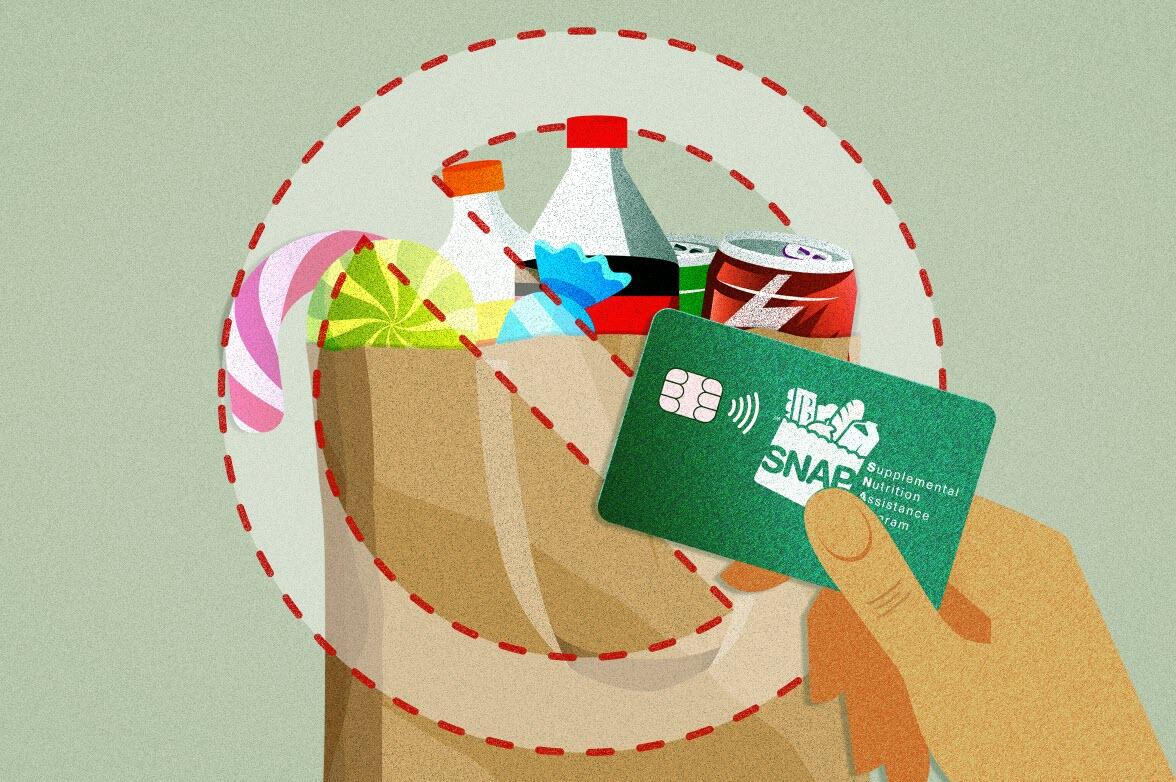
Health and Human Services Secretary Robert F. Kennedy Jr. described the many manufactured food products offered that are high in calories but low in nutritional value.

“So, strawberry flavoring in food, but there’s no nutrients. It’s sugar.” Kennedy said. “Your body is craving that, but it doesn’t get filled up. It doesn’t give you nutrition, but you want to eat more.”

Kennedy, a longtime health advocate, has championed President Donald Trump’s call for “fresh thinking on nutrition” as part of the Make America Healthy Again initiative. The secretary spoke in Indianapolis on April 15 in support of Gov. Mike Braun’s announcement of nine health-related executive orders.

Kennedy has urged states to prohibit the use of Supplemental Nutrition Assistance Program (SNAP) funds to purchase certain foods with high sugar content but little nutritional value.

SNAP, colloquially known as food stamps, is a federal program administered by the states that helps nearly 42 million low-income Americans pay for food.

To change the list of foods eligible for purchase with SNAP funds, states must request a waiver from the U.S. Department of Agriculture (USDA). A handful of states, including Indiana, are doing that.

Advocates call this a commonsense way to promote better food choices.

Some critics say the initiative amounts to virtue signaling, a symbolic action unlikely to produce any positive effect.

Kennedy hopes it will fuel a movement toward healthier food consumption that will reverse the growing prevalence of obesity among Americans.

Junk Food Origins

Kennedy and others have blamed the glut of tasty but vacuous foods on big tobacco companies, which entered the food industry more than 60 years ago.

In the 1960s, R.J. Reynolds and Philip Morris, then the largest tobacco brands, began developing children’s beverages including Hawaiian Punch, Kool-Aid, Capri Sun, and Tang, according to a report from The BMJ, formerly the British Medical Journal.

“Tobacco executives transferred their knowledge of marketing to young people and expanded product lines using colours, flavours, and marketing strategies originally designed to market cigarettes,” a team of researchers reported.
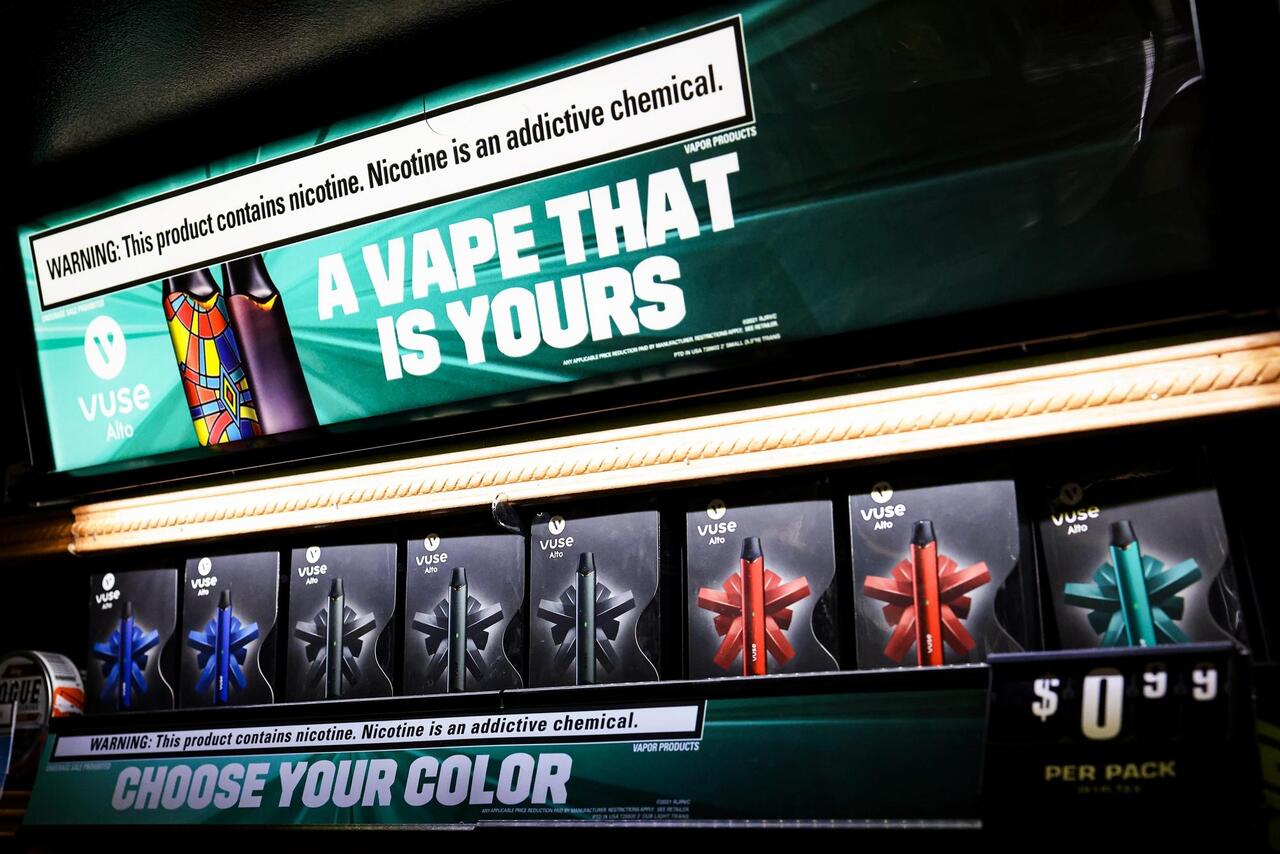
Vuse e-cigarette packages are displayed at Cigar N Vape in Brooklyn, N.Y., on Oct. 13, 2021. The Food and Drug Administration authorized the sale of R.J. Reynolds' Vuse Solo e-cigarette and its tobacco-flavored cartridges the prior day, saying data show the product may reduce smokers’ exposure to harmful chemicals found in traditional cigarettes. Michael M. Santiago/Getty Images

In May 1962, R.J. Reynolds’ director of research reported the status of product development in an internal memo.

The director described the result of taste tests for flavored drinks conducted with children in the same report detailing the addition of artificial flavoring to chewing tobacco and cane sugar to cigarettes.

R.J. Reynolds and Philip Morris eventually went deeper into the food business, owning major brands Kraft, General Foods, and Nabisco for several years starting in the 1980s. There, they applied some of the same strategies to manufacturing other foods people find irresistible.

Researchers at the University of Kansas found that food companies owned by tobacco companies were much more likely than others to market “hyper-palatable” food products.

Hyper-palatable foods contain more of the things that make food taste good, such as fat, sugar, sodium, or carbohydrates, according to Tera Fazzino, an author of the Kansas study and associate director of the university’s Cofrin Logan Center for Addiction Research and Treatment.

These foods also have fewer of the nutrients that make us feel satisfied, Fazzino said in a 2023 interview. “As a result, hyper-palatable foods can be difficult to stop eating, even when we physically feel full.”

The researchers concluded, “Tobacco companies appear to have selectively disseminated hyper-palatable foods into the U.S. food system between 1988 and 2001.”

That triggered an industry wide shift, the researchers said. By 2018, foods high in fat, sodium, and carbohydrates had long been widely marketed regardless of whether or not the producers were previously owned by a tobacco company.

The result, according to Kennedy, is an obesity crisis that threatens the health and safety of all Americans.
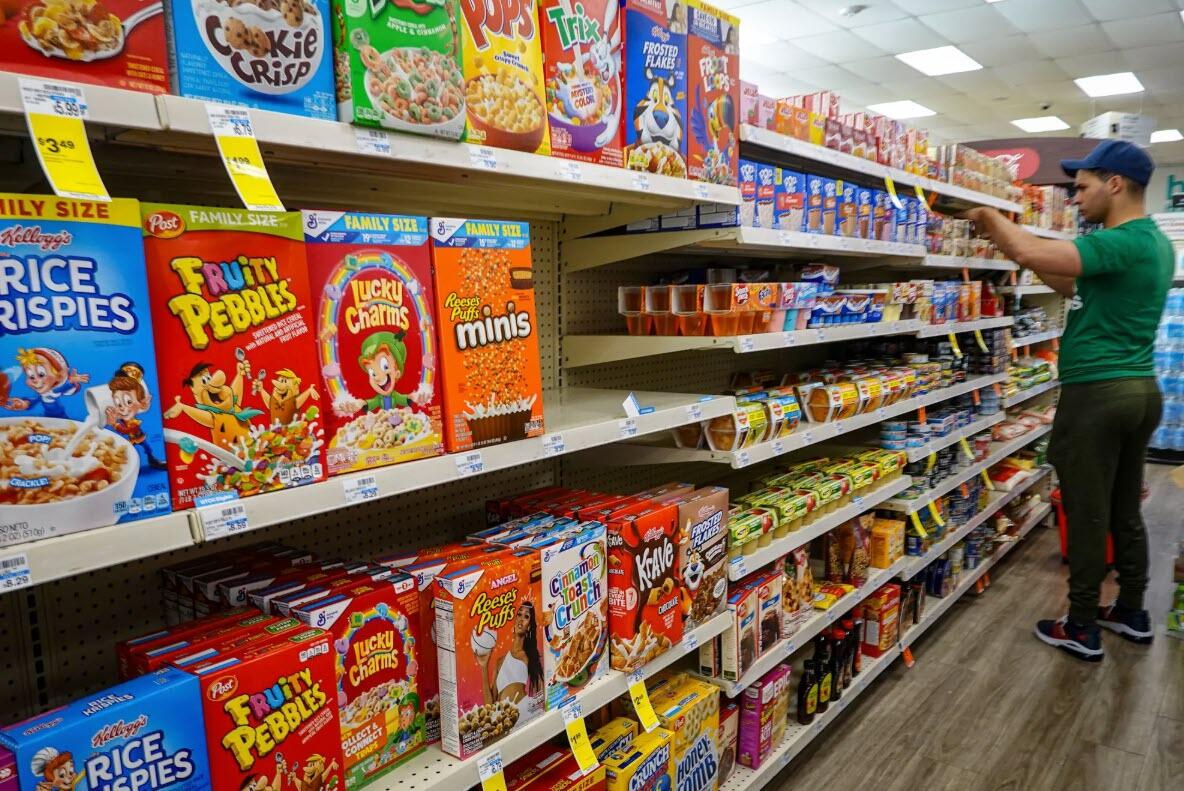
Boxes of sugary cereal fill a store's shelves in Miami on April 16, 2025. Health and Human Services Secretary Robert F. Kennedy Jr. said that many manufactured food products are high in calories but low in nutritional value. Joe Raedle/Getty Images

“We have people who are obese who are at the same time malnourished, because the food that we’re eating is not nutrient-dense anymore,” Kennedy said. “It is threatening our national security: 74 percent of our kids cannot qualify for military service.”

Nearly 70 percent of American adults are either overweight or obese, according to a 2023 report by the federal government. Obesity rates have tripled over the last 60 years, while severe obesity has increased by a factor of 10.

Americans are not alone in this. More than 60 percent of Europeans are either obese or overweight, according to data reported by the National Institutes of Health. Worldwide, the prevalence of obesity has risen for decades.

States Respond

Indiana and Arkansas became the first states to submit waiver requests to the USDA, asking to exclude soda and candy from SNAP purchases. Both sent their requests on April 15.

Several other states have announced their intention to seek a waiver, and some are considering legislation to that effect.

Nebraska Gov. Jim Pillen sent a letter to the Department of Agriculture on April 7 saying that the state intends to request a waiver on soda and energy drinks.

Idaho Gov. Brad Little signed a law on April 15 requiring the director of the state Department of Health and Welfare to request a waiver on soda and candy.

State representatives in Tennessee passed a similar bill on March 11, and the Iowa House passed one on March 26. Neither state’s senate has yet acted on the legislation.

Other states have failed to pass or have rejected legislation that mandates a waiver request.
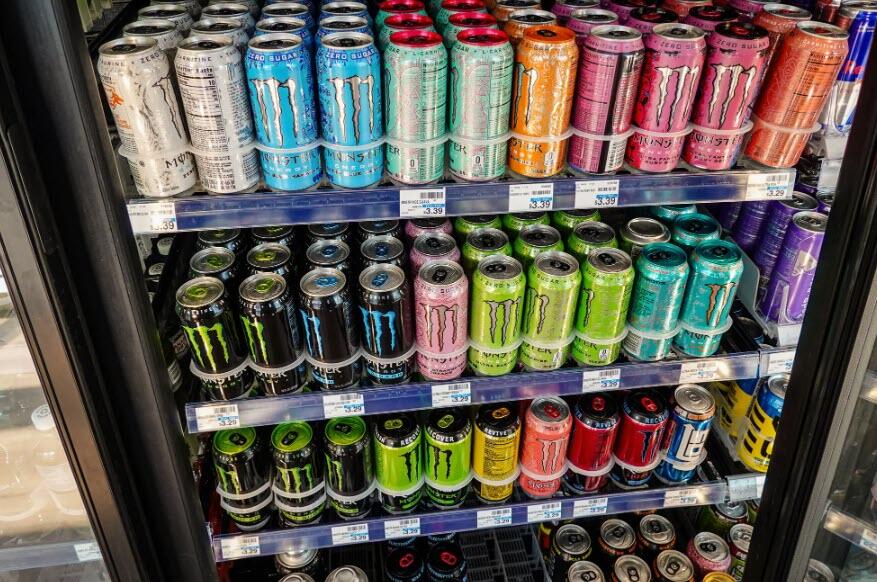
Cans of Monster Beverage Corporation energy drinks fill a store's shelves in Miami on April 16, 2025. Sweetened beverages—including energy drinks, juices, and powder mixes—account for about 9 percent of SNAP food stamps spending. Joe Raedle/Getty Images

A West Virginia bill has been stalled in a House committee since Feb. 19. A Missouri bill failed in the state’s House of Representatives on April 8. A Montana bill passed in the state Senate but was shelved by the House Committee on Human Resources on April 9.

Arizona Gov. Katie Hobbs on April 15 vetoed a bill directing her state’s Department of Economic Security to request a waiver. However, Hobbs signed a bill prohibiting “ultra-processed” foods in school lunches.

Support, Skepticism

Advocates of a SNAP ban on soda and candy, including some health professionals, see the policy as reasonable, even obvious.

“I think it just makes wise nutritional sense, business sense, common sense,” Christy Hope, an Indiana social worker, told The Epoch Times. 

Hope has worked in an outpatient pediatric clinic as well as in a Medicaid office conducting eligibility screening.

“The benefits are intended to cover nutritional items,” she said.

SNAP benefits already exclude foods served hot at the point of sale, alcoholic beverages, vitamins, food supplements, cleaning supplies, cosmetics, and personal hygiene products.

Nutrition and policy experts broadly agree that limiting consumption of high-calorie, low-nutrition foods is a worthy goal.

“I can see the hope to shift [people] away from foods that are ... ultra-processed, empty calories toward healthier options,” Bisakha Sen, a professor of health policy at the University of Alabama at Birmingham, told The Epoch Times. “I think there’s actually some unity on both sides of the political aisle on this.”

Yet she and others doubt the practical value of excluding soda and candy from SNAP purchases, especially when many already struggle to find low-cost food options.

“If we start making a list of [foods] which are good for people and which are not, it will be a huge list,” Nikhil V. Dhurandhar, chair of nutritional sciences at Texas Tech University, told The Epoch Times. “It is not practical.”

Dhurandher likened a grocery store to a vast buffet. “If you remove one [sugary] food, there is some other food that’s going to take its place. I call that digging a hole in water.”

Richard Kahn, an adjunct professor of medicine at the University of North Carolina Medical School, says the SNAP exclusions amount to a “cheap, easy way to blame the other guy.”

According to Kahn, the idea that taxpayers will no longer subsidize the purchase of sugary foods is mistaken. “They’re [still] paying for sugar-sweetened beverages because we subsidize the agriculture industry,” he said.
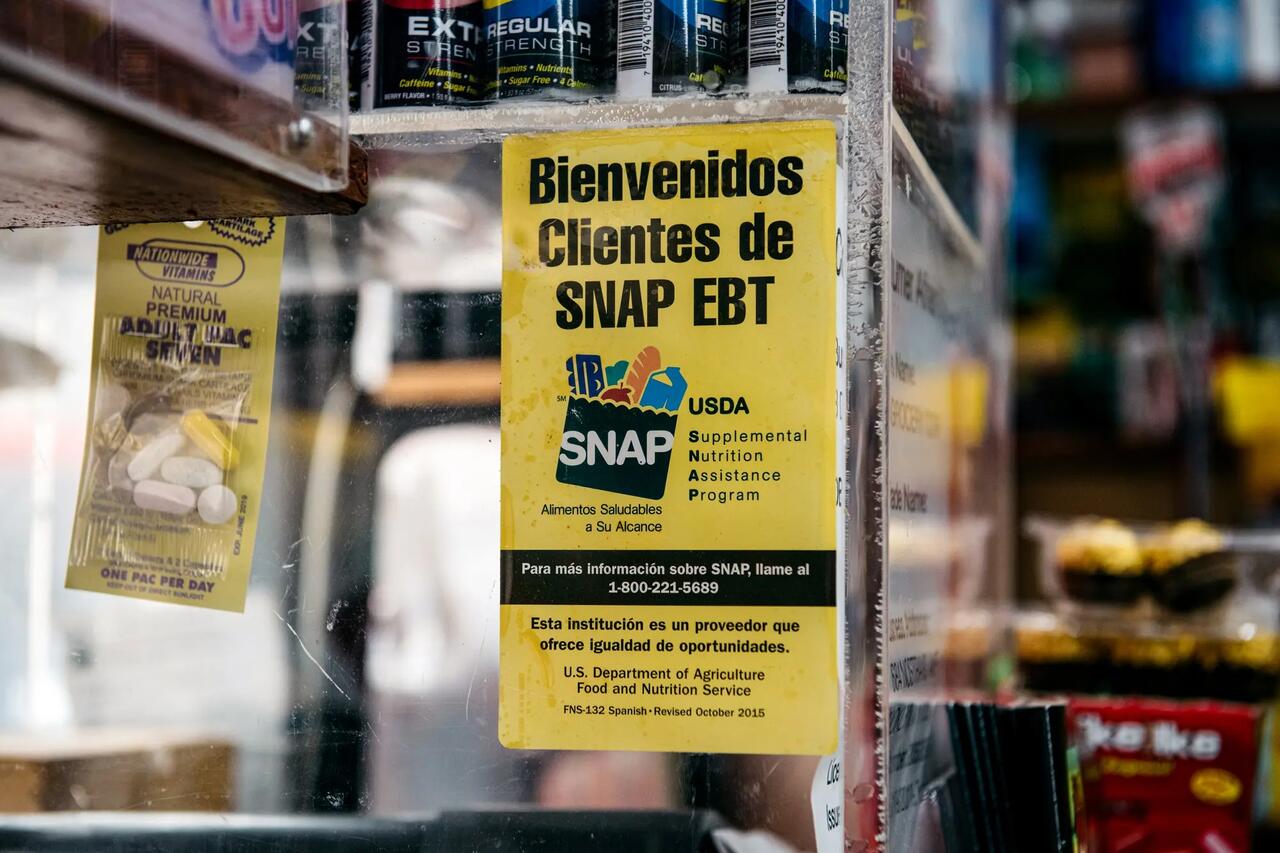
A sign alerting customers about SNAP food stamps benefits is displayed in a grocery store in Brooklyn, N.Y., on Dec. 5, 2019. Health and Human Services Secretary Robert F. Kennedy Jr. has urged states to ban the use of SNAP funds for foods with high sugar content but little nutritional value, in efforts to promote healthier food consumption and reverse rising obesity rates among Americans. Scott Heins/Getty Images

Alternatives

Many nutrition and policy experts favor a holistic, all-of-society approach rather than one that targets behavior in just one group of people.

Some have suggested a tax on soda to discourage consumption. Others mentioned improving the nutritional value of school lunches. Sen. Bernie Sanders (I-Vt.) has suggested banning television ads for unhealthful foods targeting children.

Nana Gletsu Miller, an associate professor at the Indiana University School of Public Health, favors education over behavioral mandates.

“Based on the evidence for the effectiveness of nutrition education and the lack of evidence for the effectiveness of restriction of food choice, I suggest the former would be a better approach,” Gletsu Miller told The Epoch Times.

A deeper problem is the lack of affordable, nutritious food, according to Dr. Tamara S. Hannon, a professor of pediatrics at the Indiana University School of Medicine and director of its clinical diabetes program.

“It is the sale of health-harming products at a very low price without affordable and convenient options that is problematic. This policy does not address this issue,” Hannon told The Epoch Times.

Kennedy acknowledges that the broader health care landscape can work against healthy outcomes, yet he believes that can change.
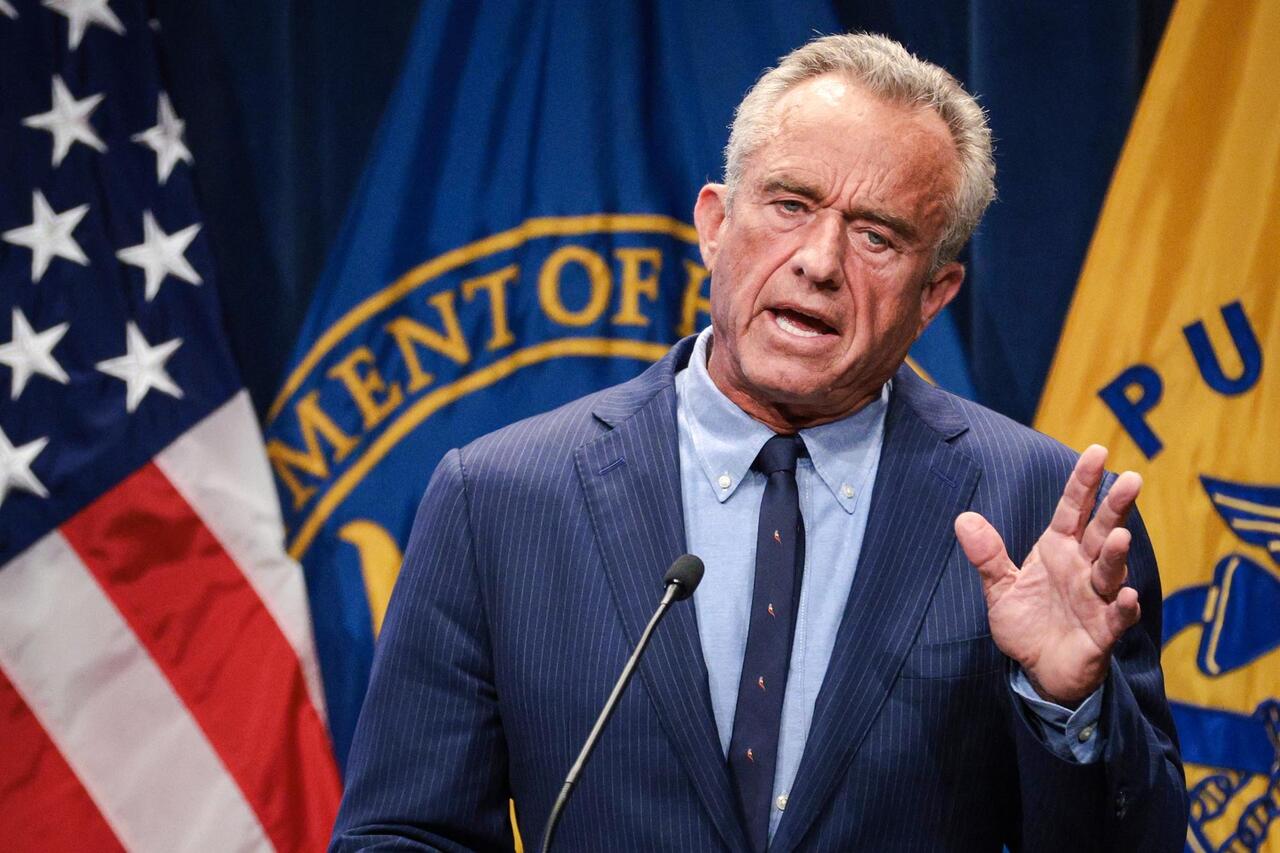
Secretary of Health and Human Services Robert F. Kennedy Jr. speaks during a news conference at the Department of Health and Human Services in Washington on April 16, 2025. Alex Wong/Getty Images

“We can realign medical choices, both individual and institutional medical choices, with public health,” Kennedy told The Epoch Times at the Indianapolis press conference, adding that right now, “it’s totally misaligned.”

Achieving that will require a concerted effort at the federal, state, and local levels, Kennedy said.

“We can’t do this alone, but we’re getting tremendous help from the governors, from the grassroots,” Kennedy said.

“What’s happening here [in Indiana] is driving this movement, and it’s going to drive cultural change.”

https://www.zerohedge.com/medical/how-junk-food-took-hold-us-and-what-rfk-jr-doing-about-it

Swiss Billionaire Spent $800 Million Bankrolling Left Wing Causes, States Say No More

 Over the past two decades, a reclusive Swiss billionaire has poured more than $800 million into left-wing causes across America, and now states are fighting back.

Hansjörg Wyss, 89, a Swiss national with an estimated net worth of roughly five billion dollars, has quietly become one of the most influential donors on the American left. He has spent more than $800 million bankrolling hundreds of left-wing causes across the United States, donating millions to climate change groups, abortion activists, and the Clinton Foundation.

Information about him is sparse, but his sister once wrote that Wyss seeks to “(re)interpret the American Constitution in the light of progressive politics.”

Foreign nationals are prohibited from contributing to candidates or PACs under federal law. Even though Wyss is not a citizen, or even a green card holder, he has developed a sophisticated system to become a “leading source of difficult-to-trace money to groups associated with Democrats,” according to the New York Times.

A report from election watchdog Americans for Public Trust (APT) reveals that Wyss created two nonprofits—the Wyss Foundation and the Berger Action Fund — which have funneled close to $500 million into a vast network of Democratic-aligned dark money groups. Much of this funding has gone to organizations managed by Arabella Advisors, the “mothership” of left-wing dark money.

The largest beneficiary has been the Sixteen Thirty Fund (1630), a key Arabella-affiliated group which The Atlantic described as the “indisputable heavyweight of Democratic dark money.” The Berger Action Fund alone has given over $200 million to 1630, which has in turn distributed it to hundreds of progressive organizations.

Though foreign nationals are barred from directly supporting candidates or super PACs, Wyss’ groups have exploited a loophole that allows foreign money to finance state ballot initiatives, according to APT. Namely, 1630 has spent more than $130 million on ballot campaigns in 25 states, advancing policies such as late-term abortion and drug decriminalization by embedding them directly into state constitutions—where they can only be reversed by another constitutional amendment.

In Michigan, 1630 spent over $33 million, where ballot initiatives recently enshrined a right to abortion and a right to no-excuse absentee voting in the state constitution.

The group also funneled almost $13 million into Missouri, where marijuana legalization and Medicaid expansion were recently written into the state constitution through ballot initiatives.

When foreign money flows into states, it is also used to support Democratic candidates. Earlier this year, APT uncovered that 1630 gave $1 million to a “progressive communications hub” that spent $9 million boosting the Democratic candidate in Wisconsin’s Supreme Court race.

Multiple states have passed legislation to stop foreign money from financing local ballot campaigns. Even though red states have taken the lead, Janae Stracke, Vice President of Outreach and Advocacy at Heritage Action for America, said the interest in this issue has been bi-partisan.

Five states have already passed bans — Kansas, Kentucky, Indiana, Ohio, and Wyoming — and several others have similar bills currently moving through their legislatures. Stracke expects more to follow.

Republican Wyoming Gov. Mark Gordon signed one of these bans, House Bill 0337 into law March.

“This bill, a key plank of our conservative election integrity agenda, is a landmark piece of legislation and pivotal to ensuring foreign nationals are banned from meddling in Wyoming elections,” Wyoming Secretary of State’s Office wrote on X after Gordon signed the legislation.

“Foreign money in state ballot initiatives thwarts the American voice,” Stracke said. “This is an 80/20 issue.”

Even though the foreign funding loophole has been exploited primarily by billionaire activists, millions of dollars from Chinese entities have gone to groups promoting progressive climate policies.

Why would anyone oppose this legislation?

“It’s the money,” Stracke said.

When reached for comment, a representative for the Wyss Foundation confirmed the Berger Action Fund contributes to 1630 but declined to say if Wyss supports legislation that bans foreign funding of state ballot initiatives.


https://dailycaller.com/2025/04/22/mysterious-swiss-billionaire-spent-800-million-bankrolling-left-wing-causes-states-say-no-more/