A World Health Organization (WHO) adviser who previously worked under President Clinton and then-Senator Joe Biden has broken his silence over the origins of the COVID-19 pandemic.
Jamie Metzl - who served as Deputy Staff Director of the Foreign Relations Committee under Biden (2001-2003), after serving on the National Security Council (1997-1999) and the State Department (1999-2001) under Clinton, waited until three days after Biden's inauguration to tell the Toronto Sun that he thinks COVID-19 was most likely an accidental lab leak in Wuhan.
"There’s no irrefutable evidence," said the Kansas-born Metzl, a senior Atlantic Council fellow who was appointed to the WHO expert advisory committee on human genome editing in 2019. "There’s just more evidence and as more evidence arrives, the case for accidental lab leak, in my view, increases."
More from Metzl's interview with the Sun (emphasis ours):
What about the original theory that this all started in a wet market in Wuhan?
That was a lie. And the Chinese government knew very early on that that was a lie. And so in the face of overwhelming evidence in May of last year, the Chinese government shifted its position.
Do you get the idea of scary viruses being created in a lab may seem a little sci-fi?
It may feel like sci-fi to people but what’s happening is sci. There is a field of study called “gain of function” research, which is highly controversial in which some scientists amplify the virility of viruses. We know that the Wuhan Institute of Virology was involved in gain of function research on bat coronaviruses.
Is it because this specifically started in China that we still don’t know how COVID-19 started?
If there had been an outbreak in Congo or some country in Africa and that country, in the earliest days of the pandemic, prevented World Health Organization investigators from going onto the scene of the outbreak, for nearly a month, the world would have gone berserk.
Will a change of the U.S. administration help find an answer?
Biden will be tougher on China than President Trump because President Biden is very smart and strategic and he understands that American power and American strength doesn’t rest on bluster, it rests on principles, it rests on partnerships, and alliances and accountability. And the Trump administration unfortunately gave China a pass by over politicizing the question of the origin of the virus by alienating America’s partners and allies.
* * *
All of this begs a simple question; if a senior Atlantic Council fellow who operated at high levels of government under Democratic presidents is suddenly 'coming out' with the Wuhan lab leak theory, three days after Biden's inauguration, is the official narrative about to change?
For many, exercise is a means to an end, namely better health – and in a perfect world, perhaps there would be a way toskip that middle stepwith some sort ofpill or injection. Now scientists at the University of Southern California (USC) have studied a hormone that the human body releases during exercise, and found that administering it to mice improves their fitness and overall health.
The hormone in question is called MOTS-c, and its role in exercise was identified a few years ago by the same researchers in a similar study in mice. One of the unusual features of MOTS-c is that it’s not encoded by the main genome in our cells but the mitochondria, which have their own smaller genome.
“Mitochondria are known as the cell’s energy source, but they are also hubs that coordinate and fine-tune metabolism by actively communicating to the rest of the body,” says Changhan David Lee, corresponding author of the study. “As we age, that communication network seems to break down, but our study suggests you can restore that network or rejuvenate an older mouse so it is as fit as a younger one.”
In the new study, the USC scientists investigated MOTS-c in both humans and mice. The team had 10 healthy (but sedentary) male human volunteers, aged in their 20s, exercise on a stationary bike, then rest for four hours. The researchers took samples of their skeletal muscle and plasma before, during and after the exercise, and after the rest, to measure levels of MOTS-c.
Sure enough, the team found that in skeletal muscle the MOTS-c levels significantly increased by 11.9 times after exercise, and although they trended back towards the baseline over time, levels were still higher than previously even after the four-hour rest. MOTS-c in plasma was also elevated by 50 percent after exercise, and dropped to baseline faster.
With that link in mind, the team next investigated the hypothesis that exercise triggers the release of MOTS-c, and that the hormone itself is responsible for some of the physical benefits associated with exercise. The researchers injected MOTS-c into mice of three different ages – two-month-old young mice, 12-month-old middle-aged mice, and 22-month-old elderly mice – for two weeks, then had them perform physical challenges.
In all age groups, the treated mice performed significantly better than controls in tests on a rotating rod and a treadmill. Intriguingly, the elderly mice appeared rejuvenated by the treatment, improving their grip strength, gait and walking abilities.
“The older mice were the human equivalent of 65 and above and once treated, they doubled their running capacity on the treadmill,” says Lee. “They were even able to outrun their middle-aged, untreated cohorts.”
In a follow-up experiment, the team investigated how the MOTS-c treatment affected mice under metabolic stress. Mice were fed a high-fat diet then treated with MOTS-c twice a day, at different dosages. After seven days of treatment, the animals had improved insulin sensitivity, which lessens their risk of diabetes. The animals also gained less weight on the high-fat diet than untreated mice.
After 10 days, mice on the higher dose of MOTS-c were running further and burning more energy than untreated ones. In fact, 100 percent of the higher-dose mice were able to complete the final treadmill test – sprinting 23 m (75 ft) per minute – whereas only 16.6 percent of mice in the lower dose and control groups managed the feat.
While there’s still plenty of work to be done before this could be adapted to a treatment for humans, the researchers say that the results are promising. In particular, it could help older people stay healthier for longer.
“Indicators of physical decline in humans, such as reduced stride length or walking capacity, are strongly linked to mortality and morbidity,” says Lee. “Interventions targeting age-related decline and frailty that are applied later in life would be more translationally feasible compared to lifelong treatments.”
The research was published in the journal Nature Communications. The team describes the work in the video below.
See how they run: ‘Exercise protein’ doubles running capacity & extends healthy lifespan in old mice
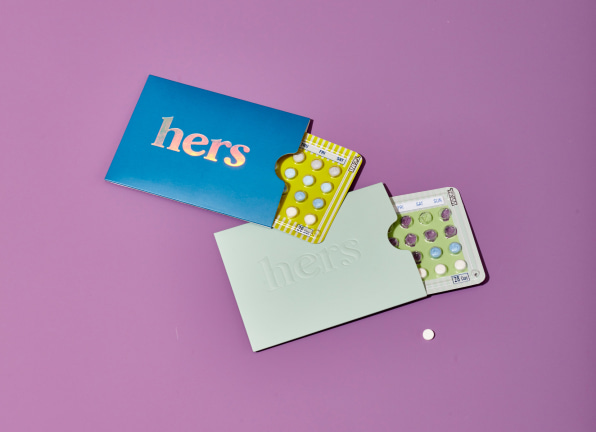
Hims, a heavily branded online pharmacy with a limited range of products, began trading as a public company on Thursday at $17.08 per share. Its price dropped 7% over the course of the day. The company went public through a merger with special purpose acquisition company (SPAC) Oaktree Acquisition Corp, which closed on Wednesday. The deal valued Hims at $1.6 billion.
The IPO is notable because it suggests that Hims and its model of healthcare are here to stay. The company has made steady progress since its inception four years ago. It now has nearly 300,000 subscribing customers across its two brands: Hims (for men) and Hers (for women). For all of 2020, the company expects to take a loss of $20 million on revenue of $138 million. Next year, it plans to grow revenue 30%.
Hims started as a wellness brand, but has grown beyond that into full-on primary care. It now has great potential to reach the surprising number of people who don’t already have a regular doctor. However, it’s not clear that its business model will deliver the kind of health outcomes that traditional long term primary care can offer. Its rotating doctors and emphasis on branded products could end up exacerbating the existing problems with fee-for-service health care that already create hurdles for doctors trying to deliver good care.
“FRONT DOOR TO THE HEALTH INDUSTRY”
Andrew Dudum, the founder and CEO of Hims, describes his company as the “front door to the health industry.” The people who walk through that door may not have a primary care doctor and are looking for treatments for specific issues: erectile dysfunction, hair growth, acne, and anxiety and depression. The products are heavily branded with the dirty pastels that have come to represent the millennial generation. The ideal Hims customers are too busy to go to the doctor, even if they have insurance, and need a quick fix for what ails them that they can pay for in cash.
Dudum believes that people have been spoiled by ecommerce and fast delivery. “I don’t know, a $50 to $70 copay just to make an appointment and a four-week wait-time is just not realistically conducive with what they expect,” he says. About a quarter to a third of millennials in the United States don’t have a primary care doctor, accordingtosurveys. The reason is largely a matter of convenience: it’s hard to get an appointment when you need it.
Andrew Dudum [Photo: courtesy of Hims]“The majority of patients that come to us every day do not have a primary care physician that they see with regularity,” says Dudum.
For this reason, the Hims model is a departure from traditional primary care. Patients pay the company a $20-$30 monthly fee for on-demand access to a doctor and regular prescription delivery. Conceptually, it more resembles urgent care: a quick interaction with a random doctor to treat of-the-moment issues such as fever, sore throat, flu, and rashes. Where the company makes its money is in chronic care, issues that it can bill for on a recurring basis. This started with erectile dysfunction and male pattern baldness, but Dudum has expressed interest in expanding into harder-to-manage health issues such as diabetes and hypertension.
Another area of interest is in prescribing pre-exposure prophylaxis for HIV. To expand into more areas of healthcare, Hims will eventually have to accept insurance, which it’s already making moves towards doing.
The bigger question is whether the company is just pushing prescriptions or if it really can bridge patients to fuller care. This year, the company started offering primary care visits and signed deals with Ochsner Health, Mount Sinai Health System, and Privia Health to connect patients with offline care. Dudum says that he understands that anywhere from 10%- 25% of patients care needs to happen in the doctor’s office. Still, he thinks the majority of care can happen at home.
“The legacy historical health care model has been around general care,” he says. “You have a [primary care physician] who’s kind of doing oversight work for the patient, which is great. But the reality is, is that the patients are actually suffering from any of a host of 10 or 15 different specialty issues. I think the beauty of the platform like ours is it not only allows you to maintain that general oversight care with a PCP, if you’d like, but it allows you to actually have as a part of your medical team through specialists—right there on call, available to you as needed—for urology issues, dermatology issues, psychiatric issues, or whatever it might be.”
[Photo: courtesy of Hims]Hims’ main business is selling pills: 83% of recurring revenue is prescriptions, according to a deck shared with investors. Its most popular offering is its line of sexual health products. What the company sees as its sweet spot are its product bundles. Its hair care package, for example, includes an oral medication for hair loss, gummy vitamins, a topical prescription for hair loss, shampoo, and conditioner. The goal is to set patients up with an on-going care plan using its branded health care products, which include both prescription and non-prescription items.
However, what makes telehealth compelling is bigger than reliable prescription delivery. As Dudum notes, the great promise of putting medical appointments online is that it can connect people who cannot easily get to a doctor with care. “North of 80% of rural communities are considered primary care deserts,” he says. “Which means there’s not even a doctor within an hour or two. And so for those everyday things [such as] migraine, bug bites, sinus infection, UTI, the flu— whatever it is—there’s just a gaping hole in the market with regard to completely unaffordable access,” he says.
In Hims’ world, healthcare seems to be about connecting people with health products. Primary care is based on having a trusted relationship with a single doctor who watches a person’s health evolve over time and makes recommendations that change with the patient. The continuity of care that traditional primary care offers is associated with better health outcomes. Dudum thinks Hims can coordinate this kind of care through its proprietary electronic health record system, allowing a roster of doctors to be quickly brought up to speed on a client.
Because of its focus on ailments that need chronic prescriptions, Hims technically provides continuous care. What’s unclear is whether that constitutes quality care. In October, Bloomberg Businessweekreported that some of the doctors Hims contracted with through a separate company called Bailey Health felt pushed to prescribe products. The report included excerpts from conference calls in which Bailey Health’s CEO told doctors to expedite approval for prescription applications. On the Better Business Bureau website, several complaints against Hims paint a portrait of aggressive sales tactics. Patients have complained they were charged for products that their doctor decided would not be good for them. Other complaints include being charged for recurring delivery of products that weren’t actually ordered.
[Photo: courtesy of Hims]
Dudum pushes back on the idea that Hims’ business model encourages doctors to prescribe products with abandon. “Physicians are always and only incentivized to provide great quality outcomes and that’s all the way down to their payment model,” he says. “They’re paid on an hourly basis regardless of how many patients they’ve seen or what the patient outcomes look like.” He also says that new models like his always attract skepticism.
But telehealth and its promises are not monolithic. Two of the biggest telehealth companies, Amwell and Teladoc, do something quite different from Hims. Rather than a branded experience, they give health systems the technology they need to more easily reach their patients. In essence they’re giving doctors the flexibility to conduct medicine however they think is best for the patient, whether that’s over the phone, via video, or using a bevy of at home health monitoring devices.
By contrast, Hims thinks it can reach people who aren’t currently being served by the health system through a highly branded experience. There’s value there that the company can clearly capitalize on. Whether it can drive long-term positive health outcomes for those patients is still TBD.
So now that people (not enough of them!) are getting vaccinated in the US with the Pfizer/BioNTech and Moderna mRNA vaccines, let’s talk about some more details of what are in those injections and what happens once the shot is given. The workings of an mRNA vaccine touch on a lot of different cellular processes and a lot of drug-delivery issues, so we can Talk Corona while also talking drug discovery, biology, and chemistry at the same time. I want to start off by recommending this piece by Bert Hubert on the workings of the Pfizer/BioNTech vaccine – Bert goes into a lot of detail that I’m going to run through rather quickly in the next few paragraphs, and you’re probably going to have a better shot understanding it from him than you do from me!)
One theme that will show up many times in this post is that these vaccines were not invented from scratch. There’s a long list of things that had to be worked on in order for the field to be in the shape it was in at the beginning of 2020, and that’s why things ran so quickly. “RNA as a therapeutic agent” is an idea that has had billions of dollars of work poured into it over the last twenty or thirty years, so when you hear about these vaccines as something new, remember that’s only for certain definitions of “new”.
As all the world knows, these vaccines are based on messenger RNA (mRNA). That, of course, is the type that’s produced in a living cell by reading off a given stretch of DNA and assembling the matching RNA, after which it goes off on its own to be fed into a ribosome which will assemble proteins based on its code, reading off by three “codon” letters at a time. So messenger RNA has its feet in both worlds, if it had feet: it’s down there in the nucleus being put together next to an exposed and unwound strand of DNA, but afterwards it’s also present right in the middle of the ribosome machinery, as amino acids get brought in and spliced together into a growing protein strand. Genetic information gets turned into proteins (there’s the Central Dogma of molecular biology for you), and mRNA is how that happens.
Now, the specialists in the room will appreciate the huge number of details that go into both those processes. The concepts are pretty straightforward (read off DNA to make mRNA, read off mRNA to make protein), but the execution is something else again. It’s worth going into those in a little detail to explain why the mRNAs in the vaccines look the way that they do, and why designing a good one is a lot harder than it looks.
As a new mRNA strand is generated by the action of the RNA polymerase II machinery on a stretch of DNA, it gets a “cap” attached to the end that’s coming out from the DNA (the “5-prime” end), a special nucleotide (7-methylguanosine) that’s used just for that purpose. But don’t get the idea that the new mRNA strand is just waving in the nucleoplasmic breeze – at all points, the developing mRNA is associated with a whole mound of specialized RNA-binding proteins that keep it from balling up on itself like a long strand of packing tape, which is what it would certainly end up doing otherwise.
So the 5-prime end is capped, and then the other one (the “3-prime” end) undergoes some processing of its own. It has a certain number of residues scissored right back off, and then a stretch of “poly-A” (one adenosine residue after another) is added on – these processes are done by another big complex of enzymatic and scaffolding proteins working on that end of the molecule. By the time that’s finished, an mRNA can have a couple of hundred A residues tailing off its 3-prime end. This doesn’t get turned into protein, though – otherwise every protein that gets made would come out of the ribosome with a long tail of lysines on it, since the “AAA” codon under other circumstances means “Lys” to the translation machinery.
Then there’s another key step. In most organisms, the DNA doesn’t just read off the uninterrupted code for a whole protein. It has interruptions of other stretches of code (“introns”), and at this point those are clipped out and the actual mRNAs are spliced together by assembling their pieces (the “exons”) into their final form. That may seem like a rather weird process if you haven’t run into it, and it certainly was a surprise when it was discovered back in the late 1970s. This is done by yet another Death-Star-sized mass of proteins, the “spliceosome”, and it provides opportunities for “splice variants” along the way that will produce different proteins when a ribosome gets ahold of them. And that’s a big reason why we have a lot more different proteins in our bodies than we have different genes: many of them can be mixed-and-matched into these different variants back at the mRNA level.
I mentioned the poly-A tail, but there are also key regions at both the 5-prime and the 3-prime ends of an mRNA strand that also don’t get translated into protein. These contain important regulatory information for how that translation should go. There are “start” and “stop” codons that aren’t always associated with any particular amino acid (the start codon can also code for methionine, depending on the context), but rather convey those instructions to the ribosomes. The “leader” sequence at the beginning of the mRNA and sections at the other end as well can have profound effects on how readily it gets taken up by any given ribosome and how efficiently it moves through. Ribosomes themselves have at least two ways to feed an mRNA into their protein-making machinery: the normal way, which requires a “capped” mRNA and an “internal ribosome entry site” (IRES) that doesn’t care, and the use of these is also mediated by the untranslated RNA regions. It goes on and on! The last 30 or 40 years of biology have seen these details brought to light through vast amounts of effort in the lab (and similarly vast amounts of staring out windows trying to sort out mentally what’s going on), and that process is nowhere near at an end.
I’ve rambled on about all this to bring us back to the mRNA vaccines. You can see from that quick tour of the machinery that it would be a bit too hopeful just to produce a plain stretch of RNA that codes for the viral Spike protein and expect that to work right off the bat. No, you’re going to have to optimize both ends of it so that ribosomes are enthusiastic about it and zip right down the strand producing that Spike for you. (And remember, the vaccines we have are also producing a variation of the Spike that keeps it stable in its final active shape, the better to have antibodies recognizing that, so you’re not even coding for the “native” Spike from the very beginning).
And as you’ll know if you’ve read that article from Bert Hubert that I linked to at the beginning, the mRNA vaccines also feature a good deal more such engineering. The three-letter codons for amino acids have some redundancies in them, but not all of those are processed with the same alacrity. Ones that are heavier in C and G residues seem to be run through more efficiently, so the sequences are biased that way. There are also the modified bases like pseudouridine/1-methylpseudouridine that get read off at the ribosome like their native cousins (in this case, good ol’ uridine, U) but make the mRNA strand both more stable and less likely to set off an immune response against itself. So the sequences in the vaccines have human fingerprints all over them – see Bert’s article for more.
But all that engineering availeth one not if the mRNA doesn’t make it to the cells and inside the cells. And that takes us to the formulations, which are another essential part of the whole mRNA vaccine story. Cell and molecular biologists tend to think of RNA molecules in general as pretty fragile things, and that reputation has been earned. They’re intrinsically less stable than the corresponding DNA molecules, and the odds are further stacked against them in the body by our own immune system’s defenses against foreign RNAs from pathogens like the current coronavirus. Just for starters, there are plenty of “RNA-ase” enzymes out there ready to tear any wandering RNAs to bits – the body can use circulating RNA molecules as signals, but these things are under tight control. So if you just inject a naked RNA sequence into someone’s blood, it’ll get stripped down to nothing before it’s traveled very far.
What are your alternatives for a more suitably clothed RNA? Well, as mentioned earlier, mRNA vaccines are not a new idea, nor is the idea of therapeutic RNA in general (remember siRNA?). So there’s been a lot of work over the years to find suitable carriers (see this 2016 review for an overview). It was not obvious which of these possibilities (lipids, carrier proteins, synthetic polymers, and more) would work out, of course. The only way to find out was (and is) to spend the time, spend the money, and go run the experiments. One thing that many of these ideas have in common is the carrier molecules having numerous positive charges on them, though, because RNA (and DNA) have lots of negatively-charged phosphate groups, and these would match up together to form a stable complex. Results from those experiments have tended to elevate the idea of lipid nanoparticles as a carrier, because they can help out in two ways simultaneously: they protect the mRNA construct itself as it travels through the bloodstream, and they seem to help it cross cell membranes and get from the blood into its destination. That’s not something you can just assume is going to happen on its own.
That point deserves a quick elaboration, because one thing that you have likely noticed is that there’s been a lot more work during this pandemic on RNA vaccines as opposed to DNA ones, even though DNA has that stability advantage mentioned above. There are several reasons for that, but one big one is that an RNA payload just has to get into the cell to encounter its site of action (the ribosomes, which are all over the place). A DNA therapeutic, though, has to get into the nucleus to do anything, and that’s yet another membrane to cross (and one with its own set of properties and gatekeepers). There’s also the possibility for a DNA species to get mistakenly incorporated into a cell’s own genome, which for a vaccine you don’t want (as opposed to a gene therapy), and using RNA completely takes that off the table, but the “just get into the cytosol” advantage is a real one, too.
So what are these lipid formulations like? They’ve been investigated for many years themselves, because these sorts of carrier properties could of course be useful for a lot of other therapeutic agents beside RNA. Here’s a short article at STAT about them. There are a lot of variations on the lipid idea, and one kind involves a sort of spherical bubble of lipid (a liposome) – generally a bilayer, as with our own cell membranes, because lipid molecule just naturally stack up like this, with greasy interior layers and the polar parts facing the solvent on the outside (see above, illustration by SuperManu via Wikipedia). In this case, the “hydrophilic head” will tend to incorporate some sort of positively charged group (as mentioned above). The payload will be in that little blue area in the middle, safe and secure as it drifts along. The lipid nanoparticles being used now are more of a solid lump, with the RNA and the lipids mixed together into tiny masses. The cell membrane is largely made of phospholipid bilayer, with the outside hydrophilic part being negatively charged, so these positively charged nanoparticles have all the more reason to stick to them.
When that happens, it appears that endocytosis kicks in, the general process of importing larger particles into a cell. There are several varieties of endocytosis, but they tend to end up with the external particle emerging on the other side of the cell membrane wrapped in a new endosomal vesicle of its own (can’t be too careful, from a cellular perspective). A well-chosen lipid nanoparticle formulation can actually help the RNA payload escape such an endosomal compartment and finally make it into the cytosol itself, ready for action.
Now we get into a forest of picky details. There is also no way to be sure from first principles which of the many, many, many possible lipid nanoformulations is going to work out the best for carrying therapeutic mRNAs. Small amounts of various other lipid species present in the bilayer can affect their properties a great deal, so you have a lot of experimentation to do and lessons to learn, and years of work have already been spent on just that sort of thing. For example, one broad lesson has been that nanoparticles formed from lipids that have permanently charged head groups (like quaternary amines) don’t seem to perform as well as ones made from amines that are charged by having ionizable H atoms on them. You don’t want to have to discover all this on your own at the same time you’re working out the details of the RNA construct, so therapeutic development has almost invariably been through partnerships.
The Pfizer/BioNTech vaccine uses lipid nanoparticles developed by the Canadian company Acuitas, who have (under one name or another!) been working in this area for over a decade now, trying out countless variations on various lipid combinations. Back then, it was mostly for siRNA delivery, but the lessons learned from that work have been invaluable for mRNA vaccine delivery. Meanwhile, Moderna has been involved in a vigorous and long-running patent dispute with a smaller company called Arbutus, who have also been investigating lipid nanoparticle formulations and whose technology Moderna once licensed. Arbutus has been claiming that Moderna’s research programs (and indeed their now-launched vaccine) avail themselves of Arbutus’ intellectual property, while Moderna (naturally) disputes this with equal vigor. I Am Not a Patent Attorney, and a damn good thing, too, so I have no useful opinion about who’s in the right. If Arbutus has a case, I would expect them to eventually get a judgement giving them some royalties off the Moderna vaccine, but my only solid prediction is that a number of lawyers will have steady employment thanks to this issue for some time to come.
A closer look at the Pfizer/BioNTech vaccine shows that it has four lipid components, two of which appear to be proprietary to Acuitas. One of these is ALC-0315, and the other is ALC-0159. You’ll note that both of those are tertiary amines (protonated to a positive charge under physiological conditions) and not quaternary charged ones, for the reasons mentioned above. The other two lipids are 1,2-distearoyl-sn-glycero-3-phosphocholine (DPSC), which is a well-known phosphotidylcholine lipid (as evidenced by the number of references in that link) and cholesterol, which is rather better-known still. These four components are of course present in a specific ratio, which I would rather not try to exfoliate out of the patent filings. But that should give you some idea of what’s in a formulation like this and what the lipids themselves look like. The physical process by which you reliably prepare such nanoparticles is another thing that needs experimentation, of course, but they’re cranking out the vials as we speak.
So that’s a look under the hood, and as promised, there’s a lot in there. It’s all the more remarkable that these therapeutics came together as quickly as they did, but if it had not been for the years of prep work in all of these areas, we would still be waiting!
More than a year after COVID-19 emerged, many mysteries persist about the disease: why do some people get so much sicker than others? Why does lung damage sometimes continue to worsen well after the body seems to have cleared the SARS-CoV-2 virus? And what is behind the extended, multi-organ illness that lasts for months in people with ‘long COVID’? A growing number of studies suggest that some of these questions might be explained by the immune system mistakenly turning against the body — a phenomenon known as autoimmunity.
“This is a rapidly evolving area, but all the evidence is converging,” says Aaron Ring, an immunologist at the Yale School of Medicine in New Haven, Connecticut.
Early in the pandemic, researchers suggested that some people have an overactive immune response to COVID infection. Immune-system signalling proteins called cytokines can ramp up to dangerous levels, leading to ‘cytokine storms’ and damage to the body’s own cells. Clinical trials have now shown that some drugs that broadly dampen immune activity seem to reduce death rates in critically ill people, if administered at the right time.
But scientists studying COVID are increasingly also highlighting the role of autoantibodies: rogue antibodies that attack either elements of the body’s immune defences or specific proteins in organs such as the heart. In contrast to cytokine storms, which tend to cause systemic, short-duration problems, autoantibodies are thought to result in targeted, longer-term damage, says immunologist Akiko Iwasaki, a colleague of Ring’s at Yale.
Even healthy people make autoantibodies, but not generally in large amounts, and the molecules don’t usually seem to cause damage or attack the immune system.
Yet researchers also have evidence that nefarious autoantibodies do have a role in many infectious diseases.
There are several theories to explain how autoimmunity might emerge from COVID and other infections. Some people might be predisposed to producing autoantibodies that can then wreak havoc during an infection. Alternatively, infections could even trigger the production of autoantibodies. If researchers can establish the link, they might be able to come up with avenues for treatment, both for the repercussions of COVID and for other diseases caused by viruses.
Finding autoantibodies
In late September, a group led by Jean-Laurent Casanova at the Rockefeller University in New York City reported that more than 10% of 987 individuals with severe COVID-19 had antibodies that attacked and blocked the action of type 1 interferon molecules, which normally help to bolster the immune response against foreign pathogens1. That was a striking proportion, the researchers say, because people’s antibody repertoires are normally very dissimilar, and noone in a control group for the study had these antibodies. The researchers also saw the antibodies in people before their COVID-19 infection, so Casanova thinks that some people could be genetically predisposed to produce them. And the autoantibodies were more common in men than women — a possible factor in why COVID seems to hit men harder.
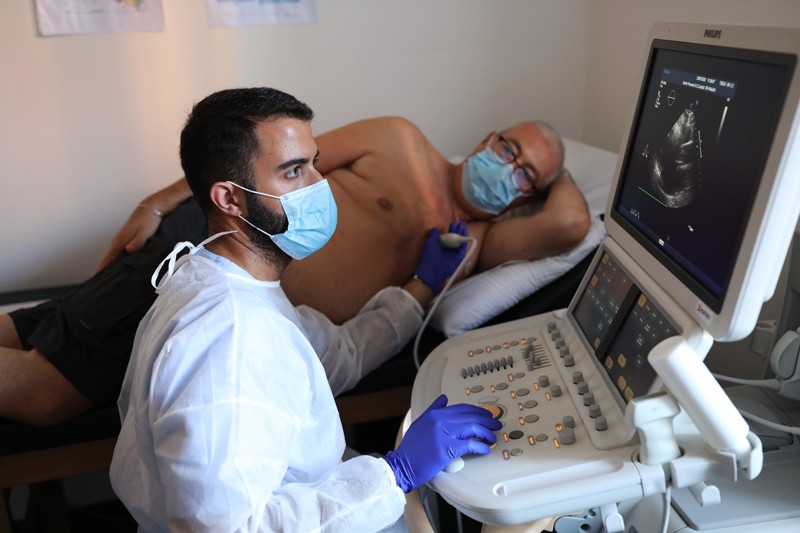
A man with post-COVID fatigue has an ultrasound check at a hospital in Italy.Credit: Marco Di Lauro/Getty
The first evidence2 suggesting that autoantibodies against interferon might put people at higher risk of infectious disease was published in 1984, and evidence has accumulated since then, Casanova says. But now COVID is drawing more attention to the connection. “Now people understand the problem,” he says, “and all of a sudden they realize that what my lab has been doing for 25 years is actually pretty meaningful.”
Casanova is now screening 40,000 people to see how many have pre-existing autoantibodies and determine whether their distribution by age, ancestry and gender matches that of severe COVID.
Other research groups have supported Casanova’s autoantibody connection. Iwasaki, Ring and others screened 194 patients and hospital workers with varying severities of COVID for a wide range of autoantibodies. Their study, which was posted online in December and has not yet been peer reviewed, found a higher prevalence of autoantibodies against the immune system in infected individuals than in uninfected people3. They found autoantibodies that attacked B cells, as well as some that attacked interferon.
But this study also suggested that SARS-CoV-2 might cause the body to generate autoantibodies that attack its own tissues. Some of the infected individuals had autoantibodies against proteins in their blood vessels, heart and brain. This was particularly intriguing because many of the symptoms seen in the pandemic are linked to these organs. It’s unclear whether COVID-19 infection caused the body to start making these autoantibodies or whether infected people had them already. Iwasaki says they are hoping to study other cases to establish whether there is a causal link; that would require obtaining more blood samples from before people become infected.
Researchers have also found autoantibodies against molecules called phospholipids, adds Michel Goldman, an immunologist at the Free University of Brussels and former director of Europe’s Innovative Medicines Initiative. The largest such study, published in November, found that 52% of 172 people hospitalized with COVID-19 had these autoantibodies4. “That’s a real concern,” he says, because some phospholipids are known to have a role in controlling blood clotting, which goes awry in COVID-19.
This month, another study5, not yet peer reviewed, reported finding autoantibodies that might be spurred by COVID-19. David Lee, an emergency-medicine doctor at New York University (NYU) Langone Health, partnered with NYU microbiologist Ana Rodriguez and others to analyse serum samples from 86 people hospitalized with COVID-19. They looked for autoantibodies against proteins such as annexin A2, which is of particular interest because it helps to keep cell membranes stable and ensures the integrity of small blood vessels in the lungs. The researchers found a significantly higher average level of anti-annexin A2 antibodies in people who had died than in those with non-critical illness. As with other studies, it’s still unclear whether these autoantibodies existed before infection with the coronavirus.
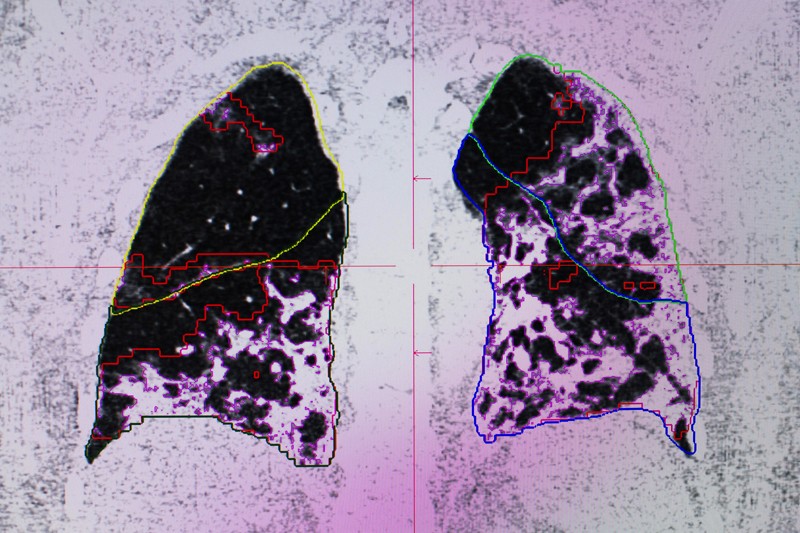
MRI scans, taken in a Paris clinic, show how COVID-19 damaged a patient’s lungs.Credit: Nathan Laine/Bloomberg/Getty
The autoantibody theory might explain some of the delay in the onset of severe symptoms in COVID-19. If evoked by the cellular damage and inflammation stoked by viral infection, as Lee and others think, autoantibodies would take a couple of weeks to build up in the body. This, he says, could be why much of the damage to tissues such as the lungs appears so long after a person develops symptoms such as fever. In this way, autoimmunity might be the real culprit behind the deadly destruction that continues after the coronavirus has cleared. “Clinicians are thinking, ‘Oh, this virus is so deadly, we’ve got to get rid of the virus.’ But then when you talk to the pathologists, they’re like, ‘Yeah, so we’re seeing all this damage, but not seeing much virus,’” Lee says.
An infectious idea
Over the years, scientists have identified numerous instances of infections generating autoimmunity. Some reports suggest that infection with the malaria parasite can cause the body to begin attacking red blood cells, causing anaemia. And Epstein–Barr virus — which causes glandular fever (also known as mononucleosis) — has been implicated in dozens of autoimmune illnesses, including lupus. Finding a rock-solid connection can be tough, because it’s difficult to show whether the infections are the cause of autoimmune disorders or whether they crop up in the body for another reason, says Anish Suri, president of Cue Biopharma, a company in Cambridge, Massachusetts, that is researching therapies to counter autoimmunity.
Strep throat is a well-established example. If left untreated, this illness, which is caused by the bacterium Streptococcus pyogenes, can prompt an autoimmune reaction, known as rheumatic fever, that attacks organs and can lead to permanent heart damage. Other bacteria are also likely to lead to autoimmunity: the stomach bug Helicobacter pylori is thought to cause a disorder called immune thrombocytopenic purpura (ITP), in which the body starts destroying platelets in the blood. In some people with ITP, treatment with antibiotics against H. pylori improves platelet count, suggesting that the drugs help to reverse the autoimmune condition.
Yehuda Shoenfeld, head of the Zabludowicz Center for Autoimmune Diseases in Tel-Hashomer, Israel, suspects that COVID-19 might cause autoimmune disease. Last June, he published an article about COVID-19 and autoimmunity6, and cited an April 2020 case report of a 65-year-old woman with COVID-19 whose platelet count dropped precipitously and who required a platelet transfusion7. Although there is not enough evidence to prove that this was ITP, there have been a few dozen other cases of ITP linked to COVID-19 in the literature8.
Some people might have a genetic predisposition to developing an autoimmune reaction in response to infection. For example, certain individuals have DNA that encodes the immune-system protein HLA-DRB1, which Shoenfeld says is “notorious” for its link to autoimmunity. A related protein, HLA-DQB1, is strongly suspected to have put individuals receiving a now-discontinued vaccine against the H1N1 ‘swine flu’ at risk of developing a form of narcolepsy that is thought to result from an autoimmune attack on neurons in the brain.
Another way pathogens might trigger immunity is if a part of them coincidentally resembles human cell components. For example, S. pyogenes has an ‘M’ protein that mimics certain proteins found in the human heart. This is known as molecular mimicry. In their June 2020 article, Shoenfeld and his collaborators found similarities between numerous short sequences of the SARS-CoV-2 spike protein, which the virus uses to enter the cell, and human proteins. Others caution, however, that this might not have meaningful effects. “This is not to say that mimicry by pathogens is not a real thing,” says Brian Wasik, a virologist at Cornell University in Ithaca, New York. “But most instances of such mimicry have been defined by testing how the pathogens’ proteins actually react to antibodies in the lab.”
Another theory is that inflammation caused by an infection might prime the immune system to mistakenly see the spewed contents of destroyed cells as ‘foreign’ and create autoantibodies against these cellular pieces, says Leona Gilbert, a molecular biologist who is a consultant at a diagnostic company named Te?ted Oy in Finland, which has developed and sells a test for SARS-CoV-2 antibodies. The tissue damage that accompanies inflammation is a recipe for the body to begin attacking itself, Gilbert says: “That just precipitates the whole event in developing autoimmune conditions,” she says.
Lee, the researcher who studied annexin A2, says the evidence that infections can give rise to autoimmunity is not receiving enough attention. “It should make us rethink dozens of diseases, if not hundreds,” he says. “I’m like, ‘How is anybody not seeing this?’”
Rethinking treatments
If an autoimmunity element exists either in predisposing people to COVID-19 or in the fallout from the infection, there might be treatment implications. Casanova says that in cases in which pre-existing autoimmunity against interferon might put people at greater risk of falling ill, then blood tests for autoantibodies, which are becoming more available in research laboratories and university hospitals, could help to identify them.
And if these people become infected with SARS-CoV-2, Casanova suggests, they could receive supplementation as early as is practical with interferon-β, which is not as prone to attack from the immune system as are other interferons. Last November, a preliminary study found that an inhaled form of interferon-β seemed to improve the clinical condition of people with COVID, prompting a larger trial of this therapy9.
Interferon replacements are intended to boost the activity of a weakened immune system. But if autoantibodies attack organs such as the lungs and brain, a blunt strategy for combating them might be to suppress the immune system.
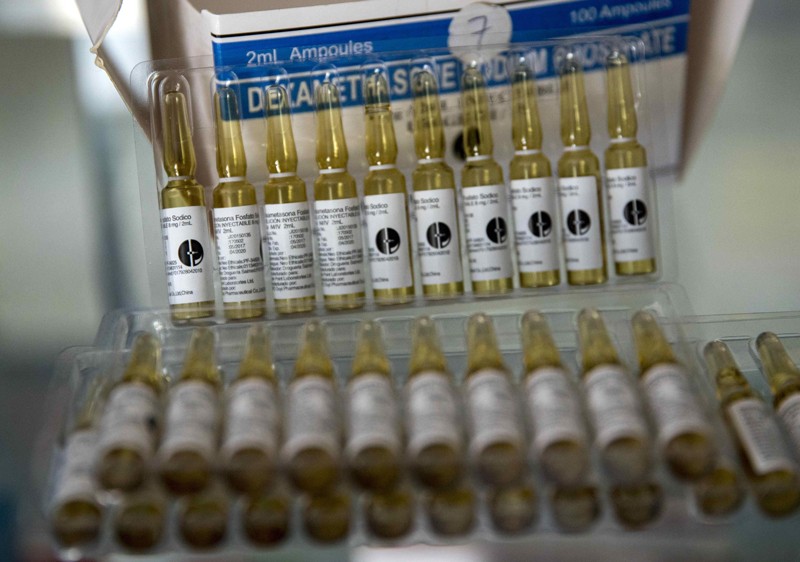
Even before autoantibodies came into focus, the idea that a cytokine storm might be a culprit meant that studies were under way to see whether immunosuppressive steroids such as dexamethasone, or the arthritis drugs tocilizumab and sarilumab, could be used to calm immune systems set awry by COVID. The World Health Organization now “strongly recommends” the use of dexamethasone in severe cases, and the United Kingdom is using the arthritis drugs for people with severe COVID after a clinical trial on 7 January10 suggested that they cut death rates in patients in intensive care.
The immunosuppressive steroid dexamethasone is used to treat people with COVID-19 who are in critical condition.Credit: EFE/Alamy
Physicians emphasize that, whether they are used to quell a cytokine storm or to try to address autoimmunity, administration of the drugs needs to be carefully timed so that they don’t interfere with the body’s battle against SARS-CoV-2. Suri notes that broad-spectrum immunosuppressants make the body more prone to infection. His company is one of a handful conducting preclinical work to develop engineered molecules that go after specific immunity pathways, rather than suppress immunity across the board.
Lee, meanwhile, says that if autoantibodies against annexin A2 and other proteins prove to be a consequence of COVID-19, then it might make sense to study what happens when patients’ plasma is run through a process that clears these antibodies out before returning the plasma.
Scientists are very interested in understanding whether autoimmunity is linked to long COVID, too. “First of all, we don’t know if these autoantibodies contribute to long COVID, but if they do, what is the longevity? How long will they last? How long is the body going to keep producing those antibodies?” Ring says. But answering these questions is a complicated endeavour, because people naturally produce many different kinds of antibody, including autoantibodies.
Ring hopes that research into viruses and autoimmunity will eventually get much-needed answers for individuals with post-viral autoimmunity, which might include those with COVID-19. “These patients are just so frustrated,” he says. “Their physicians don’t believe them and so they get psych referrals. Just to be able to tell these people they have a real disease and here’s what’s causing it — that would be really meaningful.”
It's starting to look as if difficulties in shipping and storing the AstraZeneca-Oxford jab, added to questions about the vaccine's efficacy and reliability, is causing demand to wane not just in the UK, but across Europe.
Early reports claimed that the EU was expecting 100MM doses of the vaccine to be ready during the first quarter of the year. But WSJ's sources said the company may fail to deliver even half that amount, although they stressed that final figures had not been established.
AZN's statement was reminiscent of similar announcements from Pfizer, Moderna and McKesson, which have all struggled with issues tied to production and logistics.
McKesson, the US-based vaccine distributor, revealed the other day that nearly two dozen shipments of its COVID jabs were spoiled in the US after being exposed to too-cold temperatures during shipping, forcing NYC to delay some 23K vaccination appointments across the city's 15 vaccination centers.
And it's practically guaranteed that the growing anxiety among EU member states over the slow start to COVID-19 inoculation compared with some other rich countries, notably the US and UK, have intensified since the start of the year with the UK "mutant" strain having already spread across the Continent, and the world as well.
Fears of the highly transmissible mutated virus spreading across European countries - including Germany, Denmark and Ireland, among others - is forcing them to resort to lockdown conditions once again.
Details of the revised first quarter deliveries to the EU were still being worked out but they could be less than 40MM, several European officials said, which would be well below target.
Part of the reason for the uncertainty is that the provisional timetables were dependent on when the vaccine receives regulatory approval, which could happen next week. It was “not looking good in the short term” for AstraZeneca jab supplies, one European official said.
A second described the proposed shortfall as “significant” while another branded it a “disgrace”, reflecting the growing frustration in Europe over problems with the Covid-19 immunization program. The European Commission said:
“We want to have vaccines as quickly as possible and in line with the agreements.”
A second planned "booster" shot is also seeing more proposed shortfalls.
The EU was offered the first right of refusal for the AZN-Oxford vaccine, first pre-ordering up to 400m doses of the two-shot course (which would cover almost half the region’s 446m population).
Discontent with the AstraZeneca vaccine is causing some European member states to seek out other alternatives, from Russia or China.
Earlier,Hungary leader Viktor Orban,who has been frustrated by Brussels' leadership, signed a deal to do exactly that, signing a major order for vaccines from Chinese company Sinopharm
“We have several million Chinese vaccines we could get tomorrow morning or in a few days.”
As Bloomberg notes,the EU hasn’t approved vaccines from China and Russia, which have disclosed less safety and testing information than their western rivals, though member states have the right to sidestep the bloc’s drugs regulator in emergencies.
Even as deaths and hospitalizations start to slow, we suspect we will we see leaders follow Orban's lead, choose to use rival shots, as the battle royale for world vaccination begins.