Search This Blog

Wednesday, May 5, 2021

New smell test for Parkinson’s, Alzheimer’s and COVID-19

 A new smell test developed by Queen Mary University of London researchers has been found to be easy to use in patients with Parkinson’s disease, and could also be helpful in diagnosing COVID-19 in the broader population.

Smell tests have the potential to support the diagnosis of certain neurological conditions, including Parkinson’s and Alzheimer’s. Unfortunately, these tests are not widely available, expensive, and take too long to administer in routine healthcare settings.

To address this problem, the team developed a novel smell testing kit which uses capsules of aromatic oils placed between two strips of single-sided tape.

To take the smell test, the capsules are simply crushed between the fingers and the tape strip peeled to release the aroma contained within the capsules. Based on a person’s ability to recognise these smells, a score would be generated that can be sent to their GP if they are experiencing a loss of smell.

Lead researcher Dr Ahmed Ismail from Queen Mary’s School of Engineering and Materials Science, said: “Our capsule-based smell test can assist in the rapid diagnostic of various diseases linked to the loss of smell. These include chronic neurological conditions such as Parkinson’s and Alzheimer’s disease, as well as Covid-19, which is known to affect the sense of smell.

“Being non-invasive and less stressful, the capsule-based smell test has benefits over the nose swab in diagnosing Covid-19. This is an advantage for testing children in particular, as they are typically horrified if they need to do a nose swab, and the test can be done in the comfort of their own home.”

The study, published in the journal Royal Society Interface, showed that, in a small group of eight patients with Parkinson’s disease, the smells from the tests were detectable. The participants also cited the relative ease process of rupturing the capsules, particularly for those with tremors, compared to the standard scratch and sniff smell test available on the market.

Dr Ismail added: “Most of the smell tests on the market depend on using paperboard items treated with a fragrant coating called scratch and sniff, in which you need to scratch a card to release the odour. The problem with this approach is that the amount of odour released depends on the extent to which the individual scratches, something that might affect the outcome of the test.

“Our capsule-based smell test doesn’t have this problem because the amount of odour released is controlled by the amount of oil precisely encapsulated. The mass-production of our new test would also be cheaper than a scratch and sniff test.”

Research paper: ‘A novel capsule-based smell test fabricated via coaxial dripping’. A. Said Ismail, Gregory R. Goodwin, J. Rafael Castrejon-Pita, Alastair J. Noyce and Helena S. Azevedo. Royal Society Interface.

EU regulator examines Sinovac’s COVID-19 vaccine

 The European Medicine Agency (EMA) announced Tuesday that it had started the review of COVID-19 vaccines developed by the pharma company Sinovac.

The EU drugs agency’s human medicine committee began the rolling review of the Chinese jab based on preliminary results from laboratory and clinical studies, the EMA wrote in a press release.

The EU regulator will assess if the Chinese jab’s benefits outweigh the risks, and the vaccine’s compliance with EU standards on medicine effectiveness, safety and quality.

The rolling review, which was requested by the producer, is meant to prepare and eventually shorten the ordinary authorization if the pharma company officially applies for an EU marketing license.

However, the EMA said it could not predict a timeline for completing the assessment.

The European Commission suggested on Monday to allow non-EU citizens to travel to the bloc if they are fully immunized by an EMA-approved vaccine.

The proposal is expected to be adopted by EU member states by June at the earliest.

If EMA authorizes the jabs, foreigners vaccinated by Sinovac would be able to travel to the EU without further restrictions in the future.

https://www.aa.com.tr/en/europe/eu-regulator-examines-sinovac-s-covid-19-vaccine/2229004

NYC COVID Variant Doesn't Cause More Severe Disease, Up Reinfection Risk: CDC

 The so-called "NYC variant" of COVID-19 does not appear to cause more severe disease than other versions of the virus, nor does it appear to increase reinfection risk, the CDC said in a new report Wednesday.

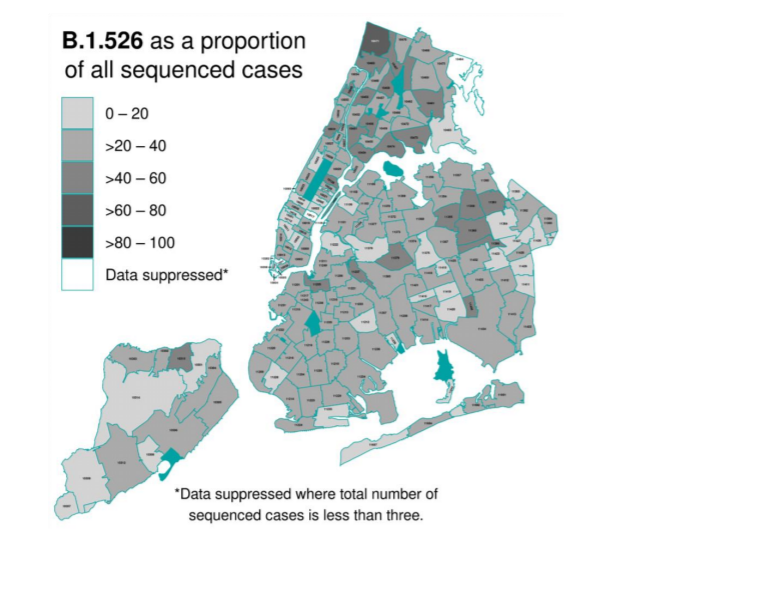
Also known as B.1.526, the variant first appeared in Nov. 2020 in Washington Heights and spread rapidly. By early April, the CDC said, it accounted for 40 percent of all city cases in a representative sample tested by two labs.

For the last few months, the city has warned it was too soon to tell whether this new variant was more dangerous than the "original" COVID, or as or more dangerous than other variants like those found in the UK, South Africa and Brazil.

The CDC's report appears to put at least some of those fears to rest.

"Preliminary evidence suggests that, to date, B.1.526 does not lead to more severe disease or increased risk for infection after vaccination," the CDC said.

The agency added that the presence of a particular mutation in some cases of the NYC variant -- one known to otherwise interfere with antibodies -- did not seem to make this variant any worse either.

"Although the SARS-CoV-2 B.1.526 variant emerged rapidly in NYC, early evidence suggests that this variant, even with the E484K mutation, does not lead to more severe disease and is not associated with increased risk for breakthrough infection
or reinfection compared with other sequenced SARS-CoV-2 viruses," the CDC said.

The NYC variant, along with the U.K. (B.1.1.7), Brazilian (P.1) and South African (B.1.351) strains have proven to all be more transmissible than earlier strains of COVID, which is why they are known as "variants of concern" or "variants of interest."

The B.1.1.7 strain is described as a "variant of concern" because evidence shows it causes more severe infections than earlier strains. It may also be more lethal. The P.1 variant also is considered a variant of concern because evidence shows antibodies from previous infection or from vaccination may be less effective against it.

The B.1.526 and B.1.1.7 variants have been detected in all five boroughs, though the former is slightly more common in the Bronx and parts of Queens. The U.K. strain is slightly more common in southern Brooklyn, eastern Queens and Staten Island.

"To date, reinfection cases and cases in people who were fully vaccinated are rare. It is too early to know if either of these variants are more likely to cause reinfection or vaccine breakthrough compared to other previously circulating variants," Health Commissioner Dr. Chave Chokshi said last month. "The increase in proportion of cases that are variants indicates that they may be more transmissible, so New Yorkers should continue to get vaccinated when eligible and adhere to the Core Four."

washington heights variant
Handout
This map shows detection of the Washington Heights variant.
The South African and Brazilian variants, B.1.351 and P.1., remain less common but the prevalence of each continues to rise nationally. The South African variant has been detected in at least 453 U.S. samples in 36 states, while the P.1. strain has been found in nearly 500 samples in 31 states, the CDC says. Genomic sequencing to detect variants is an exhaustive process. The CDC had only been assessing a small fraction of cases up until recent months; then the presence of more transmissible strains boomed.

New York and New Jersey have stepped up their genomic sequencing efforts as well. The city has sequenced more than 5 percent of specimens from confirmed cases in recent weeks, which is high.

Overall, the three vaccines federally authorized for emergency use nationally are said to be highly effective at reducing severe outcomes and deaths associated with COVID-19; they are also believed to be effective in preventing new infections. Here's everything you need to know about the Big 3, including how effective each is and how they compare.

The hope -- and the plan -- is that increased vaccinations will outpace the spread of variants eventually and that people will adhere to precautions until it does.

Your stomach may be the secret to fighting obesity

 Scientists believe a stomach-specific protein plays a major role in the progression of obesity, according to new research in Scientific Reports. The study co-authored by an Indiana University School of Medicine researcher, could help with development of therapeutics that would help individuals struggling with achieving and maintaining weight loss.

Researchers focused on Gastrokine-1 (GKN1) -- a protein produced exclusively and abundantly in the stomach. Previous research has suggested GKN1 is resistant to digestion, allowing it to pass into the intestine and interact with microbes in the gut.

In the Scientific Reports study, researchers show that inhibiting GKN1 produced significant differences in weight and levels of body fat in comparison to when the protein was expressed.

"While diet and exercise are critical to maintaining a healthy weight, some individuals struggle with weight loss -- even in cases of bariatric surgery, maintaining weight loss can be a challenge," said David Boone, PhD, associate professor of microbiology and immunology at IU School of Medicine, an adjunct professor in the Department of Biology at the University of Notre Dame and a co-author of the study. "These results are an example of how a better understanding of the gut microbiome and the physiological aspects of obesity -- how our bodies regulate metabolism and accumulate body fat -- could help inform new therapies."

Data from the Centers for Disease Control show adult obesity rates have increased to 42.4 percent in the United States. In addition to increasing an individual's risk of stroke, diabetes, certain cancers and other health issues, obesity can also increase the risk of severe illness due to COVID-19.

Boone and his team conducted a microbiome analysis of mouse models with and without the GKN1 protein expressed. Researchers measured food intake, caloric extraction, blood sugar, insulin and triglyceride levels. They used magnetic resonance imagining to monitor body composition. The team also calculated energy expenditure and observed inflammation levels.

Models without GKN1 weighed less and had lower levels of total body fat and higher percentages of lean mass -- despite consuming the same amount of food. When put on a high-fat diet, models without GKN1 showed a resistance to weight gain, increased body fat and hepatic inflammation, which can lead to liver disease. Researchers also found no evidence of adverse effects such as cancer, diabetes, loss of appetite, malabsorption or inflammation -- and results were consistent in male and female models.

While more research is needed to determine the efficacy of blocking GKN1 to prevent obesity, researchers said if proved as a viable solution, such therapies could reduce the burden on health care systems and help improve quality of life for patients.

Story Source:

Materials provided by Indiana University School of MedicineNote: Content may be edited for style and length.


Journal Reference:

  1. Anne-Marie C. Overstreet, Bernadette E. Grayson, Antonia Boger, Danika Bakke, Erin M. Carmody, Cayla E. Bales, Shirley C. Paski, Stephen F. Murphy, Christopher R. Dethlefs, Kara J. Shannon, Katie R. Adlaka, Claire E. Wolford, Vincent J. Campiti, Christina V. Raghunandan, Randy J. Seeley, David L. Boone. Gastrokine-1, an anti-amyloidogenic protein secreted by the stomach, regulates diet-induced obesityScientific Reports, 2021; 11 (1) DOI: 10.1038/s41598-021-88928-8

Better targeted methods to control SARS-CoV-2 spread

 At the beginning of the COVID-19 pandemic, intense social distancing and lockdown measures were the primary weapon in the fight against the spread of SARS-CoV-2, but they came with a monumental societal burden. New research from the Center for the Ecology of Infectious Diseases and the College of Public Health at the University of Georgia explores if there could have been a better way.

Published in the journal Proceedings of the Royal Society B, the research analyzes more palatable alternatives to the kind of social distancing mandates that threw a wrench at how businesses, schools and even family gatherings work. The alternatives -- widespread testing, contact tracing, quarantines, certification for non-infected people and other public health policy measures -- can slow the spread when combined together, but only with significant investments and broad public compliance.

"I understand why government leaders quickly enacted strict social distancing mandates as the COVID-19 pandemic was rapidly spreading in 2020," said lead author John Drake, director of the Center for the Ecology of Infectious Diseases and Distinguished Research Professor in the Odum School of Ecology. "This was the best that we could do at the time. However, school and workplace closures, gathering limits and shelter-in-place orders have had extreme economic consequences. These are harsh, and we really need to find alternative solutions."

Drake worked with other researchers to develop two models. One targeted how to find infected people to limit transmission through active case finding (through testing of at-risk individuals), thorough contact tracing when cases arise, and quarantines for people infected and their traced contacts.

The second model focused on a strategy of limiting exposure by certifying healthy individuals.

"Each model was tested independently and in combination with general non-pharmaceutical interventions (NPIs)," said co-author Kyle Dahlin, a postdoctoral associate with the center.

For this study, those interventions were defined as behavioral or generalized interventions that can be broadly adopted, such as wearing a face mask, hand washing, enhanced sick leave, micro distancing and contactless transactions.

"When we ran the model to evaluate the effectiveness of only using social distancing measures, like workplace closures, after the onset of the first wave, approximately half of the population eventually became infected," said study co-author Andreas Handel, associate professor of biostatistics and epidemiology in UGA's College of Public Health who helped design the models. "When we combined social distancing with general interventions, SARS-CoV-2 transmission was slowed, but not enough for complete suppression."

When they tested the model that actively looked for infection, they found that active case-finding had to identify approximately 95% of infected persons to stop viral spread. When combined with NPIs, like face masks, the fraction of active cases that needed to be located dropped to 80%. Considering that during the first wave of the pandemic in 2020, only 1% to 10% of positive cases were found, such an approach by itself wouldn't work.

The researchers also determined that adding contact tracing and quarantine to active case finding and general NPIs did not drastically change the model's success.

The model that targeted healthy people to limit exposure determined that to successfully control viral spread, SARS-CoV-2 test validity had to occur within a very narrow window of seven to 10 days with a waiting time of three days or less, and NPIs had to be strictly adopted. Otherwise, a large outbreak would occur.

Pej Rohani, Regents' and Georgia Athletic Association Professor of Ecology and Infectious Diseases in the Odum School and College of Veterinary Medicine, said that the models' conclusions indicated the need for continued research.

"These models are important because infectious disease ecologists and epidemiologists need to understand how SARS-CoV-2 transmission can be reduced using measures that do not have extreme societal consequences," he said.

The CEID's research highlighted the importance of a robust and widespread testing program, the general adoption of NPIs like face masks, and targeted measures to globally control the ongoing pandemic. These approaches are still extremely important as vaccines continue to be distributed.

This research was funded by the National Institutes of Health under Award Numbers U01GM110744 and R01GM123007 and R01 GM 12480-03S1.


Story Source:

Materials provided by University of Georgia. Original written by John King. Note: Content may be edited for style and length.


Journal Reference:

  1. John M. Drake, Kyle Dahlin, Pejman Rohani, Andreas Handel. Five approaches to the suppression of SARS-CoV-2 without intensive social distancingProceedings of the Royal Society B: Biological Sciences, 2021; 288 (1949) DOI: 10.1098/rspb.2020.3074

https://www.sciencedaily.com/releases/2021/05/210505113718.htm

Gene therapy in Alzheimer's disease mouse model preserves learning and memory

 Researchers at University of California San Diego School of Medicine, with colleagues elsewhere, have used gene therapy to prevent learning and memory loss in a mouse model of Alzheimer's disease (AD), a key step toward eventually testing the approach in humans with the neurodegenerative disease.

The findings are published online in advance of the June 11, 2021 issue of Molecular Therapy-Methods & Clinical Development.

AD is characterized by the accumulation of clumps of misfolded proteins called amyloid plaques and neurofibrillary tau tangles, both of which impair cell signaling and promote neuronal death. Current AD treatments targeting plaques and tangles address only symptoms, which the study's authors say suggests a reversal and cure of AD will likely require a combination of interventional approaches that both decrease aggregating toxins and promote neuronal and synaptic plasticity.

Gene therapy is based on the premise that introducing a therapeutic compound to a precisely targeted region of the brain may restore or protect normal neural function and/or reverse neurodegenerative processes. In this case, researchers used a harmless adeno-associated viral vector to introduce synapsin-Caveolin-1 cDNA (AAV-SynCav1) into the hippocampus region of three-month-old transgenic AD mice.

The mice had been genetically modified to exhibit learning and memory deficits at 9 and 11 months, respectively. These deficits are associated with decreased expression of Caveolin-1, a scaffolding protein that builds the membranes housing cellular signaling tools, such as neurotrophin receptors that receive the critical extracellular signals, which govern all cellular life and function. With decay and destruction of these membranes, cell dysfunction and neurodegeneration follow.

"Our goal was to test whether SynCav1 gene therapy in these AD mouse models might preserve neuronal and synaptic plasticity in targeted parts of the membrane, and improve higher brain function," said senior author Brian P. Head, PhD, adjunct professor in the Department of Anesthesiology at UC San Diego School of Medicine and research health scientist at the VA San Diego Healthcare System.

And, in fact, that's what happened after mice received a single injection of AAV-SynCav1 to their hippocampus, which is a complex region deep within the brain that plays a major role in learning and memory. In AD, the hippocampus is among the first areas of the brain to be impaired.

At 9- and 11-months, said Head, hippocampal learning and memory in the mice were preserved. Moreover, researchers found that critical membrane structures and associated neurotrophin receptors also remained intact. Furthermore, these neuroprotective effects from SynCav1 gene delivery occurred independent of reducing amyloid plaque depositions.

"These results suggest SynCav1 gene therapy is an attractive approach to restore brain plasticity and improve brain function in AD and potentially in other forms of neurodegeneration caused by unknown etiology," wrote the authors.

Head's laboratory is currently testing SynCav1 gene delivery in other AD models at symptomatic stages as well as in a mouse model of amyotrophic lateral sclerosis (Lou Gehrig's disease). He hopes to advance this work to human clinical trials soon.

The SynCav1 gene therapy is patented through UC San Diego and the Department of Veterans Affairs.

Co-authors include: Shanshan Wang, Joseph S. Leem, Natalia Kleschevnikov, Mehul Dhanani, Kimberly Zhou, Atsushi Miyanohara, David M. Roth, Hemal H. Patel and Piyush M. Patel, VA San Diego Healthcare System and UC San Diego; Paul Savchenko, Isabella C. Kelly, Sonia Podvin, Vivian Hook, Phuong Nguyen, Alexander Kleschevnikov and Steve L. Wagner, UC San Diego; Tong Zhang, Ohio State University; and John Q. Trojanowski, University of Pennsylvania.

Story Source:

Materials provided by University of California - San Diego. Original written by Scott LaFee. Note: Content may be edited for style and length.


Journal Reference:

  1. Shanshan Wang, Joseph S. Leem, Sonia Podvin, Vivian Hook, Natalia Kleschevnikov, Paul Savchenko, Mehul Dhanani, Kimberly Zhou, Isabella C. Kelly, Tong Zhang, Atsushi Miyanohara, Phuong Nguyen, Alexander Kleschevnikov, Steve L. Wagner, John Q. Trojanowski, David M. Roth, Hemal H. Patel, Piyush M. Patel, Brian P. Head. Synapsin-caveolin-1 gene therapy preserves neuronal and synaptic morphology and prevents neurodegeneration in a mouse model of ADMolecular Therapy - Methods & Clinical Development, 2021; 21: 434 DOI: 10.1016/j.omtm.2021.03.021

Our immune systems blanket SARS-CoV-2 spike protein with antibodies

 The most complete picture yet is coming into focus of how antibodies produced in people who effectively fight off SARS-CoV-2 work to neutralize the part of the virus responsible for causing infection. In the journal Science, researchers at The University of Texas at Austin describe the finding, which represents good news for designing the next generation of vaccines to protect against variants of the virus or future emerging coronaviruses.

Previous research focused on one group of antibodies that target the most obvious part of the coronavirus's spike protein, called the receptor-binding domain (RBD). Because the RBD is the part of the spike that attaches directly to human cells and enables the virus to infect them, it was rightly assumed to be a primary target of the immune system. But, testing blood plasma samples from four people who recovered from SARS-CoV-2 infections, the researchers found that most of the antibodies circulating in the blood -- on average, about 84% -- target areas of the viral spike protein outside the RBD -- and, apparently, for good reason.

"We found these antibodies are painting the entire spike, both the arc and the stalk of the spike protein, which looks a bit like an umbrella," said co-corresponding author Greg Ippolito, who is a research associate professor in UT Austin's Department of Molecular Biosciences and an assistant professor of oncology at the university's Dell Medical School. "The immune system sees the entire spike and tries to neutralize it."

Many of these non-RBD-directed antibodies the team identified act as a potent weapon against the virus by targeting a region in a part of the spike protein located in what would be the umbrella's canopy called the N-terminal domain (NTD). These antibodies neutralize the virus in cell cultures and were shown to prevent a lethal mouse-adapted version of the virus from infecting mice.

The NTD is also a part of the viral spike protein that mutates frequently, especially in several variants of concern. This suggests that one reason these variants are so effective at evading our immune systems is that they can mutate around one of the most common and potent types of antibody in our arsenals.

"There's an evolutionary arms race going on between the virus and our immune systems," said Jason Lavinder, research associate in the McKetta Department of Chemical Engineering and co-corresponding author of the new study. "We're all developing a standard immune response to this virus that includes targeting this one spot and that's exerting selective pressure on the virus. But then the virus is also exerting its evolutionary strength by trying to change around our selective immune pressures."

Despite these maneuvers by SARS-CoV-2, the researchers said about 40% of the circulating antibodies target the stalk of the spike protein, called the S2 subunit, which is also a part that the virus does not seem able to change easily.

"That's reassuring," Ippolito said. "That's an advantage our immune system has. It also means our current vaccines are eliciting antibodies targeting that S2 subunit, which are likely providing another layer of protection against the virus."

That's also good news for designing vaccine boosters or next-generation vaccines against variants of concern, and even for developing a vaccine that can protect against future pandemics from other strains of the coronavirus.

"It means we have a strong rationale for developing next-generation SARS-CoV-2 vaccines or even a pan-coronavirus vaccine that targets every strain," Ippolito said.

UT Austin researchers are among several in the world now aiming to develop a single coronavirus vaccine to fight infection from all coronaviruses, not just SARS-CoV-2.

The first author of the study is William Voss, a graduate student at UT Austin. In addition to Lavinder and Ippolito, senior authors from UT Austin are Jimmy Gollihar, Ilya Finkelstein, Brent Iverson, Jason McLellan and George Georgiou. Georgiou and Ippolito are also affiliated with UT Austin's Dell Medical School. Gollihar is also affiliated with the Army Research Laboratory South.

Collaborating institutions are the University of North Carolina at Chapel Hill, the U.S. Army Medical Research Institute of Infectious Diseases and the Centers for Disease Control and Prevention.

This research was funded in part by the National Institutes of Health, the Clayton Foundation and the Welch Foundation.


Story Source:

Materials provided by University of Texas at AustinNote: Content may be edited for style and length.


Journal Reference:

  1. William N. Voss, Yixuan J. Hou, Nicole V. Johnson, George Delidakis, Jin Eyun Kim, Kamyab Javanmardi, Andrew P. Horton, Foteini Bartzoka, Chelsea J. Paresi, Yuri Tanno, Chia-Wei Chou, Shawn A. Abbasi, Whitney Pickens, Katia George, Daniel R. Boutz, Dalton M. Towers, Jonathan R. McDaniel, Daniel Billick, Jule Goike, Lori Rowe, Dhwani Batra, Jan Pohl, Justin Lee, Shivaprakash Gangappa, Suryaprakash Sambhara, Michelle Gadush, Nianshuang Wang, Maria D. Person, Brent L. Iverson, Jimmy D. Gollihar, John Dye, Andrew Herbert, Ilya J. Finkelstein, Ralph S. Baric, Jason S. McLellan, George Georgiou, Jason J. Lavinder, Gregory C. Ippolito. Prevalent, protective, and convergent IgG recognition of SARS-CoV-2 non-RBD spike epitopesScience, 2021; eabg5268 DOI: 10.1126/science.abg5268