Iran threatened to disrupt regional air travel if its airlines lose access to flights and airport services, as Iraq's Najaf, Erbil and Sulaimaniya joined other destinations restricting Iranian connections under mounting US sanctions pressure.
“If Iran cannot fly and receive airport services, no country in the region will have that possibility either,” supreme leader adviser Mohammad Mokhber wrote in a post on Friday. He did not explain how Tehran would enforce the threat.
His remarks echoed Supreme National Security Council secretary Mohsen Rezaei, who warned Wednesday that neighboring airports would be unable to operate if they cooperated with Washington’s campaign. Rezaei also warned neighboring countries against joining further US military action.
Airports in Najaf, Erbil and Sulaymaniyah have suspended flights to and from Iran, further narrowing air links with Iraq following restrictions at Baghdad airport. Najaf’s suspension took effect at 2 a.m. Friday until further notice, closing an alternative Iranian authorities had considered for diverted Baghdad-bound services.
Flying to or from Iran? What to know as US pressure squeezes air links
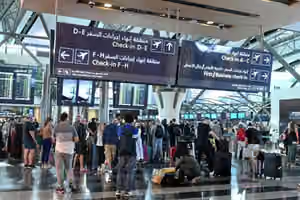
Iran warns it would disrupt regional airports if its flights are barred
Flights to Baghdad and Muscat were canceled on September 23. Iraqi aviation sources told Reuters that Baghdad’s suspension followed government instructions; Iranian aviation spokesman Majid Akhavan said Tehran was discussing Muscat’s restrictions with Oman.
The UAE suspended Iranian airlines’ flights Thursday, explicitly citing US sanctions. Azerbaijan halted services by Iranian carriers Tuesday, while affected airlines stopped flying to Georgia from September 21.
A Tehran-Dushanbe flight also turned back Thursday after Turkmenistan denied permission to cross its airspace. Mahan Air suspended Turkey and Oman services; travel agencies said it had lost ground-handling access in Turkey.
Washington sanctioned 36 aviation-related targets on September 8, including 27 carriers it described as Iran’s remaining unsanctioned airlines and three Turkey-based companies accused of serving Mahan. Treasury says Iranian aviation networks transport weapons, military personnel and illicit cargo.
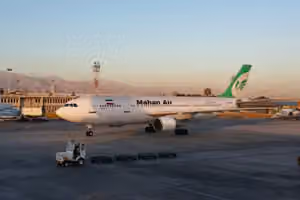
Iran cancels Baghdad, Muscat flights as regional restrictions tighten
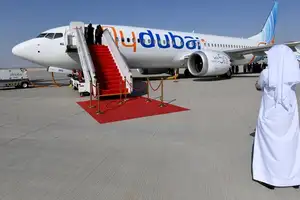
UAE says it suspended Iranian airline flights over US sanctions
Treasury Secretary Scott Bessent warned that foreign airports, fuel suppliers, ground handlers and ticket sellers servicing sanctioned carriers risked US penalties, including exclusion from the dollar system. He said Iranian airlines would effectively lose international operations from September 23.
Those measures do not automatically close foreign airspace. Their effect depends on governments and service providers, and some flights continued. Bloomberg reported at least six departures Wednesday to destinations including Bangkok, Phuket, Shanghai and Kabul.
Foreign carriers have separately withdrawn services. Turkish Airlines told Iran International it had no Iran flights scheduled before March 2027, with no guaranteed restart. Earlier Iranian announcements of continuing Istanbul flights referred to other carriers.
Iranian lawmaker Mahmoud Nabavian called Iraq’s government an American “puppet” and warned of a response from Iraqis after Iranian flights to Baghdad and Najaf were suspended.
— Iran International English (@IranIntl_En) September 25, 2026
“The free and proud people of Iraq will certainly respond,” said Nabavian, a member of parliament’s… pic.twitter.com/qnR4HkvIe8
Emirates no longer serves Tehran. Lufthansa and Austrian suspended Iran flights through October 24, while Qatar Airways cited airspace restrictions and tentatively listed November 29 for resumption. Those dates remain uncertain.
Four travel agencies contacted September 21 reported unavailable services across several other routes. Some Pegasus bookings were subsequently canceled, although booking-platform listings were not guarantees of operation.
The disruption affects family visits, business and pilgrimage to Najaf and Karbala. Agencies described travelers flying to Turkey, then taking roughly 17 hours by bus to Van and another 16–17 hours onward to Tehran, excluding border delays.
The UAE also barred Bank Melli branches from Iran-related transactions Wednesday, including trade finance and transfers.

Rezaei linked the aviation warning to Tehran’s broader negotiating position, giving Washington four to five days to accept conditions already sent to mediators before talks or Hormuz’s reopening. He did not list them, saying Foreign Minister Abbas Araghchi would convey them again in New York, and presented control of the strait as negotiating leverage.

No comments:
Post a Comment
Note: Only a member of this blog may post a comment.