Search This Blog

Tuesday, May 22, 2018

CVS-Aetna, Cigna-Express Scripts mergers would spur massive Part D consolidation

Planned mergers between major health companies could lead to a serious anticompetitive landscape, a new analysis finds.
The proposed mergers of Cigna-Express Scripts and CVS Health-Aetna would further consolidate the Medicare Part D marketplace, research by the Kaiser Family Foundation found. The merged entities, plus Humana and UnitedHealth, would cover 71% of all Part D beneficiaries.
That type of dominance in the Part D market is comparable to Verizon and AT&T’s command of the wireless carrier industry. Those two companies occupy about 69% of the market, according to Statista.

Currently, three companies—UnitedHealth, Humana and CVS—already account for more than half of the program’s 43 million beneficiaries.
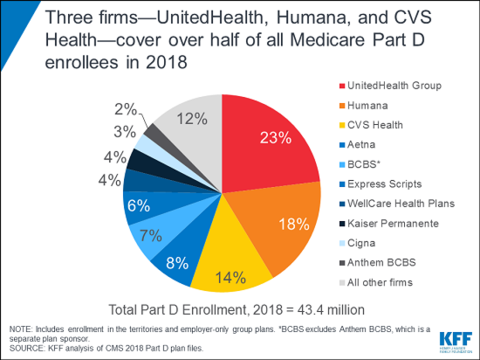
Kaiser Family Foundation
Critics of the mergers, including the American Medical Association, have said the deals, particularly CVS-Aetna, pose anticompetitive concerns, “unique to vertical mergers,” as new competitors would have to enter the market in both insurance and PBM to compete with the combined CVS-Aetna.
We continue “to strongly encourage state and federal officials to rigorously review the proposed mergers between pharmacy benefit managers and health insurers given the potential negative impact on pharmaceutical benefit management services, local health insurance markets, as well as local retail pharmacy markets, which in turn can harm consumers in these markets,” David O. Barbe, president of AMA, told FierceHealthcare in an email. “Close scrutiny is needed to determine if the ramifications of these massive mergers will threaten the benefits of competition, including increased access and choice, lower prices and higher quality care for patients.”
The companies, however, have argued that the deals will allow for more integrated care and will increase competition in the PBM sector, and lower drug costs for patients.
The Trump administration is pushing for more competition in the Part D market as part of a drug pricing blueprint, seemingly putting the mergers at odds with the White House’s vision.

The Department of Justice is currently reviewing the $69 billion deal between CVS and Aetna and has given few clues on whether the transaction will be approved. With its business-friendly approach, one might expect the White House to be more open to such a deal than the Obama administration, which blocked the Anthem-Cigna and Aetna-Humana deals.
However, the Trump administration’s decision to block the AT&T-Time Warner deal could indicate the proposed healthcare mergers might ultimately be too big, and too anticompetitive, to approve.

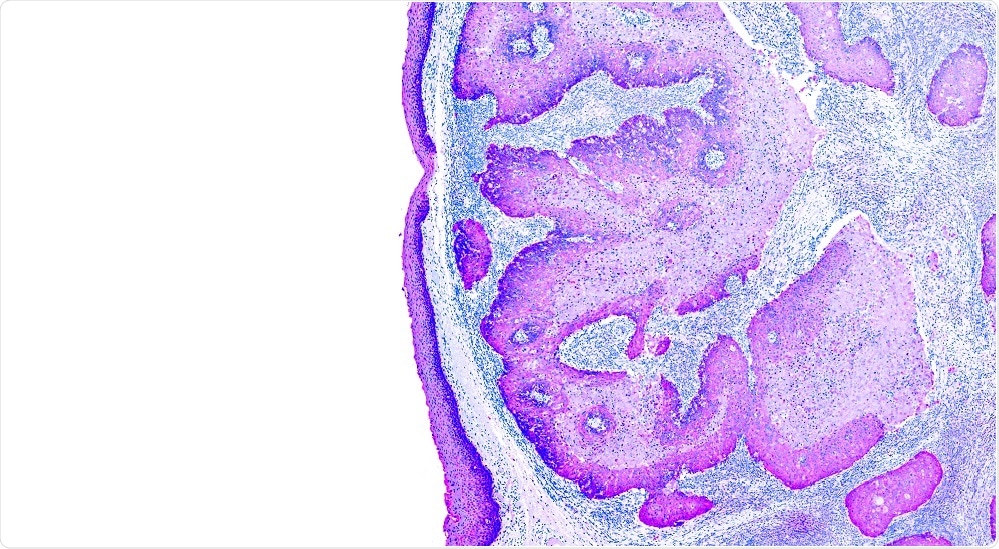
Protein linking Parkinson’s, TB could spur better drugs for both

A team of scientists has discovered that an immune mechanism that clears bacterial infections may also play a role in causing Parkinson’s disease. The findings clarify the role of the protein LRRK2 in tuberculosis, suggesting that it behaves similarly in Parkinson’s. This new insight could pave the way for improved treatments for both diseases.
Mutations in the LRRK2 gene have been fingered in a range of diseases, including Crohn’s, ulcerative colitis and leprosy, in addition to tuberculosis (TB) and Parkinson’s. And while an LRRK2 mutation is common in Parkinson’s patients and LRRK2 blockers are showing promise against it, just how the mutation causes disease is poorly understood.
Researchers from the Francis Crick Institute, GlaxoSmithKline and Newcastle University studied LRRK2 in human and mouse macrophages—immune cells that seek and destroy bacteria. The macrophages were infected with Mycobacterium tuberculosis (Mtb). Combining genetic, pharmacological and proteomics approaches, they found that LRRK2 prevents a crucial step in eliminating bacteria.
Blocking or deleting LRRK2 in the macrophages remedied this and reduced levels of Mtb. Knocking out the LRRK2 gene in mice worked similarly—treated mice mounted a better early immune response to TB infection and had less Mtb in their lungs up to two weeks after infection, compared to control mice. The study appears in the EMBO Journal.
The findings might explain how LRRK2 inhibitors, such as those in development at Denali, could treat Parkinson’s. “We think that this mechanism might also be at play in Parkinson’s disease, where abnormal masses of protein called ‘Lewy bodies’ build up in neurons in the brain and cause damage,” said Susanne Herbst, joint first author of the paper and post-doctoral fellow at the Crick Institute, in a press release.
This insight could shift the focus in Parkinson’s research for the better: “The dogma in the Parkinson’s field has been to focus almost exclusively on what is happening to neurons in the brain to make them degenerate,” said co-author Patrick Lewis, an associate professor in cellular and molecular neuroscience at the University of Reading, in the statement. “This study reinforces why we should think more broadly about the events that cause neurodegeneration, and that some of the answers to Parkinson’s disease might come from immunology,”
LRRK2 drugs developed for Parkinson’s could be repurposed for TB, said Max Gutierrez, Group Leader at the Crick. With drug-resistant TB on the rise and Bacille-Calmette-GuĂ©rin (BCG), the only WHO-approved TB vaccine, showing variable efficacy in adults, there is always room for new treatments. For example, a new antibiotic discovered in Italian soil could come in handy against bacteria that have become resistant to rifampin, a first-line drug used to treat TB.
“LRRK2 inhibiting drugs are already being developed to treat Parkinson’s disease and we’re trying to see if we can repurpose them as a potential new TB therapy. This should be relatively straightforward because TB infects the lungs, so the LRRK2 inhibitors wouldn’t need to cross the blood-brain barrier like they do in Parkinson’s disease,” Gutierrez said.

Injectable bandage can stop fatal blood loss, activate wound healing

While several products are available to quickly seal surface wounds, rapidly stopping fatal internal bleeding has proven more difficult. Now researchers from the Department of Biomedical Engineering at Texas A&M University are developing an injectable hydrogel bandage that could save lives in emergencies such as penetrating shrapnel wounds on the battlefield.
The researchers combined a hydrogel base (a water-swollen polymer) and nanoparticles that interact with the body’s natural blood-clotting mechanism. “The hydrogel expands to rapidly fill puncture wounds and stop blood loss,” explained Akhilesh Gaharwar, Ph.D., assistant professor and senior investigator on the work. “The surface of the nanoparticles attracts blood platelets that become activated and start the natural clotting cascade of the body.”
Enhanced clotting when the nanoparticles were added to the hydrogel was confirmed by standard laboratory blood clotting tests. Clotting time was reduced from eight minutes to six minutes when the hydrogel was introduced into the mixture. When nanoparticles were added, clotting time was significantly reduced, to less than three minutes.
In addition to the rapid clotting mechanism of the hydrogel composite, the engineers took advantage of special properties of the nanoparticle component. They found they could use the electric charge of the nanoparticles to add growth factors that efficiently adhered to the particles. “Stopping fatal bleeding rapidly was the goal of our work,” said Gaharwar. “However, we found that we could attach growth factors to the nanoparticles. This was an added bonus because the growth factors act to begin the body’s natural wound healing process-;the next step needed after bleeding has stopped.”
The researchers were able to attach vascular endothelial growth factor (VEGF) to the nanoparticles. They tested the hydrogel/nanoparticle/VEGF combination in a cell culture test that mimics the wound healing process. The test uses a petri dish with a layer of endothelial cells on the surface that create a solid skin-like sheet. The sheet is then scratched down the center creating a rip or hole in the sheet that resembles a wound.
When the hydrogel containing VEGF bound to the nanoparticles was added to the damaged endothelial cell wound, the cells were induced to grow back and fill-in the scratched region-; essentially mimicking the healing of a wound.
“Our laboratory experiments have verified the effectiveness of the hydrogel for initiating both blood clotting and wound healing,” said Gaharwar. “We are anxious to begin tests in animals with the hope of testing and eventual use in humans where we believe our formulation has great potential to have a significant impact on saving lives in critical situations.”

DNA vaccine shows promise for colorectal cancer

For the first time in humans, researchers are testing a combined approach to treating advanced stage colorectal cancer (CRC) that may be life-changing for patients.
Image Credit: Carl Dupont/Shutterstock.com
The approach combines a DNA vaccine that boosts the body’s immune response to tumors, with an antibody that inhibits its natural defence against the vaccine.
Once cancer has spread to other parts of the body, patients with CRC have few other viable options; therefore, this treatment could be life-changing for these patients.”
Toan Pham, Study Author, The University of Melbourne
The preliminary research that has led up to the phase 1 trial will be presented at Digestive Disease Week 2018.
In previous studies, immunotherapies have failed to prove effective because the body blocks the cancer-fighting immune response that vaccines stimulate to protect against the risk of an out-of-control immune response.
Combining new immune checkpoint blockade antibodies with the vaccine could overcome this hurdle by temporarily blocking the protective response.
We are on the cusp of testing something that could be transformative for cancer treatment. Cancer vaccines are getting closer to the clinic every day and are likely to provide a safer and more effective pillar of treatment for patients.”
Robert Ramsay, Lead Author, The University of Melbourne
In preliminary studies using mice that were induced to develop cancer cells, the vaccine was able to cure cancer in around half of the animals.
Mice that had been expected to live for only a few days or weeks survived for up to two years in around 50% of cases.
Furthermore, mice that were cured developed “immune memory” and immediately rejected the tumor cells when they were re-introduced.
The researchers are now testing the safety of the approach in a phase 1 trial including 32 participants with advanced stage CRC. If the regimen is shown to be safe, all patients in the trial will be allowed to receive the full treatment.

Deadly Black Lung Disease Resurgent Among Coal Miners

Despite stricter rules aimed at reducing dust levels from coal extraction, there has been an increase in incidence of a particularly deadly form of black lung disease among the nation’s coal miners, researchers reported here.
The confirmation of an increase in progressive massive fibrosis (PMF) across the coal mining industry follows several reports of outbreaks in isolated coal mining regions, including a 2016 CDC report of 60 PMF cases identified at a single radiology clinic in eastern Kentucky.
Earlier this year, the National Institute for Occupational Safety and Health reported more than 550 cases of PMF occurring in three clinics in southwestern Virginia since 2013 — the largest cluster of advanced black lung disease ever reported in the U.S.
The newly reported analysis of U.S. Department of Labor data on coal miners collected since 1970 identified 4,679 cases of PMF, with half occurring among miners presenting for evaluation after 2000.
The analysis was presented May 22 at ATS 2018, the annual international conference of the American Thoracic Society.
“We have known about the clusters of PMF cases, but this study represents the first systematic attempt to assess the burden of PMF in former miners,” the study’s lead researcher, Kirsten Almberg, PhD, of the University of Illinois at Chicago, told MedPage Today.
The data show a significant increase in cases during the past 2 decades, relative to the previous 20 to 30 years, her team found.
In 2014, the Mine Safety Health Administration lowered acceptable breathable dust levels at coal mines from 2.0 to 1.5 per cubic meter of air. Almberg said the resurgence in PMF may reflect mine conditions before these stricter standards went into effect.
The change may also be influenced by changes in mining practices in recent decades, she said. Current mining practices, such as surface mining, typically expose miner to high levels of rock dust, including crystalline silica dust. “Silica is much more toxic to the lung than coal dust. And it is now profitable to sort out coal from rock, so that is increasingly part of the process.”
In an effort to better understand the impact of silica dust exposure on the PMF resurgence, Almberg and colleagues are now conducting a study to compare the mineral composition of lung dust from biopsied or extracted tissue of contemporary miners with PMF with stored lung autopsy samples from miners who died of black lung disease 40 or 50 years ago.
“Once we start analyzing the samples, we should be able to see if the silica levels are significantly higher.”
Despite the cause, the resurgence in PMF is alarming: “This is a totally preventable disease,” Almberg said. “If you don’t have the dust exposure, you won’t get the disease. So every case of PMF is a failure of the system to protect these coal miners.”
Another of the co-authors, Robert Cohen, MD, of the University of Chicago, discussed recent clusters of PMF among coal miners in a separate session at the conference devoted to lung disease risks associated with energy extraction.
“We are seeing resurgent coal mine lung disease, and it’s not a relic of the past or something we learned about in medical school,” he said.
Active surveillance has not been particularly effective in identifying PMF cases, in part because participation in federally mandated surveillance programs is low among active coal miners, he noted.
“We are finding many of these cases after people have been laid off or after the mine in their area has closed. People don’t participate because of fear of job loss and fear of knowing. And sometimes there is a certain amount of mistrust of the government and government programs.”
The researchers recently linked black lung compensation claims to surveillance data from the Coal Workers Health Surveillance Program to see if people who applied f0r benefits at the end of their careers had participated in the surveillance program while they were still working in the mines. The results showed that 39% of miners who applied for black lung benefits had never participated in surveillance during their careers.
Also at the session, a fourth-generation coal miner, William “Cotton” Jarrell of Peabody Energy, a Fortune 500 coal company, who now works in mining safety, addressed the challenge of getting miners to seek medical attention: “We don’t want to know, so a lot of us just don’t go to doctors,” he said.
“You can help us by not letting us cancel appointments. Instead of having a receptionist do it, the doctor should pick up the phone and call us with a simple ‘Hey buddy, I need you to get in for this appointment.’ That would make a huge difference. And if that doesn’t work call our wife. She’ll get us in there. And as a last resort, call and tell us you’re disappointed. We hate to disappoint people. If you tell us you’re disappointed that we missed an appointment, I guarantee you we will make the next one.”

When Preventive Care Becomes Upselling

For many years, I’ve held a brief huddle with my team every morning to make sure we are ready for the day: Anybody with complex problems coming in today? Anybody who’s been in the ER? How is Mrs. Jones’s husband over at the nursing home; is she worried about his condition? Where can we squeeze in more add-ons?
Now other people have tried to hijack the word “huddle” for a completely different purpose. They want to use it to slow us down instead of helping get us get through the avalanche of issues we’re already expecting. In my other office, they call it pre-visit planning. It’s not about having the MRI result available or the recent ER note, but more about who is behind on some aspect of their health maintenance and (unsuspectingly) expecting just a sore throat visit, but consistently avoiding their diabetes followup visits?
My veterinarian colleagues handle this differently. They just send a postcard at random times or hand me a paper, usually part of my exit statement, as I recall, that says which critter is due for what. But in that case, I’m already safely close to the door, and nobody is expecting me to act on it in that instant.
In human medicine, our quality ratings, and soon our paycheck, will depend on how effectively we convince patients to get caught up on their prescribed health maintenance.
In the retail world, they call that upselling. When I stop at a 24-hour gas station and buy some coffee for my long trip between my two offices, they always ask if I want some donuts or chips with that, maybe a banana or whatever. It’s the same thing at the hardware store, if I buy a flashlight, they ask if I need spare batteries, and so on.
How fair is that to our patients?
I remember seeing a video about the hijacked kind of huddle, where the doctor and medical assistant almost gleefully talk about how to convince a noncompliant female patient to have her overdue Pap smear when she is only expecting something much less involved.
And all the while we are supposed to be patient-centered and respect each patient’s own agenda. Too bad not everyone else has to.
Hans Duvefelt, MD, is a family physician who blogs at acountrydoctorwrites.com.

Zimmer cleared for 1st 3D-manufactured titanium spinal implant

Zimmer Biomet Holdings announced it has received 510 clearance from the FDA for its Zyston Strut Open Titanium Interbody Spacer System. This marks Zimmer Biomet’s first titanium spinal implant manufactured via a 3D printing process. The Zyston Strut Open Titanium System is a family of lumbar cages designed to enhance the strength, graft capacity and visualization of the interbody spacer in spinal fusion cases.