Search This Blog

Tuesday, December 18, 2018

Alcohol Abuse After Bariatric Surgery Common


Individuals who undergo bariatric surgery, particularly Roux-en-Y gastric bypass (RYGP), have a significantly increased risk of developing a substance use disorder (SUD), in particular alcohol usedisorder (AUD), new research shows.
The increased risk is not observed until after the first postoperative year, and risk factors include a preoperative history of substance use, especially alcohol; younger age; male sex; and smoking, said lead investigator Cameron Risma, MD, Pine Rest Christian Mental Health Services, Grand Rapids, Michigan.
In addition, people who chronically used opiates before the surgery tend to continue chronic use after surgery, Risma said.
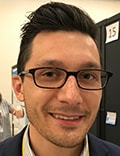
Dr Cameron Risma
“We got the idea to study substance use disorders after bariatric surgery because we see a lot of it in our detox program at Pine Rest. It’s common. People come in years after surgery, and they never realized that this was an issue,” he told Medscape Medical News.
The findings were presented here at the American Academy of Addiction Psychiatry (AAAP) 29th Annual Meeting.

Fivefold Increased Risk

For the study, investigators conducted a PsychINFO and Web of Science search for articles published from 1996 to 2018 on the relationship between gastric bypass surgery and SUD.
They found that a 2013 prospective study that followed more than 4000 obese patients showed those who underwent bariatric surgery were nearly five times more likely to receive a diagnosis of alcohol abuse during a follow-up period of 8 to 22 years.
Another 2012 prospective study that followed almost 2500 bariatric surgery patients showed a significantly increased prevalence of symptoms of AUD during the second postoperative year compared to the first postoperative year (9.6% vs 7.3%).  There was no difference between the year immediately before (7.6%) or after (7.3%) the surgery.
The same study identified preoperative variables independently associated with increased risk of developing an AUD after bariatric surgery.  These included previous AUD, regular alcohol use (defined as >2 drinks per week), smoking, recreational drug use, male sex, RYGB, younger age, and low sense of belonging.
Two systematic reviews showed that approximately 8% of patients were chronic opiate users at the time of surgery, and that most continued using opioids in the year following surgery.
However, use of other substances after bariatric surgery remained unchanged.
Three hypotheses have been proposed to account for the link between bariatric surgery and addiction, Risma said.
“No one really knows exactly why, but one hypothesis is this idea of addiction transfer.  Binge eating can lead to obesity, so you get addicted to food. But after you have surgery, you can’t binge on food anymore so you turn to something else which happens to be a substance, to replace food. The idea is that you are using a substance to cope with a negative emotional state,” Risma said.
The next hypothesis is based on neurobiological mechanisms, supported by evidence from PET scans, which have shown similarly reduced D2 receptors in both pathologic obesity and addiction.
“It is possible that reduced striatal D2 receptors predispose an individual to search for strong dopaminergic reinforcement as a compensatory mechanism for dopamine hyposensitivity. This dopamine-based hypothesis is supported by neuroimaging studies showing that a rapid dopamine release is produced both by binge eating and IV alcohol infusion,” the authors write.
The third hypothesis is based on pharmacokinetic changes after RYGB, leading to a hypersensitivity to alcohol’s reinforcing effects.
“This is really interesting,” Risma said. “After Roux-en-Y gastric bypass, you get a hypersensitivity to alcohol’s effects, where even a small amount of alcohol can achieve very high blood alcohol concentrations.
“One drink can put you over the legal limit in less than 15 minutes, so it reaches a higher blood alcohol content and it takes longer for the alcohol to get out of your system. Some people report that even after a few sips they can feel a buzz. They go back to drinking the same amount, they get more drunk, and they can become addicted that way,” he said.
These changes are only observed in RYGB, and no other bariatric surgeries such as gastric banding or sleeve gastrectomy, Risma said.
“The results of our survey show that it’s primarily alcohol that becomes the substance of abuse,” he added. “But clinically, I’ll tell you, we see a lot of opiate use in our detox unit. This is something we would to like to investigate going forward, because we are seeing so much of it. People who have surgery have chronic pain, they can’t get off their opioids, and they come to us addicted and needing withdrawal and treatment afterwards.
“We would like to work with local bariatric surgical centers and ask how they are identifying people based on the risk factors we found in our survey, and then once they are identified, ask how they are treating them. Are you offering them classes, are you following up with them more often? We think that’s an area where we can make a clinical impact.”

A Growing Problem

Commenting on the findings for Medscape Medical News, Cornel N. Stanciu, MD, assistant professor of psychiatry, Geisel School of Medicine at Dartmouth College, Hanover, New Hampshire, said the number of individuals undergoing bariatric weight loss procedures is expected to grow by 6% to 8% annually in the coming years.
“Positive outcomes can be quite striking. However, there are certain aspects which could worsen or emerge. With both obesity and addictions being stigmatized and overlooked as disorders of poor self-control, with perhaps common genetic, behavioral, social, neurobiological and pharmacokinetic factors, one emerging issue noted has been the association of bariatric surgery with development of postoperative addictions,” Stanciu said.

Dr Cornel Stanciu
As with other surgeries, the biggest focus has been on limiting opioid use to prevent addictive tendencies, but here the biggest association seems to be with the development of risky alcohol use, he added.
“Some studies report this rate to be as high as 21% when the procedure is done via the RYGB method, and 11% when banding is done,” Stanciu said.
The finding of a delay in developing alcohol abuse patterns a year after surgery has significant implications. Historically, the most rigorous follow-up and aftercare occur immediately after the procedure and tapers off throughout the coming years.
“In an era that is shifting towards the ambulatory setting, providing prolonged aftercare and monitoring may present challenges,” he added.
Identifying factors that predispose individuals to alcohol abuse after their bypass should prompt implementation of additional safety nets, Stanciu said.
“Here, they found [that patients with] a history of alcohol use, undergoing the RYGB type of procedure, young age, male gender, and smokers may be predisposed. It’s important to implement better screening focused on these risk factors, as well as a more robust pre- and post-surgical education and closer follow-up.
“Also, because alcohol problems may not appear for years after the procedure, it is critical for all clinicians involved in the care of bariatric surgery patients to proactively assess alcohol consumption and be able to intervene early,” he said.
However, he added, the frequency of RYGB is decreasing, he noted.
“Initially, RYGB was more popular than banding as it led to more drastic weight loss. However, newer approaches such as sleeve gastrectomy and endoscopic modalities are rapidly taking over. Whether these may have a greater association with alcohol and other addictive behaviors is a great unknown at this time,” Stanciu said.
Dr Risma and Dr Stanciu have disclosed no relevant financial relationships.
American Academy of Addiction Psychiatry (AAAP) 29th Annual Meeting: Poster 15. Presented December 9, 2018.

Readmissions High After Endovascular Therapy for Stroke


Patients undergoing endovascular therapy for acute ischemic stroke have a high rate of 30-day non-elective hospital readmission, although no higher than those receiving thrombolysis alone, a large cohort study suggests.
“As endovascular therapy for stroke has now shown benefits in several randomized trials its use is going to grow. We wanted to look at real-world data on readmissions to see if this showed any unexpected hazards,” senior author Deepak Bhatt, MD, Brigham and Women’s Hospital, Boston, Massachusetts told Medscape Medical News.
“Our key message is that we did not find any hazard of this invasive procedure in terms of excess admissions — that is reassuring,” he added.
The study was published online December 10 in JACC: Cardiovascular Interventions.
However, the author of an accompanying editorial, Salvador Cruz-Flores, MD, Texas Tech University Health Sciences Center, El Paso, suggests that the data could raise questions about the effectiveness of endovascular therapy in the real world.
“While on one hand, you could say that the data are reassuring in that they do not show an increase in readmissions with this invasive procedure, but surely as the randomized trials have shown a clinical benefit with endovascular therapy, you would expect readmission rates to be lower,” he commented to Medscape Medical News.
“Readmissions because of infections, cardiac causes, and recurrent strokes occur more frequently after severe strokes,” he added. “We can’t say anything for sure from this administrative data as it doesn’t provide clinical information on stroke severity and the neurologic deficit on discharge, but I do think these data raise the question of whether the benefit of endovascular therapy seen in randomized trials is translated into the real world.”
Bhatt responded: “We were not looking at acute outcomes in this study. The randomized trials have already done that and shown benefits for endovascular therapy in selected groups of patients.”
“But this is an invasive treatment and we wanted to look in the real world to see if that might be associated with an increase in complications producing an increase in readmissions,” he said. “But after propensity matching to adjust for the severity of illness in the patients we didn’t see any hazard of endovascular therapy in this respect. I would say that this is more supportive data for endovascular therapy for stroke and no reason to restrict its role.”
“The majority of readmissions in these patients are from infection or cardiac causes which would not have been influenced by which stroke therapy was used,” Bhatt added. “They would have happened anyway, and readmission from recurrent stroke or transient ischemic attack [TIA] (which only accounted for 14% of readmissions) were lower in the endovascular group. That fits in with randomized data.”

Better Secondary Prevention Needed

But what is more worrying, Bhatt said, is the finding that 12% (one in eight) patients had a non-elective readmission within 30 days, with the most common cause being infection, cardiac causes, and recurrent stroke/TIA.
“This emphasizes the need for further optimization of secondary preventive measures and incorporation of comprehensive multidisciplinary treatment during presentation and transitions in care for acute ischemic stroke,” the authors say. “Arranging for early post-discharge follow-up, especially for those at increased risk such as older patients, may help mitigate this risk,” they add.
For the study, Bhatt and colleagues analyzed data from the 2013 to 2014 Nationwide Readmissions Database, which represents about 50% of total hospitalizations in the United States and is the largest national database to examine readmission patterns.
Results showed that among 2,055,365 hospitalizations for acute ischemic stroke with survival to discharge, 70,046 (3.4%) received any recanalization therapy (endovascular therapy and/or thrombolysis). Of these, 10,795 (0.5%) underwent endovascular therapy with or without thrombolysis.
Among those who underwent endovascular therapy, 12.4% were readmitted within 30 days (median 9 days) after discharge. In a propensity score-matched analysis, compared with thrombolysis alone, endovascular therapy had similar odds of 30-day readmissions (12.4% vs 12.6%; hazard ratio, 0.98; 95% CI, 0.91 – 1.05).
Multivariate analysis identified the following patient-related characteristics as independent predictors of 30-day readmission after endovascular therapy: Medicare or Medicaid payer (compared with private insurance), diabetes, coagulopathy, gastrostomy tube placement, acute myocardial infarctionatrial fibrillation, and heart failure during the index hospitalization. Thrombolysis co-administration with endovascular therapy was not an independent predictor of 30-day readmission.
The most frequent reasons for readmission in those who underwent endovascular therapy were infections (17.2%), cardiac conditions (17.0%), and recurrent stroke/TIA (14.8%). Bleeding causes were less frequent (2.7%) as were procedural complications (7.9%). By contrast, recurrent stroke/TIA (23.4%) was the most common reason for 30-day readmissions in those receiving thrombolysis alone.
The rate of recurrent stroke/TIA was lower with endovascular compared with thrombolysis alone (absolute difference, 8.6%; 95% CI, 6.35 – 10.69).  Recurrent ischemic stroke was the most common reason for readmission of recurrent cerebrovascular events in both groups, and the incidence of hemorrhagic stroke was similar (2.5%).
In his editorial, Cruz-Flores points out that the risk of readmissions found in this study is unchanged compared with previous studies and shows a high rate of readmissions related to stroke and TIA recurrence.
“These findings at face value raise concerns about the effectiveness of endovascular therapy and thrombolysis limiting disability in practice, the effectiveness of secondary prevention, and the effectiveness and efficiency of systems of care, particularly at the transitions,” he writes.
But he notes that because of the limitations of administrative datasets no clear conclusion can be drawn and further research is necessary.
JACC Cardiovasc Interv. 2018;11:2414-2424, 2425-2426. Abstract, Editorial

Reuters: ‘Saliva Testing Accurately Identifies Children With Autism’


A salivary test based on multiple RNA features can accurately identify children with autism spectrum disorder (ASD), researchers report.
“Though additional validation of these results is needed (and is currently being funded by the National Institutes of Health), our findings suggest that a biologic test for autism may be part of physicians’ toolkits in the near future,” Dr. Steven D. Hicks from Penn State College of Medicine, in Hershey, told Reuters Health by email.
Previous ASD biomarker studies have been hampered by insufficient sample sizes, focus on single molecules, a lack of separate training and test sets, and poor generalizability and validity.
Dr. Hicks and colleagues evaluated levels of human and microbial salivary RNAs to train and then test a biomarker classification tool in 456 children between the ages of 19 and 83 months.
The selection algorithm identified a panel of 32 diagnostic RNA features, including 12 microbial taxa, seven mature microRNAs, four precursor microRNAs, eight piwi-interacting RNAs and one small nucleolar RNA.
In the training-set validation, the algorithm identified ASD status with 80% sensitivity, 78% specificity and 87% accuracy (AUC), the researchers report in Frontiers in Genetics, online November 9.
In the test set, the algorithm accurately predicted ASD status in 41/50 ASD children, 18/21 children with typical development, and 12/13 children with developmental delay, which translates into 82% sensitivity, 88% specificity, 88% accuracy and a positive predictive value of 91%.
One-fourth of misclassified children with ASD had above-average social scores.
Evaluation of putative microRNA targets revealed significant enrichment of several potentially relevant pathways, including axon guidance, neurotrophin signaling, and circadian entrainment, as well as such pathway interactions as xenobiotic metabolism and NF-kappa B signaling.
“Based on the make-up of our study cohort (about 50% autism, 25% non-autism developmental delay, 25% children with typical development), such a test would need to be employed as a diagnostic adjunct (not a broad screening tool),” Dr. Hicks said. “For example, general pediatricians might apply it in patients with a positive score on the modified checklist for autism in toddlers (MCHAT) to improve the specificity of referrals to developmental specialists.”
“Alternatively, developmental specialists might employ this type of technology to provide an additional level of diagnostic evidence (e.g. in children with borderline behavioral assessments, or in cases where parents were skeptical of initial diagnoses),” he said. “I envision the results of such a test would not definitively identify a child as having (or not having) autism, but would estimate the extent to which a child’s RNA profile was consistent with autism.”
Dr. Hicks and two coauthors are co-inventors of patent applications for RNA biomarkers in autism spectrum disorder that are licensed to Quadrant Biosciences Inc.; Dr. Hicks has financial ties to the company.

Piper says Biogen weakness on Tecfidera patent concerns a buying opportunity


Piper Jaffray analyst Christopher Raymond attributes today’s weakness in Biogen (BIIB) shares to a competitor’s research note that raised concerns about Mylan’s (MYL) IPR challenge of Tecfidera’s ‘514 dosing patent. While acknowledging that a worst case scenario does remove about $50 per share from his sum-of-the-parts valuation for Biogen, Raymond said his read of the current case, along with the fact that the ‘514 patent previously survived Forward Pharma’s 2014 interference claim and Hayman Capital’s IPR in 2015, lead him to view such scenario as “very low probability.” The analyst, who views the weakness as a buying opportunity, keeps an Overweight rating and $400 price target on Biogen shares, which are down 7% to $291.31 in afternoon trading.
https://thefly.com/landingPageNews.php?id=2838815

Biogen drops after Bernstein sees potential downside of $100 on Q1 risks


Bernstein analyst Aaron Gal earlier today lowered his price target for Biogen (BIIB) to $288 from $341 while keeping a Market Perform rating on the shares. The Biogen “debate” revolves primarily around three elements: the durability of the existing franchises, the value of the company’s Alzheimer’s opportunity, and the potential of the pipeline to generate new drugs, Gal wrote in a research note. He believes the stock’s current risk/reward balance “captures these dynamics.” In Q1 of 2019, however, Biogen is facing “two significant risks,” says the analyst. These are the inter partes review institution decision on its biggest drug, Tecfidera, and futility analyses of amyloid beta drugs – Roche’s (RHHBY) crenezumab and potentially Biogen’s own aducanumab, according to Gal. The analyst views Biogen’s near-term risk/reward as “sharply negative.” If a review of Tecfidera is instituted and one of the amyloid beta trials is stopped for futility, the stock “can easily” trade $100 per share lower, Gal believes. Even if one of these events goes against the company, the analyst thinks the Biogen can drop $30-$80 per share. On the other hand, passing both risks will likely only have “moderate upside” of around $30 per share as “both are assumed to be positive in sell-side consensus,” Gal writes. He keeps a Market Perform rating on Biogen, which is down 7%, or $21.45, to $291.66 in afternoon trading.

Pharma Companies Can Cut Clinical Trial Randomization Set Up 89% with Oracle


The complexity of clinical research and development has increased exponentially, putting a strain on outdated systems used to support the business processes required to conduct a clinical trial. To alleviate these complexities, Oracle Health Sciences recently launched Clinical One Randomization and Supplies Management Cloud Service (ORS), which reduces the time required for study set up from nearly two months to just a few days. Since its introduction, more than one thousand patients have already been screened, and 78 percent of them randomized, through the cloud service.

“At Oyster Point Pharma, we are developing a revolutionary new treatment for dry eye disease, and with the Oracle Randomization and Supplies Management Cloud Service, we have been able to significantly reduce our clinical trial set up time. In 2018 alone, as a start-up company, we initiated and completed 3 separate phase 2b trials using the Oracle Health Sciences cloud service,” said Jeffrey Nau, president and CEO, Oyster Point Pharma.
A recent survey of executives from pharma and contract research organizations highlighted the top challenges in Randomization and Trial Supplies Management (RTSM) in clinical trials. For more than 70 percent of respondents, slowness to build, test and deploy new trials; integration with other platforms and lack of flexibility; and inability to support study changes were paramount.
“Our mission is to support our pharmaceutical and CRO customers in bringing drugs to market faster, and more efficiently,” said Steve Rosenberg, general manager, Oracle Health Sciences. “We continue to drive new innovations to simplify the building, launching, and operation of clinical trials. ORS represents a major step in that regard by greatly reducing the build time. Each day saved during a clinical trial is one day closer to bringing a new therapy to market for patients waiting in need.”
A breakthrough in conducting trials, Oracle Clinical One Randomization and Supplies Management enables pharmaceutical companies to gain new levels of:
  • Speed and Flexibility – self-service point and click trial design and set up in several days whether through a CRO or clinical R&D staff
  • Simplicity and Control – ability to make mid-study protocol changes with the click of a mouse
  • Integration and Efficiency – ORS is easily integrated with Oracle’s existing electronic data capture (EDC) solution, InForm, and seamlessly integrates with other, existing EDC solutions on the market
  • Data Unification – because ORS is part of the Clinical One eClinical platform, data can be shared across people, processes and systems throughout the entire lifecycle of a trial
Additional Resources

Orgenesis announces collaboration with MangoGen Pharma


Orgenesis announced a collaboration with MangoGen Pharma, initially focused on the pre-clinical development of insulin producing cells using MangoGen’s advanced gene delivery platform. Under this initial collaboration, the companies will work together to develop a complete solution for the delivery of IPC cells to murine animal models. The company also announced that it has been awarded a grant from the Canada-Israel Industrial R&D Foundation to fund this project.
https://thefly.com/landingPageNews.php?id=2838799